Key takeaways
- Omnia measures brand presence in AI-generated answers, but it stops at monitoring — it won't tell you why you're invisible or help you fix it
- A full GEO stack in 2026 needs three things: gap analysis, content creation grounded in real prompt data, and result tracking tied to actual traffic
- Migrating platforms doesn't have to mean losing historical data — export everything before you switch, and map your old metrics to new ones before you go live
- The biggest mistake teams make is treating GEO as a monitoring problem when it's actually a content and optimization problem
- Tools like Promptwatch close the loop between finding gaps and fixing them, which is where most monitoring-only platforms fall short
Why teams outgrow Omnia
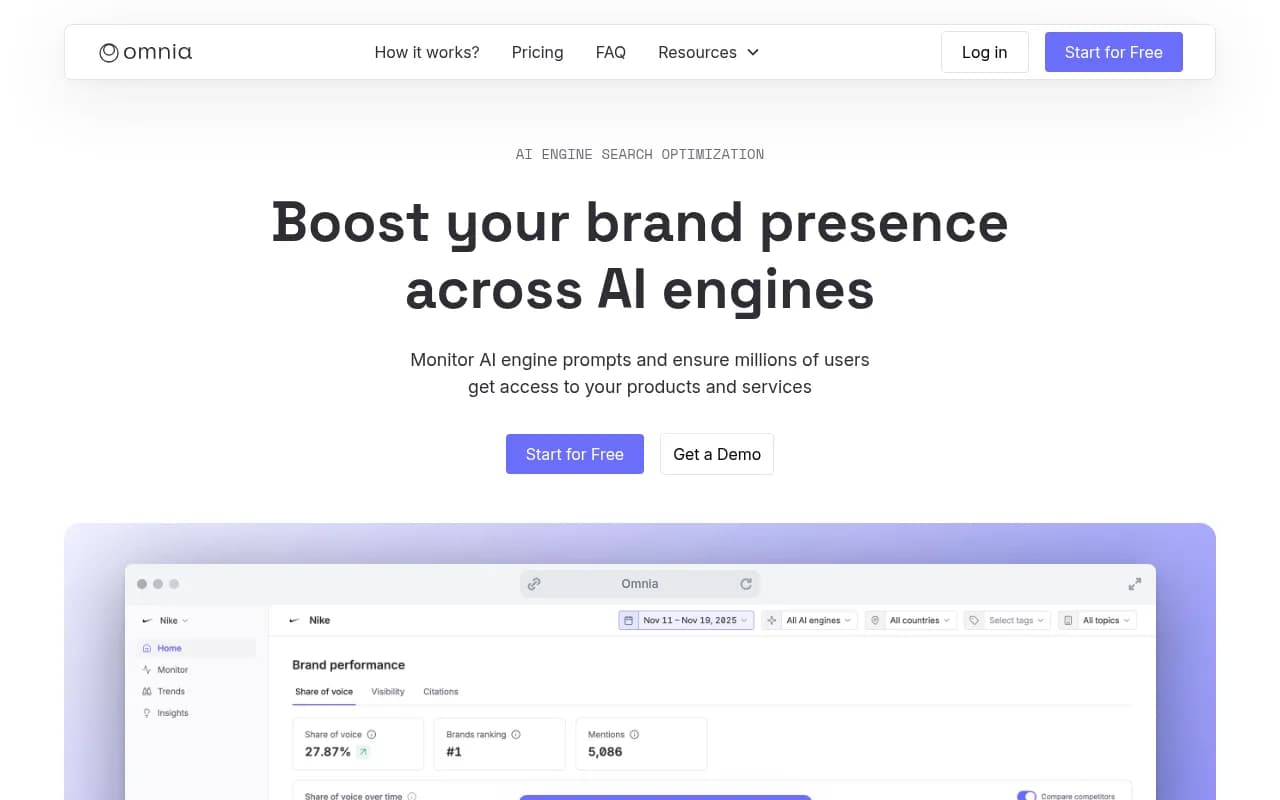
Omnia does one thing reasonably well: it tells you whether your brand shows up in AI-generated answers. For teams just getting started with AI visibility, that's a useful starting point. You can see a score, track it over time, and get a rough sense of how often AI models mention you versus competitors.
But here's the problem most teams run into after a few months: the score goes up or down, and you have no idea what to do about it.
Omnia, like most first-generation AI monitoring tools, is built around measurement. It's a dashboard. It answers "are we visible?" but not "why aren't we visible for this specific prompt?" and definitely not "what content should we create to fix that?"
In 2026, that gap matters more than it used to. ChatGPT now has over 900 million weekly active users. Google AI Overviews appear in more than 25% of all searches. AI referral traffic converts at roughly 14% — compared to about 3% for traditional organic search. If your brand isn't being cited, you're not just missing impressions. You're missing high-intent buyers who never see you at all.
A monitoring score isn't a strategy. At some point, you need to move from "we track this" to "we optimize this."
What a full GEO stack actually looks like in 2026
Before you migrate anything, it helps to be clear about what you're migrating toward. A complete GEO optimization stack has three layers:
Layer 1: Prompt intelligence and gap analysis You need to know which prompts your target customers are actually typing into ChatGPT, Perplexity, Gemini, and Google AI Mode. Not guesses — real prompt data with volume estimates and difficulty scores. Then you need to see which of those prompts your competitors are winning and you're not. That's your gap list.
Layer 2: Content creation grounded in that data This is where most monitoring tools completely stop. A full GEO stack takes the gap list and turns it into content — articles, comparisons, listicles, FAQs — that's engineered to answer the specific questions AI models are already surfacing. Generic SEO content doesn't cut it here. The content needs to be structured around how AI models extract and cite information.
Layer 3: Result tracking tied to real outcomes After you publish, you need to see whether it worked. Which pages are being cited? By which models? How often? And critically — is that visibility translating into actual traffic and revenue? Page-level citation tracking and traffic attribution close the loop.
Most tools cover layer 1 partially. Very few cover all three.
Mapping your Omnia data before you migrate
The worst thing you can do is cancel Omnia, sign up for a new platform, and realize three months later that you have no baseline to compare against. Historical data is genuinely valuable — even imperfect data tells you whether things are getting better or worse.
Here's a practical export checklist before you switch:
Export from Omnia:
- Brand visibility scores by date (go back as far as you can)
- Competitor visibility scores for the same periods
- Any prompt or query data you have access to
- Model-by-model breakdowns if available (ChatGPT vs. Perplexity vs. Gemini)
Document your current state:
- Which AI models you were tracking
- Which prompts or topics were being monitored
- Your baseline score at the time of migration
- Any seasonal patterns you noticed
Set up parallel tracking for 30 days if budget allows: Run both platforms simultaneously for a month. This gives you overlapping data you can use to calibrate. The scoring methodologies will differ between platforms — Omnia's "brand presence" score won't map 1:1 to a different tool's visibility index — but having both running lets you understand the relationship between them.
Once you've exported and documented, you're ready to choose your new stack.
Choosing your new platform: what to look for
The market for GEO tools has exploded. There are now dozens of platforms claiming to track AI visibility, and the differences between them are significant. Here's a quick comparison of the major categories:
| Category | What they do | What they miss | Example tools |
|---|---|---|---|
| Monitoring-only | Track brand mentions in AI responses | No gap analysis, no content tools, no fix | Omnia, Otterly.AI, LLM Pulse |
| Monitoring + basic gaps | Show you where competitors appear | No content generation, limited prompt data | AthenaHQ, Peec AI |
| Full GEO platforms | Gap analysis + content creation + tracking | Usually higher price point | Promptwatch, Relixir |
| Traditional SEO with AI add-ons | Broad SEO features, some AI tracking | Fixed prompts, no AI traffic attribution | Semrush, Ahrefs |
Otterly.AI



The key question to ask any vendor: "After you show me I'm invisible for a prompt, what do I do next?" If the answer is "look at the data and figure it out yourself," that's a monitoring tool. If the answer involves gap analysis, content briefs, or content generation, you're looking at an optimization platform.
Promptwatch is built around what they call the action loop: find the gaps, create content that fills them, then track whether it worked. The gap analysis shows exactly which prompts competitors rank for that you don't — down to the specific content your site is missing. Content Agents then generate articles and briefs grounded in real prompt data, citation patterns, and competitor analysis. And page-level tracking shows you when AI models start citing your new content, with traffic attribution connecting that back to revenue.

For teams coming from Omnia, this is a significant shift in how you think about AI visibility. You're not just watching a score anymore — you're running a content program specifically designed to improve it.
The migration process, step by step
Step 1: Audit your current prompt coverage
Before you set up your new platform, list every prompt or topic you were tracking in Omnia. Be specific. "Our brand" isn't a prompt. "Best [category] tools for [use case]" is a prompt. The more specific your list, the better your new platform can match or expand on it.
Most teams discover at this stage that they were tracking far fewer prompts than they should have been. Omnia's interface tends to push you toward brand-name queries. A full GEO approach requires tracking the entire category of prompts your buyers use — including ones that never mention your brand name at all.
Step 2: Set up your new platform with historical context
When you configure your new tool, use your exported Omnia data as a reference point. Set your baseline date to match when you started tracking in Omnia. Add the same competitors you were monitoring. Use the same core prompts as your starting set, then expand from there using the new platform's prompt discovery features.
If you're using Promptwatch, the Answer Gap Analysis will immediately surface prompts your competitors are winning that you weren't even tracking in Omnia. This is usually where teams have their first "oh" moment — realizing how much of the competitive landscape they were blind to.
Step 3: Connect your website for crawler data
This is something Omnia doesn't offer, and it's one of the most valuable things you gain in a migration. Platforms like Promptwatch can connect directly to your website through Cloudflare, Vercel, server logs, or a tracking snippet to show you which AI crawlers are hitting your pages, how often, and what they're reading.
This matters because there's often a gap between "AI models could cite this page" and "AI models are actually crawling this page." Crawler logs show you indexing errors, crawl frequency, and the timeline from when you publish content to when it starts getting cited. Without this data, you're optimizing blind.
Step 4: Build your first content gap list
Once your new platform is running, generate your first Answer Gap Analysis. This gives you a prioritized list of prompts where competitors are visible and you're not. Sort by prompt volume and difficulty to find the highest-value, most winnable gaps first.
For each gap, you want to understand:
- What content does the AI cite when it answers this prompt?
- What's missing from your site that would make you a credible source?
- What format works best — a dedicated article, a comparison page, an FAQ section?
Step 5: Create and publish GEO-optimized content
This is where the actual optimization happens. A few principles that consistently work in 2026:
- Answer the core question in the first 150 words of any page. AI models extract from the top of sections, not from conclusions.
- One topic per page. Semantic clarity matters more than comprehensiveness.
- Use structured data (FAQ schema, HowTo schema, Article schema) to make your content easier for AI models to parse.
- Cite specific data points and sources. AI models prefer content that references verifiable facts.
- Keep sentences and paragraphs short. Dense walls of text get skipped.
If you're using a platform with content generation built in, the briefs and articles it produces should already be structured around these principles. The key is making sure the content is genuinely useful — not just technically optimized filler.
Step 6: Track, iterate, and connect to revenue
After publishing, give it 4-6 weeks before drawing conclusions. AI models need to crawl your new content, evaluate it, and start incorporating it into responses. The timeline from publish to first citation varies by model — Perplexity tends to be faster than ChatGPT, which tends to be faster than Google AI Overviews.
Track at the page level, not just the brand level. Which specific pages are getting cited? For which prompts? By which models? This granularity tells you what's working and what needs to be revised.
Connect your visibility data to traffic attribution. AI visibility that doesn't drive traffic is interesting but not valuable. The goal is to see the full chain: prompt → AI citation → click → conversion.
Common mistakes during GEO migrations
Treating it as a one-time project. GEO optimization is ongoing. The competitive landscape shifts, AI models update their training data, and new prompts emerge constantly. Teams that do a migration sprint and then go quiet typically see their visibility plateau or decline within 90 days.
Ignoring offsite citations. Your own website isn't the only thing AI models cite. Reddit threads, YouTube videos, third-party listicles, and review sites all influence AI responses. A complete GEO strategy includes monitoring and influencing these offsite signals too.
Optimizing for the wrong prompts. Volume matters, but so does intent. A prompt with 10,000 monthly queries that's dominated by a Wikipedia article is harder to win than a prompt with 2,000 queries where no authoritative source exists yet. Prioritize based on both volume and winability.
Not setting up multi-model tracking. ChatGPT, Perplexity, Gemini, and Google AI Mode behave differently. A page that gets cited by Perplexity might not get cited by ChatGPT. Track all the models your buyers use, not just the one you personally prefer.
Other tools worth adding to your stack
Depending on your team's needs, a few other tools complement a core GEO platform well:
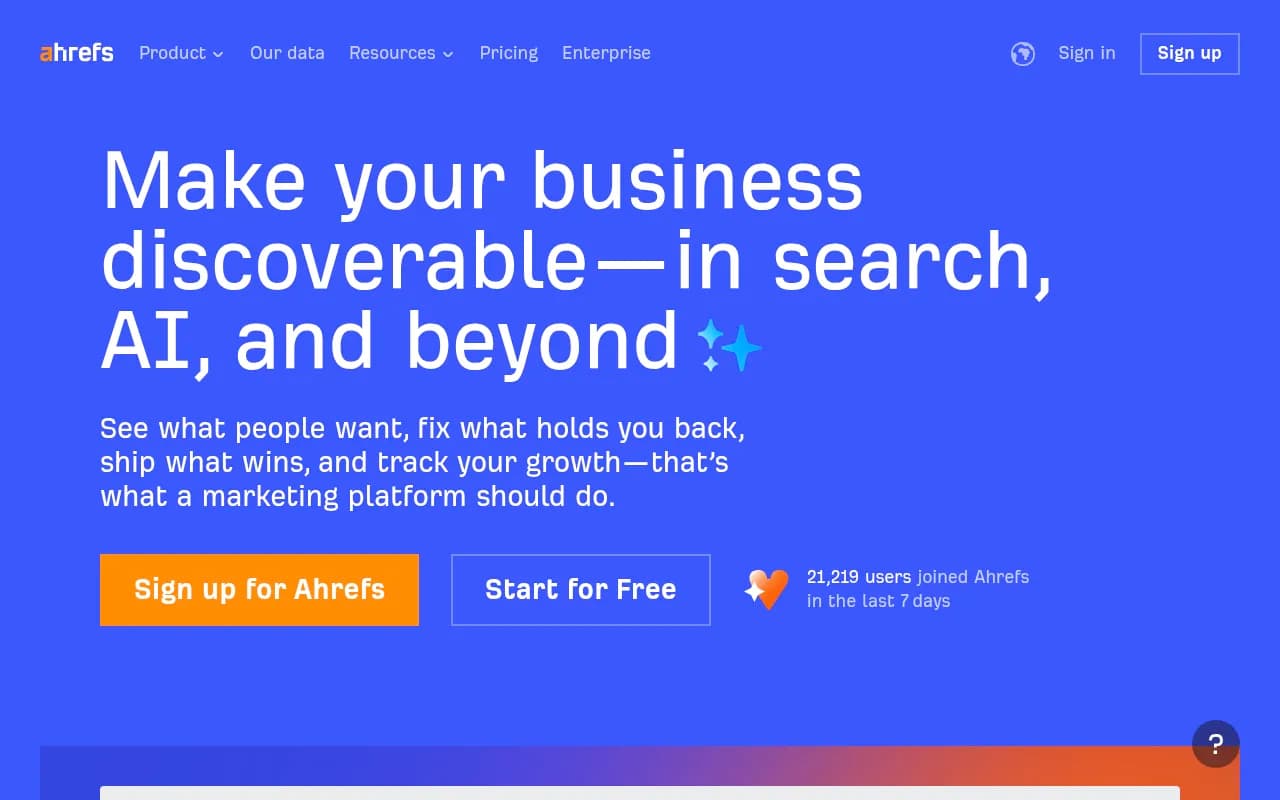
For content research and traditional SEO signals that still feed AI visibility, Semrush and Ahrefs remain useful for understanding what content exists in your space and where the link authority sits.
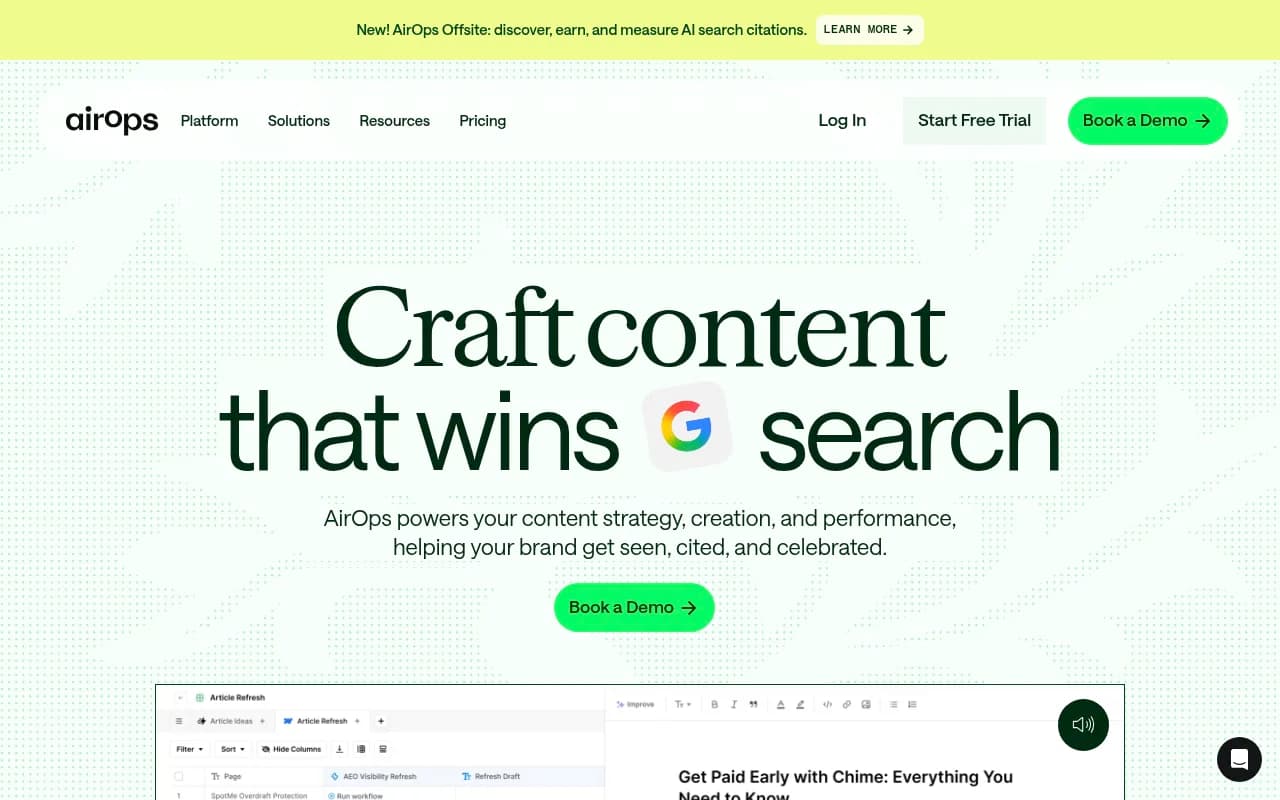
For content creation at scale, platforms like AirOps can help teams produce GEO-optimized content faster, especially when you have a long gap list to work through.
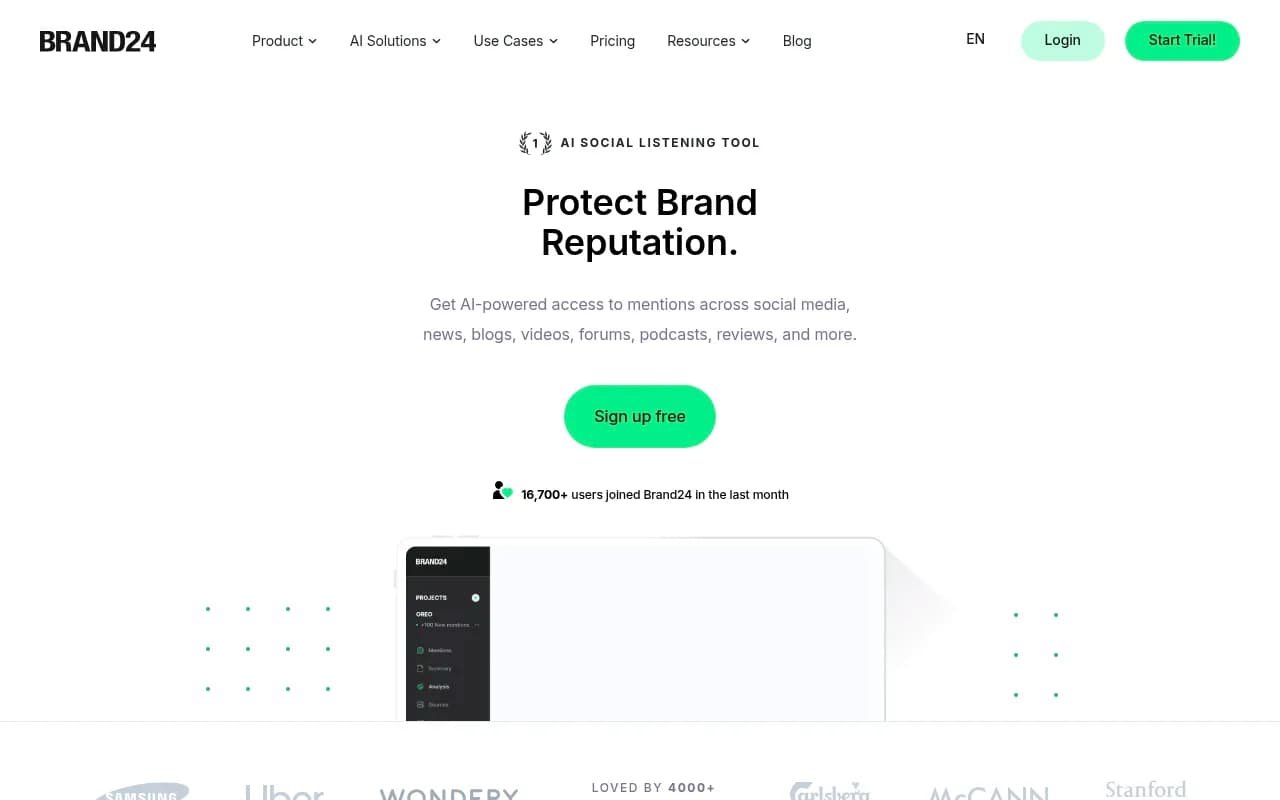
For tracking brand mentions across the broader web (not just AI responses), Brand24 gives you a signal on where your brand is being discussed in contexts that might eventually influence AI training data.
The honest reality of GEO in 2026
Migrating from a monitoring tool to a full GEO optimization platform is not a silver bullet. AI visibility is genuinely hard to influence quickly — the feedback loops are slower than traditional SEO, and the ranking signals are less transparent.
What a better platform gives you is not a shortcut. It gives you a clearer picture of what's actually happening, a more direct path from insight to action, and better data to evaluate whether your actions are working.
The teams winning in AI search right now are the ones who treat GEO as a content discipline, not a monitoring exercise. They're publishing specific, well-structured content that answers real questions. They're tracking which pages AI models actually cite. And they're connecting that visibility to business outcomes.
That's the upgrade worth making. Not just switching tools, but switching how you think about the problem.