Key takeaways
- Tracking local ChatGPT recommendations means running the same city-and-practice-area questions your clients ask, then logging whether your firm appears, where, and which competitors show up instead.
- One survey cited by claudeforlawyers.com puts the share of consumers who would use ChatGPT to research attorneys at 41.9% in 2026, up from 9% in 2023. Treat that as a single source, but the direction is clear.
- Build 30 to 60 prompts by practice area, city, and intent. Branded prompts and commercial prompts behave differently and need separate tracking.
- Spot checks are fine for a week. After that you need a tracker that handles repeated runs, location settings, and competitor comparison, plus analytics to see whether AI referrals turn into cases.
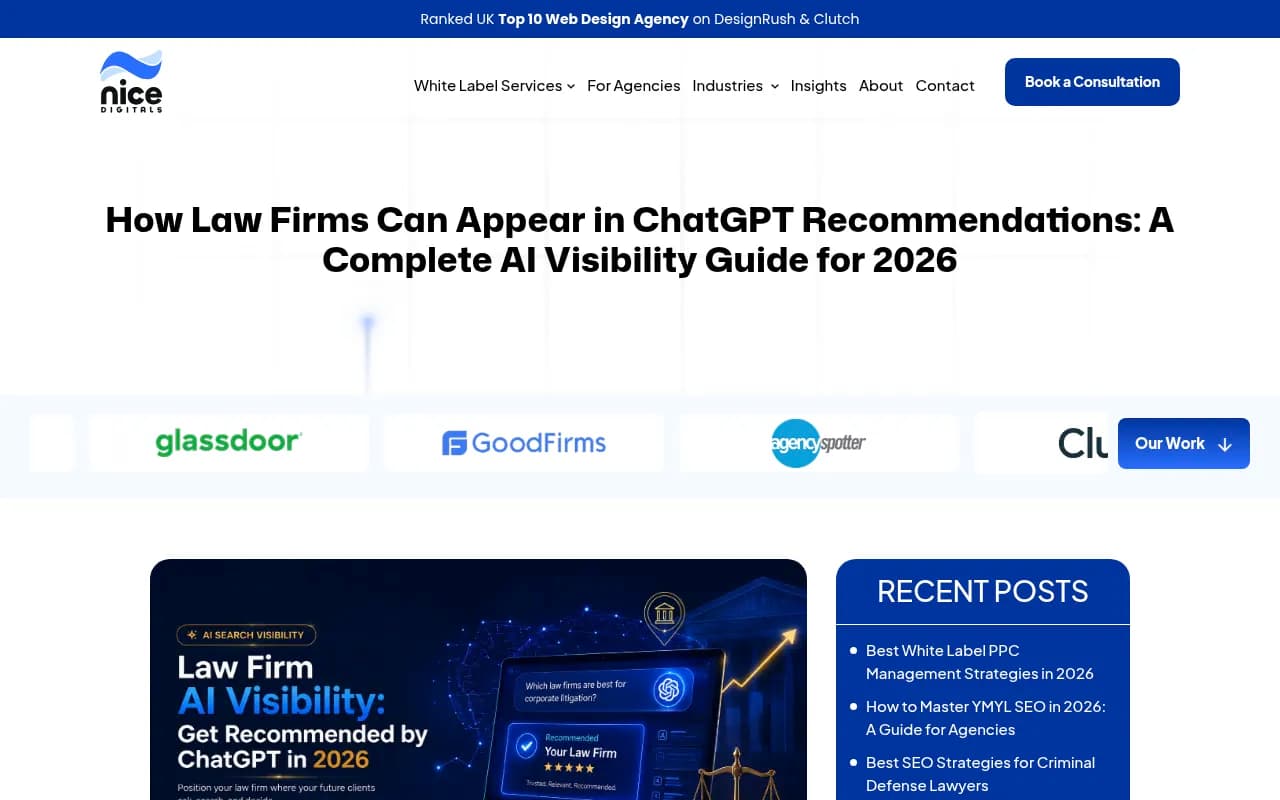
- Most firms see movement within 3 to 6 months of consistent entity building, content work, and new citations, per Nice Digitals. Expect slow, uneven progress.
Why tracking comes before optimizing
Most law firm marketers I talk to want to jump straight to "how do we get recommended." That skips the part where you find out what ChatGPT says today. Without a baseline you can't tell whether the work you do in month two did anything.
The measurement problem is also harder for law than for most industries. Answers vary by city, by practice area, by how the question is phrased, and from one run to the next. A single screenshot of "best divorce lawyer in Denver" tells you almost nothing. A hundred runs across forty prompts tells you quite a lot.
There is a decent amount of marketing-agency content on this topic already. Webris, for example, publishes an illustrative table showing ChatGPT sending 612 sessions at an 18.4% conversion rate and 11 cases, versus 142 sessions and 2 cases from Perplexity. Treat figures like that as one agency's example, not a benchmark. The useful idea in it is the structure: sessions, conversion rate, and signed cases per AI source. That is what you want your own reporting to look like.
What "local ChatGPT recommendation" means
Three different things get lumped together here, and they need different tracking.
- Category and city prompts. "Best personal injury lawyer in Austin." This is the high-value one. ChatGPT names firms, often with a short reason for each.
- Branded prompts. "Is Smith & Jones LLP good for employment disputes?" Someone already knows you and is checking you out.
- Situation prompts. "I was rear-ended in Tampa and the other driver's insurer is calling me. What do I do?" The answer may or may not name a firm, but it often cites pages that do.
Track all three, but report them separately. Blending them hides the thing you most want to know, which is whether you're winning the "best lawyer in [city]" moment.
Step 1: build your prompt set
Start with a spreadsheet. Columns: prompt, practice area, city or neighborhood, intent type, and notes. Aim for 30 to 60 prompts to start.
Prompt patterns that work
- Direct recommendation: "best [practice area] lawyer in [city]"
- Qualifier: "affordable," "free consultation," "contingency fee," "bilingual," "small firm"
- Situation-led: a plain-language description of the legal problem plus the city
- Comparison: "[your firm] vs [competitor]"
- Branded: your firm name plus a practice area, and each partner's name
- Neighborhood or suburb variants: clients in the metro area don't always type the main city name
Write them the way a stressed non-lawyer would, not the way a marketer would. Nobody types "top-rated personal injury attorney Austin TX." They type "i got hurt at work who do i call."
Add the fan-out layer
ChatGPT doesn't answer from one search. It splits a prompt into separate web searches, which Promptwatch Data calls query fan-outs, and a single prompt can trigger several. In Promptwatch's query fan-out data, the measured average was 2.15 searches per response in early December 2025, easing to about 1.84 by early March 2026, and query length shrank over the same period. (That report's date metadata looks stale, since the text mentions April figures, so check it for the latest numbers.) The practical lesson: the searches ChatGPT runs behind the scenes are short and keyword-like, something close to "personal injury lawyer Austin." Seeing those fan-out queries tells you which pages you actually need to rank and be cited for.
Step 2: run manual spot checks first
Before paying for anything, spend an afternoon on this.
- Open a fresh ChatGPT session, logged out or in a clean browser profile, so your own history doesn't bias results.
- Run each prompt three times. Answers differ between runs.
- Record: was your firm named, in what position, with what description, and which sources were cited.
- Note which competitors appear and which sites ChatGPT cites. Those sources are your real targets.
This is slow and it has real limits. Location is inferred, personalization creeps in, and you can't realistically do it weekly across 50 prompts. But it will show you quickly whether you're invisible, occasionally present, or consistently named. It also shows you what kinds of pages feed the answer.
Step 3: understand what ChatGPT is citing
The firm website is only one input. For legal prompts, citations tend to come from a mix of your own pages, directories, review sites, and roundups. I could not find a law-specific Promptwatch report, so use the general content-type data as a guide.
In Promptwatch Data's content type report for Sep 28 to Oct 4, 2026, product pages made up 22.4% of ChatGPT citations and landing pages 16.8%. Listicles were 13.6%. For commercial prompts, the "best X" kind, product pages were 26.0%, landing pages 20.6%, listicles 15.0%, and comparisons 7.9%, nearly 70% together.
For a law firm, "product page" translates to a practice-area page. A "best personal injury lawyer in [city]" query is a commercial prompt, so your practice-area pages and the best-of roundups that list firms matter most.
Branded prompts look different. Reviews rise to 5.6% of citations, more than three times their overall share, FAQ pages reach 4.8%, and social posts 3.0%. So when you track prompts that include your firm name, check that your review profiles and FAQ page say what you want said.
The volume of sources matters too. Almost half of ChatGPT responses cite 10 or more unique domains in the Sep 28 to Oct 4, 2026 data. That means an answer is assembled from many places, and being named on a handful of third-party pages can matter as much as your own site.
One more finding worth knowing if you rely on community posts: reddit.com's share of ChatGPT citations fell from roughly 4% to 0.5% on August 14, 2026. Don't build a tracking strategy around forum mentions for ChatGPT specifically, though Google's AI surfaces cite social platforms more.
Step 4: choose a tracking approach
Manual checks don't scale, so most firms and legal marketing agencies move to a tool. Here is how the main options compare for a law practice.
| Approach | Good for | Weak spot |
|---|---|---|
| Manual spot checks | Baseline, free | Not repeatable, no history |
| Local rank trackers (grid-based) | Google Maps and local pack | Does not show ChatGPT answers |
| Basic AI prompt trackers | Cheap mention counts | Often no crawler data, no traffic attribution |
| Full AI visibility platforms | Prompts, citations, crawlers, traffic, content actions | Higher price, more setup |
| Traditional SEO suites with AI add-ons | One login for everything | Fixed prompt sets, shallower AI data |
What to look for
- Location control. Can it run prompts as if from a specific country, and ideally a specific city or state? City-level tracking matters a great deal for local legal work.
- Real interface data, not just API responses. What users see in ChatGPT can differ from what the API returns.
- Citation and source reporting, so you can see which directories and roundups feed the answers.
- Competitor tracking, since your rival firms are the whole point.
- AI traffic attribution, so you can connect visits to consultations.
- Exports and scheduled reports for partners who want a monthly PDF.
Tools worth a look
Promptwatch is the one I'd start with for a firm that wants to do something with the data and not just watch it. It tracks the real ChatGPT interface by country, with state and city tracking on its Business plan, and it ties citations to crawler logs and visitor analytics, so you can see whether AI visits actually become leads. Its Action Board and Content Agent turn gaps into a to-do list and drafts. Check promptwatch.com/pricing for current plans; Essential starts at $95/month and Business, which adds state and city tracking, is $579/month.

For lighter monitoring there are many choices. Peec AI and Otterly.AI are popular basic prompt trackers.

Otterly.AI

Profound is aimed at larger enterprise teams, which may be more than a regional firm needs.
Profound

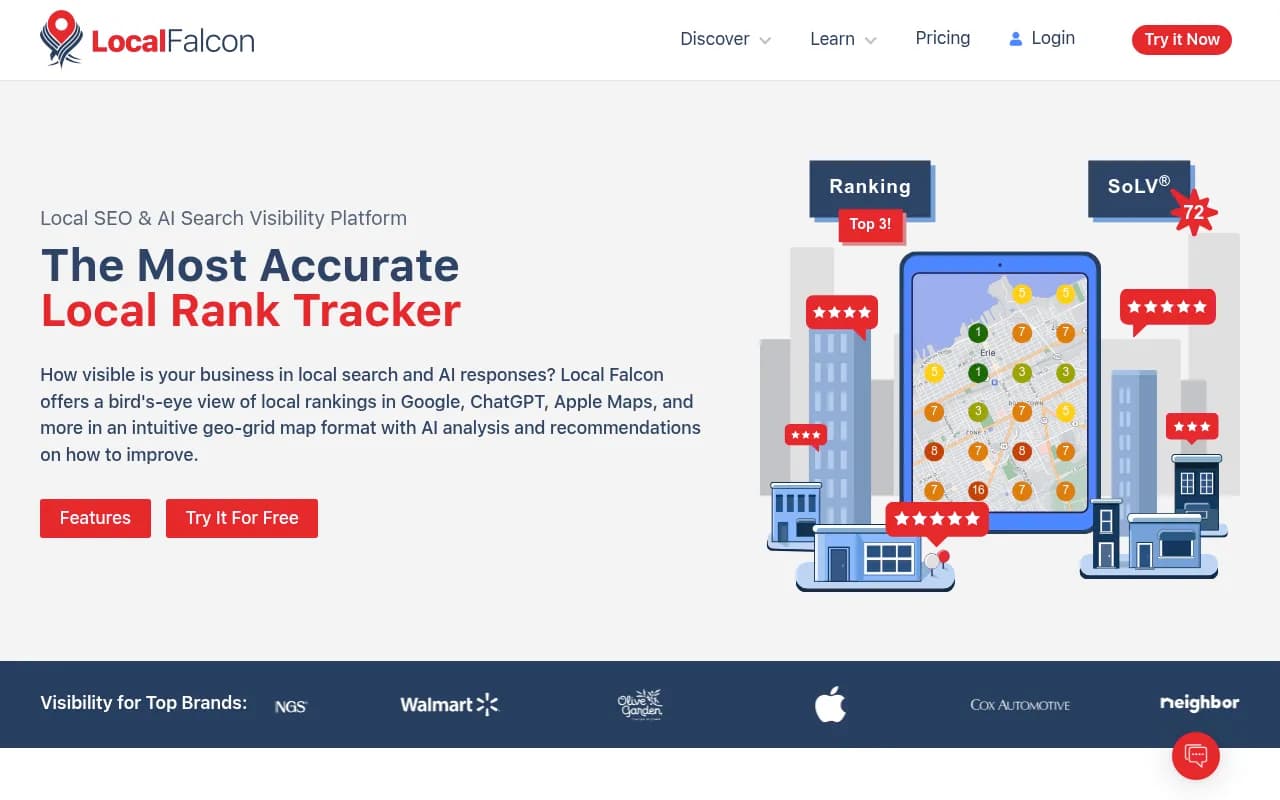
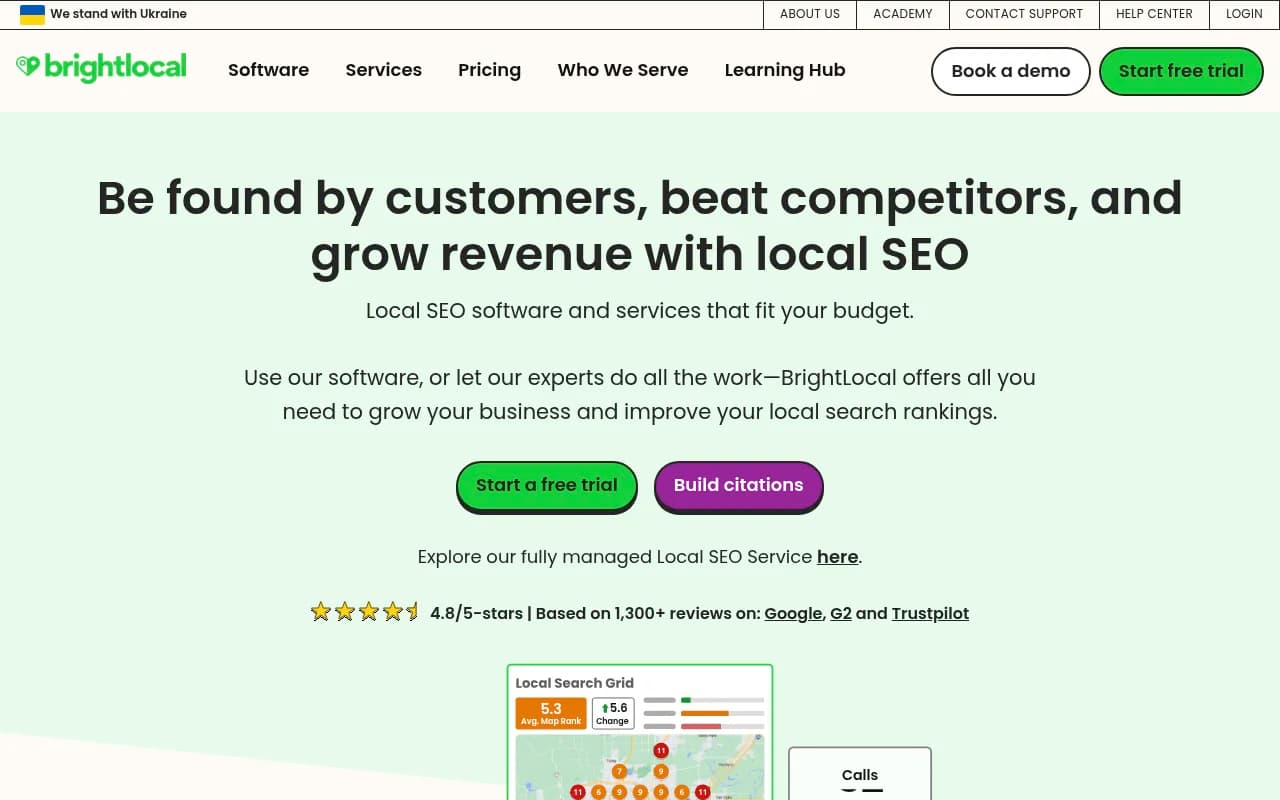
If you also care about Google Maps rankings, a geo-grid tool is a separate and complementary purchase. Local Falcon and BrightLocal cover that side.
For a wider view of options, the GEO software directory lists many more trackers by category.
Step 5: set up measurement that connects to cases
Mention counts are vanity metrics unless they connect to intake. Set up these layers.
Visibility metrics
- Share of prompts where your firm is named, by practice area and city
- Average position in the answer
- Share of voice against your top three local competitors
- Sentiment: how ChatGPT describes you (experienced, expensive, hard to reach)
- Self-citation rate: how often your own pages are cited when you are named
Read them together. Low share of voice is a coverage problem. Late position is a prominence problem. Being named without your own pages cited usually points to a content or crawlability issue.
Traffic and conversion
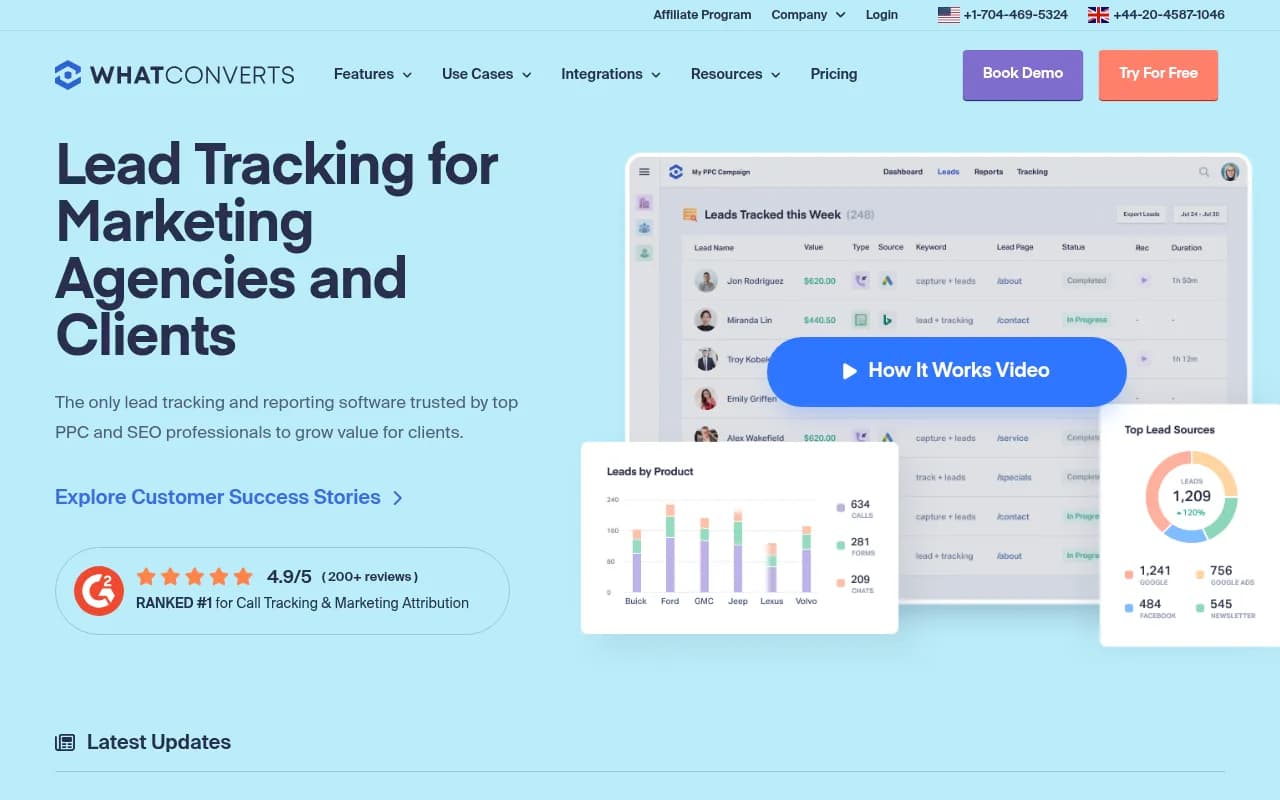
Create a segment in Google Analytics for referrals from chatgpt.com and other AI sources. Tag form fills and calls with something like WhatConverts or CallRail-style call tracking so a ChatGPT visit can be tied to a signed case. Ask on intake forms, "How did you hear about us?" and add "ChatGPT or another AI tool" as an option. Clients often don't click a link at all. They get your name from ChatGPT and search for you directly, so self-reported source catches what analytics miss.
Crawler access
If AI crawlers can't read your site, nothing else matters. Check robots.txt and your CDN rules for GPTBot, OAI-SearchBot, and ChatGPT-User. Promptwatch's crawler logs show which AI bots actually hit your pages and whether they hit errors. A free option is to run your site through a crawler like Screaming Frog and check server logs by hand.
Step 6: read the results and act
The point of tracking is deciding what to do next. A few patterns come up repeatedly.
| What you see | Likely cause | Next move |
|---|---|---|
| Competitors named, you never are | Weak entity signals, thin practice pages | Rebuild practice-area pages per city and add attorney bios |
| You appear for branded prompts only | Low category authority | Get included in best-of roundups and legal directories |
| Named but described badly | Old or negative reviews, outdated listings | Fix directory data, gather fresh reviews |
| Cited pages are directories, not your site | Third-party sources dominate | Make sure Avvo, Justia, Yelp and bar listings are accurate and complete |
| AI crawlers get errors | Technical block | Fix robots.txt, rendering, and server errors |
Two practical content moves follow from the data above. First, build separate focused pages for each sub-question (fees, process, timelines, comparisons) rather than one giant page. Second, write headings the way the fan-out queries read: entity and category first, short and plain, for example "personal injury lawyer Austin."
Content half-life matters too. In Promptwatch's content half-life data, pages ChatGPT cited on July 6, 2026 were tracked for 90 days. Landing pages and docs stayed cited longest, while news lost half its pages within 36 days. A durable practice-area page beats a news-style blog post for staying power.
Compliance notes for law firms
This is where legal marketing differs from other industries. I'm not a lawyer and rules vary by state, so confirm with your bar.
- Client testimonials and reviews are regulated differently across jurisdictions. Asking for reviews to feed ChatGPT visibility still has to follow your bar's advertising rules.
- Don't misstate results. If ChatGPT describes you with "won millions," make sure your own pages don't imply guarantees.
- If you use general AI chatbots internally, remember the ABA's Opinion 512 keeps the duty to verify on the lawyer. That applies to your own use of AI, separate from how you appear in it.
- Check how AI describes your practice areas and jurisdictions. Hallucinated claims, like a license in a state where you aren't admitted, are worth documenting and correcting at the source.
A simple monthly workflow
- Week 1: refresh the prompt set. Add new practice areas, new neighborhoods, and any new prompts from intake call notes.
- Week 2: review the dashboard. Note share of voice, position, and sentiment changes per practice area.
- Week 3: ship two or three fixes. Update a practice-area page, correct a directory, request reviews, repair a crawler issue.
- Week 4: report to partners with three numbers: share of voice, AI referral sessions, and intake calls or cases that cite AI as the source.
Keep it boring and consistent. Nice Digitals' estimate of 3 to 6 months before meaningful change matches what most people see in practice. The firms that quit at week six never find out.
Getting help
If you'd rather hand this off, an agency that does both local SEO and AI search work can run the tracking and the fixes together. 1001 SEO Media covers technical SEO, content, local SEO, and generative engine optimization, and uses Promptwatch for AI visibility tracking. Whoever you hire, ask to see the prompt list, the city-level methodology, and how they tie AI visits to signed cases.
FAQ
Can I track ChatGPT for a specific city?
Yes, but only with tools that support location settings. Manual checks infer location unreliably. City-level tracking is a feature to verify before you buy.
How many prompts do I need?
Start with 30 to 60 covering your main practice areas and cities. Add more as you learn which questions clients actually ask.
Does ranking in Google Maps mean ChatGPT will recommend us?
Not automatically. The two overlap, since ChatGPT searches the web behind the scenes, but local pack rank and ChatGPT mentions are separate measurements. Track both.
How often should we check?
Weekly automated runs, monthly review. Answers vary between runs, so trends matter more than any single result.