Key takeaways
- ChatGPT currently recommends only about 1.2% of local business locations tracked in SOCi's 2026 Local Visibility Index, which covered 350,000+ locations across 2,751 brands. 83% of restaurants in that dataset don't show up in AI-generated local recommendations at all.
- Consumer behavior shifted fast: roughly 6% of consumers asked an AI for a local business recommendation last year, versus about 45% this year, per a widely-shared LinkedIn analysis from Doron Segal. Popmenu's 2026 data puts restaurant-specific AI search usage at around 20% of US diners, up from near zero two years ago.
- An independent audit of 210 ChatGPT dining answers across eleven US cities found that not one answer pulled directly from a Google, Bing, Apple Maps or Yelp page to make its pick. But when ChatGPT shows a business card next to the answer, 45 of 56 cards carried a Yelp-sourced data feed. The sentence and the card are two separate jobs.
- Review volume with consistency beats raw star rating. A restaurant with 200 reviews at 4.2 stars tends to outrank one with 20 reviews at 4.8 in AI answers, because volume and recency signal reliability more than a thin set of perfect scores.
- Structured data, FAQ content answering dietary and hours questions, and a steady trickle of recent reviews matter more than chasing a single ranking algorithm, because there isn't one.
Why this matters now
For a couple of decades, showing up for a local business meant one thing: rank on Google Maps, optimize your Google Business Profile, collect reviews, repeat. That playbook still works for Google. It does almost nothing for ChatGPT.
I'll be honest, the 1.2% figure from SOCi's 2026 Local Visibility Index startled me the first time I read it. Out of 350,000+ locations across 2,751 brands, ChatGPT recommended only a sliver. That's not a rounding error, that's an entire channel most local businesses are sitting out of without realizing it. And the demand side is moving in the opposite direction: a LinkedIn breakdown of consumer survey data shows the share of people asking AI for local recommendations jumped from about 6% to roughly 45% year over year. Hospitality-specific data backs this up too, with Popmenu reporting about 20% of US diners now using ChatGPT or Gemini to find a restaurant.
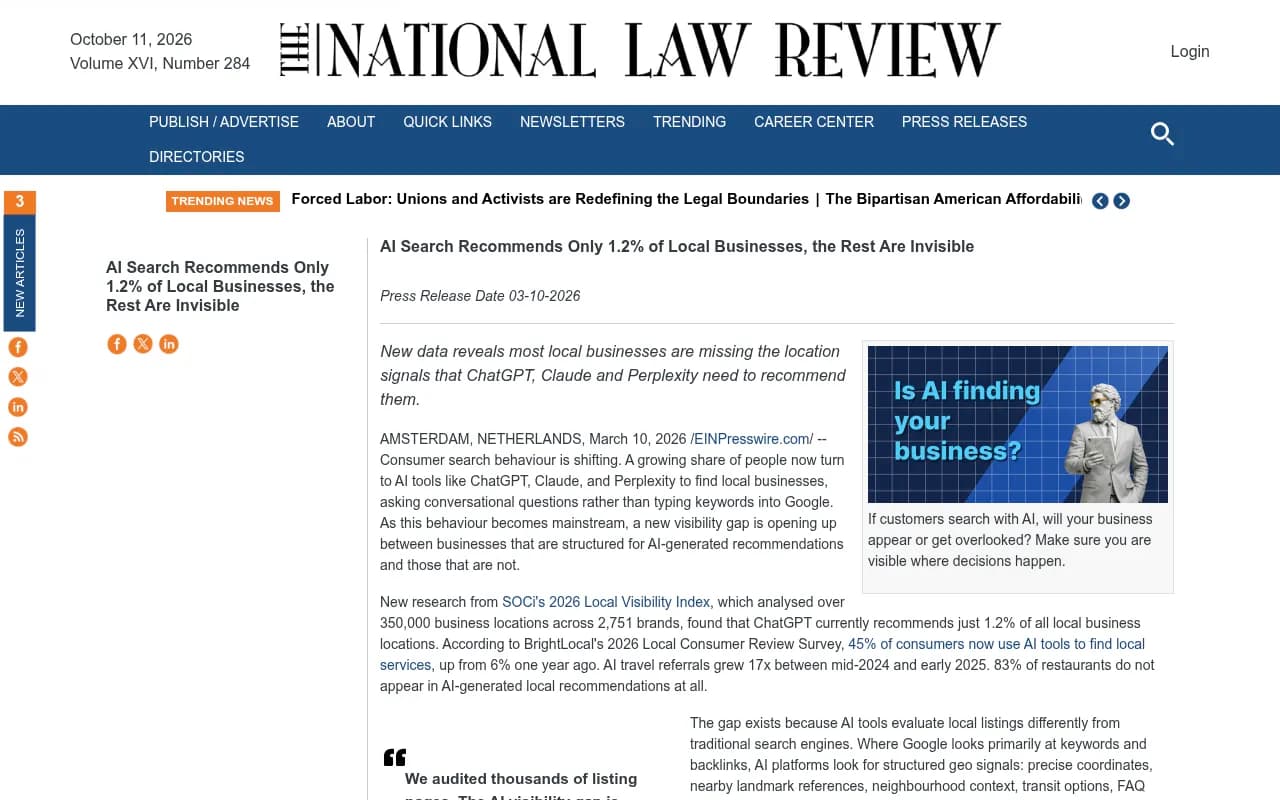
So you've got a huge gap between where people are starting to search and where businesses are actually visible. That gap is either an opportunity or a warning sign depending on which side of it you're standing on.
How ChatGPT actually decides what to recommend
There's no index of local businesses ranked by stars, and OpenAI has never published a ranking formula the way Google at least gestures toward with its quality rater guidelines. A local answer from ChatGPT isn't one object, it's two separate things happening at once, and conflating them is probably the single biggest reason business owners get confused about what to fix.
An audit published by Pluspoint ran 110 customer dining questions across eleven US cities, twice each, for 210 total answers, all captured on August 10, 2026 through ChatGPT with live web search enabled. The finding that stuck with me: not one of the 210 answers quoted a Google, Bing, Apple or Yelp page directly to justify naming a restaurant. The sentence that names your business comes from somewhere else, usually a blend of editorial content, review aggregators, local guides, and news mentions that ChatGPT's search layer pulls together.
But the business card that often appears beside the answer, the little widget with hours, address, and a link, is a different animal entirely. In a separate part of the same audit, 45 of 56 cards carried a Yelp-tagged data feed. Google, Apple, and Bing appeared on none of them. That's a meaningful detail if you're a restaurant owner who has spent years optimizing a Google Business Profile and nothing else.
| What it decides | The sentence naming you | The card next to it |
|---|---|---|
| Controls | Whether you appear at all | Whether the customer can act on it |
| Primary source | Editorial mentions, aggregated review sentiment, local write-ups | Yelp feed in 45 of 56 cards audited |
| What never showed up | Google, Bing, Apple, Yelp pages quoted directly, across all 210 answers | Google, Apple, Bing as the card source |
So two different optimization jobs: get mentioned in the text (which runs on trust signals and content that answers real questions), and make sure your Yelp listing is clean and current (which runs the business card).
What actually gets a restaurant or local shop named
A few patterns showed up consistently across the research, and none of them are complicated in isolation. The hard part is doing all of them at once, consistently, across every location if you run more than one.
Review volume and recency beat a perfect average
The Reddit thread in r/AISEOforBeginners put it bluntly: a restaurant with 200 reviews at 4.2 stars will beat one with 20 reviews at 4.8 in AI recommendations, pretty much every time. AI models treat a thin pile of five-star reviews as a weaker signal than a large, steady stream of reviews that trend positive but aren't flawless. A QR code on the table asking regulars for a quick review does more for your AI visibility than chasing a perfect score from twenty people.
Structured data and dietary or hours FAQs
Josh Kopel's research on restaurant AI visibility found that fact consistency across the web, schema markup on your site, and question-led pages (think "Does this restaurant have gluten-free options?" or "What time does the kitchen close on Sundays?") correlate with being named in AI answers. A restaurant without structured location context and a clear FAQ covering dietary restrictions or opening hours is unlikely to surface for conversational queries, because the AI has nothing concrete to quote.
Consistency across the web, not just one platform
Malou's research on restaurant AI visibility emphasizes that your name, address, hours, and menu details need to match across every platform where they appear, not just your own website. ChatGPT is assembling an answer from fragments scattered across the web, and conflicting information (one source says you close at 9, another says 10) makes it harder for the model to commit to naming you with confidence.
Local press and third-party mentions still carry weight
Because restaurants dominate most of these research samples, it's worth noting the data skews toward food media. Local "best of" roundups, city magazine write-ups, and food blogger coverage feed directly into what ChatGPT quotes. If you've never pitched a local food writer or pursued a mention in a neighborhood guide, that's a gap worth closing before you touch anything technical.
Multi-location brands face a bigger version of the same problem
If you run five locations, you don't have one visibility problem, you have five, and they compound. Inconsistent hours across locations, review volume concentrated in your flagship store while satellite locations sit thin, and franchise pages that don't differentiate one address from another all make it harder for ChatGPT to name a specific location confidently. SOCi's research specifically calls out that the challenge scales with size for multi-location brands, which tracks with what I'd expect: more locations means more chances for the underlying data to drift out of sync.
This is where dedicated local visibility platforms earn their keep rather than trying to fix things location by location in a spreadsheet.
Tools that help with local AI visibility
A few categories of tools are relevant here, and they solve different pieces of the problem.
Multi-location listing and reputation platforms
These handle the fundamentals: consistent NAP (name, address, phone) data, review generation and monitoring, and increasingly, visibility tracking for AI answer engines specifically.
Review and reputation-specific tools
Since review volume and recency are such a strong signal, a dedicated review generation workflow matters as much as any technical fix.
AI visibility and GEO monitoring
For brands that want to know exactly how often they're showing up in ChatGPT, Gemini, or Perplexity answers, and not just guess based on anecdotes, a generative engine optimization platform tracks this directly. Promptwatch monitors brand mentions and citations across ChatGPT, Gemini, Claude, Perplexity, Google AI Overviews and AI Mode, and unlike pure monitoring tools it also runs crawler logs showing when AI bots actually visit your location pages, plus content agents that can draft and publish FAQ-style pages addressing the exact dietary, hours, and menu questions AI models get asked. For a multi-location brand trying to figure out why one city's locations show up and another's don't, that kind of diagnostic data is hard to get anywhere else.

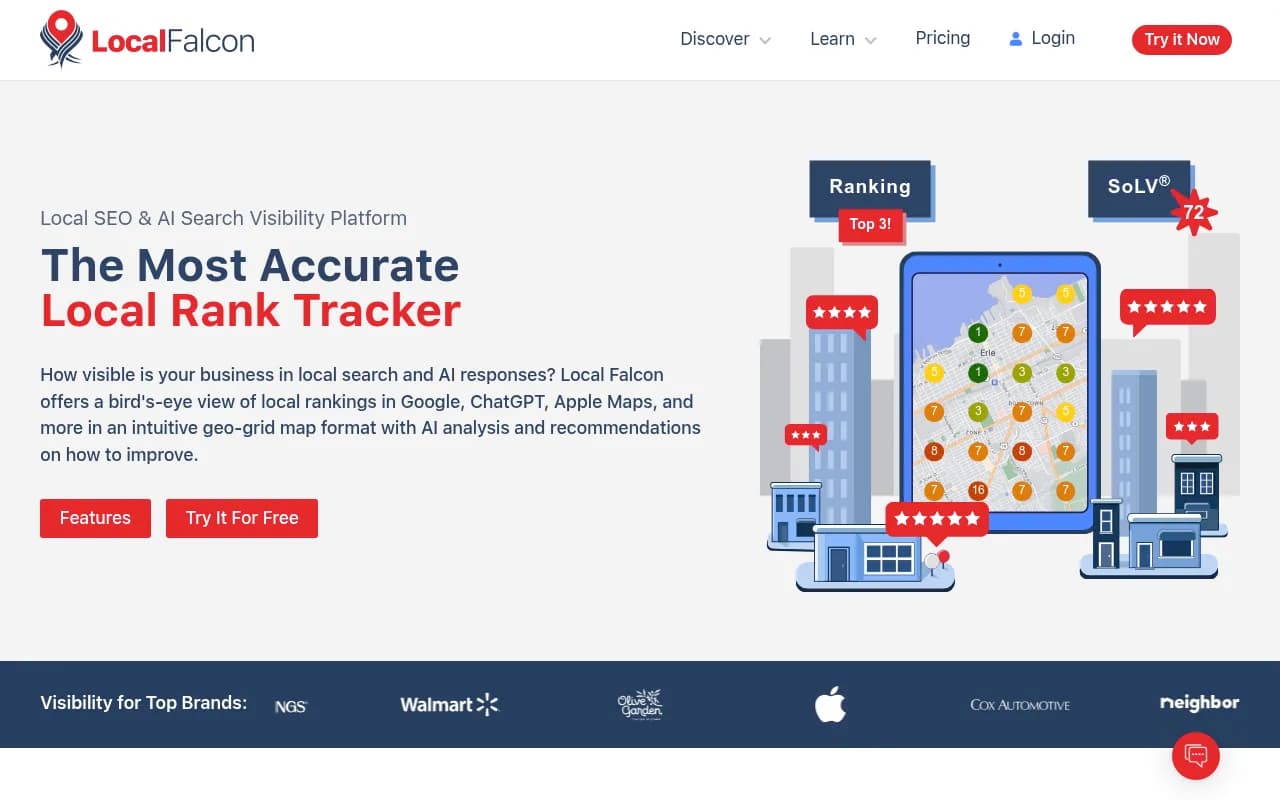
Local rank and geo-grid tracking
These stay more Google-Maps focused but still matter for the broader local search picture that feeds into what AI models find when they search live.
| Tool | Focus | Best for |
|---|---|---|
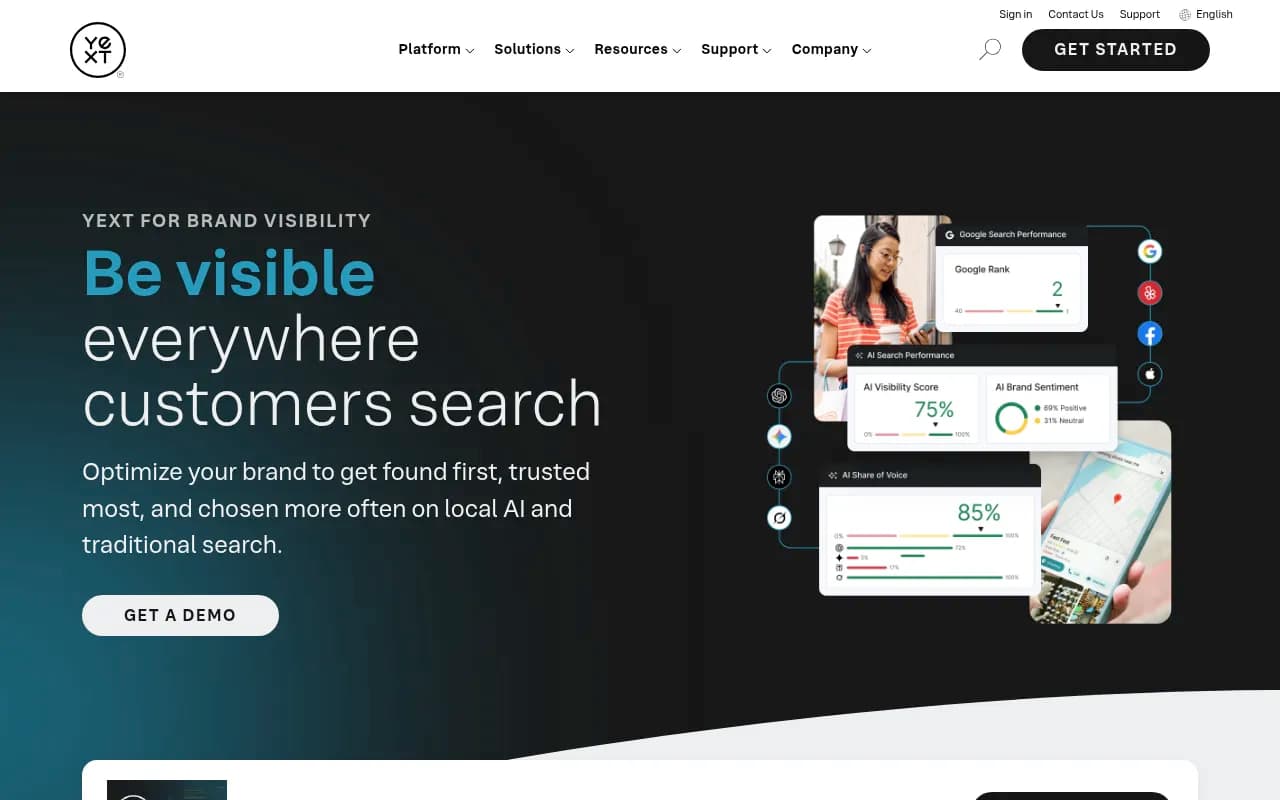
| Yext | Multi-location listing accuracy across traditional and AI search | Chains with many locations needing consistent NAP data |
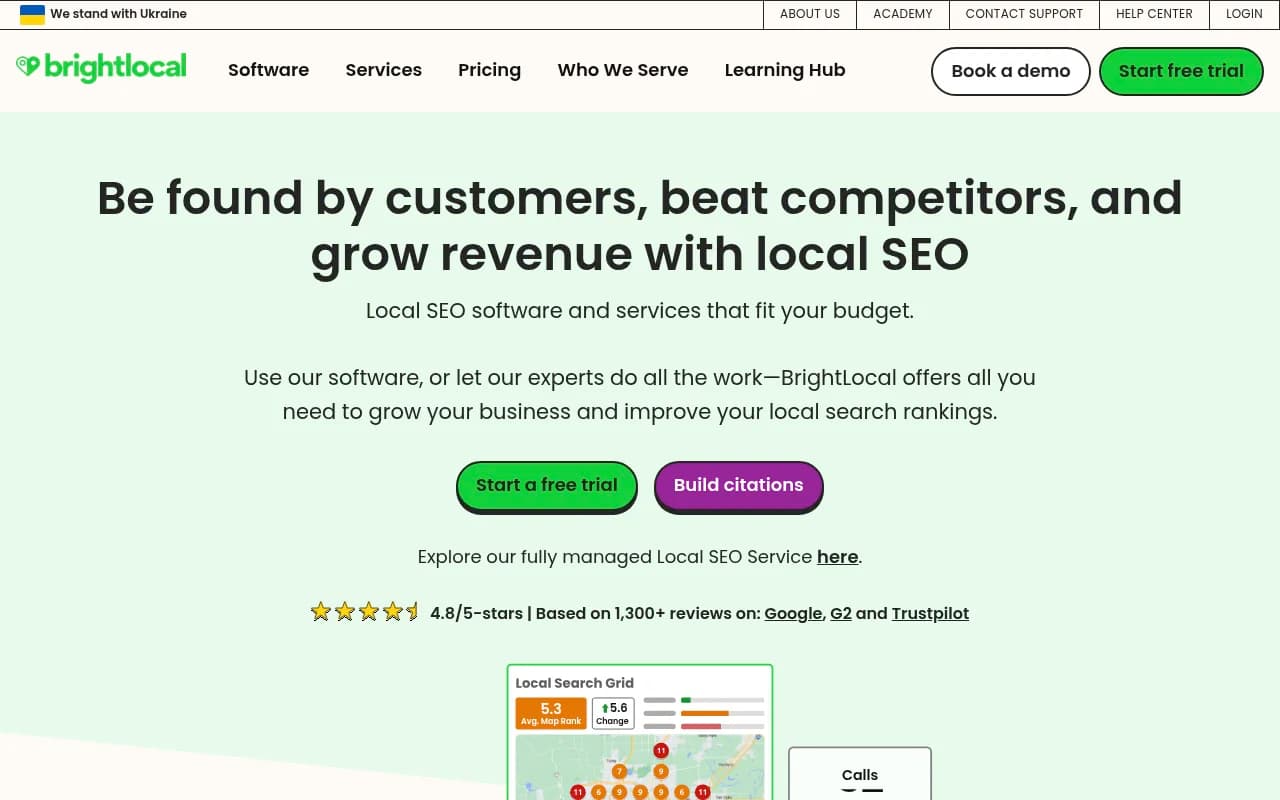
| BrightLocal | Local SEO toolkit including citation and review tracking | Independent local businesses and small agencies |
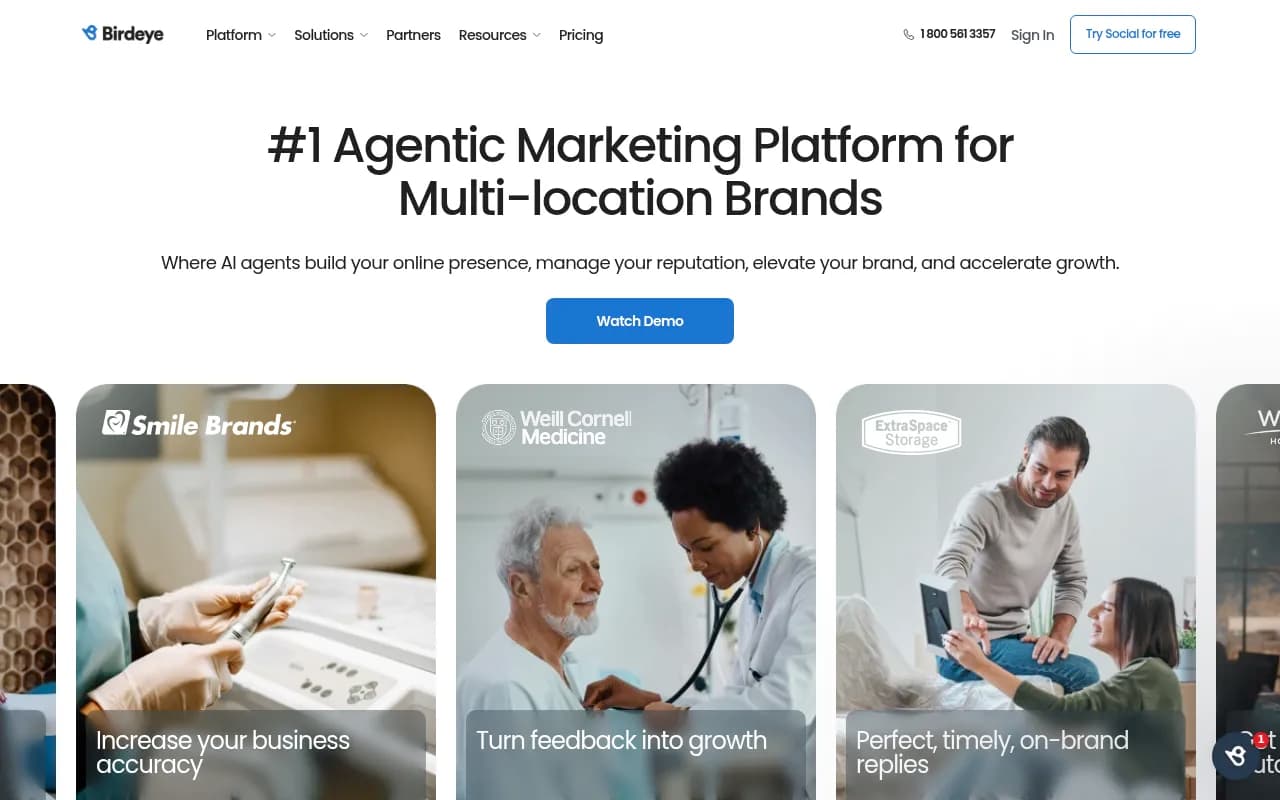
| Birdeye | AI-answer brand appearance tracking plus reputation | Businesses wanting review volume and AI visibility in one place |
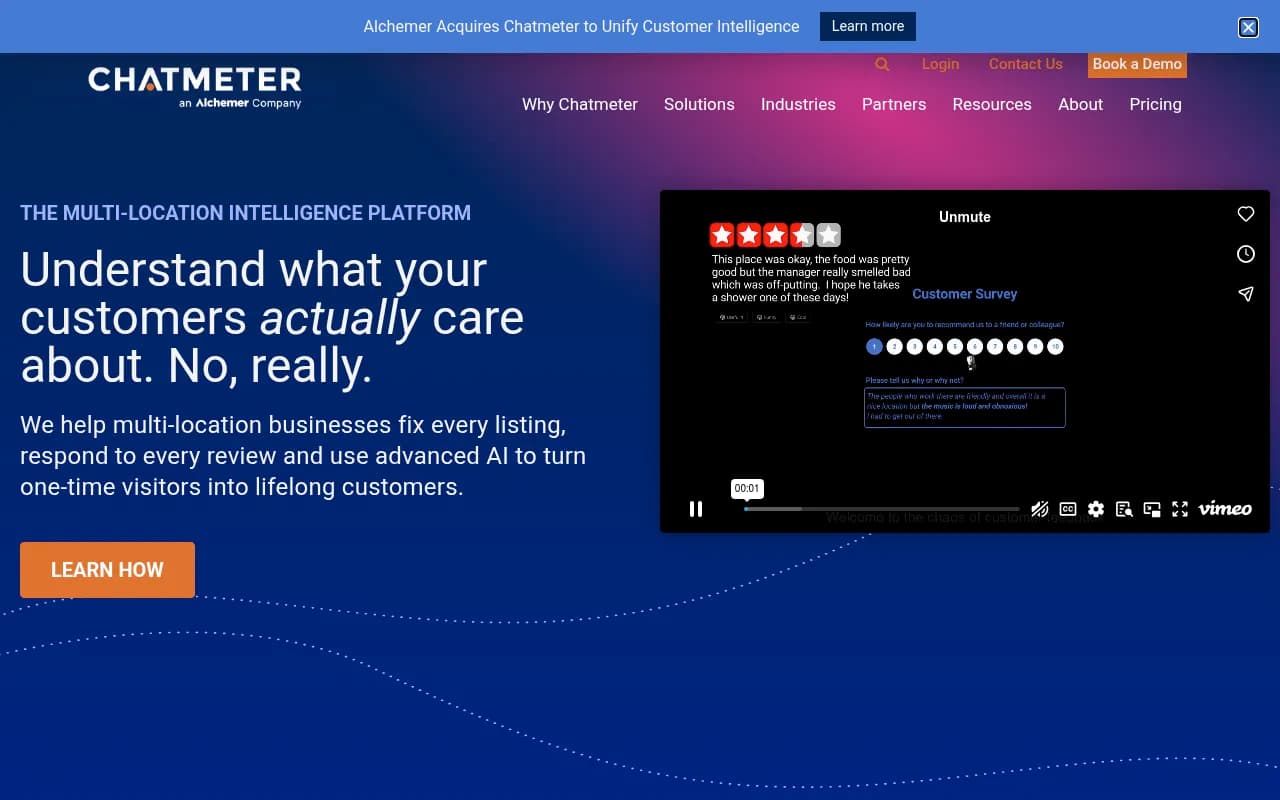
| Chatmeter | Multi-location reputation and search visibility | Franchise and multi-location restaurant groups |
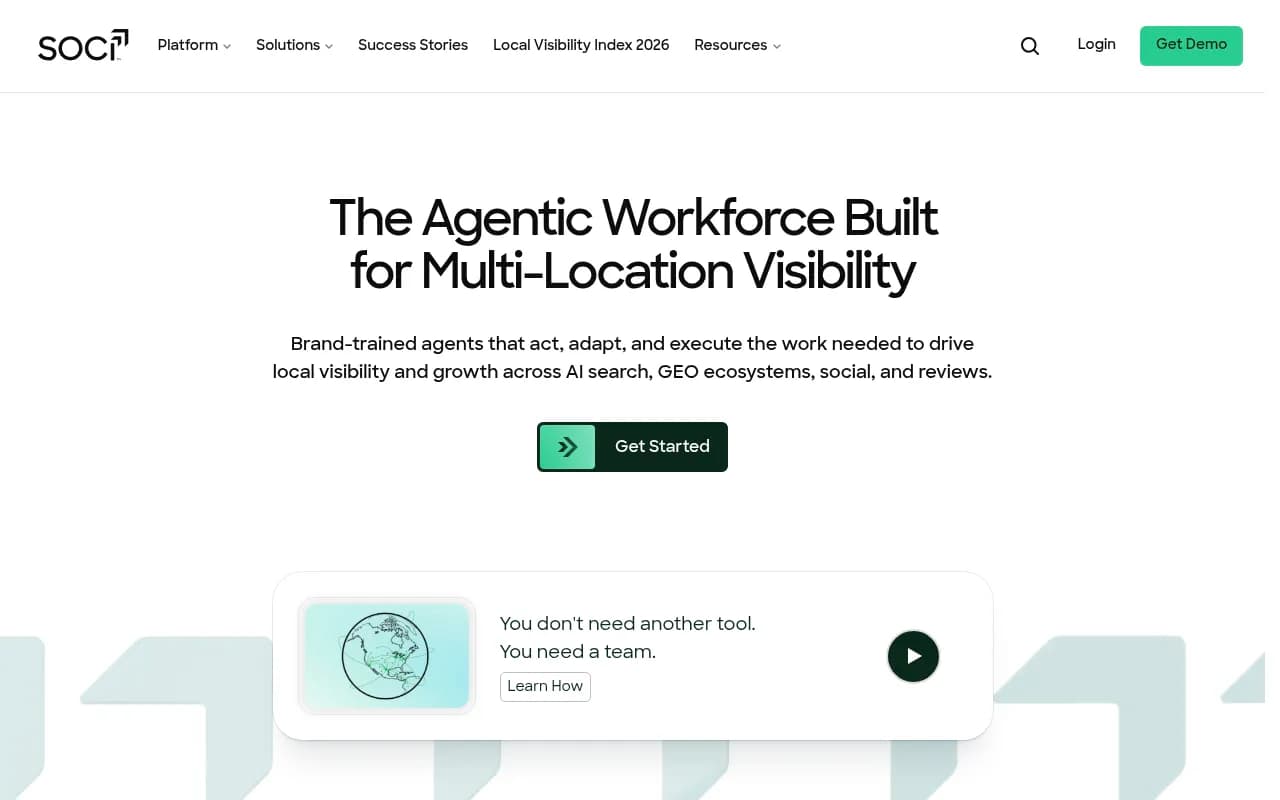
| SOCi | Local marketing automation at brand scale | Enterprise multi-location brands |
| Promptwatch | End-to-end AI search visibility and content optimization | Brands wanting to understand and act on AI citation gaps, not just monitor them |
A practical checklist for the next 90 days
- Audit your NAP consistency across your website, Yelp, Google Business Profile, and any directory listing you can find. Fix mismatches first, before anything else, because conflicting data undermines every other effort.
- Add a genuine FAQ section to your website or location pages answering the specific questions customers actually ask: dietary accommodations, parking, reservation policy, kid-friendliness, accessibility, closing time on each day of the week.
- Build a steady review pipeline rather than a one-time push. A QR code at checkout or on the receipt asking for a quick review, repeated every week, beats a single campaign that nets fifty reviews and then goes quiet.
- Pitch local media and food or retail bloggers for coverage. Third-party editorial mentions feed directly into what AI models quote when naming a business.
- If you run multiple locations, check whether your visibility problem concentrates in specific cities or stores. A platform like Promptwatch can show you the citation gap location by location rather than leaving you to guess.
The honest caveat
Most of the research cited here, including the SOCi index and the Pluspoint audit, leans heavily on restaurant data because restaurants are the category people ask AI about most often. If you run a local retail shop, a salon, or a service business, expect the same broad principles (review volume and recency, structured FAQ content, consistent listings) to apply, but the exact mix of what gets quoted may differ. AI search behavior also changes fast. ChatGPT's own search and citation patterns shifted noticeably around its GPT-5.3 rollout earlier in 2026, which is a reminder that whatever is true about these recommendation patterns today is worth re-checking every few months rather than treating as settled.