Key Takeaways
- A modern sales tech stack is about outcomes, not tool count: Focus on platforms that help reps sell more efficiently—not just software that looks good on a slide deck. The goal is predictable revenue, not feature bloat.
- Connect your tools into a system: Isolated tools create data silos and manual work. The best stacks link prospecting, enrichment, outreach, and CRM into one automated workflow that finds leads and starts conversations without constant human intervention.
- Intent data and enrichment are non-negotiable: Static lists and manual research don't cut it in 2026. Use tools that reveal which companies are actively engaging with your brand, then enrich contact data automatically so reps can reach the right people at the right time.
- Automate outreach, but keep it personal: High-volume cold email still works—if it's personalized and delivered correctly. Use AI to research leads and write custom messages at scale, then manage mailbox health to ensure your emails actually land in inboxes.
- Audit your stack regularly: Most teams carry dead weight—tools that were purchased but never adopted, or platforms that duplicate functionality. Cut the clutter, prove ROI on what remains, and stay intentional with every addition.
Why Your Sales Tech Stack Matters More Than Ever
B2B sales has changed. The old playbook—send a high volume of templated emails, book meetings, close deals—stopped working years ago. Today's buyers ignore generic outreach. They delete anything that looks like a template. If your message doesn't scream instant value, it's gone.
At the same time, many sales teams are stuck using outdated prospecting methods: static lists, manual research, hours spent copying and pasting data or guessing email addresses. These workflows don't just waste time—they cause teams to miss the best leads entirely.
The solution isn't to buy more tools. It's to build a connected stack that automates the heavy lifting and helps reps focus on what they do best: selling. A modern B2B sales tech stack should handle research, enrichment, outreach, and pipeline tracking automatically, so your team spends more time talking to qualified prospects and less time hunting for contact information.
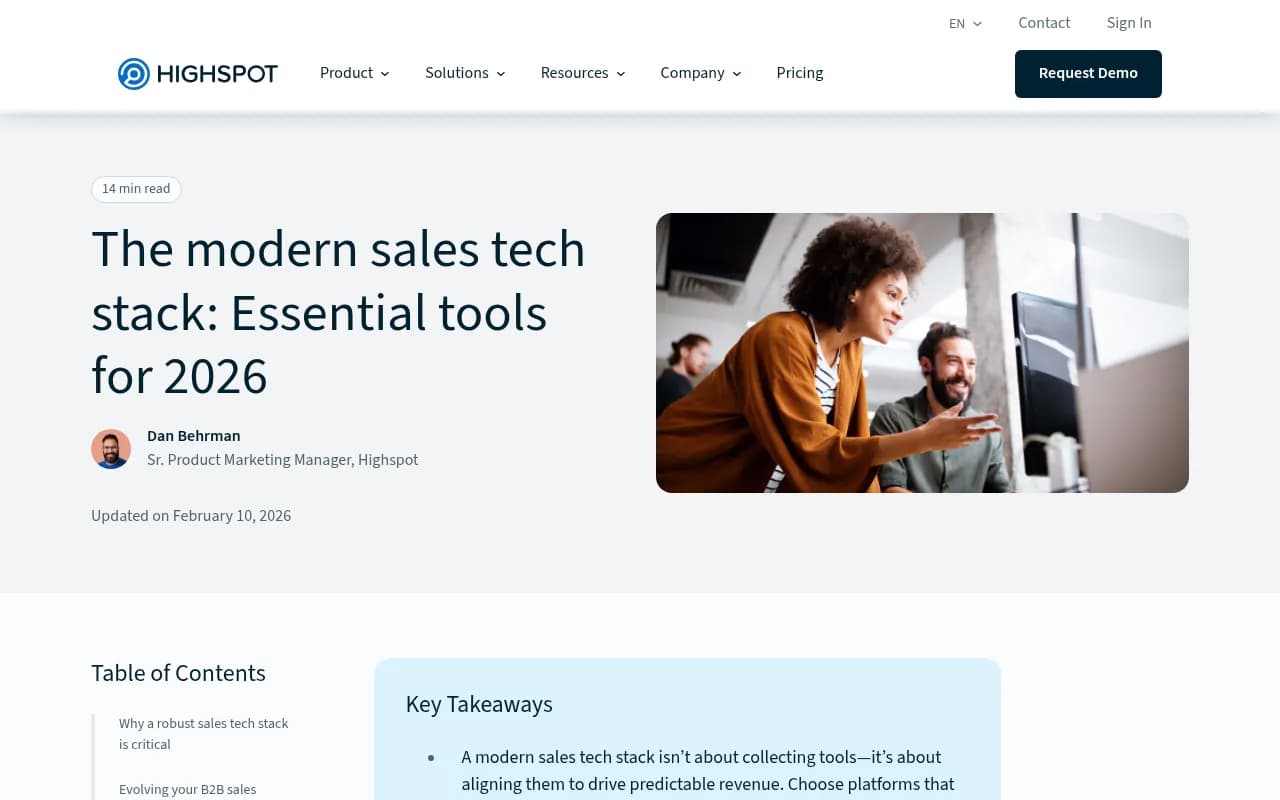
But here's the catch: most companies build their stacks backwards. They buy tools based on features, not outcomes. They end up with a dozen platforms that don't talk to each other, creating data silos and forcing reps to toggle between apps all day. According to research from Highspot, the modern sales tech stack isn't about collecting logos—it's about aligning tools to drive predictable revenue and empower reps to thrive daily.
This guide will show you how to build a sales tech stack that actually works—one that finds leads, enriches data, automates outreach, and tracks results without adding busywork to your reps' already busy plates.
The Core Components of a Modern B2B Sales Tech Stack
A functional sales tech stack has four core layers, each handling a specific part of the prospecting-to-close workflow:
1. CRM & Data Foundation
Your CRM is the single source of truth. It stores all prospect and customer data, tracks deal stages, and provides visibility into pipeline health. Without a solid CRM foundation, everything else falls apart.
What to look for: A CRM that integrates easily with other tools, supports custom fields and workflows, and provides reporting that actually helps you forecast revenue. Popular options include HubSpot, Salesforce, and Pipedrive.
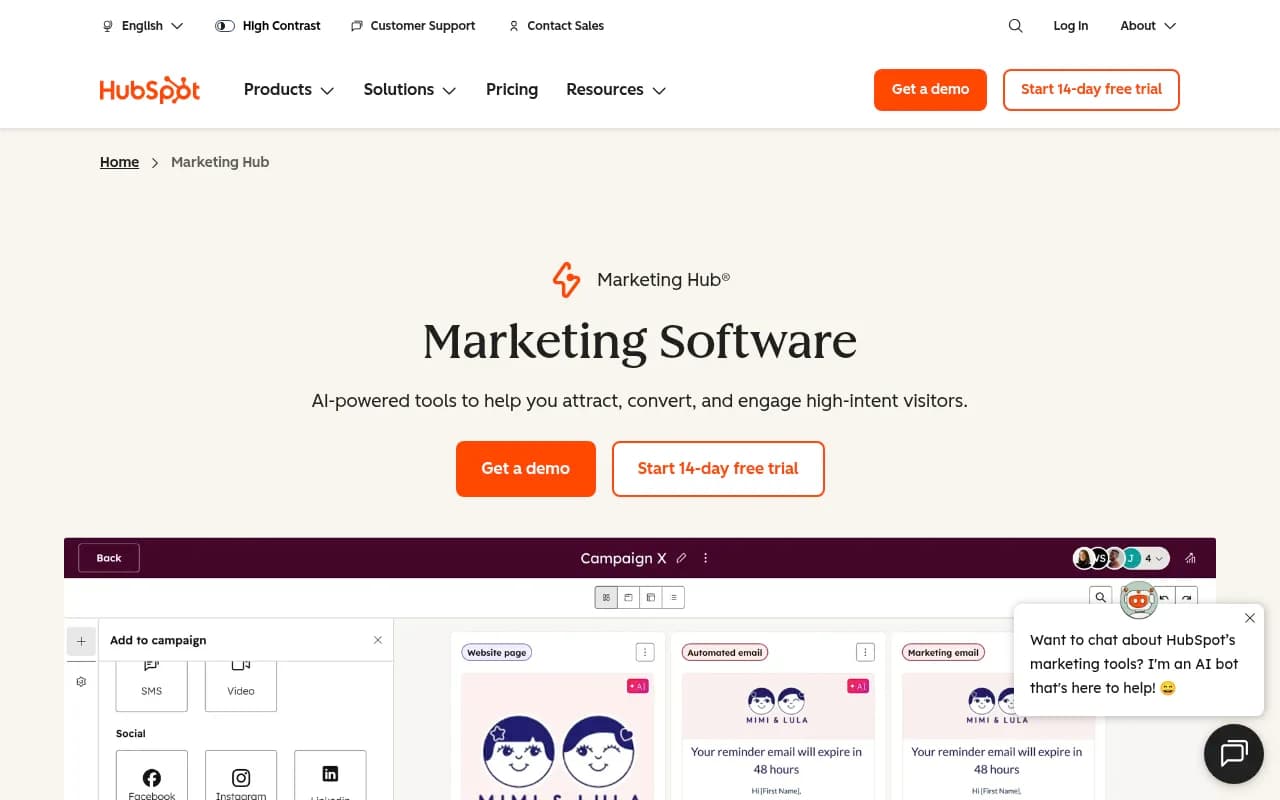
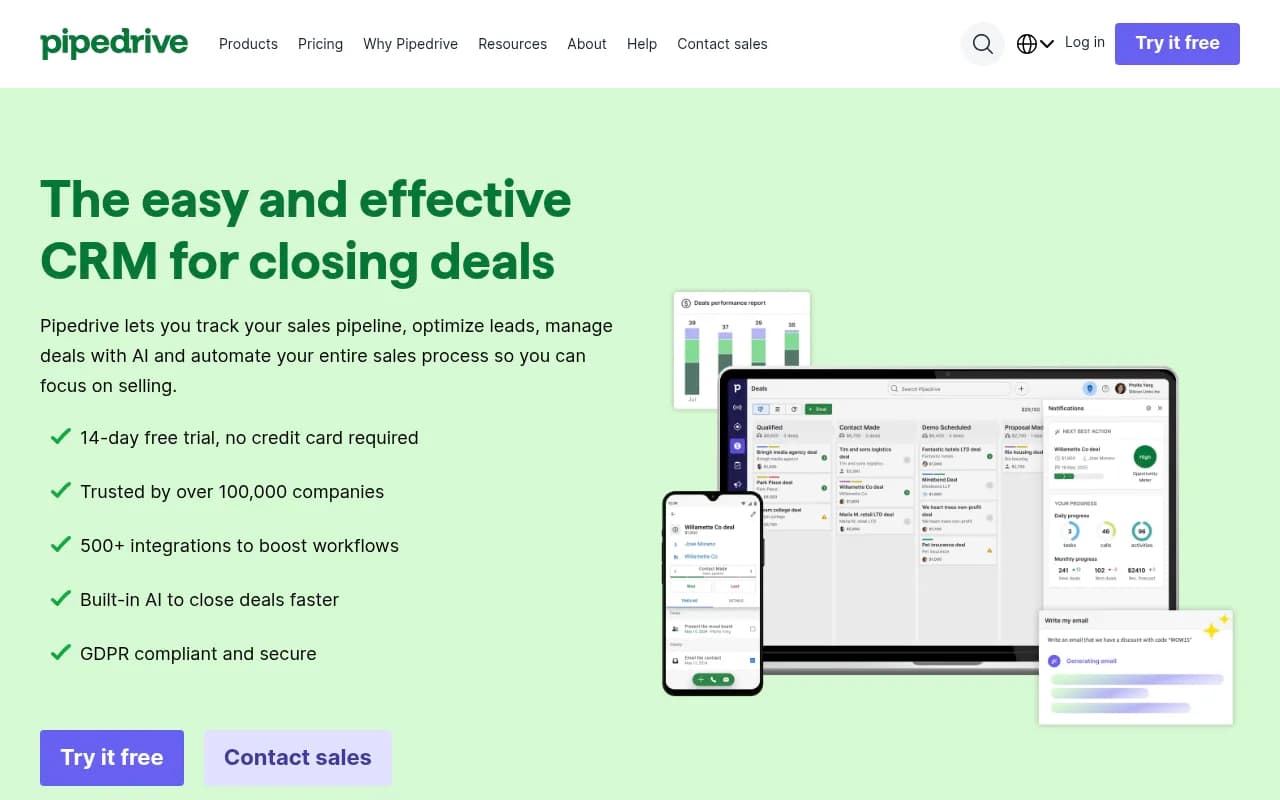
Your CRM should automatically capture data from every other tool in your stack—email activity, website visits, form submissions, meeting notes. If reps have to manually log information, they won't do it consistently, and your data will be garbage.
2. Prospecting & Intent Data
This layer identifies which companies and contacts are actively in-market for your solution. Instead of cold outreach to random lists, you focus on prospects who are already showing buying signals.
What to look for: Tools that reveal website visitors, track ad engagement, monitor community discussions, and surface intent signals across multiple channels.
Key tools in this category:
- Website visitor identification: Platforms like Vector and Fibbler show which companies are visiting your site, which pages they view, and how often they return. This is warm outbound—you're reaching out to people who already know you exist.
- Community monitoring: Tools like Common Room track discussions in Slack communities, GitHub repos, and other channels where your prospects hang out. If someone's talking about a problem your product solves, you want to know about it.
- Ad engagement tracking: See which companies are clicking your ads but not converting. These are high-intent prospects who need a nudge.
The goal here is to move away from spray-and-pray cold outreach and focus on accounts that are already showing interest. According to recent research, B2B sales teams need an average of 8 touchpoints before booking a meeting—but those touchpoints are far more effective when you're reaching out to prospects who already have some awareness of your brand.
3. Data Enrichment & Contact Discovery
Once you know which companies to target, you need to find the right people inside those companies—and get their contact information. This layer enriches your data with verified emails, phone numbers, job titles, and other details that help reps personalize outreach.
What to look for: Tools that aggregate multiple data providers to maximize coverage and accuracy. No single database has every contact, so the best platforms pull from multiple sources.
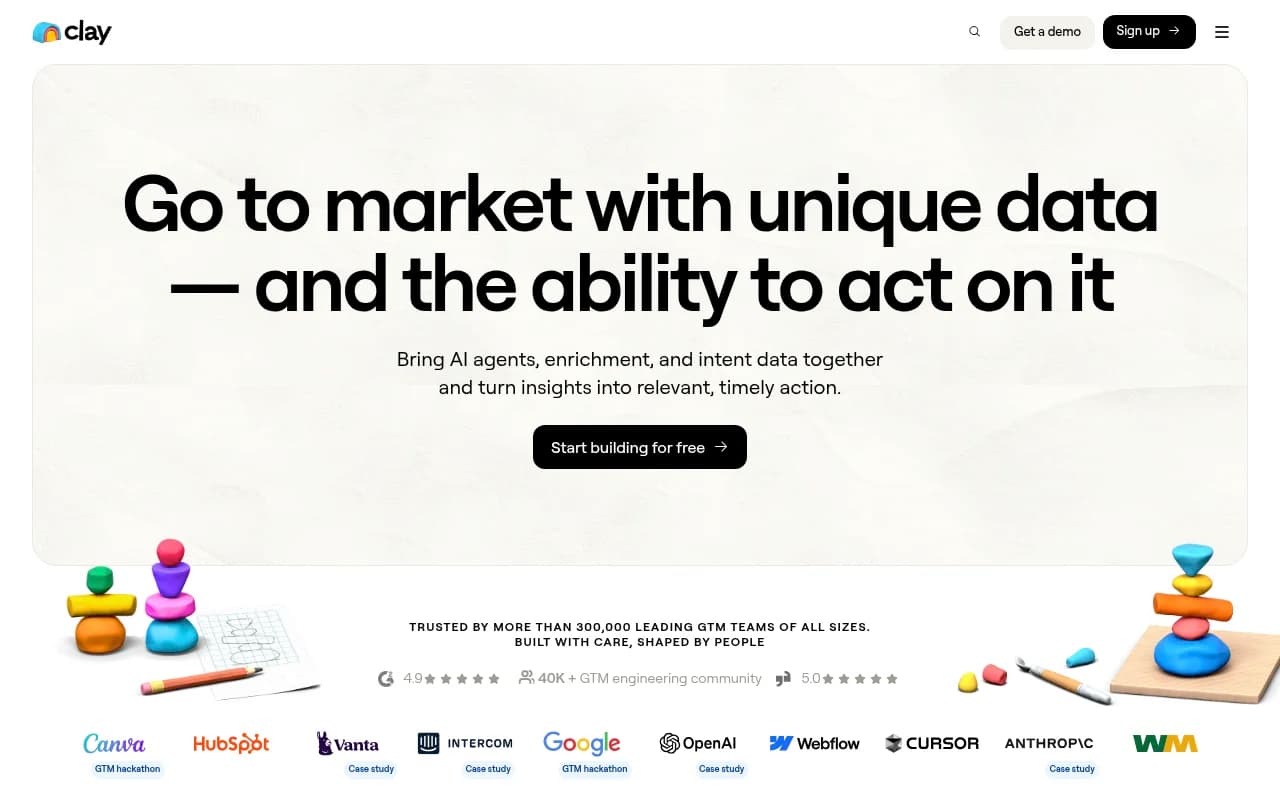
Clay is a standout here—it aggregates data from dozens of providers, verifies email addresses, and finds hard-to-reach phone numbers. It also supports waterfall enrichment, where it tries one provider, then another, then another until it finds the data you need. This dramatically increases your hit rate compared to using a single database.
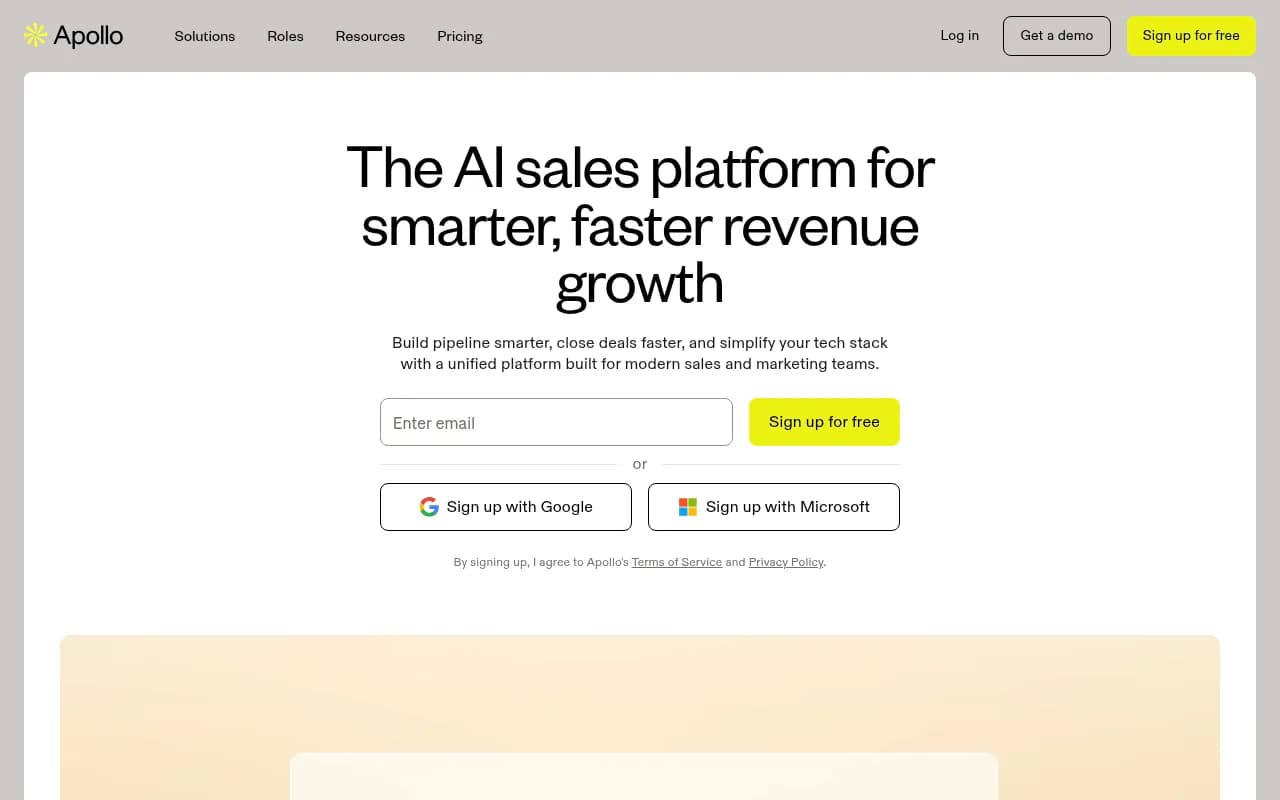
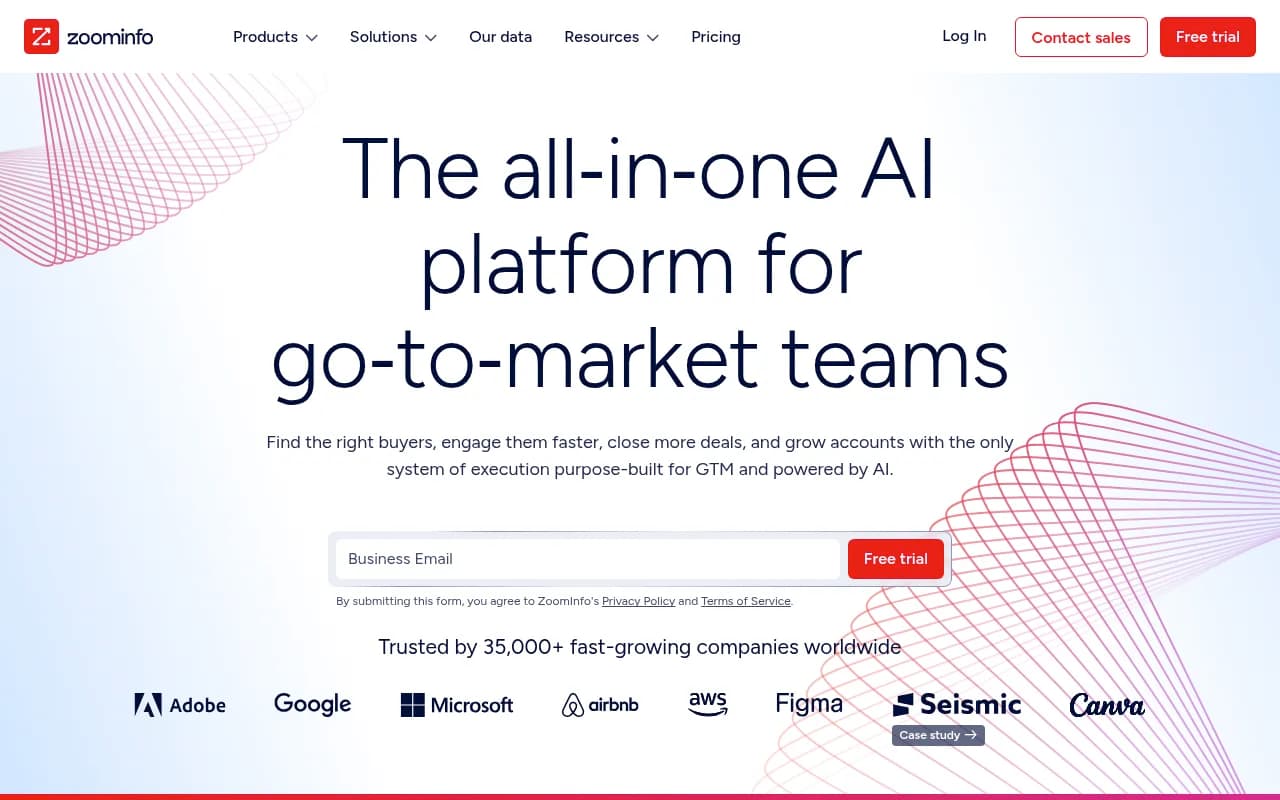
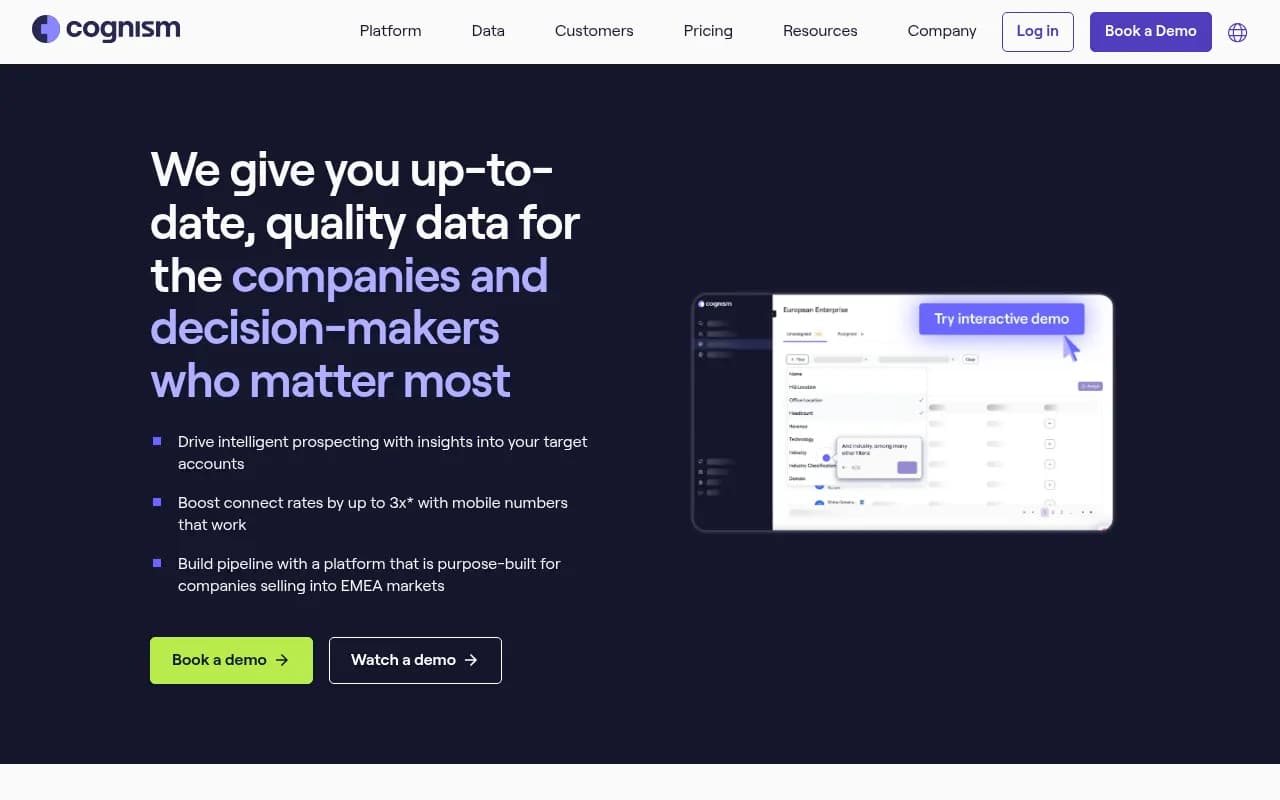
Other strong options include Apollo.io, ZoomInfo, and Cognism, each with different strengths depending on your target market and budget.
4. Outreach Automation & Engagement
This layer handles the actual communication with prospects—email sequences, LinkedIn messages, phone calls, and follow-ups. The goal is to automate repetitive tasks while keeping outreach personalized and human.
What to look for: Platforms that support multi-channel outreach, A/B testing, deliverability management, and AI-powered personalization.
Key tools:
- Email automation: Smartlead.ai is a top choice for high-volume cold email. It manages mailbox health, rotates sending accounts to avoid spam filters, and provides detailed deliverability analytics. Unlike basic email tools, Smartlead is built specifically for cold outreach at scale.
- AI-powered personalization: Octave automatically researches leads and writes custom messages based on their company, role, and recent activity. This replaces the manual work of writing individual emails while maintaining the personal touch that gets responses.
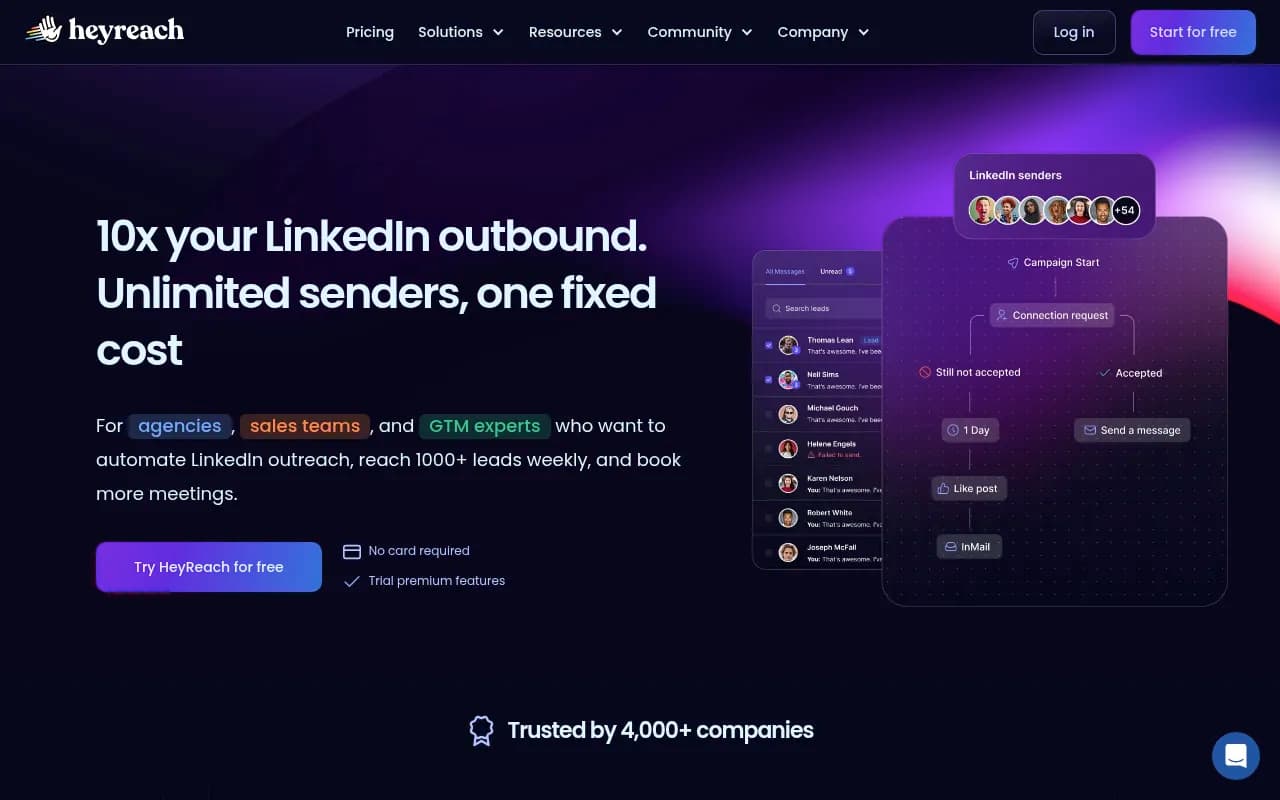
- LinkedIn automation: Tools like HeyReach automate LinkedIn connection requests and follow-up messages, expanding your reach beyond email.
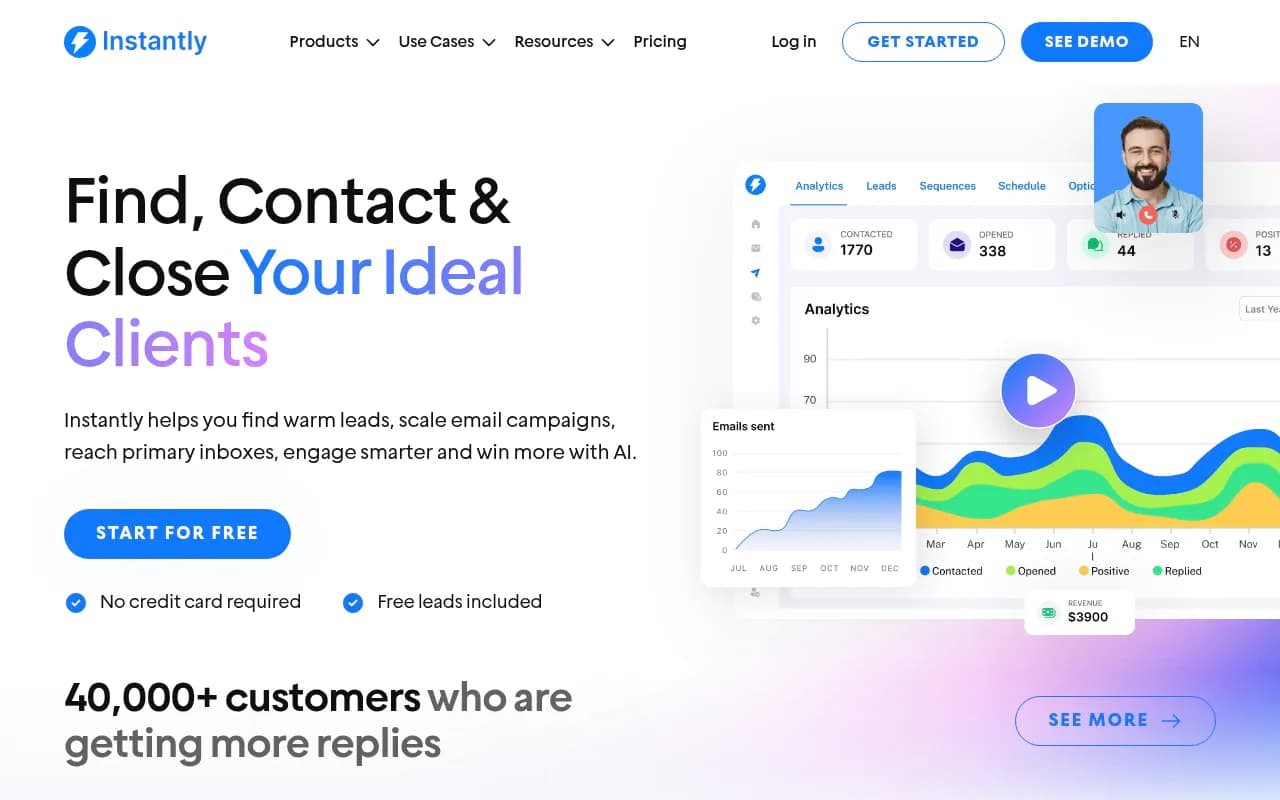
The critical feature here is deliverability. If your emails land in spam, nothing else matters. Tools like Smartlead monitor sender reputation, warm up new domains, and automatically adjust sending patterns to keep your emails landing in primary inboxes.
How to Connect Your Stack Into a System
Buying the right tools is only half the battle. The real value comes from connecting them into a system where data flows automatically from one stage to the next.
Here's what a connected workflow looks like:
-
Intent signals trigger prospecting: When a company visits your website (tracked by Vector or Fibbler), or someone mentions your brand in a Slack community (tracked by Common Room), that signal automatically creates a new record in your CRM.
-
Enrichment happens automatically: Clay pulls in contact data for key decision-makers at that company—verified emails, phone numbers, LinkedIn profiles, recent job changes. This data syncs back to your CRM without manual input.
-
AI generates personalized outreach: Octave researches the lead using data from your CRM and writes a custom email based on their role, company, and recent activity. The message is queued in Smartlead for sending.
-
Email activity syncs back to CRM: When the prospect opens your email, clicks a link, or replies, that activity is logged in your CRM automatically via tools like OutboundSync. Your reps see a complete engagement history without toggling between platforms.
-
Pipeline tracking shows results: As leads move through your pipeline, you can see which prospecting sources and outreach messages are driving the most meetings and closed deals. This feedback loop helps you optimize your stack over time.
This level of automation requires integration work upfront—connecting APIs, setting up Zapier workflows, or using native integrations where available. But once it's built, your team can focus on high-value activities (talking to prospects, closing deals) instead of low-value busywork (copying data, writing emails from scratch).
Recommended Stack for 2026
Based on current market trends and tool capabilities, here's a recommended B2B sales tech stack for 2026:
Foundation:
- CRM: HubSpot (for most teams) or Salesforce (for enterprise)
- Data warehouse: Snowflake or BigQuery (if you need advanced analytics)
Prospecting & Intent:
- Website visitor tracking: Vector or Fibbler
- Community monitoring: Common Room
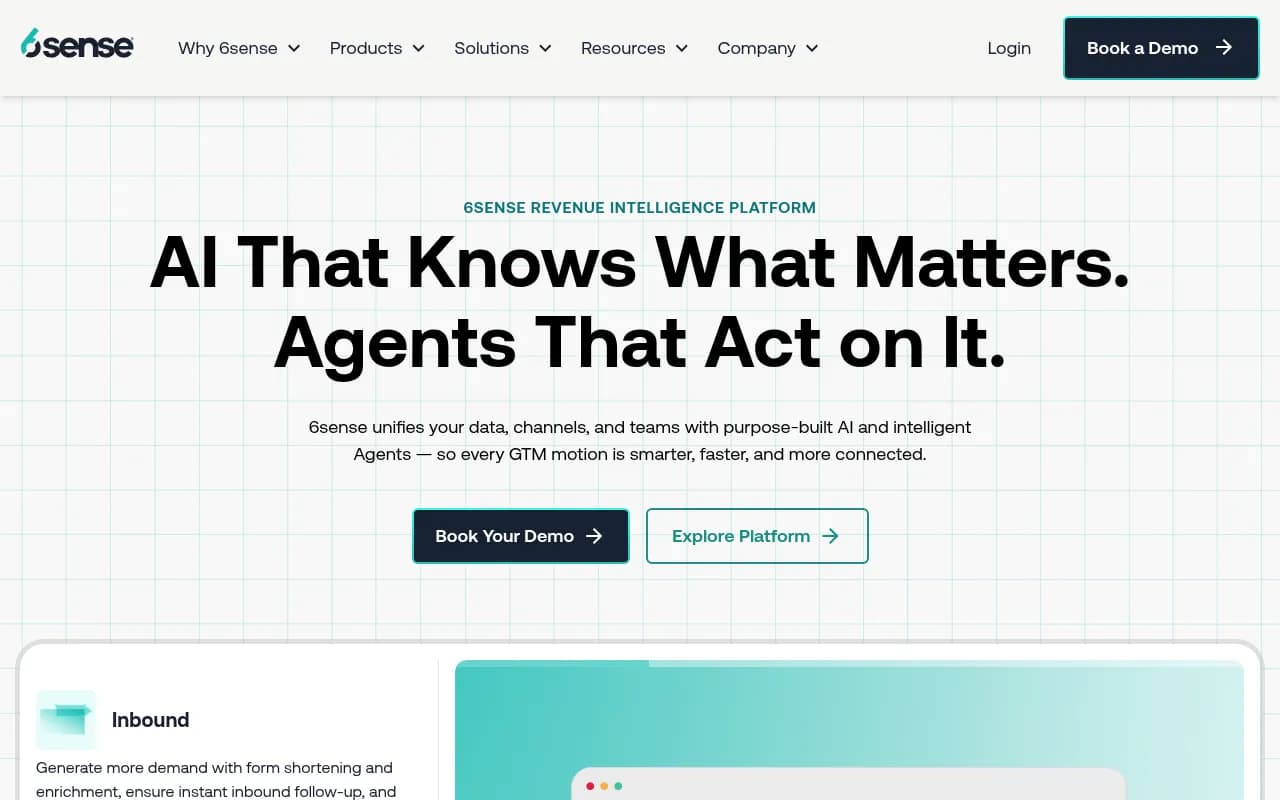
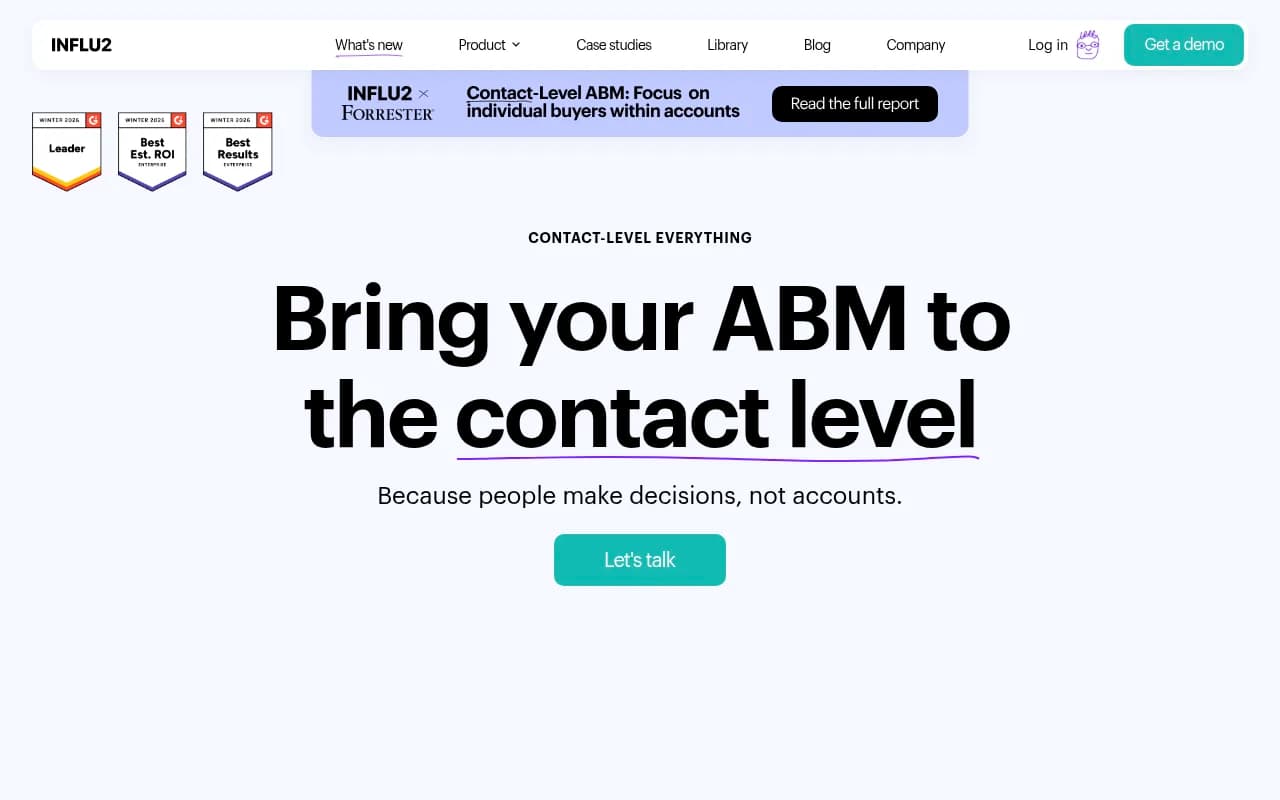
- Ad engagement: 6sense or Influ2 for account-based advertising
Enrichment:
- Contact data: Clay (aggregates multiple providers)
- Backup database: Apollo.io or ZoomInfo for direct access
Outreach:
- Email automation: Smartlead.ai
- AI personalization: Octave
- LinkedIn outreach: HeyReach
- Email sync: OutboundSync (syncs email activity back to CRM)
Pipeline Management:
- Sales engagement: Salesloft or Outreach.io for tracking touchpoints
- Analytics: Native CRM reporting plus Looker Studio or Tableau for custom dashboards
This stack covers the full workflow from intent signal to closed deal, with automation at every step. Total cost will vary based on team size and usage, but expect to invest $500-2000 per rep per month for a fully integrated stack.
Common Mistakes to Avoid
Building a sales tech stack is easy. Building one that actually drives results is hard. Here are the most common mistakes teams make:
Buying Tools You Don't Use
Every company has tools that were purchased with good intentions but never adopted. Maybe the onboarding was too complex, or the tool didn't integrate well with your existing stack, or reps just didn't see the value. Before adding a new tool, ask: "Will our team actually use this every day?" If the answer isn't a clear yes, don't buy it.
Ignoring Data Quality
Your stack is only as good as the data flowing through it. If your CRM is full of duplicate records, outdated contact info, and incomplete fields, no amount of automation will help. Invest in data hygiene—regular deduplication, enrichment, and validation—before you build complex workflows on top of bad data.
Optimizing for Features, Not Outcomes
It's easy to get excited about a tool's feature list. But features don't matter if they don't drive results. Instead of asking "What can this tool do?", ask "What business outcome will this tool help us achieve?" If you can't tie a tool directly to more meetings, faster deal cycles, or higher win rates, it's probably not worth the investment.
Building Silos Instead of Systems
The biggest mistake is treating each tool as a standalone solution. If your prospecting tool doesn't talk to your CRM, and your CRM doesn't talk to your outreach platform, you're just creating more work for your reps. Every tool you add should integrate with the rest of your stack, or it's not worth having.
Forgetting About Deliverability
You can have the best prospecting data and the most personalized messages in the world, but if your emails land in spam, none of it matters. Deliverability is the foundation of successful outreach. Use tools that monitor sender reputation, warm up new domains, and manage mailbox health proactively.
How to Audit Your Existing Stack
If you already have a sales tech stack, it's worth auditing regularly to cut dead weight and identify gaps. Here's a simple framework:
-
List every tool you're paying for: Include monthly cost, number of licenses, and primary use case.
-
Measure adoption: What percentage of your team uses each tool daily? Weekly? If a tool has low adoption, find out why—is it too complex, poorly integrated, or just not valuable?
-
Identify overlaps: Do you have multiple tools doing the same thing? For example, three different contact databases when one would suffice? Consolidate where possible.
-
Check integrations: Does each tool sync data with your CRM automatically, or do reps have to manually copy information? If it's manual, either fix the integration or replace the tool.
-
Tie tools to outcomes: For each tool, ask: "What business metric does this improve?" If you can't answer clearly, it's a candidate for removal.
-
Calculate ROI: For tools you're keeping, calculate the return on investment. If a tool costs $10,000 per year but helps you close an extra $100,000 in deals, it's worth it. If it costs $10,000 and you can't tie it to any revenue impact, cut it.
Most teams find they can cut 20-30% of their stack without losing any functionality. The savings can be reinvested in tools that actually drive results.
The Role of AI in Modern Sales Stacks
AI is transforming every layer of the sales tech stack, from prospecting to outreach to pipeline forecasting. But not all AI features are created equal. Here's where AI actually adds value:
Prospecting: AI can analyze intent signals across multiple channels and predict which accounts are most likely to buy. Tools like 6sense use machine learning to score accounts based on website visits, content downloads, ad engagement, and other signals.
Enrichment: AI-powered enrichment tools can infer missing data (like job titles or company size) based on patterns in existing records. This fills gaps in your database without manual research.
Personalization: AI writing tools like Octave can research a prospect's company, role, and recent activity, then generate a custom email that sounds human. This scales personalization far beyond what a rep could do manually.
Deliverability: AI monitors sending patterns and automatically adjusts to avoid spam filters. Tools like Smartlead use machine learning to optimize send times, subject lines, and sender rotation.
Forecasting: AI can analyze historical pipeline data to predict which deals are likely to close and which are at risk. This helps sales leaders allocate resources more effectively.
The key is to use AI where it genuinely saves time or improves outcomes—not just because it's trendy. AI that automates research and personalization is valuable. AI that generates generic content or makes predictions without transparency is not.
Beyond Sales: How AI Search Visibility Impacts Your Pipeline
While building your sales tech stack, don't overlook a newer channel that's quietly reshaping B2B buying behavior: AI search engines like ChatGPT, Perplexity, Claude, and Google AI Overviews.
In 2026, more B2B buyers are starting their research by asking AI models for recommendations—"What's the best CRM for small businesses?" or "Show me alternatives to Salesforce." If your brand isn't visible in those AI-generated answers, you're missing a massive chunk of potential pipeline.
This is where platforms like Promptwatch come in. Unlike traditional SEO tools that focus on Google rankings, Promptwatch tracks how often your brand appears in AI search results across 10+ models. It shows you which prompts competitors are visible for but you're not, then helps you create content that gets cited by AI engines.

The platform goes beyond monitoring—it includes an AI writing agent that generates articles, comparisons, and listicles grounded in real citation data (880M+ citations analyzed). This isn't generic SEO content; it's content engineered to rank in AI search results. You also get AI crawler logs showing exactly which pages ChatGPT, Claude, and other models are reading on your site, plus traffic attribution to connect AI visibility to actual revenue.
For sales teams, this means your outbound efforts are supported by inbound visibility. When prospects ask AI tools about your category, your brand shows up. When they research alternatives, you're in the conversation. This creates warm leads that are easier to convert than cold outreach alone.
Final Thoughts: Build for Outcomes, Not Features
The best sales tech stack in 2026 isn't the one with the most tools—it's the one that drives the most revenue with the least friction. Focus on outcomes: more qualified meetings, faster deal cycles, higher win rates. Choose tools that integrate seamlessly, automate repetitive tasks, and help your reps spend more time selling.
Start with a solid CRM foundation, layer in intent data and enrichment, automate outreach with AI-powered personalization, and track results obsessively. Audit your stack regularly to cut dead weight and prove ROI on every tool.
And don't forget the emerging channel of AI search visibility—it's not just about being found on Google anymore. If you're not visible in ChatGPT, Perplexity, and other AI models, you're leaving pipeline on the table.
Build your stack intentionally, connect the pieces into a system, and watch your pipeline grow.