Key takeaways
- AI search engines like ChatGPT, Perplexity, and Google AI Overviews now influence a significant share of buying decisions, so tracking your visibility in them is no longer optional.
- New websites face a cold-start problem: AI models won't cite you until you've built enough content and authority for them to trust you.
- The setup process has four stages: define your prompts, baseline your current visibility, choose a tracking tool, and create content to fill the gaps.
- Monitoring-only tools tell you where you're invisible but don't help you fix it. Look for platforms that close the loop with content gap analysis and generation.
- Start small: 10-20 well-chosen prompts, one or two AI engines, and a consistent tracking cadence will teach you more than 200 prompts tracked haphazardly.
If you just launched a website, here's the uncomfortable truth: AI search engines almost certainly don't know you exist yet. ChatGPT, Perplexity, Google AI Overviews, and the rest of them aren't going to spontaneously recommend your brand. They cite sources they've encountered, indexed, and learned to trust. A brand-new site has none of that history.
That's not a reason to panic. It's a reason to set up tracking now, before you publish another piece of content, so that every article you write is aimed at the right targets and you can actually measure whether it's working.
This guide walks through the full setup process: what to track, which tools to use, and how to turn raw visibility data into content that gets you cited.
Why AI visibility tracking is different from traditional SEO
Traditional SEO is about ranking positions. You track where your pages appear in Google's blue links for specific keywords. AI search is fundamentally different. There are no positions. Instead, AI models generate answers, and they either mention your brand or they don't. They either link to your content or they don't.
This creates a binary problem that rank tracking tools weren't built for. A page can rank #3 on Google and never appear in a ChatGPT response. Another page might never crack the top 10 in traditional search but get cited constantly by Perplexity because it answers a specific question better than anything else out there.
According to AirOps research, brands that earn both a mention and a citation in AI-generated answers are up to 40% more likely to maintain ongoing visibility. The implication: getting cited once creates momentum. But you can't build momentum if you don't know where you stand.
For a new website, the baseline is zero. That's actually useful information. It means every improvement you make is measurable.
Stage 1: Define the prompts you want to be visible for
Before you install any tool or check any dashboard, you need to decide what you're tracking. This is where most people go wrong. They either track too many prompts (and get overwhelmed) or they track generic ones that don't reflect how their customers actually search.
Think like a buyer, not a marketer
AI search users tend to ask conversational, specific questions. They're not typing "best CRM" into ChatGPT. They're asking things like "what's the best CRM for a 10-person sales team that integrates with HubSpot?" or "which project management tool works best for remote agencies?"
Your prompt list should reflect that specificity. Start by asking yourself:
- What questions do my customers ask before they buy?
- What comparisons do they make? ("X vs Y", "alternatives to Z")
- What problems are they trying to solve?
- What category does my brand belong to, and how do people ask about that category?
Aim for 15-30 prompts to start. You can always add more once you understand which ones are actually moving.
Categorize your prompts
Group them into a few buckets:
- Category prompts ("best [product type] for [use case]")
- Comparison prompts ("[your brand] vs [competitor]")
- Problem prompts ("how do I [solve specific problem]")
- Brand prompts (direct mentions of your company name)
Brand prompts are worth tracking even for new sites, because they'll tell you when AI models start picking you up at all. The first time ChatGPT mentions your brand name unprompted is a meaningful milestone.
Stage 2: Baseline your current visibility (even if it's zero)
Run your prompts manually across the major AI engines before you set up any automated tracking. This takes a few hours but gives you a real sense of the landscape.
Open ChatGPT, Perplexity, and Google AI Mode. Ask each of your prompts. Document:
- Does your brand appear?
- Which competitors appear?
- What sources are cited?
- What does the answer actually say?
For a new website, most of this will be blank for your brand. That's fine. What you're really doing is building a competitor map. You're learning which brands AI models currently trust for each prompt, which means you know exactly who you're up against and what kind of content they're producing.
This manual baseline also helps you calibrate your tool setup later. When you start seeing your visibility scores tick up, you'll know it's real because you saw where you started.
Stage 3: Choose your tracking tools
This is where the market gets complicated fast. There are dozens of AI visibility tools in 2026, and they vary enormously in what they actually do.
The core distinction: some tools only monitor. They show you whether you're being cited. Others go further and help you understand why you're not being cited and what to do about it.
For a new website, the "why" matters more than the "what." You already know your visibility is low. What you need is a path to improving it.
Tools worth considering
Here's a comparison of the main options across the spectrum:
| Tool | Monitoring | Gap analysis | Content generation | Crawler logs | Best for |
|---|---|---|---|---|---|
| Promptwatch | Yes (10 AI engines) | Yes | Yes (Content Agents) | Yes | Full optimization loop |
| Profound | Yes (9+ engines) | Limited | No | No | Enterprise monitoring |
| Otterly.AI | Yes | No | No | No | Basic tracking |
| Peec AI | Yes | No | No | No | Small teams |
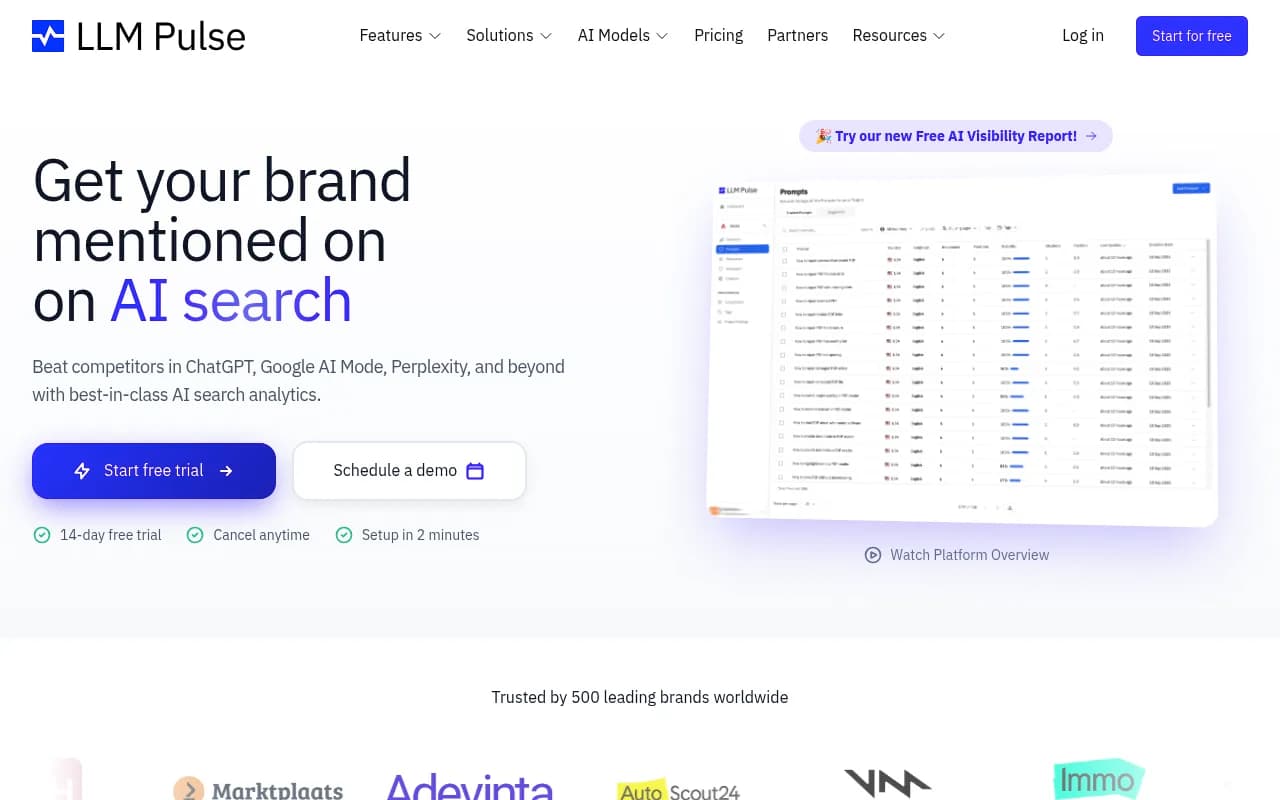
| LLM Pulse | Yes | No | No | No | Lightweight monitoring |
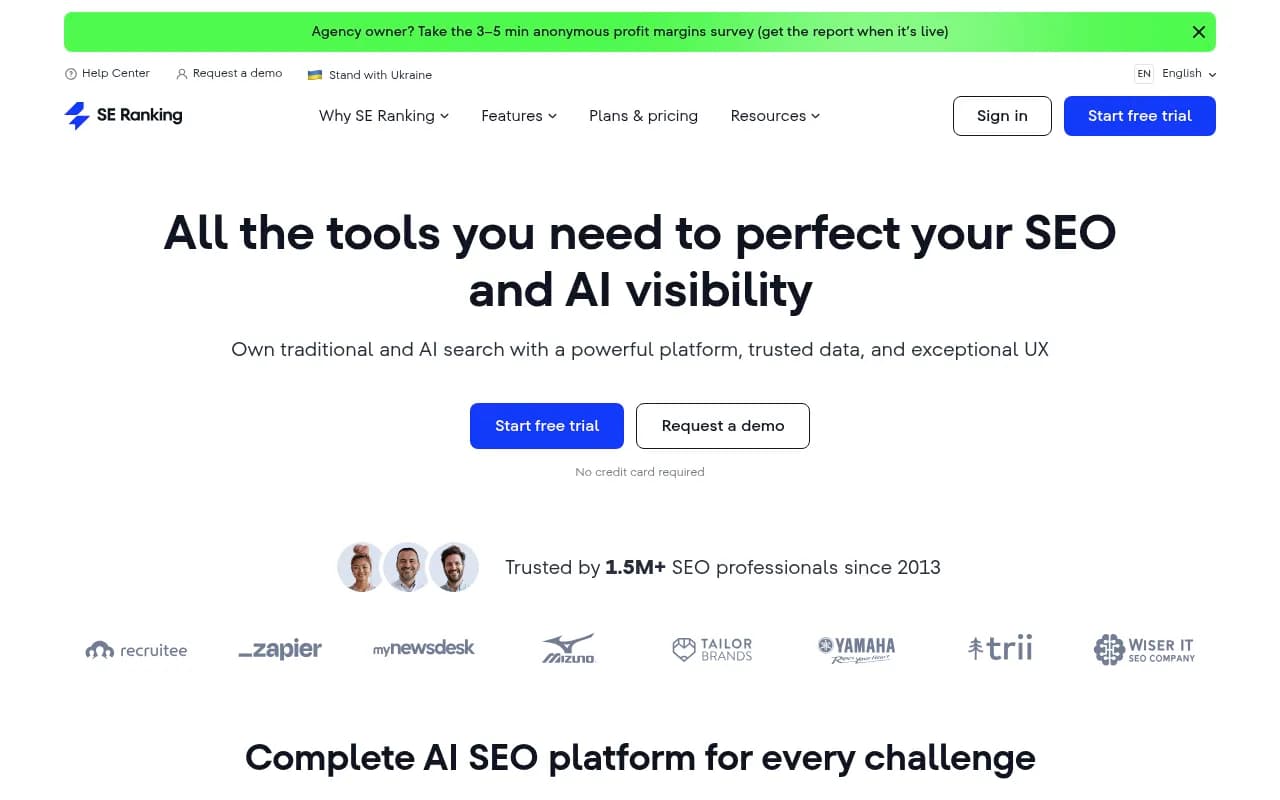
| SE Visible | Yes | No | No | No | SE Ranking users |
| Rankshift | Yes | No | No | No | Simple brand tracking |

For a new website specifically, a monitoring-only tool will quickly become frustrating. You'll see that you're not being cited, week after week, with no clear path forward. What you need is a tool that shows you the specific content gaps -- the prompts your competitors are winning that you're not even addressing -- and ideally helps you create content to fill them.
Profound

Otterly.AI


What to look for in a tracking tool
A few things matter more than the feature list:
Prompt flexibility. Can you define your own prompts, or are you stuck with whatever the tool pre-loads? For a new website in a specific niche, generic prompts are useless.
Multi-engine coverage. Your customers use different AI tools. A platform that only tracks ChatGPT misses Perplexity users, Google AI Mode users, and everyone else. Look for coverage across at least 5-6 engines.
Citation-level data. It's not enough to know your brand was mentioned. You need to know which specific page was cited, so you can understand what's working and replicate it.
Crawler logs. This is underrated for new websites. Knowing when AI crawlers visit your site (and which pages they read) tells you whether you're even in the running to be cited. If GPTBot hasn't crawled your site yet, no amount of content optimization will help until it does.
Content gap analysis. Which prompts are your competitors winning that you're not? This is the single most actionable piece of data for a new site.

Stage 4: Set up your tracking environment
Once you've chosen a tool, the actual setup is usually straightforward. Here's the general flow:
Connect your website
Most platforms will ask you to verify ownership of your domain. This typically involves adding a DNS record or a tracking snippet to your site. Some platforms (Promptwatch, for example) also support integrations with Cloudflare, Vercel, Fastly, or server logs, which give you more detailed crawler data without adding page-load overhead.
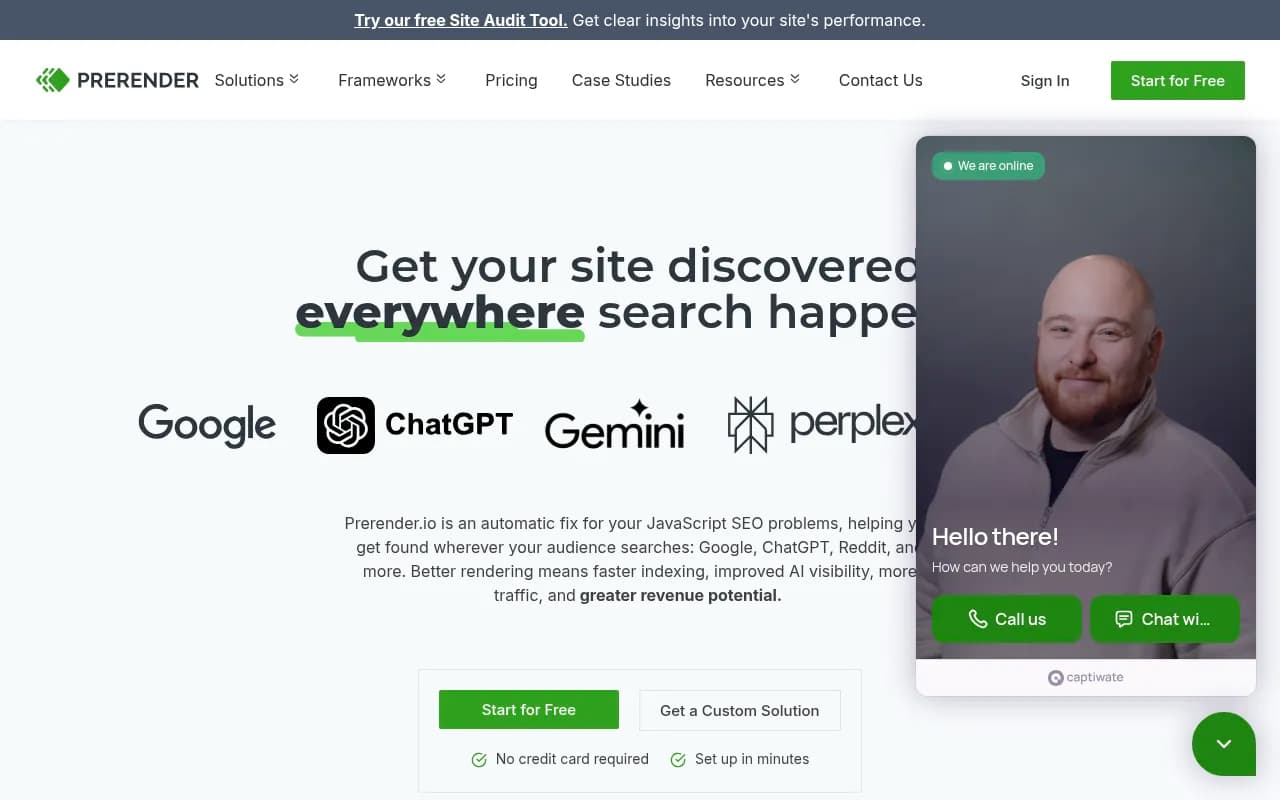
If you're on a JavaScript-heavy stack (Next.js, Nuxt, etc.), pay attention to rendering. AI crawlers often struggle with client-side rendered content. Tools like Prerender.io or similar pre-rendering services can help ensure crawlers see your actual content rather than an empty shell.
Enter your prompts
Add the 15-30 prompts you defined in Stage 1. Most tools let you categorize them and assign competitors for comparison. Be specific. "What is the best project management tool?" is less useful than "What project management tool works best for remote marketing agencies?"
Set your competitors
Add 3-5 direct competitors. This is what makes the gap analysis useful. You're not just tracking your own visibility in isolation -- you're tracking your share of voice relative to the brands you're actually competing with.
Configure your personas and regions
If your product serves customers in specific regions or languages, configure that now. AI models give different answers to the same prompt depending on where the user is located. A tool that only tracks US English responses will miss a lot if you're targeting European or APAC markets.
Set your tracking cadence
For a new website, weekly tracking is usually sufficient. Daily tracking is overkill when you're publishing new content every week or two -- the changes won't be visible that fast anyway. Once you start seeing movement, you can increase the frequency.
Stage 5: Interpret your first results
Your first dashboard view will probably be sobering. Zero citations, low visibility scores, competitors dominating every prompt. This is normal and expected for a new site.
What you're looking for in the first few weeks:
Crawler activity. Has GPTBot, ClaudeBot, or PerplexityBot visited your site? If not, you have a crawlability problem to solve before anything else. Check your robots.txt to make sure you're not accidentally blocking AI crawlers. Make sure your sitemap is submitted and your pages are indexable.
Competitor patterns. Which competitors appear most often? For which prompts? What do their cited pages look like? This tells you the content format and depth that AI models are currently rewarding in your space.
Citation sources. Beyond your competitors' own websites, what external sources are being cited? Reddit threads? YouTube videos? Industry publications? This tells you where you should also be building presence, not just on your own site.
Gap prompts. Which prompts are your competitors winning but you have zero content addressing? These are your highest-priority content targets.
Stage 6: Create content to fill the gaps
Tracking is only useful if it leads to action. For a new website, the action is almost always the same: create more content that directly answers the prompts you're tracking.
A few principles that matter specifically for AI visibility:
Answer the question directly. AI models are looking for pages that clearly answer a specific question. If your page buries the answer in the fifth paragraph after a long introduction, it's less likely to be cited than a page that leads with the answer.
Be specific and factual. Vague, generic content rarely gets cited. AI models prefer pages with concrete data, specific recommendations, and clear reasoning. If you're writing about "best tools for X," include actual comparisons, pricing, and use cases.
Cover the full topic. AI models tend to cite comprehensive pages over thin ones. A 2,000-word guide that covers a topic thoroughly is more likely to be cited than a 400-word overview.
Use structured content. Headers, lists, tables, and clear sections help AI models extract and cite specific information. This isn't about gaming the algorithm -- it's about making your content easy to parse.
Publish consistently. AI crawlers return to sites that update regularly. A site that publishes once a month will be crawled less frequently than one that publishes weekly.
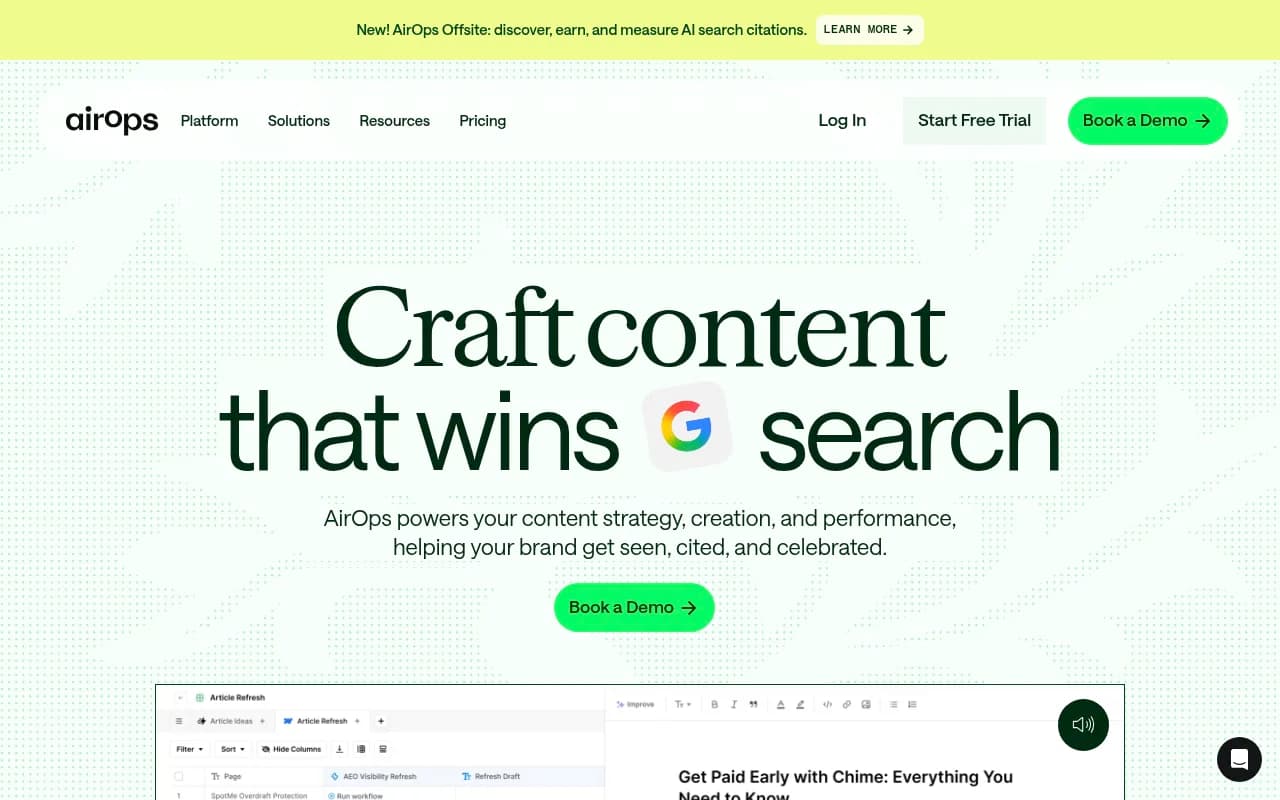
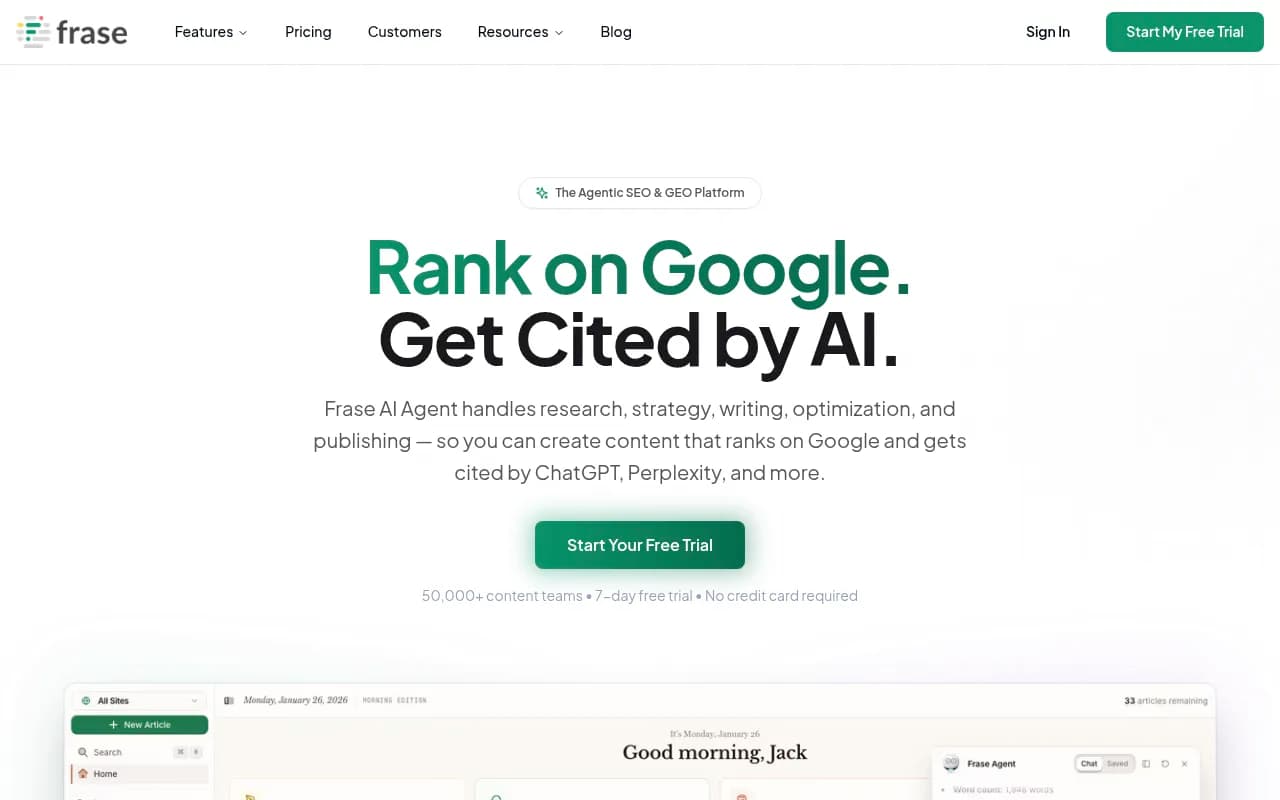
For the content creation side, tools like AirOps and Frase can help you research and write content that's grounded in real search data.
Stage 7: Track the results over time
The most important thing about AI visibility tracking is that it's a long game. A new website won't go from zero citations to consistent AI recommendations in two weeks. The realistic timeline is 2-4 months of consistent publishing before you start seeing meaningful movement.
What to watch:
- Citation count by prompt: Are specific prompts starting to generate citations for your brand?
- Share of voice: Is your percentage of citations growing relative to competitors?
- Which pages are being cited: This tells you what's working so you can create more of it.
- Crawler frequency: Are AI bots returning to your site more often as you publish more content?
- Traffic from AI referrals: Tools that connect visibility to actual traffic (via Google Search Console integration or direct attribution) let you see whether AI citations are driving real visitors.
Set a monthly review cadence. Look at what moved, what didn't, and why. Adjust your prompt list as you learn more about how your customers actually search.
Common mistakes new websites make
Tracking too many prompts too early. It's tempting to add 100 prompts and track everything. But you can't act on 100 gaps at once. Start focused.
Ignoring technical crawlability. If AI bots can't read your pages, nothing else matters. Check your robots.txt, verify your sitemap, and make sure your content is server-rendered or pre-rendered.
Treating AI visibility as separate from content strategy. The brands that win in AI search aren't running a separate "AI SEO" program. They're publishing genuinely useful content and making sure it's technically accessible. The tracking just tells them which topics to prioritize.
Expecting instant results. AI models update their knowledge and citation patterns over time. A page published today might not appear in AI responses for weeks or months. Patience and consistency matter more than any single tactic.
Using monitoring-only tools and then wondering why nothing improves. Knowing you're invisible is not the same as knowing how to become visible. Make sure your tooling includes some form of gap analysis or content guidance.
Putting it all together
Setting up AI search visibility tracking for a new website in 2026 is a five-step process: define your prompts, baseline your current visibility, choose a tool that goes beyond monitoring, create content to fill the gaps, and track results consistently over time.
The cold-start problem is real, but it's solvable. Every established brand that's now being cited by ChatGPT and Perplexity was once a new website with zero citations. The difference is they started tracking early, understood the gaps, and created content specifically designed to fill them.
Start with 20 prompts. Pick a tool. Publish consistently. Check the data monthly. That's the whole system.