Key Takeaways
- Competitor API data transforms agency pitches from generic promises to data-backed proof — showing prospects exactly where they're losing ground and how you'll fix it
- Real-time competitive intelligence reveals gaps prospects don't know exist — from AI search visibility to content performance, giving you instant credibility
- Automated data collection scales your prospecting — monitor hundreds of potential clients simultaneously and reach out when opportunities emerge
- Multi-channel competitive analysis (SEO, AI search, social, paid) creates comprehensive audit reports that position your agency as the strategic partner, not just another vendor
- API-driven workflows reduce pitch prep time from days to hours while delivering more impressive, personalized presentations that close deals
Why Competitor Data Is Your Agency's Secret Weapon in 2026
The agency landscape has fundamentally changed. Prospects are drowning in cold outreach, skeptical of promises, and burned by agencies that overpromised and underdelivered. Generic pitches about "growing their business" or "increasing traffic" get ignored immediately.
What cuts through the noise? Showing prospects exactly what their competitors are doing that they're not. Not vague insights — specific, actionable intelligence backed by real data.
Competitor API data gives you this superpower. Instead of leading with your services, you lead with their problems — problems they didn't even know they had. You walk into the pitch (or send the email) with a detailed breakdown of:
- Which competitors are outranking them and why
- Content gaps their competitors are exploiting
- AI search visibility their competitors have captured
- Paid strategies their competitors are running
- Social engagement patterns they're missing
This isn't theoretical. High-growth agencies in 2026 are using competitor intelligence as their primary client acquisition strategy. They're monitoring prospect websites at scale, identifying opportunities automatically, and reaching out with personalized, data-driven pitches that convert at 3-5x the rate of traditional cold outreach.

The Competitor Data Stack: APIs and Tools That Power Modern Agency Prospecting
Building a competitive intelligence system requires the right tools. Here's the modern agency tech stack for 2026:
SEO and Search Visibility APIs
Traditional search visibility remains foundational. APIs from platforms like Ahrefs, Semrush, and Moz let you programmatically pull:
- Organic keyword rankings and changes
- Backlink profiles and new link acquisition
- Domain authority metrics
- Content performance data
- SERP feature ownership
These APIs enable you to monitor hundreds of prospects simultaneously. Set up automated alerts when a prospect's competitor launches new content, gains significant rankings, or captures featured snippets. This gives you perfect timing for outreach: "I noticed your competitor just captured 15 new featured snippets in your category — here's how they did it and how we can help you compete."
AI Search Visibility Tracking
The biggest opportunity in 2026 is AI search — and most businesses have zero visibility into how they appear in ChatGPT, Perplexity, Claude, and Google AI Overviews. This is where platforms like Promptwatch become game-changers for agency prospecting.

Promptwatch monitors how brands appear across 10+ AI models, tracks citation sources, and identifies content gaps that prevent AI visibility. For agencies, this means you can show prospects:
- Exactly which prompts their competitors are visible for but they're not
- Which content types AI models cite from competitors
- Reddit threads and YouTube videos influencing AI recommendations
- ChatGPT Shopping appearances their competitors have captured
This data is pure gold for prospecting. Most businesses don't even know AI search exists as a channel — you're educating them on a massive blind spot while simultaneously positioning yourself as the expert who can fix it.
Other AI visibility platforms worth exploring include Otterly.AI, Peec AI, and AthenaHQ, though these tend to focus on monitoring without the content optimization and generation capabilities that Promptwatch offers.
Otterly.AI

Competitive Intelligence and Market Research APIs
Beyond search, you need broader competitive intelligence. Tools like Similarweb provide traffic estimates, referral sources, audience demographics, and engagement metrics. Apollo.io and ZoomInfo offer technographic data — what tools and platforms competitors are using.
This lets you build comprehensive competitive profiles:
- Traffic trends and seasonal patterns
- Top traffic sources and referral partnerships
- Technology stack and marketing automation tools
- Social media performance and engagement rates
- Paid advertising presence and estimated spend
Social Media and Content Performance APIs
Platforms like BuzzSumo and Brand24 track content performance across social channels, revealing which competitor content resonates most with shared audiences. You can identify:
- Top-performing content by engagement
- Influencer relationships and partnerships
- Trending topics in the prospect's industry
- Content gaps and underserved topics
- Viral content patterns and formats
Data Enrichment and Automation
Finally, you need automation to scale this. Clay has become the go-to platform for agencies building prospecting workflows. It connects to dozens of APIs, enriches prospect data, and automates outreach sequences.
A typical Clay workflow:
- Pull list of target prospects from your CRM or a lead database
- Enrich with firmographic data (company size, revenue, tech stack)
- Run competitive analysis via SEO and AI visibility APIs
- Score prospects based on opportunity size (competitor gaps, market position)
- Generate personalized pitch emails with specific data points
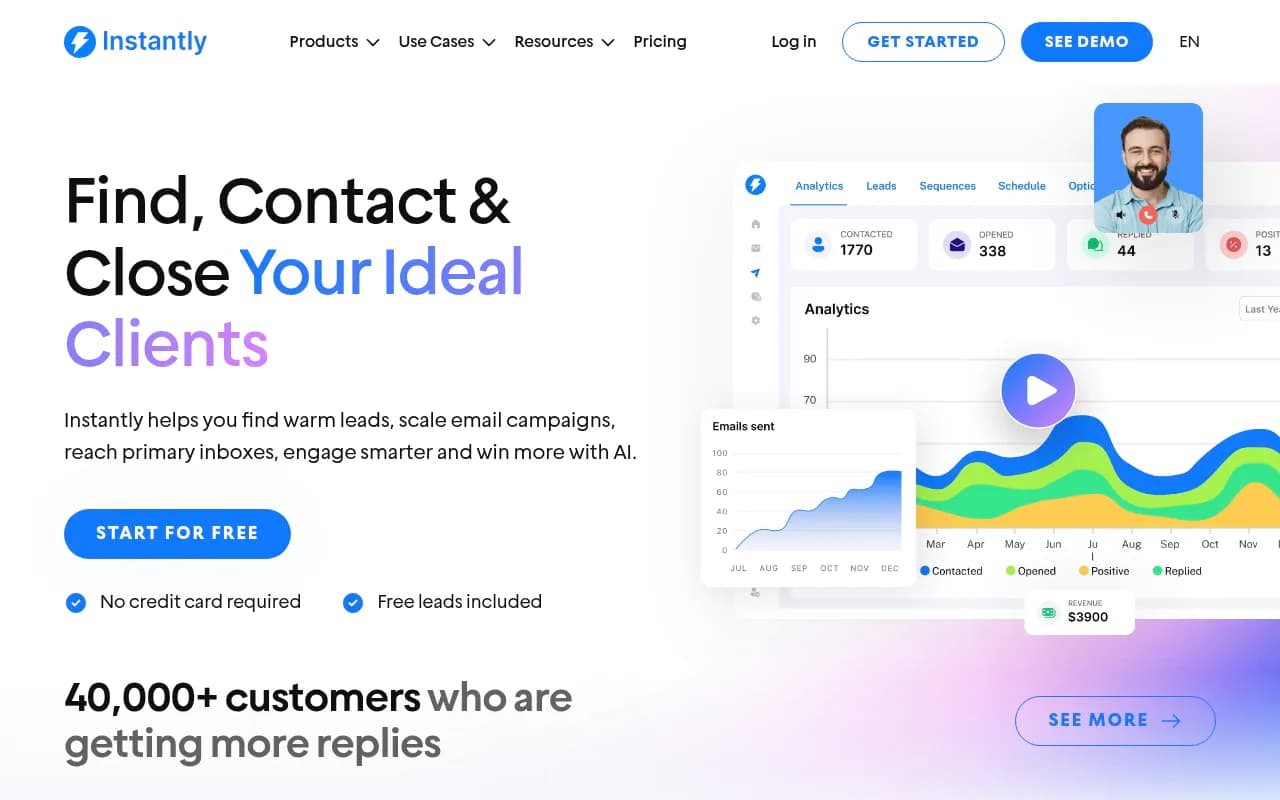
- Trigger outreach sequences via Instantly.ai or similar
This transforms prospecting from manual research to automated intelligence gathering at scale.
Building Your Competitive Intelligence Prospecting System
Here's how to actually implement this as an agency:
Step 1: Define Your Ideal Client Profile and Competitor Set
Start by identifying who you want to work with. Be specific:
- Industry verticals (e.g., B2B SaaS, eCommerce, professional services)
- Company size (employees, revenue)
- Geographic focus
- Current marketing maturity (do they have in-house teams? existing agencies?)
Then identify the competitive landscape for each vertical. Who are the top 5-10 players? These become your benchmark competitors for prospecting.
Step 2: Set Up Automated Monitoring
Use your API stack to monitor both prospects and their competitors:
For prospects:
- Track organic rankings for key terms
- Monitor AI search visibility across target prompts
- Watch for website changes and new content
- Track social media activity and engagement
For competitors:
- Same metrics, but focus on identifying wins and new tactics
- Alert on new content launches, ranking gains, backlink acquisition
- Track AI visibility improvements and citation sources
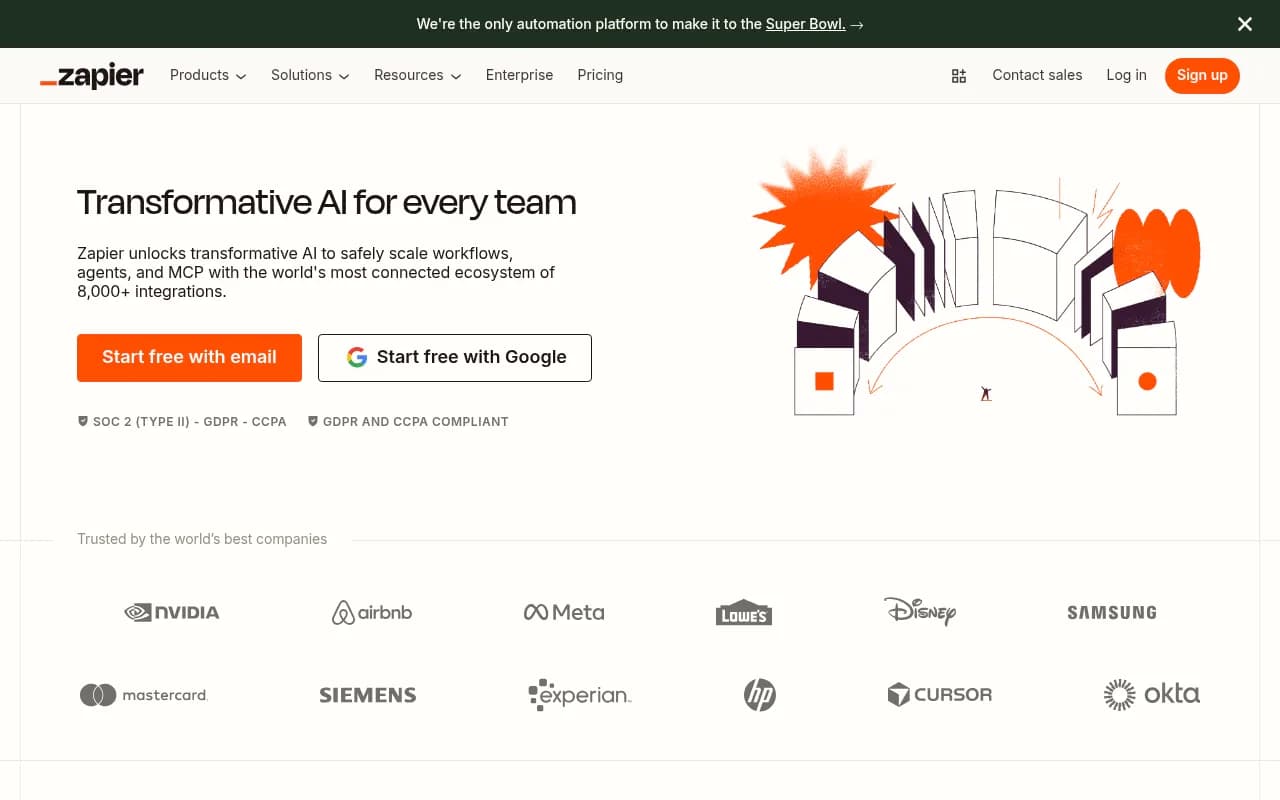
Set up weekly or bi-weekly automated reports that summarize changes. Tools like Make or Zapier can orchestrate these workflows, pulling data from multiple APIs and compiling it into digestible summaries.
Step 3: Create Trigger-Based Outreach
The most effective prospecting isn't scheduled — it's triggered by specific events:
Trigger examples:
- Competitor launches major content campaign (prospect is falling behind)
- Prospect loses rankings for key terms (they need help)
- Competitor gains significant AI search visibility (new opportunity to educate)
- Prospect's website has technical SEO issues (crawl errors, speed problems)
- Industry trend emerges that prospect isn't capitalizing on
When a trigger fires, your system should automatically:
- Generate a personalized email with specific data points
- Create a mini-audit or one-pager showing the opportunity/problem
- Queue the outreach in your email automation tool
- Log the activity in your CRM
This approach feels timely and relevant because it is — you're reaching out based on real market changes, not arbitrary cadences.
Step 4: Build Data-Driven Pitch Assets
Competitor data becomes your pitch collateral. Create templates for:
Competitive Audit Reports:
- Executive summary of prospect vs. competitor performance
- Keyword gap analysis (what competitors rank for that prospect doesn't)
- AI visibility comparison (prompts competitors appear in)
- Content gap analysis (topics competitors cover that prospect misses)
- Backlink gap analysis (link opportunities competitors have captured)
- Technical SEO comparison
Opportunity Briefs:
- Specific, actionable recommendations based on competitor strategies
- Estimated traffic/revenue impact of closing gaps
- Timeline and resource requirements
- Case studies of similar work you've done
Interactive Dashboards:
- Live competitive tracking dashboards (using tools like Looker Studio or Tableau)
- Shareable links prospects can explore
- Automatically updated with fresh API data
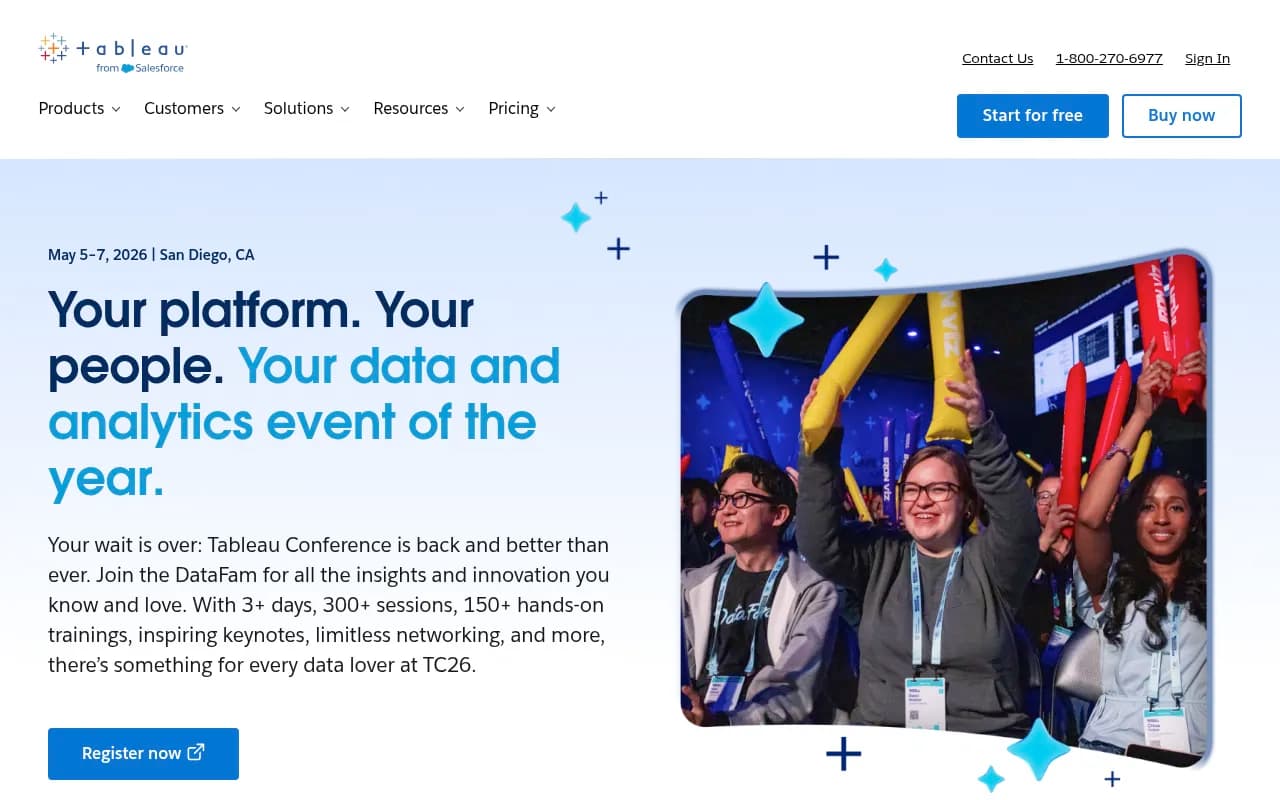
These assets do two things: they demonstrate your expertise and they make the prospect's problem viscerally real. It's one thing to say "you're behind your competitors" — it's another to show them a dashboard with 47 specific keywords their competitor ranks for that they don't, along with estimated monthly search volume and traffic value.
Real-World Prospecting Workflows That Convert
Let's walk through three specific workflows agencies are using in 2026:
Workflow 1: The AI Visibility Gap Play
This workflow targets businesses that are invisible in AI search while their competitors are capturing citations.
Setup:
- Use Promptwatch or similar to track AI visibility for target industry verticals
- Identify prospects with zero or minimal AI search presence
- Identify their competitors who ARE visible in AI search
- Pull specific prompts and citation sources
Outreach: "Hi [Name], I was researching how [Industry] companies appear in AI search engines like ChatGPT and Perplexity. I noticed [Competitor] is being recommended for [specific prompts] while [Prospect Company] isn't appearing at all. This represents [X] monthly searches where potential customers are discovering your competitors instead of you. I put together a brief analysis — would you be open to a 15-minute call to walk through it?"
Pitch:
- Show side-by-side comparison of AI visibility
- Demonstrate specific prompts where competitor appears
- Explain why (content gaps, citation sources, technical factors)
- Present roadmap for capturing AI visibility
- Include content creation and optimization plan
This workflow works because AI search is still new enough that most businesses don't monitor it. You're revealing a blind spot and positioning yourself as the guide.
Workflow 2: The Content Gap Opportunity
This workflow identifies prospects whose competitors are publishing high-performing content they're not.
Setup:
- Monitor competitor content performance via BuzzSumo, Ahrefs Content Explorer, or similar
- Identify content topics/formats that drive significant engagement and traffic
- Check if prospect has covered these topics
- Quantify the gap (estimated traffic, backlinks, social shares)
Outreach: "Hi [Name], I noticed [Competitor] published [specific content piece] last month that's already generated [X] backlinks and [Y] social shares. They're also ranking #1 for [keyword] which gets [Z] monthly searches. I analyzed your content library and didn't see similar coverage. I mapped out 12 content opportunities where your competitors are winning traffic you could capture — want to see the breakdown?"
Pitch:
- Present content gap analysis with specific topics
- Show competitor performance metrics for each topic
- Estimate traffic/lead potential for prospect
- Provide content brief samples for top opportunities
- Outline content production and promotion plan
This workflow demonstrates immediate, tangible opportunities. You're not selling SEO services abstractly — you're showing them exactly what content to create and why it will work.
Workflow 3: The Technical SEO Crisis Alert
This workflow catches prospects when technical issues are hurting their performance.
Setup:
- Run automated technical audits on prospect websites (using Screaming Frog API, Ahrefs Site Audit, etc.)
- Monitor for critical issues: crawl errors, broken links, speed problems, mobile issues
- Track ranking changes that correlate with technical problems
- Compare technical health to competitors
Outreach: "Hi [Name], I ran a quick technical audit on [prospect site] and found [X] critical issues that are likely impacting your search performance. For context, [Competitor] has [Y]% fewer technical errors and loads [Z] seconds faster. I documented the top 5 issues and how to fix them — happy to share the report if it's helpful."
Pitch:
- Present technical audit with prioritized issues
- Show performance impact (rankings lost, traffic decline)
- Compare to competitor technical health
- Provide fix roadmap with estimated timeline
- Include ongoing monitoring and maintenance plan
This workflow works because technical issues create urgency. Rankings are declining NOW, and you're offering the solution.
Advanced Strategies: Multi-Channel Competitive Intelligence
The most sophisticated agencies in 2026 aren't just tracking SEO — they're building comprehensive competitive intelligence across all channels:
Paid Advertising Intelligence
Use tools like Semrush Advertising Research or SpyFu to reveal:
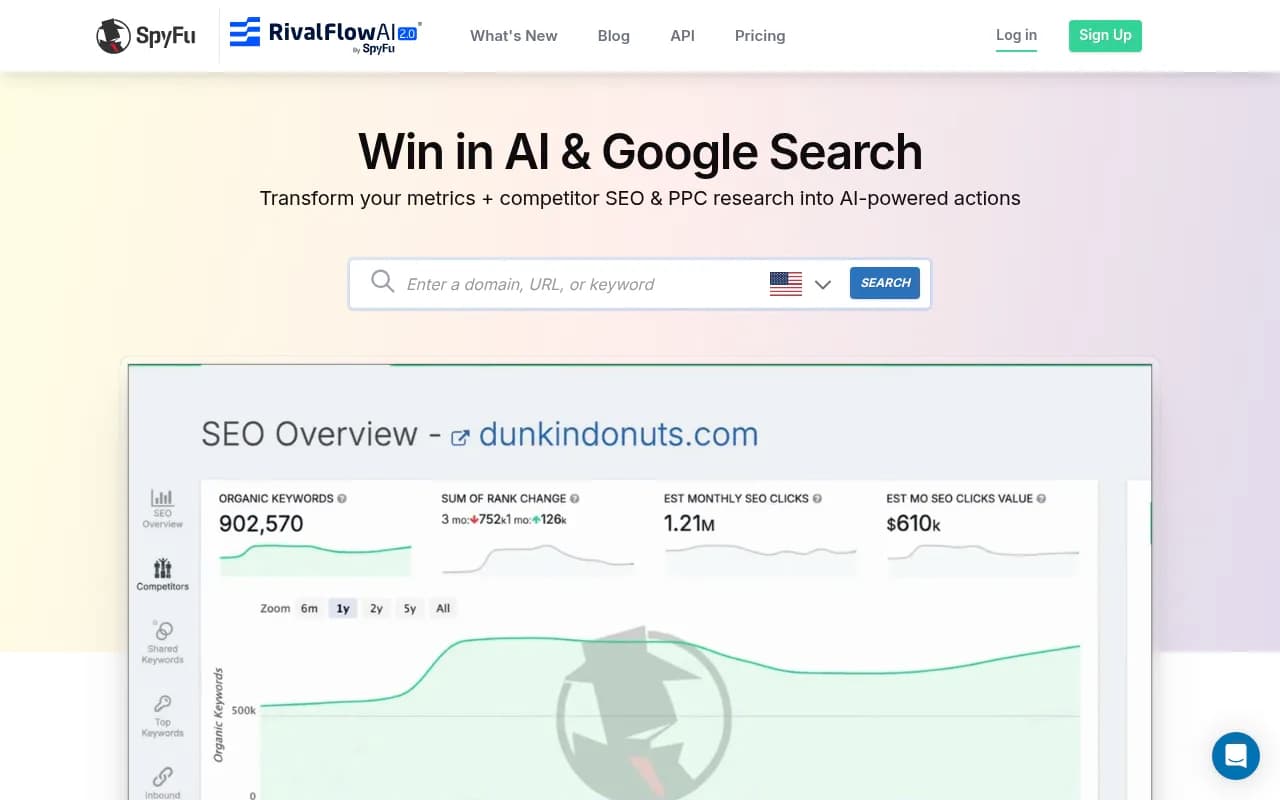
- Competitor ad copy and landing pages
- Keyword bidding strategies
- Estimated ad spend
- Ad creative variations and testing patterns
This lets you show prospects what competitors are investing in paid channels and where opportunities exist.
Social Media Competitive Analysis
Track competitor social performance with Sprout Social, Hootsuite, or Brand24:
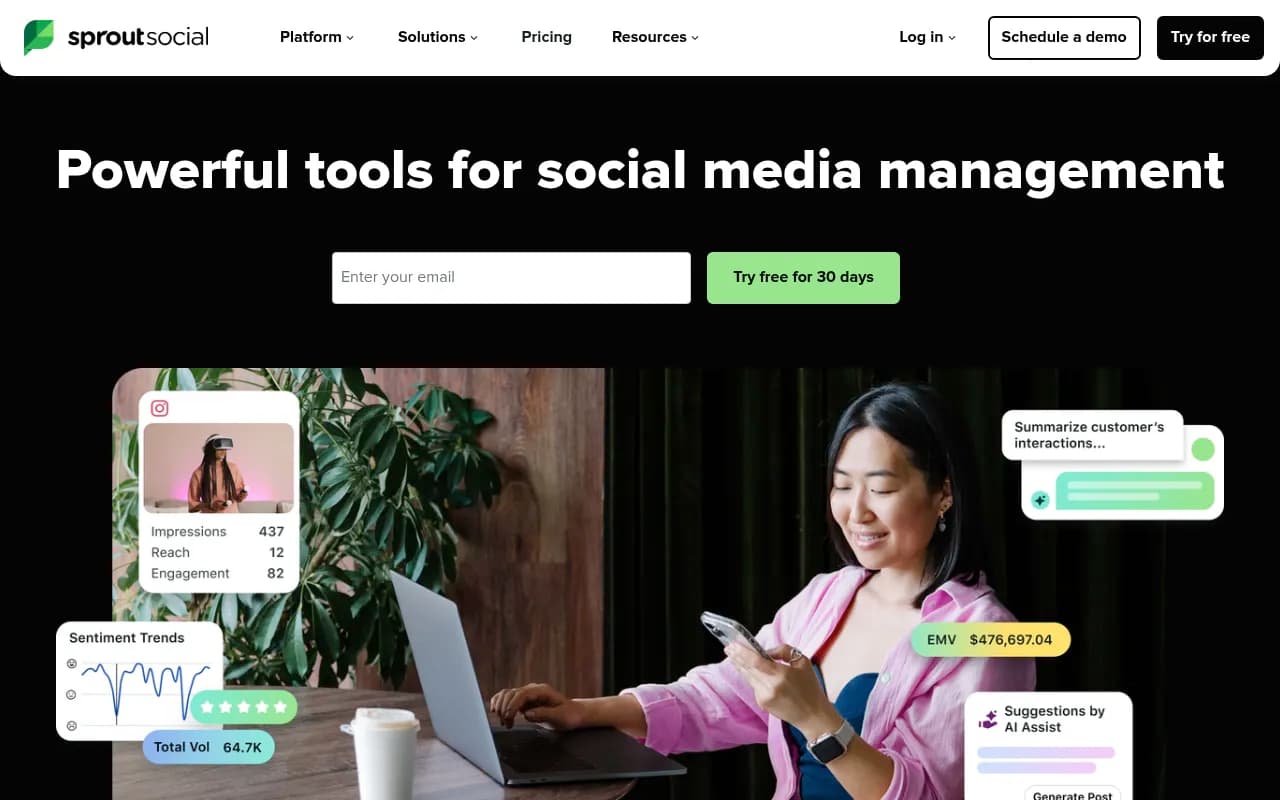
- Posting frequency and optimal timing
- Content formats that drive engagement
- Influencer partnerships and collaborations
- Hashtag strategies and reach
- Community growth rates
Email and Marketing Automation
Subscribe to competitor email lists and track:
- Email cadence and segmentation strategies
- Subject line patterns and open rate indicators
- Promotional calendars and campaign timing
- Automation sequences (welcome series, cart abandonment, re-engagement)
Tools like MailCharts automate this competitive email intelligence.
Product and Pricing Intelligence
For SaaS and eCommerce prospects, track competitor:
- Feature releases and product roadmap signals
- Pricing changes and promotional strategies
- Customer review sentiment and pain points
- Integration partnerships and ecosystem plays
This multi-channel approach lets you position your agency as a strategic partner who understands the full competitive landscape, not just SEO.
Turning Data Into Deals: The Pitch Framework
Having the data is one thing — presenting it effectively is another. Here's the pitch framework that converts:
1. Lead With The Problem (Not Your Solution)
Start by showing them what they're losing:
"Your competitors are capturing 47,000 monthly searches in AI engines like ChatGPT and Perplexity. You're appearing in zero of these results. That's [X] potential customers discovering them instead of you every month."
Make the problem specific, quantified, and urgent.
2. Prove It With Data
Show the receipts:
- Side-by-side comparisons
- Specific examples (screenshots of competitor results)
- Trend data (how the gap is growing)
- Estimated impact (traffic, leads, revenue)
This is where your API data shines. You're not making claims — you're presenting facts.
3. Explain Why It's Happening
Educate them on the root causes:
"Your competitors are visible because they've optimized for [specific factors]. They're publishing content that answers [these questions], they've structured their site to be easily cited by AI models, and they're building authority in [these areas]."
This demonstrates your expertise and builds trust.
4. Present The Roadmap
Show them exactly how you'll close the gap:
- Phase 1: Foundation (technical fixes, content audit, gap analysis)
- Phase 2: Content Creation (priority topics, optimization for AI visibility)
- Phase 3: Promotion (link building, social amplification, AI crawler optimization)
- Phase 4: Scale (ongoing content production, monitoring, iteration)
Include timelines, deliverables, and expected outcomes for each phase.
5. De-Risk With Proof
Share case studies and results:
"We did this exact process for [Similar Company]. In 6 months, they went from zero AI visibility to appearing in 200+ prompts, which drove a 34% increase in organic traffic and 50+ qualified leads directly attributed to AI search."
Proof beats promises every time.
6. Make The Ask Clear
End with a specific, low-friction next step:
"I'd like to do a deeper audit of your competitive landscape and put together a custom roadmap. It takes about a week and there's no cost or obligation. If you like what you see, we can discuss working together. If not, you keep the audit and the insights. Does that work?"
This positions you as a consultant, not a salesperson.
Scaling Your Prospecting: Automation and Team Structure
Once you've validated the approach, scale it:
Automate Data Collection
Build workflows that run daily or weekly:
- Pull API data for all prospects and competitors
- Generate automated reports and alerts
- Score prospects based on opportunity size
- Queue outreach for high-priority targets
Tools like Clay, Make, and n8n make this possible without custom development.
Specialize Your Team
As you scale, create specialized roles:
- Data Analysts: Build and maintain API workflows, generate reports
- Prospecting Specialists: Review reports, prioritize outreach, customize pitches
- Content Creators: Build audit reports, opportunity briefs, and pitch decks
- Sales Closers: Handle calls and close deals
This division of labor lets you process more prospects without sacrificing quality.
Build a Content Library
Create reusable assets:
- Industry-specific audit templates
- Competitor analysis frameworks
- Pitch deck templates with data visualization
- Email sequences for different scenarios
- Video walkthroughs of common opportunities
This reduces pitch prep time from days to hours.
Measure and Optimize
Track your prospecting metrics:
- Outreach volume and response rates
- Audit request conversion rates
- Pitch-to-close ratios
- Time from first contact to closed deal
- Average deal size by industry/opportunity type
Use this data to refine your targeting, messaging, and pitch approach continuously.
Common Pitfalls and How to Avoid Them
Pitfall 1: Data Overload
More data isn't always better. Prospects don't want 50-page reports — they want clear insights and actionable recommendations. Focus on the 3-5 most impactful opportunities, not every possible data point.
Pitfall 2: Generic Competitive Analysis
Showing that a prospect ranks lower than competitors isn't enough — everyone knows they have competitors. The value is in explaining WHY the gap exists and HOW to close it. Always connect data to strategy.
Pitfall 3: Ignoring the Human Element
Data gets you in the door, but relationships close deals. Use competitive intelligence to start conversations, then listen to the prospect's actual goals, constraints, and concerns. Adapt your pitch to their reality.
Pitfall 4: Overpromising Based on Competitor Success
Just because a competitor's strategy worked doesn't guarantee it will work for your prospect. Different brands, audiences, and resources create different outcomes. Be honest about variables and set realistic expectations.
Pitfall 5: Neglecting Data Privacy and Ethics
Only use publicly available data and respect API terms of service. Don't scrape private data, impersonate users, or violate platform policies. Ethical data practices protect your agency's reputation and legal standing.
The Future of Competitive Intelligence in Agency Prospecting
Looking ahead, several trends will shape how agencies use competitor data:
AI-Powered Insight Generation
LLMs will increasingly analyze competitive data and generate insights automatically. Instead of manually reviewing reports, you'll ask AI: "What are the top 3 opportunities for this prospect based on competitor analysis?" and get instant, strategic recommendations.
Predictive Competitive Intelligence
Machine learning models will predict competitor moves before they happen, based on historical patterns, industry trends, and early signals. This gives agencies a proactive edge: "Your competitor is likely to launch a content campaign around [topic] next quarter — here's how to beat them to it."
Real-Time Competitive Dashboards
Prospects will expect live, always-updated competitive intelligence, not static reports. Agencies that provide real-time dashboards with automated insights will differentiate themselves from those still sending PDFs.
Integration with Sales and Marketing Automation
Competitive intelligence will flow directly into CRM and marketing automation platforms, triggering personalized outreach and content automatically. The line between prospecting and account-based marketing will blur.
Taking Action: Your 30-Day Implementation Plan
Ready to implement this approach? Here's a practical 30-day roadmap:
Week 1: Setup
- Define your ideal client profile and target industries
- Sign up for core API tools (SEO, AI visibility, competitive intelligence)
- Build your initial prospect list (50-100 companies)
- Identify key competitors for each vertical
Week 2: Data Collection
- Set up automated monitoring for prospects and competitors
- Run initial audits and competitive analyses
- Create your first batch of audit reports
- Build email templates for different opportunity types
Week 3: Outreach
- Launch your first outreach campaign (20-30 prospects)
- Test different messaging approaches
- Track response rates and feedback
- Refine your pitch based on early conversations
Week 4: Optimization
- Analyze what's working and what's not
- Double down on high-performing strategies
- Build additional assets (case studies, video walkthroughs)
- Scale up outreach volume
By the end of 30 days, you should have:
- A working competitive intelligence system
- 5-10 qualified conversations with prospects
- 1-2 closed deals or proposals in progress
- A repeatable process to scale
The agencies winning in 2026 aren't the ones with the best websites or the biggest ad budgets — they're the ones using data to demonstrate value before prospects even become clients. Competitor API data gives you that capability. Start building your system today, and you'll transform how you acquire clients tomorrow.