Key takeaways
- Local Falcon and BrightLocal are the two tools in this group with first-party pages confirming AI Overviews and AI Mode tracking tied to location. Local Dominator claims the same, but its source is a vendor article.
- AI answers vary by location and by run, so single-point checks mislead you. Grid-based sampling is the fix.
- Many trackers blend Maps and Local Pack results into one number. Ask which one you're actually measuring.
- Promptwatch Data shows Google's own properties (Maps listings, Business Profiles, google.com) take a growing share of AI Mode citations. Your Business Profile is a GEO asset.
- Credits, grid size and scan frequency decide your real cost. Do the math before you commit.
Why map-pack tracking alone stopped being enough
For years the local SEO loop was simple. Pick a keyword, scan a grid around the business, read the heatmap, fix what's red. That loop still matters. But a customer searching "emergency plumber near me" can now get an AI Overview or an AI Mode answer that names two or three businesses before they ever scroll to the map pack.
A classic geo-grid tool tells you your 3-pack position at each point. It does not tell you whether the AI answer above it mentioned you, ranked you first, or described you badly. Those are different questions, and in 2026 you need both answered.
The data on what feeds those answers is worth knowing. In Promptwatch's Google AI Mode citation share report for June 2026 (May 31 to Jun 26, month-to-date), google.com made up 7.31% of AI Mode citations, up from 4.24% in May. That is more than YouTube (2.88%) and Reddit (2.52%) combined, and no independent website in the list cleared 1%. Promptwatch's reading is that AI Mode routinely resolves questions with Google's own Maps listings and Business Profiles before it reaches for the open web. June figures are partial-month, so don't over-read the momentum, but the direction is clear for local businesses.
AI Overviews show a similar pattern. In the June 2026 AI Overviews citation share report, google.com doubled from 1.15% in May to 2.30%, and Google-owned properties (YouTube plus google.com) accounted for about 6.5% of sources.
What a local GEO tool actually needs to do
I'd judge every tool in this space against five questions.
- Does it run the same prompt from many physical points, not just one?
- Does it cover both AI Overviews and AI Mode, not only ChatGPT and Gemini?
- Does it report position, sentiment and competitors, or only "mentioned yes/no"?
- Does it separate Google Maps results from the Local Pack?
- Are the credits or prompt limits sane at the volume you need?
The first one matters most. AI answers are not deterministic. Ask the same question twice from the same spot and you can get different businesses. Ask from two spots a mile apart and you often will. One check proves nothing. You need enough samples to measure a mention rate.
The tools, one by one
Local Falcon
Local Falcon started as a geo-grid rank tracker and has extended the same grid model to AI. Per its AI visibility feature page, it tracks ChatGPT, Google AI Overviews, Google AI Mode, Gemini and Grok. An AI scan runs the same prompt from every grid point, from 9 points (3x3) up to 441 (21x21), which gives you enough samples to measure how often you're mentioned and how consistent that is.
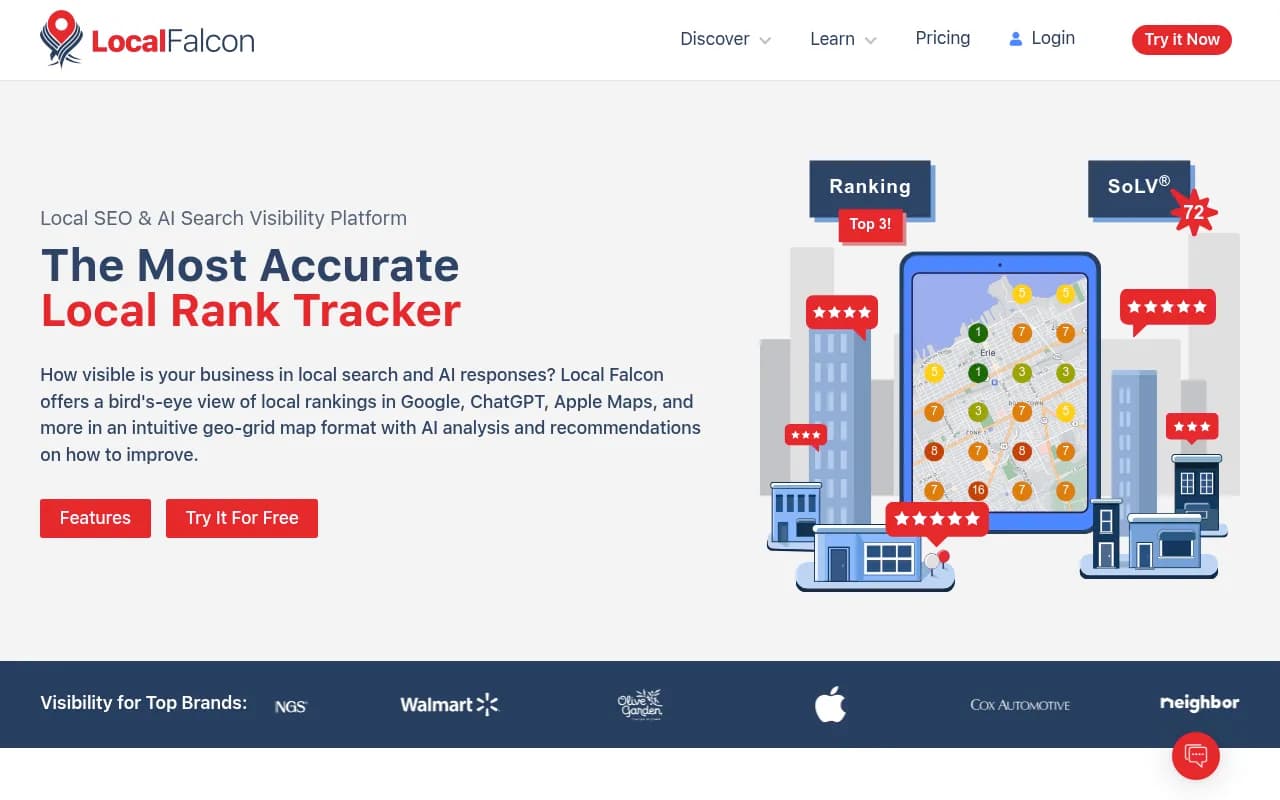
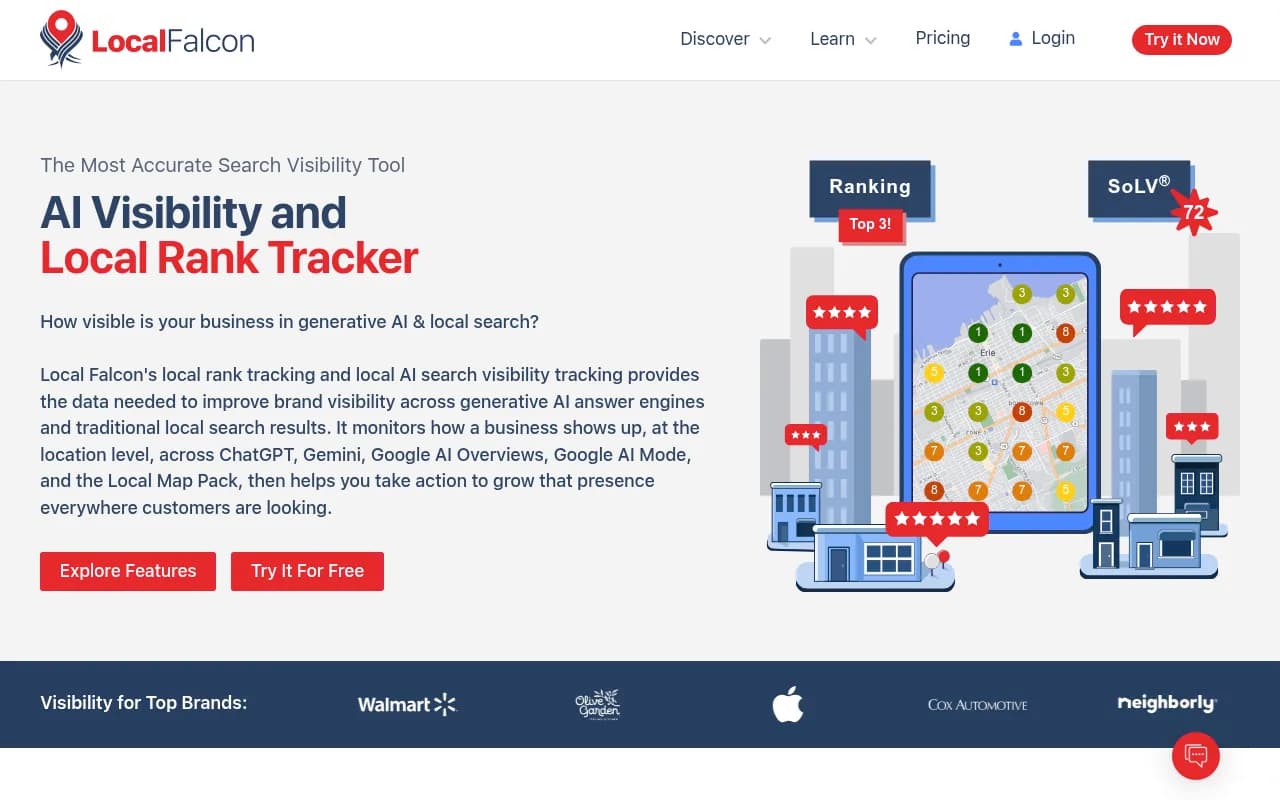
Reports include sentiment analysis, Brand Phrases, and a Buyer Persuasion Score that tries to show whether the AI recommends you or steers people elsewhere. A Falcon AI layer writes the analysis for you. AI scans run from Quick Scan or Campaigns, use the same credits as map scans, and Campaign Scans can put AI and local-search platforms in one report. Local Falcon also has a dedicated Google AI Overviews tracking page, which I didn't dig into.
The credit model is simple: 1 credit equals 1 map pin. A 5x5 grid costs 25 credits, a 9x9 costs 81, and a Falcon AI analysis is 25 credits per report. Pricing from its pricing page:
| Plan | Monthly price | Monthly credits |
|---|---|---|
| Starter | $24.99 | 7,500 |
| Basic | $49.99 | 15,150 |
| Pro | $99.99 | 31,250 |
| Premium | $199.99 | 63,150 |
Annual plans pool more credits (Starter is $299.88 for 90,000). Pay-as-you-go credits are $0.05 each and don't expire. New accounts get 100 free credits with no card. There's also an on-demand API at $199 a month plus $0.0032 per request, and an MCP server plus Claude and ChatGPT connectors at no extra cost, though scans started through them burn credits.
One caution: a competitor-authored comparison estimates that 5 keywords on a 15x15 grid scanned weekly uses about 4,500 credits a month. Treat the exact number as approximate, but the lesson holds. Big grids and weekly cadence eat credits fast.
BrightLocal Local AI Visibility Tracker
BrightLocal took a different approach. Instead of a heatmap, it gives each location a 0 to 100 visibility score across Google AI Overviews, Google AI Mode and ChatGPT, with more platforms promised in a later version. The score breaks down by platform and prompt and is benchmarked against competitors.
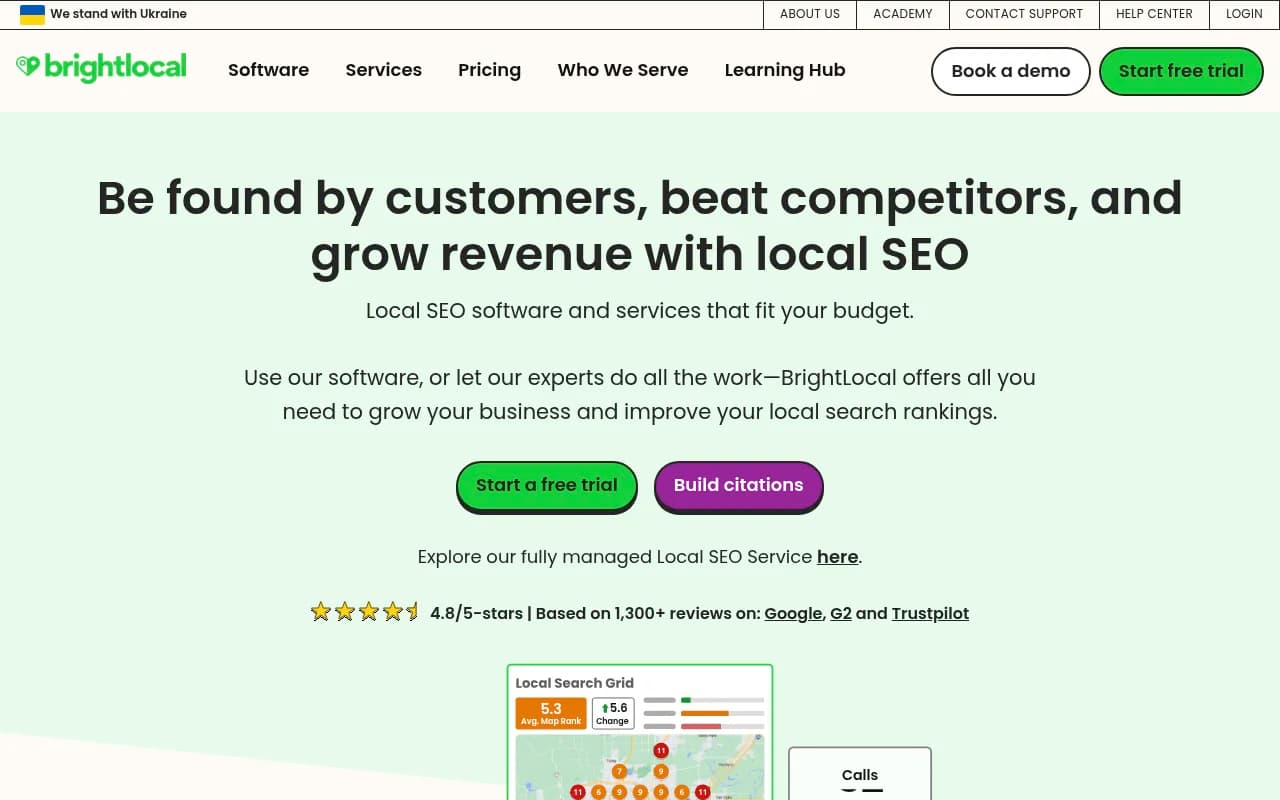
It covers branded and unbranded prompts (up to 20 per location), shows sentiment and recommendation strength, auto-detects competitors, lists which sources the AI trusts, and produces prioritised action items. It's included in all plans from $31 a month. A competitor-authored page says that is per location, billed annually, so confirm on BrightLocal's own pricing before you budget. A 14-day trial needs no card.
Where Local Falcon is spatial, BrightLocal is a reporting-first tool. If you manage dozens of locations and need a client-ready score per site, that framing is easier to hand over than a pile of grids.
Local Dominator
Local Dominator markets itself as the one geo-grid tracker with AI visibility built into the same dashboard. Its AI Tracker is said to cover ChatGPT, Gemini, AI Mode, Perplexity, Claude and Grok, and report position, sentiment and sources. The grid goes up to 21x21, and the Core plan includes 100 prompts a day, with an AI Search add-on lifting that to 200.
Its best idea is the Maps versus Local Pack split. Google Maps results are driven more by proximity, and the Local Pack leans on prominence. A business can sit at #1 on Maps and much lower in the 3-pack. Whether or not you buy the tool, the distinction is worth adopting.
Caveat: the source is Local Dominator's own article dated August 11, 2026, so its claims lean promotional. A third-party listing puts it at $33 to $164 a month billed annually, with the AI Tracker on every plan, but check current pricing yourself.
Whitespark, Rank.ai and others
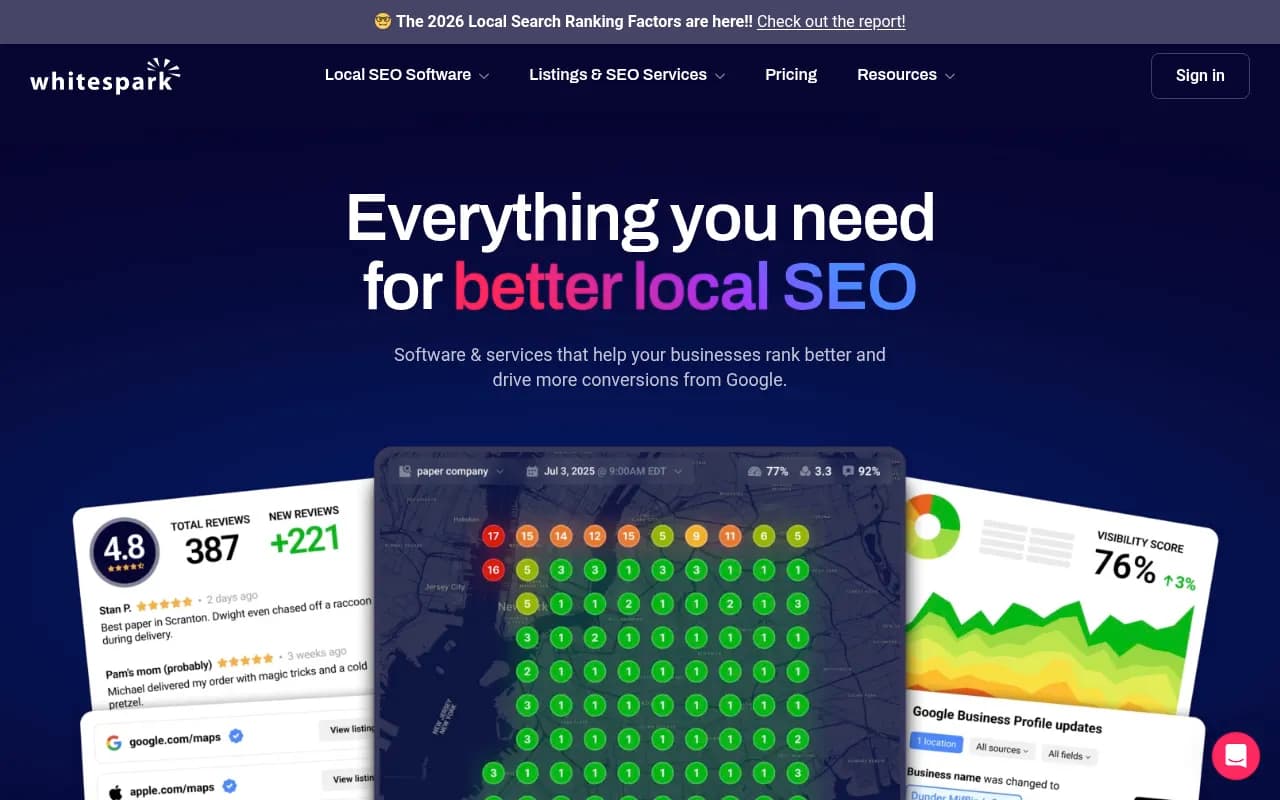
Whitespark's Local Ranking Grids run from 4 to 225 points, from $10 a month, and the toolkit is excellent for citations and classic local work. But the third-party research I found says it has no AI tracking. LocalOptics (Local Viking) is similar: $39 to $200 a month, priced by listings, no AI answer tracking on its pricing page.
Rank.ai tracks ChatGPT, Claude and Gemini daily on 3x3 to 7x7 grids, but I couldn't confirm AI Mode or AI Overviews coverage. For this specific topic, that makes it a weaker fit.
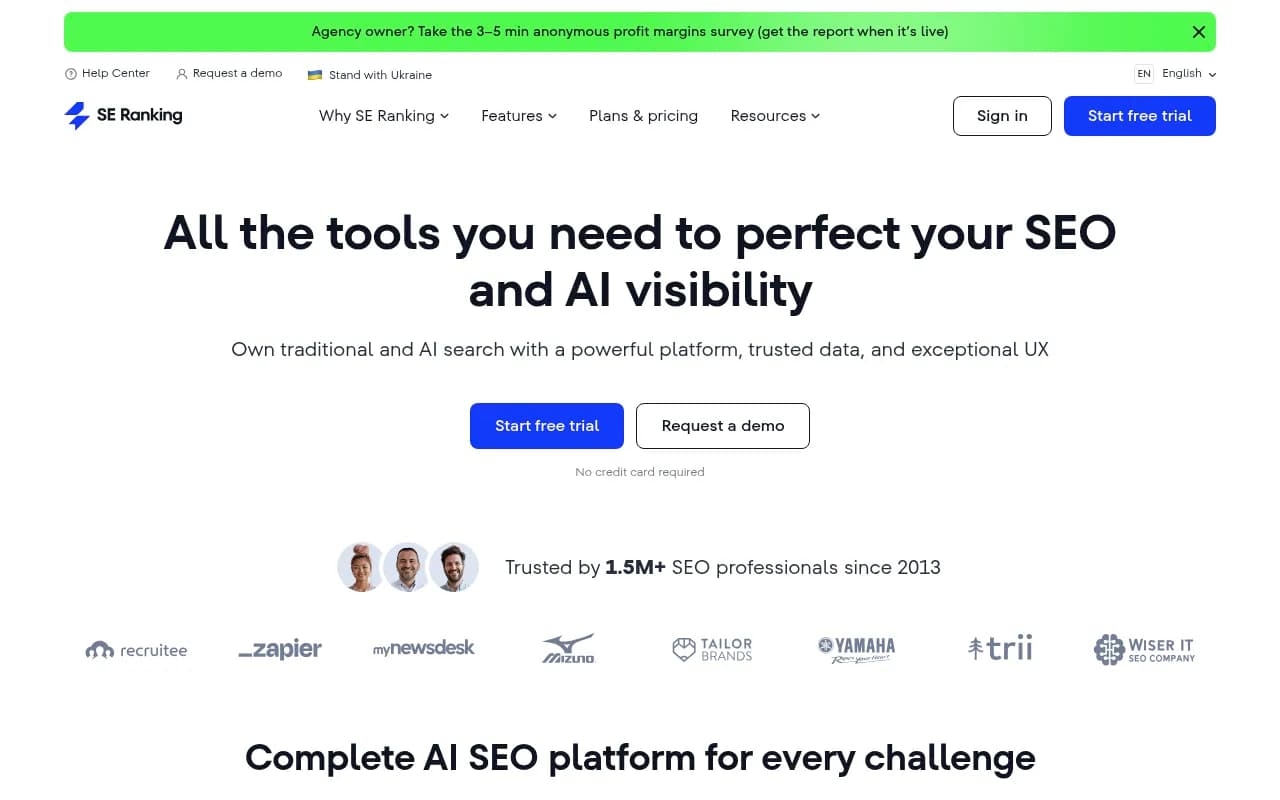
Other names in the local and rank-tracking world, such as SE Ranking, Semrush Local and Moz Local, are worth checking against your stack, but I haven't verified how they handle AI Mode map-pack behavior.
Non-local AI Overviews trackers
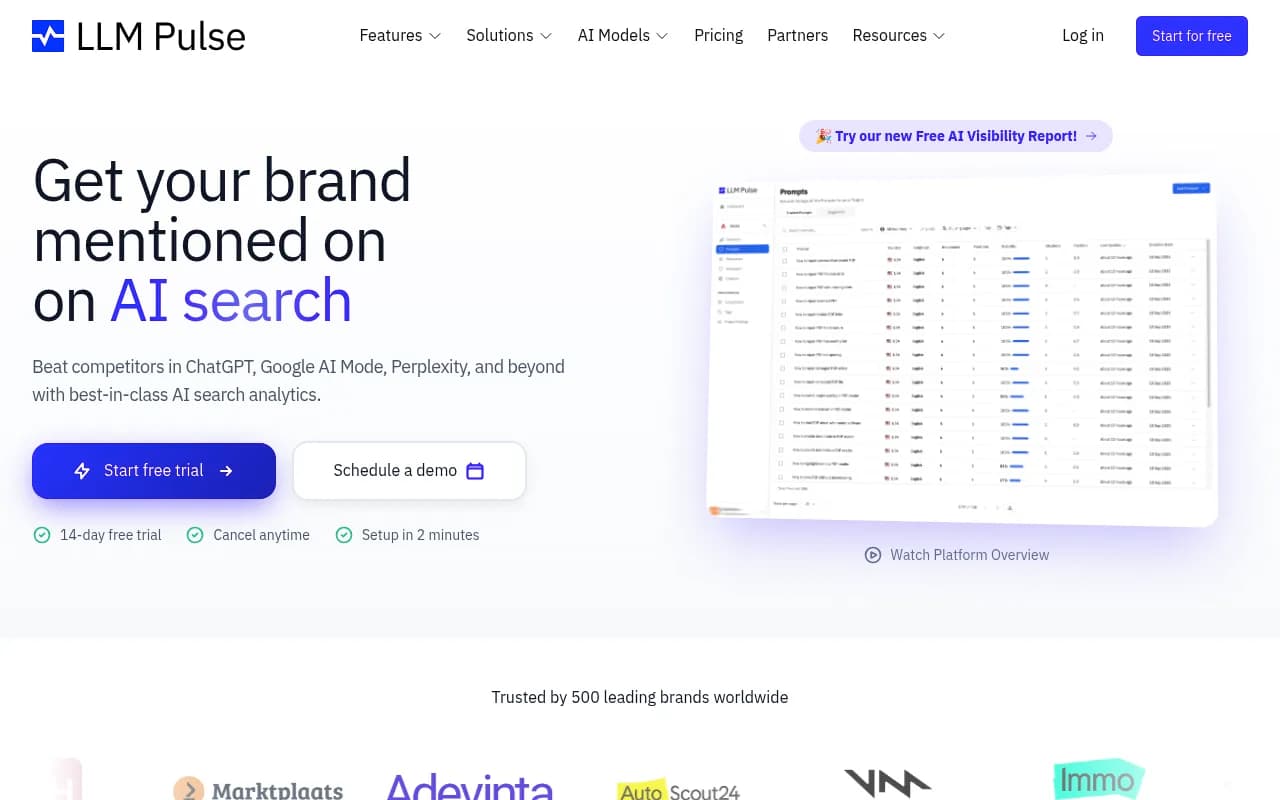
Some tools track Google AI Overviews and AI Mode without any geo-grid. LLM Pulse covers ChatGPT, Perplexity, Gemini, Google AI Mode and AI Overviews. Otterly.AI publishes a guide on tracking AI Overviews, from free Search Console tricks to dedicated monitors. They're useful for brand-level monitoring, but they won't show you how your visibility changes block by block.
Otterly.AI

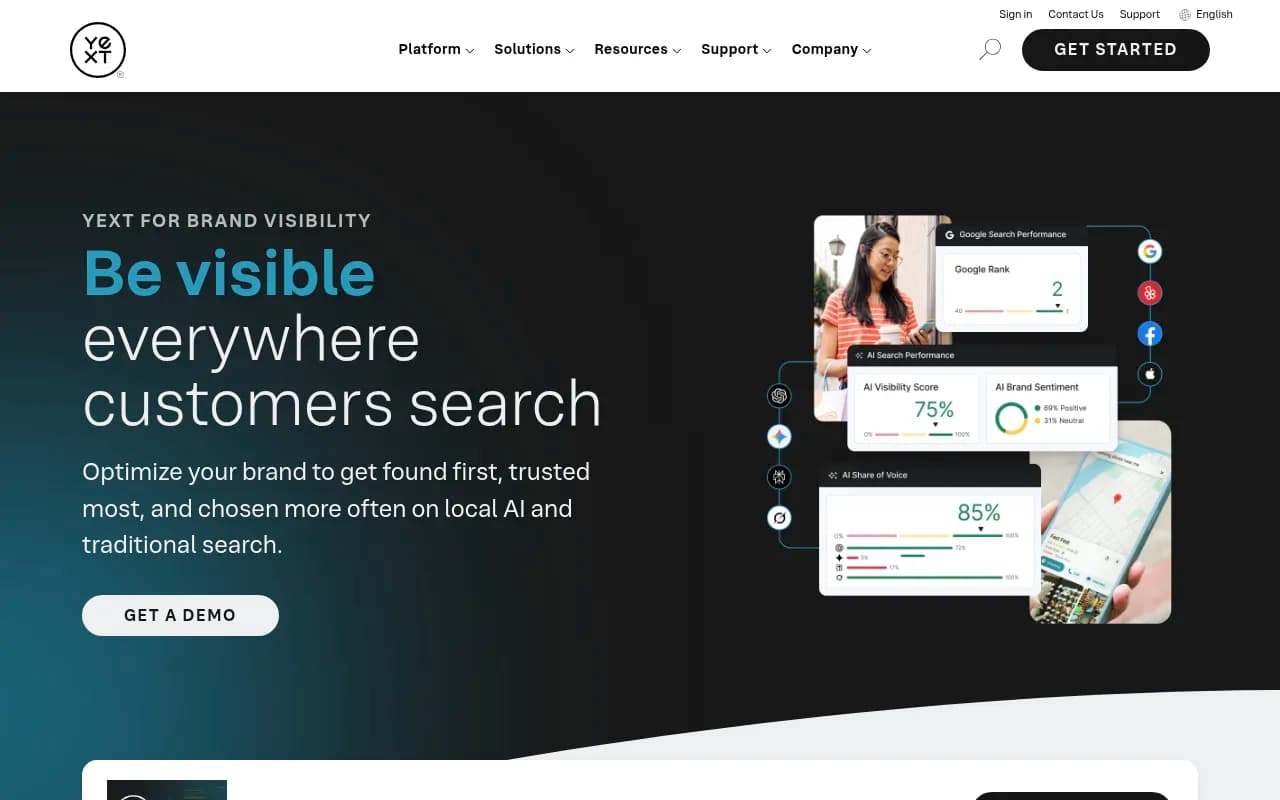
For multi-location brands that care about listings and reputation alongside AI visibility, platforms like Yext, Uberall and Chatmeter sit in the adjacent category. They manage the data AI draws from, rather than measuring AI output as their core feature.
Comparison at a glance
| Tool | AI Overviews | AI Mode | Geo-grid | Starting price (verified or noted) |
|---|---|---|---|---|
| Local Falcon | Yes | Yes | 3x3 to 21x21 | $24.99/mo |
| BrightLocal | Yes | Yes | Per-location score | From $31/mo (confirm basis) |
| Local Dominator | Claimed | Claimed | Up to 21x21 | Third-party: $33 to $164/mo annual |
| Whitespark | No AI tracking | No AI tracking | 4 to 225 points | From $10/mo |
| Rank.ai | Not listed | Not listed | 3x3 to 7x7 | $0 to $399/mo |
| LLM Pulse | Yes | Yes | No | Check vendor |
Where Promptwatch fits
Local grid tools answer "how do I show up at this spot?" They don't tell you which pages AI crawlers read on your site, which third-party sources get cited, or whether AI visits turn into traffic. For that layer, a platform like Promptwatch tracks Google AI Overviews and AI Mode alongside ChatGPT and others, with citation analysis and crawler logs. It's a brand-level tool rather than a street-level one, so most local teams pair it with a grid tracker, not replace one with the other.

If you want to compare more options, the directory at bestgeosoftware.com lists GEO platforms, and ai-rank-tools.com covers AI rank trackers.
Pitfalls to watch for
Single-point checks
Checking from your office tells you what a person in your office sees. Local AI answers shift with location and with each run. Use a grid, and run enough points to read a mention rate rather than a yes or no.
Blended "local rank"
If a tool gives you one local rank number, find out whether it mixes Maps and Local Pack. Optimizing for one can hide problems in the other.
Presence without depth
Being mentioned is the floor. The useful tools also report position in the answer, sentiment, who else is named, and which sources the AI leaned on. Without that you can see a gap but not why it exists.
Credit burn
Grid size multiplied by keywords multiplied by frequency is your bill. Monthly credits expire at month-end on Local Falcon, and annual credits expire yearly. Start with 5x5 or 7x7 grids on your top keywords and expand only when the data justifies it.
Biased comparison sources
Many roundups in this space are written by vendors who compete with the tools they rank. Rank.ai and Local Dominator both do this. Use their pages for ideas, then verify on each vendor's own pricing and feature pages.
What I couldn't verify
I couldn't confirm exactly which AI Mode and AI Overviews behaviors each tool captures, such as local pack embeds inside an AI Overview. Run a trial scan on a keyword you know triggers one and compare the result to what you see manually.
A practical setup workflow
- Pick 5 to 10 money keywords per location, mixing branded and unbranded ("best dentist near me", "[brand] reviews").
- Run a 5x5 or 7x7 map scan for your baseline Local Pack and Maps positions.
- Run the same prompts as AI scans for AI Overviews and AI Mode. Record mention rate, position and sentiment.
- Find the gaps: places where you rank in the pack but are absent from the AI answer, or the reverse.
- Look at the cited sources. If the AI leans on your Business Profile, fix that first: categories, services, hours, photos, reviews, Q&A.
- Re-scan on a schedule you can afford. Weekly for priority keywords, monthly for the rest.
On step 5, Promptwatch's AI Mode analysis says to treat Business Profile and Maps data with the same care as landing pages, and its AI Overviews analysis recommends auditing which target queries trigger answers citing google.com surfaces. Social profiles also matter for Google surfaces: per Promptwatch's October 2026 social citations report (Sep 28 to Oct 4), AI Overviews drew 12.2% of citations from social platforms, including Facebook at 2.38% and Instagram at 1.61%, while ChatGPT drew only 0.46%. Keep public Facebook and Instagram profiles complete if you care about Google's AI surfaces.
Reddit is less reliable as a local lever now. Promptwatch Data shows reddit.com's share of ChatGPT citations collapsed from roughly 4% to 0.5% on August 14, 2026.
Which tool should you pick?
- Agency or consultant who lives in heatmaps: Local Falcon. Unlimited keywords and locations, flexible grids, and AI on every plan.
- Multi-location brand that wants a score per site: BrightLocal.
- Team that wants Maps versus Local Pack separation in one dashboard: try Local Dominator, and verify its claims in the trial.
- Brand-level AI visibility and citation analysis, not street-level: a GEO platform such as Promptwatch or LLM Pulse, alongside a grid tool.
Start with free credits. Local Falcon gives 100 with no card, and BrightLocal has a 14-day trial. Scan one keyword you know triggers an AI answer, and see which tool's output matches what you see by hand.
Agencies that don't want to build this measurement stack themselves can also hire help; 1001 SEO Media runs local SEO and AI search programs, and publishes this site.