Key takeaways
- Searchable and Atomic AGI both combine AI visibility monitoring with content creation features, which puts them in a smaller category than pure-monitoring tools.
- Atomic AGI leans more heavily into traditional SEO analytics alongside AI tracking, making it a better fit for teams that still care deeply about Google rankings.
- Searchable focuses more narrowly on AI search visibility with built-in content generation, but its feature depth is limited compared to full-stack GEO platforms.
- Neither tool offers the crawler log data, prompt volume scoring, or Reddit/YouTube citation tracking that more mature platforms provide.
- If your priority is closing the loop from "where am I invisible?" to "here's the content that fixes it," you'll likely outgrow both tools faster than you expect.
The AI visibility tool market has gotten crowded fast. By mid-2026, there are more than 25 platforms claiming to track how your brand appears in ChatGPT, Perplexity, Gemini, and the rest. Most of them are monitoring dashboards. You get a score, maybe a chart, and then you're on your own.
Searchable and Atomic AGI are trying to be something more. Both pitch themselves as platforms that don't just show you the problem but help you do something about it -- specifically through content generation features. That's a meaningful distinction, and it's worth examining closely.
This comparison digs into what each platform actually does, where they differ, and whether the content engines they've built are genuinely useful or just a checkbox feature.
What Searchable is
Searchable is an AI search visibility platform with built-in content generation. The core pitch is that it monitors how your brand appears across AI engines and then helps you create content to improve that visibility -- all in one place.
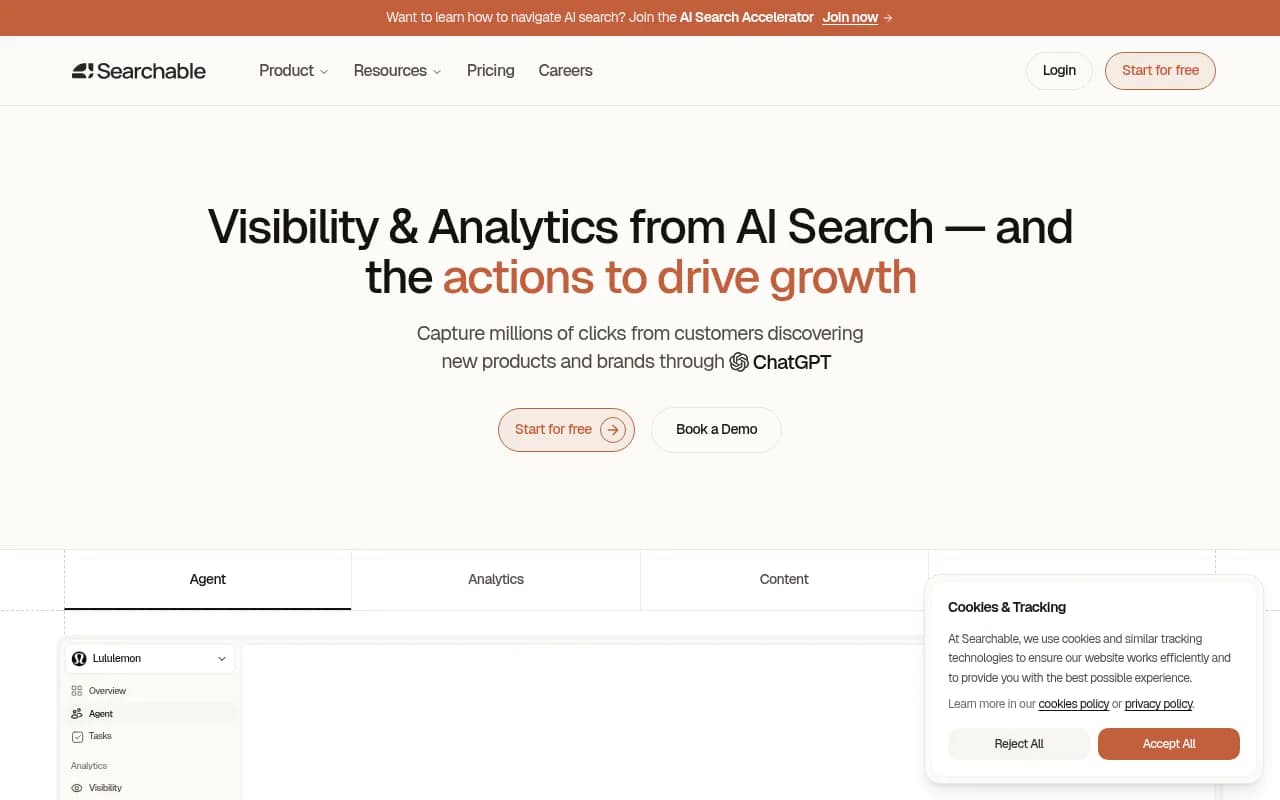
The monitoring side covers the main AI engines: ChatGPT, Perplexity, Google AI Overviews, and a handful of others. You set up prompts relevant to your industry, and Searchable tracks whether your brand appears in the responses, how often, and how you compare to competitors.
The content side is where Searchable tries to differentiate. Rather than just showing you gaps, it offers content briefs and article generation tied to the prompts you're tracking. The idea is that if ChatGPT isn't mentioning you when someone asks "best project management tools for remote teams," Searchable should help you create content that changes that.
In practice, the content generation is functional but not deeply integrated with the monitoring data. The briefs are useful starting points, but they don't pull in the kind of prompt volume data, citation source analysis, or competitor content breakdown that would make them genuinely strategic.
What Atomic AGI is
Atomic AGI positions itself as an AI-native SEO analytics and attribution platform. It's built for teams that want to track visibility across both traditional search and AI search engines, with workflow automation layered on top.
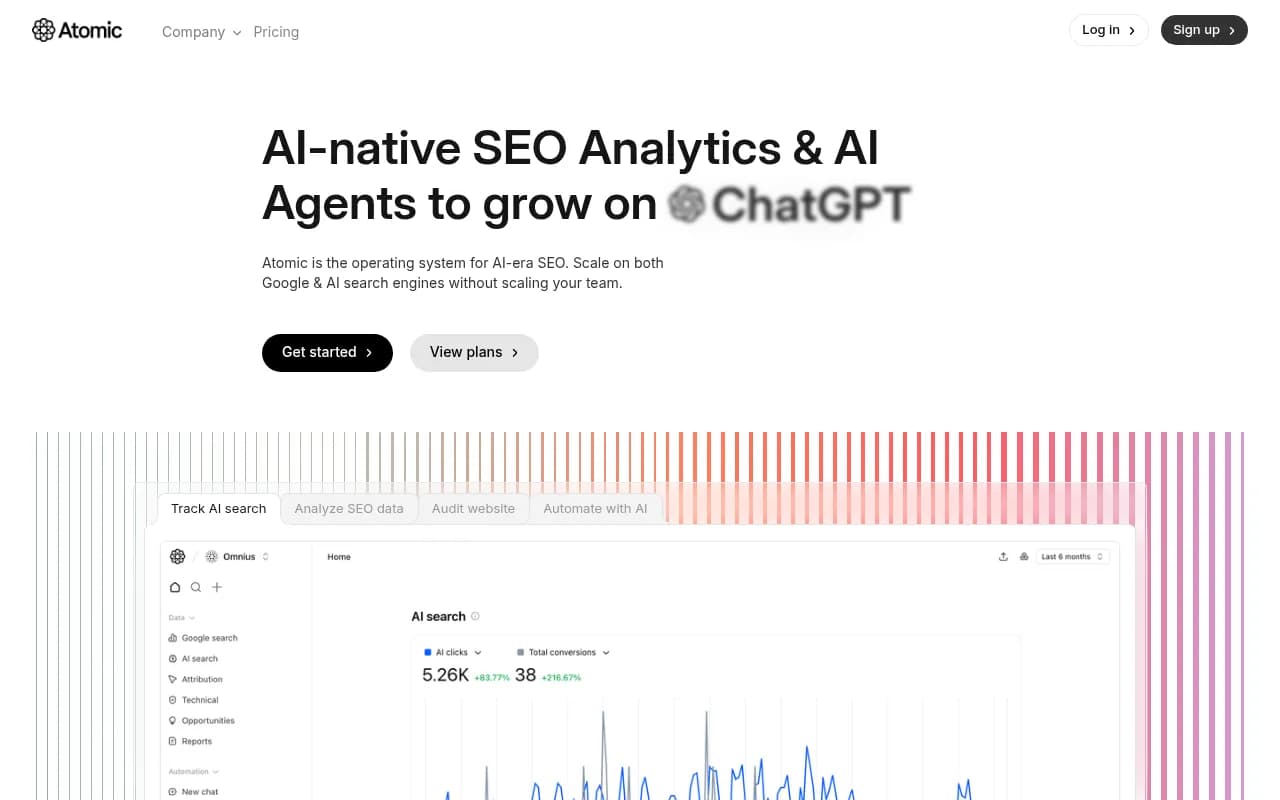

The platform covers AI model tracking alongside conventional rank tracking, which makes it appealing to teams that aren't ready to fully pivot away from Google SEO. You can monitor brand mentions in ChatGPT, Perplexity, and Google AI Overviews while still keeping an eye on traditional SERP positions.
Atomic AGI also includes content tooling -- workflow automation for content creation, SEO content briefs, and some AI writing features. The framing is more "SEO team efficiency" than "GEO optimization specifically," which reflects its broader positioning.
Feature comparison
| Feature | Searchable | Atomic AGI |
|---|---|---|
| AI model coverage | ChatGPT, Perplexity, Google AI Overviews, others | ChatGPT, Perplexity, Google AI Overviews, others |
| Traditional rank tracking | Limited | Yes |
| Content generation | Yes (briefs + articles) | Yes (briefs + workflow automation) |
| Prompt volume / difficulty scoring | No | Limited |
| Competitor visibility heatmaps | Basic | Basic |
| AI crawler logs | No | No |
| Reddit / YouTube citation tracking | No | No |
| ChatGPT Shopping tracking | No | No |
| Traffic attribution from AI | No | Limited |
| Multi-language / multi-region | Limited | Limited |
| Agency features | Basic | Moderate |
| Pricing transparency | Limited public info | Limited public info |
The content engine question
This is the part that matters most if you're choosing between these two platforms. Both claim to help you create content that improves AI visibility. What does that actually mean?
Searchable's approach
Searchable generates content briefs and articles tied to the prompts you're tracking. If you're invisible for a particular query, the platform surfaces that gap and gives you a starting point for addressing it.
The limitation is that the content generation doesn't seem to be grounded in deep citation data. Knowing that you're missing from a prompt is step one. Understanding why -- which sources AI models are pulling from, what angles they favor, what questions they're actually trying to answer -- requires a richer data layer. Searchable's content output is more template-driven than truly prompt-data-driven.
Atomic AGI's approach
Atomic AGI's content tooling is more workflow-oriented. It's designed to help SEO teams produce content faster, with briefs that incorporate keyword data and some AI search context. The automation angle is genuinely useful for teams managing high content volume.
But the GEO-specific depth is thinner. The content briefs don't appear to incorporate citation source analysis, prompt fan-outs, or the kind of competitor content breakdown that would let you engineer content specifically to win AI citations. It's good SEO content tooling with some AI search awareness bolted on.
The honest assessment
Neither platform has cracked what a truly integrated GEO content engine looks like. That would mean: taking the specific prompts where you're invisible, analyzing exactly which sources AI models are citing in those responses, identifying the content gaps on your own site, and generating briefs that directly address those gaps with real prompt data, competitor analysis, and citation context baked in.
That's a harder problem than either tool has fully solved.
Where each tool fits best
Searchable is a reasonable fit if:
- You're a smaller team or brand that wants a single platform for basic AI visibility monitoring and content creation
- You don't need deep traditional SEO capabilities alongside your AI tracking
- You want to get started with GEO without a steep learning curve or enterprise pricing
Atomic AGI is a reasonable fit if:
- Your team is still heavily invested in traditional SEO and wants AI tracking as an add-on, not a replacement
- You need workflow automation for content production at scale
- You're managing multiple sites and want a unified platform that handles both Google and AI search
What both tools are missing
It's worth being direct about the gaps, because they matter for anyone making a serious investment in AI visibility.
Neither Searchable nor Atomic AGI offers AI crawler logs -- the ability to see exactly which pages on your site AI crawlers like GPTBot and ClaudeBot are visiting, how often, and what errors they're encountering. This data is genuinely useful for diagnosing why content isn't getting cited even after you've published it.
Neither platform tracks Reddit or YouTube as citation sources, which is a real blind spot. A significant portion of AI citations come from community discussions and video content, not just brand websites. If you're not tracking those channels, you're missing part of the picture.
Prompt volume and difficulty scoring -- knowing which queries are worth targeting because they have real user demand and are winnable -- is either absent or very limited in both tools.
And traffic attribution, the ability to connect AI visibility to actual website visits and revenue, is either missing or rudimentary. That makes it hard to justify the investment to stakeholders who want to see business outcomes, not just visibility scores.
How they compare to the broader market
The AI visibility tool space has matured enough that it's worth knowing where Searchable and Atomic AGI sit relative to the full range of options.
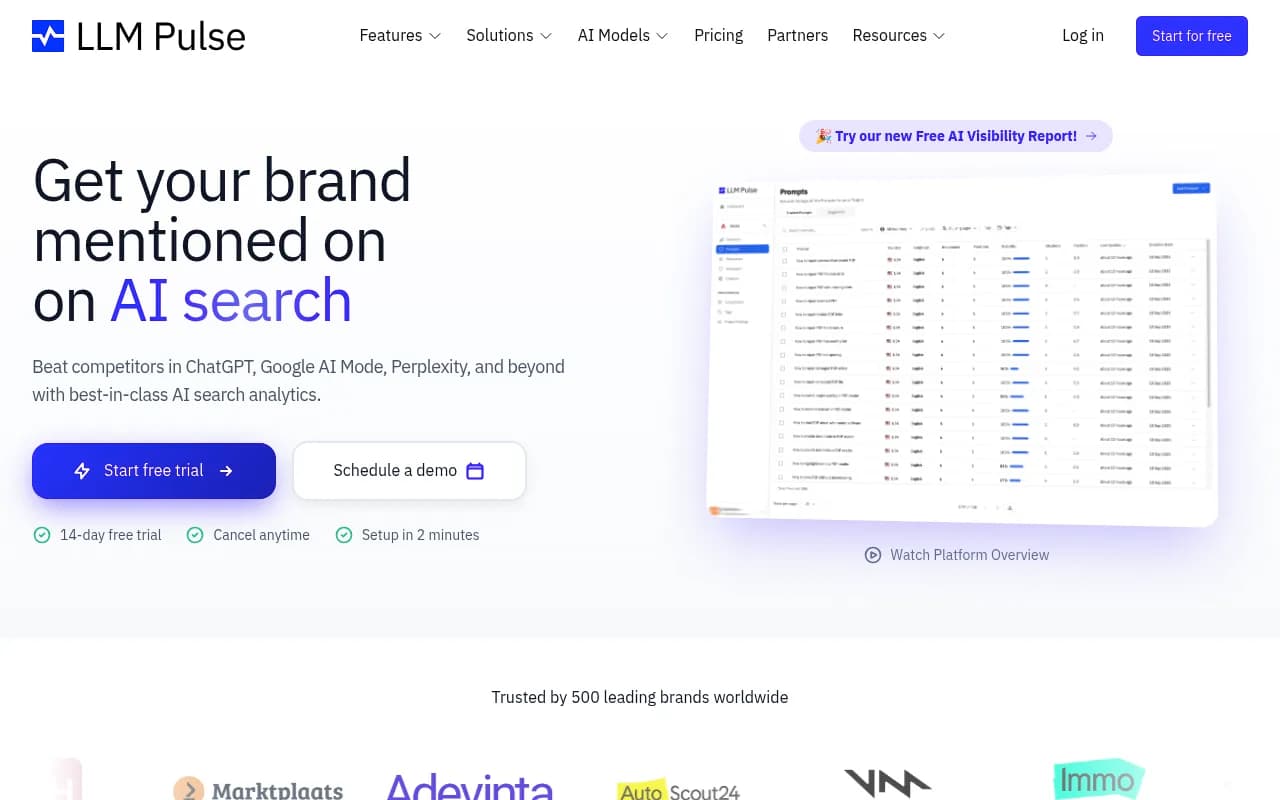
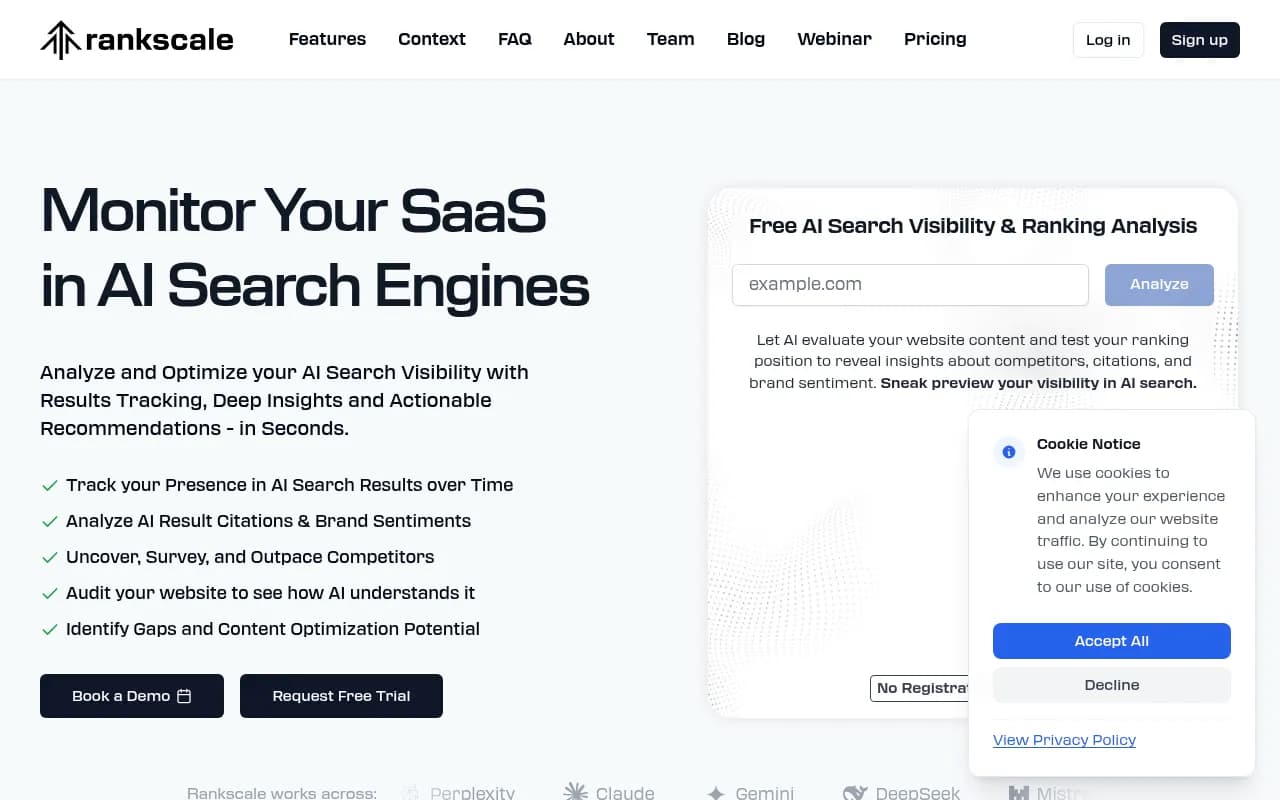
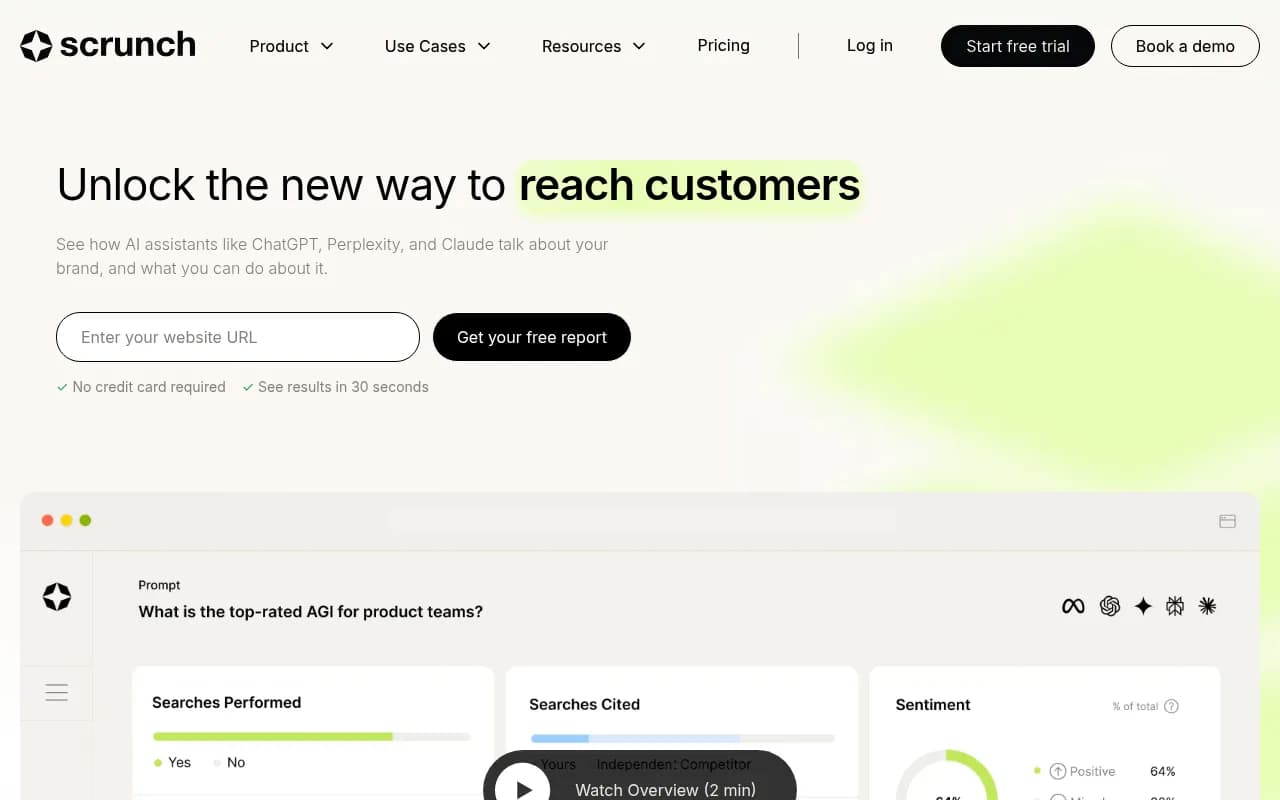
At the simpler end, you have pure monitoring tools like Otterly.AI, Peec AI, and Goodie AI. They show you where you appear in AI responses, but they don't help you do anything about it.
Otterly.AI


At the more capable end, platforms like Promptwatch combine monitoring with a full content optimization loop: gap analysis that shows exactly which prompts competitors are winning that you're not, content generation grounded in real prompt data and citation analysis, and page-level tracking that shows when published content starts getting cited.

Searchable and Atomic AGI sit somewhere in the middle -- they've moved beyond pure monitoring by adding content features, but they haven't built the full optimization loop that connects monitoring data to content creation to measurable results.
For teams that are just getting started with AI visibility and want a single tool that does monitoring plus basic content, either platform could work. For teams that need to show real ROI from their GEO investment, the limitations will become apparent fairly quickly.
Other tools worth considering
If you're evaluating Searchable and Atomic AGI, these platforms are worth looking at in the same research process:
For monitoring-focused needs:
For content-integrated GEO:
For traditional SEO teams adding AI tracking:
The bottom line
Searchable and Atomic AGI are both trying to solve a real problem: the gap between "we know we're invisible in AI search" and "we know what to do about it." That's the right problem to work on, and having content generation built into a visibility platform is genuinely better than having to stitch together separate tools.
But the content engines in both platforms are still fairly shallow compared to what a serious GEO program needs. The briefs and articles they generate aren't deeply grounded in citation data, prompt volume analysis, or competitor source breakdowns. They're useful starting points, not strategic outputs.
If your team is small, your budget is limited, and you want to get started with AI visibility without a lot of complexity, either tool is a reasonable entry point. If you're running a larger program and need to show business results from your GEO investment, you'll want a platform that closes the full loop -- from gap identification to content creation to citation tracking to traffic attribution.
The market has moved fast enough in 2026 that "monitoring plus basic content" is no longer a strong differentiator. The platforms pulling ahead are the ones that make the content they generate actually work.