Key takeaways
- Half of all consumers now use AI-powered search for product discovery, putting an estimated $750 billion in consumer spend at risk by 2028 (McKinsey, 2025)
- Traditional Google SEO still matters, but it's no longer sufficient -- AI engines like ChatGPT, Perplexity, and Google AI Overviews are now the first stop for product research and comparison
- Generative Engine Optimization (GEO) is the practice of making your brand and products citable by AI models, not just rankable by Google
- The brands winning in AI search are publishing authoritative, question-answering content that gives AI models something to cite -- not keyword-stuffed product pages
- Tracking AI visibility requires dedicated tools; traditional rank trackers don't show you how AI engines are representing your brand
How product discovery actually changed
For about 15 years, the e-commerce playbook was clear: rank on Google, drive traffic, convert. The funnel started with a search bar and ended with a checkout page. That model isn't dead, but it's no longer the whole story.
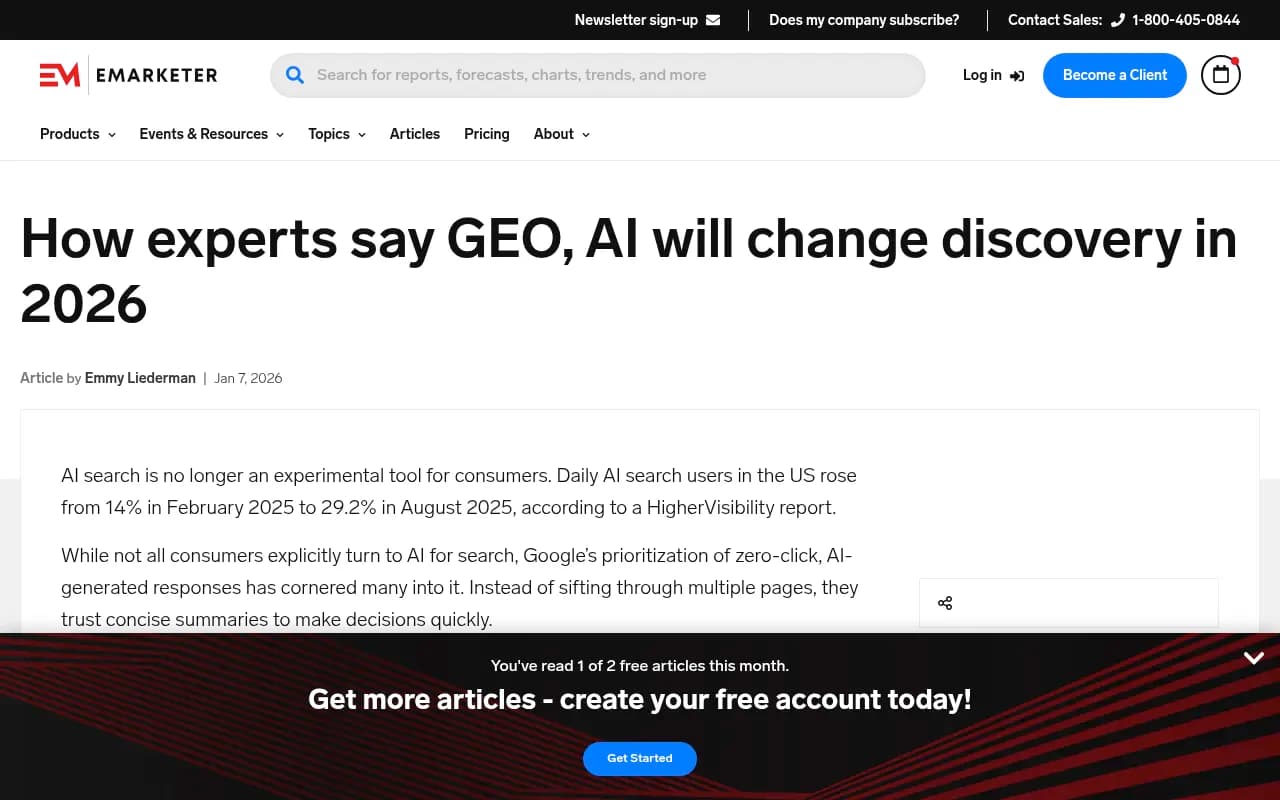
In 2025, McKinsey published data showing that roughly 50% of consumers were already using AI-powered search to guide product decisions. Not as an experiment. As a default. They're asking ChatGPT "what's the best noise-canceling headphone under $200" and taking the answer seriously. They're using Perplexity to compare skincare ingredients before buying. They're reading Google AI Overviews instead of clicking through to product pages.
The implication is uncomfortable for most e-commerce brands: you can rank #1 on Google and still be completely invisible to a significant portion of your potential customers.
According to McKinsey's analysis, 20-50% of traffic is at risk as AI search adoption grows. That's not a rounding error. That's a structural shift in how people find things to buy.
What changed specifically? A few things at once:
- AI models now synthesize answers from multiple sources, so a shopper gets a recommendation without visiting any individual site
- The "consideration" phase of the buying journey collapsed. AI compresses research that used to take 20 minutes of tab-switching into a single response
- Brand trust signals shifted. Being cited by an AI model carries weight in a way that a #4 Google ranking doesn't
BCG's January 2026 update on discoverability described this as a "new front door" problem: the entry point to your brand is no longer your website or even a search result -- it's an AI-generated answer that may or may not include you.
What GEO actually means for e-commerce
GEO (Generative Engine Optimization) gets thrown around a lot, and like most marketing terms, it accumulated some hype before the substance caught up. Let's be direct about what it means in an e-commerce context.
GEO is the practice of making your brand, products, and content citable by AI language models. When someone asks ChatGPT to recommend a running shoe for wide feet, GEO is what determines whether your brand shows up in that answer.
The mechanics differ from traditional SEO in a few important ways:
AI models don't rank pages -- they synthesize answers. There's no position 1 through 10. Either your content gets incorporated into a response or it doesn't. This makes visibility more binary and, in some ways, more valuable when you do appear.
Citations come from authority, not keyword density. AI models pull from content that clearly demonstrates expertise, answers specific questions, and is well-structured enough to be parsed accurately. A 300-word product description optimized for "best running shoes" won't get cited. A detailed comparison article that explains the difference between neutral and stability shoes, with specific product examples and use cases, might.
The content that gets cited is often not product pages. It's buying guides, comparison articles, FAQ pages, and editorial content. This is a significant shift for e-commerce brands that have historically invested almost entirely in product and category page SEO.
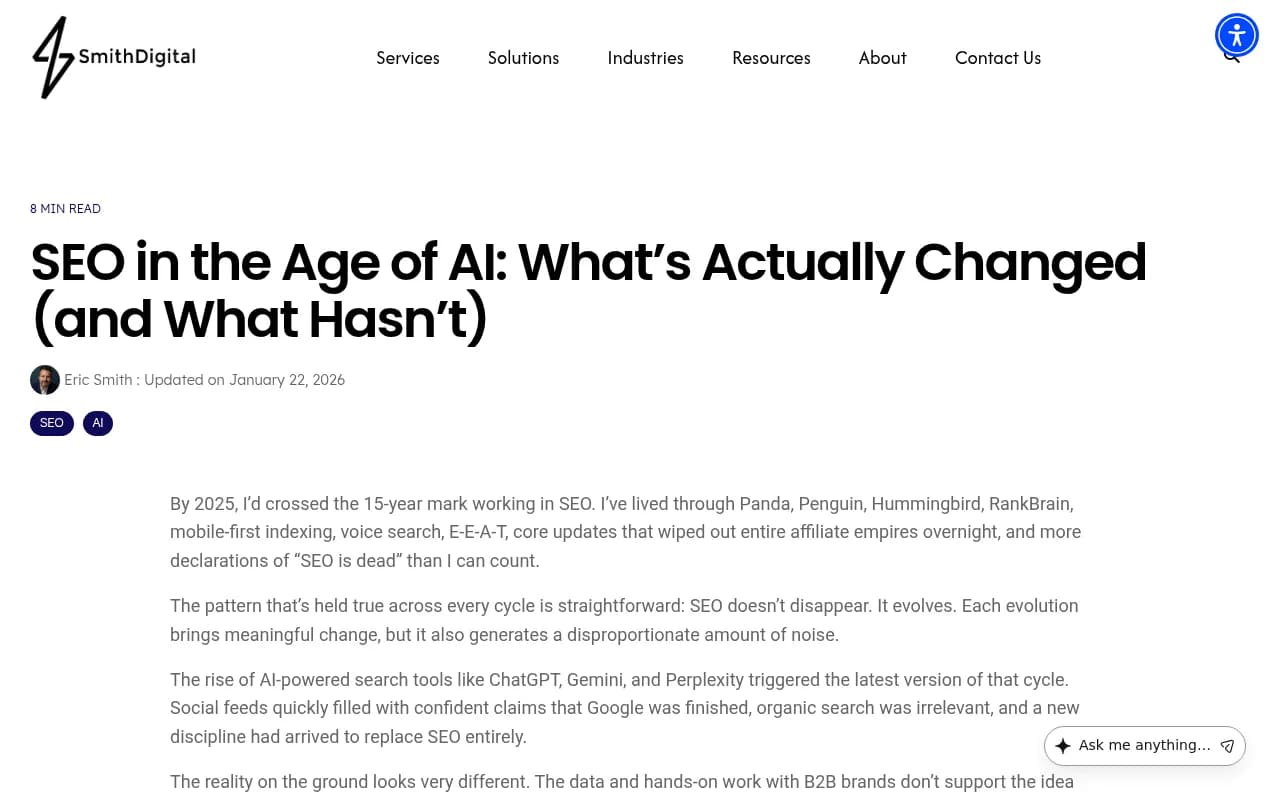
Forbes noted in 2025 that the new GEO approach is fundamentally about "writing content that answers real questions thoroughly" so that AI systems can quote your expertise. That's a useful frame. Think of it less as optimization and more as becoming a reliable source.
The buyer journey in 2026: compressed and AI-mediated
The traditional marketing funnel assumed a linear path: awareness, consideration, decision. AI search has compressed that path significantly.
A shopper who asks "what's the best coffee grinder for espresso" is simultaneously in awareness, consideration, and near-decision mode. The AI response they get will likely include specific product recommendations, price ranges, and reasons to choose one over another. If your brand isn't in that response, you've missed the entire consideration phase.
The Digital Bloom's 2026 analysis described this as AI "compressing discovery and elevating verification." Shoppers still verify before buying -- they'll check reviews, visit your site, look at return policies. But the shortlist they're verifying was built by an AI, not by their own browsing.
This has real consequences for brand strategy:
- Top-of-funnel content matters more than ever, because that's what AI cites
- Brand mentions across third-party sources (review sites, Reddit threads, editorial content) influence AI recommendations
- Product pages need to be technically solid for AI crawlers, not just Google's bot
What the data says about AI search adoption
A few numbers worth knowing:
- About 50% of Google searches already include AI summaries, with trend analysis suggesting that figure will exceed 75% by 2028
- 94% of marketing leaders surveyed in 2026 said they're increasing investment in AI search strategy
- McKinsey estimates AI search will influence $750 billion in consumer spend by 2028
These aren't projections from optimistic startups. They're from McKinsey and independent survey data. The shift is happening at a pace that most e-commerce teams haven't fully internalized yet.
What brands are actually doing about it
The brands that are ahead of this aren't doing anything exotic. They're doing a few specific things consistently:
Publishing content AI models want to cite
The most common tactical shift is a move toward editorial and educational content. Brands that previously published only product descriptions and category pages are now investing in:
- Detailed buying guides ("How to choose a mattress for back pain")
- Comparison articles ("Memory foam vs. latex: what's actually different")
- FAQ content that mirrors how people prompt AI models
- Use-case content that matches specific customer scenarios
This content serves double duty: it helps with traditional SEO and it gives AI models something substantive to cite.
Optimizing for structured data and crawlability
AI crawlers behave differently from Googlebot, but they still need to be able to read your content. Brands are investing in:
- Schema markup for products, reviews, and FAQs
- Clean, fast-loading pages that AI crawlers can parse without errors
- Fixing JavaScript rendering issues that prevent AI bots from seeing content
Tools like Promptwatch provide AI crawler logs that show exactly which pages ChatGPT, Claude, and Perplexity are visiting -- and what errors they're hitting. That kind of visibility was simply unavailable two years ago.

Monitoring AI visibility, not just Google rankings
Traditional rank trackers show you where you appear in Google's blue links. They don't tell you whether ChatGPT recommends your brand when someone asks for product advice.
A growing category of AI visibility tools has emerged to fill this gap. The more capable platforms don't just show you where you appear -- they show you where competitors appear that you don't, and help you create content to close those gaps.
Otterly.AI

Profound


The difference between monitoring tools and optimization platforms matters here. Knowing you're invisible is only useful if you can do something about it.
Building third-party citation signals
AI models don't only cite your own website. They pull from Reddit discussions, YouTube videos, review platforms, and editorial coverage. Brands that are winning in AI search are actively managing their presence across these channels.
This means:
- Engaging authentically in relevant Reddit communities (not spamming)
- Getting reviewed on platforms that AI models cite frequently
- Publishing data, research, or original insights that journalists and bloggers reference
- Encouraging detailed customer reviews that contain specific product language
The GEO toolkit for e-commerce brands
Here's a practical look at the tools e-commerce teams are using in 2026:
| Category | What it does | Example tools |
|---|---|---|
| AI visibility monitoring | Track brand mentions across ChatGPT, Perplexity, Gemini, etc. | Promptwatch, Profound, Otterly.AI |
| Content gap analysis | Find prompts competitors rank for that you don't | Promptwatch, AthenaHQ |
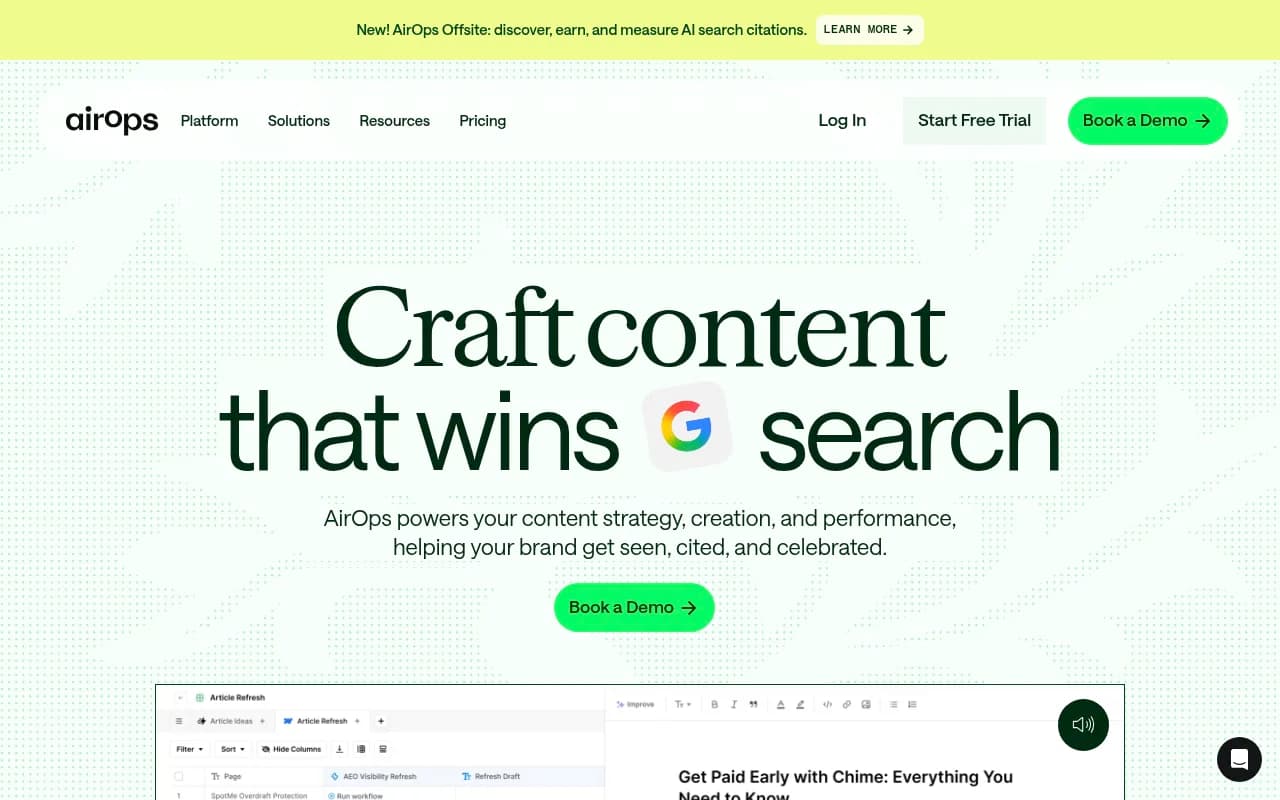
| AI content generation | Create content engineered for AI citations | Promptwatch, AirOps, Jasper |
| AI crawler monitoring | See which pages AI bots visit and what errors they hit | Promptwatch, xSeek |
| Traditional SEO foundation | Crawlability, indexation, technical health | Screaming Frog, Ahrefs, Semrush |
| Structured data | Schema markup for products, reviews, FAQs | WordLift, Yoast SEO |
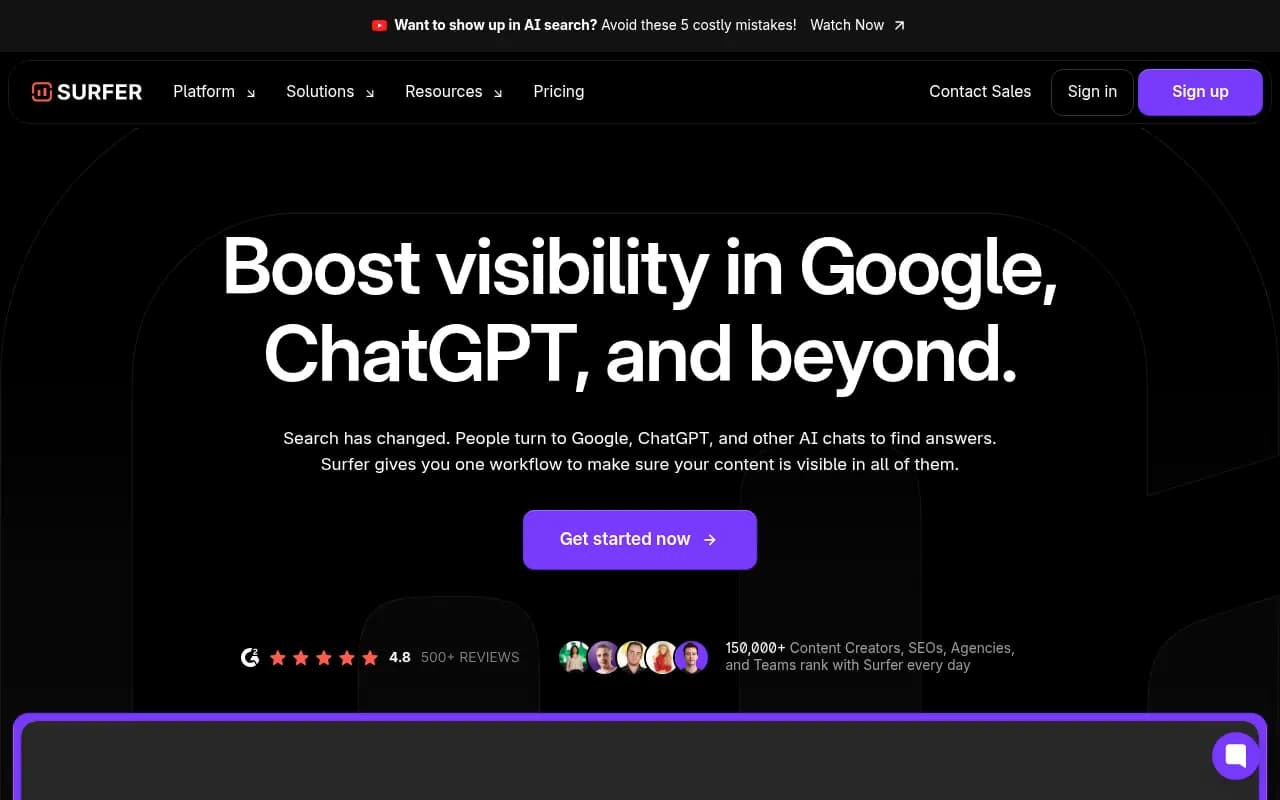
| Content optimization | Optimize existing content for AI citations | Surfer SEO, Clearscope, Frase |

For e-commerce brands specifically, a few tools deserve mention:
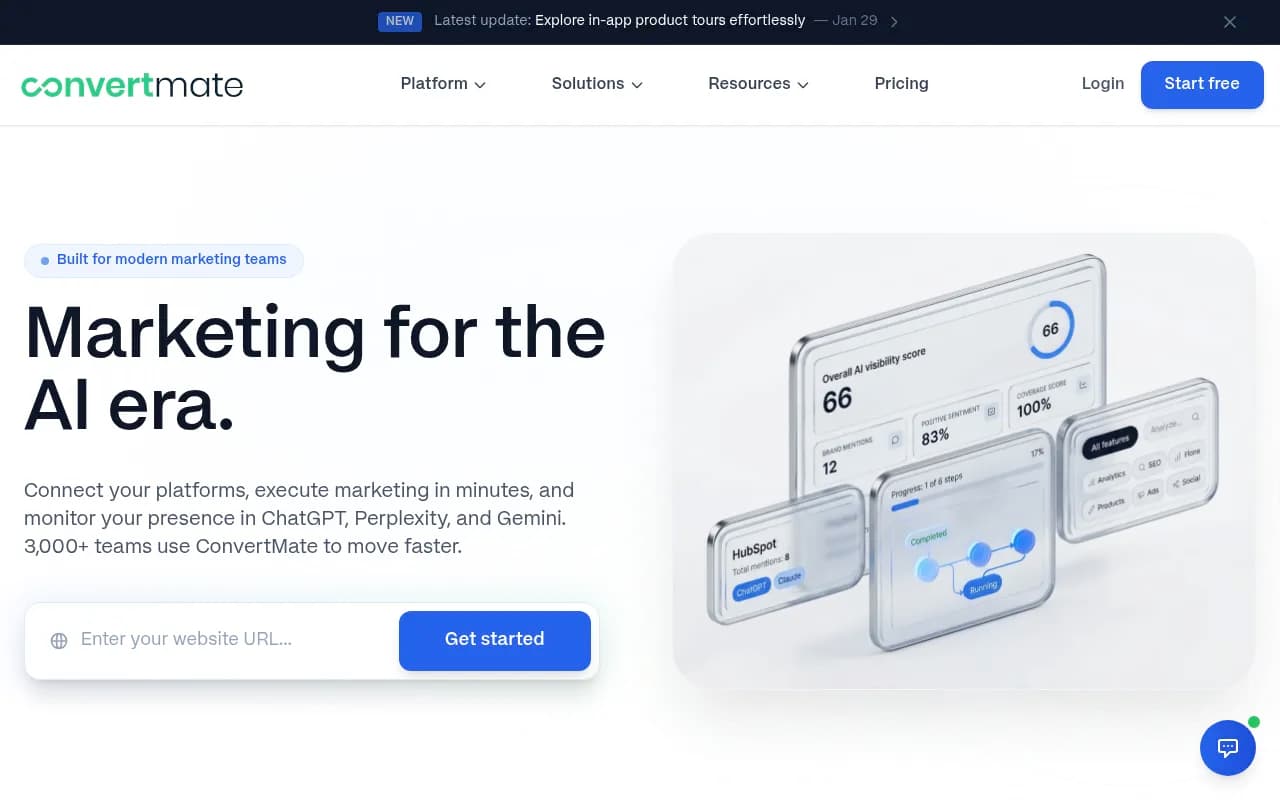
ConvertMate is built specifically for e-commerce SEO, handling the product page and category page optimization that forms the technical foundation. But it won't tell you how AI models are representing your brand.
Semrush has added AI search features, though its approach uses fixed prompts rather than the dynamic prompt tracking that dedicated GEO platforms offer.
The SEO foundation still matters
One thing worth saying clearly: GEO doesn't replace SEO. It builds on it.
AI models don't operate independently from the web. When accuracy matters -- for commercial queries, product recommendations, factual comparisons -- they rely on indexed content, licensed sources, and heavily cited third-party material. If your site isn't crawlable, your content isn't indexed, and your pages are slow, AI models can't cite you regardless of how good your content is.
The fundamentals that have always governed SEO still determine whether you're even eligible to appear in AI-generated responses:
- Clean crawlability and indexation
- Clear topical authority
- Strong backlink profile from relevant sources
- Fast, accessible pages
- Structured data that helps machines understand your content
The difference is that these are now table stakes, not differentiators. The brands that will win in AI search are the ones that combine a solid technical foundation with content that genuinely answers the questions their customers are asking.
What to prioritize right now
If you're an e-commerce brand trying to figure out where to start, here's a practical sequence:
-
Audit your AI visibility. Before you can improve anything, you need to know where you stand. Run your brand name and key product categories through ChatGPT, Perplexity, and Google AI Overviews. Are you being mentioned? Are competitors being recommended instead of you?
-
Identify the gaps. Which product categories or use cases are AI models recommending competitors for? Those are your highest-priority content opportunities.
-
Create content that answers real questions. Not thin FAQ pages. Substantive buying guides, comparison articles, and use-case content that gives AI models something worth citing.
-
Fix your technical foundation. Make sure AI crawlers can access and read your key pages. Check for JavaScript rendering issues, slow load times, and missing schema markup.
-
Monitor and iterate. AI search visibility changes as models update and new content gets indexed. Set up ongoing monitoring so you can see what's working.
The brands that treat GEO as a one-time project will fall behind. The ones that build it into their ongoing content and SEO workflow -- tracking visibility, finding gaps, creating content, measuring results -- are the ones that will be consistently visible when their customers ask AI for product recommendations.
The honest picture
GEO for e-commerce is real, it's growing, and the brands that ignore it are already losing ground. But it's not magic, and it's not a replacement for the fundamentals.
The shift is this: for the past decade, winning at product discovery meant ranking on Google. In 2026, it means being the brand that AI models trust enough to recommend. That requires better content, better technical infrastructure, and better visibility into how AI engines actually represent you.
The gap between brands that understand this and brands that don't is widening. The good news is that the playbook is becoming clearer, the tools are maturing, and the brands that move now have a real advantage over those that wait until the shift is fully complete.