Key takeaways
- seoClarity is a mature enterprise SEO platform with AI search tracking bolted on, not built around it -- useful if you already live in its ecosystem, limiting if AI visibility is your primary goal.
- Dedicated GEO platforms like Promptwatch go beyond monitoring to actively help you close visibility gaps with content gap analysis and AI content generation.
- Most monitoring-only tools (Otterly.AI, Peec.ai, AthenaHQ) show you where you're invisible but leave you to figure out the fix yourself.
- Price is not the main differentiator here -- the gap between platforms is about what happens after the data comes in.
- For teams that need both traditional SEO and AI visibility in one place, seoClarity and BrightEdge are the main contenders. For teams that want to actually win in AI search, purpose-built GEO platforms are the better bet.
What seoClarity actually is
seoClarity has been around since 2009. It built its reputation as an enterprise SEO platform: rank tracking at scale, site audits, content optimization, and competitive intelligence for large organizations managing thousands of pages across multiple domains.
In 2024 and 2025, like most established SEO platforms, it added AI search tracking features. The pitch is that you can manage traditional SEO and AI visibility from a single dashboard -- no need to stitch together multiple tools.
That's a reasonable pitch. But it comes with tradeoffs worth understanding before you commit.
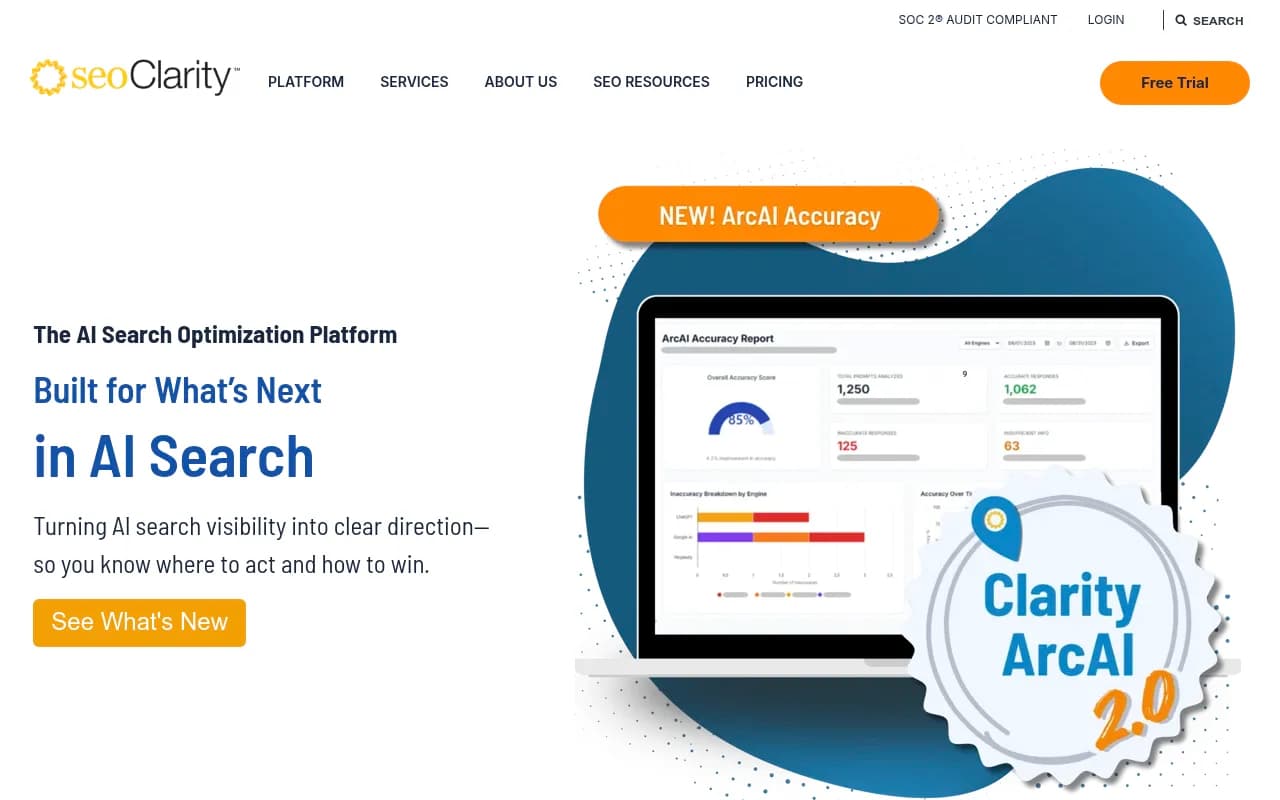
The platform is genuinely strong on the traditional SEO side. Crawl data, keyword tracking at enterprise scale, content briefs, and workflow management are all solid. Where it gets murkier is on the GEO side -- specifically, how deep the AI visibility features actually go versus how much is marketing copy catching up to a trend.
The GEO and AI visibility landscape in 2026
The category has exploded. In 2024, there were maybe a handful of tools tracking brand mentions in LLMs. By mid-2026, there are well over 50 platforms claiming some version of "AI visibility tracking."
They're not all the same. The meaningful distinction is between:
- Monitoring-only tools -- they query AI models, count how often your brand appears, and give you a dashboard. That's it.
- Optimization platforms -- they monitor and help you do something about what they find. Gap analysis, content generation, citation tracking, traffic attribution.
seoClarity sits in an interesting middle position: it has more depth than pure monitoring tools, but its AI visibility features are an extension of a traditional SEO platform rather than a ground-up GEO system.
Head-to-head: seoClarity vs the main alternatives
Here's how seoClarity compares against the platforms most teams are actually evaluating in 2026:
| Platform | AI models tracked | Content generation | Crawler logs | Traffic attribution | Starting price | Best for |
|---|---|---|---|---|---|---|
| seoClarity | 5-6 | No (SEO briefs only) | No | Limited | Custom (enterprise) | Enterprise SEO teams already on the platform |
| Promptwatch | 10+ | Yes (AI writing agent) | Yes | Yes (GSC, snippet, logs) | $99/mo | Teams that want to find gaps and fix them |
| BrightEdge | 5+ | No | No | Yes (enterprise) | Custom | Large enterprises needing SEO + AI in one |
| Profound | Up to 10 | No | No | No | $99/mo | Enterprise prompt research |
| Otterly.AI | 4 | No | No | No | $29/mo | Budget monitoring |
| Peec.ai | Up to 10 | No | No | No | €85/mo | Flexible model selection |
| AthenaHQ | 5+ | No | No | No | Custom | Monitoring-focused enterprise |
| AirOps | Up to 4 | Yes | No | No | Free tier | Content operations teams |
| Semrush AI Toolkit | 5 | Limited | No | No | Bundled | Existing Semrush users |
| Ahrefs Brand Radar | 4-5 | No | No | No | Bundled | Existing Ahrefs users |

Where seoClarity is strong
Traditional SEO depth. If you're managing a site with 500,000+ pages and need enterprise crawl management, keyword tracking across multiple markets, and content workflows for large teams, seoClarity delivers. This is what it was built for.
Unified workflow for existing users. If your team already runs its SEO program in seoClarity, adding AI visibility tracking without switching tools has real value. Context switching has a cost.
Enterprise support and security. SOC 2 compliance, SSO, role-based access, dedicated customer success -- these matter at enterprise scale and seoClarity has them.
Competitive intelligence at scale. Its traditional competitive tracking (share of voice, ranking changes, content gap analysis for Google) is mature and reliable.
Where seoClarity falls short for GEO
AI visibility is an add-on, not a core product. The AI search tracking features in seoClarity were built onto an existing platform architecture. That means the data model, the workflows, and the reporting were all designed for traditional SEO first. AI visibility gets squeezed into that framework rather than driving it.
No content generation for AI search. seoClarity can tell you what topics you're missing in Google. It can't generate content engineered to get cited by ChatGPT or Perplexity. That's a meaningful gap when the whole point of GEO is creating content that AI models actually reference.
Limited LLM coverage. Most enterprise SEO platforms track 5-6 AI models. Purpose-built GEO platforms like Promptwatch track 10+, including DeepSeek, Grok, Meta AI, and Mistral -- models that are increasingly relevant in specific markets and demographics.
No crawler log analysis for AI bots. Understanding which pages GPTBot, ClaudeBot, and PerplexityBot are actually crawling -- and which they're ignoring -- is one of the most actionable signals in GEO. seoClarity doesn't surface this.
Pricing opacity. seoClarity doesn't publish pricing. Everything is custom enterprise, which typically means $1,000+/month minimum. For teams that primarily need AI visibility rather than full enterprise SEO, that's a lot to pay for features you'll mostly ignore.
The case for purpose-built GEO platforms
The honest argument against seoClarity (and BrightEdge, and Conductor) for GEO work is simple: they were built to win in Google. AI search has different mechanics, different content requirements, and different success signals.
A platform built around those mechanics from the ground up will outperform one that bolted them on.
Promptwatch is the clearest example of what "built for GEO" looks like in practice. The core workflow is:
- Find the gaps -- Answer Gap Analysis shows which prompts competitors appear for but you don't. Not vague topic clusters, but specific prompts with volume estimates and difficulty scores.
- Create content that gets cited -- The built-in AI writing agent generates articles grounded in 880M+ citations analyzed, targeting the exact angles AI models want to reference.
- Track what changes -- Page-level tracking shows which pages are being cited, by which models, how often. Traffic attribution (via GSC integration, code snippet, or server log analysis) connects visibility to actual revenue.
That loop -- find gaps, create content, measure results -- is what separates an optimization platform from a monitoring dashboard.
For teams that just need basic monitoring without the optimization layer, cheaper options exist. Otterly.AI starts at $29/month. Peec.ai at €85/month. But those tools will tell you you're invisible without helping you fix it.
Otterly.AI


How the major platforms compare on specific capabilities
LLM coverage
Coverage matters more than it used to. ChatGPT and Perplexity get the most attention, but Google AI Overviews drives significant traffic for informational queries, and models like DeepSeek are dominant in certain markets.
- Promptwatch: 10 models (ChatGPT, Perplexity, Google AI Overviews, Google AI Mode, Claude, Gemini, Meta/Llama, DeepSeek, Grok, Mistral, Copilot)
- seoClarity: 5-6 models (ChatGPT, Perplexity, Google AI Overviews, Gemini, Claude)
- Profound: Up to 10 (enterprise tier)
- Otterly.AI: 4 (base tier)
- Semrush AI Toolkit: 5
Content optimization
This is where the gap is most pronounced. Most platforms -- including seoClarity -- don't generate content. They identify gaps and leave the execution to you.
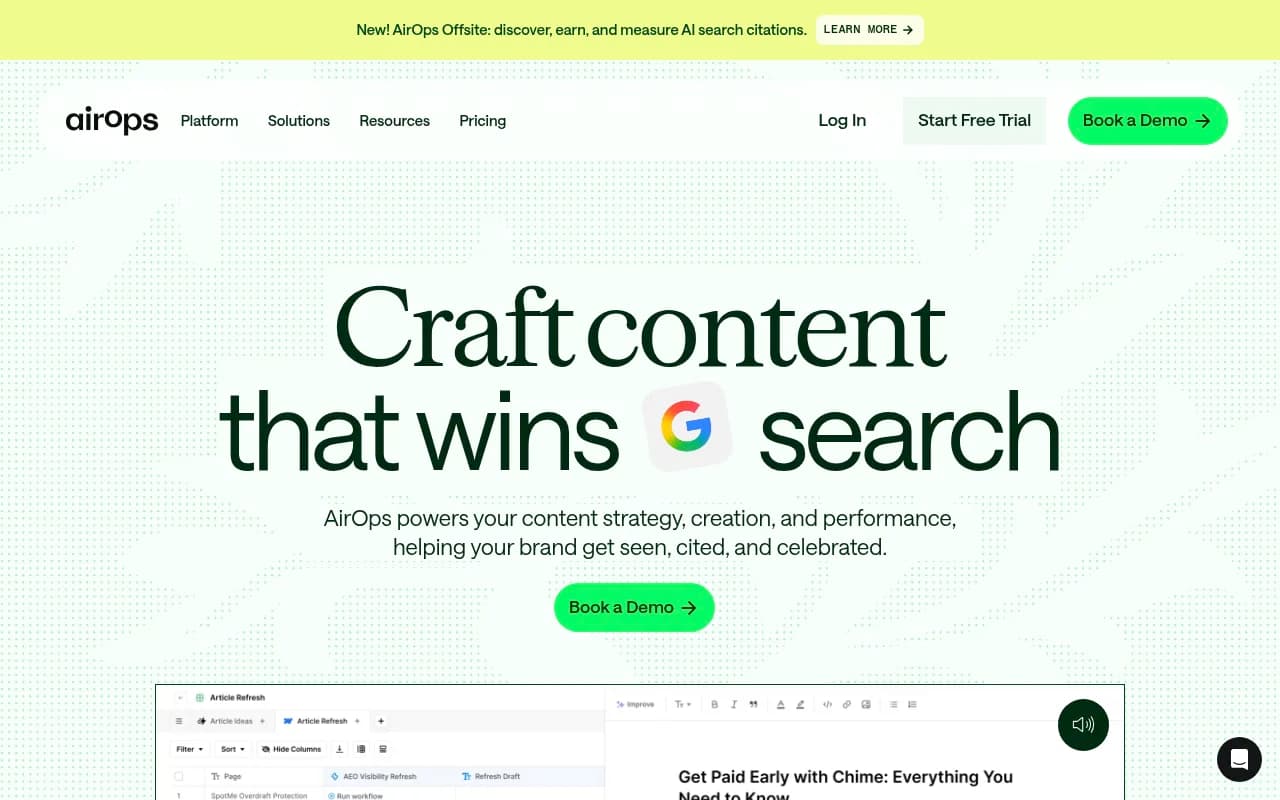
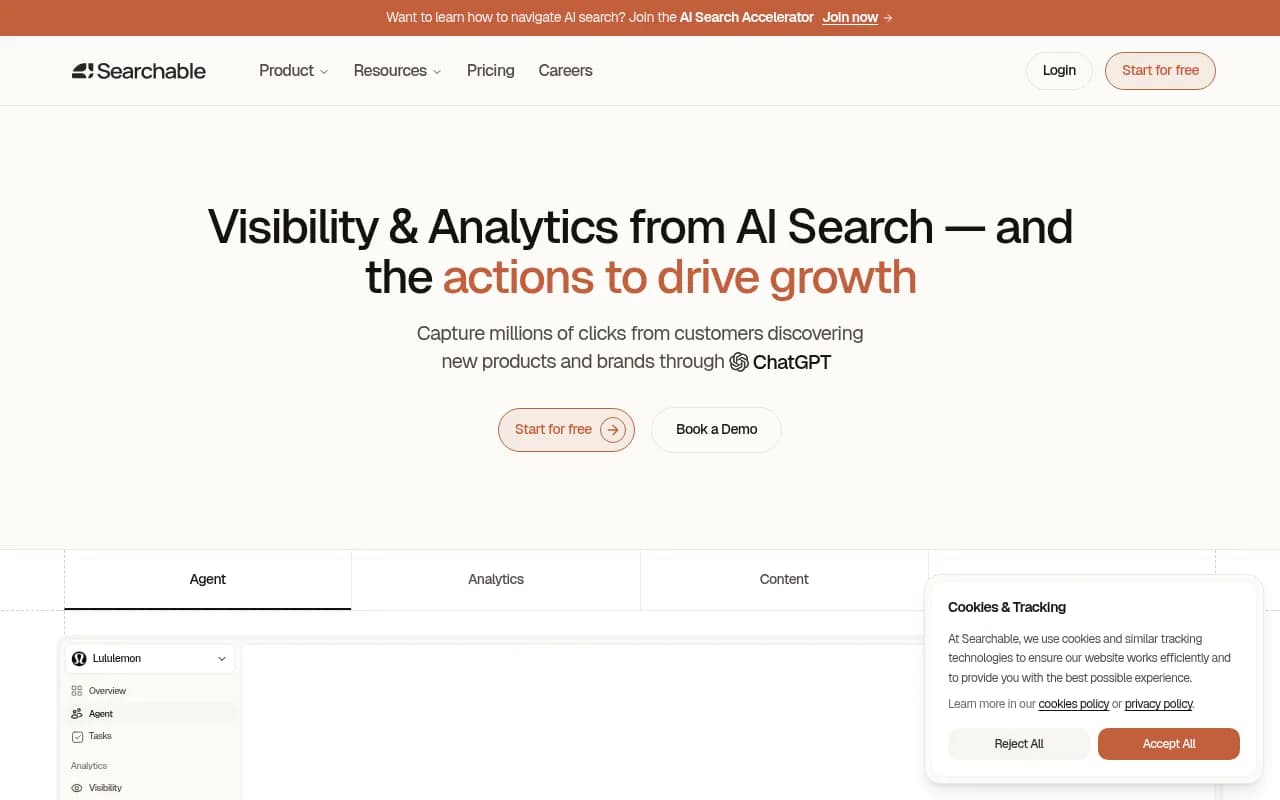
Platforms with built-in content generation: Promptwatch, AirOps, Searchable. These are the minority.
Traffic attribution
Connecting AI visibility to actual website traffic and revenue is the hardest problem in GEO right now. Most tools don't attempt it.
Promptwatch does it three ways: Google Search Console integration, a JavaScript snippet, and server log analysis. BrightEdge has enterprise-grade attribution on the traditional SEO side but limited AI-specific attribution. seoClarity's attribution is primarily Google-focused.
Prompt intelligence
Knowing which prompts to target -- not just which topics -- is a meaningful advantage. Volume estimates, difficulty scores, and query fan-outs (how one prompt branches into sub-queries) help teams prioritize.
Most monitoring tools don't offer this. Promptwatch does. Profound has strong prompt research capabilities at the enterprise tier.
Profound

Who should stick with seoClarity
Be honest with yourself about what you actually need:
Stay with seoClarity if:
- Your team is already deeply embedded in the platform for traditional SEO
- You manage a large enterprise site where the crawl management and workflow features justify the cost
- AI visibility is a secondary concern and you want a single vendor relationship
- Your IT/security team requires enterprise compliance features that smaller GEO tools don't offer
Consider alternatives if:
- AI search visibility is your primary goal, not a secondary feature
- You want to actually create content that ranks in AI search, not just monitor where you're missing
- You're a mid-market company that doesn't need (or can't afford) full enterprise SEO infrastructure
- You want to track 10 AI models, not 5-6
Alternatives worth evaluating
Beyond Promptwatch, a few other platforms are worth knowing:
Profound -- Strong on enterprise prompt research and competitive analysis. Monitoring-focused but deep on the research side. Good for teams that want to understand the prompt landscape before creating content.
Profound
AirOps -- Content operations platform with AI visibility tracking. Useful for teams where content production is the bottleneck. Less strong on monitoring depth.
Semrush AI Toolkit -- If you're already paying for Semrush, the AI toolkit is worth using. It's not a reason to choose Semrush, but it's a reasonable addition if you're already there.
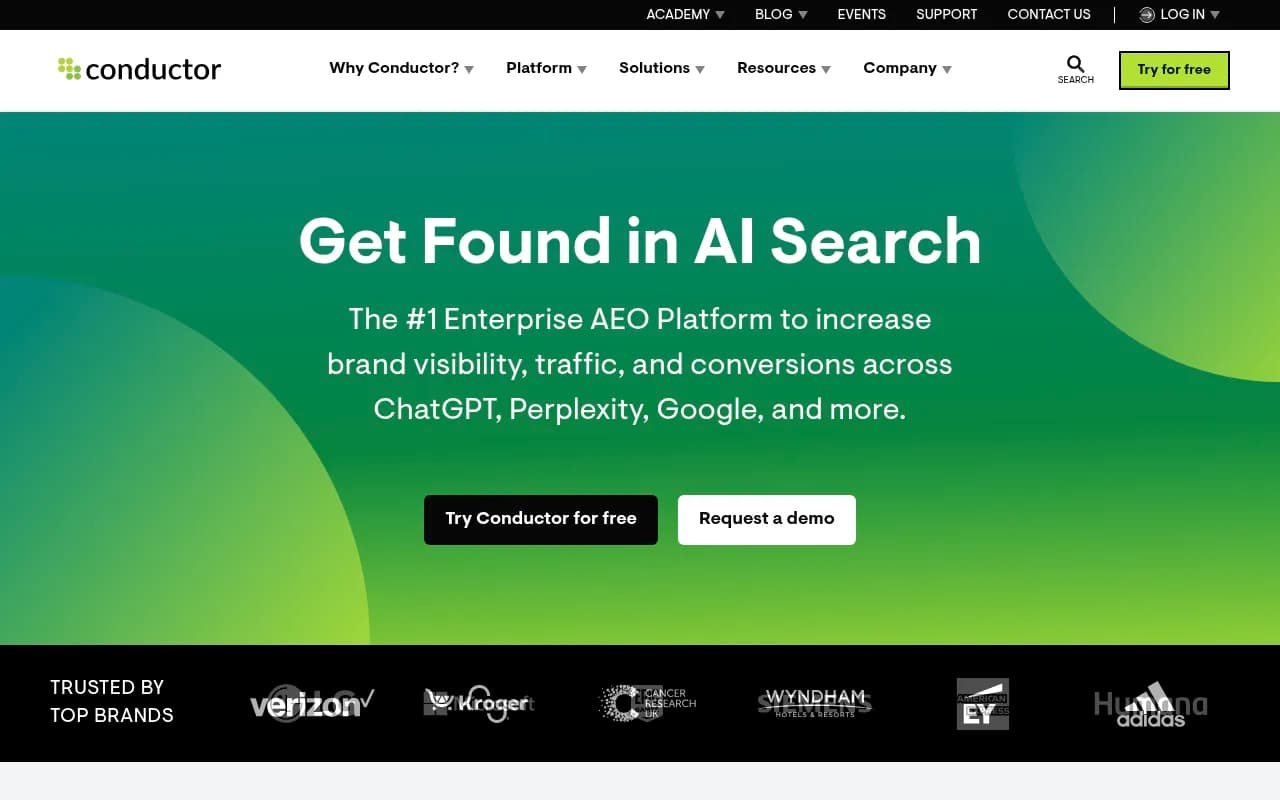
Conductor -- Similar positioning to seoClarity: enterprise SEO platform with AI visibility features added. Strong on brand authority tracking and citation analysis.
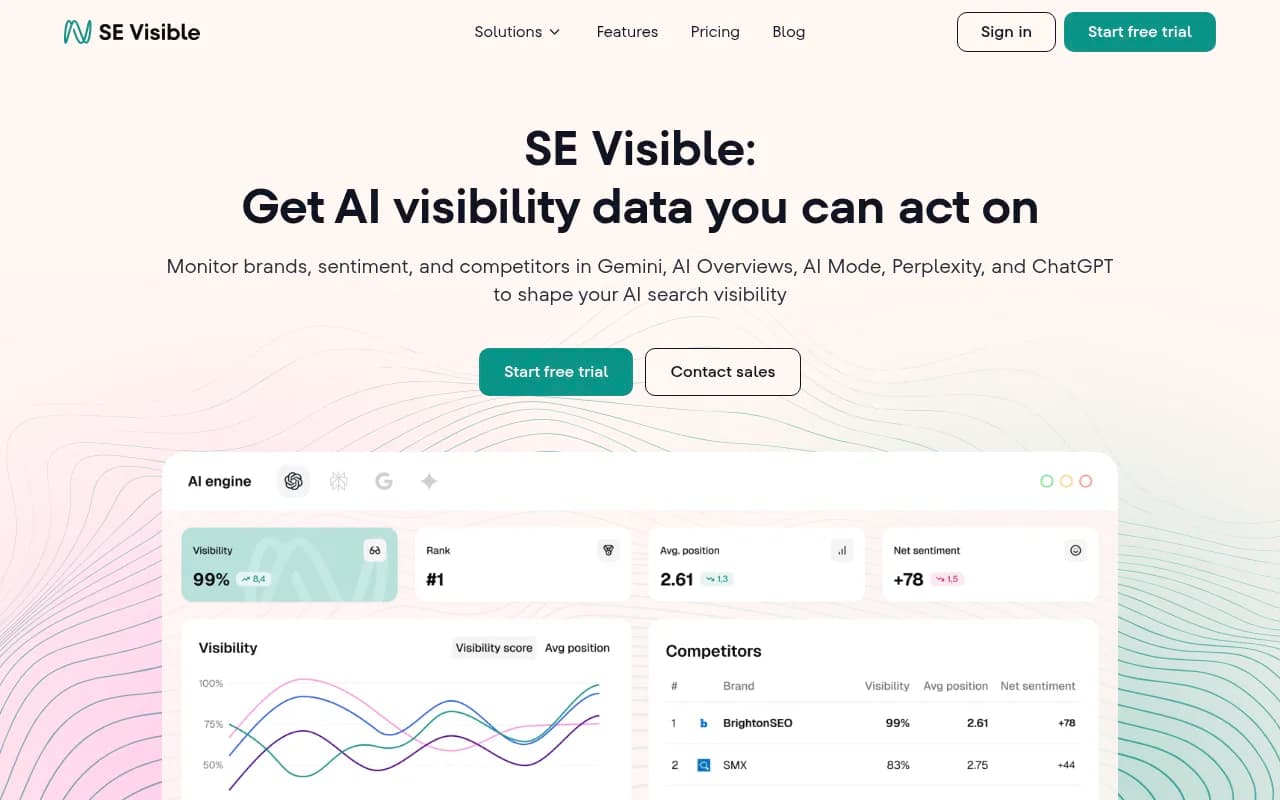
SE Ranking (SE Visible) -- More affordable than the enterprise platforms, decent multi-brand and multi-country tracking. Monitoring-only, but the price point makes it accessible for smaller teams.
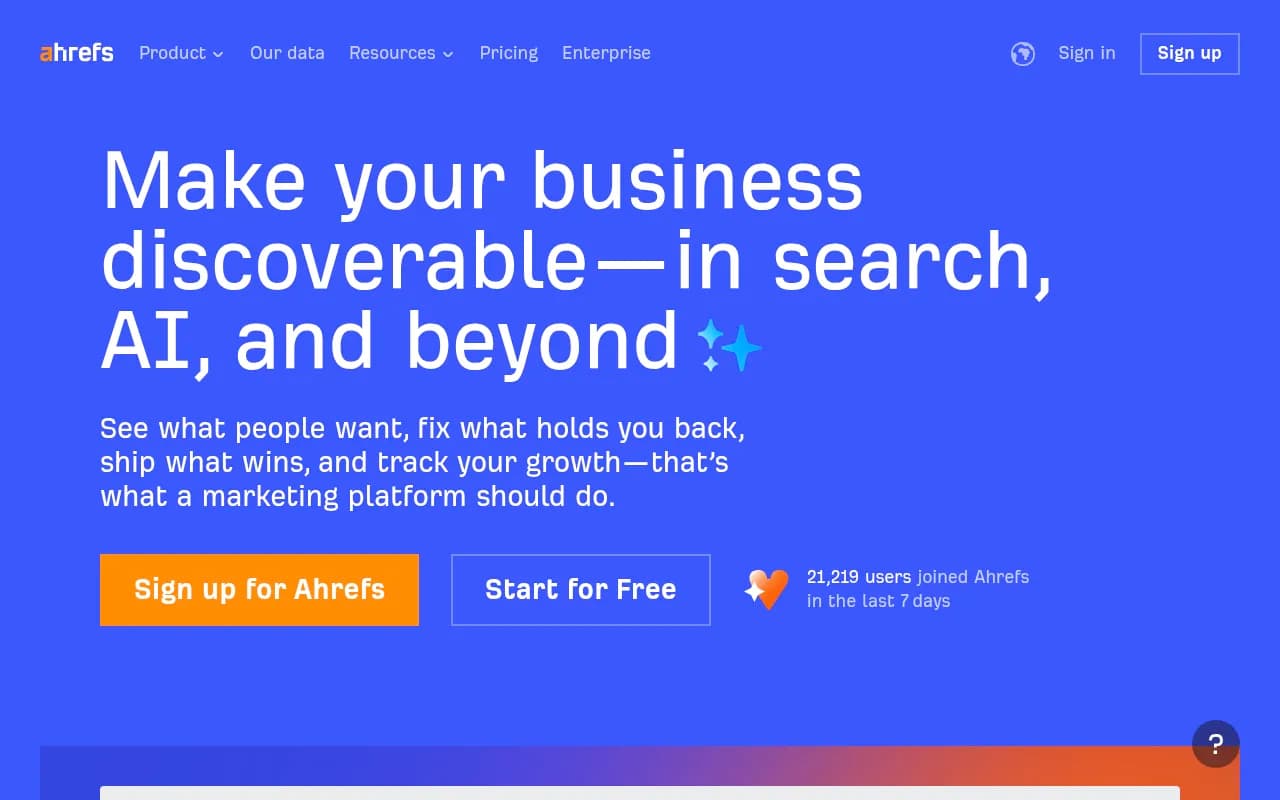
Ahrefs -- The Brand Radar feature tracks AI mentions, but it uses fixed prompts rather than custom ones, and there's no AI traffic attribution. Fine as a supplement if you're already an Ahrefs user.
The honest verdict
seoClarity is a good enterprise SEO platform. It's not a great GEO platform. The AI visibility features exist, they work, and they're improving -- but they were built to defend an existing product's market position, not to solve the GEO problem from first principles.
If your team's primary challenge in 2026 is "we need to appear in ChatGPT and Perplexity when our target customers ask relevant questions," seoClarity will give you data about that problem. It won't help you fix it.
That's the real question to ask any platform you're evaluating: after I see the data, what does this tool help me do? Monitoring without action is just an expensive anxiety machine.
Platforms that close that loop -- find the gap, create the content, measure the result -- are where the category is heading. seoClarity isn't there yet. Some purpose-built GEO platforms already are.