Key takeaways
- Voice assistants speak one answer. There is no page two, no list of ten links, and often no way for a listener to ask who else was considered.
- Rankings and click-through rate do not measure spoken visibility. What matters is whether your brand is named, how early, and whether the assistant trusts your facts enough to repeat them.
- Promptwatch Data shows typical AI answers cite 5 to 10 sources, and almost half of ChatGPT responses cite 10 or more domains. Voice assistants built on LLMs compress that crowd into one spoken reply.
- Most voice-specific statistics floating around (8.4 billion assistants, 65% of local searches by voice) come from vendor or press-release sources. Treat them as directional, not gospel.
- The fix is mostly information architecture: consistent facts, tightly focused answer pages, clean listings, and crawlable pages. Then you measure it across AI platforms, because nobody reports on voice directly yet.
What the voice assistant visibility gap actually is
When someone types a query into Google, you can lose position three and still get some traffic. When someone asks a speaker, a phone, or a car dashboard "who does the best same-day plumbing near me?", you get one of two outcomes. Your brand is in the spoken answer, or it is not.
That is the gap. Classic SEO reporting assumes a visible list. Voice removes the list. A brand that ranks fourth for a typed query can be completely absent from the spoken version of the same question, and nothing in a rank tracker will tell you.
I think this is the most underrated shift in search right now, partly because it is hard to see. There is no Search Console report for "times Alexa did not mention you." You have to go looking.
Why voice changes who wins
One answer, not ten
A screen lets people scan. A voice response is serial. The assistant reads something out, and the listener hears it once. Anything past the first sentence or two is effectively gone, which is why the idea of "pixel depth" from a recent Contentful piece on VentureBeat (September 3, 2026) applies even more brutally to audio. The article argues that where you appear inside an AI-generated response matters as much as whether you appear. In voice, position is time. Being the third brand named in a spoken answer is close to not being named.
The same article makes a second point worth repeating: AI systems do not treat pages as single units. They pull facts from many sources and recombine them. Your website becomes one piece of evidence rather than the destination. For a spoken answer, that means the assistant needs your facts to be clear and consistent across every place they appear, because it is not going to send anyone to your homepage.
Queries are longer and more conversational
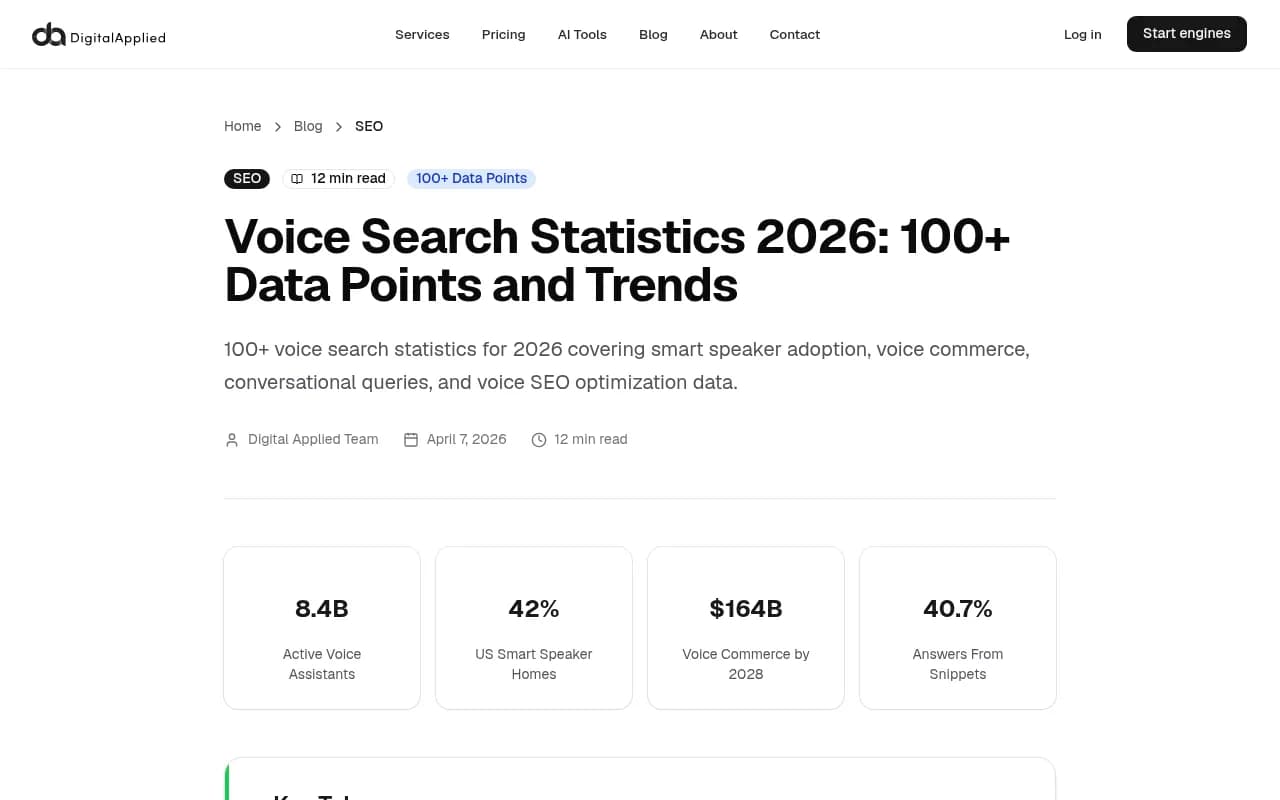
One industry roundup (Digital Applied's 2026 voice statistics page, which cites sources like Statista, BrightLocal and Semrush) claims the average voice query runs around 29 words, about 7x longer than a typed one, and that 70% of voice queries are phrased as full questions versus 12% of typed searches. I would not build a budget on those exact numbers, since I could not verify them independently. But the direction matches what anyone sees using a voice assistant: people talk in sentences, with context and constraints.
That favors content that answers a full, specific question completely, rather than pages stuffed around a two-word keyword.
The statistics, and how much to trust them
Here are the commonly quoted figures, with the honest caveat attached.
| Claim | Source type | How to treat it |
|---|---|---|
| 8.4 billion active voice assistants worldwide | Vendor roundup | Counts devices, not people. Many are dormant or tied to one phone. Directional only |
| 65% of local searches are voice-activated | Press release | Unverified. Do not quote without checking the methodology |
| 40.7% of voice answers come from featured snippets | Vendor roundup | Plausible for Google Assistant style answers, but dated and platform-specific |
| Average voice query is about 29 words | Vendor roundup | Direction is right, exact figure is soft |
| 78% of new vehicles ship with voice assistants | Vendor roundup | In-car voice is a real channel, but verify the figure for your market |
Use them to make the argument internally, not to forecast revenue.
What Promptwatch Data tells us about the crowded answer
Promptwatch has no report focused on voice assistants, and I would rather say that plainly than invent one. But voice assistants increasingly sit on top of LLMs and search stacks, and two Promptwatch Data reports describe how contested a single AI answer is.
On average sources per response (Promptwatch's average sources dataset), ChatGPT cites about 5 sources per web-search answer, Google AI Overviews about 10, and Perplexity almost exactly 10. Copilot swung from under 2 to nearly 17 within weeks before settling at the low end, and since it draws on Microsoft's search stack, Bing indexing matters for it.
On unique domains per ChatGPT response (Promptwatch's unique domains report, Sep 28 to Oct 4, 2026), 47.6% of responses cite 10 or more domains and 66.1% cite at least 8. Only 6% cite three or fewer. The split by prompt type is the interesting part:
| Prompt type | Cite 10+ domains | Cite 3 or fewer |
|---|---|---|
| Organic (unbranded) | 52.5% | 4.5% |
| Competitor comparison | 49.1% | not reported (0.35% cite a single domain) |
| Brand-specific | 21.3% | 13.8% |
Now imagine that crowd of 10 sources collapsed into a 20-second spoken reply. Unbranded questions like "what is the best CRM for a small agency?" are the most crowded, and a voice assistant will name one or two brands at most. Brand-specific questions are less crowded, with the most common count being 5 domains (14.9% of responses). That means your own site, reviews and listings carry more weight when someone asks about you by name.
This is a proxy, not a voice measurement. But it explains the shape of the problem: the more sources feed an answer, the more ruthlessly a spoken version has to cut.
Why brands go missing in spoken answers
From what I have seen, the causes fall into a few buckets, and none of them are about writing quality.
Fragmented or conflicting facts
The Contentful piece puts it well: strong brands disappear because their expertise is fragmented, inconsistent, or hard for machines to interpret. If your hours differ between your site and your listings, or your product names change between pages, an assistant has no reason to trust any version. In voice, uncertain answers get dropped rather than hedged.
Pages that bury the answer
A 2,000-word post that eventually answers the question in paragraph nine is hard for a machine to lift. Pages that state the answer in a sentence or two, then support it, are easier to quote. Promptwatch's own advice from its sources report is to build tightly focused pages that answer one question completely.
Crawlers cannot reach you
If AI crawlers hit errors, block rules, or JavaScript walls, you are invisible before the answer is assembled. This is boring and common. Check robots.txt and rendering before you do anything creative.
Weak local and entity data
For "near me" queries, voice leans heavily on business listings, maps data and reviews. Incomplete or inconsistent listings are the most common reason local brands never get spoken.
Everyone chases the same playbook
A Typeface survey of 500+ US and UK marketing leaders (October 14, 2026) found 62% say brands are sacrificing content quality for AI citations, and only 30% say their teams collaborate closely on AI visibility with shared tools and metrics. Self-reported, vendor-run research, so take it with salt. But the point stands: if every brand publishes the same generic explainer, the assistant has nothing distinctive to repeat.
A practical audit for voice visibility
You cannot measure voice directly with most tools, so you triangulate.
Step 1: Build a spoken-question list
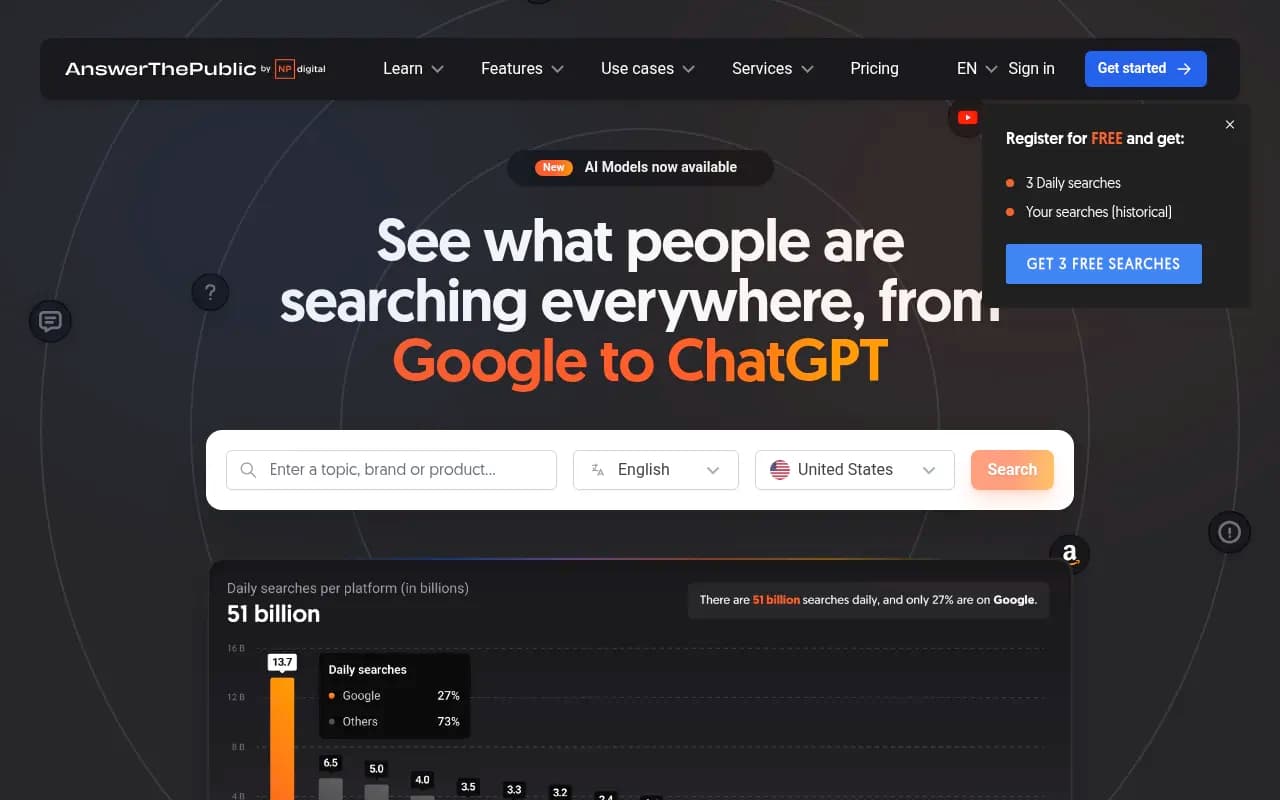
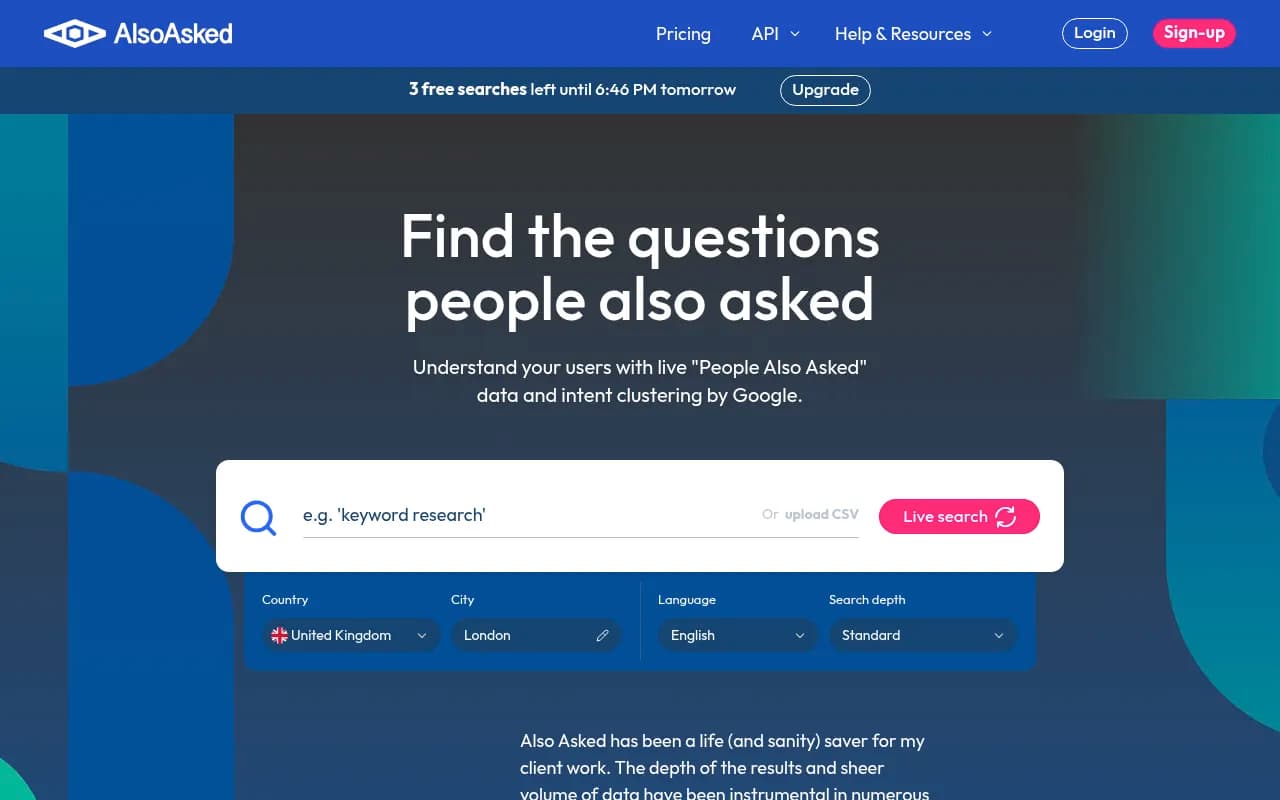
Write 30 to 50 questions the way people say them. Full sentences. Include local ones ("where can I get...near me"), comparison ones ("is X better than Y for..."), and branded ones ("what does X cost"). Tools like AnswerThePublic or AlsoAsked can seed the list, and your support inbox is better still.
Step 2: Ask the assistants for real
Put the questions to Alexa, Siri, Google Assistant, and the voice modes of ChatGPT and Gemini, ideally from a phone in the right location. Log whether you are named, how early, and what is said about you. It is tedious. Do it anyway for your top 10 questions, because nothing else shows you the real spoken output.
Step 3: Track the text equivalents at scale
Voice assistants that use LLMs often pull from the same retrieval behind the text versions. So tracking those prompts across ChatGPT, Google AI Overviews, Gemini and Perplexity is a reasonable stand-in for the underlying visibility. Tools like Promptwatch track the real interfaces of those platforms by country and language, and report visibility score, position in the answer and sentiment, which map neatly onto the "how early and how favorably" question for voice.

Other trackers worth a look include Peec AI, Otterly.AI and Profound, though several of them stop at monitoring and do not show crawler activity or AI-driven traffic.

Otterly.AI

Profound

Step 4: Check crawler access and site health
Look at which AI bots reach your pages and where they hit errors. Promptwatch's crawler logs do this with IP verification, and Screaming Frog or Sitebulb cover the traditional technical side.
Step 5: Clean your listings
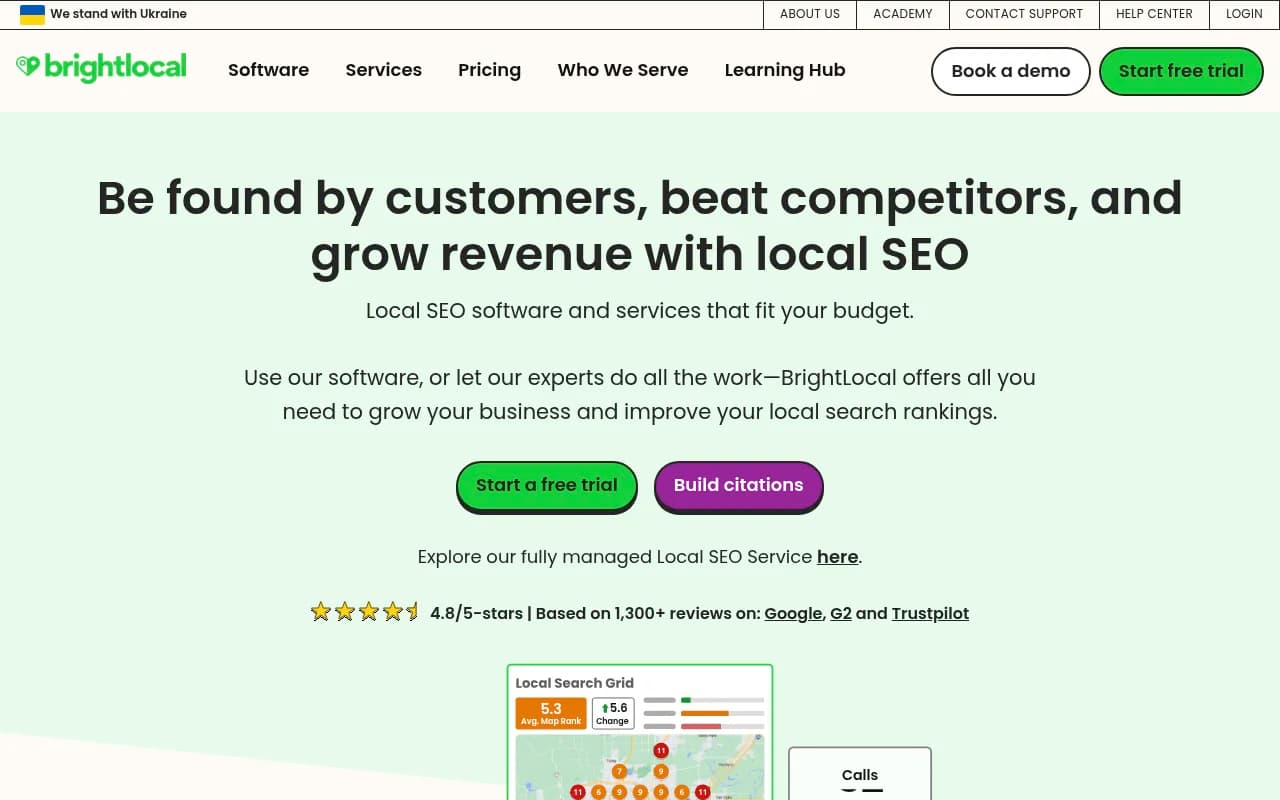
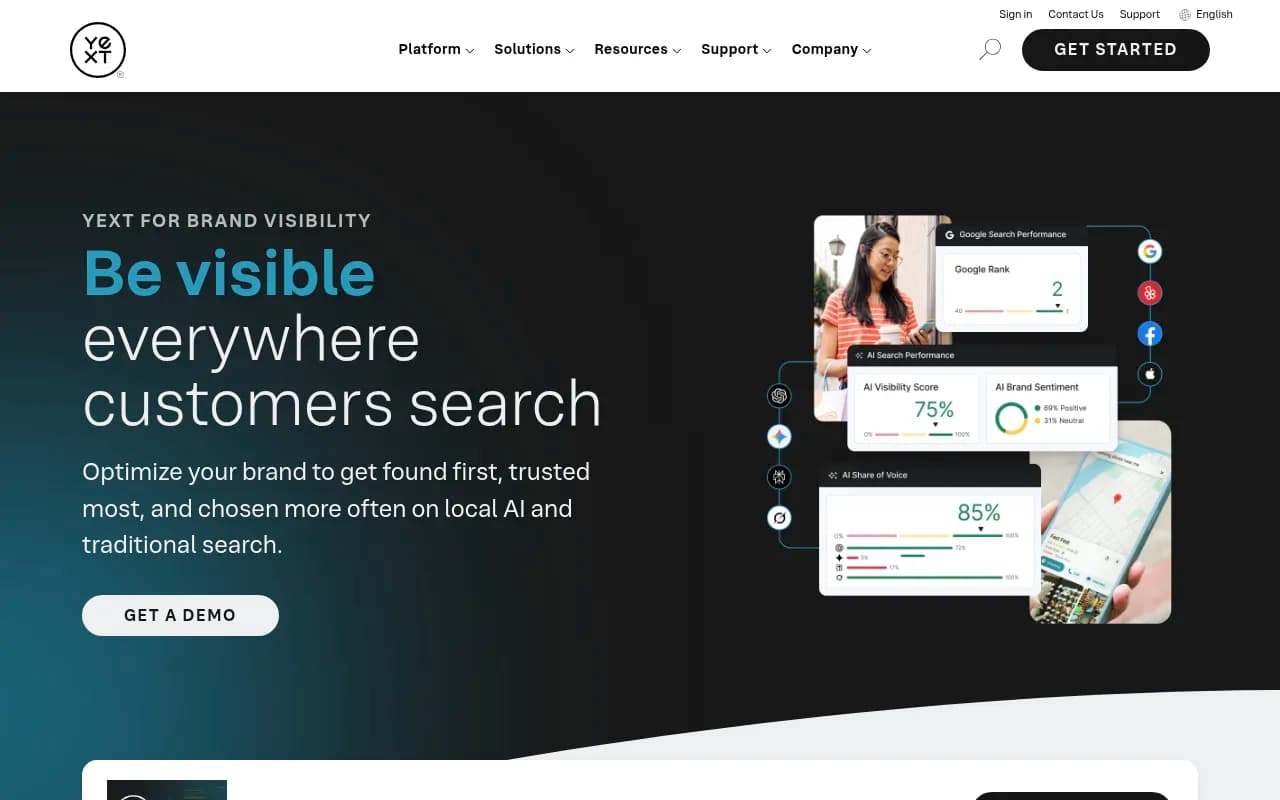
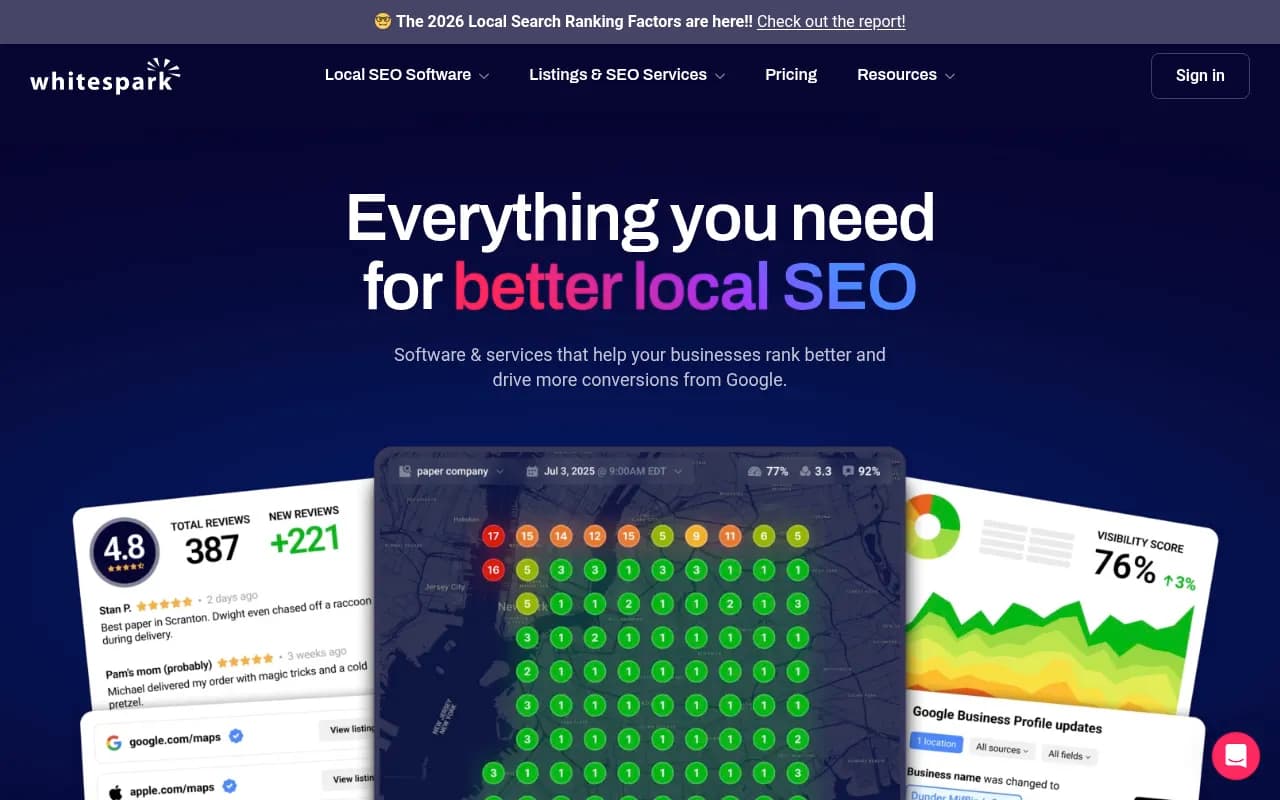
For local and multi-location brands, audit name, address, phone, hours and categories everywhere. BrightLocal, Yext and Whitespark are the usual options.
Tool comparison for closing the gap
| Job | Tool types | Examples |
|---|---|---|
| Find spoken-style questions | Question research | AnswerThePublic, AlsoAsked |
| Track AI answer visibility | AI visibility platforms | Promptwatch, Peec AI, Otterly.AI, Profound |
| Fix listings and local data | Local SEO platforms | BrightLocal, Yext, Whitespark |
| Structured data and entities | Entity and schema tools | WordLift |
| Technical crawl checks | Crawlers | Screaming Frog, Sitebulb |
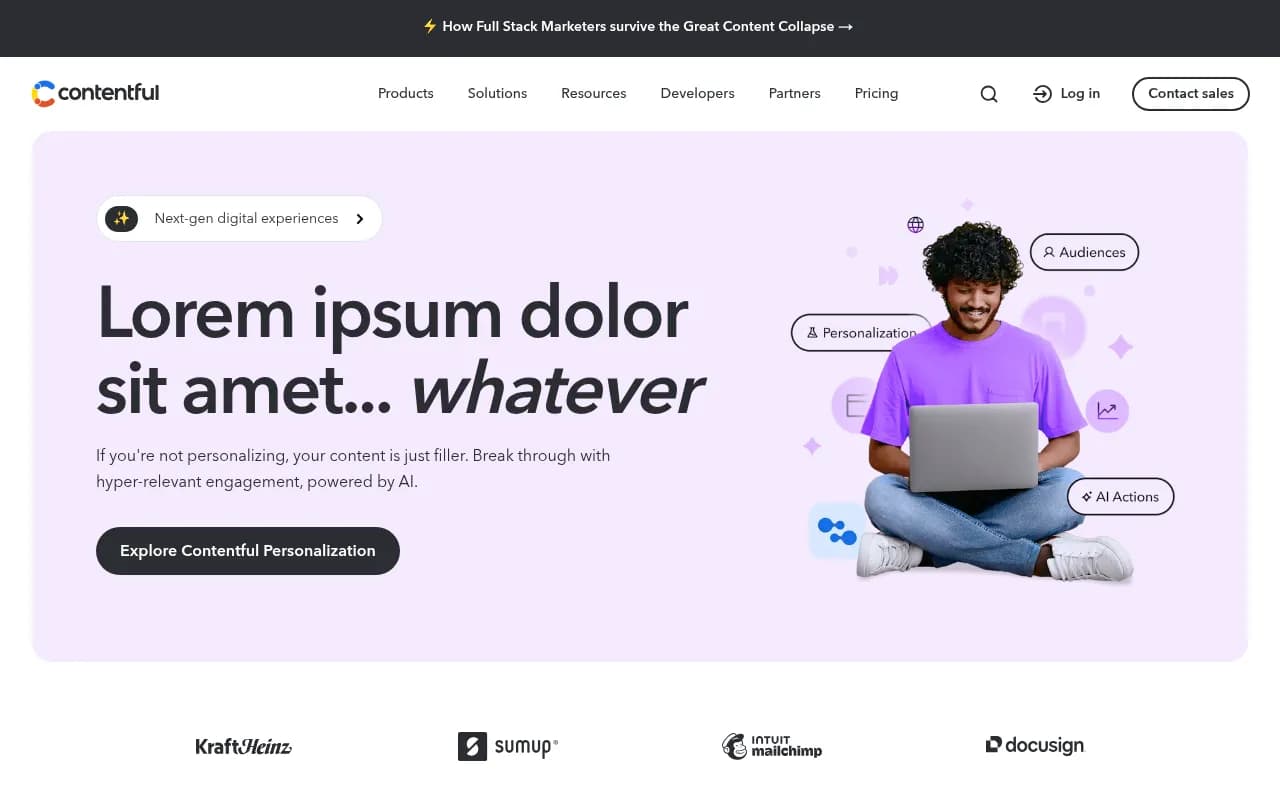
| Content operations and structure | Headless CMS | Contentful, Sanity, Storyblok |
For larger organizations, the Contentful argument is that structured, governed content makes it easier to keep facts consistent everywhere they are published. That is a vendor's pitch, but the logic holds: one source of truth beats forty copies.
For a wider list of options, the GEO software directory at bestgeosoftware.com is a decent starting point.
How to make your content easy to speak
Write the answer first
Lead each answer page with a direct, self-contained response of one or two sentences. Then expand. If a sentence cannot be read aloud and still make sense on its own, an assistant will struggle to use it.
Keep facts identical everywhere
Pricing, hours, product names, founding details. Pick one wording and use it on your site, listings, social profiles and third-party profiles. Promptwatch's advice for brand questions is to make sure your own site answers pricing, features, reviews and alternatives, because fewer sources get cited for those and each one carries more influence.
Earn third-party mentions
Since unbranded questions pull from many sources, being named on review sites, listicles and forums matters. This is the same advice Promptwatch gives for text answers, and I would not expect voice to be any different.
Use structured data where it fits
Schema for local business, FAQ, product and organization gives machines less to guess about. It is not magic, but it removes ambiguity.
Do not rely on markdown or llms.txt tricks
Promptwatch Data found markdown files make up just 0.05% of AI search citations (Markdown in AI search). Format experiments are not where the gains are.
Measuring progress without a voice dashboard
Because there is no native voice reporting, build a scorecard you control:
- Monthly manual spot checks of 10 priority questions on each assistant, logged in a spreadsheet
- Weekly tracking of the equivalent prompts across ChatGPT, AI Overviews, Gemini and Perplexity
- Position and sentiment trends, not just mentions
- AI-referred traffic and conversions in analytics, to see whether visibility turns into visits
- Local listing consistency scores
If your visibility is rising in text AI answers and still absent in a given assistant, that points to a platform-specific source problem, such as listings for Alexa or Bing indexing for Copilot-based answers.
What I would do first
If I had a week, I would skip the strategy deck. Day one, write the spoken-question list. Day two, ask the assistants and record the results, which is usually humbling. Days three and four, fix the obvious factual inconsistencies and listings. Day five, set up tracking so you can see movement.
The brands that vanish from voice are rarely the weak ones. They are the ones whose facts live in five different places in five different versions, and whose best answers are buried. Fix that, and measure the equivalent text prompts weekly, because that is the closest thing to a voice report you can get right now.
If you want an outside team to run this kind of audit, agencies like 1001 SEO Media work on technical SEO and AI search visibility, though the steps above are doable in-house.