Key takeaways
- Voice search is back, but it runs on AI assistants that synthesize an answer instead of reading out a search result. A spoken answer names very few brands.
- Google's May 2026 I/O announcements push Search toward agents and a conversational search box, so the line between typing, talking and delegating is blurring.
- Being cited is the way in. Promptwatch Data shows product pages and landing pages take about 39% of ChatGPT citations, and almost half of responses draw on 10 or more domains.
- Track your brand across several assistants. Answers shift with model updates, and a brand can disappear without anyone noticing.
- I could not find reliable voice-specific adoption numbers, so treat any precise claim about voice share with suspicion, including mine.
Why voice search feels different this time
The first voice search wave, around 2016 to 2019, was mostly about smart speakers and a lot of hype. You asked for the weather, a timer, maybe a pizza place. Marketers wrote guides about featured snippets and "position zero" because that was the one result a speaker would read aloud. Then it fizzled for commercial queries. People did not want to buy things from a cylinder.
What changed is the thing answering. Today's assistants do not pick a snippet. They run several searches, read multiple sources, and compose a response. Say it out loud to a phone or a speaker and you get a short paragraph, not a list of ten links. The interface is voice. The engine is the same one behind ChatGPT, Gemini, Perplexity and Alexa.
That is why I would not call this a comeback of old voice search. It is conversational AI search with a microphone attached. A busylike guide to voice search describes it as a discovery layer between user intent and brand visibility that now overlaps with conversational AI. That framing is right, and it is the one that matters for planning.
What Google announced at I/O 2026
On May 19, 2026, Google's VP of Search, Elizabeth Reid, described what the company called the biggest upgrade to the Search box in over 25 years, plus new AI features that let you use agents just by asking a question.
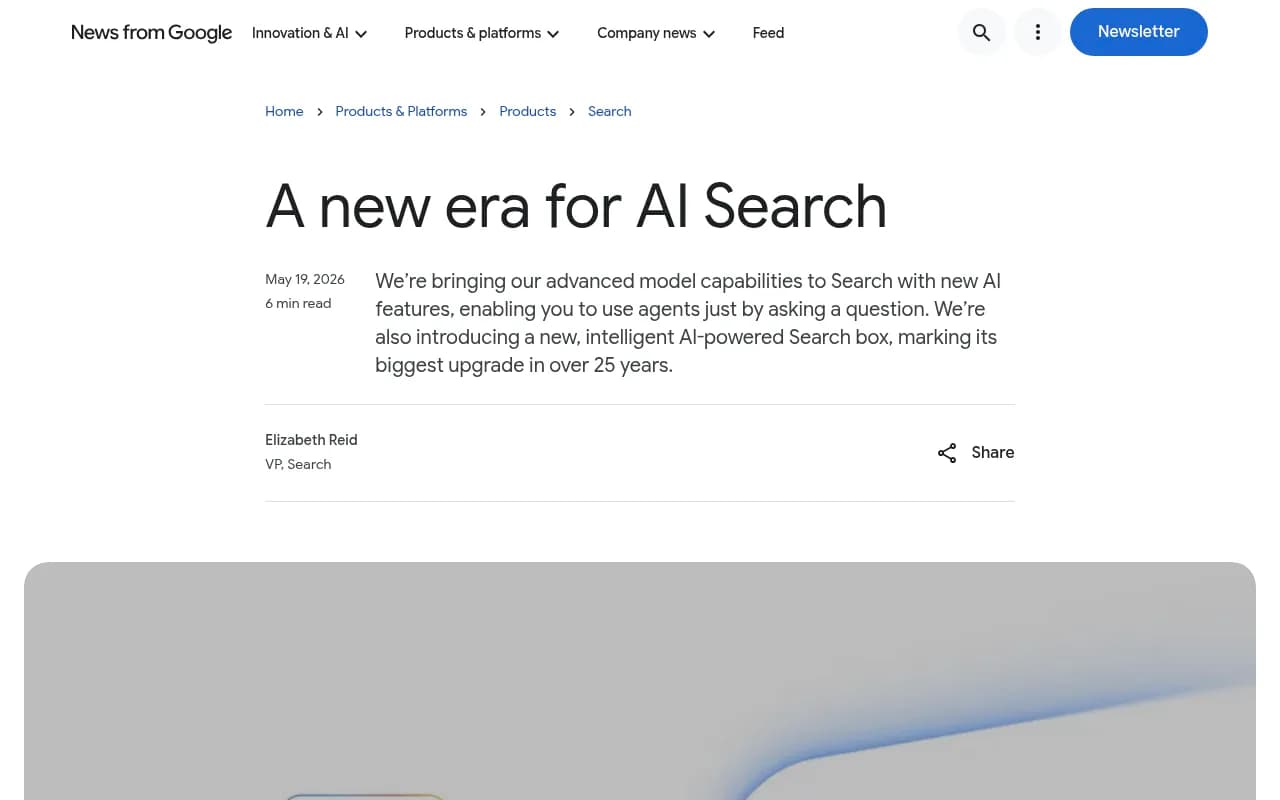
The details of each feature matter less than the direction. If the box accepts long, spoken-style questions and can act on them, the query looks like speech whether or not anyone is talking. Brands that only optimize for short keyword fragments are optimizing for the part of search that is shrinking.
Read Google's announcement yourself. It is short, and it shows how Google frames the shift from search engine to assistant.
What spoken answers do to brand discovery
Fewer slots, higher stakes
A results page can show ten blue links, ads, a map and a People Also Ask box. A voice answer might name one brand, or two. That compresses discovery in a way screens never did. If you are the third-best result on a page, you still get a click. If you are the third-best option in a spoken answer, you do not exist.
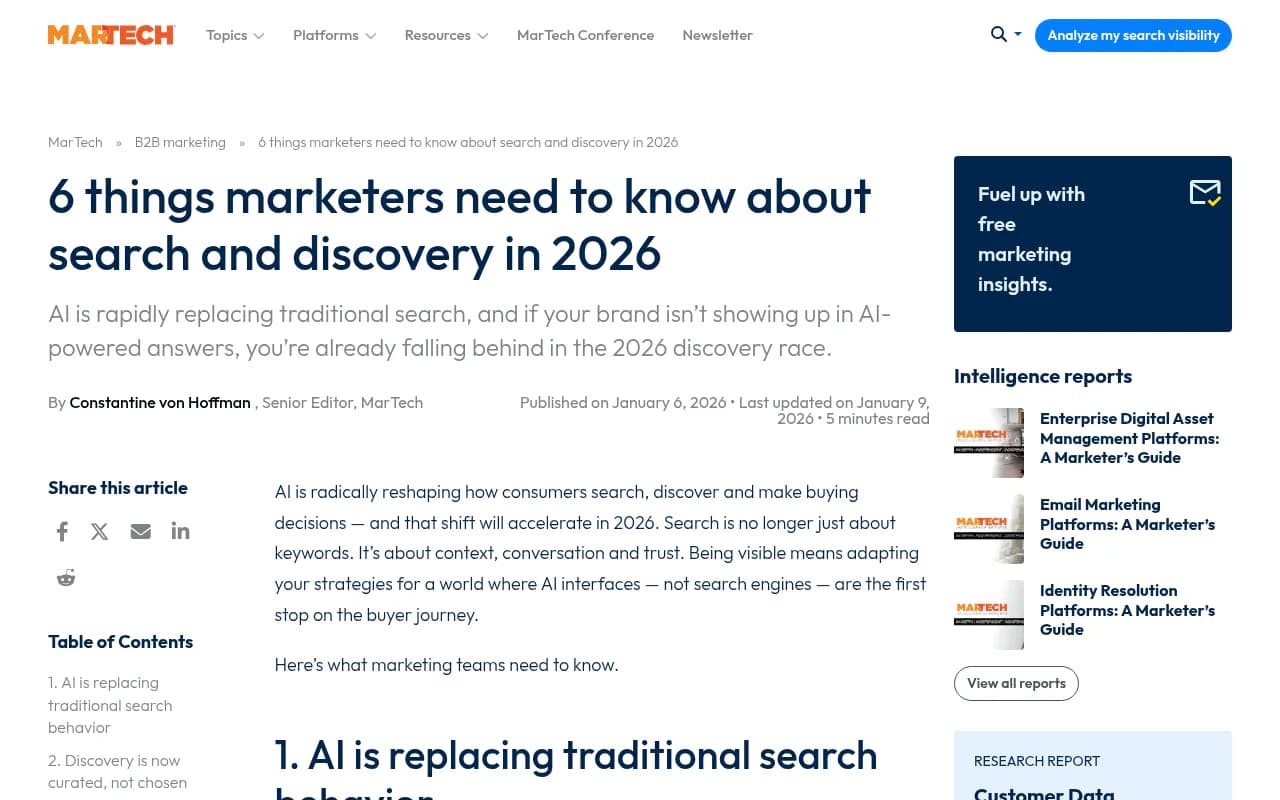
MarTech's January 2026 piece on search and discovery cites Bain & Company for the figure that about 60% of searches now end without a click. I could not verify that number independently, so take it as directional. The direction is believable, though. Zero-click behavior is the natural endpoint of an answer that gets read to you.
Brands can vanish between model versions
The same MarTech article quotes a geoSurge report claiming Ryanair showed up for UK flight-booking queries on GPT-4 but vanished in GPT-5, and that Chanel, Michael Kors and Burberry dropped out of US results in the same switch. I have not verified that report, but the mechanism is easy to believe: models generate answers from compressed memory that shifts with every update. Nobody sends you a notification when it happens.
For voice this is worse. On a screen you can at least notice a competitor above you. In a spoken answer you will never hear that you were left out.
Adoption of agentic discovery is still early
Adobe's 2026 AI and Digital Trends report found that only 13% of organizations say they have embedded agentic AI organization-wide for brand discovery and search, and 16% for customer support. So most of your competitors are not ready either. That gap is the opportunity.
What assistants actually cite
Voice answers are built from the same retrieval as typed answers, so the best evidence we have about voice visibility is citation data from text interfaces. I should be clear: I did not find voice-specific datasets for Alexa+, Siri, Gemini Live or ChatGPT voice mode. What follows is how the underlying engines pick sources.
Pages about what you sell win
Promptwatch Data's ChatGPT content type report (Sep 28 to Oct 4, 2026) found product pages are the most cited type at 22.4% of classified citations, with landing pages at 16.8%. That means roughly 39% of citations go to pages describing what a company sells.
For commercial prompts such as "best CRM for small businesses", product pages hit 26.0%, landing pages 20.6%, listicles 15.0% and comparisons 7.9%, together almost 70%. Branded prompts shift toward reviews (5.6%, more than triple their overall share), FAQ pages (4.8%) and social posts (3.0%).
Almost every answer is shared
In the unique domains report for the same week, 47.6% of ChatGPT responses with citations cited 10 or more domains, and only 6% cited three or fewer. For general questions that name no brand, 52.5% cited 10 or more.
The spoken answer may name one brand, but the research behind it pulls from a wide pool. You get into that pool through your own site and through third parties: listicles, review sites and forums.
Social sources vary a lot by engine
Promptwatch's social media citations report found ChatGPT drew just 0.46% of its citations from social platforms from Sep 28 to Oct 4, 2026, while Google AI Overviews drew 12.2%. Separately, reddit.com's share of ChatGPT citations fell from roughly 4% to 0.5% on August 14, 2026. If your voice strategy relies on Reddit threads, check which assistant you are targeting. A Google-powered assistant behaves differently from a ChatGPT-powered one.
News fades quickly
The content half-life report found that landing pages and docs stay cited longest, while news loses half its cited pages within 36 days. Evergreen pages describing what you do outlast a burst of press.
How to prepare your content for spoken answers
None of this requires a separate voice strategy. It requires making your site easy for assistants to read, quote and trust.
- Write complete product and landing pages. Specs, prices, who it is for, and how it compares. Promptwatch's report advice is to keep these factual and complete.
- Add FAQ and docs sections. Spoken questions are phrased like FAQs. A page that answers "does it work with X?" in one plain sentence is easier to lift.
- Get into the roundups. Since commercial prompts lean on listicles and comparisons, being listed in third-party "best of" pages matters as much as your own copy.
- Collect reviews where buyers look. Branded prompts pull reviews up to 5.6% of citations.
- Match content to intent. A how-to for informational questions, a comparison for commercial ones.
- Keep facts consistent everywhere. Your name, category, pricing and location should read the same on your site, directories and profiles. Assistants resolve conflicts by guessing.
Check that AI crawlers can reach you
This is the boring step that decides everything. Promptwatch's AI crawler traffic report (IP-verified requests, Jun 8 to Sep 6, 2026) showed OpenAI's share of verified AI crawler requests falling from 94.8% to 79.8% as other providers grew. The advice from the report is to check robots.txt, CDN and WAF rules for every provider, and compare your own logs with the overall mix. If a provider is big in the data but near zero in your logs, you are probably blocked.
Also separate training bots from answer-time fetchers. Blocking a training bot is a reasonable policy decision. Blocking the bot that fetches pages while someone is asking a question removes you from that answer.
Local and structured data still count
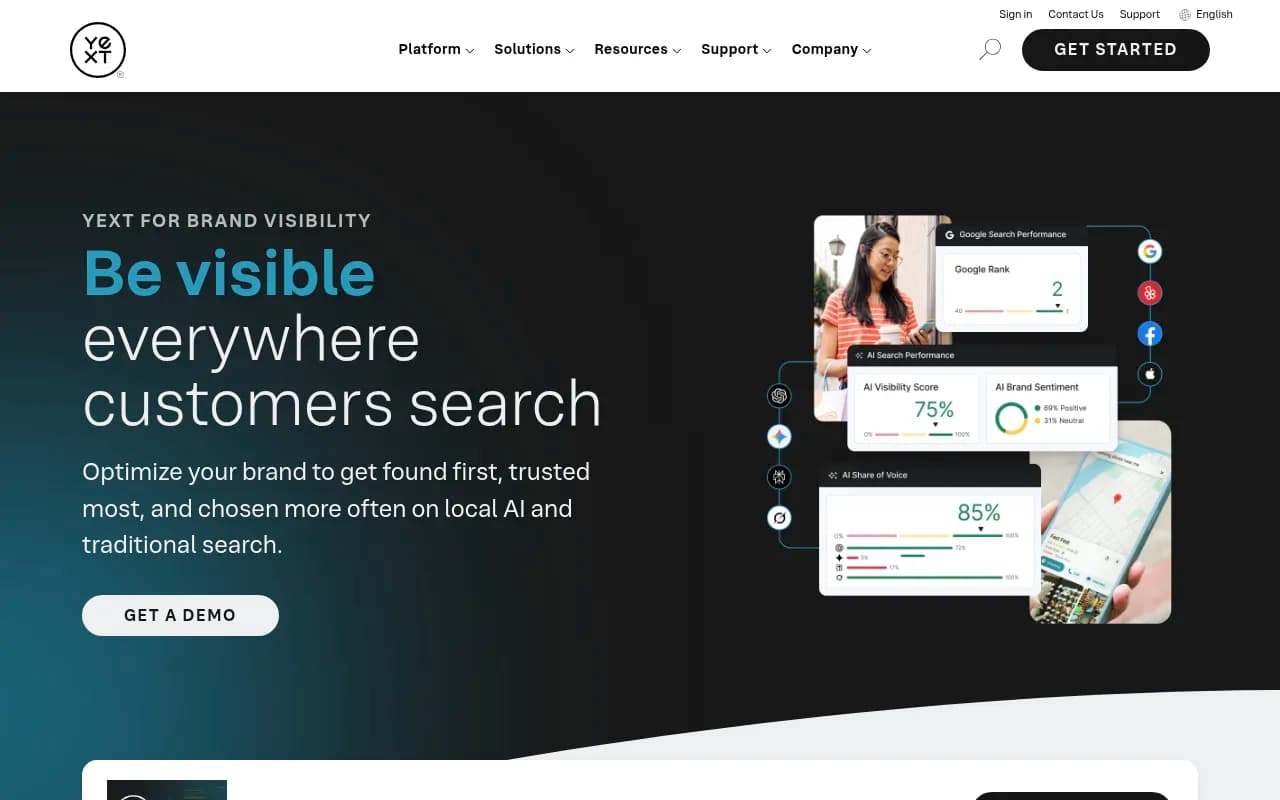
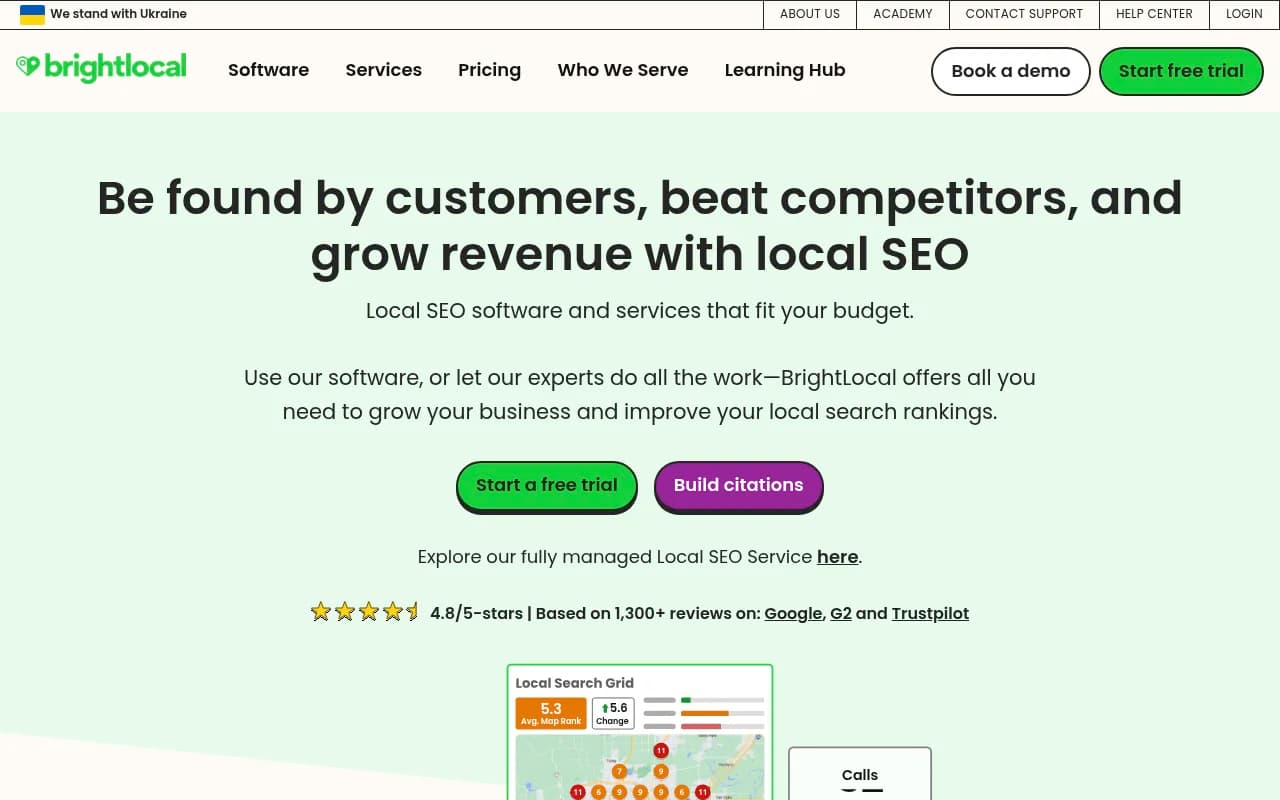
A lot of voice queries are local: opening hours, nearest provider, who is open now. Consistent listings across directories feed those answers. Tools such as Yext and BrightLocal exist for this.
Structured data helps too, and WordLift focuses on entities and schema.
Measuring a channel with no click
If the answer is spoken, nobody clicks. So you measure presence, position and description instead. Promptwatch's unique-domains research recommends tracking your position and how you are described, not just whether you are cited.
Practical measures:
- A fixed set of 30 to 100 prompts written the way people speak them, including full sentences and follow-ups.
- Share of voice against two or three competitors per prompt.
- Sentiment: how the assistant describes you, not just whether it names you.
- Citation sources: which of your pages and which third-party pages get used.
- AI crawler logs and referral traffic from assistants where it exists.
Tools for tracking assistant visibility
There are many trackers now. They differ a lot in what they do after the monitoring step.
Promptwatch tracks the real interfaces of ChatGPT, Google AI Overviews, AI Mode, Gemini, Perplexity, Copilot and Amazon Alexa, which matters for voice because Alexa is one of the few assistants it covers directly. It also shows IP-verified crawler logs, citation data and AI-referred traffic, and its agents help fix gaps by drafting and publishing content, then check whether the fix worked. For a team that wants to act on what it finds rather than just watch a dashboard, that is the practical difference.

Others worth a look depending on budget and needs:
| Tool | Strength | Limitation to check |
|---|---|---|
| Promptwatch | Tracking plus crawler logs, traffic attribution and content actions | Broader than a small team may need at first |
| Profound | Enterprise monitoring across many engines | Higher price point |
| Peec AI | Straightforward prompt tracking | Monitoring-focused |
| Otterly.AI | Simple brand mention tracking | Fewer diagnostic tools |
| Semrush | AI tracking inside an SEO suite | Less depth on AI-specific data |
| Ahrefs Brand Radar | Convenient if you already use Ahrefs | Add-on to an SEO tool |
Profound


Otterly.AI


If you want to browse more options, the directory at bestgeosoftware.com lists GEO platforms side by side.
Finding the questions people actually speak
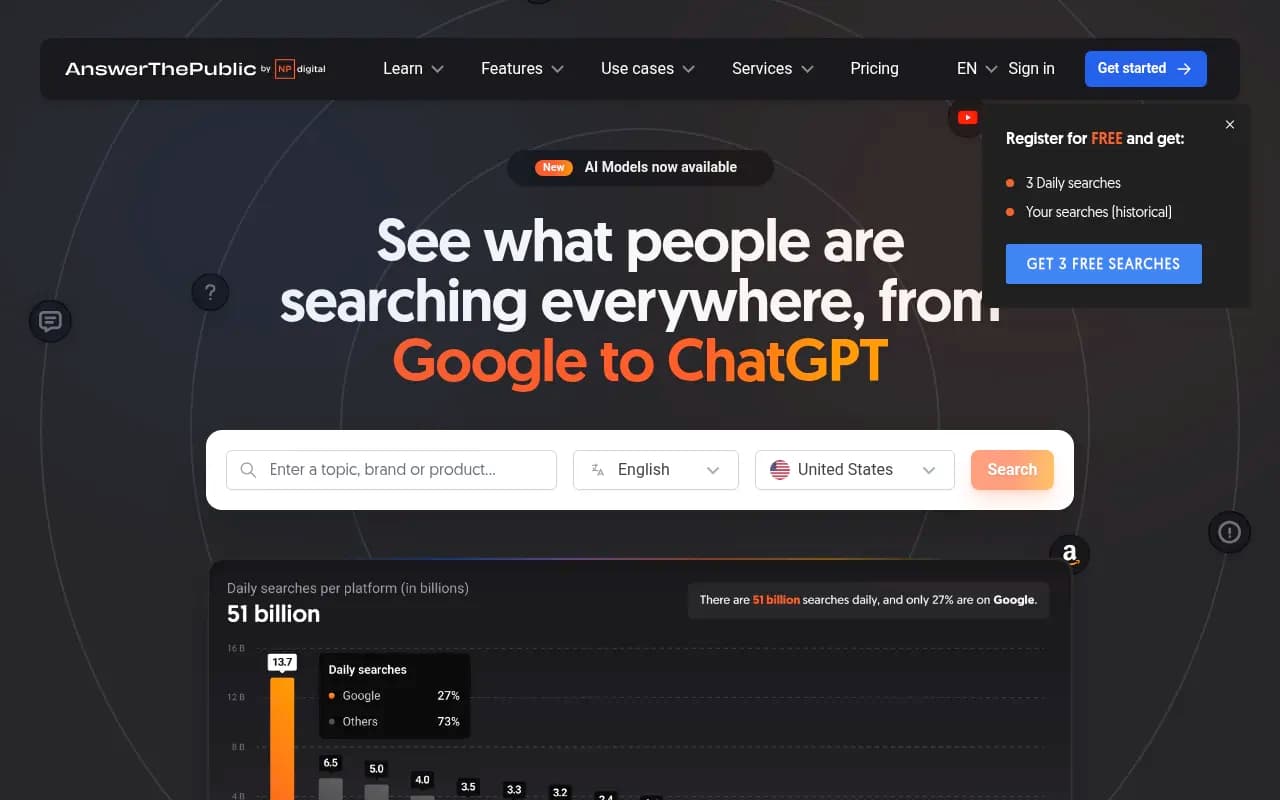
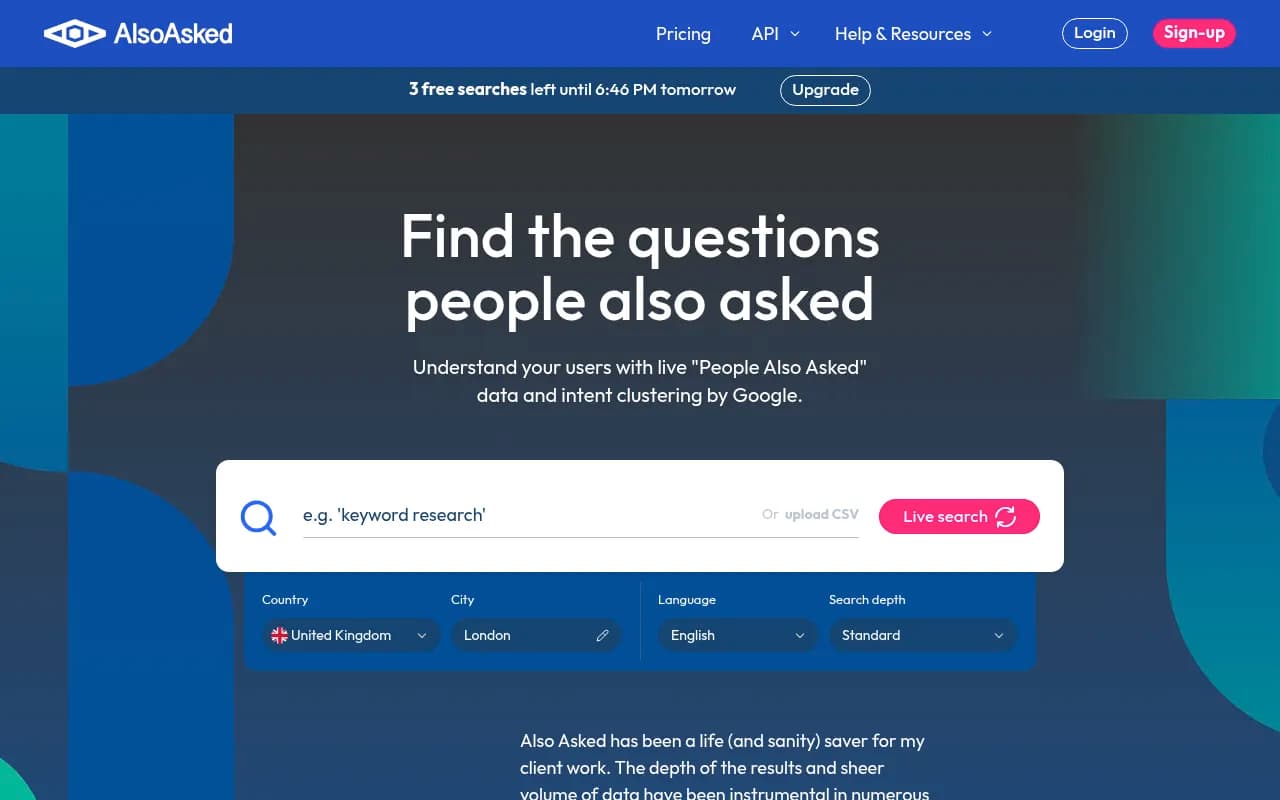
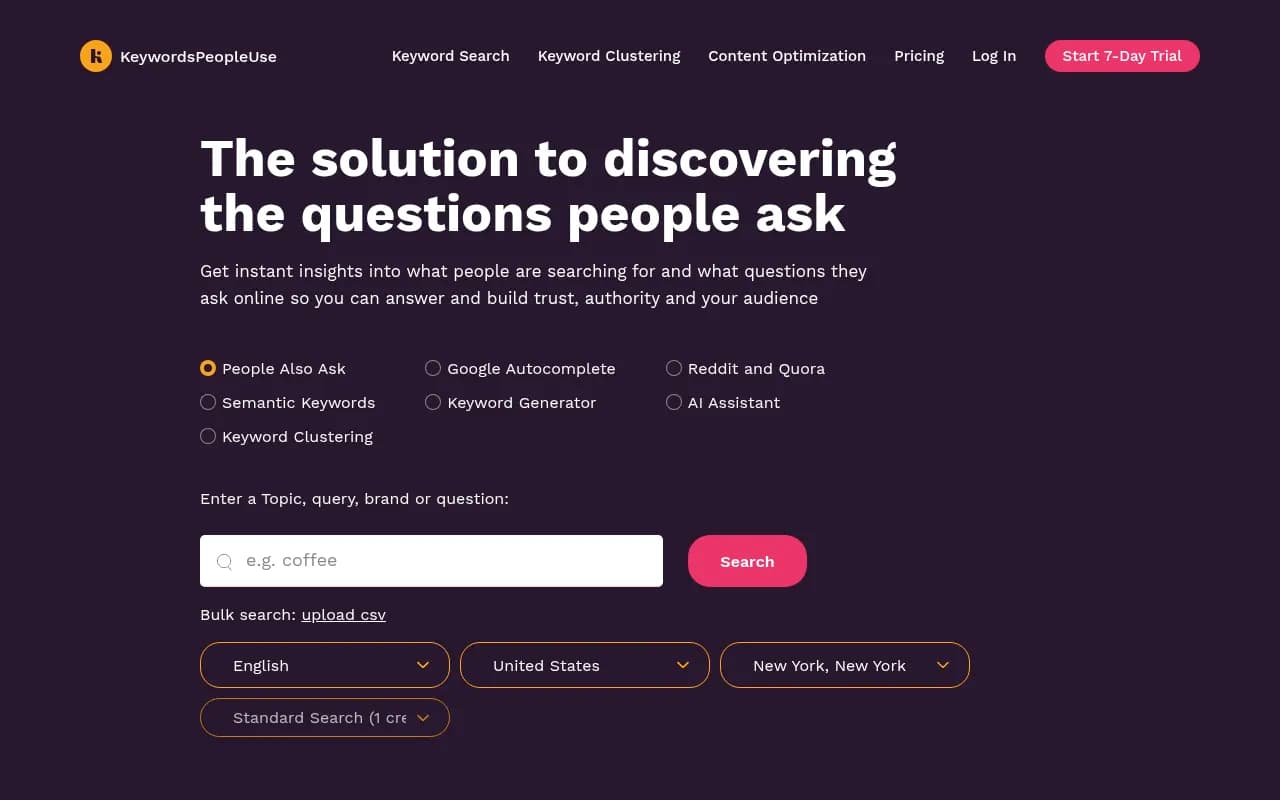
Spoken queries are longer and more natural. AnswerThePublic, AlsoAsked and KeywordsPeopleUse surface real question phrasing you can turn into prompts and FAQ headings.
And Google Search Console shows which long conversational queries already bring you impressions.
A short plan for the next 30 days
- Week one: write 30 spoken-style prompts for your category and run them across ChatGPT, Gemini, Perplexity and Alexa. Write down who gets named and why.
- Week two: audit crawler access. Check robots.txt, CDN and WAF rules and your server logs for AI bots.
- Week three: rewrite your top product and landing pages so the facts are complete, and add an FAQ block to each.
- Week four: find the roundups, review sites and comparison pages that get cited for your prompts, and pitch for inclusion. Re-run the prompts and compare.
If you would rather have a team run this, an SEO and GEO agency such as 1001 SEO Media covers technical SEO, content and AI search work together, which is useful here because the fixes cut across all three.
What I would not do
I would not build a standalone voice app or chase "voice SEO" tactics from 2018. Writing for featured snippets alone is a dated move when the assistant is composing from ten or more sources. I would also not trust anyone quoting a precise percentage of searches that are voice in 2026 without a source. I looked and did not find a solid one.
The safer bet is boring: be the clearest, most consistent, most easily cited answer to the questions your buyers ask, in text, so any assistant can say it out loud.