Key takeaways
- Tool fees are the smallest line item. Most AI writing plans run $9 to $150 a month, while editing, fact-checking, and publishing time usually cost more than the software.
- A realistic fully loaded cost per published article with AI plus a human editor is roughly $75 to $150 for a solid workflow, versus $300 to $500+ for a freelance writer.
- Cheap tools with weak output can cost more than pricier ones, because 60 minutes of editing per piece at $50/hour wipes out any subscription savings.
- Vendor cost-per-article claims such as $3.30 or $8 exclude editorial review or inflate the competition with high opportunity-cost rates. Treat them as best-case numbers.
- If AI search visibility is part of your goal, budget separately for measurement. A tool like Promptwatch can show whether the articles you publish actually get cited.
Why the sticker price misleads you
A tool that costs $29 a month looks like a bargain. A freelancer quoting $300 an article looks expensive. Neither number tells you what a published article costs.
The published article is the unit that matters. It includes the draft, the research behind it, the editor who fixes it, the fact-check, the SEO optimization, the formatting, and the clicking of the publish button. AI collapses the drafting step. It barely touches the others.
One line in a 2026 platform comparison from The Mighty Quill captures it well: the $50-a-month tool that needs three hours of editing per article often costs more than the $300-a-month service that delivers publication-ready content. I agree with that, with one caveat I will get to later about vendors grading their own homework.
The four cost layers of an AI-written article
Every article has four layers of cost. Skip one and your budget will be wrong.
- Software: the writing tool, plus any SEO optimizer, keyword research tool, and CMS add-ons.
- Human editing: someone who fixes errors, adds experience, and makes it sound like your brand.
- Publishing and ops: formatting, images, internal links, uploading, scheduling.
- Hidden and variable costs: overages, setup fees, overlapping subscriptions, wasted learning time.
Layer 1: software fees in 2026
Published plan pricing from theStacc's 2026 comparison of 12 tools, plus other sources:
| Tool or approach | Typical monthly price | What it covers |
|---|---|---|
| ChatGPT free tier | $0 | Limited output, rate caps |
| Rytr | $9 | Unlimited drafting, no SEO layer |
| Writesonic | about $39 | SEO scoring, high word limits |
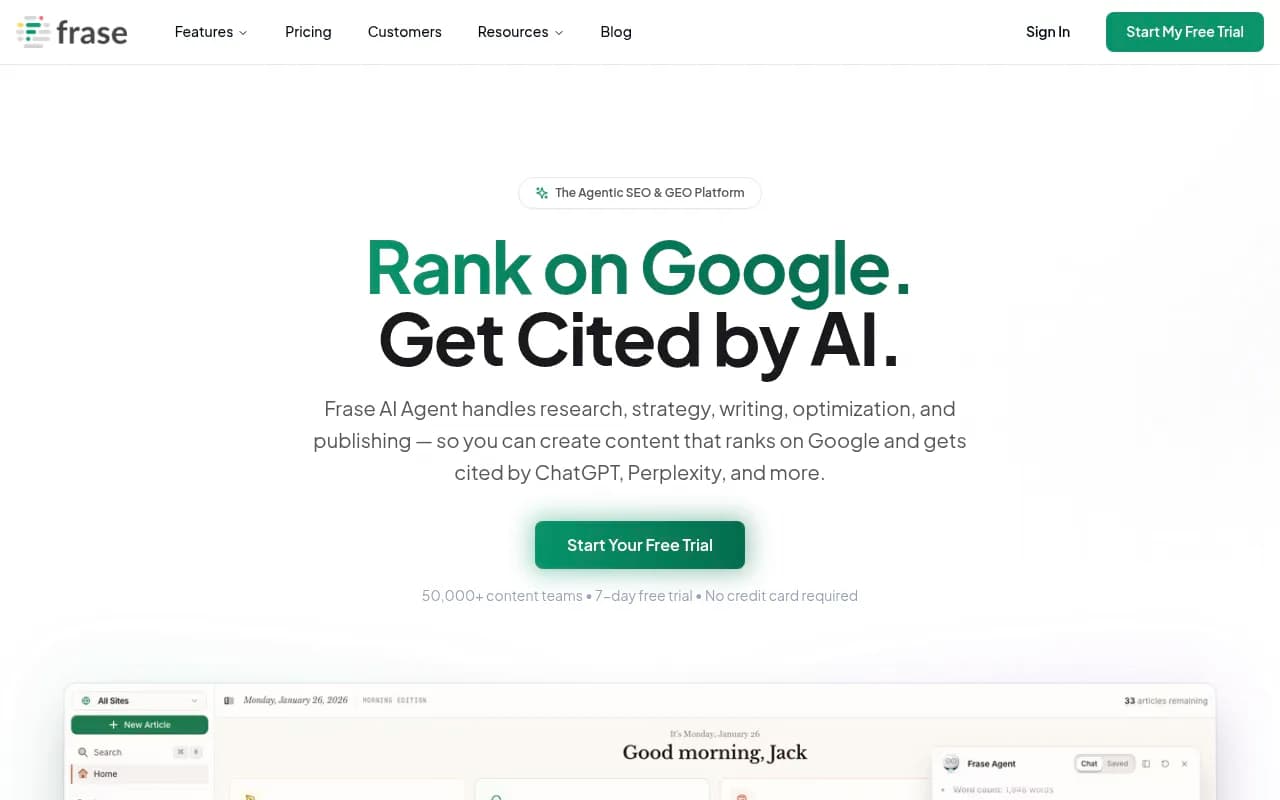
| Frase Basic | $45 | 30 documents per month, briefs |
| Frase Team | $115 | Unlimited documents, 3 seats |
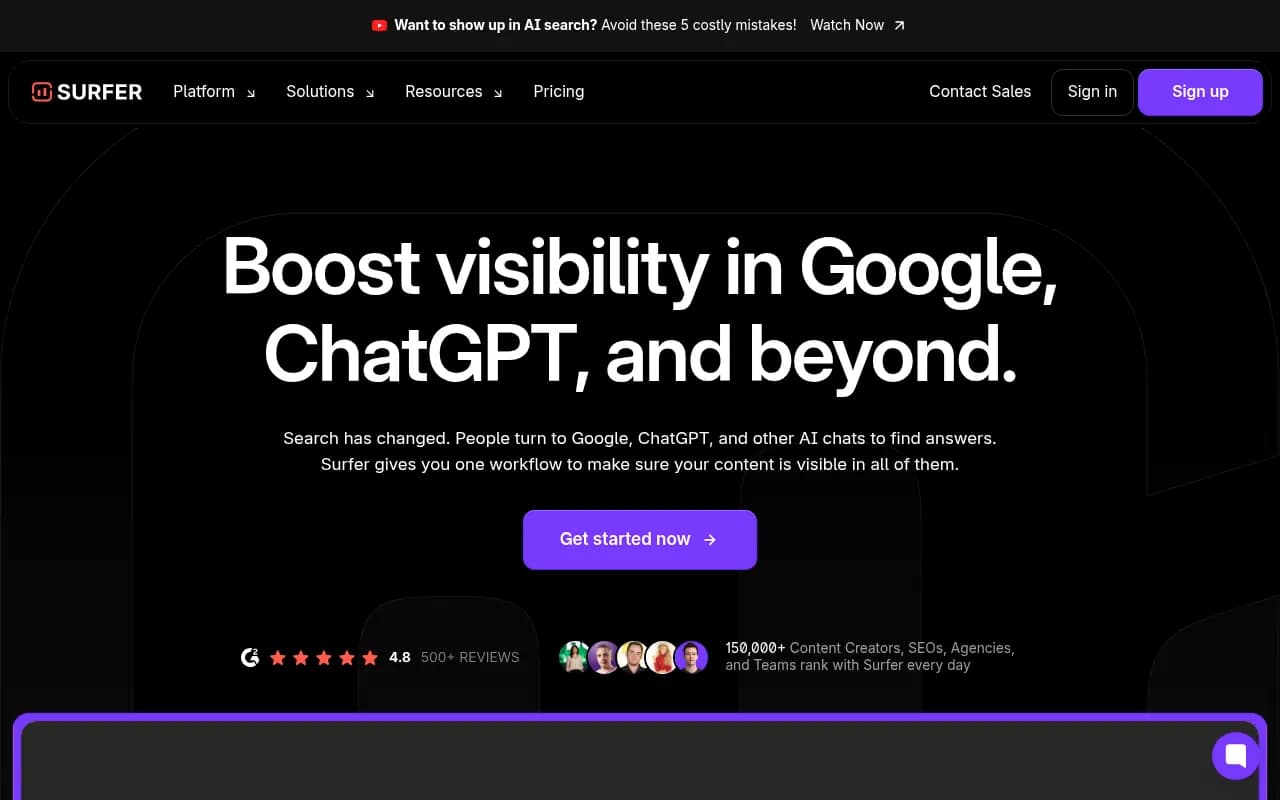
| Surfer SEO Essential | $89 | 30 articles, 1 seat |
| Surfer SEO Scale | $129 | 100 articles, 5 seats, AI generation |
| Jasper, Copy.ai, Writer | $50 to $200 | Brand voice, templates, team features |
| ChatGPT Pro style plans | about $20 | General assistant, not a publishing workflow |
Prices move often and the research behind some of these is stale. The Jasper, Writesonic, and Copy.ai numbers in particular come from older roundups, so check each vendor's own pricing page before you commit.
If you want to look at specific options, Rytr, Writesonic, Frase, and Surfer SEO cover the budget-to-premium range.


The subscription is rarely the whole stack, though. Averi's 2026 cost analysis lists the add-ons a DIY AI workflow tends to accumulate:
| Add-on | Monthly cost |
|---|---|
| AI writing tool | $50 to $200 |
| Keyword research (Ahrefs, Semrush) | $99 to $449 |
| SEO optimizer (Surfer, Clearscope) | $50 to $200 |
| CMS and miscellaneous | $30 to $100 |
That is $229 to $949 a month before anyone has edited a word. If you already pay for Semrush or Ahrefs for other reasons, the marginal cost is lower, so only count what you would not otherwise buy.
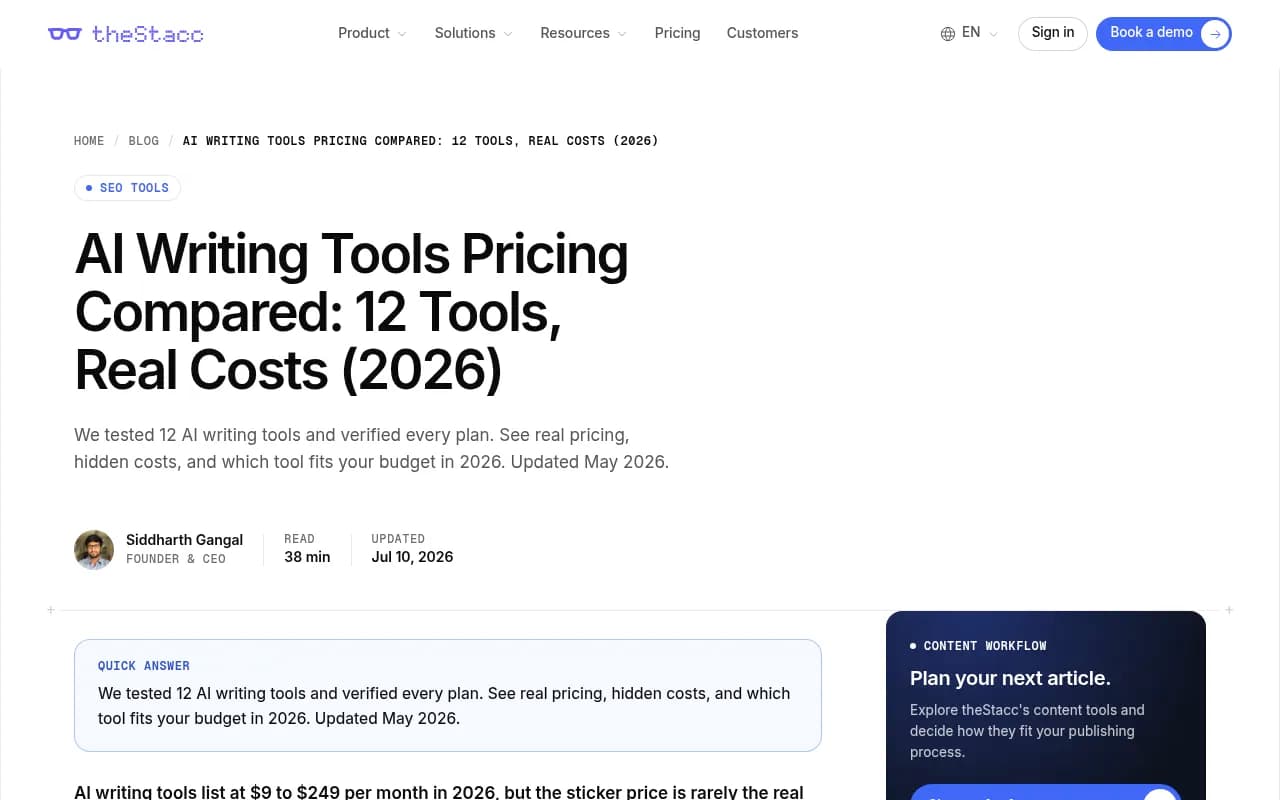
A note on that screenshot's source: theStacc sells a done-for-you publishing service, so its comparison ends by recommending itself. The plan prices are useful. The conclusion is a sales pitch.
Layer 2: editing is where the money goes
Sight AI's 2026 pricing guide gives a clear worked example. If an editor spends 30 minutes refining each AI article and you publish 40 a month, that is 20 hours. At $50 an hour, that adds $1,000 a month on top of the subscription. Weaker tools that need 45 to 60 minutes per piece double or triple it.
For editor rates, the Editorial Freelancers Association rate chart is a loose benchmark. It is book-oriented, but the numbers are in the right neighborhood:
- Article and essay writing: about 15 to 45 cents per word, or $70 to $100 an hour.
- Editing: about 3 to 7 cents per word, or $45 to $95 an hour depending on depth.
- Reedsy lists content editing near 3.6 cents per word, or $45 to $66 an hour.
Worked example, my arithmetic: a 1,500-word article edited at 3 to 5 cents a word costs about $45 to $75. That lines up with the 30 to 60 minutes at $50 an hour figure from Sight AI. So a $45 to $75 editing line per article is a reasonable planning number for light-to-moderate editing.
Heavier jobs cost more. Medical editing runs roughly 3 to 6.8 cents a word and medical writing $1.00 to $1.50 a word on the EFA chart. If you publish in health, legal, or finance, assume subject-matter review and budget accordingly.
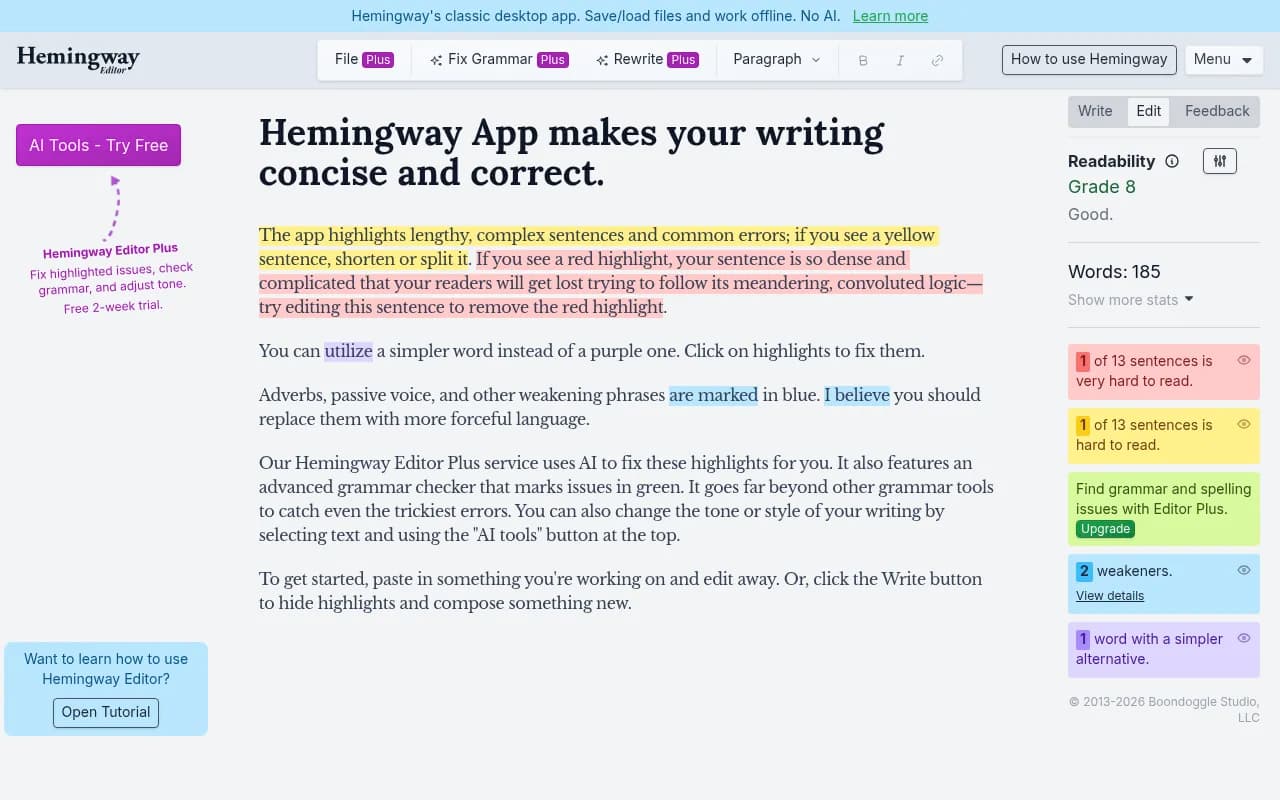
If you want tooling to cut the editing time, Grammarly and Hemingway Editor handle the mechanical cleanup, leaving the human for facts and voice.

Layer 3: publishing and operations
This layer gets forgotten. Sight AI estimates around 15 minutes per article for publishing with a good platform. Without CMS integration it is longer: formatting, image sourcing, meta descriptions, internal links, and scheduling. Count 20 to 45 minutes unless your tool publishes natively.
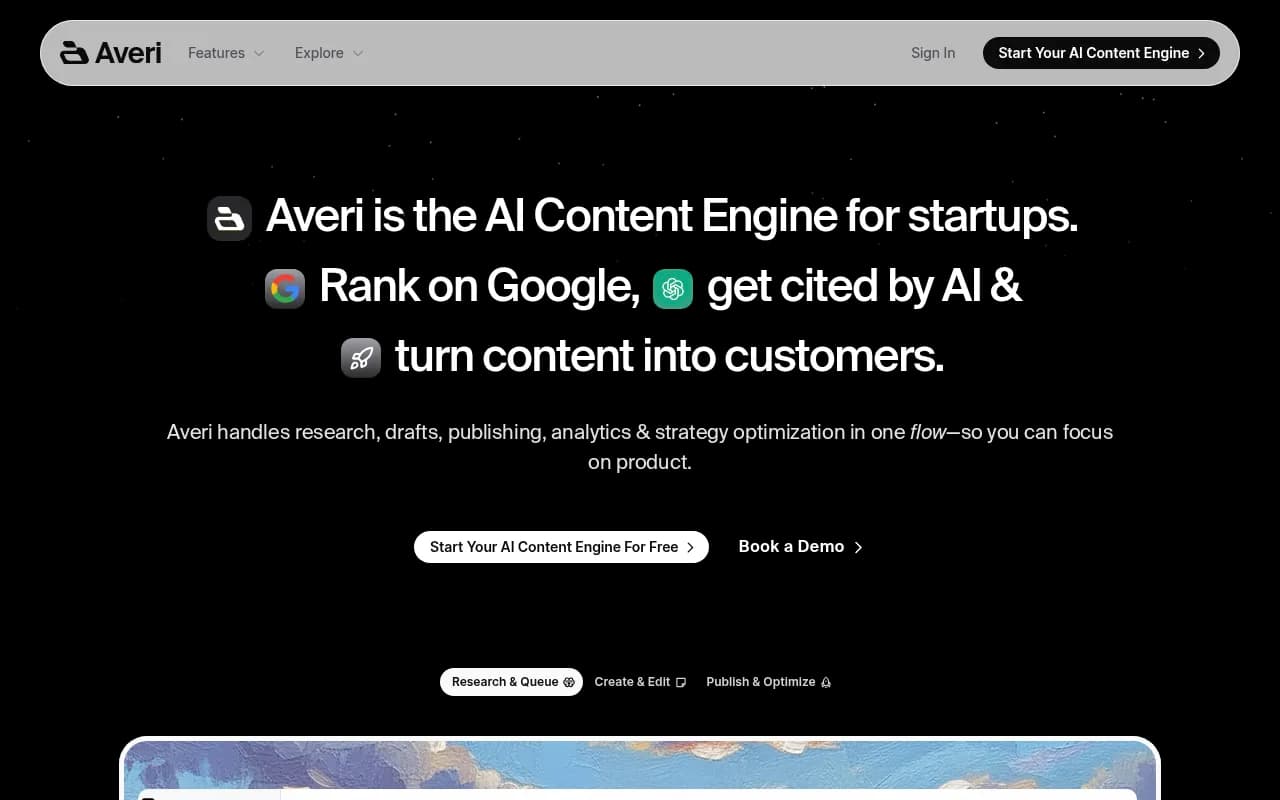
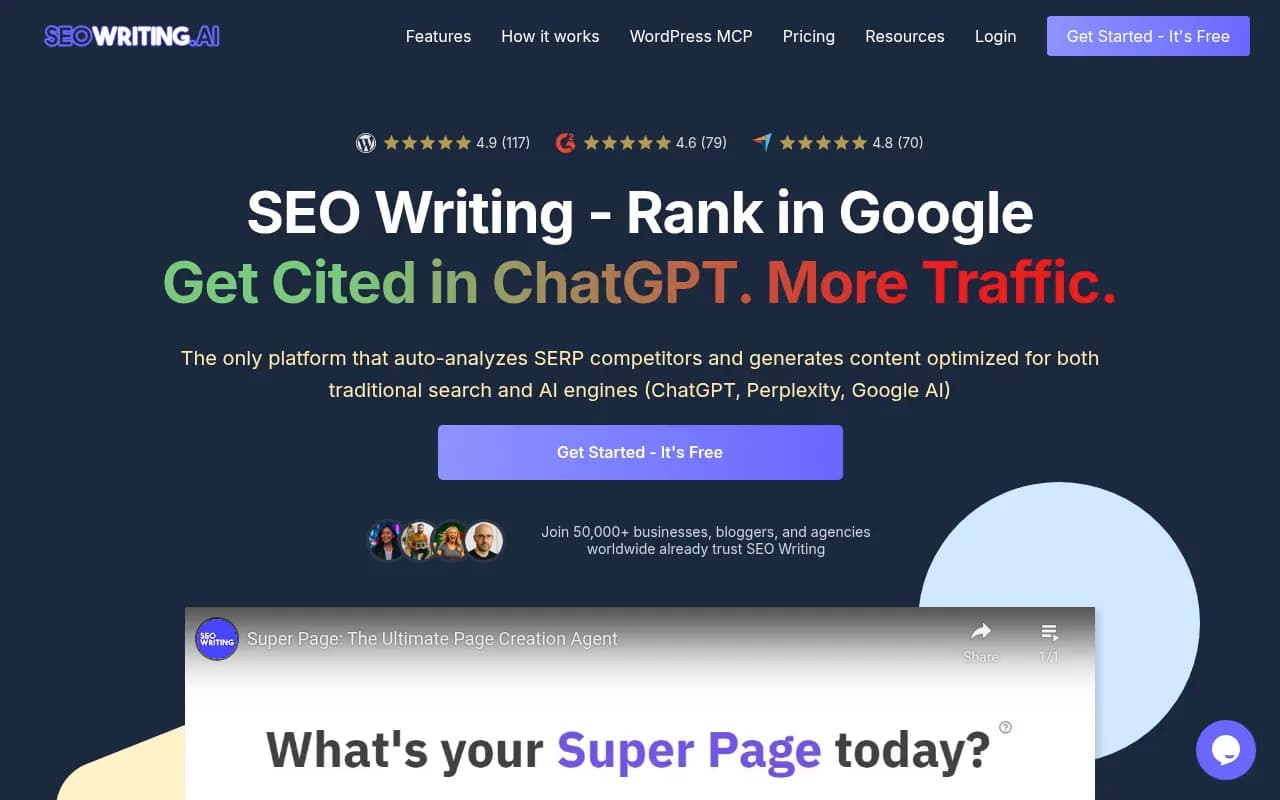
Some platforms handle this. Averi AI, Search Atlas, and SEO Writing AI advertise auto-publishing to a CMS. Whether that saves money depends on how much of the output you would otherwise edit anyway.

Layer 4: hidden costs
AI Empire's 2026 breakdown puts the realistic total for heavy AI content creators at $380 to $1,236 a month, several times the visible subscription cost. The pieces that matter for written content:
- Overages. A plan with 100,000 tokens a month at 4,000 tokens per article caps you at 25 articles, not the "unlimited" on the marketing page. Overage rates of $0.01 to $0.05 per 1,000 tokens can add $50 to $200 in a heavy month.
- Setup fees. Enterprise plans with CMS or CRM integrations sometimes carry one-time fees of $200 to $2,000.
- Overlapping subscriptions you forgot to cancel, often $60 to $200 a month.
- Learning time. Trying a new tool every month can eat 50 to 100 hours a year.
- Migration. Outgrow a $49 tool in 60 days and you pay for the subscription, the move, and the lost workflow.
AI Empire suggests budgeting $150 to $300 a month for actively used tools plus a $50 to $100 buffer. That is aimed at creators, but the buffer idea holds for any team.
What a published article actually costs
Here are four scenarios built from the figures above. These are my own models, not published benchmarks. Adjust the hours and rates to your team.
Assumptions: 20 articles a month, 1,500 words each, editor at $50 an hour.
| Scenario | Tool cost / month | Editing and publishing time per article | Labor / month | Total / month | Per article |
|---|---|---|---|---|---|
| Budget tool, heavy editing | $9 to $45 | 90 min | $1,500 | about $1,520 to $1,545 | about $76 to $77 |
| Mid-tier tool with SEO scoring | $90 to $130 | 75 min | $1,250 | about $1,340 to $1,380 | about $67 to $69 |
| Premium stack (writer + optimizer + research) | $300 to $500 | 60 min | $1,000 | about $1,300 to $1,500 | about $65 to $75 |
| Freelance writer, no AI | $0 | 5 hrs managing at your rate | $6,000 writer fees | $6,000 plus management | $300+ |
The interesting thing is how flat the first three rows are. The tool fee barely moves the answer, because labor dominates. The premium stack only wins if it genuinely cuts editing time, which is the point Sight AI makes about a $500 platform delivering ROI by cutting editing 70%.
Compare that with Sight AI's traditional-versus-AI estimate: freelancers at $0.15 to $0.25 a word for 2,000-word articles cost $300 to $500 a piece, or $12,000 to $20,000 a month at volume, plus an in-house editor around $4,000. The AI-assisted version at roughly $500 for a platform plus about $1,000 for fact-checking and optimization, with a content manager's time already on payroll, comes to about $1,500 a month. Their all-in figure is $75 to $90 per article, which matches my model above.
One large study cited by the DocGPT calculator puts the average at $131 per AI piece versus $611 for human-written content, about 4.7 times cheaper. A publishing-grade workflow still budgets for an editor on top.
How agencies and freelancers compare
Averi's 2026 analysis offers these figures for the alternatives:
| Approach | Monthly sticker price | Articles per month | Fully loaded cost per article |
|---|---|---|---|
| Freelance writers | $2K to $6K | 4 to 8 | $1,067 to $1,375 |
| Agency | $5K to $15K | 4 to 12 | $1,238 to $1,763 |
| AI tools plus DIY | $229 to $949 | 4 to 8 | $1,304 to $1,394 |
| Content engine (Averi) | $99 | 10 to 25+ | $108 |
Read those with a skeptical eye. Averi prices the owner's time at $150 an hour, and that inflates every alternative, especially DIY (17 hours a week works out to $10,200 a month in opportunity cost). If your editor earns $50 an hour, the DIY row drops sharply. Averi also sells the cheapest option in the table. Its own TL;DR elsewhere on the page quotes $200 to $500 per article for AI plus DIY and $8 to $12 for the content engine, two very different pictures from the same page.
The useful takeaway is the direction, not the decimals. Freelancers and agencies cost 10 times or more per article than an AI-assisted workflow. Nobody serious disputes that. How much quality you give up, and how much oversight you owe, is where the argument actually lives.
For transparency, 1001 SEO Media, which publishes this directory, sells SEO and content services too. If you are comparing agency retainers against building an in-house AI workflow, ask any agency for a per-article breakdown that separates drafting, editing, and publishing.
The done-for-you claim, examined
Two vendors in the research quote very low per-article costs. theStacc says $3.30 per article all-in ($99 for 30 published articles) and a "0 hours a month" time commitment. Averi's content engine quotes $8 to $12 per article.
Those figures may be accurate for the generation and publishing step. They exclude editorial review. If you publish 30 unreviewed AI articles a month, the cost you are really paying is brand risk, factual errors, and thin content that does not rank or get cited. Add a light edit at $45 to $75 per piece and the real number is closer to $50 to $80.
That is still far cheaper than a freelancer. It is just not $3.30.
How to budget in four steps
- Count your articles. Pick a realistic monthly volume, not an aspirational one.
- Set an editing time per piece. Test one tool on five articles and time every edit honestly, including fact-checking.
- Price the stack you actually need. Add research, optimization, and publishing tools you do not already own.
- Add a 15 to 25 percent buffer for overages, a second tool, and mistakes.
A quick formula:
monthly cost = tools + (articles x editing hours x hourly rate) + (articles x publishing hours x hourly rate) + buffer
cost per article = monthly cost / articles
If you only have time for one change, track editing minutes per article for a month. It is the number that tells you whether your tool is cheap or just inexpensive to buy.
Where to save and where not to
Save on:
- Overlapping tools. Pick one optimizer, not three.
- Heavy rewrite loops. Better briefs and a Brand Book style guide cut revisions.
- Plans sized for volume you do not publish.
Do not skimp on:
- Fact-checking, especially in health, finance, and legal topics.
- A real editor with authority to kill an article.
- Original data, quotes, or experience. Generic AI articles are the ones that get ignored by search engines and by AI assistants alike.
Tools in the SEO.ai, Junia AI, and Koala AI category generate publish-ready drafts, which shifts cost from editing time to review time. They are worth a trial run, measured the way described above. For a wider view of options, browse the software directory at surferstack.com.

Measuring whether the spend paid off
Cost per published article is only half of the equation. The other half is what the article earns. Track organic traffic and rankings in Google Search Console, and if AI search is a goal, track whether assistants cite your pages.
Promptwatch Data shows that content type matters for citations. In the Sep 28 to Oct 4, 2026 window, product pages were the most cited content type in ChatGPT at 22.4%, followed by landing pages and listicles. And news-style pages lost half their citations within 36 days in a cohort Promptwatch tracked from July 6, 2026, while landing pages and docs stayed cited longest. If you are paying for volume, that suggests spending on durable pages over disposable ones.
To see which of your published pages get cited, Promptwatch tracks citations and AI crawler visits per page, so you can retire low performers instead of paying to maintain them.

For a wider look at tracking options, the GEO software directory at bestgeosoftware.com lists alternatives.
Quick reference: cost ranges by approach
| Approach | Realistic cost per published article | Best for |
|---|---|---|
| ChatGPT or a budget tool, heavy editing | $60 to $100 | Low volume, strong in-house editor |
| Mid-tier SEO writer plus editor | $65 to $100 | Steady 10 to 40 articles a month |
| Premium stack with research and optimization | $65 to $150 | Competitive topics, brand-sensitive content |
| Done-for-you platform plus light review | $50 to $80 | Volume content, local or long-tail |
| Freelance writer | $150 to $500+ | Expert, original, or high-stakes pieces |
| Agency | $600 to $1,800 (fully loaded, vendor-sourced) | Strategy plus execution |
The ranges mix my modeled estimates with vendor-published figures, so treat them as planning bands, not quotes.
Bottom line
AI content costs less than human-only content, often by a factor of 4 to 10 per article, but not by the 100x the marketing pages imply. The software is a small part of it. Editing is the big one, and it scales with how bad your first drafts are. Pick a tool by how much editing time it saves you, not by the monthly price, and measure that for a month before you commit to an annual plan.