Key takeaways
- Seven common AI SEO tool claims fail when you check them against real data: AI is killing search, zero-click means no organic growth, .md files help AI citations, one-click content wins, citation tracking equals revenue, API-based tracking matches what users see, and publish-once content stays cited forever.
- Five claims hold up: AI content can rank, JavaScript problems cost citations, AI answers vary by platform, crawler logs explain visibility, and content freshness matters by page type.
- The pattern: claims that sell software ignore measurement. Claims that survive are the ones you can verify in your own logs, Search Console, or analytics.
- Use the checklist at the end before you buy or renew any AI SEO tool.
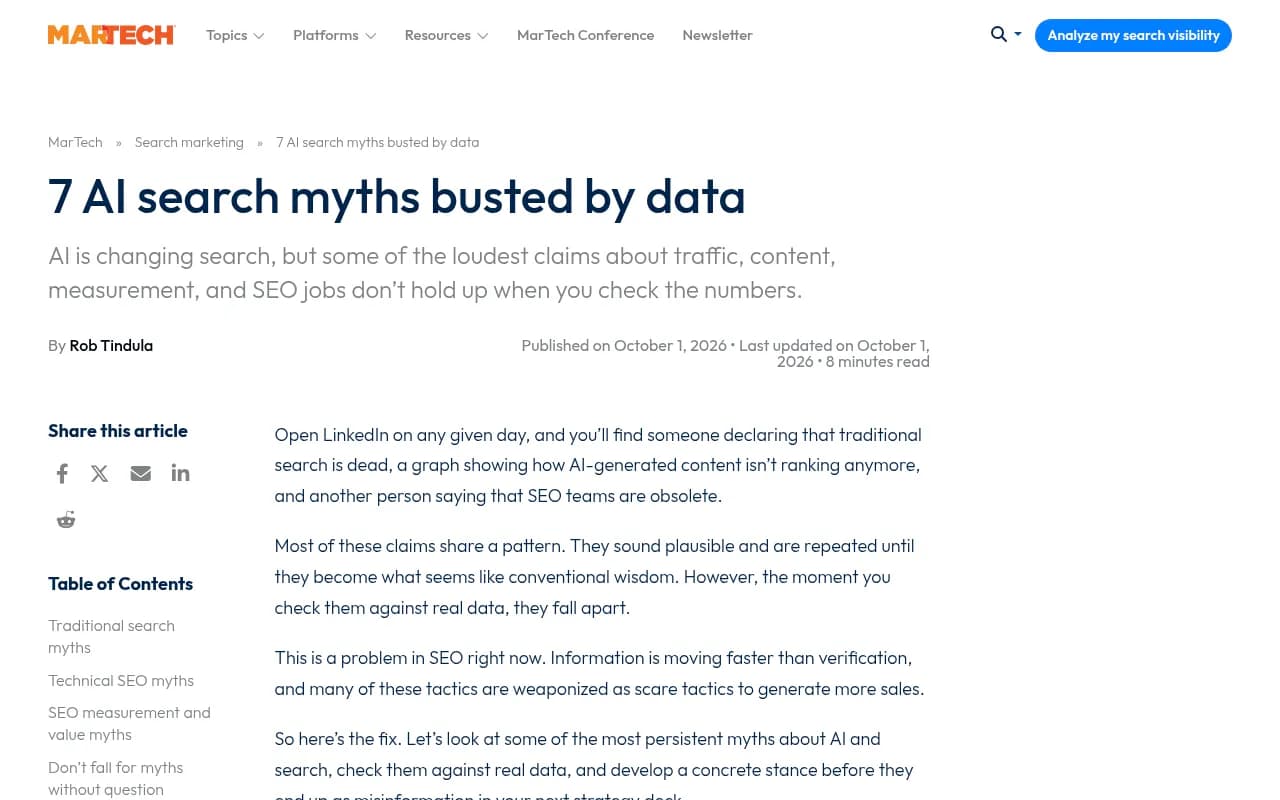
Every week someone pitches a new AI SEO tool with a bold promise. Some of those promises are fine. A lot of them are marketing copy that nobody tested. I went through the most common ones and checked them against published data from 2026, including a MarTech myth-busting piece by Rob Tindula and first-party figures from Promptwatch Data.
The verdict is mixed, which is the honest answer. Some claims are nonsense. Some are mostly right. The useful skill is telling them apart before you sign an annual contract.
Part one: seven claims that fall apart
Claim 1: AI search is killing traditional search, so stop doing SEO
This one shows up in nearly every vendor deck. The logic is simple: every ChatGPT session is a Google search lost.
The data disagrees. The State of Search Q2 2026 report, cited by MarTech, found that AI search and traditional search are growing at about the same rate quarter over quarter. AI is adding a layer, not replacing the old one.
There is a real kernel here. Clicks to the open web are falling because Google answers more queries directly. The same report put clicks to non-Google-owned desktop results at their lowest since April 2025. So search demand is up while click-through is down. That is a different problem from "search is dead," and it calls for different tools: you need to measure visibility inside answers and traffic, not abandon SEO.
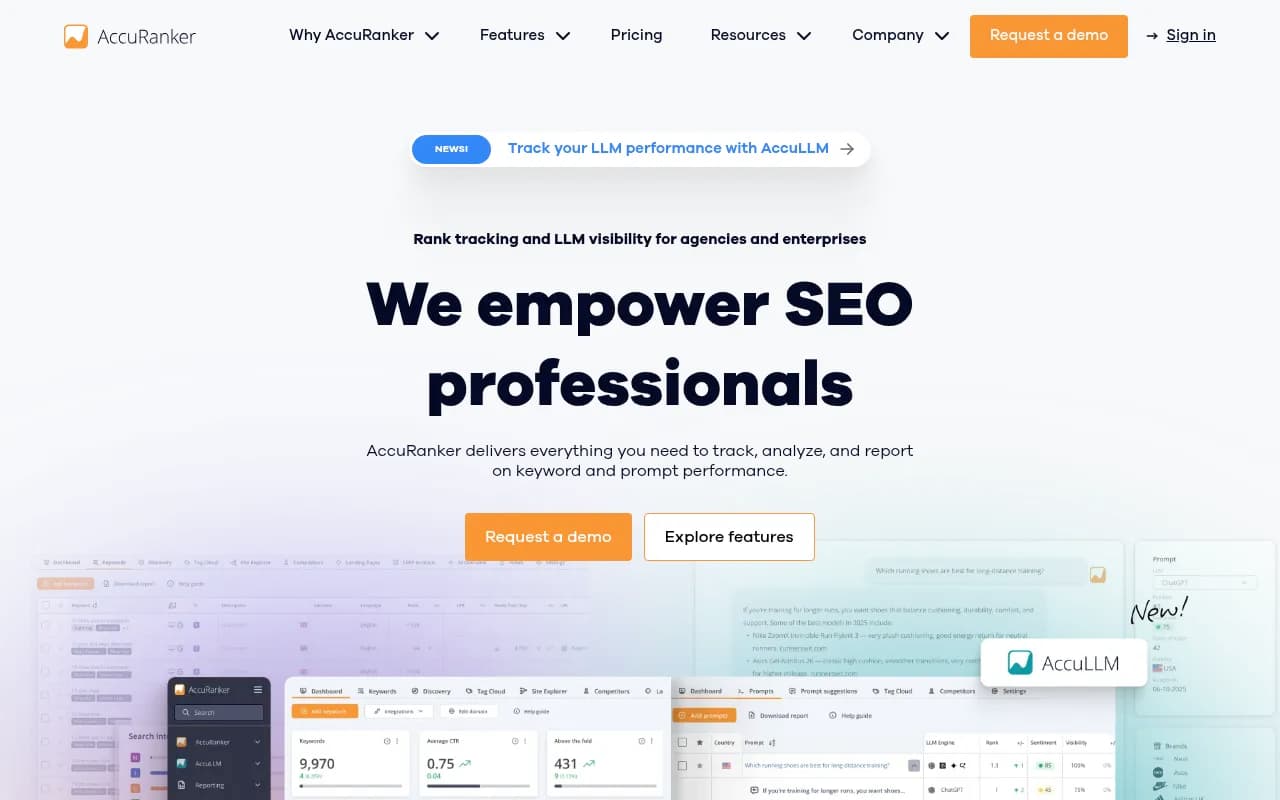
Any tool that sells you on abandoning classic SEO is selling fear. Keep your rank tracker. A tool like AccuRanker or your Search Console data still matters.
Claim 2: You can't grow organic traffic in a zero-click world
The companion claim says AI Overviews and AI Mode make organic wins impossible. MarTech's counterexample was a local business client that posted its highest month of organic clicks on record in July 2026, driven by nonbranded blog and service pages.
One caveat, which the author flagged too: that was a local business, and your category may behave differently. Informational publishers are getting hit harder than service businesses. So the honest version is: organic growth is still possible, but it depends on your query mix. Check your own Search Console data by query type before you believe any vendor's blanket statement, in either direction.
Claim 3: Publish .md or llms.txt files so AI can read your site
This is the claim I find most annoying, because it sounds technical and plausible. Tools and agencies sell "AI-ready markdown mirrors" of your pages.
Promptwatch's markdown report looked at the last 7 days of citations across ChatGPT, Claude, Perplexity, and AI Overviews. HTML made up 99.94% of citations. Markdown files made up 0.05%. That's roughly 2,000 to 1. You can read the numbers in Promptwatch's markdown in AI search data.
The report's advice is to skip .md mirrors of marketing and blog pages and spend the effort on clear headings, semantic markup, and direct answers in HTML. There is one exception. AI coding agents do crawl documentation .md paths heavily, with the top path getting 3,241 requests. So reserve markdown endpoints for developer docs.
If you want a quick sanity check on what your own site serves to bots, a free AI crawler URL inspector or an llms.txt generator is fine as an experiment. Just don't pay a retainer for it.
Claim 4: One-click AI content will rank and get cited at scale
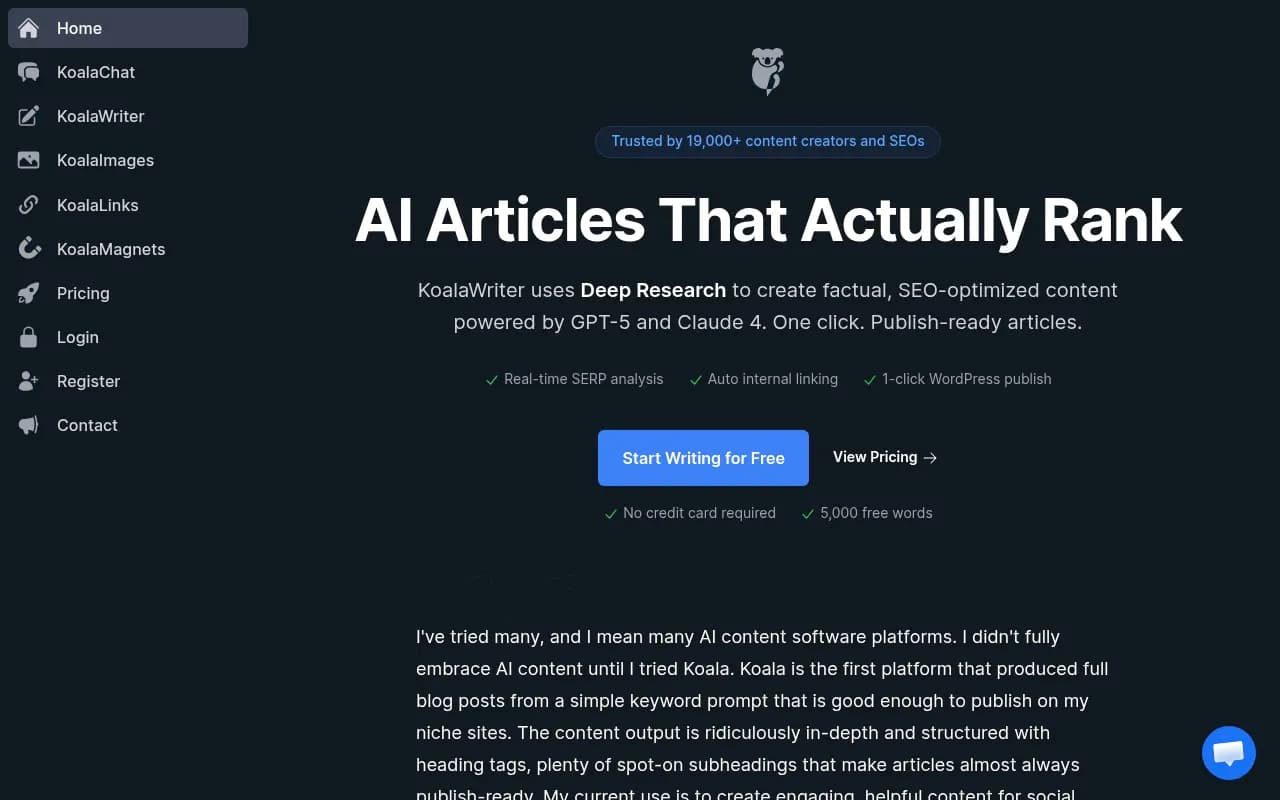
Many bulk writers promise a hundred articles from a keyword list. Tools in this category include Article Forge, Byword, and Koala AI.
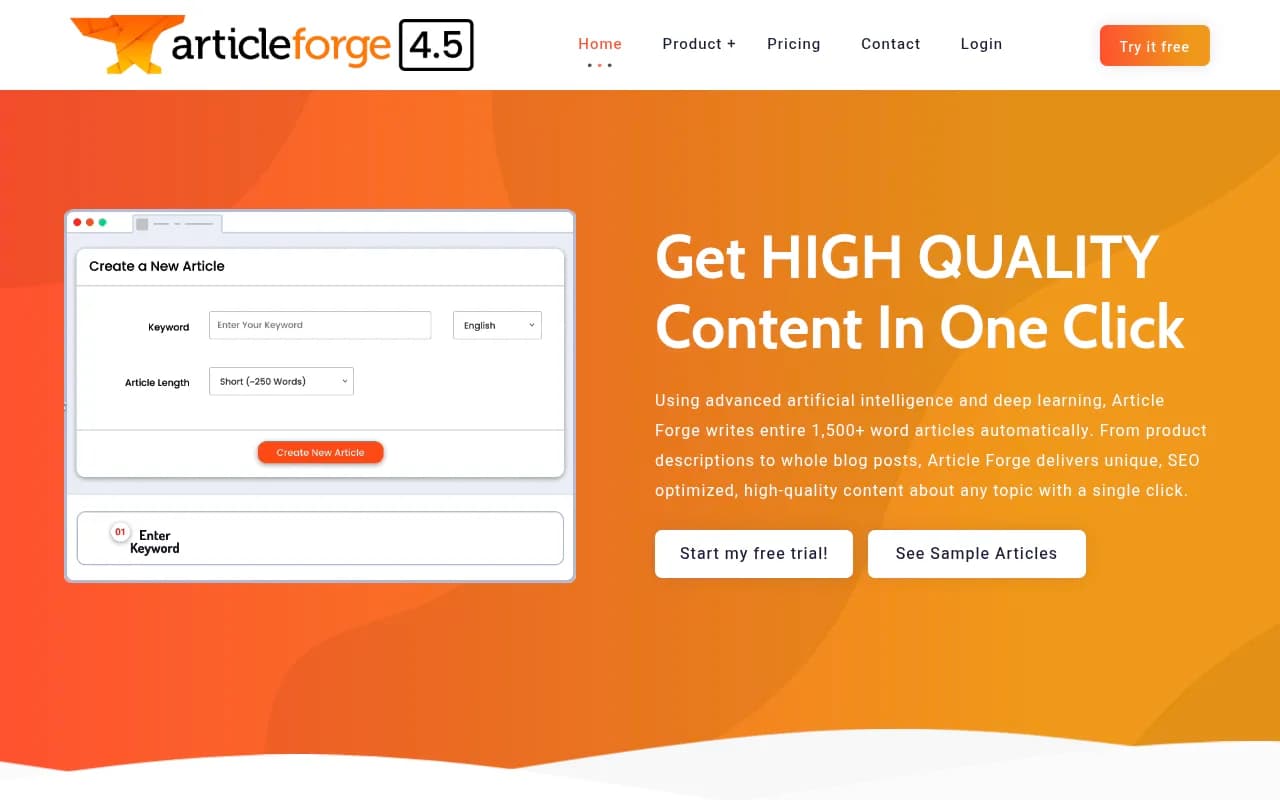
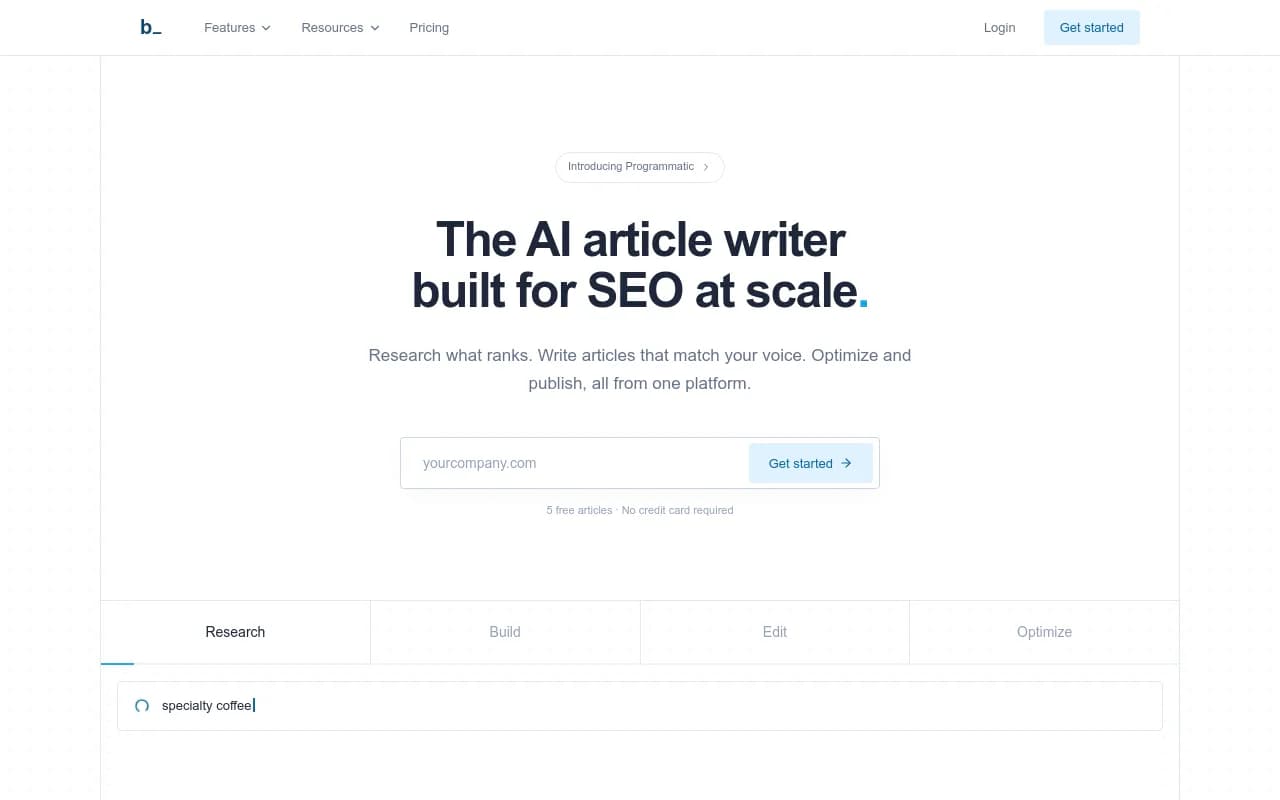
To be fair, these tools aren't useless. The problem is the claim that volume alone wins. What gets cited is the page type and the freshness, not the word count. Promptwatch's ChatGPT data shows product pages as the most cited content type at 22.4% of citations (Sep 28 to Oct 4, 2026), followed by landing pages and listicles. See which content types ChatGPT cites most. A hundred thin blog posts are not a hundred product pages.
Bulk generation works when it's grounded in real gaps and real data. As a pure volume play, it fails.
Claim 5: Citation tracking equals revenue
Dozens of lightweight trackers tell you whether your brand was mentioned. That is useful, and I'd rather have it than not. But "mentioned" is not "sold."
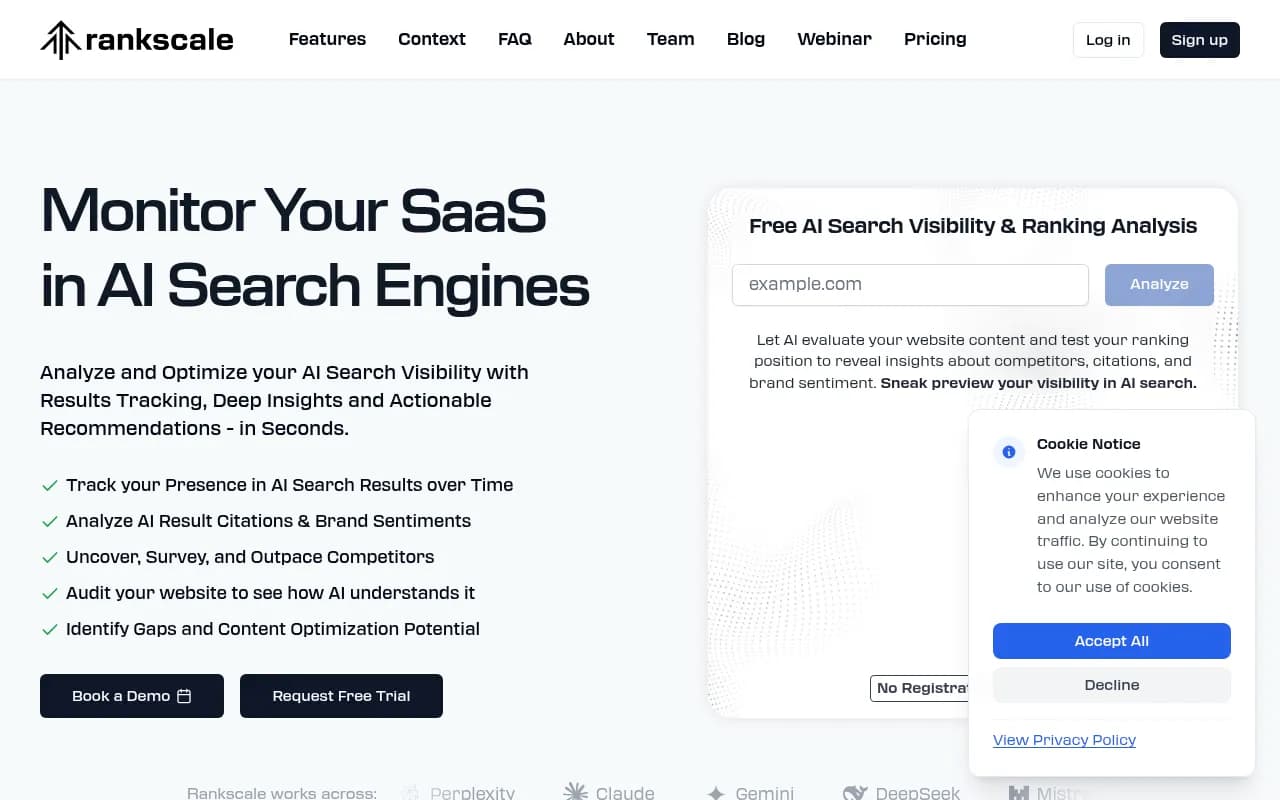
The tools in the basic-tracker tier include Otterly.AI, Peec AI, and Rankscale. They answer one question well. They typically don't show crawler logs, visitor analytics, or what a mention did to your pipeline.
Otterly.AI


The fix is to connect mentions to traffic and conversions. Promptwatch is one platform that ties AI visibility to visitor analytics and then to content actions, which is the difference between a dashboard and an optimization workflow.

Claim 6: API-based tracking shows what your customers see
Some tools query model APIs and call it "ChatGPT tracking." The answers real users see in the ChatGPT interface, including citations and shopping results, can differ from what the API returns. API outputs show what a model believes from training. UI outputs show what users actually get.
When evaluating a tracker, ask one blunt question: does it capture the real interface, by country and language, or an API call? Most vendors answer vaguely. Ask for a sample.
Claim 7: Get cited once and you're set
Vendors love to show a screenshot of a brand appearing in an answer. It looks permanent. It isn't.
Promptwatch's content half-life study tracked every page ChatGPT cited on July 6, 2026 for 90 days. News pages lost half of their citations within 36 days. Product pages, reviews, and how-tos reached half-life at roughly 74 to 77 days. Landing pages and docs held up longest, with 78% and 76% still cited after 30 days. The details are in the content half-life report.
So a one-time citation win decays. Anyone selling you a "set and forget" AI visibility package hasn't looked at decay curves.
Part two: five claims that hold up
Claim 1: AI-generated content can rank
The myth says Google and LLMs detect and suppress AI-written text. MarTech included this among the debunked myths: purely AI-generated content is not capped at mediocre performance by default. Quality, usefulness, and fit with the query still decide.
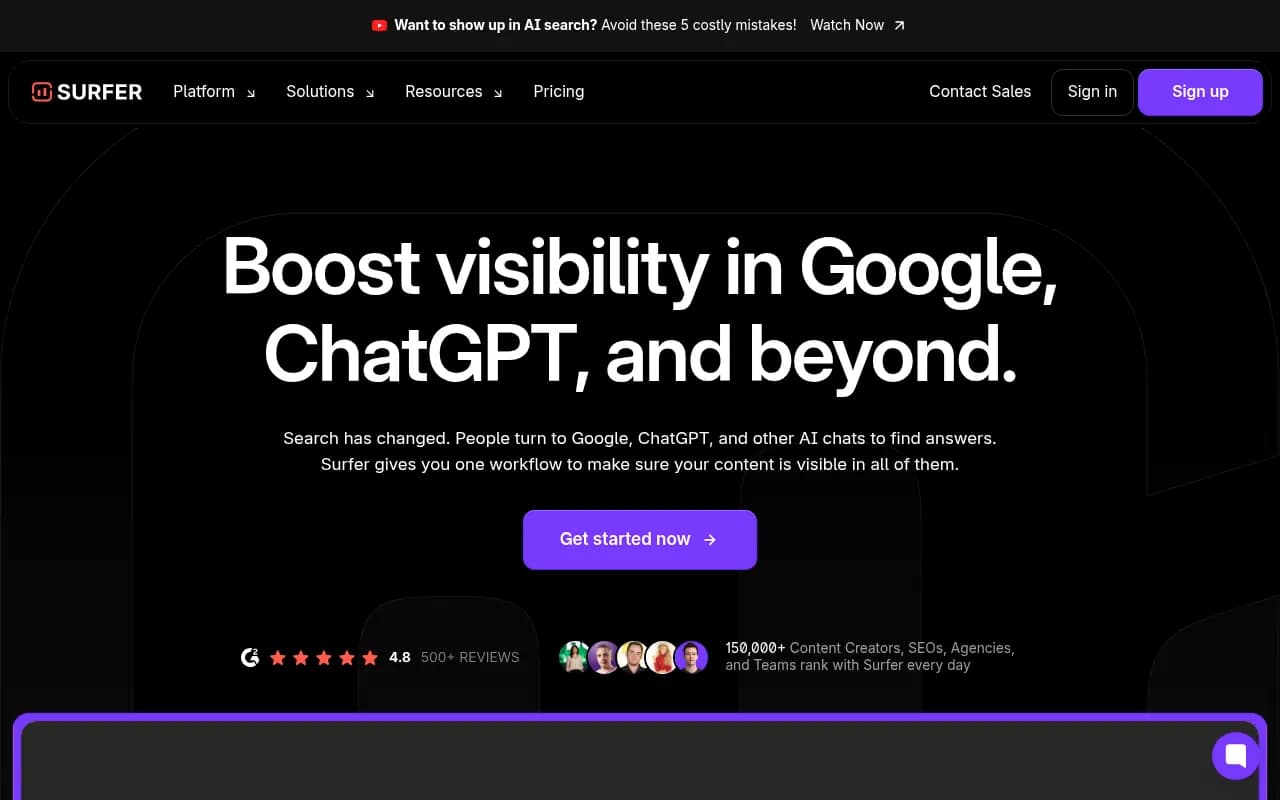
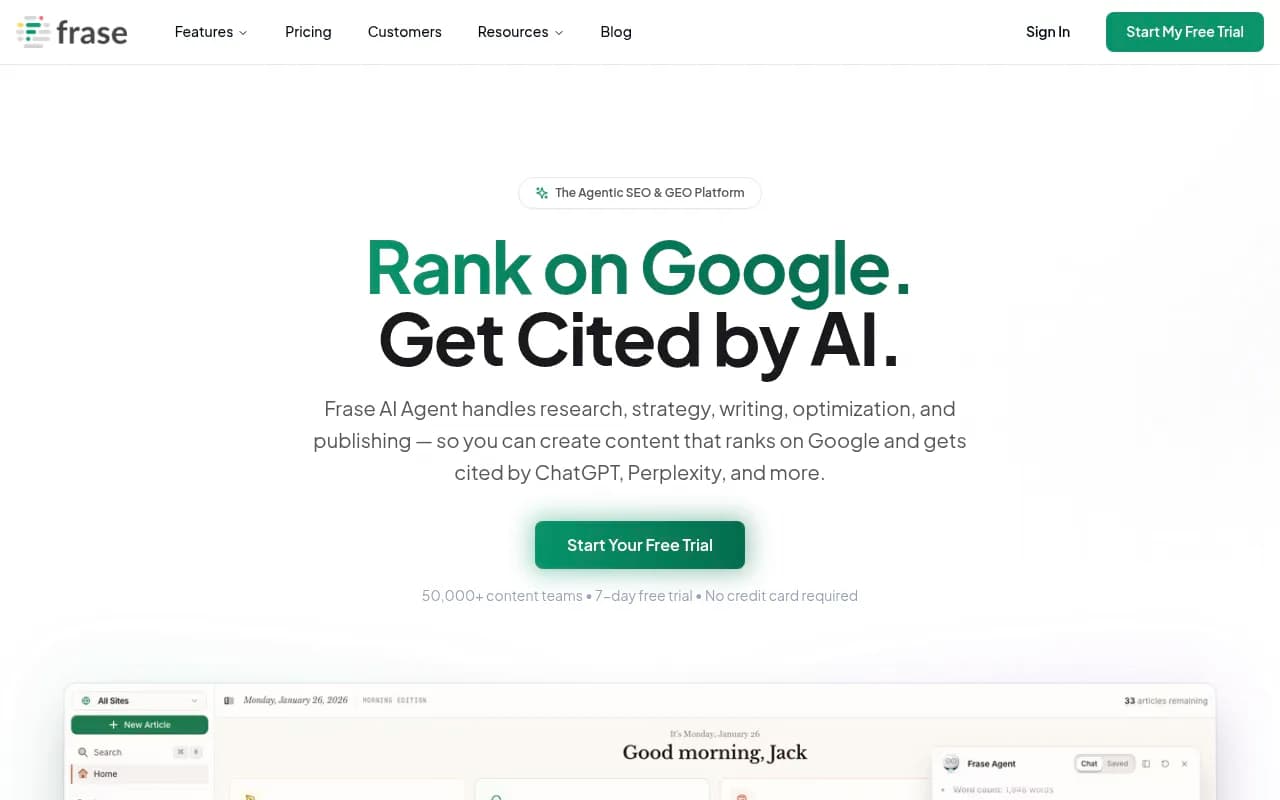
That doesn't mean unreviewed output is fine. It means the tool isn't the issue, the editing is. Platforms like Surfer SEO, Clearscope, and Frase are useful here because they ground drafts in what the top results cover.

Claim 2: JavaScript rendering problems cost you citations
The opposite myth is that AI crawlers handle JavaScript like a browser. The MarTech piece lists "LLMs have no problems with JavaScript" as a myth, and Promptwatch's markdown report says the same thing from the practical side: fix pages that depend on client-side JavaScript first, because a page a retrieval system can't parse loses citations.
If your site is built with a JavaScript framework, prerendering is a legitimate fix. Options in the catalog include Prerender.io and DataJelly. Check your rendered HTML with a crawler like Screaming Frog before you assume anything.
Claim 3: Different AI engines cite very different sources
This claim is true, and it's expensive to ignore. In Promptwatch's October 2026 data (Sep 28 to Oct 4), social platforms made up 0.46% of ChatGPT citations but 12.2% of Google AI Overviews citations, about 26 times as much. Perplexity sat at 2.7%. Full numbers are in the social media citations by AI model report.
Reddit makes the point harder. Its share of ChatGPT citations fell from about 4% to 0.5% on August 14, 2026, while Google surfaces declined more gradually. See the Reddit citation drop. A single "AI visibility score" that blends all engines hides this. Look for per-engine reporting.
Claim 4: Crawler logs tell you why you are or aren't visible
This claim holds up because it's checkable. If an AI bot can't reach a page, hits errors, or never visits it, no amount of content polish will fix that. Server logs show you. Promptwatch also publishes weekly AI crawler traffic data for benchmarking, and you can see how fast things shift: Meta-WebIndexer went from about 2% to nearly 38% of tracked AI crawler requests between mid-July and August 9, 2026 (source).
Some tools in this area include Siteline AI and Scriptbee, and Promptwatch has IP-verified crawler logs built in. Most pure prompt trackers have none.
Claim 5: Keep key pages fresh, and match effort to page type
The half-life data supports a practical rule. Keep prices, features, and specs current on landing, docs, and pricing pages, since those stay cited longest. Treat news as a short burst of visibility. This is a claim vendors rarely make because it's boring, but it's the one you can act on this week.
Comparison: what to ask each type of tool
| Tool type | Claim to test | What passes | Example tools |
|---|---|---|---|
| Basic AI trackers | Citation tracking shows impact | Visitor analytics, conversions | Otterly.AI, Peec AI |
| Optimization platforms | Fixes get results | Published pages tracked for crawls, citations, clicks | Promptwatch |
| Content scalers | Volume wins | Grounded in gap data, human review | Byword, Koala AI |
| Content optimizers | Scores improve rankings | Test on your own pages | Surfer SEO, Clearscope |
| Prerender tools | JS is a problem | Rendered HTML verified in a crawl | Prerender.io, DataJelly |
| SEO suites | AI add-on is complete | Real-UI data, real prompts | Semrush, Ahrefs |
A checklist before you buy
- Ask whether data comes from the real interface or an API.
- Ask for per-engine breakdowns, not a blended score.
- Ask how the tool connects a mention to traffic or a conversion.
- Ask whether it shows crawler activity on your site.
- Ask what changed in the last 90 days, because this field moves fast.
- Run a 30-day trial against your own Search Console data.
For more tools in this category, the GEO software directory at bestgeosoftware.com is a decent place to compare options side by side.
Bottom line
The claims that fall apart are the ones that are cheap to say and expensive to test: search is dead, markdown files win, one citation is forever. The claims that hold up are mundane. Content quality matters, crawlers need to read your pages, engines behave differently, and freshness depends on page type. Pick tools that let you verify those things yourself, and be skeptical of anyone who won't show you the data.