Key takeaways
- An agency SEO stack in 2026 needs four layers: reporting and client portals, rank and technical monitoring, content optimization, and AI search visibility tracking.
- Reporting tools like AgencyAnalytics, Whatagraph, and SE Ranking save the most time. White-label scheduling and client logins are the features that matter.
- Most roundups, including several cited here, are affiliate-linked or written by vendors. Treat their rankings as starting points and trial anything you plan to resell.
- AI search is now a billable service. ChatGPT cites about 5 sources per answer, Google AI Overviews about 10, so you have to report on each engine separately.
- Three to five well-chosen tools beat a bloated stack. Match the tools to your biggest bottleneck.
What agencies actually need from AI SEO tools
Every week another tool promises to 10x rankings. Most deliver suggestions you could find in a quick Google search. Agencies have a different problem than in-house teams: you have many clients, thin margins, and a monthly report that eats senior hours.
So judge tools on agency criteria, not feature counts:
- Can it run across many client accounts without per-seat pain?
- Does it produce white-label reports and client logins?
- Does it connect rankings to page-level actions, so you can show clients what your work caused?
- Does it cover AI search (ChatGPT, Perplexity, AI Overviews), since clients now ask about it?
- Is pricing predictable when you add client number twelve?
A note on sources. I leaned on several 2026 roundups from OneLittleWeb, Rankability, Whatagraph, AgencyAnalytics, and others. Almost all of them are written by a company that sells something or earns affiliate commission. OneLittleWeb's list carries a Semrush affiliate banner, and its claim of 76% SEO traffic growth and 1,900% LLM traffic growth for one AI SaaS client is a single vendor case study with no independent verification. Useful signal, not proof.
The four layers of an agency stack
| Layer | Job | Example tools |
|---|---|---|
| Reporting and client management | White-label reports, portals, scheduling | AgencyAnalytics, Whatagraph, SE Ranking |
| Research and rank tracking | Keywords, backlinks, SERP tracking | Semrush, Ahrefs, AccuRanker, SE Ranking |
| Content and on-page | Briefs, optimization, drafts | Surfer SEO, Clearscope, Frase, MarketMuse |
| AI search visibility | Mentions, citations, AI traffic | Promptwatch, Profound, Otterly.AI, Peec AI |
Plus a foundation of free tools: Google Search Console, Google Analytics, and Microsoft Clarity. Rankability's author lists Search Console and GA4 as absolute musts, and I agree. Everything else sits on top of first-party data.
Reporting and client management
Agencies live and die by client reporting. AI-assisted reporting compresses what used to be a half-day job into minutes, but only if the tool connects to the data sources you already use.
AgencyAnalytics
AgencyAnalytics is the name that comes up most in agency roundups. It combines rank tracking, site audits, backlink monitoring, and automated client reporting in one platform, with native integrations to 85+ marketing tools, white-label dashboards, scheduled reports, and client portals with permissions. Each client gets their own login to view real-time dashboards, and you control what they see.
The appeal is that clients stop emailing you for numbers. The downside, common to all-in-one tools, is that its research depth does not match a dedicated Ahrefs or Semrush subscription. Pricing was not verified for this guide, so check the current per-client structure before you build your margins around it.
Whatagraph
Whatagraph pulls GA4, Search Console, Ahrefs, and Semrush into one branded report. It also lets you query your SEO data from Claude or ChatGPT via MCP, which is a practical way to answer ad hoc client questions without building a new dashboard each time.
SE Ranking
OneLittleWeb names SE Ranking its pick for white-label reporting. The reviewer says scheduled weekly rank reports for clients delivered consistently for over a year with no failed sends. That kind of boring reliability is what you want. It also covers rank tracking, audits, and content tools, so smaller agencies can run much of their workflow in one place.
Other reporting options
If your clients already live in dashboards, Looker Studio is free and flexible but takes setup time. Raven Tools is an older reporting platform, and Improvado suits agencies with heavy multi-source marketing data.

Research, rank tracking, and technical audits
Nobody has replaced the big research suites with AI. Most have just bolted AI features onto them.
Semrush and Ahrefs
Semrush is the broad all-in-one: keywords, backlinks, competitor research, and now AI search features. Ahrefs is stronger on backlinks and content gaps, and has a Brand Radar for AI visibility. Many agencies pay for one and borrow the other's data through trials or client accounts. Neither is cheap, so price the seats against your client count.
Rank tracking
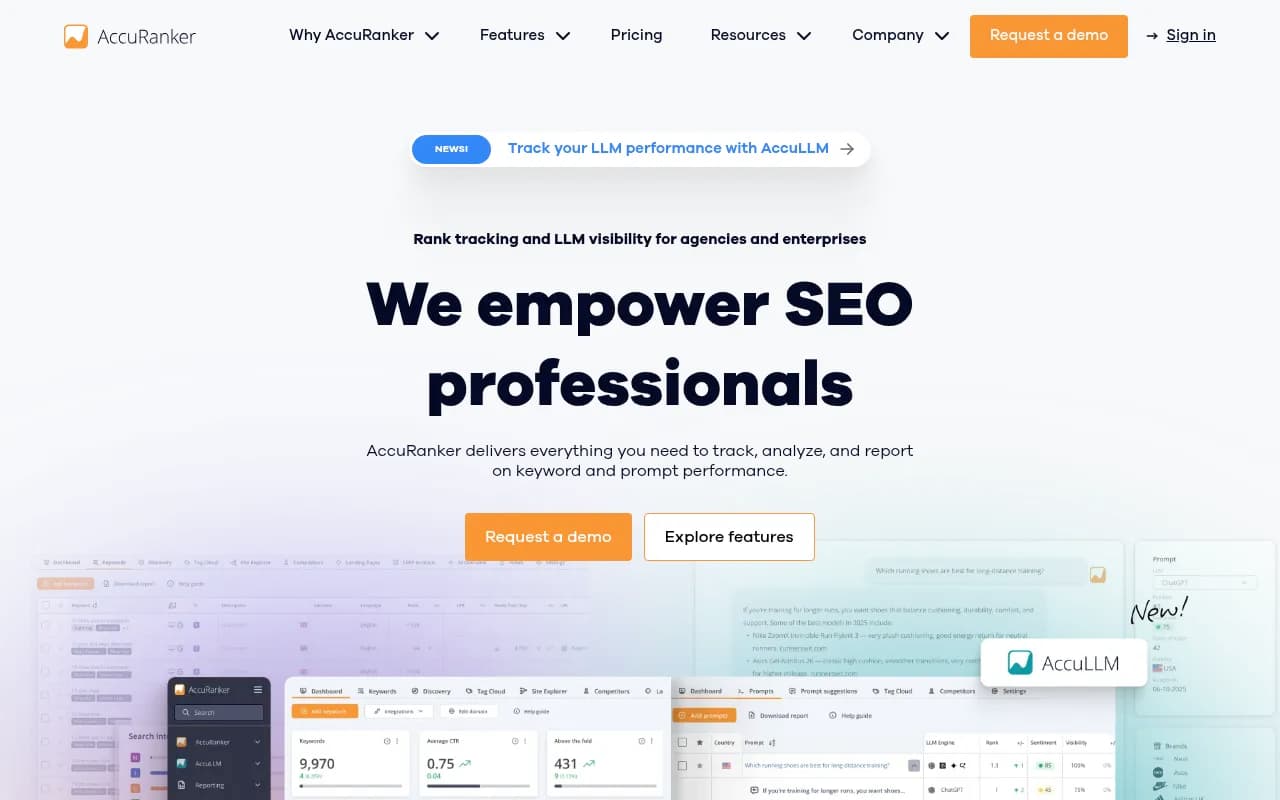
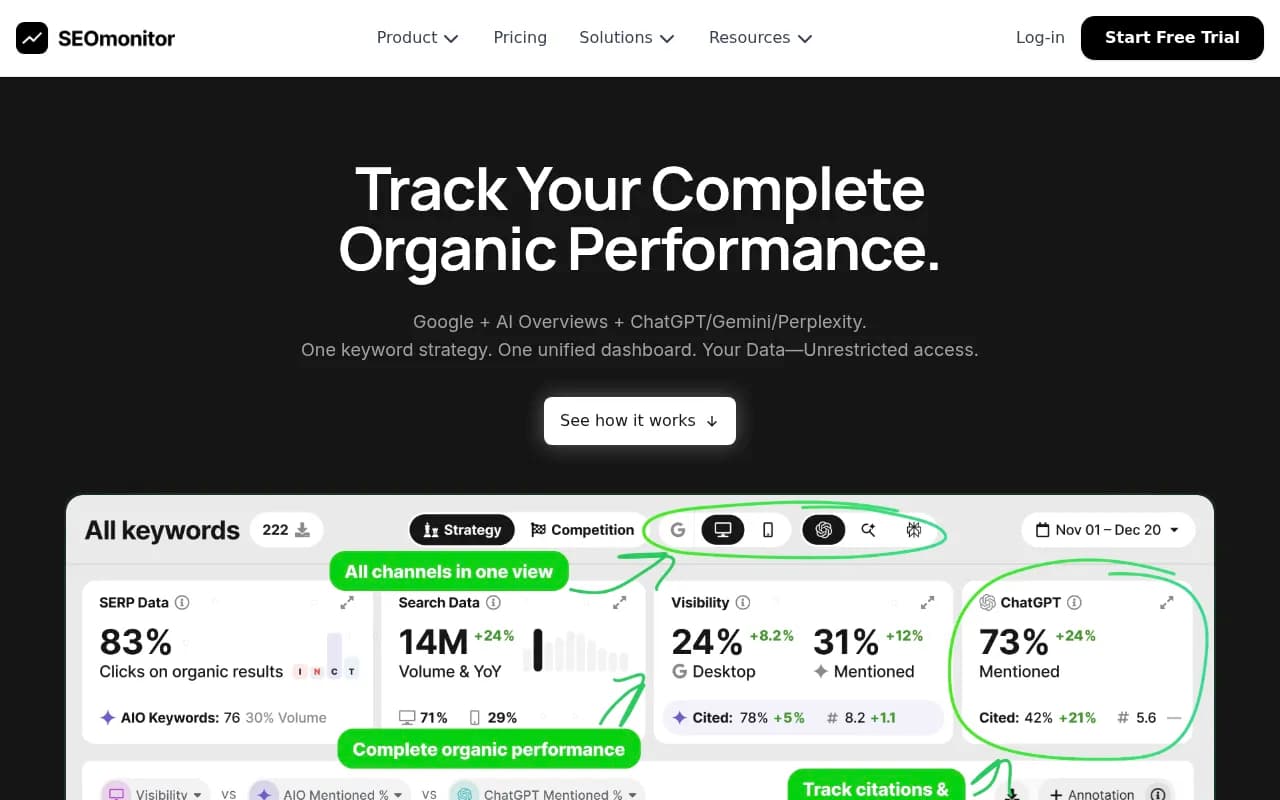
AccuRanker does real-time, on-demand rank updates and is built with agencies in mind. SEOmonitor combines AI and traditional rank tracking for agencies. Advanced Web Ranking is the enterprise-grade choice when you have large keyword sets.
Technical audits
Screaming Frog remains the standard desktop crawler and has a free tier. Sitebulb turns audits into prioritized hints that are easier to hand to a junior or a client. Both beat generic AI audit tools for depth.

The agency-built option
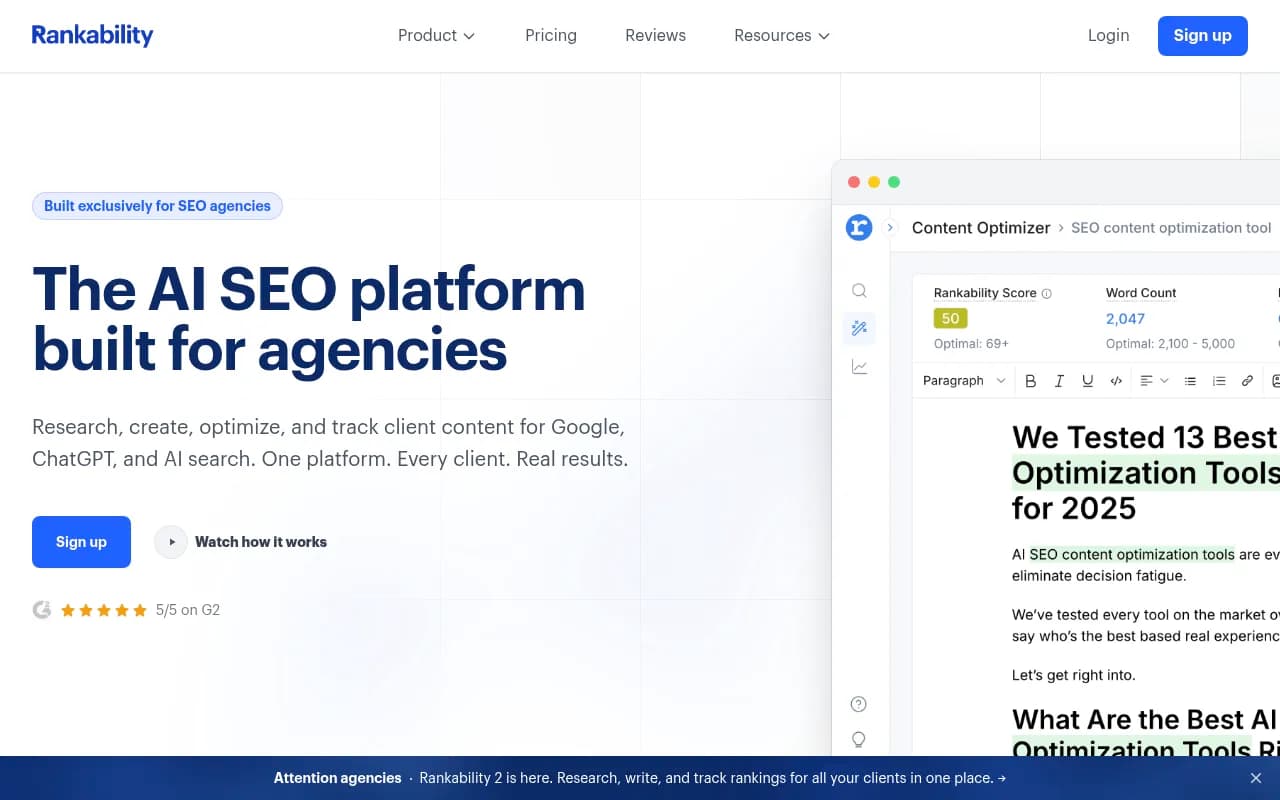
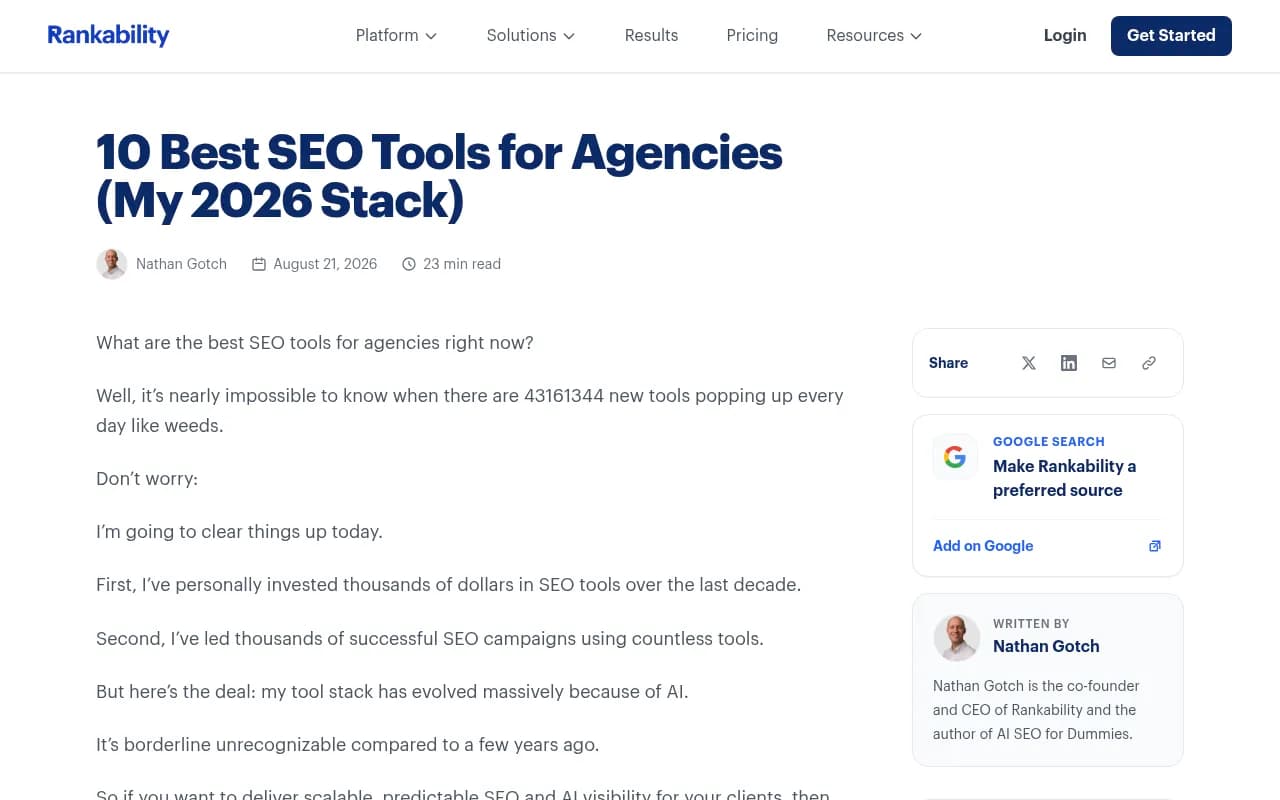
Rankability, written about by its own founder, is positioned as a multi-client platform for Google and AI search campaigns. His pitch is that it is his daily driver, and he also describes connecting it to Claude or Codex. That is a vendor describing his own product, so run a trial rather than trusting the framing.
Content and on-page optimization
AI writing tools are everywhere, and most produce the same flat copy. The ones worth paying for ground content in SERP data.
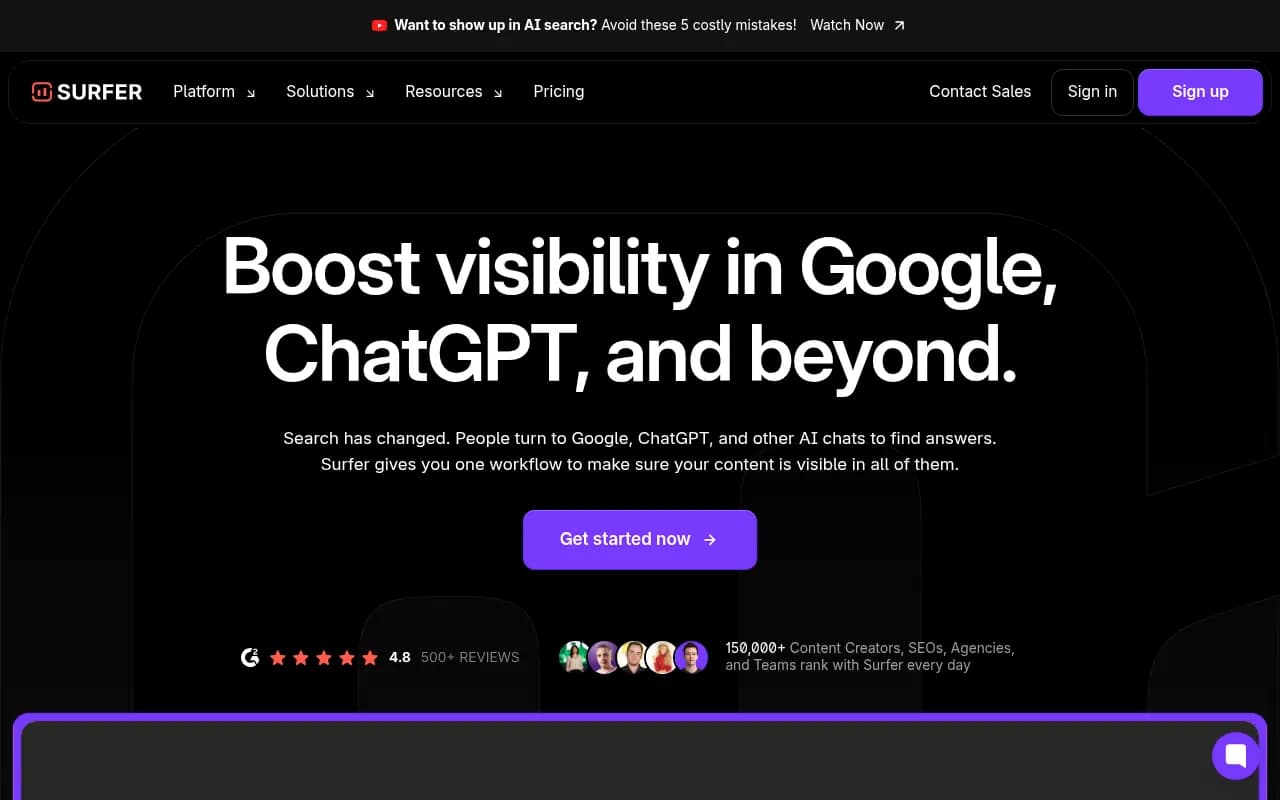
- Surfer SEO and Clearscope score drafts against top-ranking pages. Clearscope is pricier and favored by editorial teams.
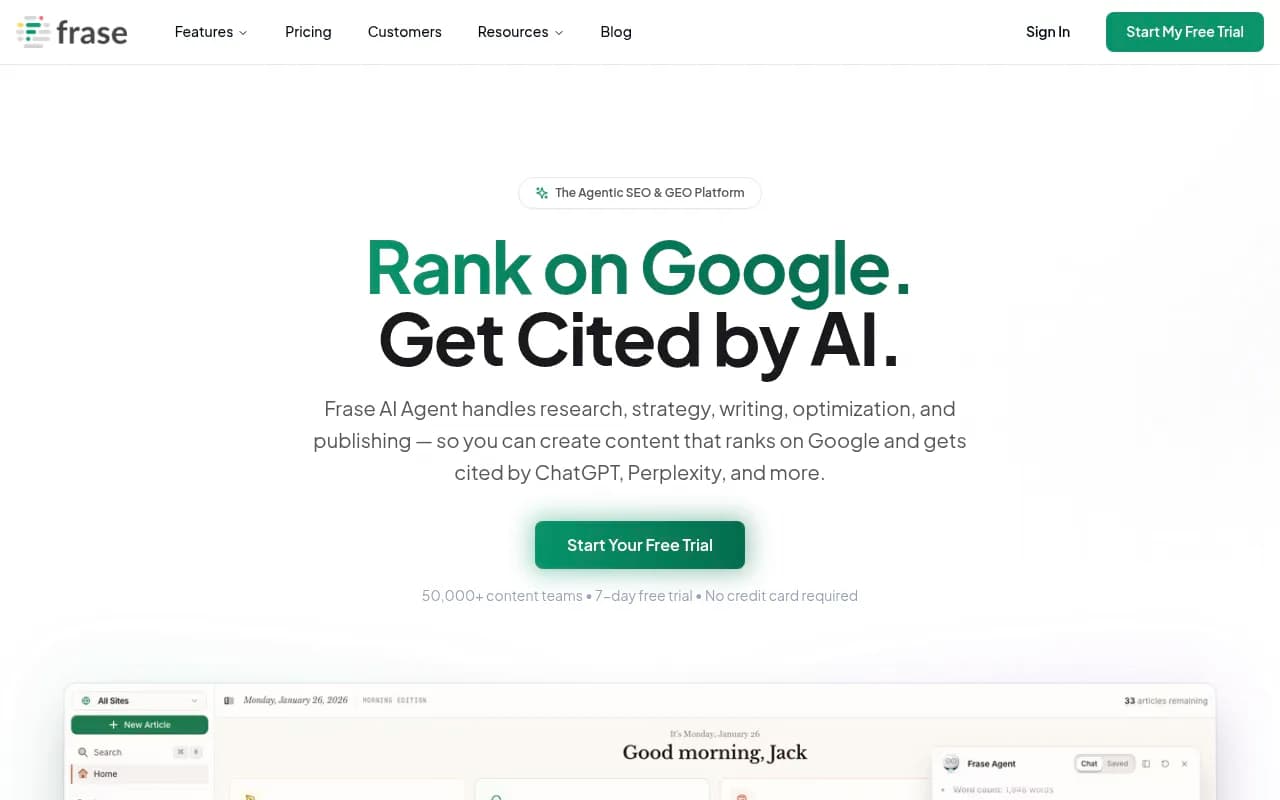
- Frase is quicker for briefs and research.
- MarketMuse is stronger at topic strategy across a whole site.
- Semrush Writing Assistant is handy if you already live in Semrush.

My opinion: use these for briefs and optimization, and keep a human editor on every client deliverable. Pure generation at scale is where agencies get burned on quality and client trust.
AI search visibility: the new billable service
Clients now ask "are we showing up in ChatGPT?" and you need an answer that is more than a screenshot. This is where agencies can add a new retainer line, but only if you can measure it.
Two data points from Promptwatch Data shape how you should report. First, ChatGPT cites about 5 sources per web-search answer while Google AI Overviews cites about 10, so ChatGPT has half the citation slots. Track each engine separately rather than assuming one predicts the other. Second, for software prompts in the week of Sep 28 to Oct 4, 2026, G2, Gartner, Capterra, and Software Advice together earned 1.57% of ChatGPT citations, more than any single vendor, and docs and help centers took the largest share. If your client sells software, review profiles and documentation are part of the job, not an afterthought.
What to look for in a tracker
There is a real difference between tools that tell you whether you were mentioned and tools that help you fix the reason you were not. For agency work, check:
- Does it track the real user interface of each engine, not just API output?
- Can you run many clients with separate projects and white-label reports?
- Does it show which pages get cited and tie AI visits to traffic?
- Does it do anything after the report, such as content gaps or drafting?
Promptwatch
Promptwatch is the platform 1001 SEO Media uses for this. Beyond prompt tracking it includes IP-verified AI crawler logs, visitor analytics, content gap analysis, and a Content Agent that writes and publishes to WordPress, Webflow, or Framer. Agency plans start at $199/month (Kick-off) with unlimited projects and prompts, white-label reports, and a client portal, and there is a 7-day trial on monthly plans. Confirm current pricing at promptwatch.com/pricing.

Other trackers worth a look
| Tool | Strength | Watch out for |
|---|---|---|
| Profound | Enterprise monitoring depth | Higher price point |
| Otterly.AI | Simple, affordable tracking | Monitoring only |
| Peec AI | Clean tracking for marketing teams | Limited beyond tracking |
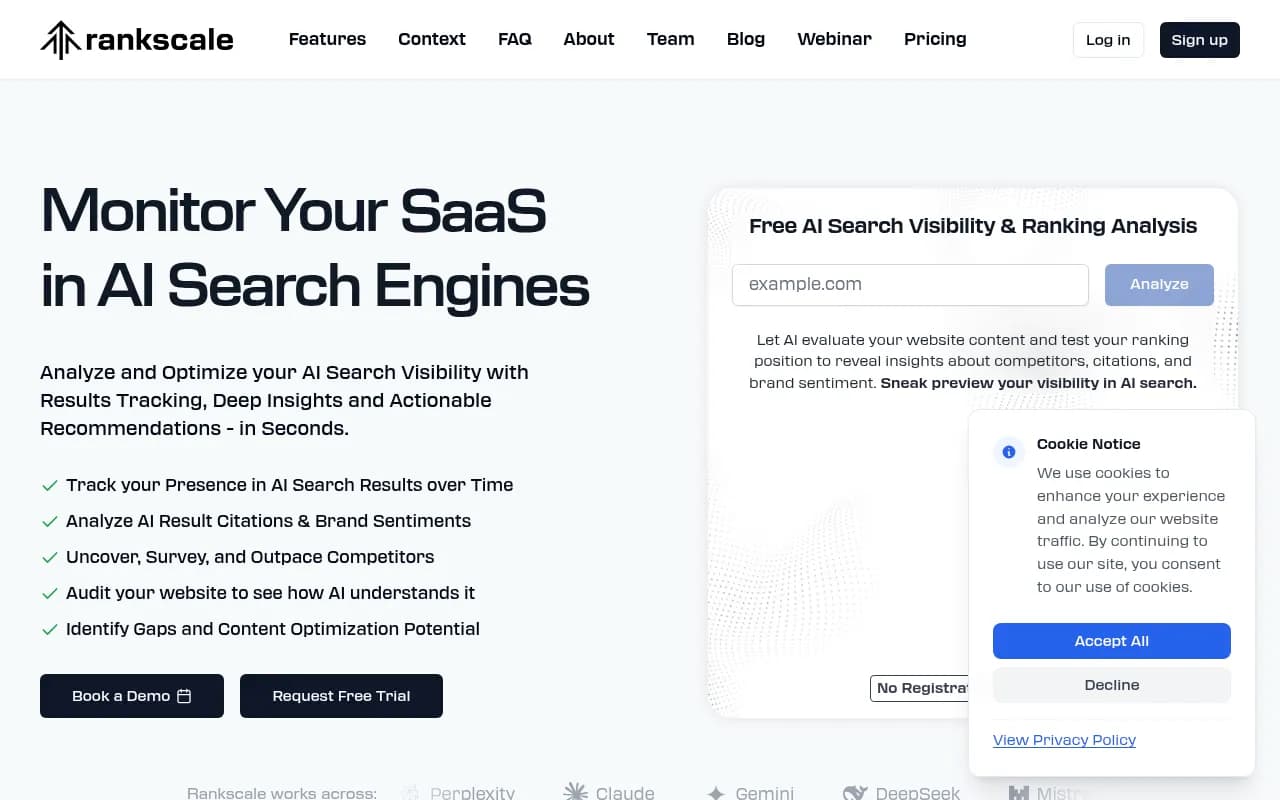
| Rankscale | Agency-focused tracking | Narrower feature set |
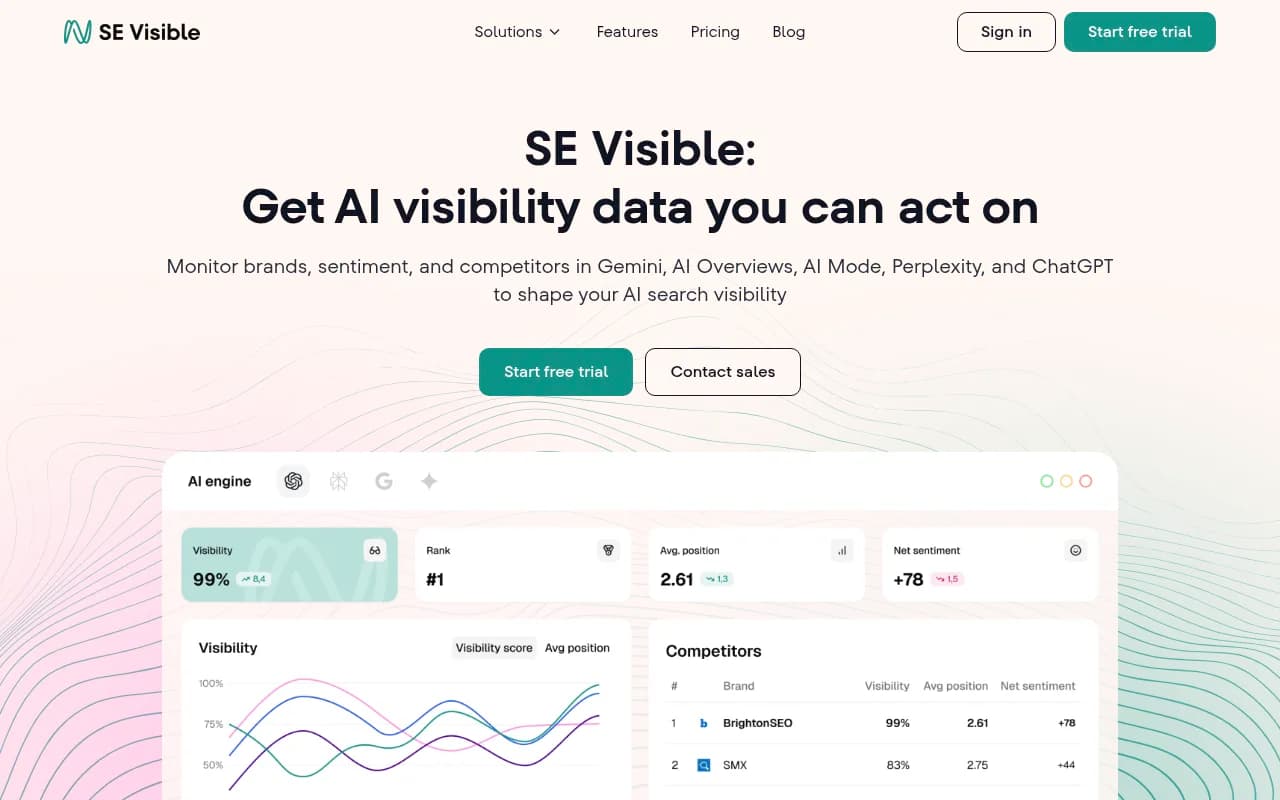
| SE Visible | Natural add-on for SE Ranking users | Tracks but does not fix |
| Semrush AI Toolkit | Lives inside a suite you may own | Shallower AI-specific data |
Profound

Otterly.AI


For a wider view, the GEO software directory at bestgeosoftware.com and the AI rank tracker listings at ai-rank-tools.com compare far more options.
Suggested stacks by agency size
| Agency size | Reporting | Research and tracking | Content | AI visibility |
|---|---|---|---|---|
| Solo or 1-5 clients | Looker Studio or SE Ranking | SE Ranking plus Search Console | Frase | Free report, then entry plan |
| Small, 5-20 clients | AgencyAnalytics or Whatagraph | Semrush or Ahrefs, Screaming Frog | Surfer SEO | Promptwatch agency plan |
| Mid-size, 20+ clients | AgencyAnalytics plus custom dashboards | Ahrefs and Semrush, AccuRanker | Clearscope, MarketMuse | Promptwatch Scale or enterprise tool |
These are starting points. The right stack depends on where your hours leak. If reporting eats Fridays, fix reporting first. If clients ask about ChatGPT and you have no answer, start with visibility tracking.
How to prove real results to clients
Tools do not create results. They help you show them. A few habits that hold up:
- Report outcomes, not activity. Pair rankings with Search Console clicks and GA4 conversions.
- Separate Google results from AI results. Each AI engine behaves differently, so one blended number hides problems.
- Tie AI visibility to traffic. Mentions alone do not convince a CFO. Visits and conversions do.
- Record a baseline before you start. A before and after on the same prompts and pages is your best case study.
- Be skeptical of vendor stats. Treat claims like a 1,900% traffic jump as marketing until you can see the methodology.
Before you commit: verify these
Plan prices, client and seat limits, and white-label tier details change often and were not independently verified for several tools above. Before you build a proposal around any tool:
- Get current per-client or per-project pricing in writing.
- Test the white-label report with a real client's data.
- Check which AI engines a tracker covers and whether it uses real interfaces.
- Ask what happens to your data if you cancel.
If you would rather hand off the AI search side entirely, 1001 SEO Media offers GEO and technical SEO as a service. Otherwise, pick two or three tools from the layers above, run each against one real client for a month, and keep only what saves you hours or wins you a renewal. A directory like surferstack.com helps with the shortlist.