Key takeaways
- AI Overviews now appear on nearly half of all Google searches, and brands cited in them earn 35% more organic clicks than those appearing only in traditional results
- The same on-page signals that help Google rank your content also make it more likely to be cited by AI models -- they're not separate strategies
- Structured, authoritative, fast-loading content is the common denominator across both Google rankings and AI citations
- Entity clarity, answer blocks, and original data are the three highest-leverage changes you can make right now
- Tracking your AI visibility separately from traditional rankings is increasingly important -- the two don't always move together
Something shifted in early 2026. Google's March Core Update -- which started rolling out March 27, just days after the fastest spam update in Google's history -- showed measurable ranking shifts on over 55% of tracked websites within two weeks. The community consensus: tightened E-E-A-T requirements, heavier weighting on information gain, and what many believe is the first core update to use Gemini's semantic filter to detect low-quality AI-generated content at scale.
At the same time, AI Overviews are showing up on nearly half of all Google searches. Zero-click queries now account for 60% of searches. AI search traffic is up 527% year-over-year.
The good news is that optimizing for AI citations and optimizing for Google rankings are not two separate jobs. The same signals that tell Google your content is authoritative and well-structured are the signals that make AI models want to cite you. Here are 10 on-page changes that serve both goals.
1. Write direct answer blocks at the top of each section
AI models don't read your page the way a human does. They scan for the most direct, quotable answer to a question -- then pull it. If your answer is buried in paragraph four after three sentences of context-setting, you're less likely to get cited.
The fix is simple: lead each major section with a 2-3 sentence direct answer, then expand below it. Think of it like an inverted pyramid. The answer comes first, the supporting detail follows.
This also helps with featured snippets and People Also Ask boxes in traditional Google results. One change, two benefits.
2. Add structured data (schema markup) for your content type
Schema markup is no longer optional. It's how you communicate directly with both Google's crawlers and the AI systems that read your pages.
For articles and guides, use Article or FAQPage schema. For products, use Product schema with reviews and pricing. For local businesses, LocalBusiness schema with consistent NAP (name, address, phone) data.
The FAQPage schema is particularly useful for AI Overview citations -- it packages your Q&A content in a format that AI models can parse cleanly. If you have a FAQ section on a page, mark it up.
Tools like Screaming Frog can audit your existing schema implementation and flag errors.
3. Improve your E-E-A-T signals at the page level
Google's March 2026 Core Update tightened E-E-A-T (Experience, Expertise, Authoritativeness, Trustworthiness) requirements, especially for YMYL (Your Money or Your Life) content. But this isn't just a Google ranking factor -- AI models are trained on the same signals.
At the page level, this means:
- Author bylines with credentials and links to author bio pages
- First-person experience signals ("I tested this", "In our analysis of X customers...")
- Publication dates and last-updated dates, clearly visible
- Citations to primary sources (studies, official documentation, named experts)
- A clear organizational identity -- who wrote this, who published it, why they're qualified
If your pages are anonymous or feel like they could have been written by anyone, that's a problem in 2026.
4. Use precise data and cite your sources inline
One of the clearest patterns in AI citation behavior: AI models prefer pages that cite specific numbers, studies, and named sources over pages that make general claims.
"Conversion rates improve with faster load times" is less citable than "Pages that load in under 2 seconds convert at 2.4x the rate of pages that take 5+ seconds, according to Google's 2025 Core Web Vitals report."
This is also what the SEO community calls "information gain" -- the degree to which your content adds something genuinely new beyond what already ranks. The March 2026 Core Update specifically weighted this more heavily. Generic content that restates what's already out there is getting squeezed.
Original research, proprietary data, and specific case studies are your highest-leverage content investments right now.
5. Fix your page speed and Core Web Vitals
This one is blunt: slow pages don't get cited in AI Overviews. One analysis found that a site taking 5 seconds to load simply won't appear in AI Overview citations, regardless of content quality.
Core Web Vitals -- Largest Contentful Paint (LCP), Interaction to Next Paint (INP), and Cumulative Layout Shift (CLS) -- remain direct ranking factors for Google. But they're also a proxy for trustworthiness and technical quality that AI systems factor in when deciding which sources to surface.
Run your pages through Google PageSpeed Insights and prioritize:
- LCP under 2.5 seconds
- INP under 200ms
- CLS under 0.1
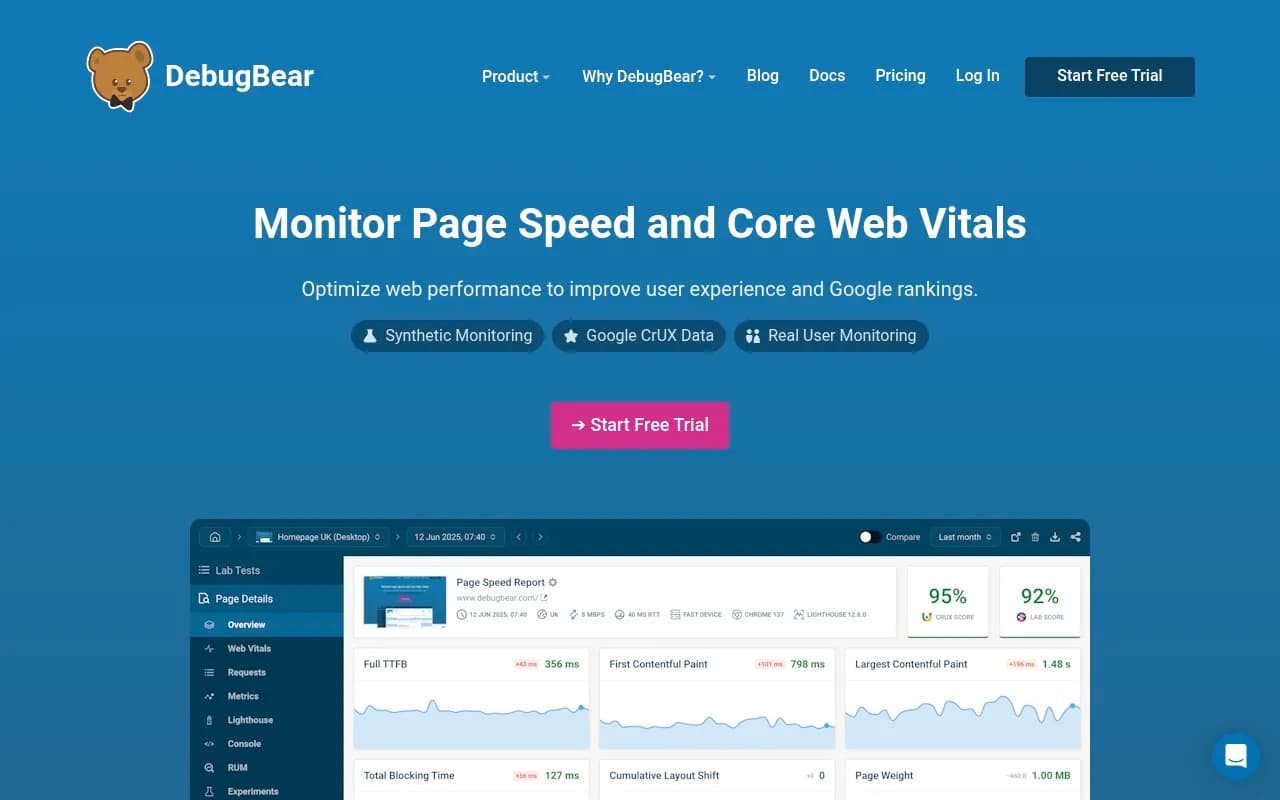
If you want ongoing monitoring rather than one-off checks, DebugBear tracks performance regressions in real time.
6. Build topical depth, not just individual pages
AI models don't just evaluate a single page -- they evaluate your site's authority on a topic. A site with 30 pages covering every angle of "email deliverability" will be cited more often for email deliverability questions than a site with one excellent page on the topic.
This is the entity authority model: Google and AI systems are increasingly asking "does this domain genuinely know this subject?" rather than "does this page contain these keywords?"
Practically, this means building topic clusters: a pillar page covering the broad topic, supported by cluster pages covering specific subtopics, all internally linked. The internal linking is important -- it signals to both Google and AI crawlers how your content relates.
Tools like MarketMuse and Clearscope can help you identify topical gaps and prioritize what to write next.

7. Optimize your title tags and meta descriptions for intent, not just keywords
Title tags still matter for Google rankings. But in 2026, Google is also testing AI-generated headlines -- meaning your title tag is increasingly a signal about page intent rather than just a ranking lever.
Write title tags that answer a specific question or describe a specific outcome. "How to reduce churn in SaaS: 7 tactics that work in 2026" is more useful to both Google and AI systems than "SaaS Churn Reduction Guide."
Meta descriptions don't directly affect rankings, but they influence click-through rates -- and click-through rate data feeds back into Google's quality signals. Write meta descriptions that describe what the reader will learn or get, not what the page is about in abstract terms.
8. Use clear heading hierarchies with question-based H2s and H3s
AI models parse heading structures to understand what a page covers. A page with a clear H1, logical H2 sections, and H3 subsections is significantly easier for AI to extract citations from than a wall of text.
More specifically: phrase your H2s and H3s as questions when it makes sense. "What causes high churn in SaaS?" is a better heading than "Churn Causes" because it matches the actual query format that users (and AI models) are working from.
This also directly improves your chances of appearing in People Also Ask boxes and featured snippets in traditional Google results.
One practical check: paste your page's heading structure into a document and read it alone, without the body text. Does it tell a coherent story? If not, restructure.
9. Add or improve your FAQ sections
FAQ sections are one of the most reliable on-page changes for both Google and AI citations. They're structured, they're direct, and they match the conversational query format that AI models are built around.
A good FAQ section:
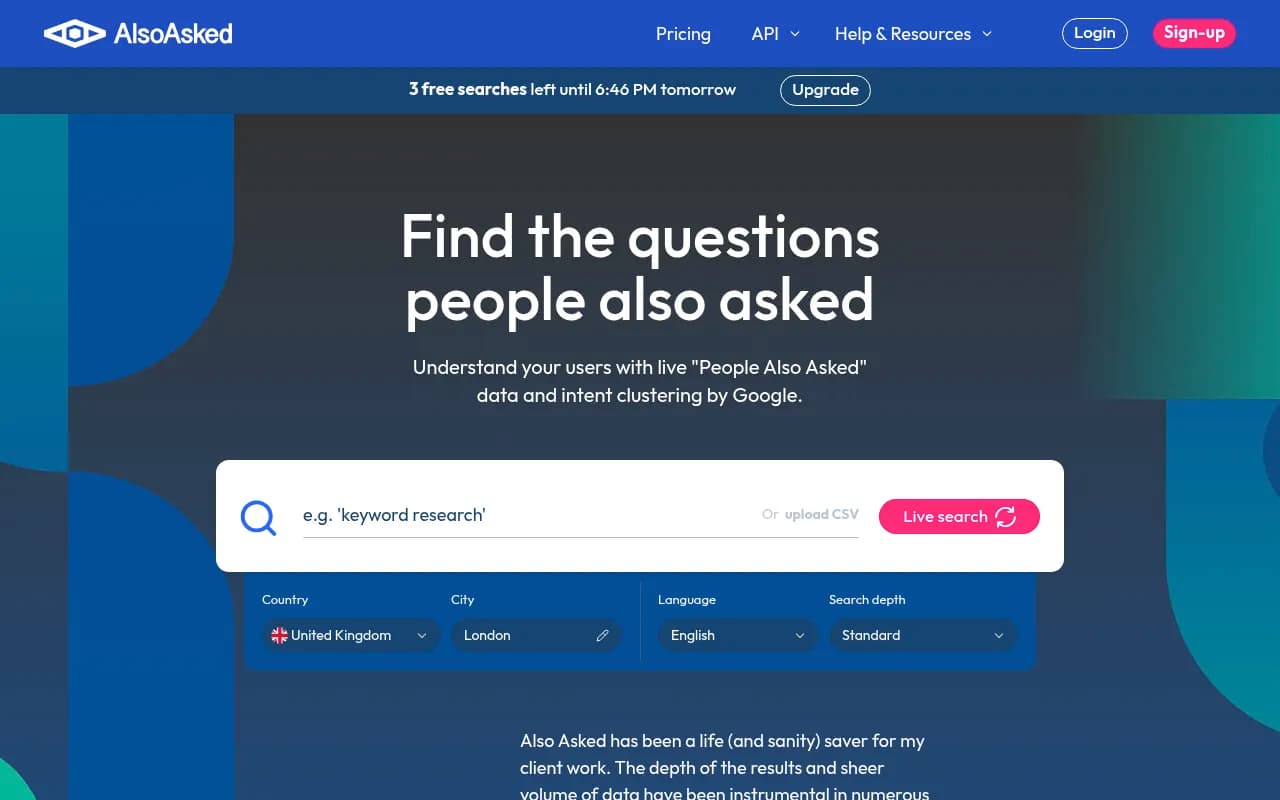
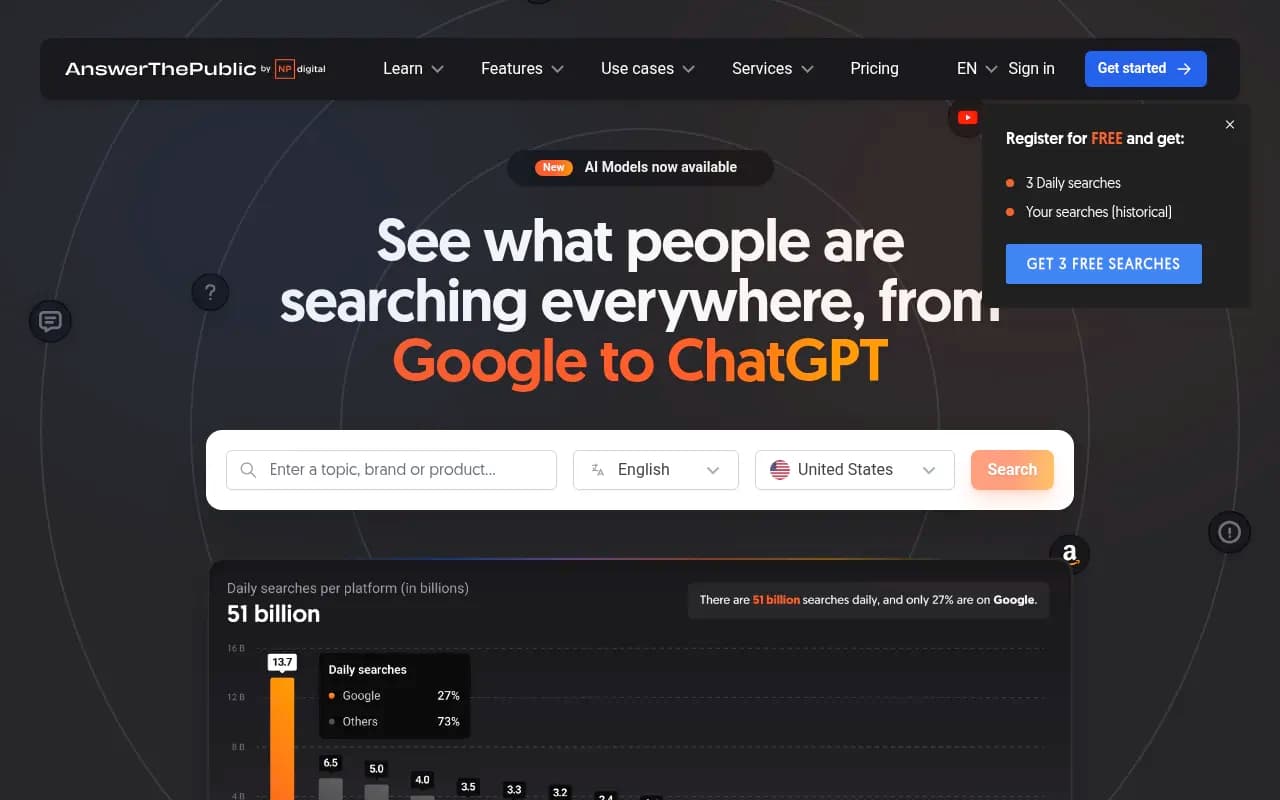
- Answers questions your actual audience asks (use tools like AlsoAsked or AnswerThePublic to find these)
- Keeps answers concise -- 2-4 sentences per question
- Uses
FAQPageschema markup (see point 2) - Is placed logically in the page flow, not just appended at the bottom as an afterthought
The questions you include should be the ones people actually type into AI chatbots. "What's the difference between X and Y?" and "Is X worth it?" are the kinds of conversational queries that AI Overviews are built to answer -- and if your FAQ covers them, you're a natural citation candidate.
10. Ensure AI crawlers can actually access your content
This is the most overlooked on-page issue in 2026. You can have perfect content, perfect schema, and perfect E-E-A-T signals -- but if AI crawlers are hitting errors, getting blocked by your robots.txt, or can't render your JavaScript, none of it matters.
AI crawlers (GPTBot, ClaudeBot, PerplexityBot, etc.) behave differently from Googlebot. Some are blocked by default in many CMS configurations. Some can't render JavaScript-heavy pages. Some hit rate limits and give up.
Check your robots.txt to make sure you're not accidentally blocking AI crawlers. If your site is heavily JavaScript-rendered, consider a pre-rendering solution. Run a crawl audit specifically looking for 4xx and 5xx errors that AI bots might be encountering.
If you want real-time visibility into which AI crawlers are hitting your pages, what errors they're encountering, and how often they return, Promptwatch has crawler log monitoring built in -- it's one of the few platforms that shows you this data directly.

How these 10 changes work together
None of these changes are isolated. They reinforce each other.
Fast pages get crawled more. Well-structured content with schema gets parsed more accurately. Direct answer blocks combined with FAQ sections give AI models multiple citation opportunities per page. Strong E-E-A-T signals make those citations more likely to stick.
Here's a quick reference for prioritizing:
| Change | Google ranking impact | AI citation impact | Effort |
|---|---|---|---|
| Direct answer blocks | Medium | High | Low |
| Schema markup | Medium | High | Medium |
| E-E-A-T signals | High | High | Medium |
| Precise data + citations | High | High | High |
| Page speed / Core Web Vitals | High | High | Medium-High |
| Topical depth / clusters | High | High | High |
| Title tags + meta descriptions | Medium | Medium | Low |
| Heading hierarchy | Medium | High | Low |
| FAQ sections | Medium | High | Low-Medium |
| AI crawler access | Low (direct) | High | Low-Medium |
The lowest-effort, highest-impact starting points are direct answer blocks, heading hierarchy, and FAQ sections. You can implement all three on existing pages without a full rewrite.
The highest-leverage long-term investments are topical depth and E-E-A-T signals -- they compound over time as AI models build a picture of your domain's authority.
Tracking whether it's working
One thing worth saying clearly: Google rankings and AI visibility don't always move together. A page can rank well in traditional results but never appear in AI Overviews, and vice versa. You need to track both separately.
Google Search Console handles the traditional side. For AI visibility -- which prompts your brand appears in, which pages get cited, how your visibility compares to competitors -- you need a dedicated tool. Platforms like Promptwatch track this across ChatGPT, Perplexity, Google AI Overviews, Claude, and other models, and can show you exactly which pages are being cited and which aren't.
The gap between "ranking well" and "being cited by AI" is where most brands are losing ground right now. Closing that gap is what these 10 changes are designed to do.