
Key takeaways
- Most AI writers no longer sell "unlimited words". They sell article quotas, credits, seats or workflow runs, and the unit you are billed on decides your real cost.
- Writesonic's annual plans work out to roughly $5 to $8 per included article, but most of that price pays for an AI visibility tracking bundle, not just writing.
- Copy.ai's entry Chat plan is $29/mo ($24/mo annual), while its workflow tiers start at $1,000/mo, so the jump between tiers is huge.
- Your true cost per article is plan price plus editing time, fact-checking and any tools you need around the writer. A cheap draft you rewrite for two hours is not cheap.
- Pricing changes often. Treat every number here as a snapshot and confirm on the vendor's pricing page before you buy.
Why AI writer pricing is so hard to compare
A few years ago you could compare AI writers on one number: words per month. That is mostly gone. Vendors have moved to units that make their own product look good, and those units do not convert cleanly into each other.
Here are the five billing units you will run into:
- Word limits (monthly or per-document caps)
- Article quotas (a fixed number of long-form pieces)
- Credits (a currency spent differently by each feature)
- Seats (priced per user, with generous or no usage caps)
- Workflow runs (automations that consume credits per execution)
The trick is that the same article can cost one credit on one platform and forty on another. So the only fair comparison is cost per finished article, and you have to build that number yourself.
One caveat before we start. I could verify current pricing for Writesonic and Copy.ai directly. Jasper's pricing page did not load usable plan details when I checked, and I could not confirm current prices for several other vendors. Where I could not verify a number, I say so rather than guess.
The pricing models, explained
Word-based limits
The oldest model. You get a monthly word allowance, and long-form drafts burn through it fast. A 1,500-word article with a few regenerations can eat 4,000 to 5,000 words of allowance once you count rewrites and outline steps. If a plan advertises 50,000 words, plan on 10 to 15 finished articles, not 33.
Word caps are now rare on mainstream plans. Copy.ai, for example, dropped the old word cap on its Chat tier and now advertises unlimited words in Chat. That sounds like a pure win, but the limit moved somewhere else: seats, models and workflow credits.
Article quotas
The cleanest unit to reason about. A plan says "15 articles per month" and you divide. The catch is how the vendor defines an article. Length, whether a refresh counts as a new article, and whether auto-generated outlines count are all worth checking in the fine print.
Credits
Credits are flexible for the vendor and confusing for you. A short social post might cost one credit, a long article ten, a bulk run hundreds. Copy.ai's higher tiers are built around workflow credits (20K, 45K and 75K per month on its Growth, Expansion and Scale plans). Its FAQ asks "What is a credit worth?" and "How much does a Workflow run cost?", but I could not retrieve the answers, so I cannot give you a per-run figure. Ask sales for it in writing before you commit.
Seat-based pricing
You pay per user and usage is loosely capped. This works well for teams that write many short pieces, and badly for a solo publisher who wants volume. Copy.ai's Chat plan includes 5 seats at $29/mo, which is cheap per head if you actually have five people.
What the verified plans cost
Writesonic
Writesonic now positions itself as an AI search visibility platform, and its pricing reflects that. The plans are priced monthly but billed annually (20% annual discount, 7-day free trial), and each includes an article quota alongside prompt tracking.

| Plan | Price (annual billing) | AI articles/month | Prompts tracked | Users / projects | Effective cost per article |
|---|---|---|---|---|---|
| Starter | $79/mo | 15 | 50 | 1 user, 1 project | about $5.27 |
| Basic | $199/mo | 25 | 100 | 2 users, 1 project | about $7.96 |
| Growth | $399/mo | 50 | 200 | 3 users, 2 projects | about $7.98 |
| Enterprise | Custom | Custom | Custom | Custom | Quote only |
Those per-article figures are my own division of plan price by included articles. They are not Writesonic's numbers. And they flatter the product if you only want articles, because the price also covers tracking, site audits and other features. If you never use the tracking, you are paying for a bundle.
Other limits worth knowing on the self-serve tiers:
- Tracking caps of 150, 300 and 600 answers per day on Starter, Basic and Growth
- Site audits capped at 10 audits of 100 pages (Starter), 20 of 1,200 pages (Basic) and 50 of 2,500 pages (Growth)
- Agentic workflows are trial runs only on self-serve: 10, 50 and 100 respectively
- Sentiment analysis starts on Growth, and the full Action Center is Enterprise only
The page also mentions "Self-serve from $99/mo" in its description while the plan cards show $79. My guess is that $99 is the monthly-billing price, but I did not confirm it. Check which one you will actually be charged.
Copy.ai
Copy.ai has split into a cheap individual-style plan and expensive team workflow plans, with very little in between.

| Plan | Price | Seats | Included usage |
|---|---|---|---|
| Chat | $29/mo monthly, or $24/mo billed annually ($288/yr) | 5 | Unlimited words in Chat, unlimited chat projects, OpenAI, Anthropic and Gemini models |
| Growth | $1,000/mo ($12,000/yr) | 75 | 20K workflow credits/month |
| Expansion | $2,000/mo ($24,000/yr) | 150 | 45K workflow credits/month |
| Scale | $3,000/mo ($36,000/yr) | 200 | 75K workflow credits/month |
| Enterprise | Custom | Custom | API access, bulk workflow runs, 20+ integrations, unlimited customizable workflows |
For a small publisher the Chat plan is the only realistic option, and it is a chat assistant with a few models behind it rather than a bulk article machine. For a large team the workflow tiers look reasonable per seat but the real question is credits per run, which I could not verify.
Jasper
Jasper describes "Pro and Business plans" with a 7-day free trial and now leans on brand governance (Brand IQ, Brand Voice, Style Guide) and agents. I could not verify current per-seat prices or word limits, so I am not going to quote any.
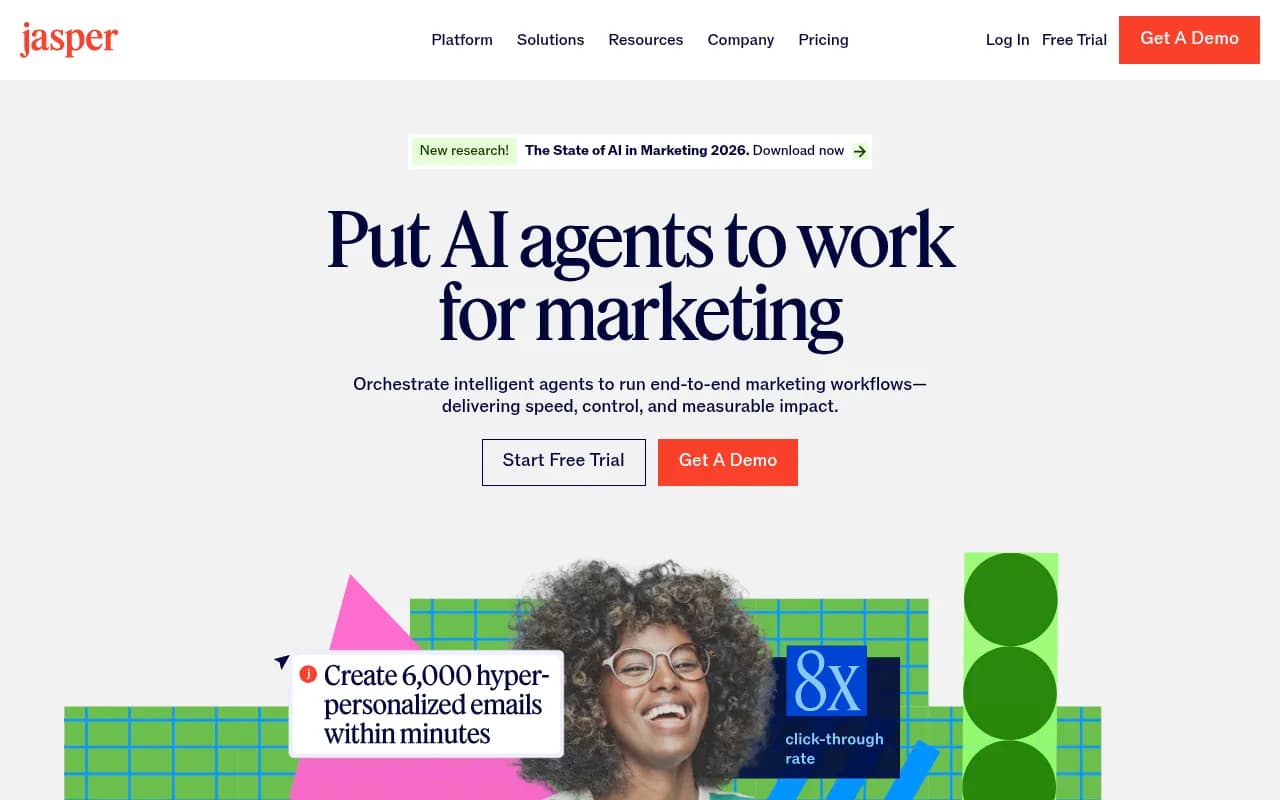
If you are evaluating it, open the pricing page, note whether seats are included or billed on top, and ask whether Brand Voice features sit on a higher tier. Those two details usually move the real cost more than the headline price.
How to calculate what you actually pay per article
This is the part that matters. Use this formula:
Cost per article = (monthly plan price / articles you realistically publish)
                 + (editor hours x hourly rate)
                 + (per-article share of supporting tools)
Walk through an example. Say you pay $199/mo for a plan with 25 included articles and you publish 20.
- Plan cost: $199 / 20 = $9.95 per article
- Editing: 45 minutes at $40/hour = $30
- Supporting tools (an SEO optimizer at $99/mo spread over 20 articles) = about $5
- Total: roughly $45 per article
Notice the plan price is about a fifth of the total. Editing is the real bill. That is why a plan that costs twice as much but produces drafts needing half the edits can be the cheaper option.
Hidden costs to check
- Overage rules: some plans stop, some charge per extra article or credit
- Refreshes: does updating an old article consume a new quota slot?
- Seats: a "cheap" per-seat plan gets expensive when your freelancers need logins
- Model access: premium models may cost extra credits
- Annual lock-in: the headline price is often the annual price, so monthly billing runs higher
- Unused quota: most plans do not roll over, so a 25-article plan used at 12 articles costs double per article
Using general chat assistants as an article writer
Plenty of people skip dedicated writers and draft in a general assistant. ChatGPT and Claude both have paid consumer tiers, and the per-article cost can be tiny if you write a lot.

I could not verify current subscription prices for either, so check their pricing pages. The trade-off is not price anyway. A chat assistant has no built-in SEO scoring, no bulk generation, no publishing integration and no brand memory beyond what you paste in. You supply the workflow. If you publish a few articles a month, that is fine. If you publish fifty, you will spend more time on prompts and copy-paste than you saved.
Other writers worth pricing out
I did not pull current prices for these, so treat this table as a shortlist of what to check rather than a price list.
| Tool | Typical positioning | What to verify on the pricing page |
|---|---|---|
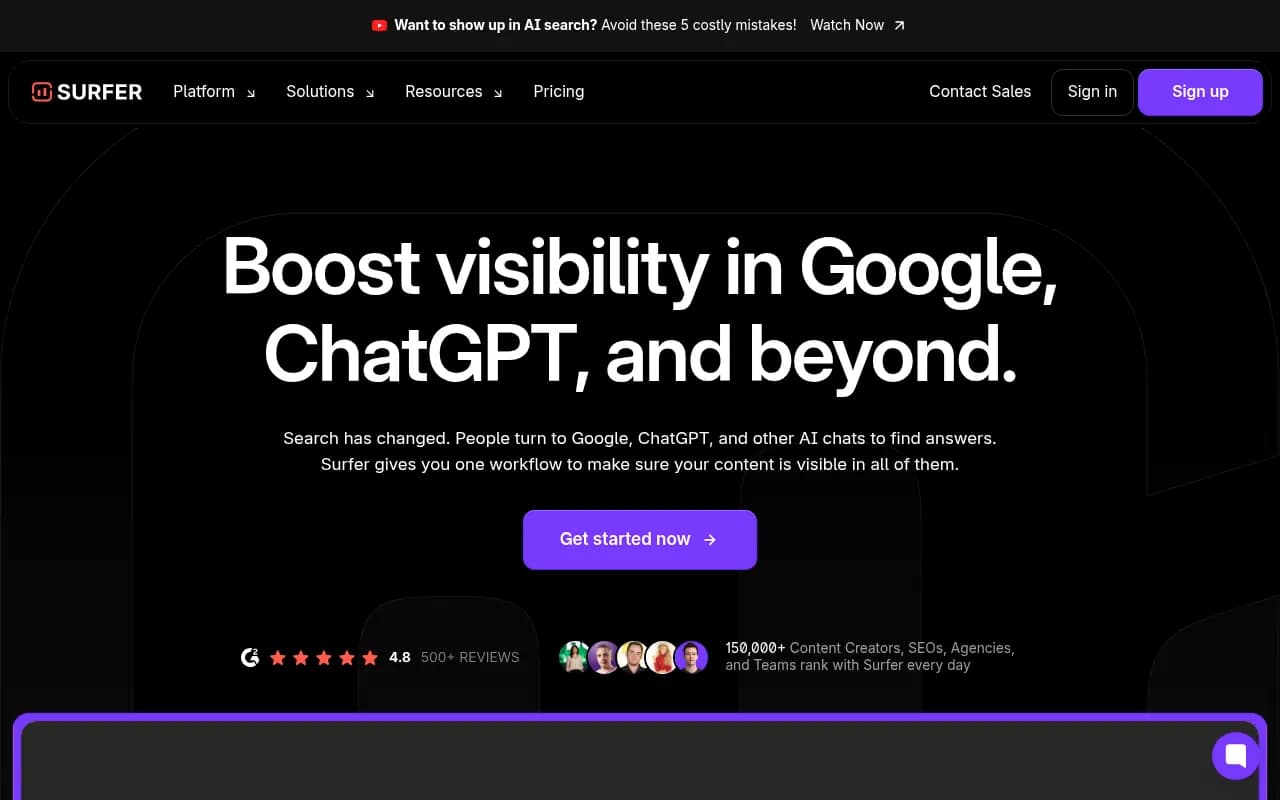
| Surfer SEO | Optimization plus AI drafting | Article credits vs. audit limits |
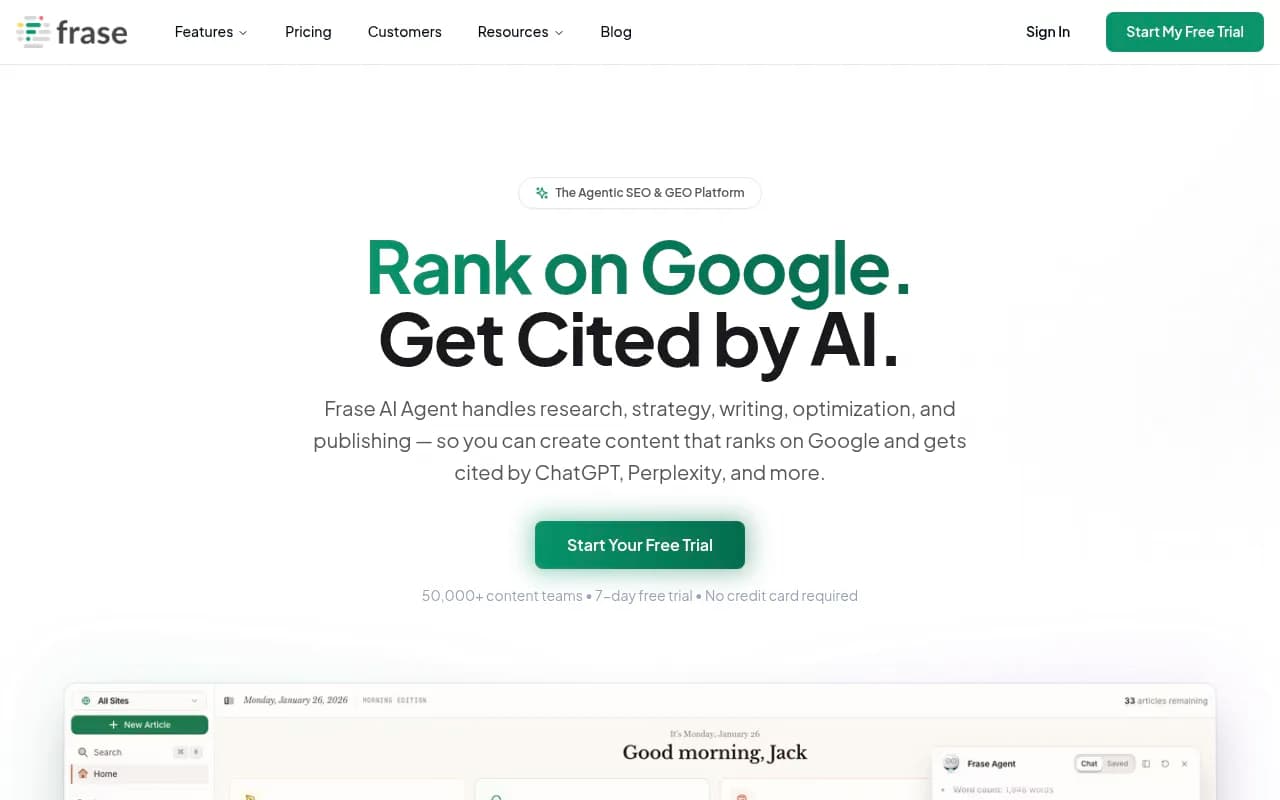
| Frase | Research and briefs, then writing | Document caps per month |
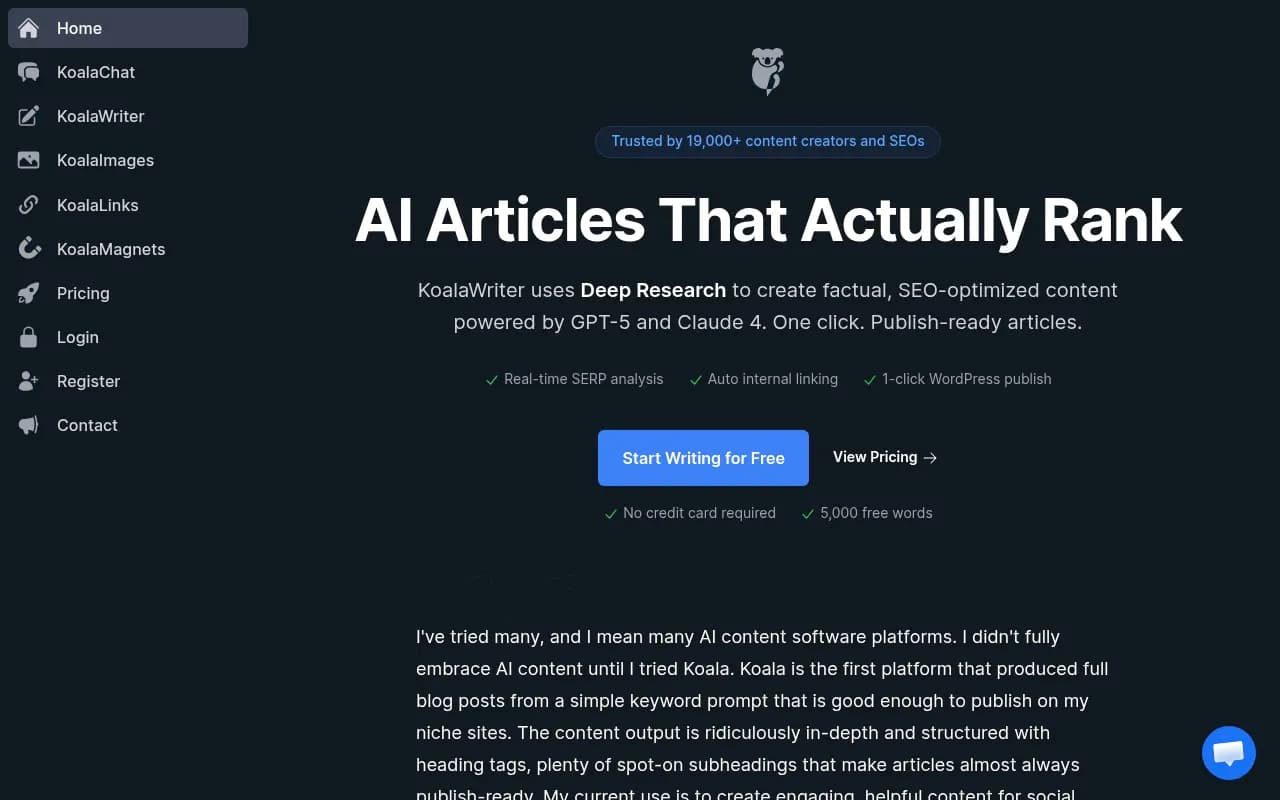
| Koala AI | Publish-ready long-form | Words or articles per tier |
| Rytr | Low-cost structured writing | Character limits on cheaper plans |
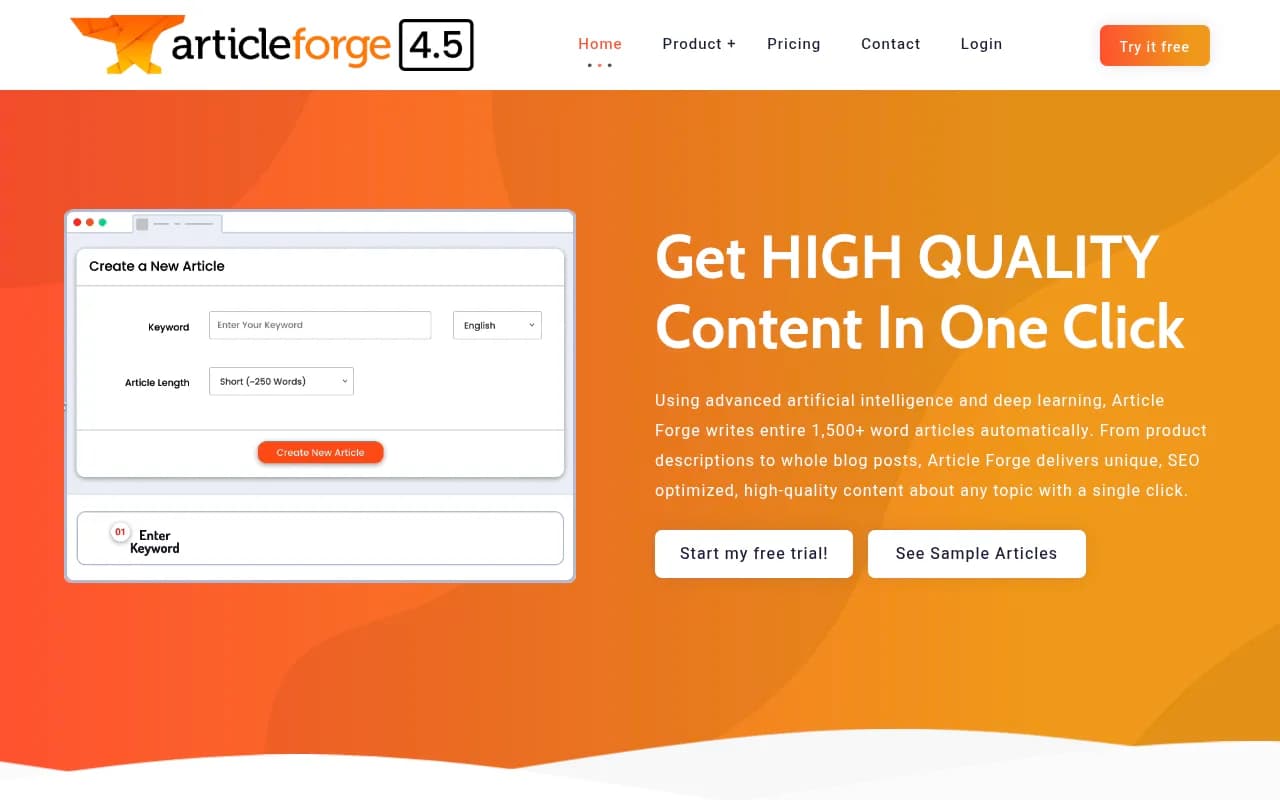
| Article Forge | One-click bulk articles | Word allowances and overage |
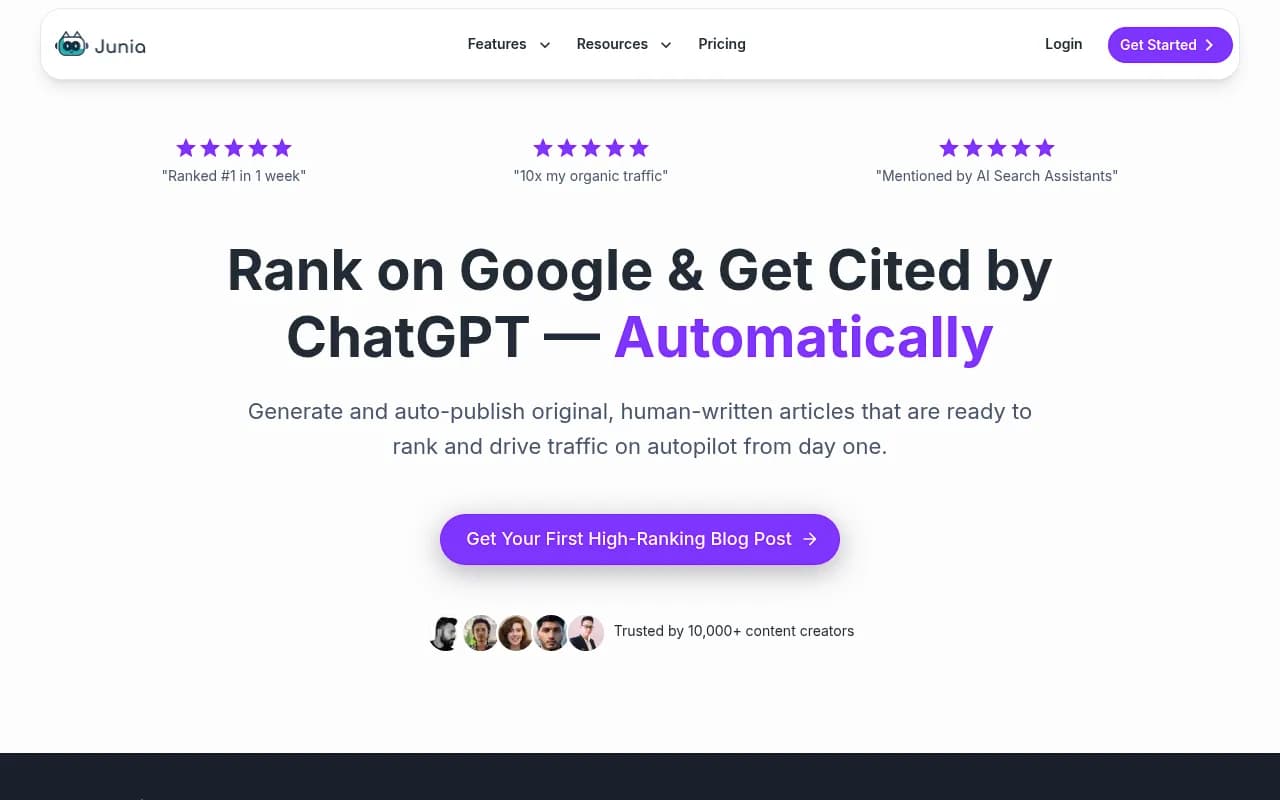
| Junia AI | SEO content with auto-publishing | Credits per article |
If you are scanning broader options, the software directory at surferstack.com lists reviews and alternatives across the AI writing category.
Which pricing model fits which buyer
| Buyer | Best fit | Watch out for |
|---|---|---|
| Solo blogger, under 10 articles/month | Chat assistant or low-tier writer | Paying for features you do not use |
| Small content team, 15 to 50 articles/month | Article-quota plan | Bundled tracking you never open |
| Agency with many clients | Seat plus workflow plan, or per-client projects | Seat creep and credit burn on bulk runs |
| Enterprise brand team | Custom contract with brand governance | Unclear credit-per-run costs |
When the writer is not the problem
Here is an opinion: most teams overspend on the writing tool and underspend on finding out whether the content works. Publishing 50 articles a month at $8 each is a poor deal if none of them get cited or read.
And search has shifted. More of your readers now meet your content inside an AI answer, so it helps to know which of your pages ChatGPT, Gemini and Perplexity actually cite. Tools like Promptwatch can track that and show where AI answers have content gaps you could fill, which tells you what to write before you spend quota on it.

That matters for budgeting. If tracking tells you ten topics are worth covering, you need ten articles, not fifty. For the research on what gets cited, Promptwatch's citation share by content type data found product pages were the most cited type in ChatGPT at 22.4% of citations (Sep 28 to Oct 4, 2026), so format choices affect value per article as much as the price of the draft.
If you want a directory view of tools in this area, the GEO software list at bestgeosoftware.com is a reasonable place to browse.
A short buying checklist
- Write down how many articles you will really publish per month, not the maximum.
- Ask the vendor how an "article" is defined and whether refreshes count.
- Get the credit cost per workflow run in writing.
- Compare annual and monthly prices, and note the cancellation terms.
- Run a 7-day trial on a real article, and time how long editing takes.
- Calculate the total cost per article with the formula above.
- Re-check prices every quarter, because plans and units keep changing.
Frequently asked questions
Are unlimited-word plans really unlimited?
Usually only in one place. Copy.ai's Chat plan has unlimited words in Chat, but seats, models and workflow credits are still limited. Always look for what moved to a different cap.
What is a reasonable price per article?
Based on the verified Writesonic plans, included articles run about $5 to $8 each, but that includes non-writing features. After editing time, a realistic all-in cost is often $30 to $60 per article for a decent publishable piece. That range is my estimate from the worked example above, not a published benchmark.
Do credits roll over?
It varies, and I could not verify rollover rules for the vendors above. Many plans do not roll over, so ask before you buy a large tier.
Is annual billing worth it?
Writesonic and Copy.ai both advertise a 20% annual discount. It is worth it only after a trial confirms the output needs little editing. Paying a year upfront for a tool you abandon in month two erases the saving.
Should I pay for a writer or just use a chat assistant?
If you publish fewer than ten articles a month and enjoy prompting, a chat assistant is cheaper. Past that, quota-based writers save real time through templates, SEO scoring and publishing integrations.