
Key takeaways
- Topical authority comes from coverage and internal linking across a cluster, not from one well-optimized article. Pick tools by how well they plan clusters and briefs, not by how fast they draft.
- Planning tools (MarketMuse, Keyword Insights, Topical Map AI) and optimization tools (Clearscope, Surfer SEO, NeuronWriter) do different jobs. Most teams need one of each plus a drafting layer.
- Bulk AI writers like Article Forge or Byword can fill a map quickly, but unedited output is the fastest way to build a cluster nobody trusts, including AI assistants.
- Content type matters for AI search. Promptwatch Data shows product pages, landing pages and listicles earn most ChatGPT citations, so a cluster should not be blog posts only.
- Measure the cluster after publishing: rankings, AI citations and refresh cadence decide whether the authority sticks.
What topical authority actually means in 2026
Topical authority is the sense, for a search engine or an LLM, that your site covers a subject thoroughly and consistently. You answer the main questions, the awkward edge cases, the comparisons and the follow-ups, and you link them together so the relationships are obvious.
I think the term gets abused. People hear it and start generating 300 articles from a keyword list. That is volume, not authority. Authority is closer to a library catalogue: a clear pillar, supporting pages that each answer one distinct question, and no two pages fighting over the same query.
The practical unit is the content cluster:
- A pillar page that covers the broad topic and links out.
- Supporting pages for subtopics, questions, comparisons and use cases.
- Internal links that go both ways and use descriptive anchors.
- A brief for every page so each one has a single job.
AI writers help at three points: building the map, writing the briefs, and drafting. Tools are strong at the first two and uneven at the third. That shapes how I'd evaluate them.
How to judge an AI writer for topical authority
A drafting tool that produces a clean 2,000-word article is table stakes. Ask these instead:
- Can it plan a cluster, or does it only write one page at a time?
- Does it generate briefs with intent, headings, entities and questions, and can you edit them before drafting?
- Does it suggest internal links to the other pages in the cluster?
- Can it use your brand voice, facts and source material so the output isn't generic?
- Does it help you find cannibalization between pages?
- Does it connect to how you publish and measure?
A tool that fails the first two is a drafting assistant. That's fine, just don't expect it to build authority on its own.
The three layers of the stack
| Layer | Job | Example tools |
|---|---|---|
| Cluster planning | Group keywords and questions into pillars and supporting topics | MarketMuse, Keyword Insights, Topical Map AI |
| Brief and optimization | Define intent, headings, entities, terms to cover | Clearscope, Surfer SEO, NeuronWriter, Content Harmony, Dashword |
| Drafting and scale | Produce first drafts from briefs | Jasper, Writesonic, Frase, Outranking, Koala AI, Byword |
Some products span layers. Frase and Outranking do research, briefs and drafting in one place. MarketMuse leans heavily on planning and scoring. Keep this model in mind when you read the reviews below.
Cluster planning tools
MarketMuse
MarketMuse is the tool most associated with topical authority as a concept. It models your site against a topic, scores how well you cover it, and points to gaps and priority pages. It's built for teams with a real library to analyze, and it's priced and designed that way. For a site with a few dozen posts it can feel heavy.
Best for content teams with an existing library who need to know which pages to build, refresh or consolidate.
Keyword Insights
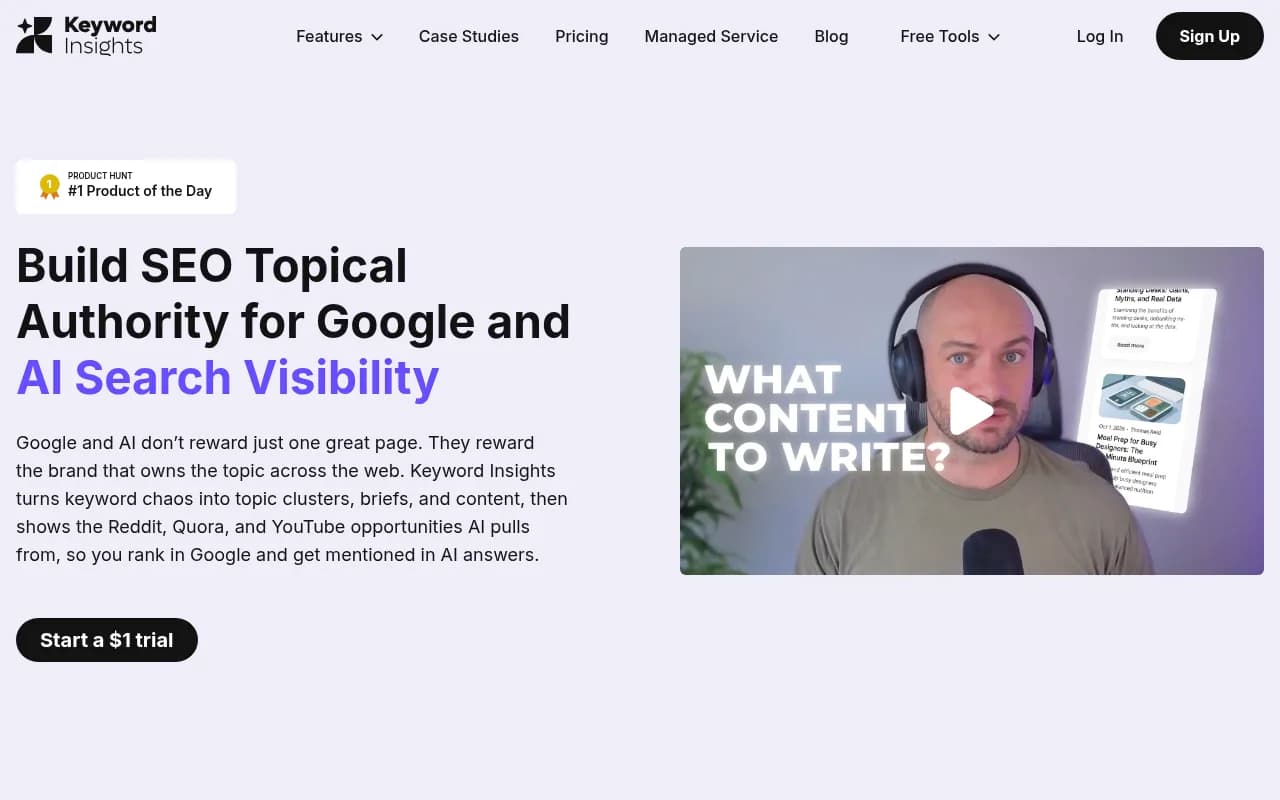
Keyword Insights clusters keywords by SERP overlap and attaches intent labels. That is the cleanest way to decide whether two queries deserve one page or two. If you have a messy export from a keyword tool, this is where I'd start.
Topical Map AI
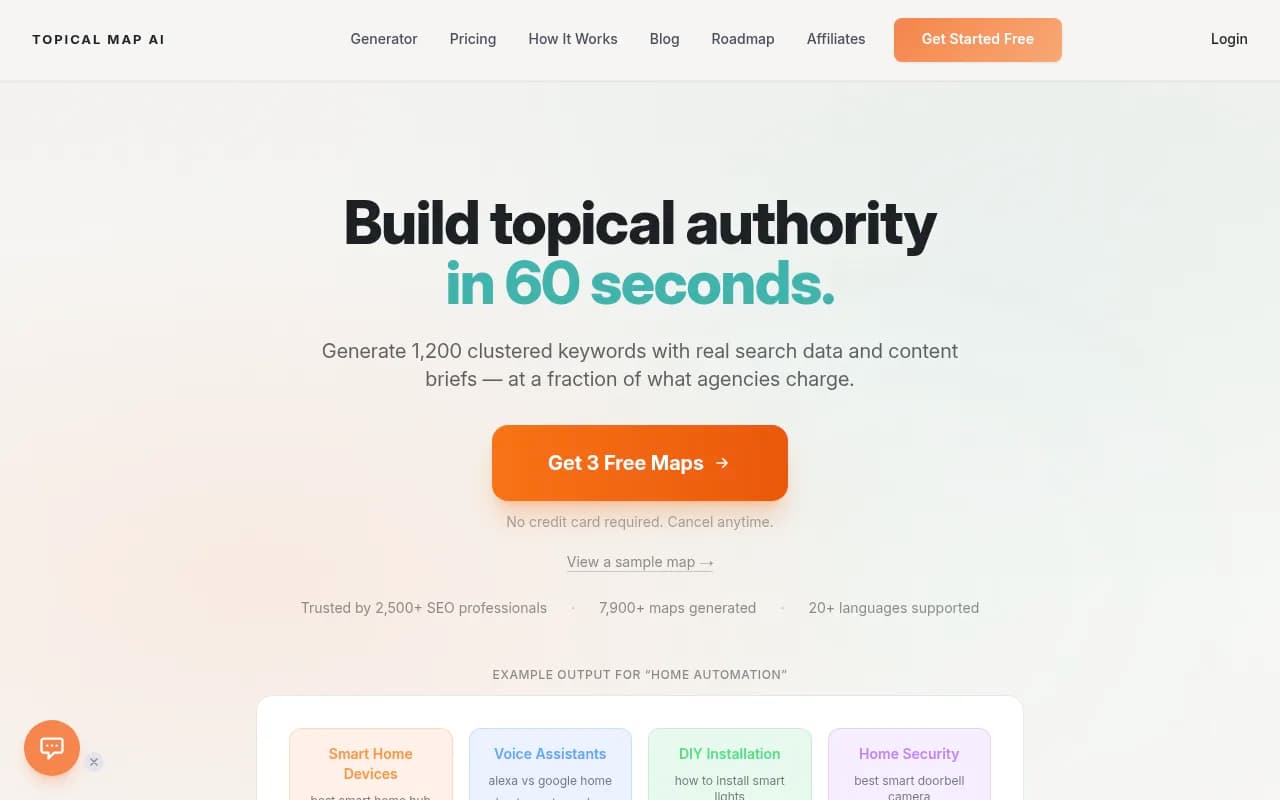
Topical Map AI generates a content map from a seed topic. It is fast and useful for a first draft of a cluster. Treat the output as a hypothesis and check it against real search data before you commit writers to it.
Supporting research tools
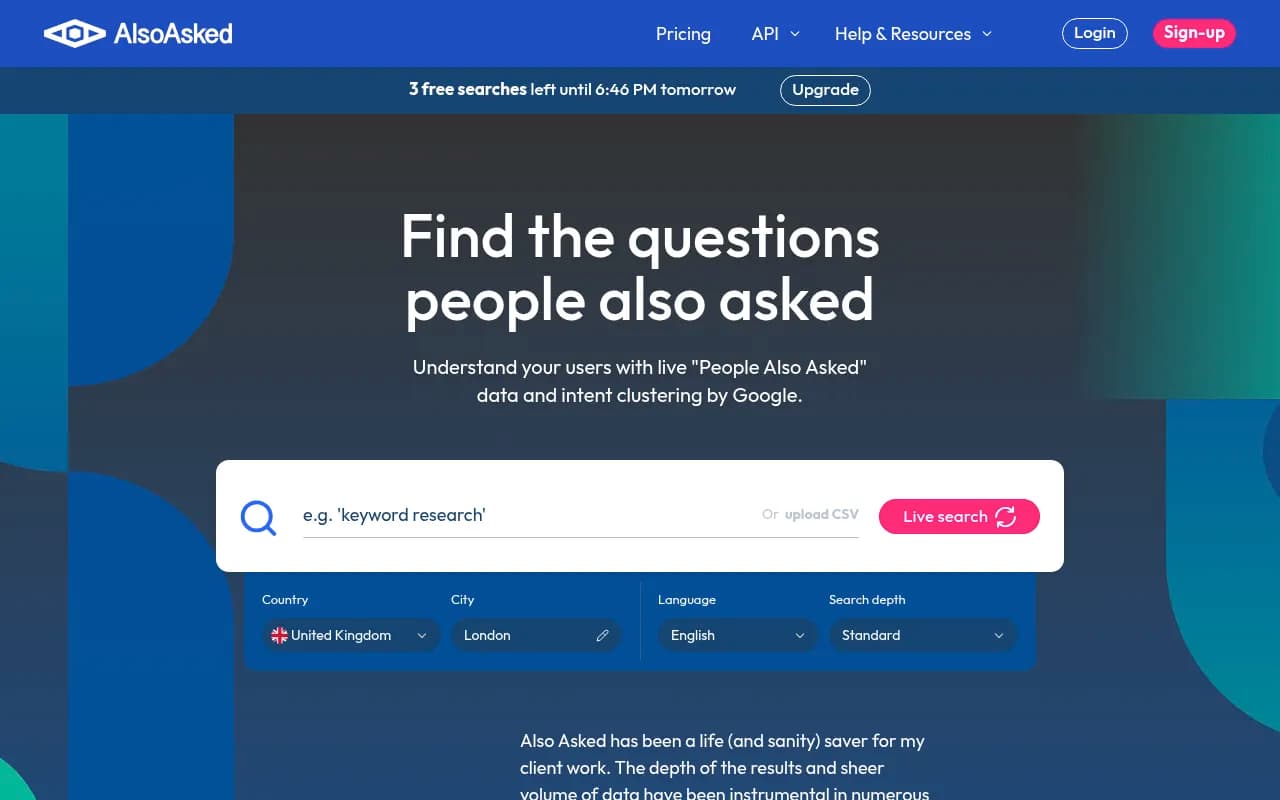
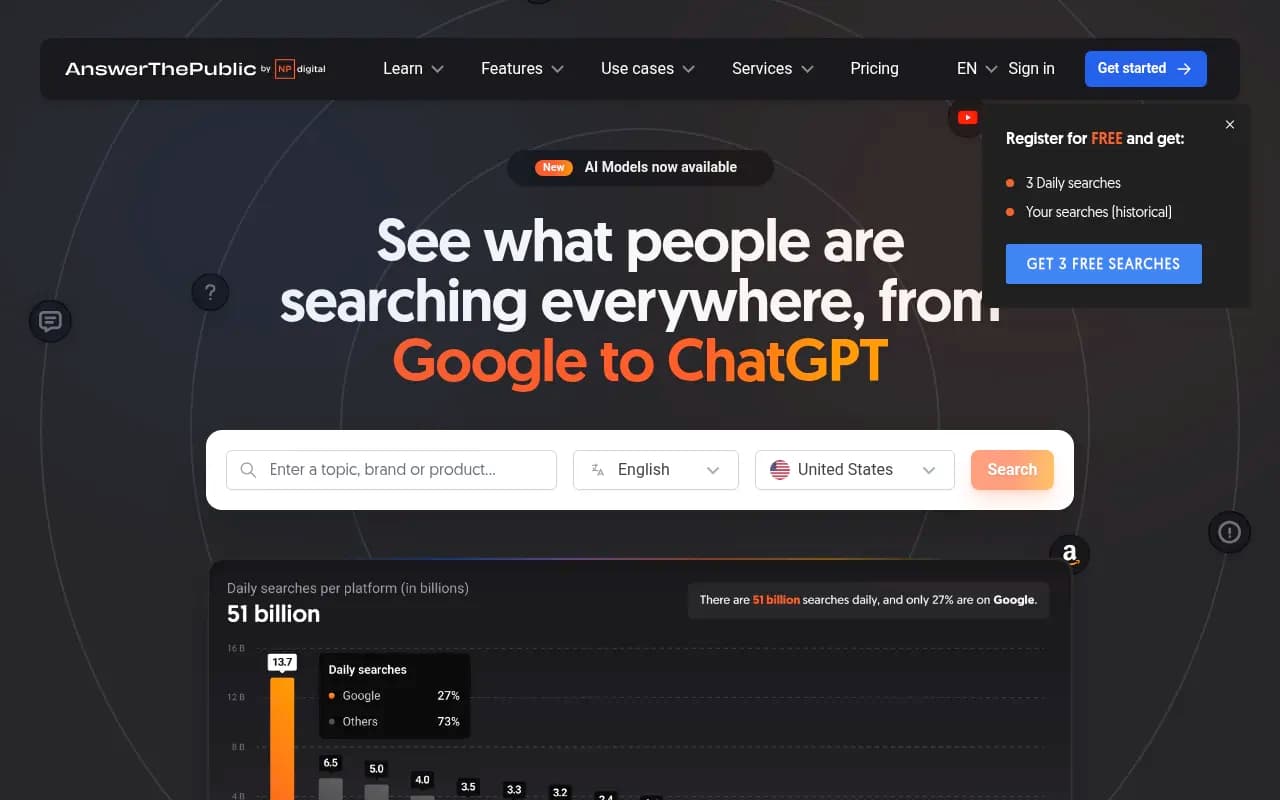
Maps built only from an LLM's imagination miss what people really ask. Pair planning with question sources such as AlsoAsked, AnswerThePublic and Google Search Console. Search Console is especially good for finding pages that earn impressions with few clicks, which are cluster gaps in disguise.
Brief and optimization tools
Briefs are where clusters succeed or fail. A good brief states the one question the page answers, the audience, the intent, the headings, the entities and terms to cover, and the pages it must link to. Writers and AI models both do better work with that constraint.
Clearscope
Clearscope is the editor-friendly choice. Its term recommendations and grading are easy for writers to follow, and the interface stays out of the way. It does not plan clusters, so pair it with a map.

Surfer SEO
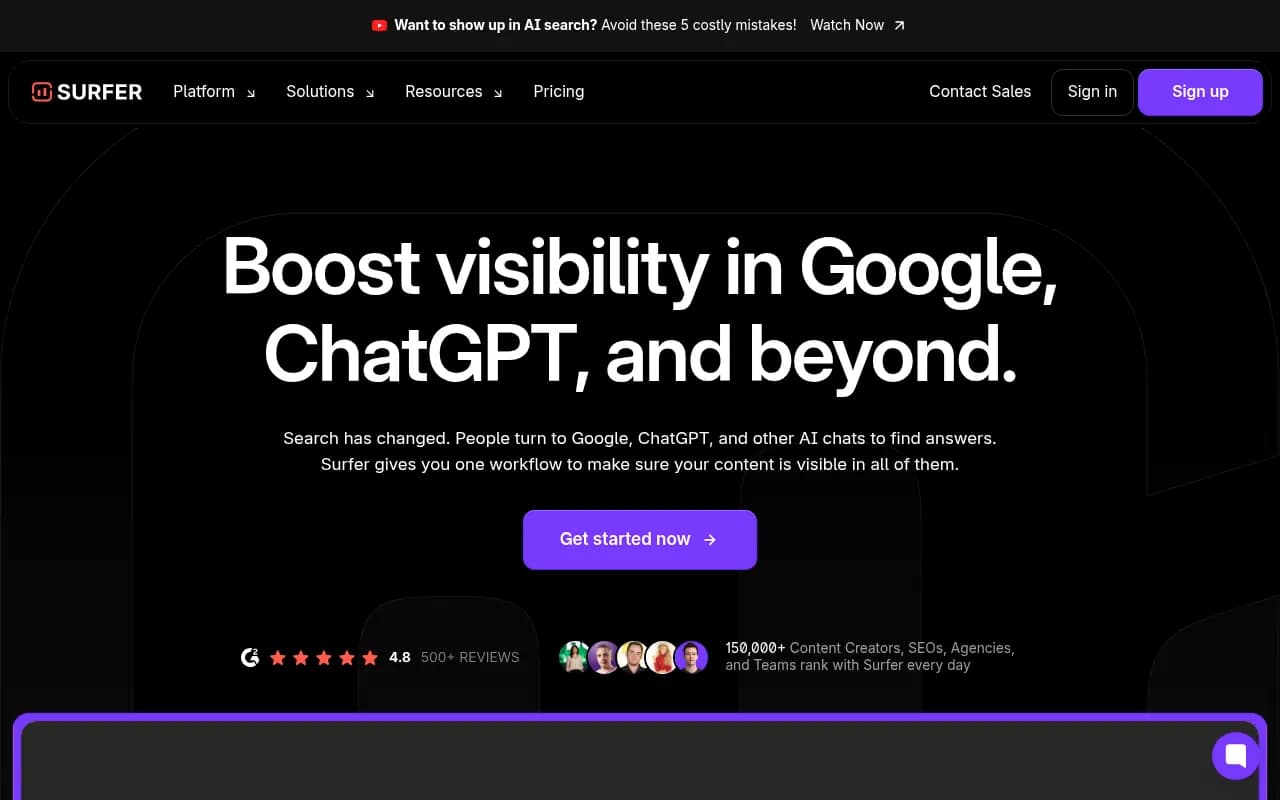
Surfer SEO combines a content editor, SERP-based guidelines and an AI drafting option. Its topical map and internal linking features make it more of a cluster tool than it was a few years ago. The risk is chasing the score. A page that hits every suggested term can still be dull and redundant.
NeuronWriter
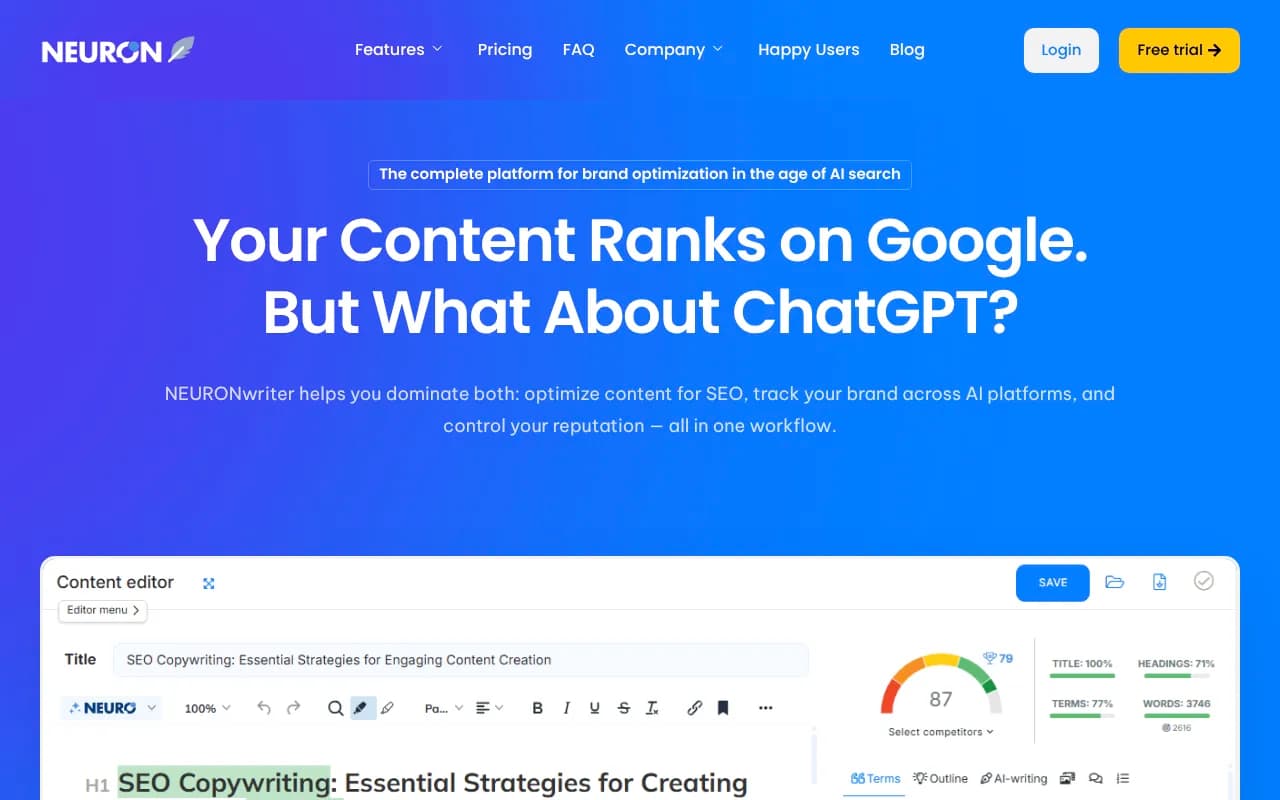
NeuronWriter offers SERP-based term guidance and briefs at a lower price point than most of its peers, which makes it popular with freelancers and small agencies.
Content Harmony and Dashword
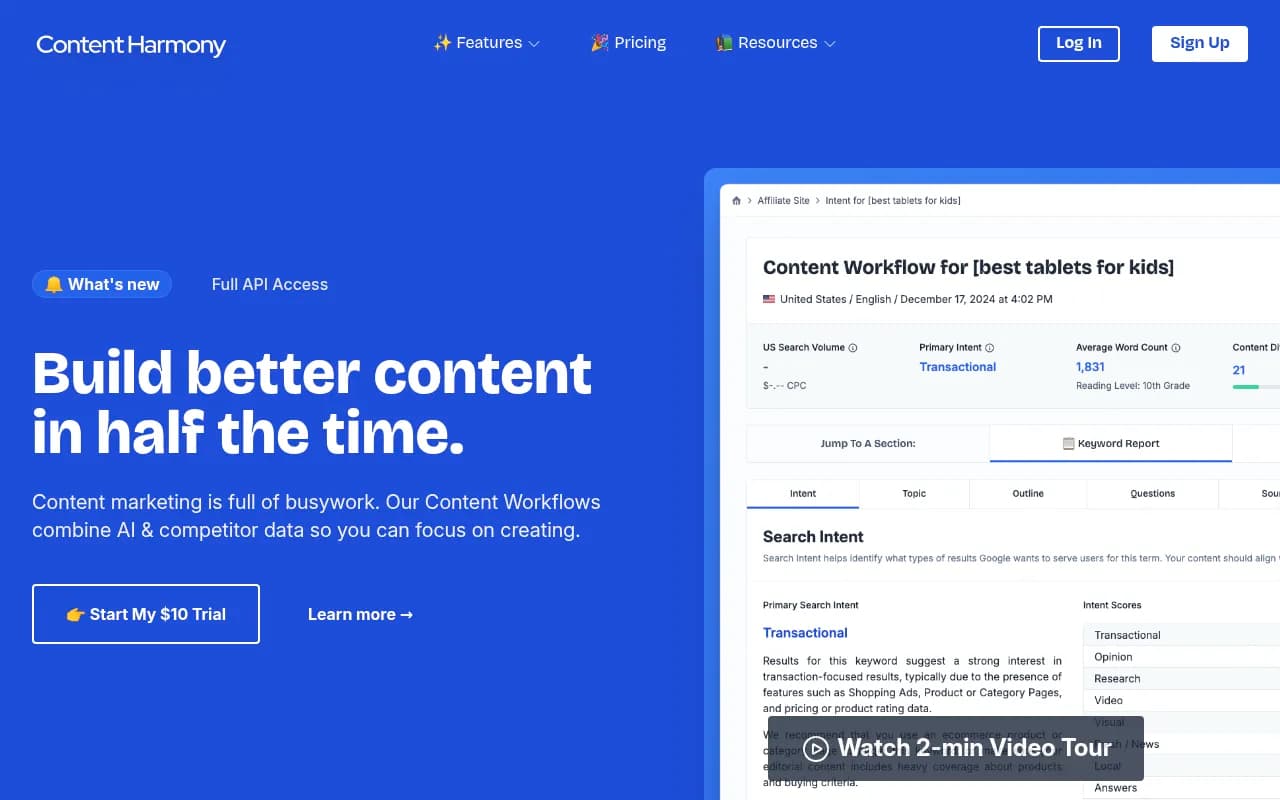
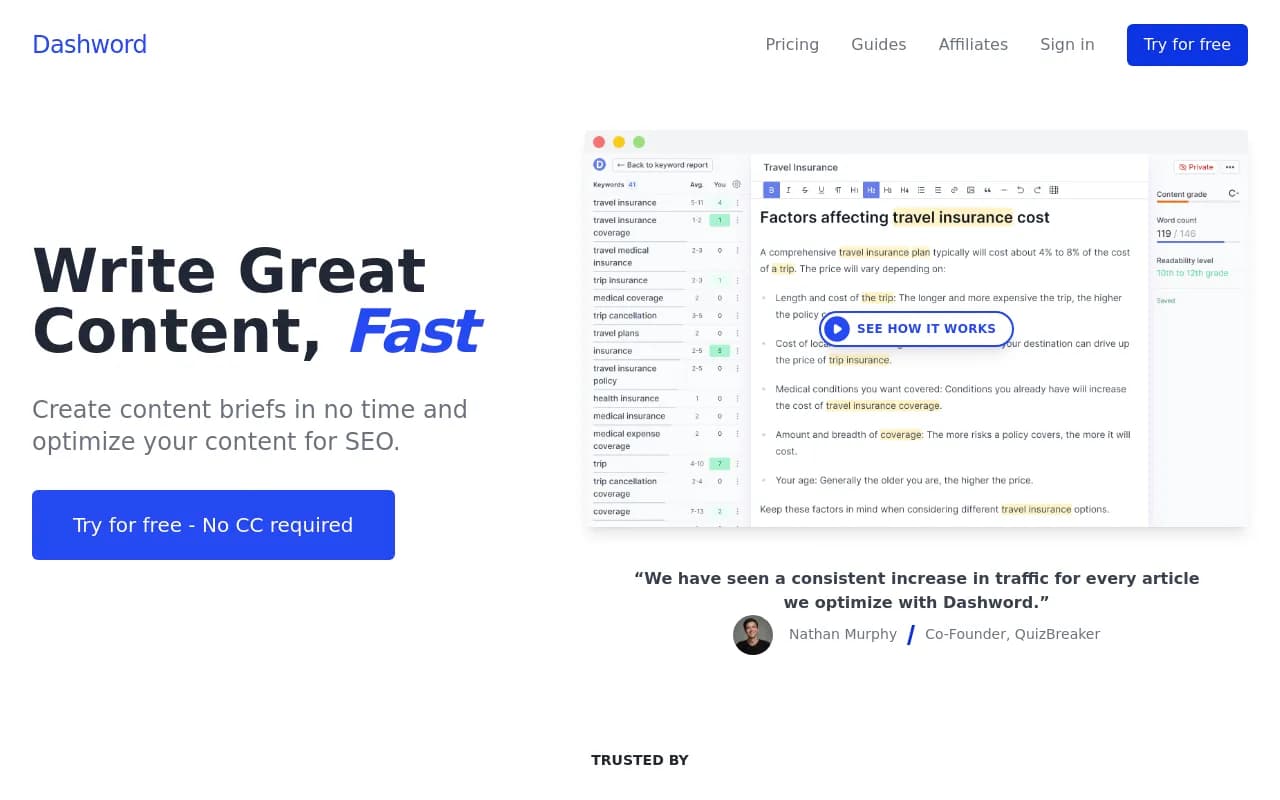
Content Harmony focuses purely on briefs: it pulls SERP data, questions and competitor structure into a document a writer can act on. Dashword takes a similar approach with scoring. If your drafting happens elsewhere, either is a good brief layer.
Drafting tools
Frase
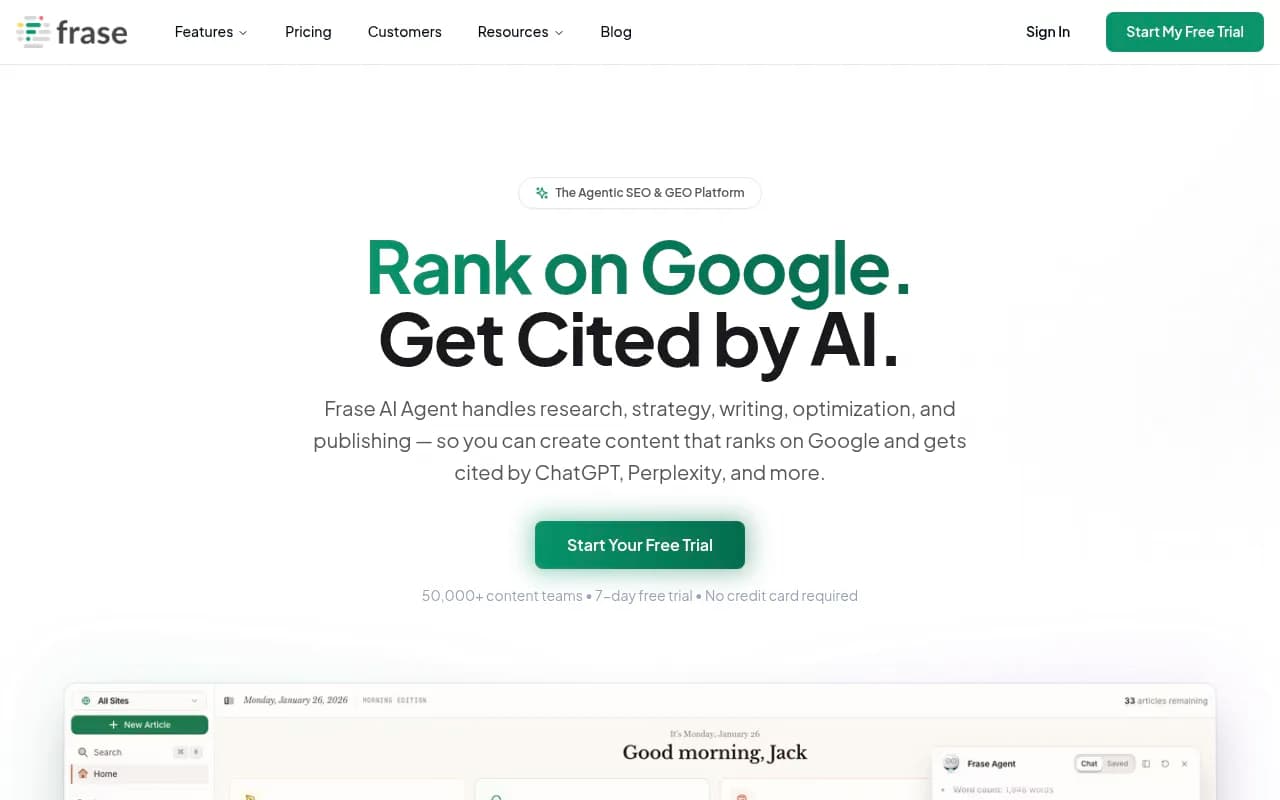
Frase researches the SERP, builds an outline and drafts, all in one flow. For a small team that wants one tool covering the brief and first draft, it's a sensible pick.
Jasper
Jasper is strongest where brand voice and marketing workflows matter. It handles campaigns and varied formats well, and is less specialized for SEO cluster work than the dedicated tools above. Use it when the same team writes blog content, landing pages and email.
Writesonic
Writesonic is a flexible AI writer with blog automation. It's quick, and you will want to edit what it produces.

Outranking
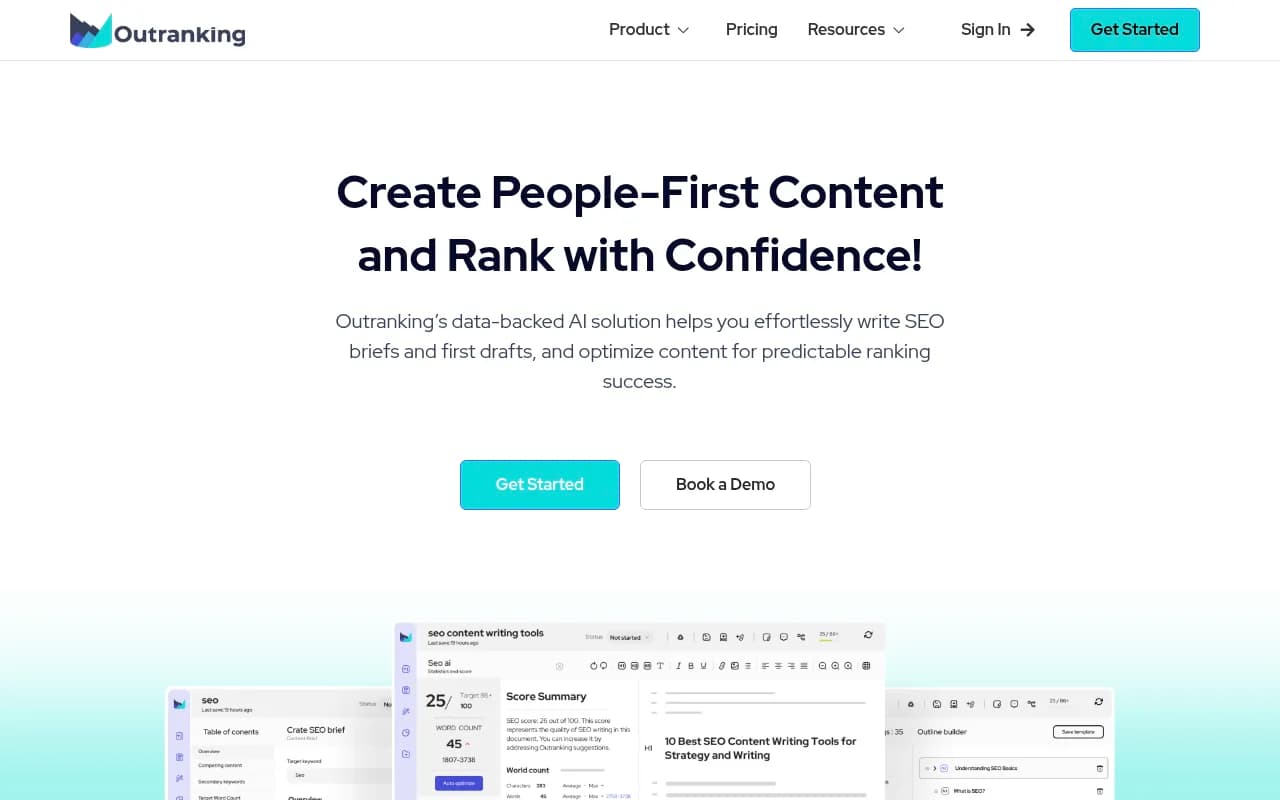
Outranking mixes briefs, scoring and drafting with an emphasis on SEO workflow. It sits close to Surfer and Frase in what it tries to do.
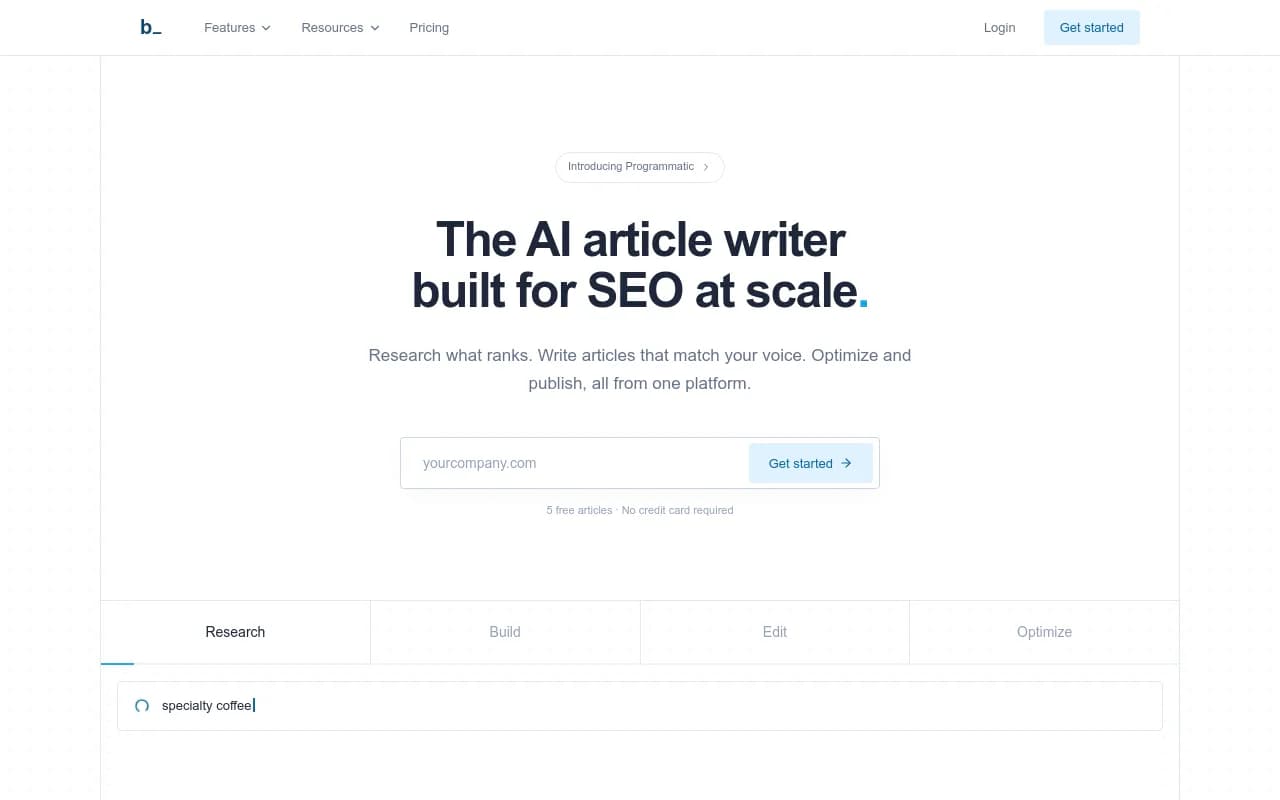
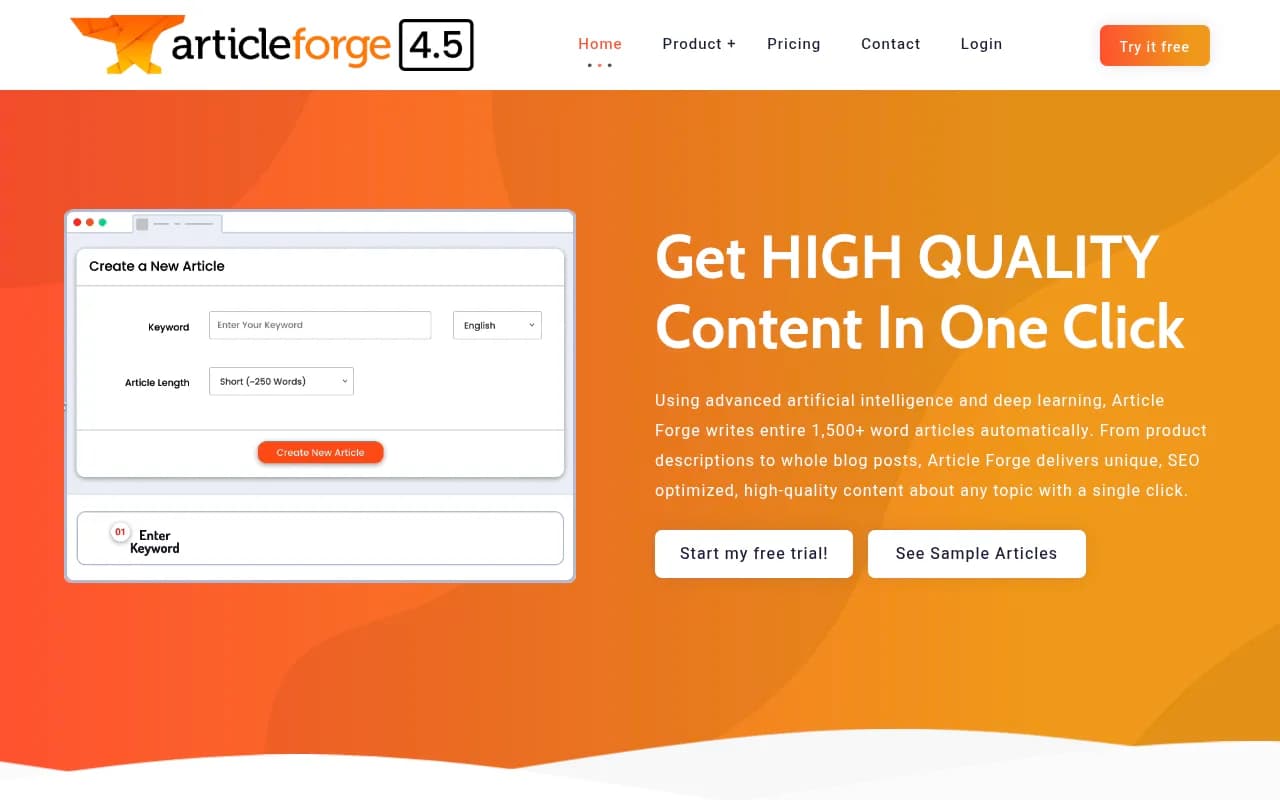
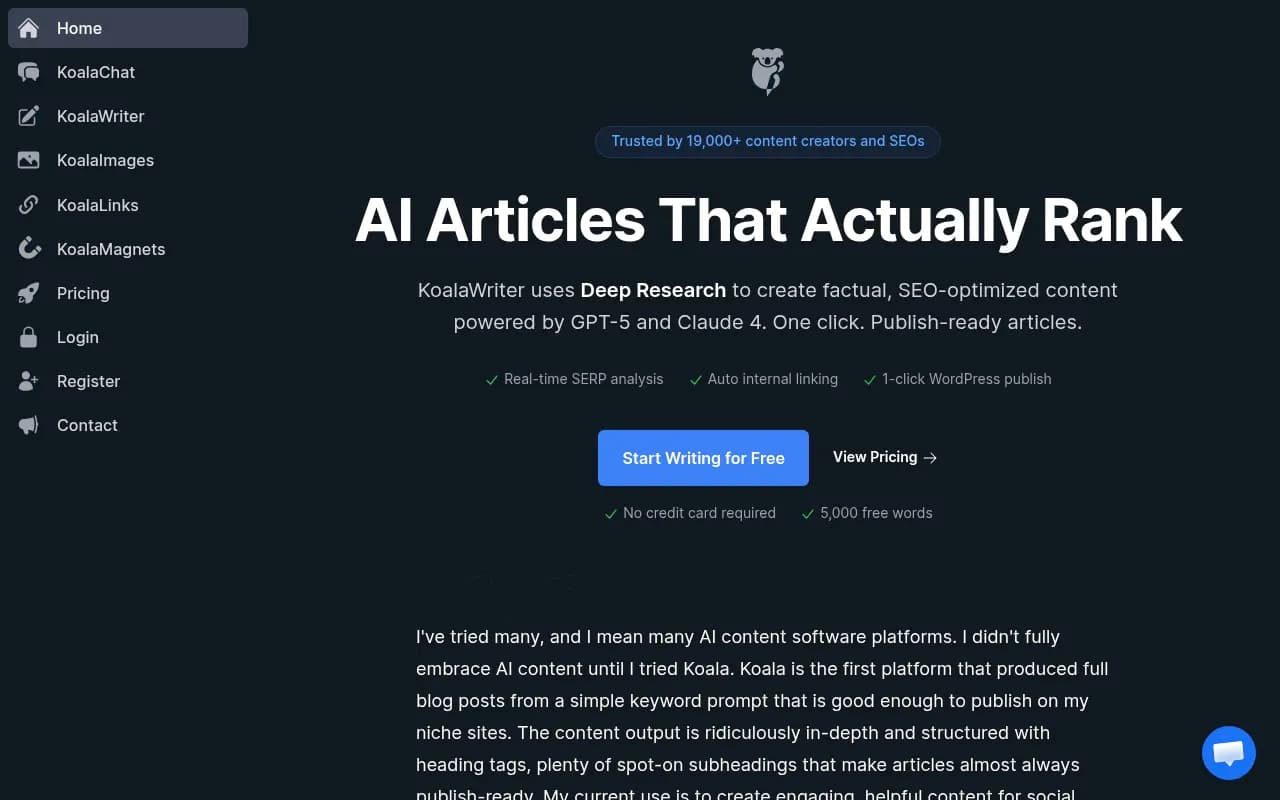
Bulk generators: Byword, Article Forge, Koala AI
These tools generate articles at volume. They have a place, for example in programmatic pages built on solid data. For a topical authority cluster, I'd be careful. Publishing hundreds of lightly edited articles creates thin overlap, and Google's guidance on scaled content abuse is aimed at exactly that.
General assistants: ChatGPT and Claude
Plain LLMs are underrated for cluster work when you give them real inputs: your brief, your product facts, interview notes and a style guide. They are weaker when asked cold. Claude in particular handles long, structured briefs well.
Comparison table
| Tool | Cluster planning | Brief generation | Drafting | Best for |
|---|---|---|---|---|
| MarketMuse | Strong | Strong | Limited | Large libraries and gap analysis |
| Keyword Insights | Strong (clustering) | Basic | No | Grouping keyword exports |
| Topical Map AI | Moderate | No | No | Quick first-pass maps |
| Clearscope | No | Term-based | No | Editorial teams optimizing drafts |
| Surfer SEO | Moderate | Strong | Yes | All-round SEO content |
| NeuronWriter | Limited | Good | Yes | Budget-conscious freelancers |
| Content Harmony | No | Strong | No | Agencies handing briefs to writers |
| Frase | Limited | Good | Yes | Small teams wanting one tool |
| Jasper | No | Basic | Yes | Brand voice across formats |
| Outranking | Limited | Good | Yes | SEO-focused drafting |
| Byword / Article Forge | No | No | Bulk | Programmatic or low-risk pages |
Check current pricing on each vendor's site. Plans change often and I'd rather you verify than trust a figure that may be stale.
A workflow that builds authority
Here is the sequence I'd use for a new cluster.
1. Define the topic boundary
Write one sentence describing what the cluster covers and what it doesn't. This prevents sprawl later.
2. Gather real queries
Export from Search Console, a keyword tool, People Also Ask data and sales or support questions. Add the questions your customers ask on calls. LLM-generated ideas can fill holes, but they shouldn't be the foundation.
3. Cluster by intent and SERP overlap
Use Keyword Insights or a similar tool. If two queries return the same top results, they probably belong on one page. If the results differ, split them. This is the single best defense against cannibalization.
4. Map to content types
This step is the one most guides skip, and in 2026 it matters. Promptwatch Data for Sep 28 to Oct 4, 2026 found product pages were the most cited content type in ChatGPT at 22.4%, followed by landing pages at 16.8% and listicles at 13.6%. How-to guides were 8.7%, comparisons 5.9%. For commercial prompts like "best CRM for small businesses", product pages, landing pages, listicles and comparisons made up almost 70% of citations. See the full ChatGPT content type report.
The takeaway: a cluster of only informational blog posts leaves the commercial end uncovered. Include comparison pages, listicles and solution pages alongside the guides.
5. Write briefs before drafting
Each brief should include the target query, intent, one-sentence promise, required headings, entities and facts to cover, sources, internal links in and out, and what the page should not cover because another page does.
6. Draft, then edit with a human
Let the tool produce a first draft, then add what it cannot: original data, first-hand experience, quotes, screenshots and opinions. That layer is what separates a cluster that earns links and citations from one that reads like everyone else's.
7. Link deliberately
Link from supporting pages to the pillar and from the pillar to every supporting page. Add lateral links where one page naturally answers a follow-up. Use descriptive anchors. Surfer and Frase can suggest links, but a crawl with Screaming Frog will show you orphans and thin link depth.
8. Refresh on a schedule
Promptwatch Data tracked every page ChatGPT cited on July 6, 2026 for 90 days. Landing pages kept 78% of their citations after 30 days and 69% after 60. Product pages, reviews and how-tos sat at about 55% after 60 days, and news lost half its pages within 36 days. Read the content half-life report. In practice: treat evergreen pages as assets, refresh listicles and guides before they decay, and don't expect news-style posts to carry a cluster.
Measuring whether authority is building
Traditional signals still count: impressions, average position and the number of queries a cluster ranks for in Search Console. A healthy cluster shows rising impressions across many long-tail queries, not a spike on one.
Then add AI search. Authority now also means being cited when someone asks ChatGPT, Perplexity or Google AI Overviews. Tools like Promptwatch can track which of your cluster pages AI engines cite, show content gaps against the prompts they answer, and draft content for the gaps. Its AI crawler logs also tell you whether bots can reach the pages at all, which is a surprisingly common failure.

If you want to compare other options, the GEO software directory lists alternatives by category.
Common mistakes
- Publishing the whole map at once. Ship the pillar and the highest-value supporting pages first, then watch what the SERP does.
- Writing two pages for one intent. Check SERP overlap before you split.
- Trusting term scores over judgment. A 95 in an optimizer is not proof of a good page.
- Skipping facts. Generic drafts that restate the top ten results add nothing for a search engine or an LLM to cite.
- Ignoring page types. As the citation data shows, product, landing and comparison pages do much of the work in commercial prompts.
- Letting briefs go stale. If search intent shifts, update the brief and the page.
Which tool combination should you choose?
- Solo blogger or small site: NeuronWriter or Frase, plus Search Console. Keep the stack cheap and spend time editing.
- In-house content team with an existing library: MarketMuse for planning, Clearscope or Surfer for optimization, and a human editor.
- Agency: Keyword Insights for clustering, Content Harmony for briefs, then whichever drafting tool fits each client's voice.
- Brand voice across many formats: Jasper, with briefs coming from an SEO tool.
- Programmatic or large-scale pages: a bulk generator, but only with structured data you trust and a sampling process for quality control.
For more options across the category, SurferStack has reviews and comparisons of AI writers and SEO content tools.
FAQ
Can an AI writer build topical authority on its own?
No. It can speed up planning, briefing and drafting, but authority comes from coverage, accuracy, original input and internal linking. A tool that writes without a plan produces volume.
How many articles make a cluster?
There's no magic number. A narrow topic may need a pillar and eight to fifteen supporting pages. A broad one may need many times that. Let the clustered queries decide.
Is AI-written content penalized by Google?
Google's stated concern is low-quality content produced at scale to manipulate rankings, regardless of how it's made. Useful, edited, accurate content is not the problem. Mass-published thin pages are.
Do I need a different approach for AI search?
Mostly the same foundations apply, with extra emphasis on clear structure, factual specificity and covering commercial page types. Track citations separately from rankings, since the two do not always move together.
How often should I refresh cluster pages?
Review evergreen pages every six to twelve months, and refresh listicles and comparisons sooner, particularly when products or prices change.