Key takeaways
- AirOps is the only platform in this comparison built explicitly around AI search visibility and AEO -- it connects content generation directly to prompt data and citation tracking.
- Narrato is the strongest all-in-one workflow tool for teams that need content planning, briefing, writing, and publishing in one place without enterprise pricing.
- Pepper Content suits teams that want managed content production with a freelancer network, but its AI search capabilities are limited.
- Contently is an enterprise-grade content marketing platform with strong brand governance and analytics, but it's built for traditional content performance, not AI search.
- If AI search visibility is a priority in 2026, none of these platforms replace a dedicated GEO tracking layer -- that's a separate problem requiring a separate tool.
Content workflow platforms have had a strange couple of years. The category that used to be about editorial calendars and approval chains now has to answer a harder question: does the content you produce actually get cited by ChatGPT, Perplexity, or Google AI Overviews?
That shift changes how you evaluate tools. A platform that helps you publish 50 blog posts a month is less interesting if none of those posts show up when an AI model answers a question in your category. So this comparison looks at AirOps, Narrato, Pepper Content, and Contently through two lenses: how well they handle content workflow, and how well they're positioned for the AI search reality of 2026.
What each platform actually is
Before comparing features, it's worth being honest about what these four tools are trying to do, because they're not really the same type of product.
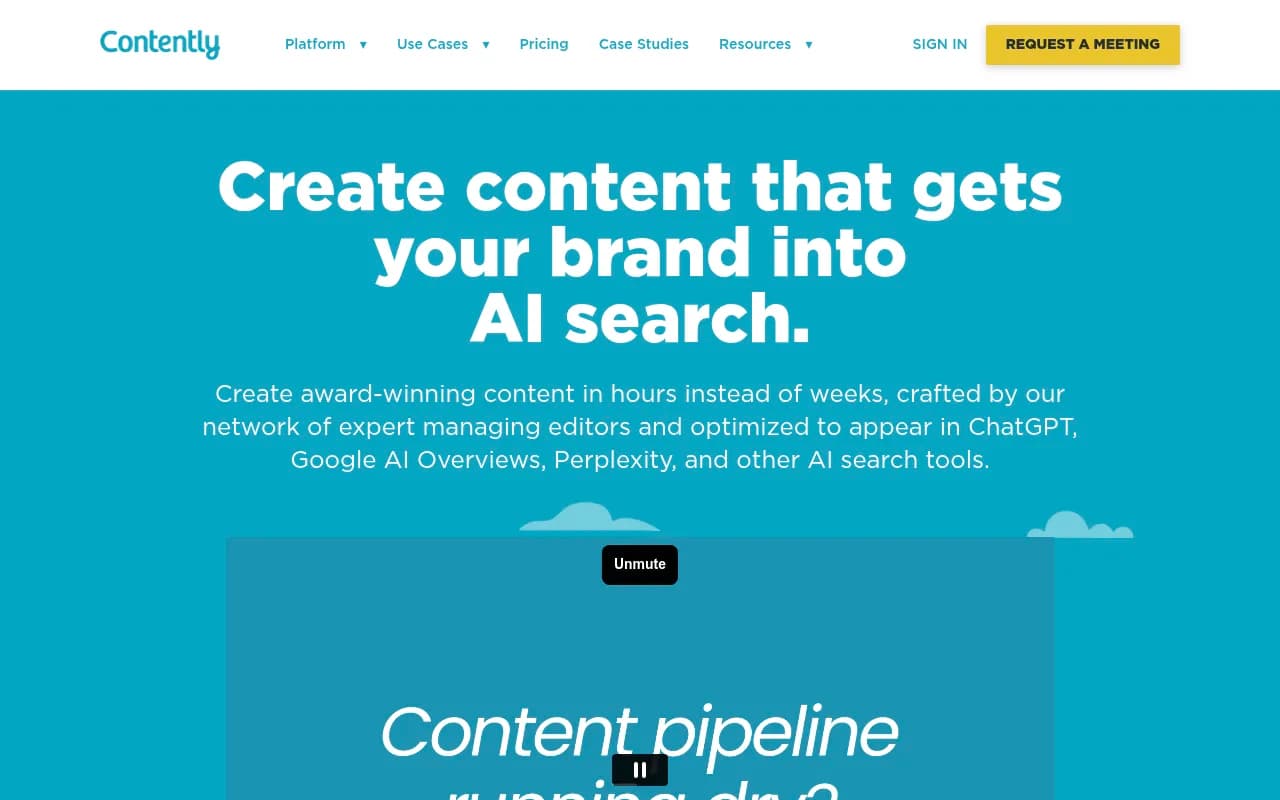
AirOps started as a workflow automation tool and has moved decisively into AI search and AEO territory. It's now positioned as a content engineering platform -- connecting AI generation with SEO data, brand kits, and increasingly, answer engine optimization signals. If you're an SEO or content team that thinks in terms of prompts, citations, and AI visibility, AirOps is the most native fit in this group.
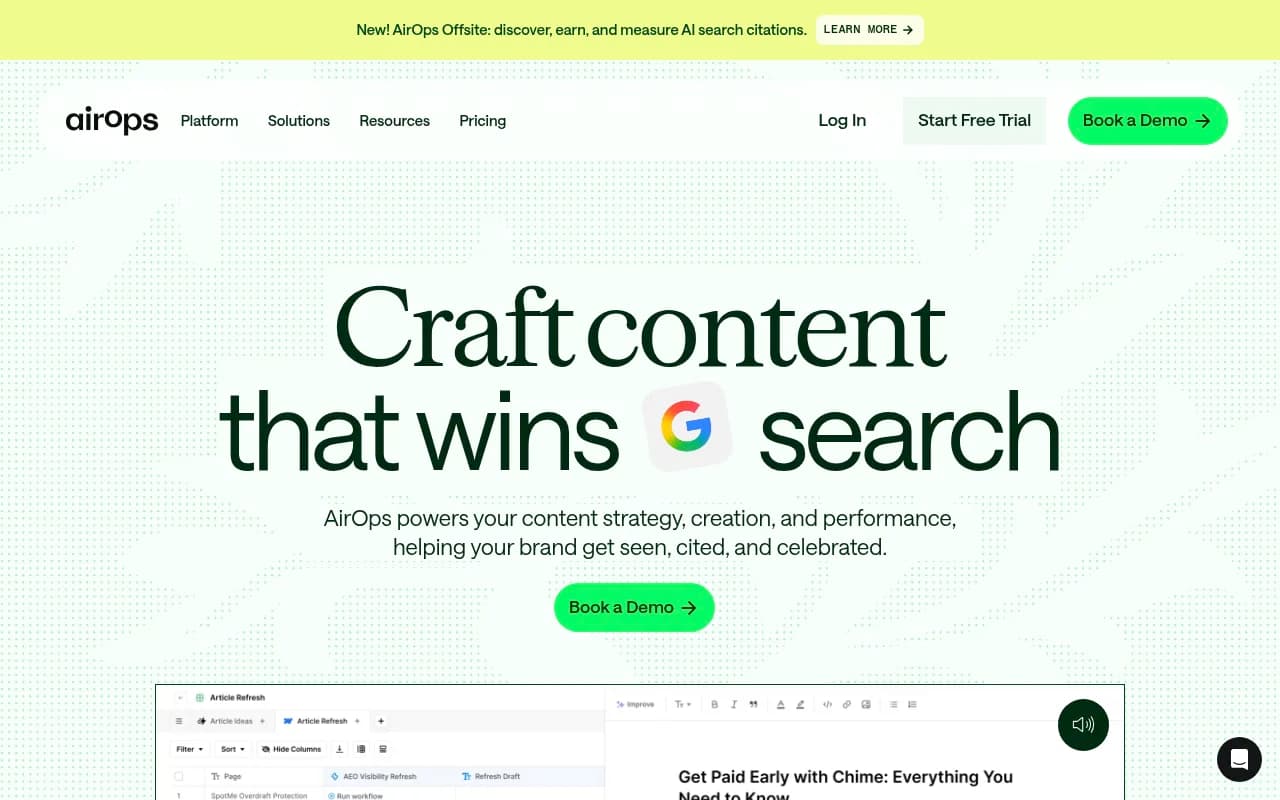
Narrato is a content operations platform that covers the full editorial lifecycle: content planning, AI writing, SEO briefs, team collaboration, approvals, and publishing. It's more workflow-complete than AirOps for traditional content teams, and its pricing is accessible enough that mid-sized teams can actually use it without an enterprise contract.
Pepper Content combines a content marketplace (freelance writers and creators) with an AI writing layer and project management tools. It's a managed content production service as much as it's a software platform. That's useful for teams that want to outsource execution, less useful for teams that want to own their content ops stack internally.

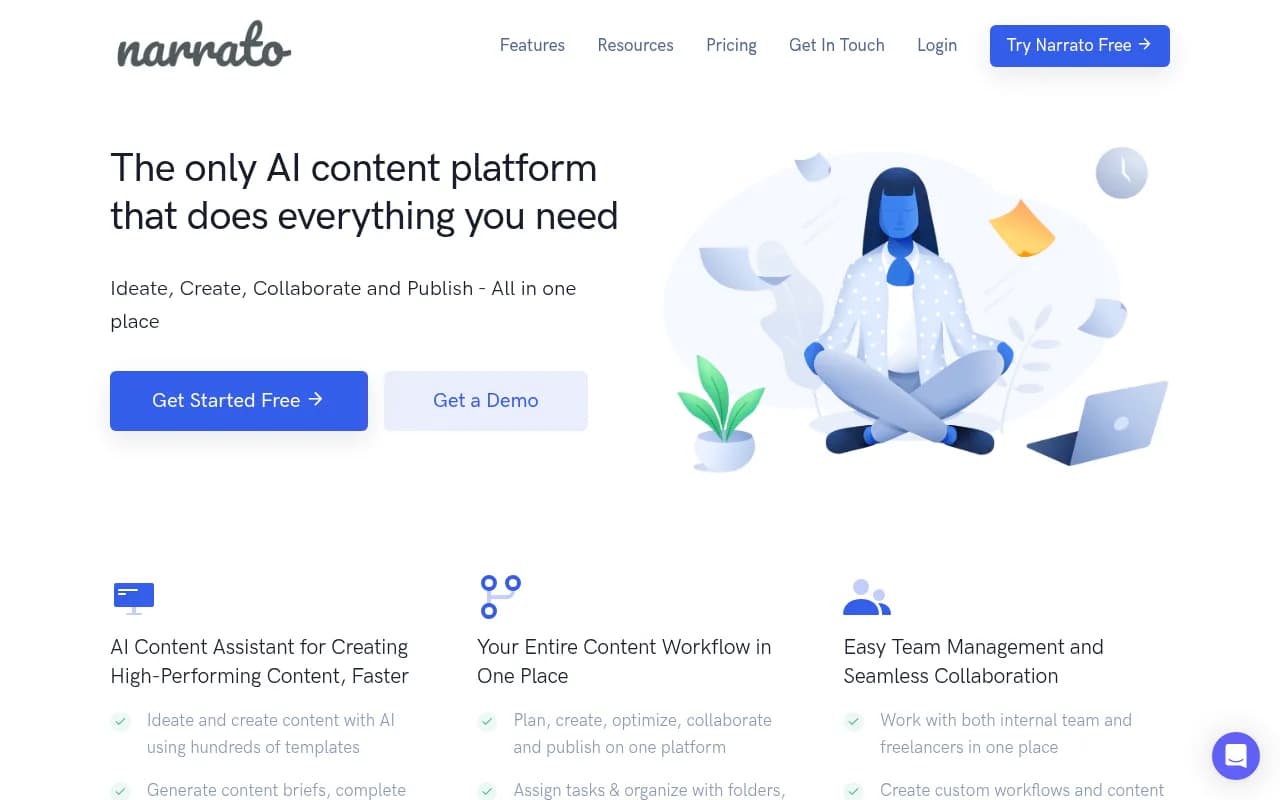
Contently is an enterprise content marketing platform with a strong focus on brand governance, content strategy, and performance analytics. It has a freelancer network, a CMS, and reporting tools. It's been around long enough to have real enterprise credibility, but it's built around traditional content marketing metrics -- traffic, engagement, pipeline -- not AI search visibility.
Feature comparison
| Feature | AirOps | Narrato | Pepper Content | Contently |
|---|---|---|---|---|
| AI content generation | Yes (core feature) | Yes (built-in AI writer) | Yes (AI + freelancers) | Limited |
| SEO brief creation | Yes | Yes | Yes | Yes |
| Content workflow & approvals | Yes | Yes | Yes | Yes |
| Freelancer/creator network | No | No | Yes | Yes |
| AI search / AEO optimization | Yes (core focus) | Partial | No | No |
| Prompt/citation data integration | Yes | No | No | No |
| Brand voice controls | Yes | Yes | Yes | Yes |
| Publishing integrations | Yes | Yes | Limited | Yes |
| Content analytics | Yes | Basic | Basic | Strong |
| Pricing transparency | Yes (public) | Yes (public) | Custom/quote | Custom/quote |
| Best for | SEO/AI search teams | Content ops teams | Managed production | Enterprise brands |
AirOps: built for AI search, not just content
AirOps has made a clear bet: the future of content isn't just ranking on Google, it's getting cited by AI models. That shapes everything about how the platform works.
The core workflow in AirOps connects content creation to real AI search data. You can build content workflows that pull in SEO signals, competitor data, and brand guidelines, then generate content that's specifically engineered to answer the questions AI models are already responding to. It's less of a traditional CMS-adjacent tool and more of a content engineering environment.
For teams that have already started thinking about answer engine optimization -- which prompts they want to rank for, which AI models are citing competitors, which content gaps exist -- AirOps is the most purpose-built option in this comparison. It's also the most technical. You'll get more out of it if someone on your team understands how AI search works and can configure workflows accordingly.
The tradeoff is that AirOps is less polished as a pure editorial workflow tool. If your main bottleneck is managing writers, routing content through approvals, and publishing to a CMS, you'll probably find Narrato more immediately useful.
Narrato: the most complete workflow for content teams
Narrato covers more of the editorial workflow than any other platform in this comparison. Content planning, AI writing, SEO content briefs, team task management, client collaboration, and publishing -- it's all there, and it works without requiring a large implementation project.
The AI writing features are solid. Narrato has its own AI writer that can generate drafts, repurpose content, and assist with SEO optimization. The brief builder pulls in keyword data and competitor information. For a content team that runs on a tight budget and needs to move fast, it's genuinely one of the better options in the market.
Where Narrato falls short is AI search readiness. It doesn't have native integrations with prompt data, citation tracking, or AEO-specific optimization signals. You can use it to produce content that might rank in AI search, but you're doing that based on general SEO principles, not specific AI search intelligence. That gap matters more in 2026 than it did two years ago.
Pepper Content: managed production with AI assistance
Pepper Content's model is different from the other three. It's fundamentally a content marketplace -- you get access to vetted freelance writers and creators, plus AI tools to assist with briefs, drafts, and quality checks. If you need volume and you don't want to build an internal content team, that's a real value proposition.
The platform has added AI writing capabilities over time, but the core product is still about connecting brands with human creators at scale. That makes it a strong choice for teams that want managed production: you brief the work, Pepper handles execution, you review and approve.
The AI search angle is weak here. Pepper Content doesn't have meaningful AEO or AI visibility features. If your content strategy in 2026 includes optimizing for ChatGPT or Perplexity citations, you'd need to layer that thinking into your briefs manually -- the platform won't help you get there.
Pricing is also opaque. Both Pepper Content and Contently require you to contact sales for pricing, which makes direct comparison harder and signals that these are enterprise-oriented products.
Contently: enterprise credibility, traditional metrics
Contently has been around since 2011 and has real enterprise customers. The platform covers content strategy, a freelancer network, workflow and approvals, a CMS, and analytics. For large brands that need governance, brand consistency, and content performance reporting, it's a credible option.
The analytics are a genuine strength -- Contently tracks content performance across channels and can connect content activity to pipeline metrics. That's useful for enterprise content teams that need to justify budget.
The weakness in 2026 is the same as Pepper Content's: Contently is built around traditional content marketing performance, not AI search visibility. There's no native tracking of how your content performs in AI-generated answers, no prompt intelligence, no citation analysis. For an enterprise brand that's starting to ask "why aren't we showing up in ChatGPT responses?" Contently doesn't have an answer.
The AI search gap all four platforms share
Here's the honest assessment: none of these four platforms fully solve the AI search visibility problem. AirOps comes closest -- it's the only one that explicitly connects content creation to AEO signals and AI search data. But even AirOps doesn't give you the full picture of how your brand is actually appearing (or not appearing) across ChatGPT, Perplexity, Google AI Overviews, Gemini, and the rest.
That's a separate category of tool. If AI search visibility is a real priority for your team, you'll want something like Promptwatch running alongside whichever content workflow platform you choose. Promptwatch tracks how your brand appears across 10+ AI models, identifies which prompts competitors are winning that you're not, and connects content creation to actual citation outcomes -- the kind of feedback loop that tells you whether the content you're producing is actually working in AI search.

The two-tool approach -- a content workflow platform for production, a GEO platform for visibility tracking -- is more realistic than expecting one tool to do everything well.
Which platform fits which team
The right choice depends heavily on what your actual bottleneck is.
If your team is primarily focused on AI search and AEO, and you want content generation that's grounded in prompt data and citation intelligence, AirOps is the clear choice. It's the most forward-looking platform in this group and the most aligned with where search is heading.
If your main challenge is content operations -- managing a team of writers, routing work through approvals, maintaining brand voice, and publishing consistently -- Narrato gives you the most complete workflow at the most accessible price point. It's not built for AI search, but it's genuinely good at the editorial workflow problem.
If you need managed content production and don't want to build an internal team, Pepper Content's freelancer network is worth considering. Just go in knowing that AI search optimization isn't part of what you're buying.
If you're at an enterprise brand that needs governance, compliance, and content performance analytics tied to business metrics, Contently has the track record and the feature set for that use case. It's the most expensive option and the least AI-search-ready, but for traditional enterprise content marketing it's credible.
A few other tools worth knowing
These four platforms don't cover the whole market. A few others are worth a look depending on your specific needs:
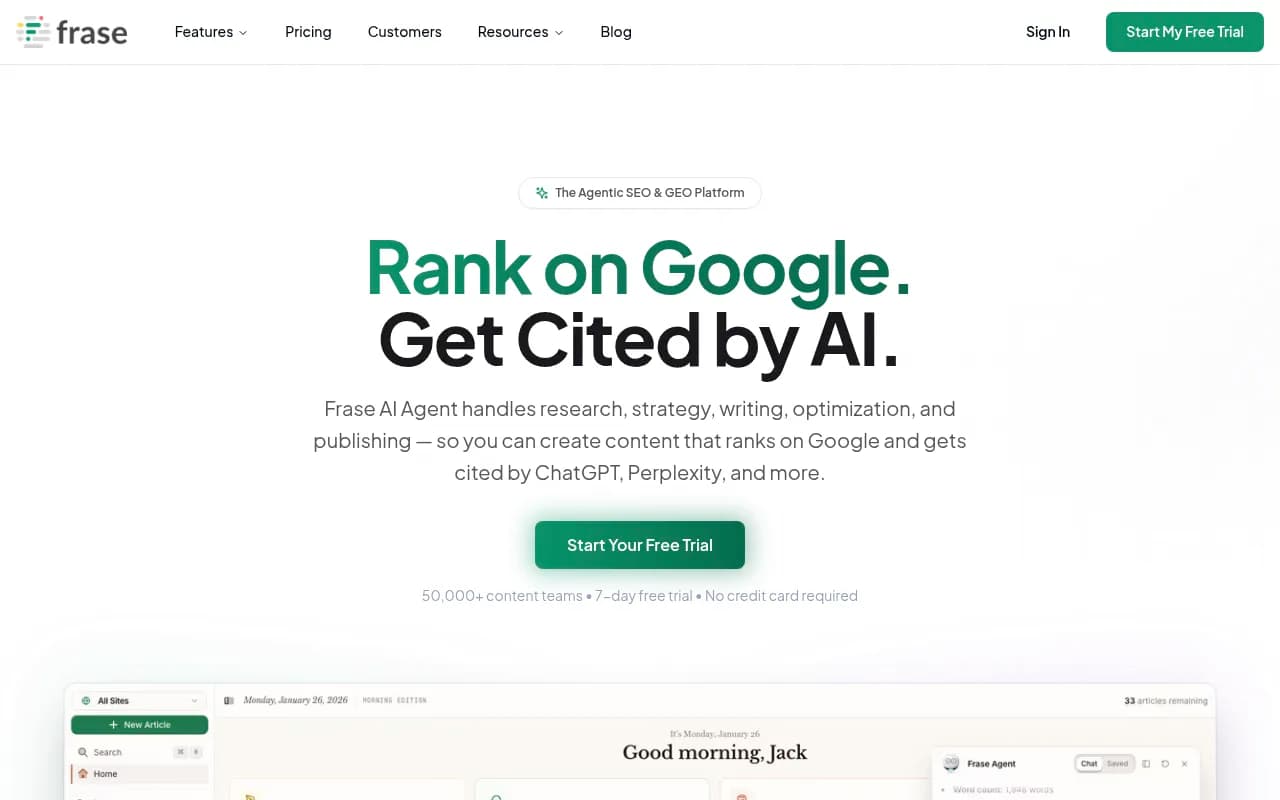
For SEO-focused content optimization that bridges traditional search and AI search signals, Frase is a solid option for research and brief creation.
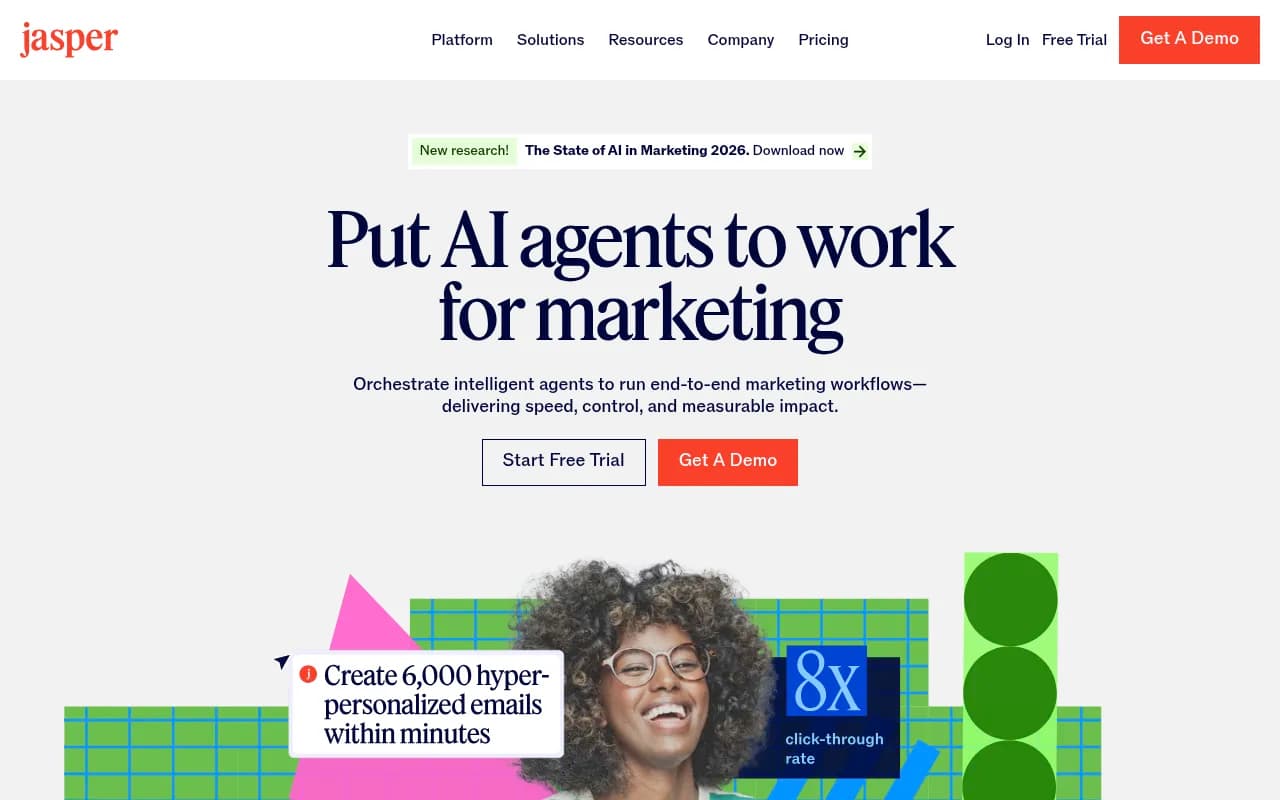
For content teams that want AI writing with strong SEO integration, Jasper has built out a more complete marketing workflow over the past year.
For teams that want content intelligence and topic authority mapping before they write anything, MarketMuse remains one of the better tools for content strategy.
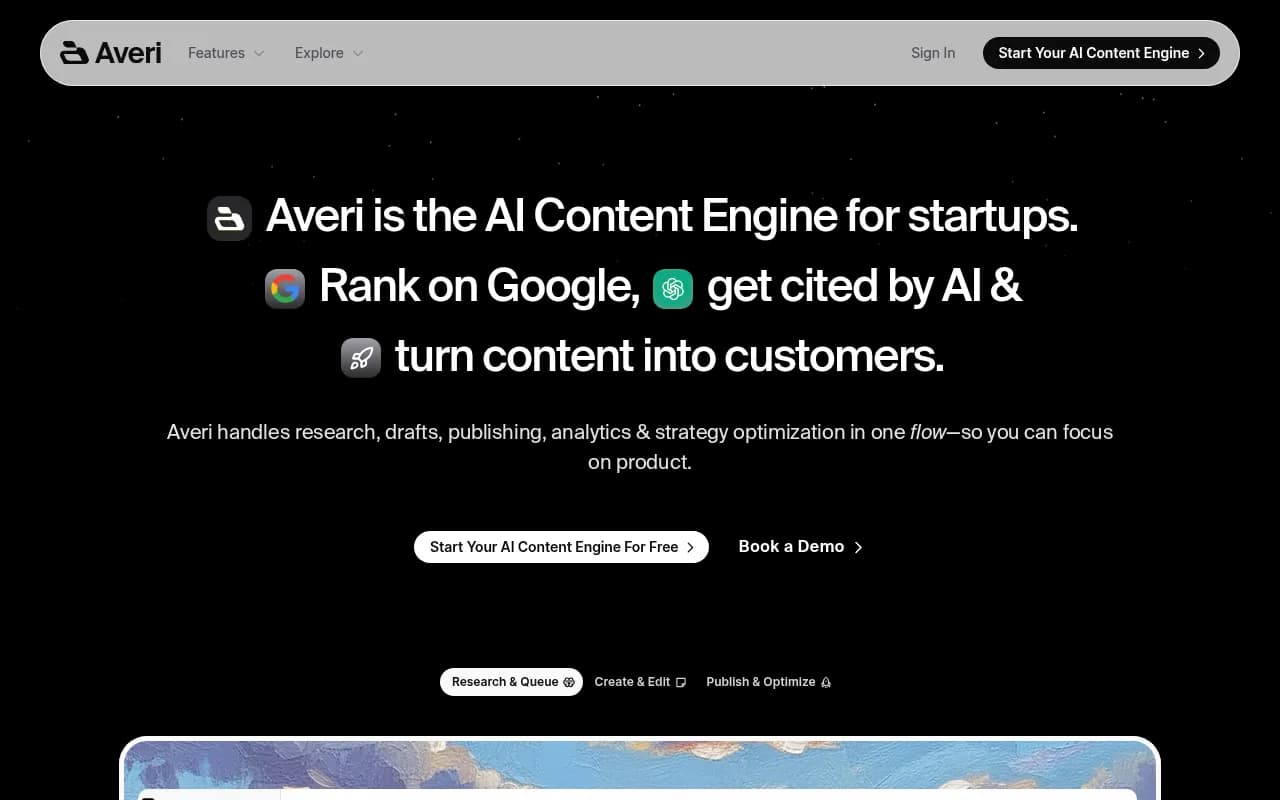
And for content operations that need to scale with automation, Averi AI is worth a look as a workflow-focused alternative.
The bottom line
The content workflow platform category is splitting into two groups: tools built for traditional content marketing (Contently, Pepper Content, and to some extent Narrato) and tools being rebuilt around AI search (AirOps, and a growing number of newer entrants).
In 2026, that split matters. If your content team's success is measured by Google rankings and organic traffic, any of these platforms can help. If you're also being asked to show up in AI-generated answers -- and most content teams are starting to face that question -- you need to be honest about what your workflow platform actually supports.
AirOps is the only platform in this comparison that takes AI search seriously as a first-class problem. The others are good tools for what they were built to do. The question is whether what they were built to do is still enough.