Key takeaways
- Most AI content tools help agencies produce content faster, but very few close the loop by showing whether that content is actually performing in AI search engines like ChatGPT, Perplexity, or Google AI Overviews.
- The tools worth investing in for agencies in 2026 are the ones that combine content generation with visibility tracking and attribution — not just one or the other.
- For traditional SEO content, Jasper, Surfer SEO, and MarketMuse remain strong choices. For AI search visibility specifically, platforms like Promptwatch go further by identifying content gaps, generating content engineered for AI citations, and tracking the results.
- Client reporting is where most tools fall short. Look for platforms with white-label exports, GSC integration, or traffic attribution before committing.
- The agency stack in 2026 is typically layered: one tool for content creation, one for SEO optimization, and increasingly, one dedicated to AI search visibility.
Running a content agency in 2026 means you're operating in two worlds at once. There's the traditional SEO world — Google rankings, organic traffic, keyword tracking — and then there's the AI search world, where ChatGPT, Perplexity, Claude, and Gemini are answering your clients' customers' questions directly, often without a click ever happening.
The problem: most AI content tools were built for the first world. They help you write faster, optimize for keywords, and generate briefs. That's useful. But clients are increasingly asking a different question: "Are we showing up when someone asks an AI about our product?" And most tools have no answer.
This guide breaks down the best AI content tools for agencies in 2026, with a specific focus on which ones can actually prove their impact — not just generate output.
What agencies actually need from AI content tools
Before getting into specific tools, it's worth being honest about what the job actually requires.
Agencies need to produce content at scale across multiple clients, often with different brand voices, industries, and goals. Speed matters. But so does quality control, and increasingly, so does attribution. A client paying $5,000/month for content wants to see something move — rankings, traffic, leads, or at minimum, visibility in the places their customers are looking.
The core needs break down like this:
- Content generation at scale (briefs, articles, social, email)
- SEO optimization (keyword targeting, on-page signals, competitor analysis)
- AI search visibility (are we being cited by ChatGPT, Perplexity, etc.?)
- Client reporting (white-label dashboards, traffic attribution, clear ROI)
Most tools cover one or two of these. Very few cover all four. The ones that do are worth paying a premium for.
The content generation layer
These are the tools agencies use to actually produce content. They vary significantly in how much they understand about what makes content rank — in either traditional or AI search.
Jasper
Jasper has matured into a proper agency platform. It's not just a writing assistant anymore — it supports campaign-level workflows, brand voice training, and multi-user collaboration. For agencies running content at scale across multiple clients, the ability to set up separate brand kits and run parallel campaigns is genuinely useful.
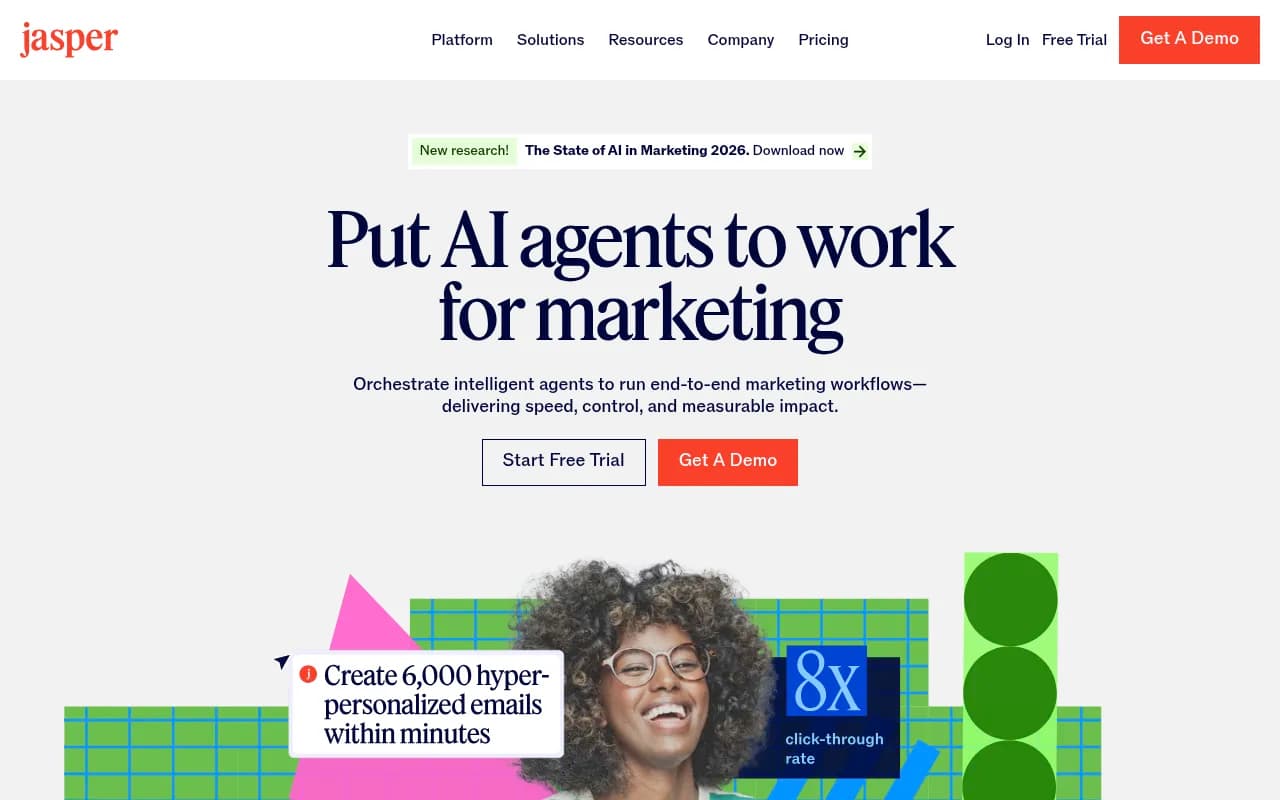
The main limitation is that Jasper generates content without much built-in intelligence about what that content needs to say to rank. It's a great execution layer, but you still need a strategy layer on top.
Surfer SEO
Surfer is the tool most SEO-focused agencies already have in their stack. Its content editor gives real-time optimization guidance based on what's ranking, and the brief generator is solid for scaling content production across teams.
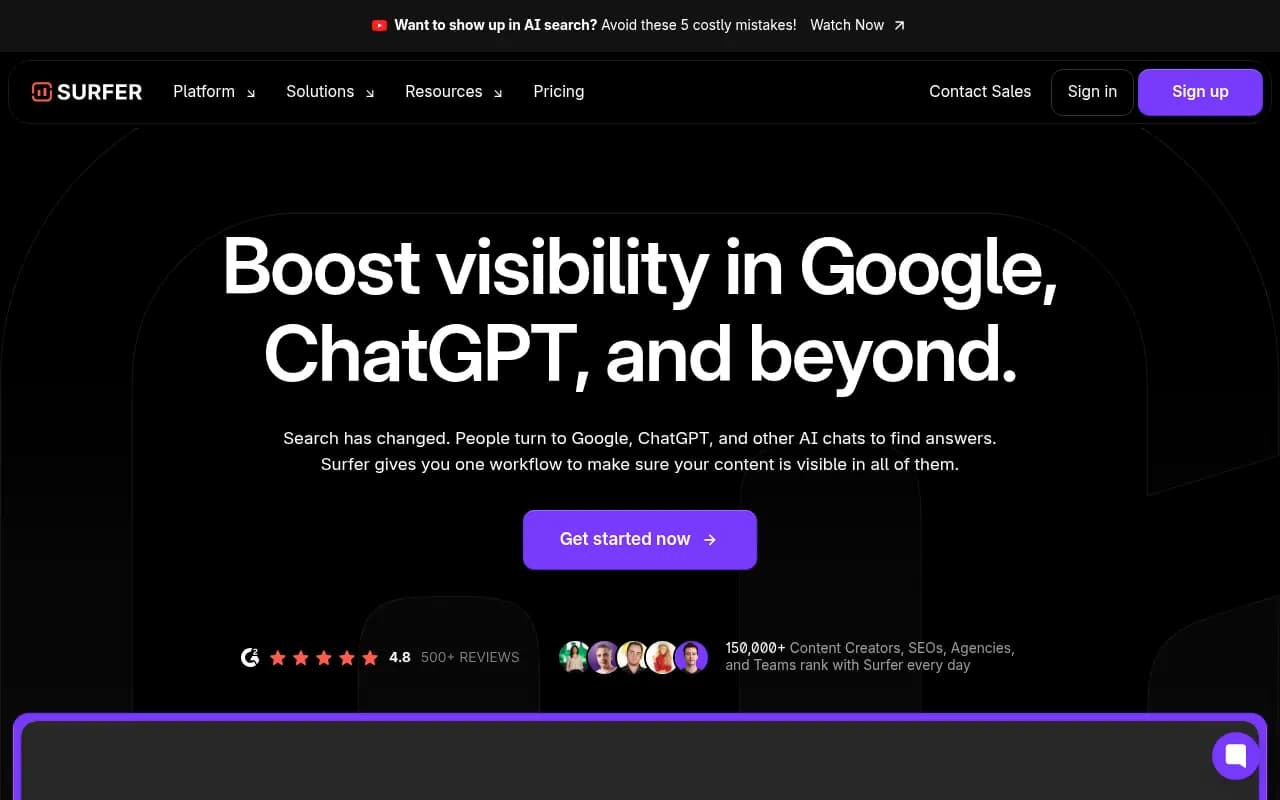
What Surfer does well: traditional SEO optimization. What it doesn't do: tell you whether your content is being cited in AI search results, or help you figure out why it isn't.
MarketMuse
MarketMuse sits at the strategy end of the content pipeline. It's best used for content planning — identifying topic clusters, finding content gaps, and prioritizing what to write based on competitive difficulty and topical authority.
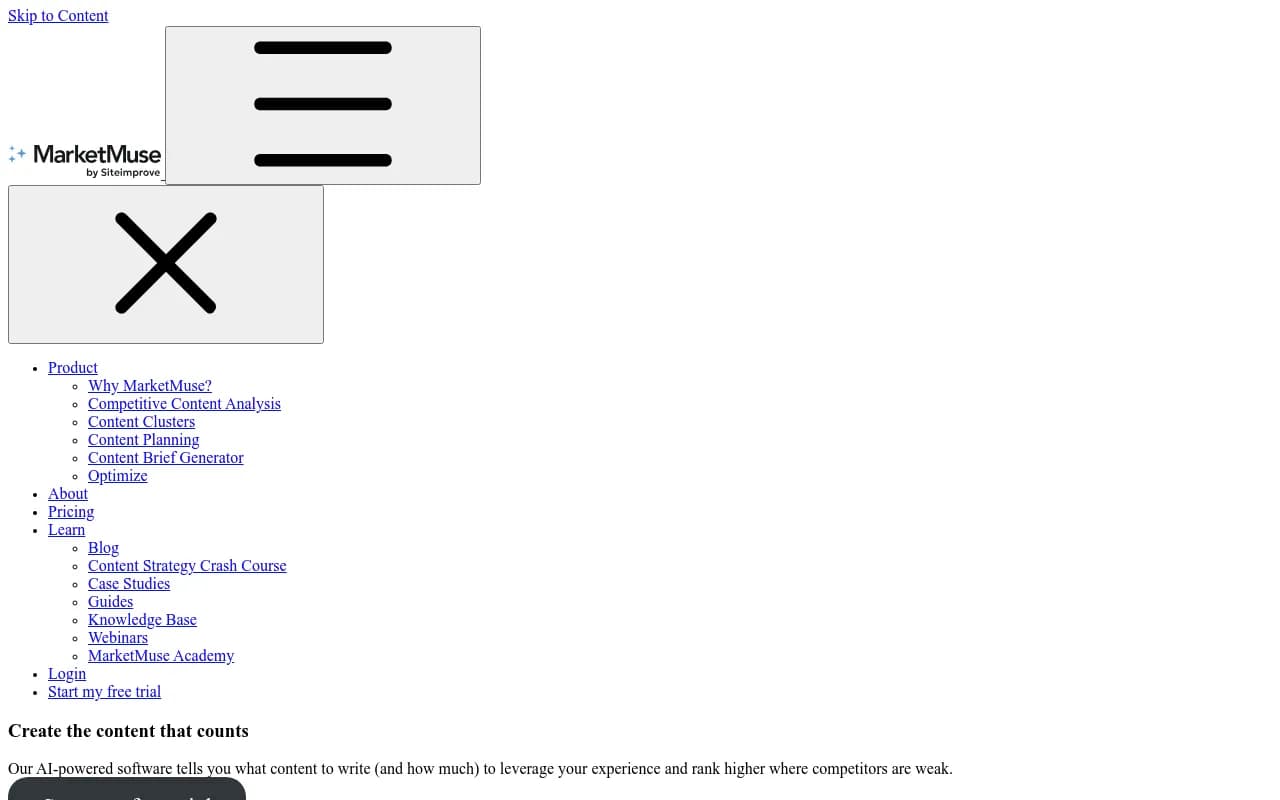
For agencies that need to justify content recommendations to clients before writing a single word, MarketMuse's topic modeling is one of the better tools available. It's not cheap, but the output is defensible.
Copy.ai
Copy.ai has pivoted hard toward workflow automation. For agencies that need to produce high volumes of short-form content — ad copy, social posts, email sequences — it's fast and reasonably good at following brand guidelines.

It's not the right tool for long-form SEO content, but as part of a broader stack it earns its place.
Writesonic
Writesonic sits in a similar space to Jasper but at a lower price point. It's a reasonable choice for smaller agencies or those just starting to add AI to their workflow. The quality is acceptable for first drafts, though it needs more editorial oversight than the premium tools.

The SEO optimization layer
Generating content is one thing. Making sure it's optimized for search — and increasingly, for AI search — is a separate problem.
Semrush
Semrush remains the default choice for most agencies doing traditional SEO. Its keyword database, site audit tools, and competitor analysis are hard to beat at the price point. The ContentShake AI feature adds some AI writing capability, though it's not as strong as dedicated writing tools.
One honest note: Semrush's AI search tracking uses fixed prompts rather than custom ones, which limits how useful it is for clients in niche industries. For broad monitoring it's fine; for deep AI visibility work, you'll want something more flexible.
Ahrefs
Ahrefs is the other half of the traditional SEO duopoly. Its backlink data and content explorer are best-in-class. The Brand Radar feature adds some AI visibility tracking, but like Semrush, it uses fixed prompts and lacks AI traffic attribution.
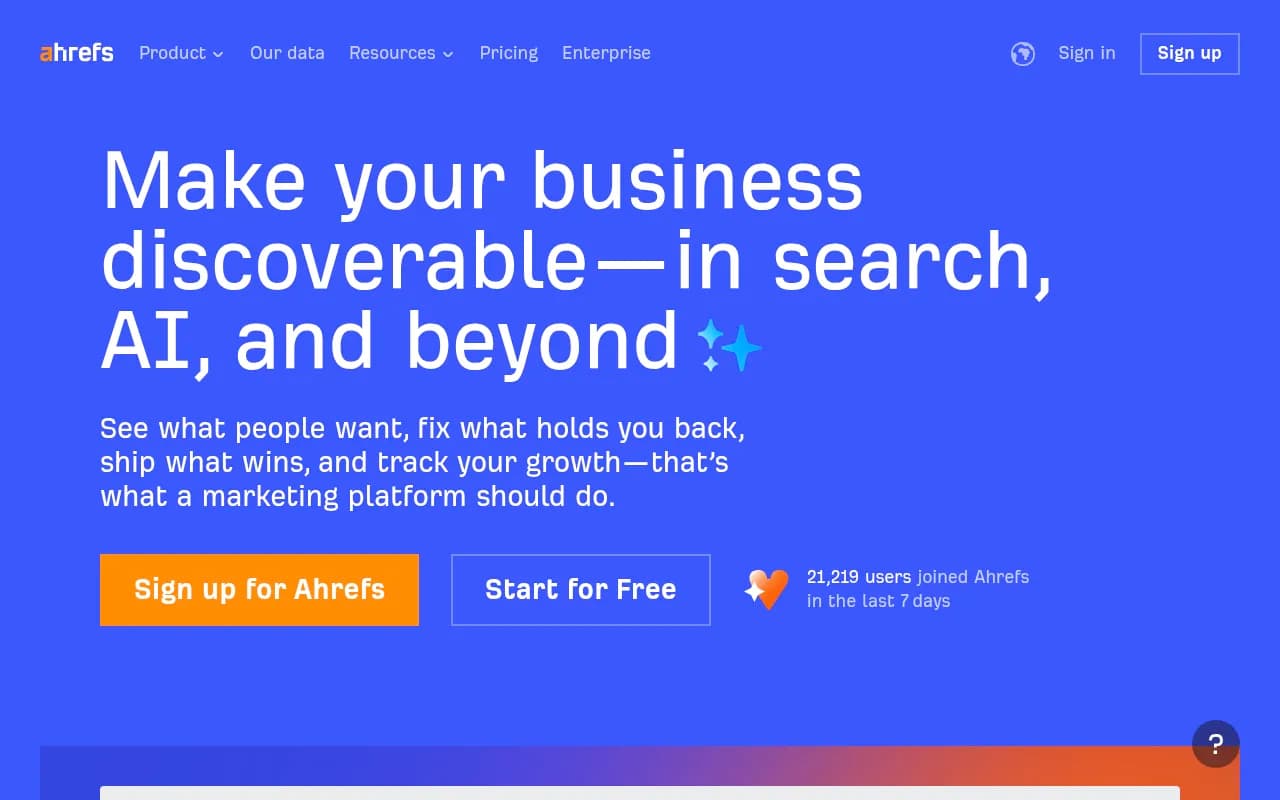
For agencies that need a solid SEO foundation, Ahrefs is a safe choice. Just don't expect it to answer the AI search question.
Clearscope
Clearscope is the cleanest content optimization tool in the market. It's simple, fast, and the grading system is easy to explain to writers who aren't SEO experts. For agencies with large writing teams, the low learning curve is a real advantage.

Frase
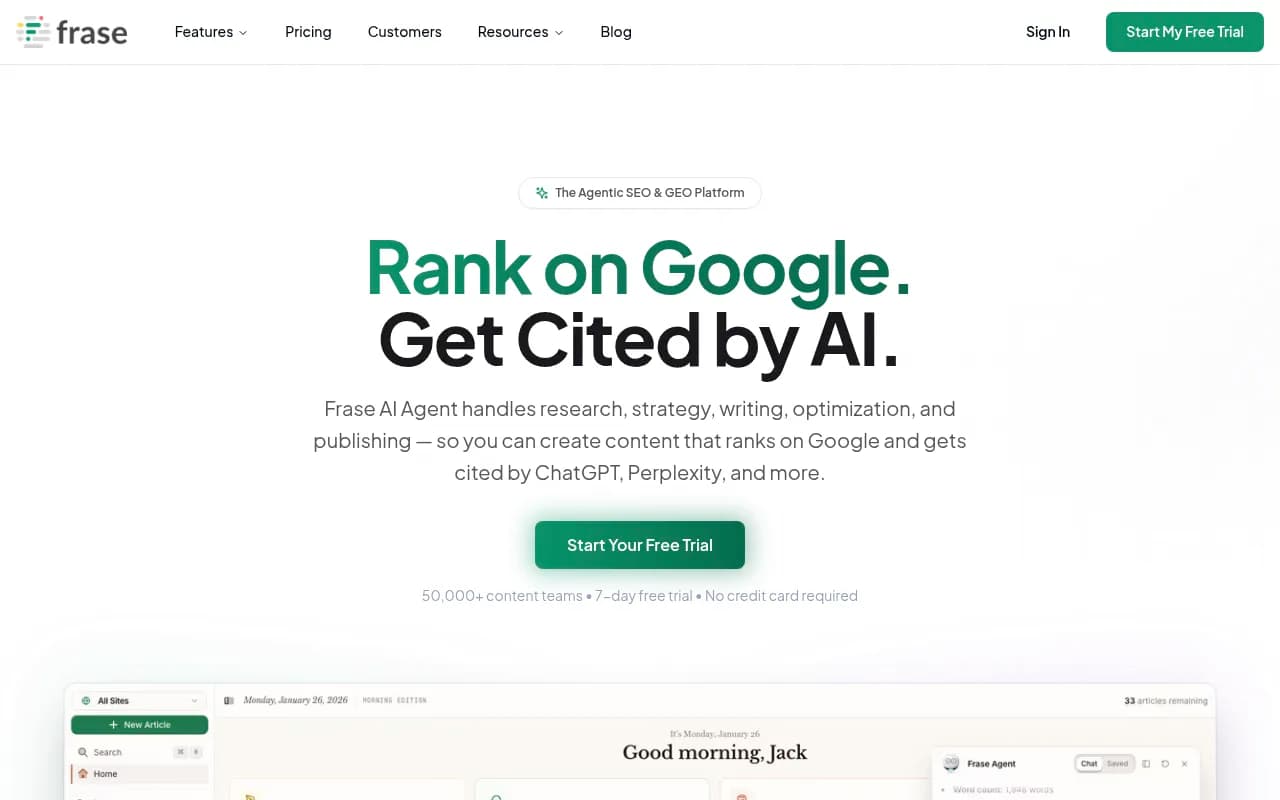
Frase combines research, brief creation, and content optimization in one workflow. It's particularly good at pulling together "People Also Ask" data and competitor content structures, which makes it useful for agencies that need to move quickly from research to brief to draft.
The AI search visibility layer
This is where the gap between "we're producing content" and "we can prove it's working" becomes most visible. Traditional SEO tools track Google rankings. But when a potential customer asks ChatGPT "what's the best project management tool for agencies?" — who's tracking whether your client shows up in that answer?
This is the problem that a new category of tools has emerged to solve.
Promptwatch
Promptwatch is the most complete platform in this space for agencies. It monitors 10 AI models — including ChatGPT, Perplexity, Claude, Gemini, Google AI Overviews, Grok, and DeepSeek — and tracks which prompts your clients are visible for and which they're not.
What makes it genuinely useful for agencies (rather than just another monitoring dashboard) is the action loop it's built around. The Answer Gap Analysis identifies exactly which prompts competitors are being cited for but your client isn't. The built-in AI writing agent then generates content specifically engineered to close those gaps — grounded in 880M+ real citations, not generic SEO logic. And page-level tracking shows which new content is getting picked up by which AI models, with traffic attribution via GSC integration or server log analysis to connect visibility to actual revenue.
For client reporting, that attribution layer is the part that matters most. Showing a client that their new article is being cited by Perplexity 47 times this month is a compelling story. Showing them that those citations drove 312 sessions and 8 form fills is a closed loop.

Otterly.AI
Otterly.AI is a monitoring-only platform. It tracks brand mentions across ChatGPT, Perplexity, and Google AI Overviews, and the interface is clean. For agencies that just want to add AI visibility reporting to their existing service offering, it's a reasonable starting point.
Otterly.AI

The limitation is that it stops at data. There's no content gap analysis, no content generation, no crawler logs, no traffic attribution. You can show a client their visibility score, but you can't tell them what to do about it or prove that your work improved it.
Profound
Profound is a strong enterprise-tier option. It covers 9+ AI search engines and has solid prompt tracking features. The price point is higher than most mid-market agencies can justify, and it lacks Reddit tracking and ChatGPT Shopping monitoring, but for large agency clients with enterprise budgets it's worth evaluating.
Profound

Peec AI
Peec AI is a lighter-weight monitoring tool. It tracks brand visibility across ChatGPT, Perplexity, and Claude. Fine for agencies that want basic AI visibility data without a significant investment, but it doesn't have the depth needed for serious client reporting.

Comparison: AI content tools for agencies
| Tool | Content generation | SEO optimization | AI search visibility | Traffic attribution | Best for |
|---|---|---|---|---|---|
| Jasper | Excellent | Limited | No | No | Campaign-scale content production |
| Surfer SEO | Good | Excellent | No | No | Traditional SEO content |
| MarketMuse | Strategy only | Excellent | No | No | Content planning and prioritization |
| Semrush | Moderate | Excellent | Basic (fixed prompts) | Partial | Full-service SEO agencies |
| Ahrefs | Limited | Excellent | Basic (fixed prompts) | No | Link-focused SEO work |
| Clearscope | No | Excellent | No | No | Content optimization at scale |
| Promptwatch | Yes (AI-grounded) | Via gap analysis | Full (10 models) | Yes (GSC + logs) | Agencies needing to prove AI search ROI |
| Otterly.AI | No | No | Monitoring only | No | Basic AI visibility reporting |
| Profound | No | No | Strong (9+ models) | No | Enterprise AI visibility |
| Peec AI | No | No | Basic (3 models) | No | Entry-level AI monitoring |
The reporting problem (and how to solve it)
Here's the honest truth about client reporting in 2026: most agencies are still sending monthly PDFs with Google Analytics screenshots and keyword ranking tables. That was fine in 2022. It's increasingly inadequate now.
Clients are asking about AI search because they're using AI search themselves. They're asking ChatGPT for vendor recommendations. They're using Perplexity to research products. When they don't see their own brand in those answers, they notice — and they ask their agency about it.
The agencies that are winning new business right now are the ones that can show prospective clients a visibility gap: "Here are the 47 prompts your competitors are being cited for that you're not. Here's what we'd do about it in the first 90 days."
That kind of analysis requires a tool that goes beyond rank tracking. It requires something that can map the prompt landscape, identify gaps, and generate content specifically designed to close them. That's a different product category than traditional SEO tools.
For agencies building this capability, the workflow typically looks like:
- Use Promptwatch's Answer Gap Analysis to identify which prompts the client is missing
- Use the built-in AI writing agent to generate content targeting those specific gaps
- Publish the content and monitor citation growth across AI models
- Report on traffic attribution to connect AI citations to actual business outcomes
This is a genuinely new service offering, and clients will pay for it because the problem is real and visible to them.
Workflow tools that support the agency stack
Beyond the core content and visibility tools, a few supporting tools are worth mentioning for agencies building out their AI content workflow.
Grammarly
Still the most reliable editing layer for teams with multiple writers. The AI suggestions have improved significantly, and the tone detection is useful for maintaining brand voice across a large team.

Canva AI
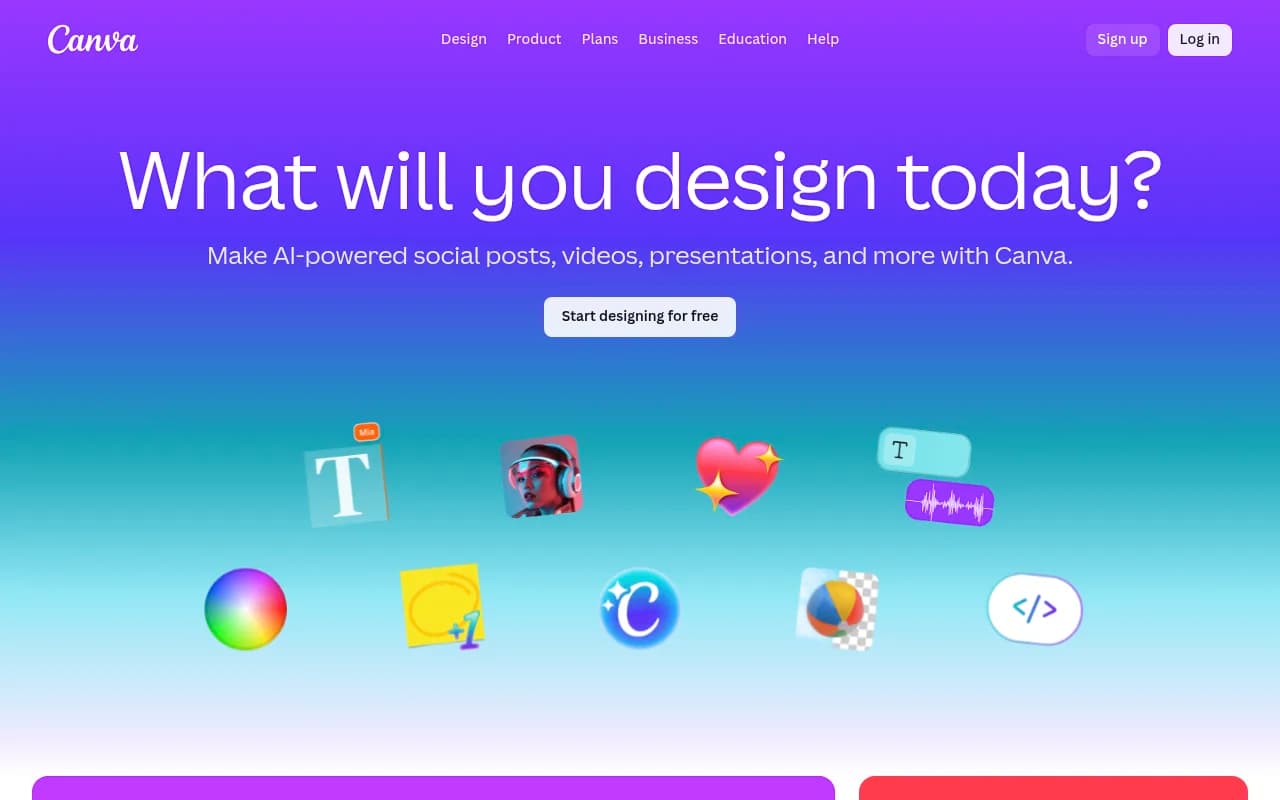
For agencies that produce visual content alongside written content, Canva's AI features have made it genuinely fast to produce social graphics, presentation decks, and ad creatives at scale.
Narrato AI
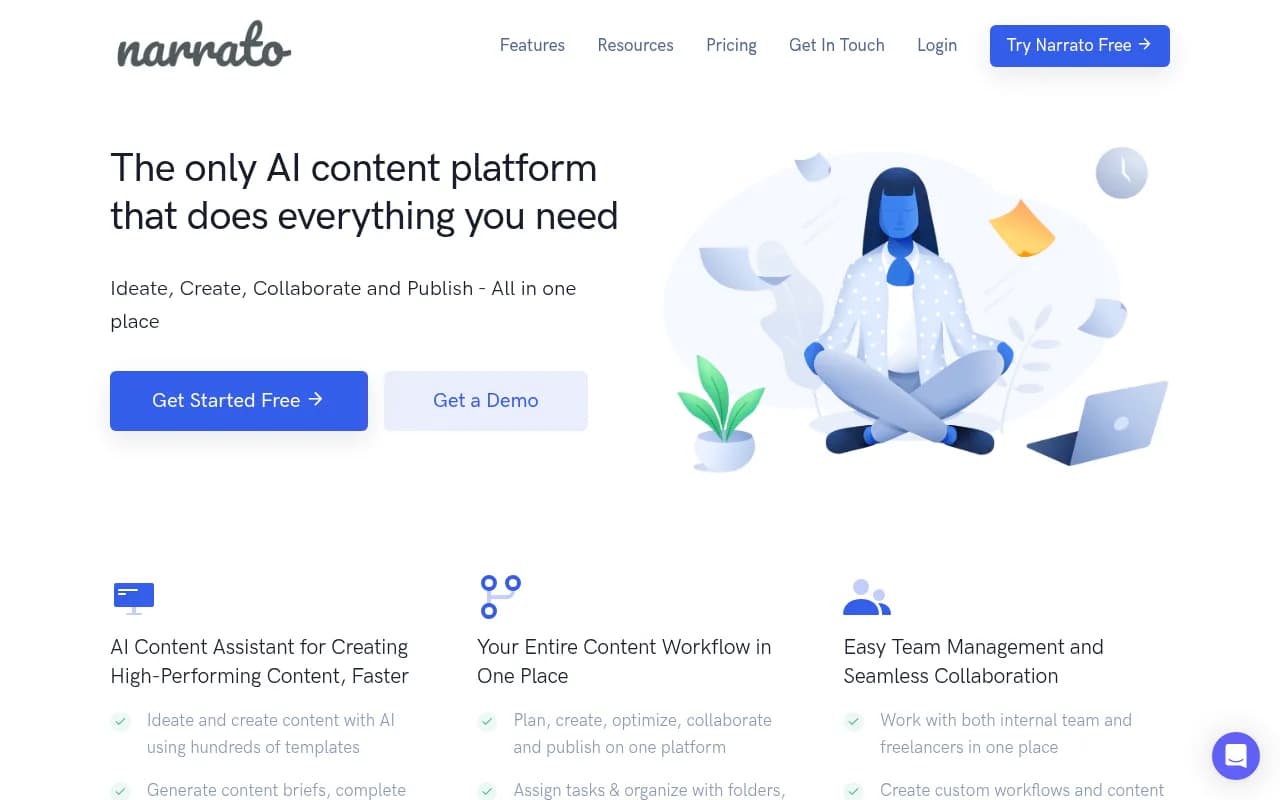
Narrato is worth a look for agencies that need to manage the full content workflow — briefs, assignments, drafts, approvals — in one place. It's particularly useful for agencies with freelance writer networks.
Zapier
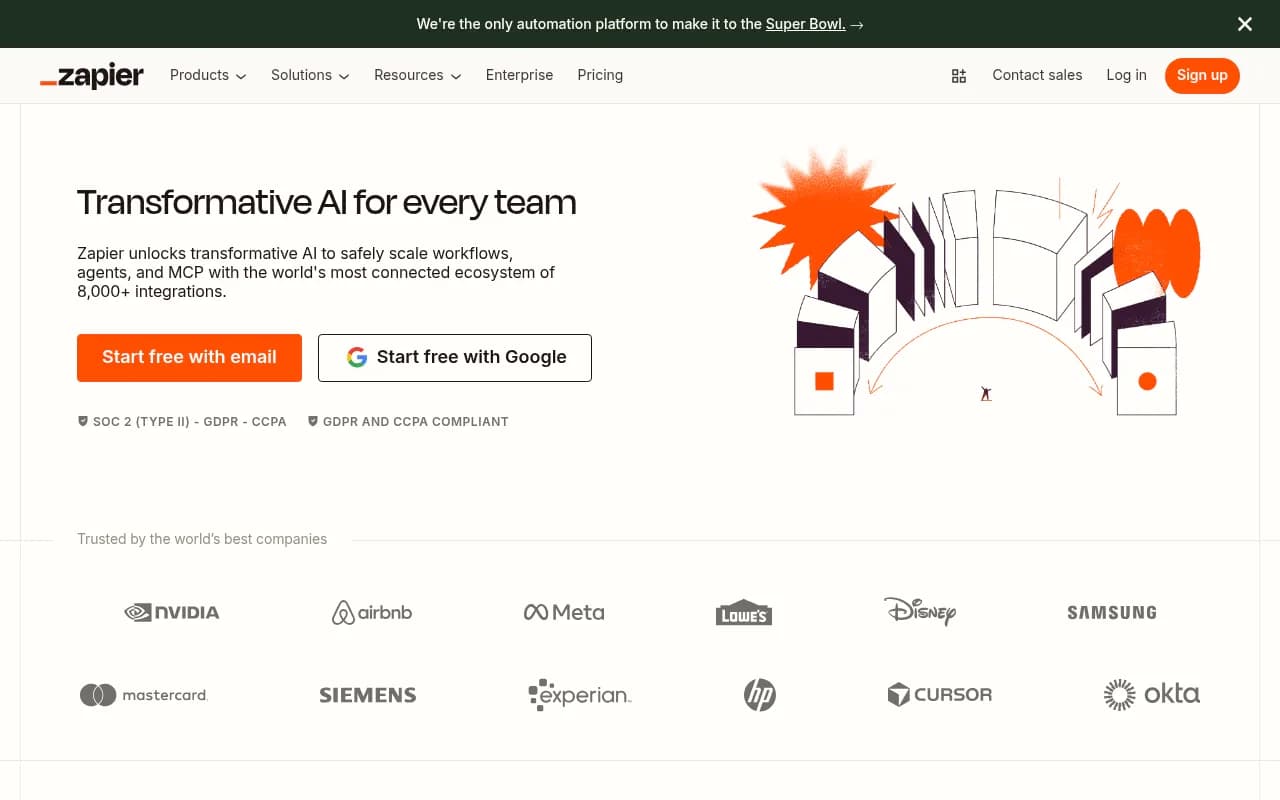
For connecting content tools to CRMs, project management platforms, and reporting dashboards, Zapier remains the most practical automation layer for agencies that don't have developer resources.
How to build your agency stack in 2026
The right stack depends on where your agency is positioned and what your clients are paying for. Here's a practical framework:
If you're a traditional SEO agency adding AI content: Start with Surfer SEO or Clearscope for optimization, Jasper or Writesonic for generation, and add Promptwatch to start tracking and reporting AI search visibility. The AI visibility layer is the differentiator — it's what justifies a service expansion conversation with existing clients.
If you're a full-service content agency: MarketMuse for strategy, Jasper for execution, Surfer for optimization, and Promptwatch for AI search visibility and attribution. This covers the full pipeline from planning to proof.
If you're a specialist AI search agency: Promptwatch is the core platform. Its content gap analysis, AI writing agent, crawler logs, and citation tracking give you everything you need to run an AI visibility practice. Layer in Ahrefs or Semrush for traditional SEO context.
If you're just starting out: Writesonic or Copy.ai for content generation, Semrush for SEO, and one of the lighter AI visibility tools (Otterly.AI or Peec AI) to start building familiarity with the space. Plan to upgrade the visibility layer as client demand grows.
The bottom line
The agencies that will win the next few years are the ones that can answer two questions for clients: "Are we producing good content?" and "Is it working in AI search?"
Most tools in the market answer the first question. Very few answer the second. And almost none connect the two with a clear attribution story.
The gap between "we published 20 articles this month" and "here's how those articles improved your AI search visibility and drove 400 new sessions" is where agency value lives in 2026. The tools that help you close that gap are the ones worth investing in.