Key takeaways
- Most AI visibility platforms are monitoring dashboards only -- they show you where you're invisible but leave the fixing to you
- Promptwatch is the only platform in this comparison rated as a "Leader" across all categories, combining tracking with content gap analysis and built-in AI content generation
- Profound is the strongest pure-analytics option for enterprise teams, starting at $499/month
- Otterly.AI is the cheapest entry point at $29/month but covers only 4 base models and offers no optimization features
- Peec AI is fast to set up and flexible, but caps all plans at three models unless you negotiate a custom deal
- If your goal is to actually improve AI visibility (not just measure it), the platform you choose matters enormously
The AI search shift is real and it's accelerating. According to NP Digital's analysis of 50 B2B companies, organic leads dropped 47% between January and October 2025 for brands that weren't adapting. Meanwhile, research from Magenta Associates found that 66% of UK senior decision-makers now use ChatGPT, Copilot, or Perplexity to research suppliers -- and 90% trust what those systems say.
So the question isn't whether you need to care about AI visibility. It's which platform will actually help you do something about it.
This guide compares four of the most talked-about options in 2026: Promptwatch, Profound, Otterly.AI, and Peec AI. We'll cover what each one does well, where each one falls short, and which type of team each one is actually built for.
What AI visibility platforms actually do
Before getting into the comparisons, it's worth being precise about what this category of tool does -- because there's a wide spectrum.
At the basic end, these platforms send prompts to AI models (ChatGPT, Perplexity, Claude, Gemini, etc.) and record whether your brand appears in the responses. They track metrics like mention rate, citation rate, and share of voice across LLMs. That's monitoring.
At the more advanced end, platforms go further: they identify which prompts your competitors rank for that you don't, help you understand why AI models cite certain sources, generate content designed to get cited, and track whether that content is actually working. That's optimization.
The distinction matters because most teams don't just want a dashboard showing them they're invisible. They want to fix it.
The platforms compared
Promptwatch
Promptwatch is the platform that most clearly straddles both sides of the monitoring/optimization divide. It tracks your brand across 10 AI models -- ChatGPT, Perplexity, Claude, Gemini, Google AI Overviews, Google AI Mode, Meta/Llama, DeepSeek, Grok, Mistral, and Copilot -- and pairs that data with tools designed to help you act on it.

The core workflow Promptwatch is built around has three steps. First, Answer Gap Analysis surfaces the specific prompts where competitors are visible but you aren't -- not just a vague "you're missing coverage here" but the actual questions AI models are answering with your competitor's content instead of yours. Second, a built-in AI writing agent generates articles, listicles, and comparison pages grounded in citation data from over 880 million citations analyzed. Third, page-level tracking shows whether that new content is actually getting cited, by which models, and how often.
Beyond that loop, Promptwatch includes AI crawler logs (real-time data on which AI crawlers are hitting your site and what errors they're encountering), prompt volume and difficulty scoring, Reddit and YouTube citation tracking, ChatGPT Shopping monitoring, and competitor heatmaps. Traffic attribution connects visibility data to actual revenue through a code snippet, Google Search Console integration, or server log analysis.
Pricing runs from $99/month (Essential: 1 site, 50 prompts, 5 articles) to $249/month (Professional: 2 sites, 150 prompts, 15 articles, crawler logs) to $579/month (Business: 5 sites, 350 prompts, 30 articles). Agency and enterprise plans are available on request.
In a 2026 comparison of 12 GEO platforms, Promptwatch was the only one rated "Leader" across all categories. The core reason: it doesn't stop at diagnosis.
Profound
Profound is the enterprise-grade option in this space. It tracks up to 10 AI models depending on plan, offers deep analytics including prompt volume data, and is genuinely strong at the research layer -- understanding which prompts matter, how your brand is being described, and how that compares to competitors.
Profound

Where Profound earns its reputation is in the depth of its analytics. If you're a large brand that needs to present AI visibility data to a board or justify GEO investment to a CMO, Profound gives you the numbers and the framing to do that. The platform is also well-suited to teams running structured research programs around AI search behavior.
The tradeoff is price and scope. Profound starts at $499/month -- significantly higher than the other platforms in this comparison. And like most enterprise analytics tools, it's primarily a measurement platform. It doesn't generate content for you, doesn't have crawler log monitoring, and doesn't close the loop between visibility data and content output.
For teams with dedicated content and SEO resources who just need a strong data layer, Profound is a serious option. For teams that need the data and the execution help, it's only half the solution.
Otterly.AI
Otterly.AI is the budget-friendly entry point in this category. At $29/month, it's the lowest barrier to getting started with AI visibility monitoring, and it earned a Gartner Cool Vendor designation in 2025, which is a meaningful signal for a young platform.
Otterly.AI

The platform covers 4 base LLMs with 2 additional models available as add-ons. For teams that are just starting to explore AI visibility and want to understand whether their brand is showing up in ChatGPT or Perplexity responses, Otterly does that job at a price that's easy to justify.
The limitations become apparent quickly once you want to do more than monitor. Otterly doesn't offer content generation, crawler log access, traffic attribution, or prompt volume data. It's a monitoring dashboard, and a fairly lean one. Teams that outgrow it tend to do so fast -- usually when they realize they need to understand not just whether they're visible, but why, and what to do about it.
If you're a small team or a solo marketer testing the waters of AI visibility for the first time, Otterly is a reasonable starting point. If you're running a serious GEO program, you'll likely need something with more depth.
Peec AI
Peec AI sits in the middle of the market: faster to set up than Profound, more flexible than Otterly, and priced around €85-89/month for its base plans. The platform supports up to 10 models in principle, but the catch is that all standard plans cover only three models. More models require a custom plan negotiated with their sales team.

What Peec AI does well: the interface is clean, setup takes about three minutes, it offers unlimited seats across plans, and the source and citation tracking is solid. For teams that need to get something running quickly and share access across a marketing team without paying per seat, it's a practical choice.
What it doesn't do: content generation, SEO rank tracking, traffic attribution, or crawler log monitoring. Like Otterly, it's a monitoring tool. The difference is that Peec AI's monitoring is more flexible and the data is generally richer -- but you'll still need to stack it with other tools to actually act on what you learn.
Teams that hit the ceiling on Peec AI typically do so when they realize they're spending time in a dashboard that shows them problems but doesn't help solve them.
Head-to-head comparison
| Feature | Promptwatch | Profound | Otterly.AI | Peec AI |
|---|---|---|---|---|
| AI models tracked | 10 | Up to 10 | 4 base + 2 add-ons | 3 standard (10 custom) |
| Starting price | $99/mo | $499/mo | $29/mo | ~€85/mo |
| Content gap analysis | Yes | No | No | No |
| Built-in content generation | Yes (AI writing agent) | No | No | No |
| AI crawler logs | Yes (Professional+) | No | No | No |
| Traffic attribution | Yes | No | No | No |
| Prompt volume & difficulty | Yes | Yes | No | No |
| Reddit & YouTube tracking | Yes | No | No | No |
| ChatGPT Shopping tracking | Yes | No | No | No |
| Competitor heatmaps | Yes | Yes | Limited | Limited |
| Unlimited seats | No | No | No | Yes |
| Free trial | Yes | Yes | Yes | Yes (7-day, no CC) |
| Best for | Full GEO optimization | Enterprise analytics | Budget monitoring | Mid-market monitoring |
Which platform is right for you?
The honest answer depends on what you're trying to accomplish.
If you want to understand your AI visibility and then fix it -- meaning you want to find the gaps, create content that addresses them, and track whether that content is working -- Promptwatch is the only platform in this comparison that supports the full cycle. The others will show you the problem. Promptwatch helps you solve it.
If you're an enterprise team with dedicated content resources and you primarily need a deep analytics layer to inform strategy and report upward, Profound is worth the higher price tag. The research depth is genuinely strong.
If you're a small team or an individual marketer who wants to start tracking AI visibility without committing significant budget, Otterly.AI at $29/month is a reasonable starting point. Just go in knowing you'll likely need more eventually.
If you need fast setup, unlimited seats, and solid citation tracking at a mid-market price, Peec AI is a practical choice -- with the caveat that you'll need to negotiate for access to more than three models.
A note on the monitoring-only problem
One thing worth saying directly: the majority of AI visibility platforms on the market today are monitoring dashboards. They show you data. They don't help you act on it.
That's not a knock on any specific tool -- monitoring is genuinely valuable. But if your goal is to actually improve how often ChatGPT or Perplexity recommends your brand, knowing you're invisible isn't enough. You need to know which content to create, how to structure it so AI models will cite it, and whether your efforts are working.
The gap between "we can see we're not visible" and "we know what to do about it" is where most GEO programs stall. The platform you choose determines whether you get stuck there.
Other platforms worth knowing about
This comparison focused on four platforms, but the AI visibility space has expanded significantly in 2026. A few others worth a look depending on your needs:
For SEO teams that want AI visibility added to existing workflows:
Semrush has added AI visibility tracking to its toolkit, which makes sense for teams already deep in the Semrush ecosystem. The limitation is that it uses fixed prompts rather than letting you define your own, and there's no AI traffic attribution.
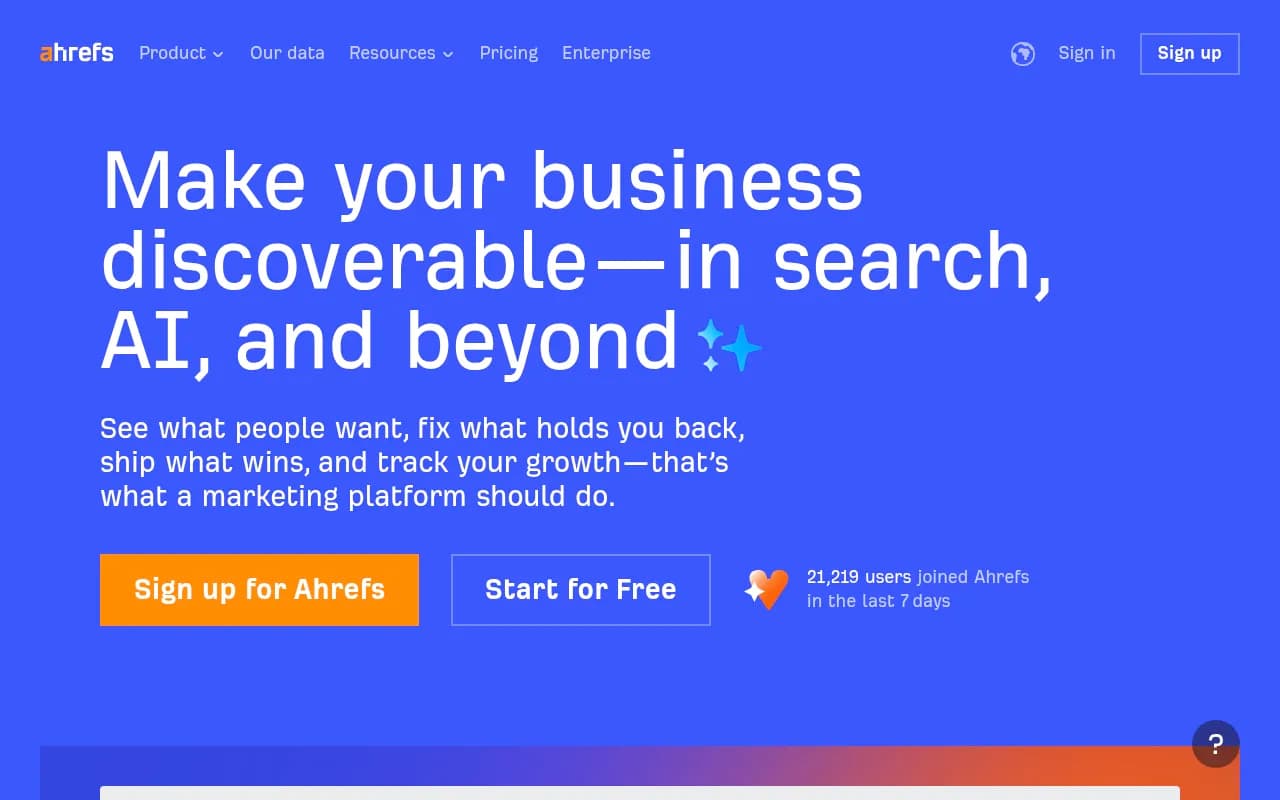
Ahrefs Brand Radar is a similar story -- useful if you're already an Ahrefs customer, but the fixed prompts and lack of AI traffic attribution limit how far you can take it.
For agencies tracking multiple brands:
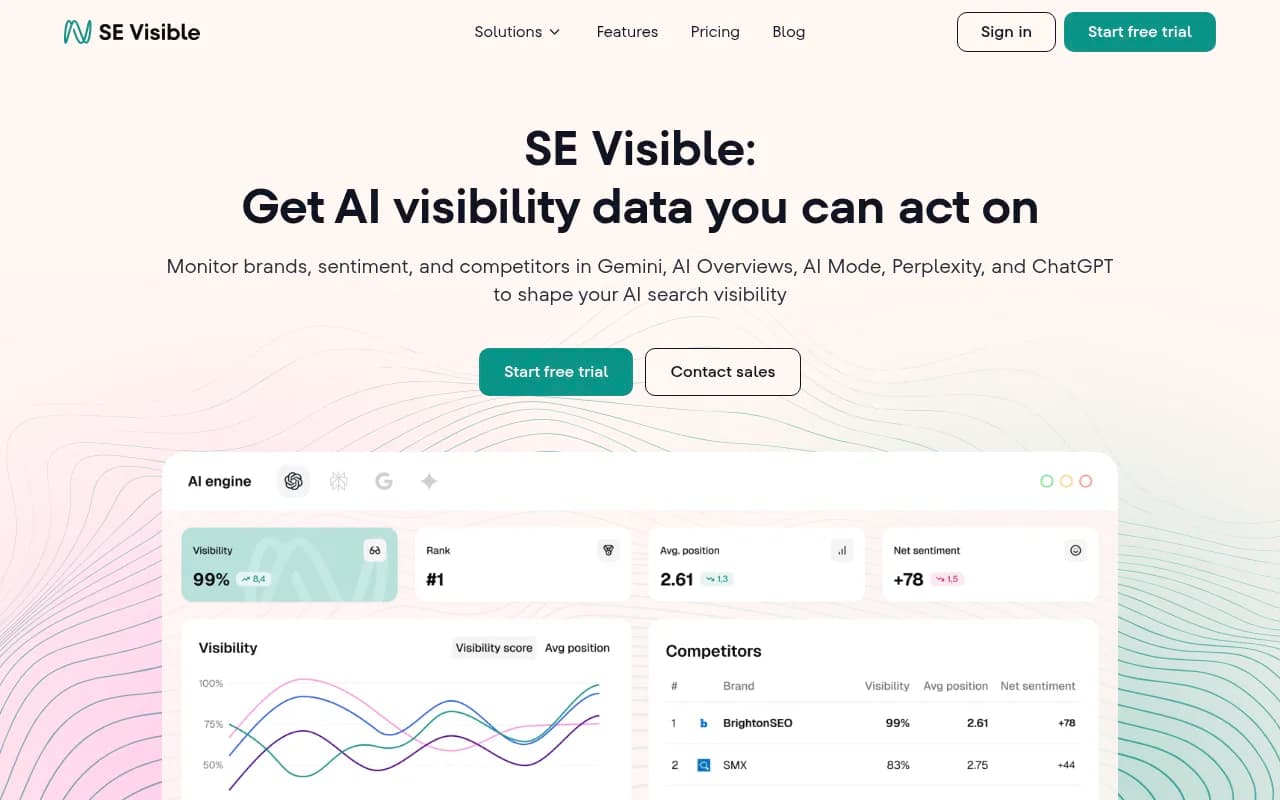
SE Visible (from SE Ranking) supports multi-brand dashboards and unlimited seats, which makes it practical for agencies managing several clients. It covers 5 models and starts at $99/month.
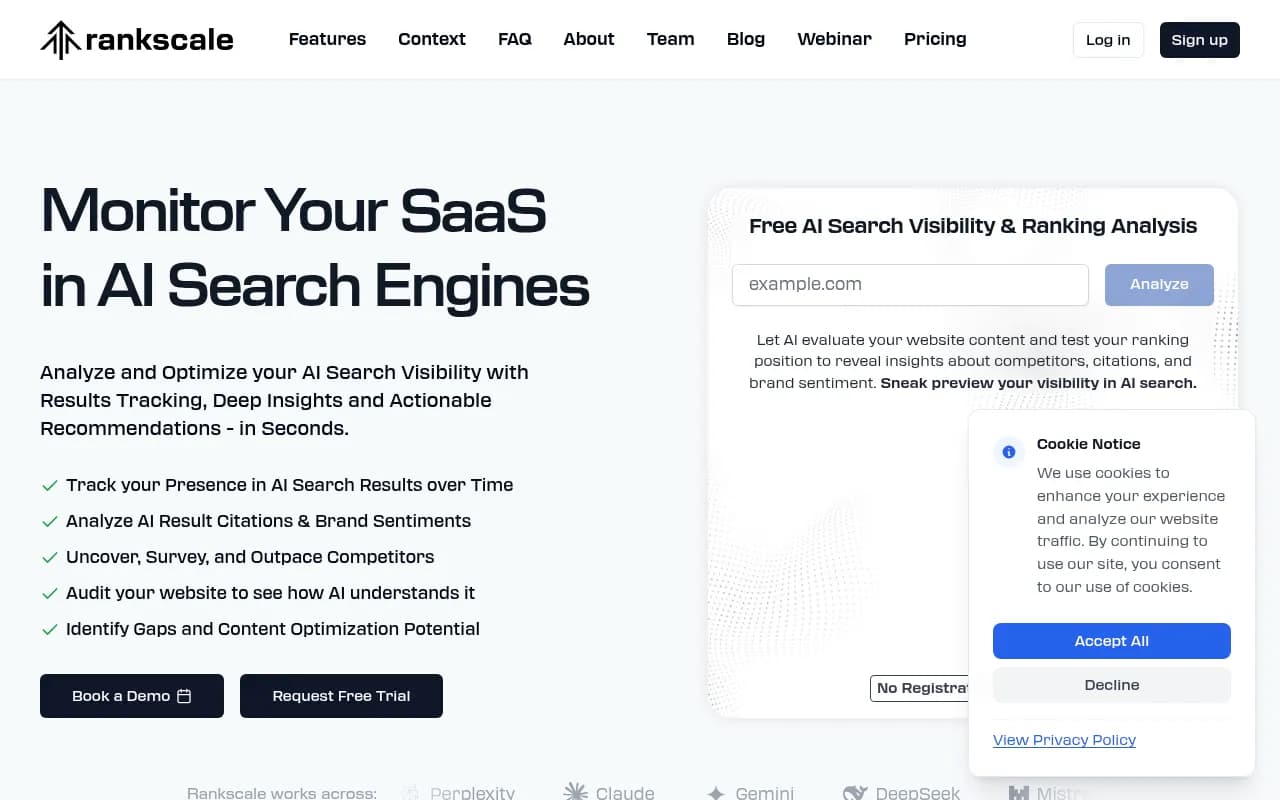
Rankscale is another agency-oriented option, though it's lighter on prompt metrics and content gap analysis.
For teams that want monitoring plus some optimization features:
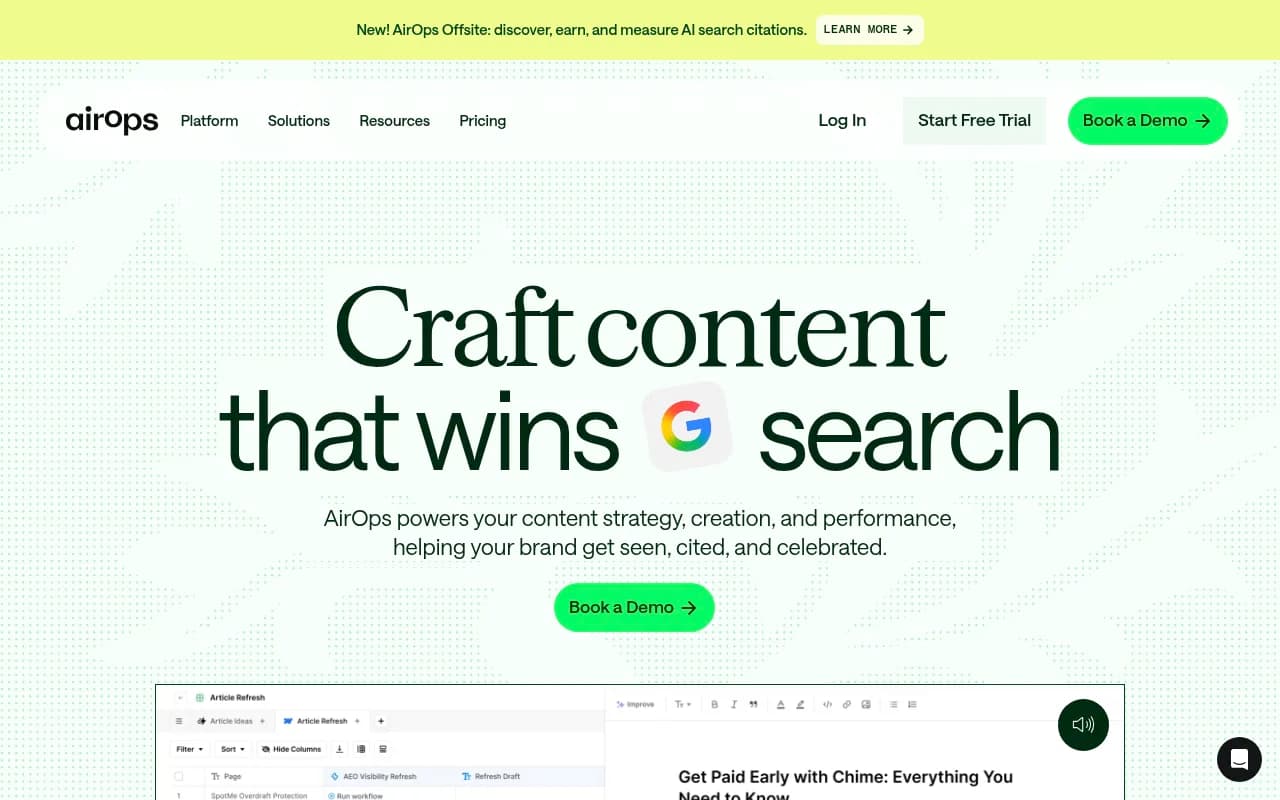
AirOps combines content workflow automation with citation tracking, which gives it more of an optimization angle than pure monitoring tools. It has a free tier, which makes it easy to evaluate.
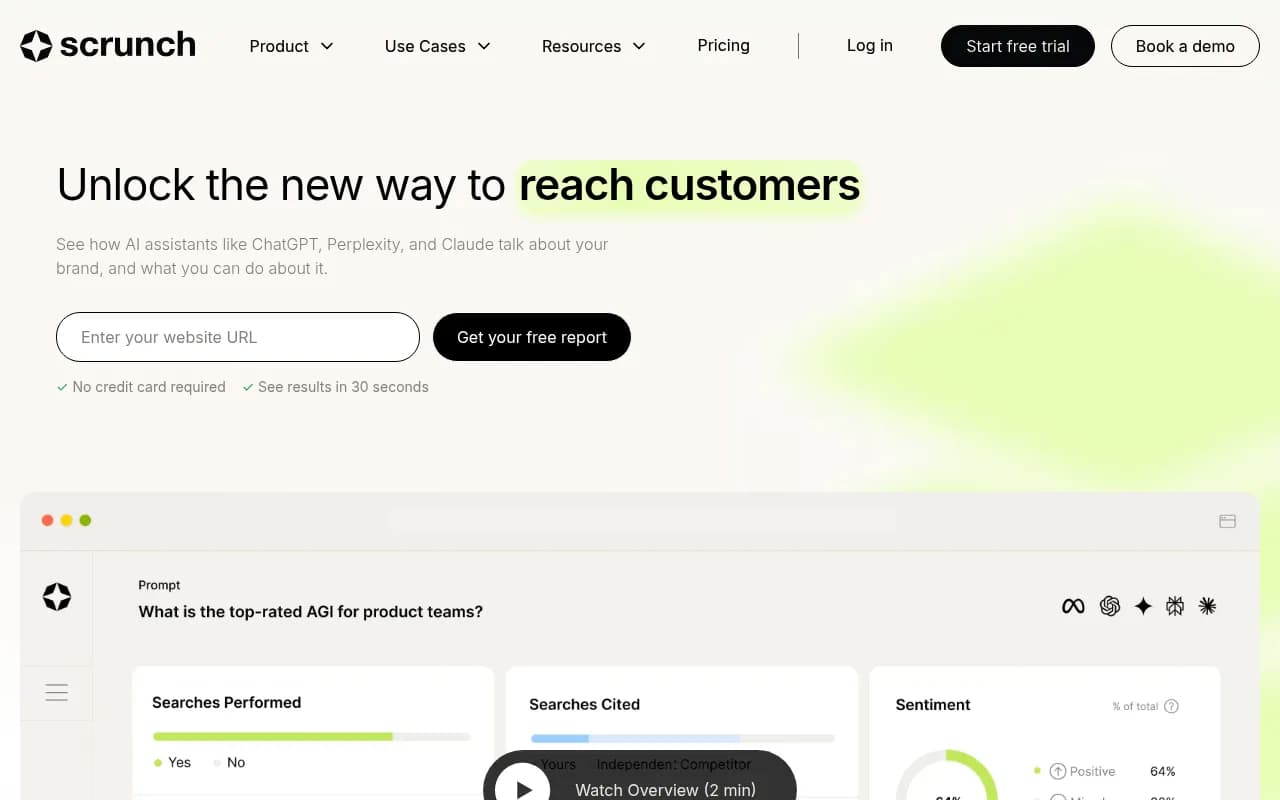
Scrunch AI is worth evaluating if you're looking for a platform with a strong feature set at a mid-market price, though it lacks some of the deeper capabilities (crawler logs, Reddit tracking, ChatGPT Shopping) that more comprehensive platforms offer.
The bottom line
AI visibility is no longer optional for brands that depend on organic discovery. The question is whether you want a tool that tells you how invisible you are, or one that helps you become visible.
Profound, Otterly.AI, and Peec AI are all legitimate tools for the first job. Promptwatch is the only platform in this comparison that does both -- and the difference shows up not in the dashboard, but in whether your AI visibility scores actually improve over time.
Start with a free trial of whichever platform fits your current stage. But if you're serious about GEO as a growth channel, build toward a platform that closes the loop between data and action.