Key takeaways
- Under $100 a month you can automate audits, rank tracking, on-page fixes and first-draft content. You can't automate judgment, so plan to review what gets published.
- SE Ranking's entry plan and Ubersuggest are the safest all-round picks. Semrush's paid plans start above $100.
- Vendor pricing pages and third-party reviews disagree a lot. Verify every price on the vendor's own site before paying.
- Many "best of" lists are written by vendors who rank themselves first. Treat those with suspicion, including a few I cite below.
- Auto-generated blog posts alone won't cover the pages ChatGPT cites most. Product and landing pages matter more.
What "automated SEO" actually means at this price
The phrase gets stretched. At the sub-$100 level it usually means one of four things:
- Scheduled site audits and alerts when something breaks.
- Daily or weekly rank tracking that reports to you without you logging in.
- On-page optimization that suggests, or applies, title, meta and heading fixes.
- AI content that drafts and sometimes publishes articles on a schedule.
No tool under $100 does all four well. Most are strong at one or two. The mistake I see small business owners make is buying the tool that promises everything and then not looking at it for three months. Pick the one that removes the chore you're actually avoiding.
One honest caveat: I found no hands-on evidence on whether fully automated publishing hurts rankings, and nothing from Google specific to scaled AI content in the research for this guide. So I'd treat auto-publish as a draft pipeline, not a replacement for an editor.
Quick comparison
Prices below are approximate and come from third-party sources that sometimes conflict. Check the vendor page.
| Tool | Approx. entry price | What it automates | Best for |
|---|---|---|---|
| SE Ranking | $52/mo annual, $65/mo monthly | Rank tracking, site audits, reporting | All-round budget SEO suite |
| Ubersuggest | Roughly $12-$29/mo | Keyword research, audits, basic AI writing | Owners just starting out |
| Mangools | Check vendor page | Keyword and SERP research | Simple keyword work |
| SpyFu | About $39/mo | Competitor keyword data | Competitor research |
| NeuronWriter | Check vendor page | Content optimization scoring | Cheap content briefs |
| Search Atlas | Check vendor page | Automated fixes and publishing | Hands-off on-page work |
| Rank Math / Yoast | Free and paid tiers | WordPress on-page automation | WordPress sites |
| Google Search Console | Free | Performance data, indexing alerts | Everyone |
The tools worth a look
SE Ranking
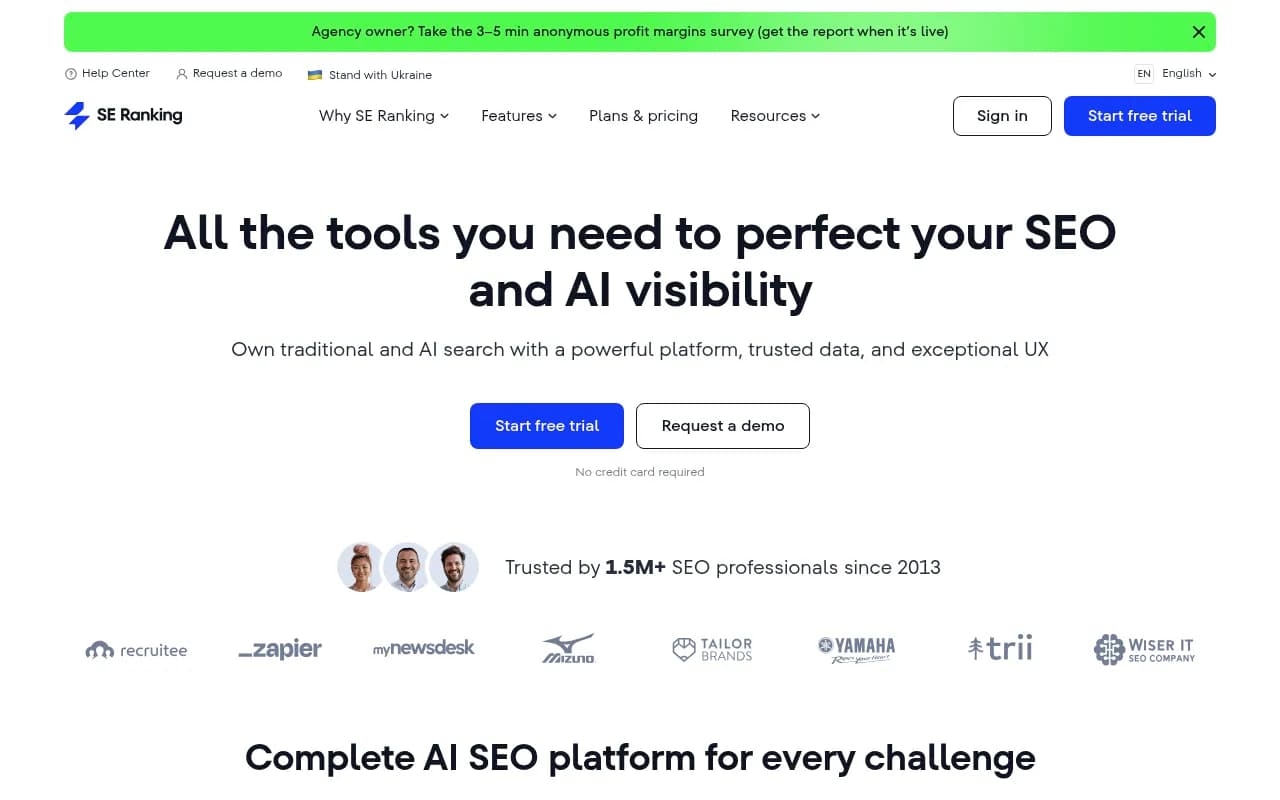
If I had to pick one paid suite for a small business under $100, it would be this. The MEGA roundup lists it as the best budget option at $52-$332 a month, which matches third-party figures: the Essential plan is $65 monthly or $52 on annual billing according to DemandSage and TrustRadius. One outlier source says $55 and $39, and another uses different plan names with higher prices. That's a sign plans have been restructured, so confirm at seranking.com before you commit.
Only the entry tier fits under $100. It covers keyword tracking, site audits and reporting, which is exactly the recurring work you want automated.
Ubersuggest
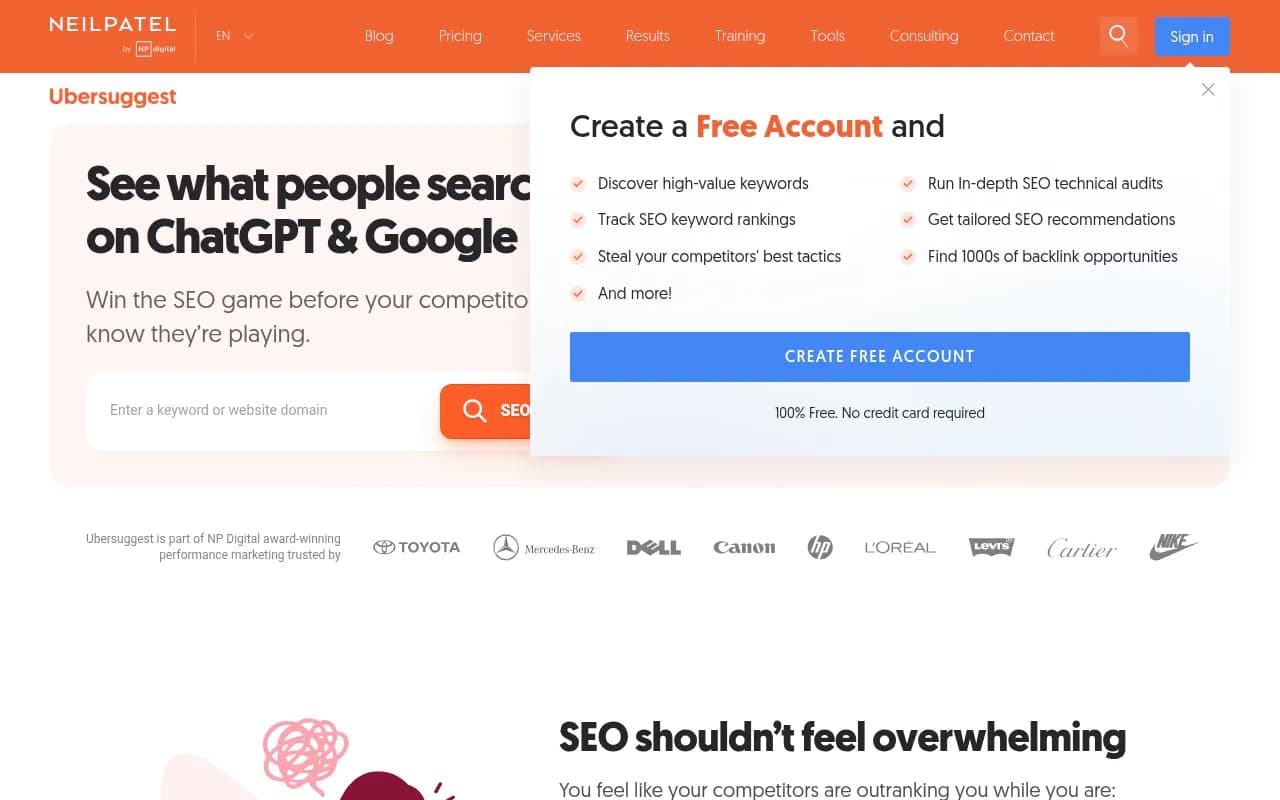
Neil Patel's tool is the cheapest serious entry point. Sources disagree on price: some report $12, $20 and $40 a month, others $29, $49 and $99, with lifetime deals in both cases. The older or promotional figures probably explain the gap. Plan on roughly $12-$29 a month for the entry tier and verify on the vendor site.
One caution on lifetime deals: you can't upgrade a lifetime plan to a higher tier without buying the higher tier separately. The reported limit on the entry plan is around 150 searches a day, which is plenty for one small site.
Mangools and KWFinder
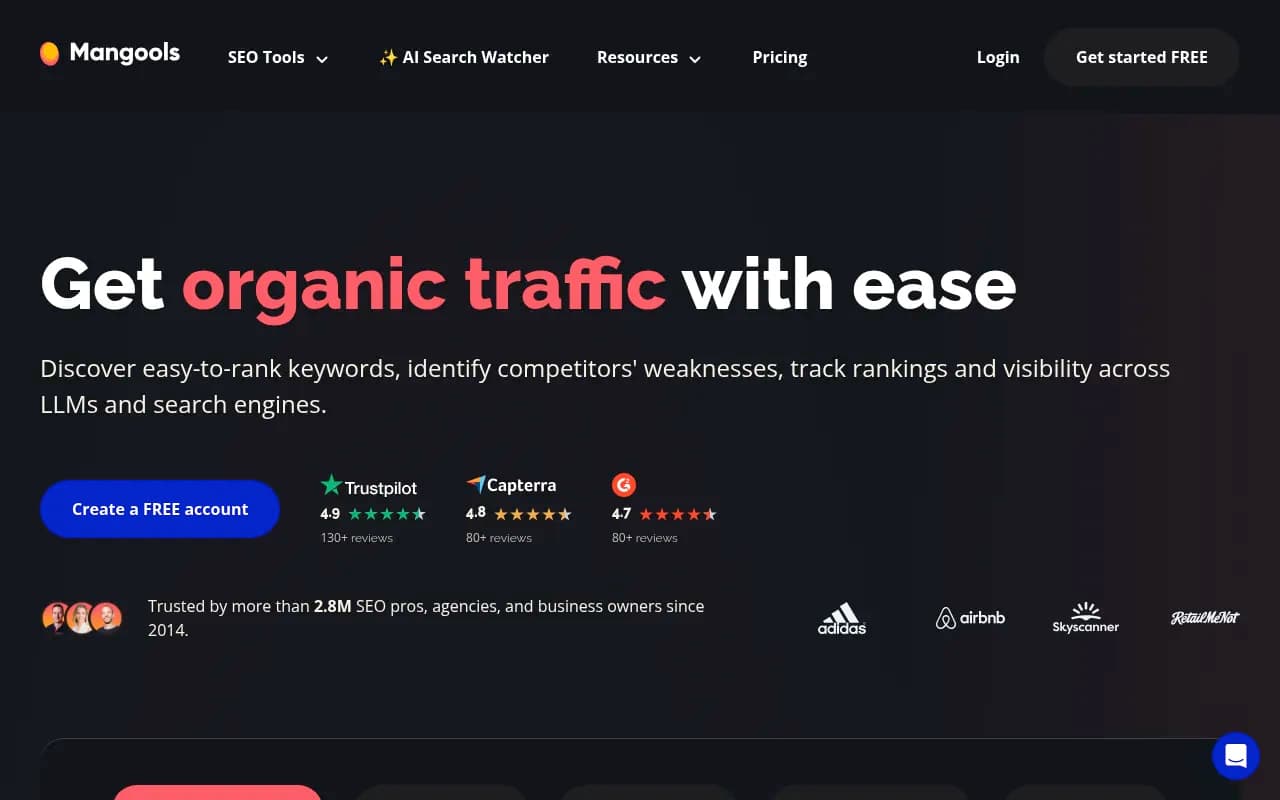
Not automation-heavy, but if your main job is finding keywords you can actually rank for, Mangools is simple and affordable. I haven't verified its current pricing, so check before buying.
SpyFu
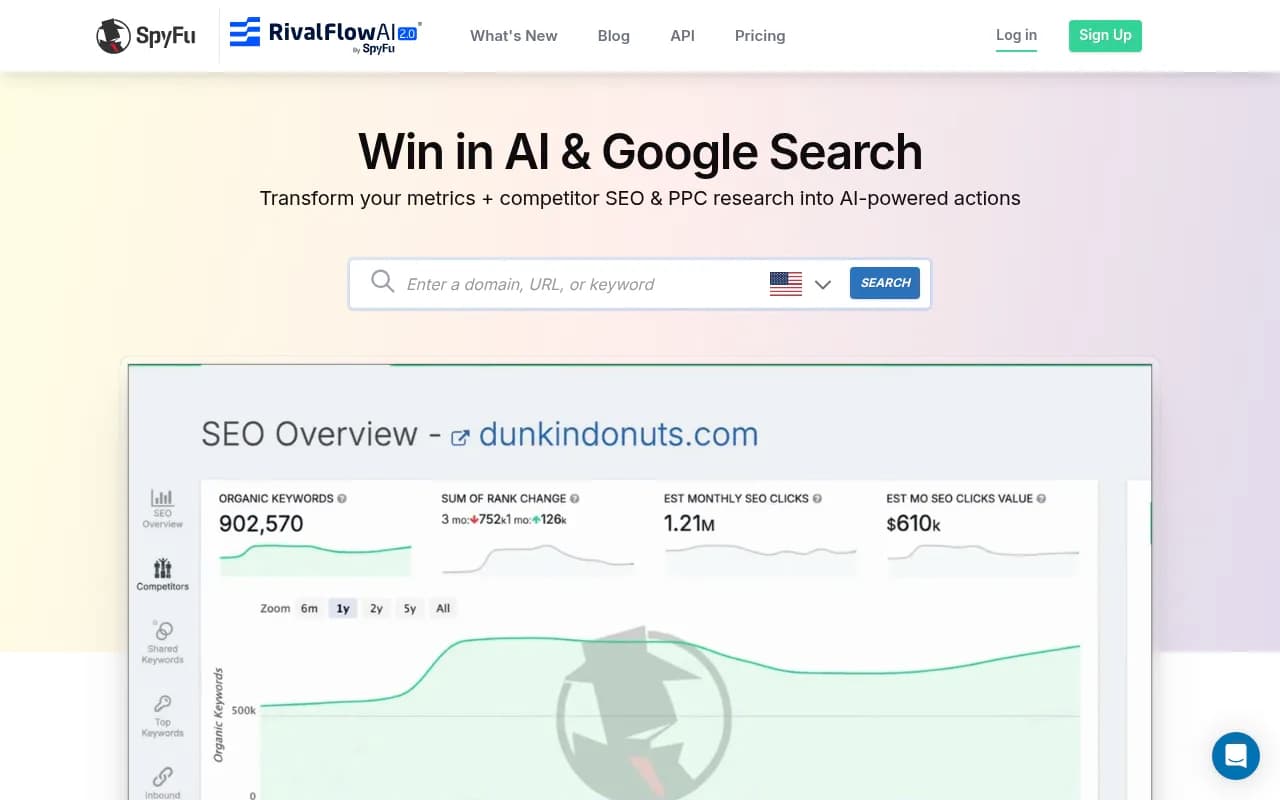
A comparison table from DemandSage puts SpyFu at about $39 a month. It's most useful when you want to see what keywords competitors already rank or bid on, then copy the gaps.
NeuronWriter
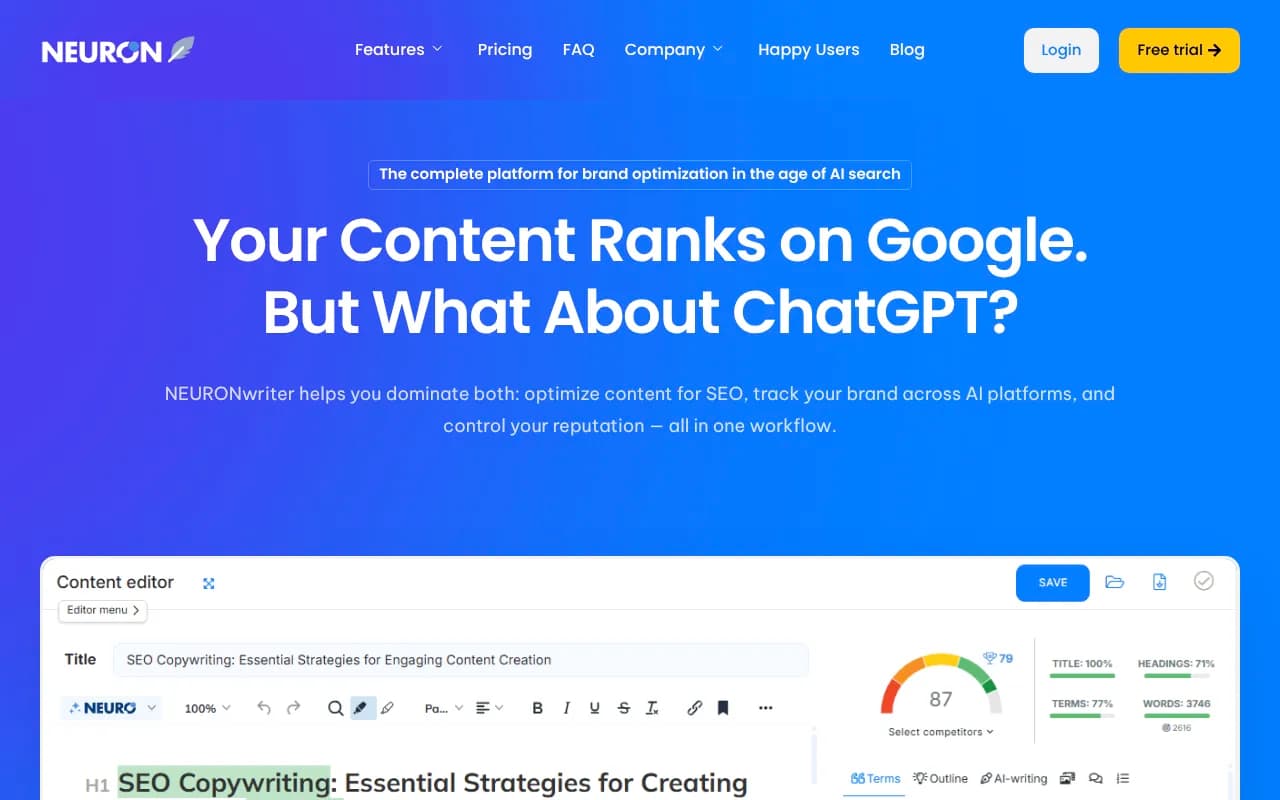
Keytomic's own roundup pitches NeuronWriter as one of the strongest picks for budget content optimization. Keep in mind that post is vendor-authored. Still, the tool's approach is sound: it analyzes top-ranking pages and gives you a scoring target while you write. Good for a small business writing its own articles.
Search Atlas, MEGA SEO and Frizerly
These are the "autopilot" tools. Search Atlas pitches automated fixes, optimizations and publishing. MEGA SEO describes handling strategy and technical fixes on autopilot, and Frizerly focuses on automated blog publishing. I couldn't verify pricing for any of these, and the articles recommending MEGA and Frizerly were written by those same companies. Run a trial, read what actually gets published on your site, and only then decide.



WordPress plugins: Rank Math, Yoast and friends
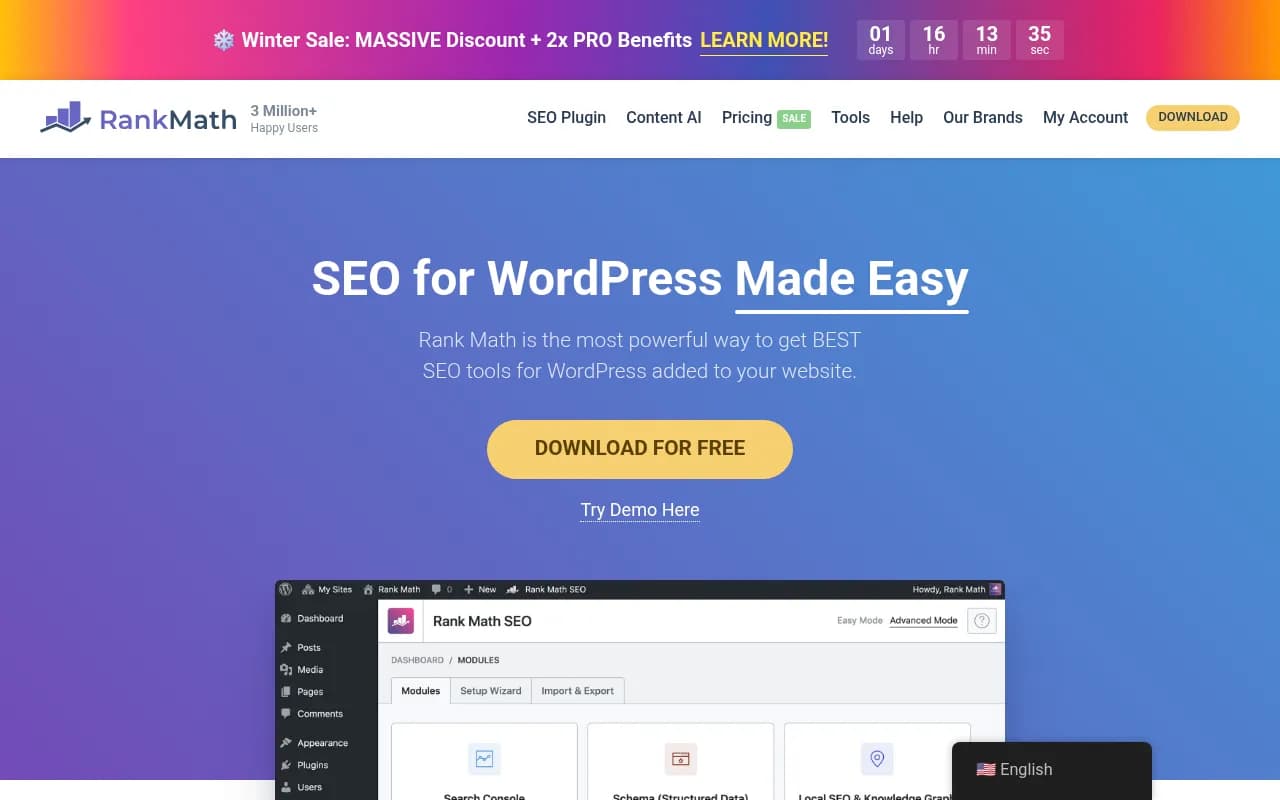
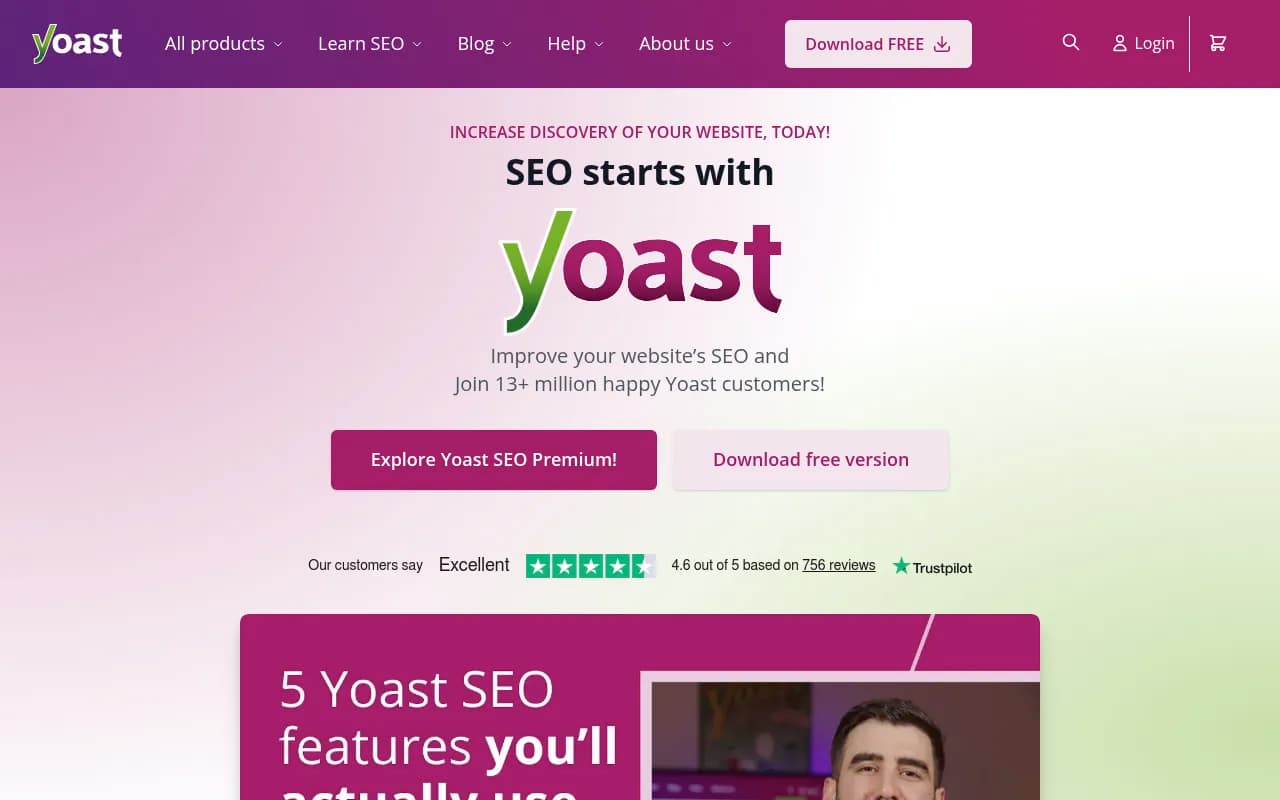
If your site runs on WordPress, the cheapest automation is already available inside your dashboard. Rank Math, Yoast, All in One SEO and Slim SEO handle schema, sitemaps, redirects and on-page checks without a separate subscription. Start here before buying anything bigger.
Free tools you should already be using
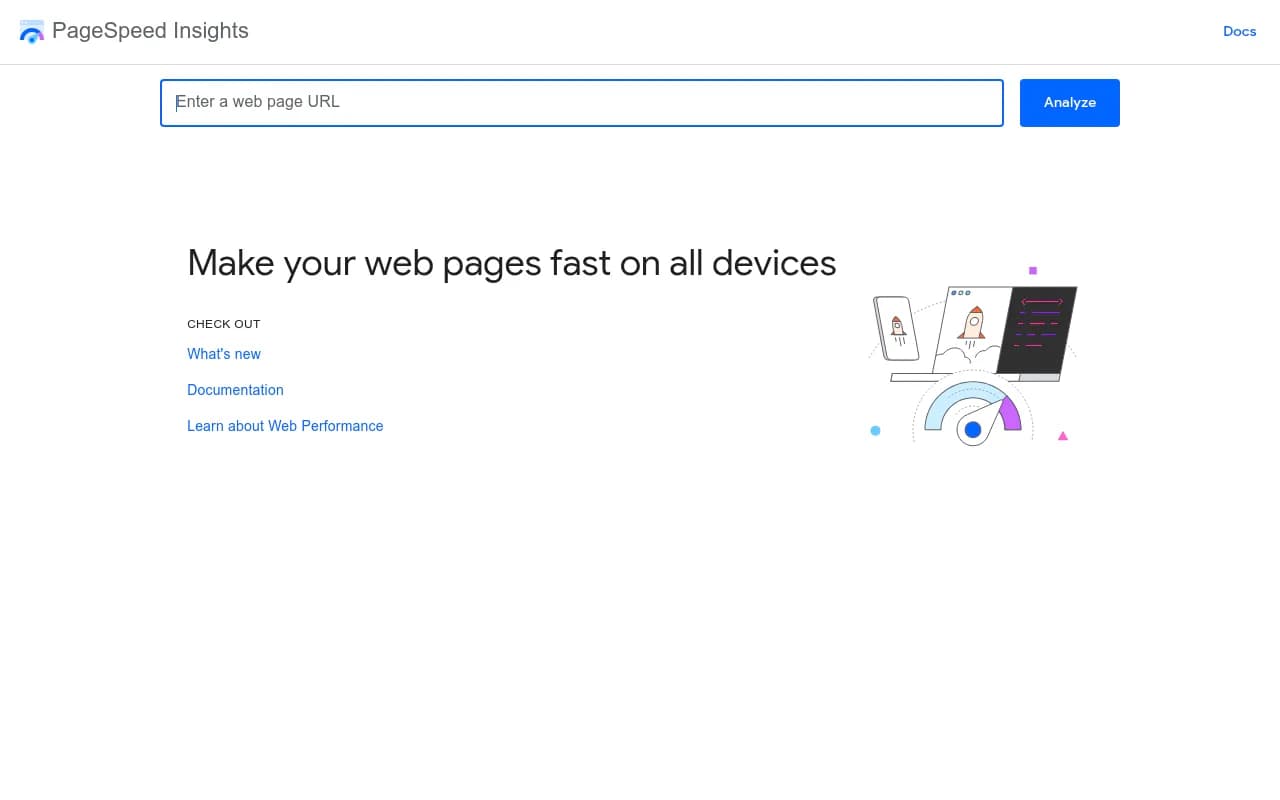
Google Search Console is non-negotiable and free. Pair it with Google Analytics and PageSpeed Insights, and you cover most of what a small site needs for monitoring.
Why Semrush isn't on the main list
Semrush is excellent, but the numbers don't work. Semrush One Starter is $199 a month, and the standalone SEO toolkit Pro is $117.33 a month on annual billing or $139.95 monthly. Both are over $100. There is a free tier and extra users start at $45 a month, so it's fine for a quick look, but not as your core tool at this budget.
A note on the screenshots in the roundups
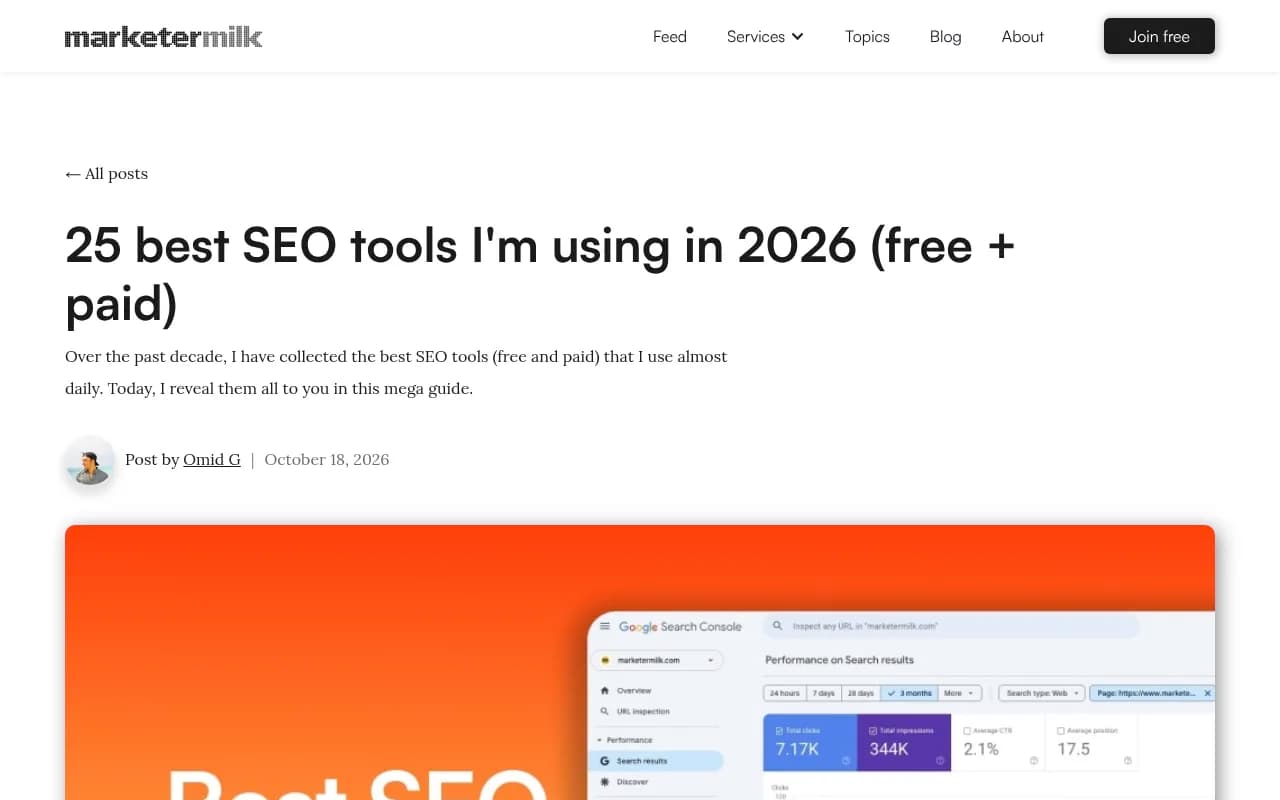
Two of the sources worth reading are the MEGA piece on AI SEO tools for small business and Marketer Milk's 25-tool guide, written by an SEO who previously led SEO at Webflow. The Marketer Milk guide labels each tool beginner, intermediate or advanced, which is genuinely useful when you're choosing.
What to publish once the tool is running
Automation is only worth it if the output is the right kind of page. Promptwatch Data's report on which content types ChatGPT cites most (Sep 28 to Oct 4, 2026) is useful here: product pages are the most cited type at 22.4% of classified citations, followed by landing pages at 16.8% and listicles at 13.6%. For commercial prompts like "best CRM for small businesses", product pages earn 26.0%, landing pages 20.6%, listicles 15.0% and comparisons 7.9%, nearly 70% together.
The practical read for a small business:
- Keep pricing, specs and positioning complete on your product and service pages.
- Publish comparisons and how-tos, not only generic blog posts.
- Add FAQ pages and collect reviews. Branded prompts show reviews rising to 5.6% and FAQ pages to 4.8% of citations.
So if you buy a tool that churns out blog posts and nothing else, you've automated the least-cited part of your site. Spend your human time on product and landing pages, and let the software handle drafts and audits.
If you want to see whether ChatGPT and other AI engines mention you at all, tools like Promptwatch track that, though its paid plans start at $95 a month for Essential, so it uses most of this budget by itself. A free option is the no-login AI visibility report on their site, and the GEO software directory at bestgeosoftware.com lists cheaper trackers.

How to choose
If you have under $30 a month
Ubersuggest plus Google Search Console plus a WordPress SEO plugin. That's a real stack, not a compromise.
If you have $50-$100 a month
SE Ranking Essential for audits and rank tracking, plus one content tool such as NeuronWriter if you write your own articles. Spend the leftover on an editor's time, not another subscription.
If you want hands-off
Trial one of the autopilot tools, but require a review step before anything publishes. Read the first ten posts. If you wouldn't put your name on them, cancel.
Pitfalls to avoid
- Trusting vendor-written rankings. Keytomic's list ranks Keytomic first, Frizerly's ranks Frizerly first, and MEGA's puts its own agent on top. Useful for discovering tools, bad for judging them.
- Believing a single price. The Ubersuggest and SE Ranking numbers above vary by up to double across sources.
- Buying lifetime deals before you know you'll use the tool for two years.
- Paying for tracking you never read. Set a calendar reminder to review reports monthly.
For more options in this category, the software directory at surferstack.com covers dozens of SEO tools with reviews and alternatives.
Bottom line
For most small businesses, SE Ranking Essential or Ubersuggest, combined with free Google tools, covers the automatable work for well under $100. Add an autopilot content tool only if you'll review its output, and put your own time into product pages, comparisons and FAQs, because those are the pages AI assistants cite most.