Key takeaways
- AI Overviews and AI Mode are different surfaces with different citation habits, so a tool that tracks both should report them separately, not blend them into one number.
- Most big SEO suites (Semrush, Ahrefs, SE Ranking, seoClarity, Advanced Web Ranking) now cover both Google surfaces, usually as an add-on or a higher tier.
- Dedicated GEO platforms cover both plus ChatGPT, Perplexity and others, but the depth varies a lot. Check whether the tool uses real interface data or API outputs.
- Most tool comparisons you will find are written by vendors who favor their own product. Verify tier-gating and pricing on the vendor's pricing page before you commit.
- Tracking is only half the job. Pick a tool that also tells you what to change.
Why you can't treat AI Overviews and AI Mode as one thing
Google now has two AI answer surfaces sitting on top of search. AI Overviews show up inside the regular results page. AI Mode is a separate conversational experience. A third-party blog reported at Google I/O 2026 that AI Mode reached 1 billion monthly users and AI Overviews 2.5 billion. That comes from a single secondary source, so treat the numbers as directional, not gospel.
The more useful fact is that the two surfaces cite differently. Promptwatch Data's June 2026 AI Mode report covers May 31 to Jun 26 and found google.com alone made up 7.31% of AI Mode citations. That is more than YouTube (2.88%) and Reddit (2.52%) combined. Google-owned properties, including YouTube, were over 10% of the citation mix. AI Mode leans on Google's own Maps listings, Business Profiles and support content.
AI Overviews behave another way. Promptwatch's AI Overviews source report shows YouTube at about 4.1% of citations and Reddit around 2.7%, though that page is a rolling 30-day view and the figures I saw were dated September 2025. And in the October 2026 social media citations report, AI Overviews drew 12.2% of citations from social platforms between Sep 28 and Oct 4, against 0.46% for ChatGPT.
So what does this mean for tool choice? If a tracker folds both surfaces into one "Google AI" score, you lose the signal. A brand can be doing fine in AI Overviews because of YouTube and Reddit presence while being invisible in AI Mode, where Business Profile and Merchant Center matter more. You want the split.
What to check before you pick a tool
Coverage claims on marketing pages are cheap. Here is what actually separates tools.
Are the two surfaces reported separately?
Look for separate visibility, citation and position metrics per surface. If the dashboard only offers an aggregate, move on.
Where does the data come from?
Some tools capture what the live interface shows to a user. Others query an API. Answers, citations and shopping results can differ between the two. For Google surfaces especially, real interface capture is the safer bet.
Is AI Mode locked behind a higher tier?
This is the gotcha. One comparison table says Writesonic tracks AI Mode only on its Enterprise plan, while a different vendor table says AthenaHQ includes AI Mode from the Starter tier. Both are vendor-written and I could not verify either, so read the current pricing page.
Location and language
AI Overviews are region-specific. If you run multi-country or local campaigns, check that the tool lets you set country, language and ideally city for each Google surface.
Does it connect to your Google data?
Search Console does not separate AI Overview data from standard organic results, as Otterly's tracking guide points out. A tool that overlays Search Console with AI citations will answer questions like "which pages rank but never get cited?" much faster.
Who covers both: the comparison
The table below combines the vendor and affiliate comparisons in my research with the tools we list. Treat the pricing as a starting point, not a quote. These numbers come from the sources named, and I did not independently verify them.
| Tool | AI Overviews | AI Mode | Other engines | Notes |
|---|---|---|---|---|
| Promptwatch | Yes | Yes | ChatGPT, Perplexity, Gemini, Copilot, Meta AI, Claude, more | Real-UI tracking plus content actions |
| Semrush | Yes | Yes | ChatGPT, Gemini, Perplexity | AIO tracking in any plan; AI Visibility Toolkit from $99/mo per one source |
| Ahrefs Brand Radar | Yes | Yes | ChatGPT, Perplexity, Gemini, Copilot, Claude | From $199/mo as an add-on per one source |
| SE Ranking | Yes | Yes | ChatGPT, Perplexity | $129/mo plus $89/mo AI add-on per one source |
| seoClarity | Yes | Yes | ChatGPT, Perplexity, Gemini, Copilot, Claude, Grok, DeepSeek | Enterprise, pricing not public |
| Advanced Web Ranking | Yes | Yes | ChatGPT, Perplexity | From $139/mo per one source; many locations |
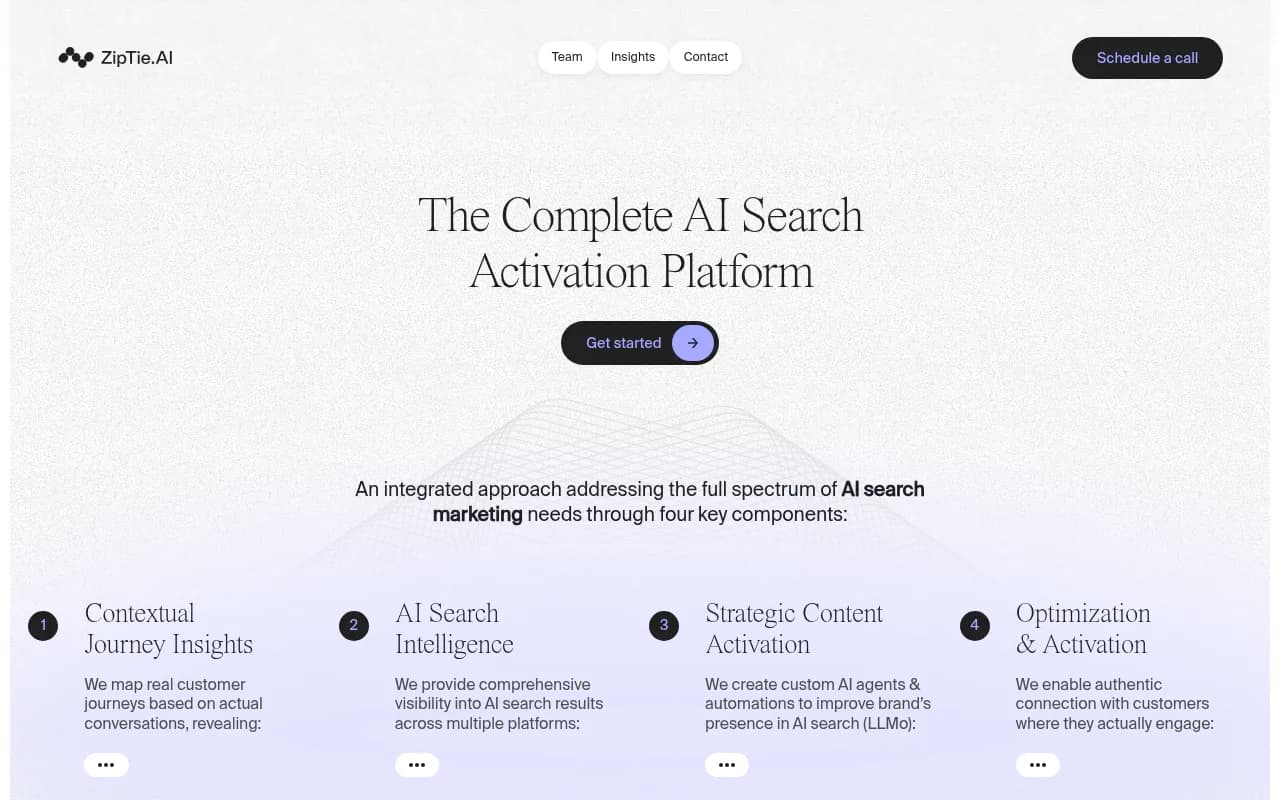
| ZipTie | Yes | Yes | ChatGPT, Perplexity, Copilot, Gemini | Pay-per-check, about $43/mo per one source |
| AthenaHQ | Yes | Yes (reportedly Starter+) | Multiple | GEO-first |
| Peec AI | Yes | Yes | Multiple | Multi-seat dashboards |
| Rankscale | Yes | Yes | Multiple | Budget-friendly |
| BrightEdge | Yes | Yes | Yes | For existing BrightEdge users |
| LLM Pulse | Yes | Yes | Multiple | Covers both Google surfaces |
| Writesonic | Yes | Enterprise only | ChatGPT, Gemini, others on Enterprise | Fixes bundled in |
The three types of tool
Dedicated GEO and AI visibility platforms
These were built for AI search from day one, so both Google surfaces sit next to ChatGPT, Perplexity and the rest in one view. Differences show up in depth.
Promptwatch monitors the actual interfaces of Google AI Overviews and Google AI Mode (plus ChatGPT, Gemini, Perplexity, Copilot, Meta AI and others) by country and language, and with Business and above you can pin a monitor to exact coordinates so local queries answer as if asked from that spot. The part I think matters most is what comes after the tracking. It has a Content Agent, an Action Board and content gap analysis, and it logs AI crawler visits, so you can go from "we're missing from AI Mode" to a page that fixes it and see whether it got cited. Most tools on this list stop at the dashboard.

AthenaHQ, Peec AI and Rankscale cover both Google surfaces too, with different emphasis. Peec is popular for multi-seat daily dashboards, Rankscale for budget-conscious and agency-style setups.


LLM Pulse also tracks both AI Mode and AI Overviews, and its own comparison post is a decent reference, though it ranks itself first, which you would expect.
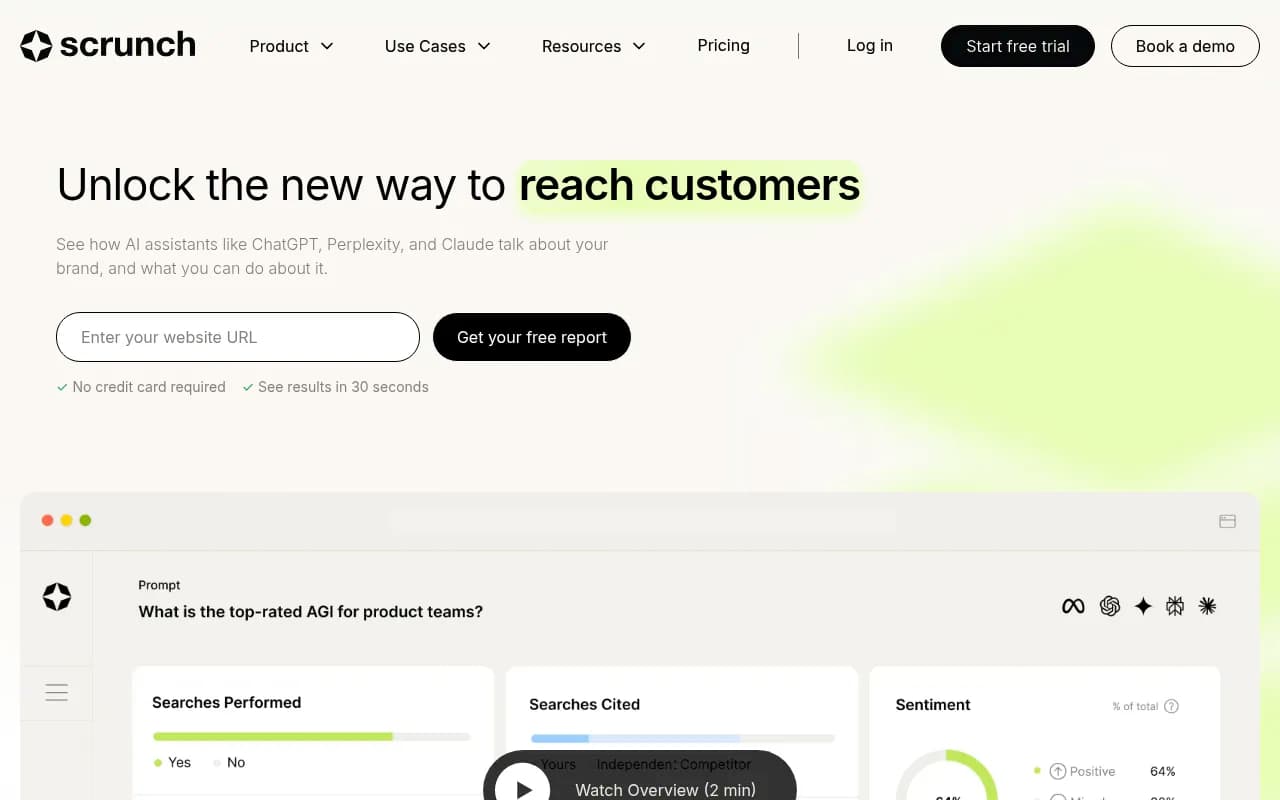
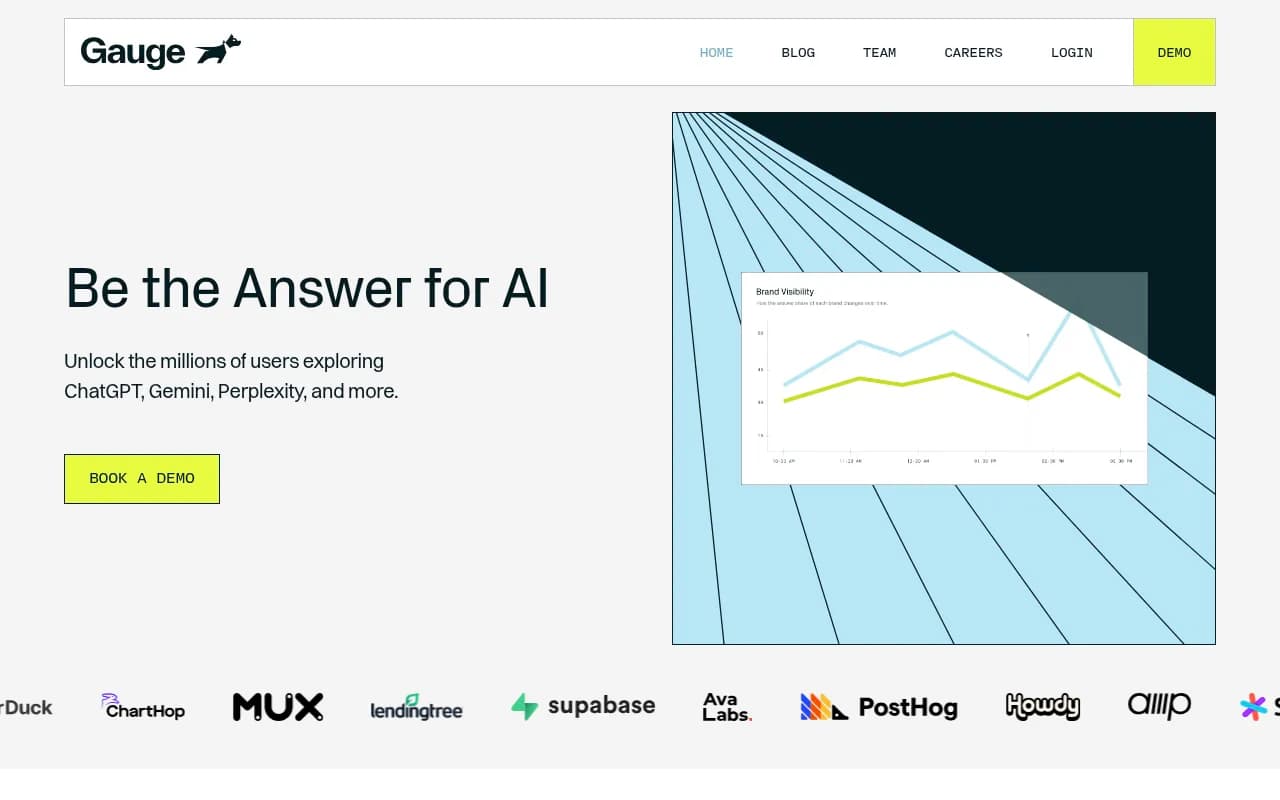
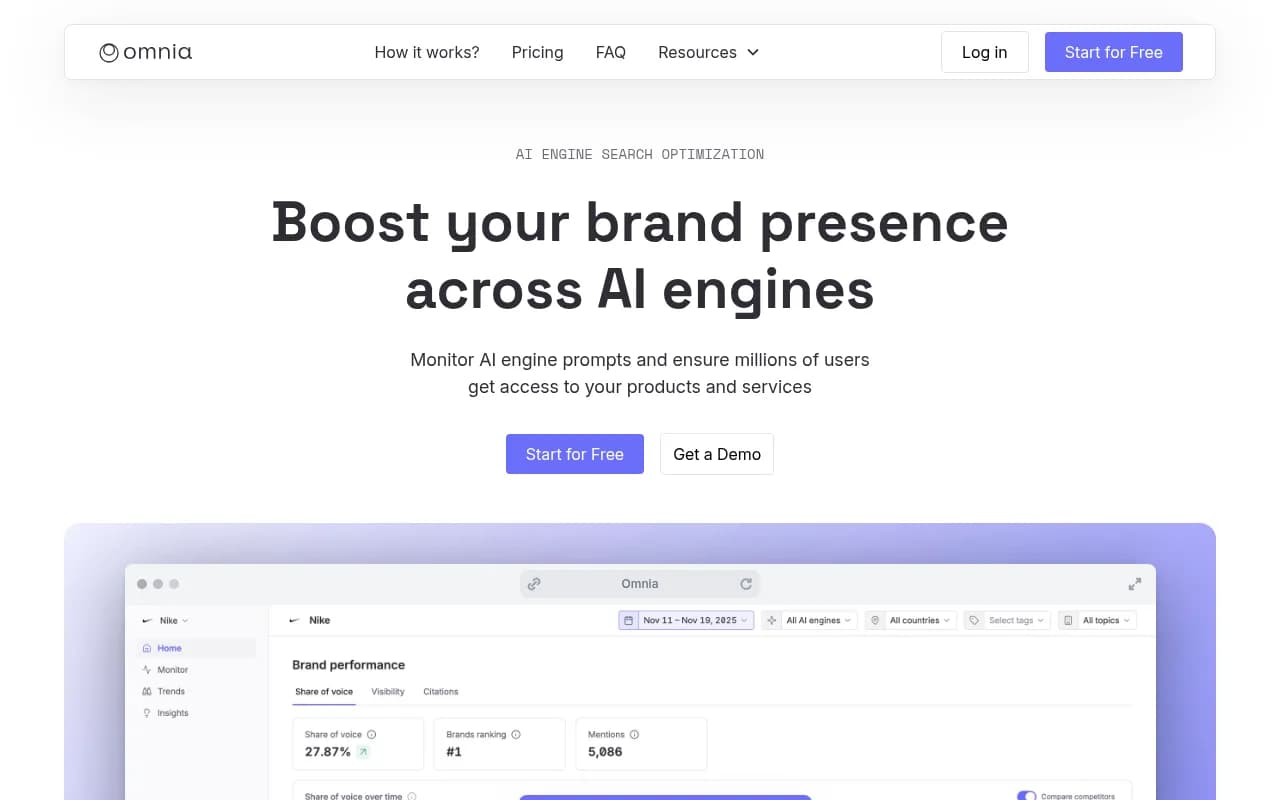
Other options worth a look: Otterly.AI is a simple monitoring tool, Scrunch AI and Gauge show up in independent shortlists, and Omnia sits in the same bracket.
Otterly.AI

SEO suites that added AI tracking
If you already pay for one of these, the cheapest first step is turning on the AI features.

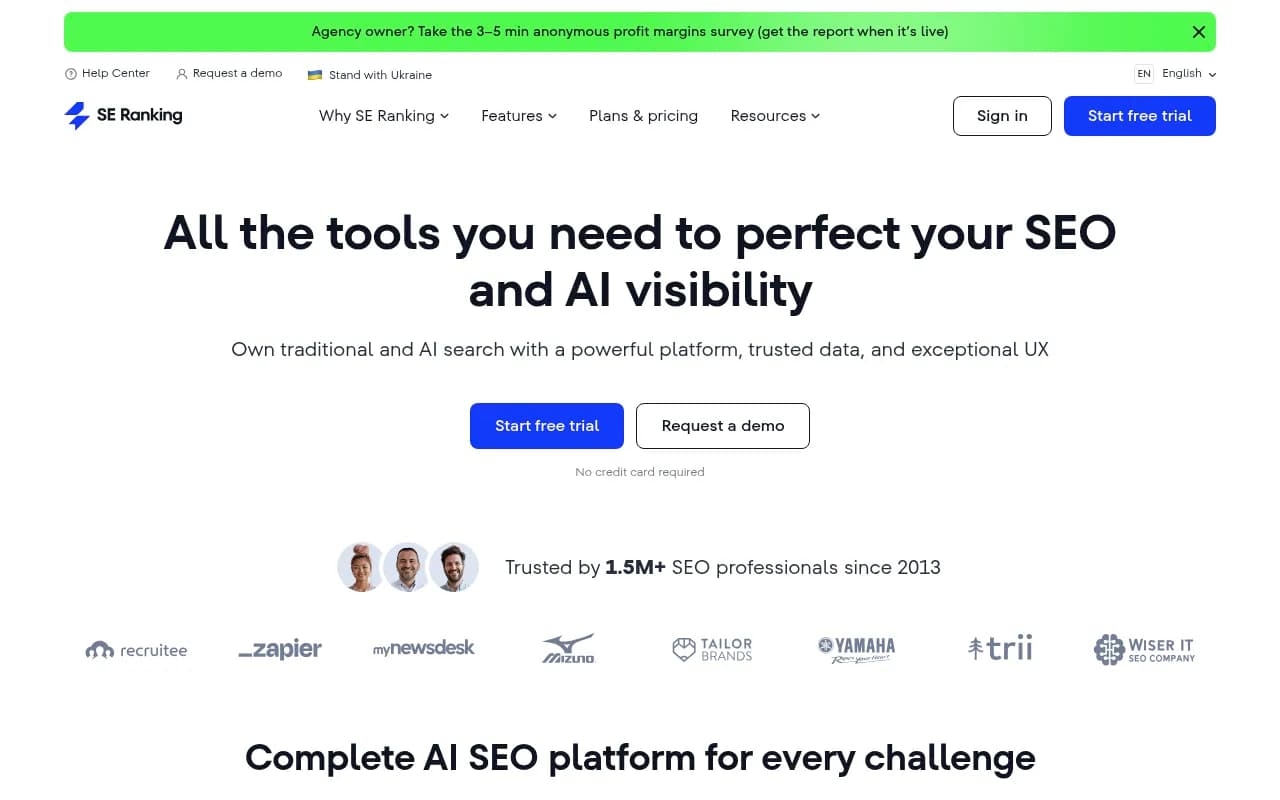
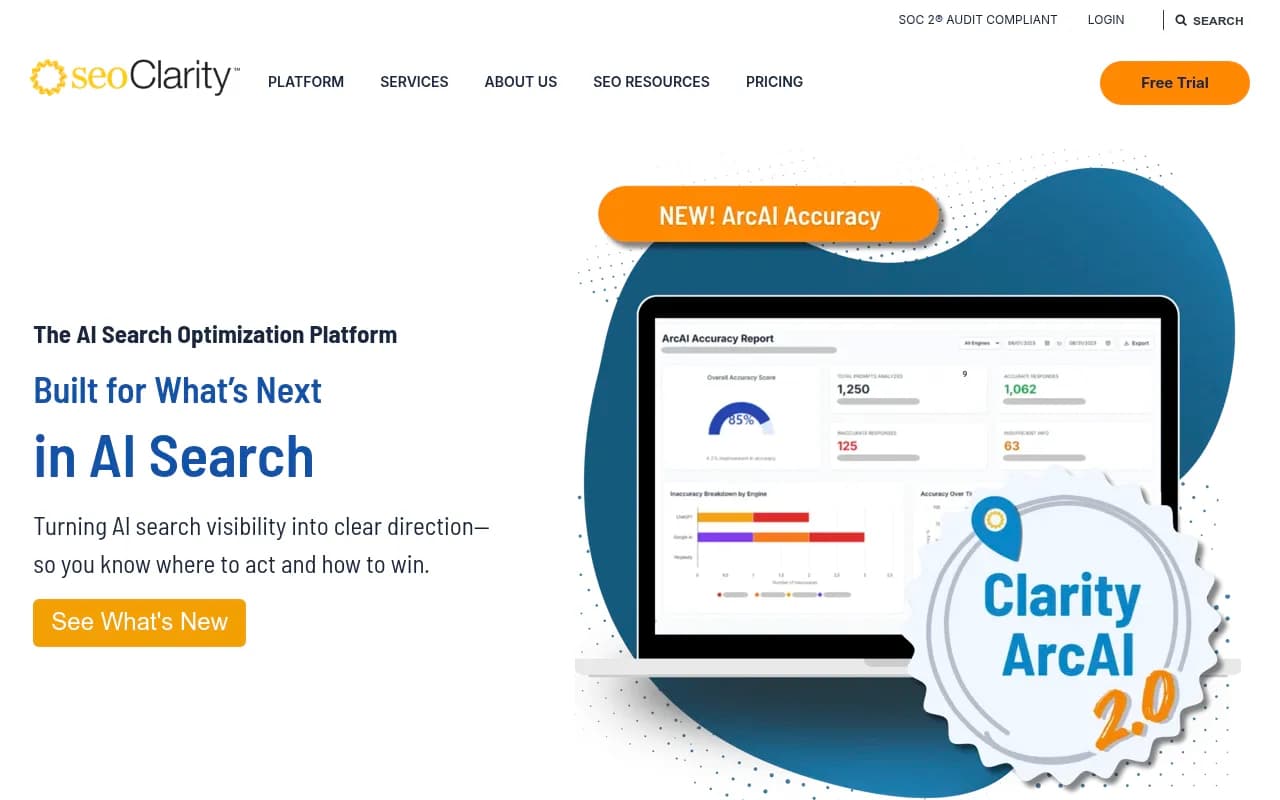
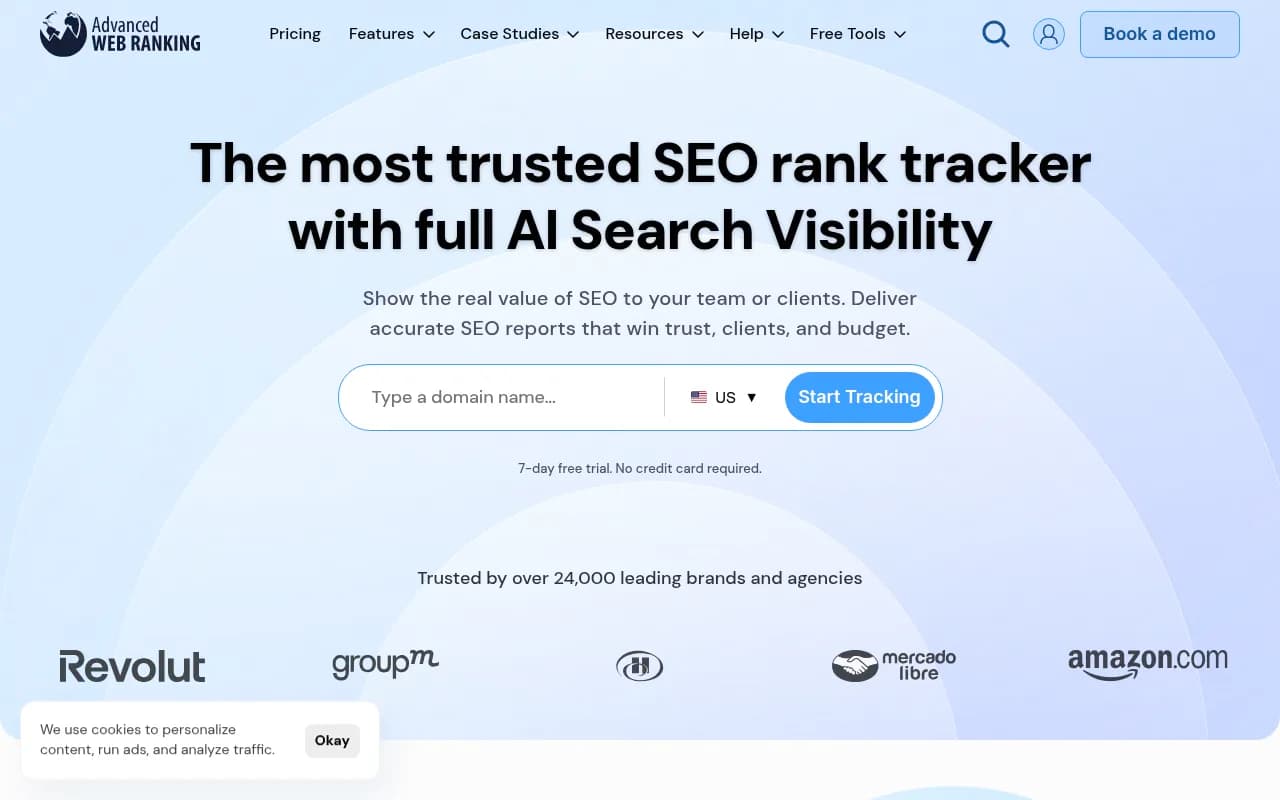
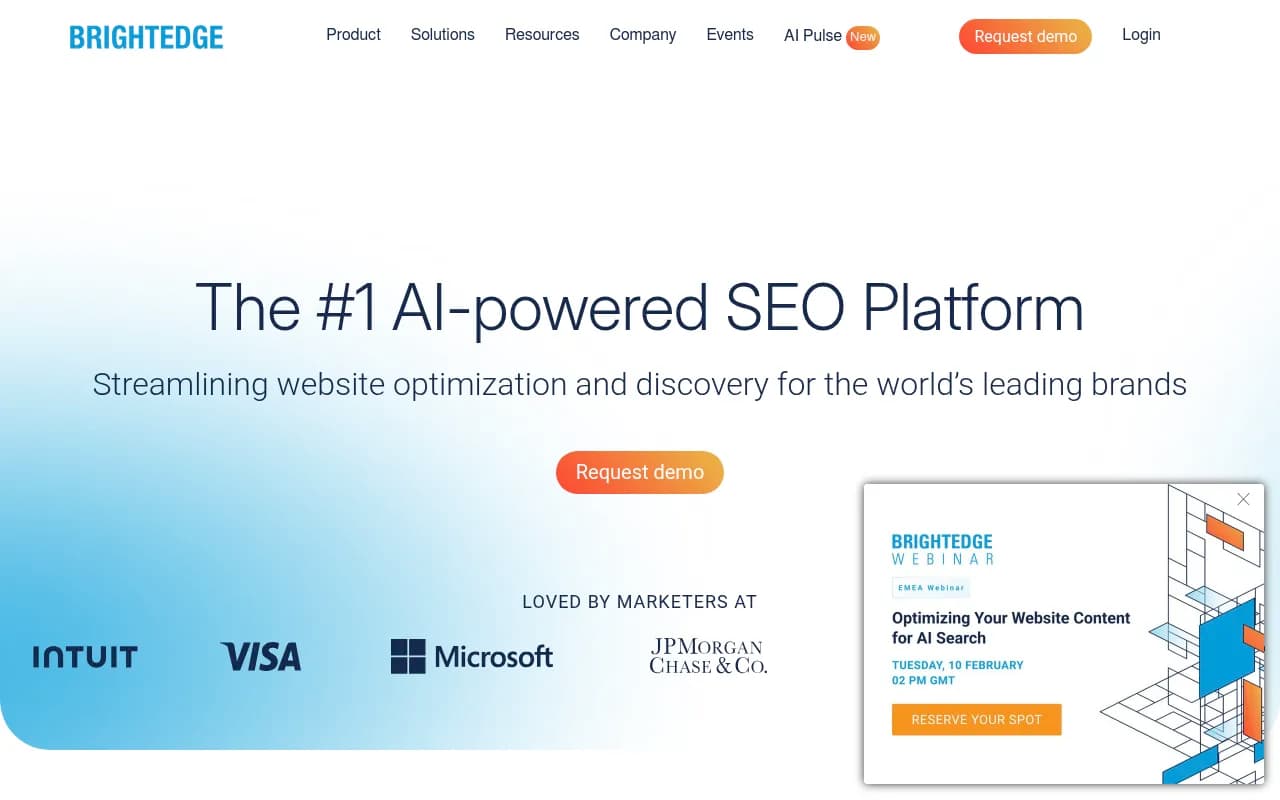
The trade-off is shallower AI-specific data. Prompt sets can be fixed or capped, and you rarely get crawler logs or AI traffic attribution. They are fine for "are we in the overview or not" and weaker for "why, and what do we change."
Pay-per-check specialists
ZipTie charges by check rather than by prompt, which suits teams that want to test a defined set of queries without a monthly commitment growing under them.
Methods without paying for a tool
You can get a rough picture for free. Search Console shows impressions and clicks but won't split AI Overview traffic from normal organic. Manually searching your top 30 queries and logging whether an overview appears, and who is cited, works for a small site. Compare against your GSC click trend on those queries.
The free approach breaks down fast. Overviews change by location, device and day, and AI Mode answers are conversational so there is no fixed query to check. Past about 50 prompts, manual tracking costs more in time than a tool costs in money.
Numbers worth knowing as you make the case internally: Otterly cites Seer Interactive's study of 25.1 million impressions, which found organic CTR dropped from 1.76% to 0.61% when an AI Overview appeared. That is a vendor blog quoting a third-party study, so cite it carefully.
How to choose
- Already on an SEO suite and only need a baseline? Turn on its AI module first. Semrush and SE Ranking are the common picks.
- Need both Google surfaces plus ChatGPT and Perplexity, with a way to act on gaps? Go with a dedicated platform. This is where Promptwatch, AthenaHQ and Peec AI compete.
- Agency with many clients and locations? Check seat counts, white-label reporting and location depth. Advanced Web Ranking, Rankscale and Promptwatch's agency plans are the ones to compare.
- Enterprise with procurement hurdles? seoClarity, BrightEdge and Promptwatch (ISO/IEC 27001 certified, GDPR compliant) are the ones that tend to clear security review.
- Local or multi-location brand? AI Mode leans on Maps and Business Profiles, so test the tool's local targeting before anything else.
For wider lists, the GEO software directory and the AI rank tracking directory cover far more tools than fit here.
A quick trial plan
Before paying for anything annual, run the same 25 prompts through two or three shortlisted tools for a week.
- Pick prompts across informational, commercial and branded intent. Include at least five local queries if you serve local customers.
- Check that each tool shows AI Overviews and AI Mode separately for the same prompt.
- Manually check five prompts yourself in each surface and compare. If the tool's result doesn't match what you see, that tells you how it collects data.
- Look at the cited sources. In AI Mode, expect lots of Google properties. In AI Overviews, expect more YouTube and Reddit.
- Ask what the tool tells you to do next. If the answer is nothing, you bought a thermometer.
What to do with the data
The June AI Mode data shows no independent website in the top 17 clearing 1% of citations, so the opportunity is in the long tail. Promptwatch's recommendations from that report are to optimize Business Profile, Maps, Merchant Center and YouTube, and to publish tightly scoped pages that each answer one question. For AI Overviews, video and community presence carry more weight. Budget effort per surface, not one "AI SEO" bucket.
If you want the monthly numbers behind this, Promptwatch Data publishes citation share reports for both AI Mode and AI Overviews.
Bottom line
In 2026 almost every serious tool tracks both Google surfaces, so coverage alone is no longer a differentiator. What separates them is whether the two surfaces are reported separately, whether the data comes from the real interface, whether AI Mode is paywalled, and whether the tool helps you fix what it finds. Verify tier limits on current pricing pages, run a one-week trial on the same prompts, and pick the one whose answers match what you see in the browser.