Key takeaways
- A global brand needs more than a prompt tracker. Look for real-interface data per country and language, locked market settings, governance (SSO, audit logs, roles), and a way to act on gaps.
- Because ChatGPT answers cite many domains per response, you need large prompt sets and share-of-voice tracking, not single-prompt rank checks.
- Promptwatch, Profound, Brandlight, Evertune and Bluefish target enterprise buyers. Conductor, BrightEdge, seoClarity, Botify and Searchmetrics are SEO suites that have added AI tracking.
- Vendor pricing and country counts change often and several are quote-only. Verify everything in a trial or a proof of concept before you sign.
What changes when you track 20+ countries
Tracking AI visibility in one market is mostly a prompt-design problem. Tracking it in 20 or more is an operations problem. You have to decide which prompts exist in which languages, who owns each market, how results roll up to a global number, and how a regional team in Sao Paulo sees the same dashboard as the head office in Amsterdam without stepping on each other.
The core issue is that AI answers are local. The same question asked in Germany, Brazil and Japan produces different brands, different sources and different tone. Google AI Overviews are region-specific. ChatGPT picks up location signals. If your tool samples everything from one US data center, your global number is really a US number with a nice map on top.
I would also be skeptical of anything that only uses APIs. The answer a user sees in the actual ChatGPT or AI Overviews interface can differ from what the API returns, including the citations. For an enterprise report that goes to a CMO, you want the real interface data.
Why prompt-set scale matters
Promptwatch's data on ChatGPT shows how crowded these answers are. In Promptwatch's report on unique domains per ChatGPT response (Sep 28 to Oct 4, 2026), 47.6% of responses with citations cited 10 or more different domains, and 66.1% cited at least 8. For organic, non-branded prompts, 52.5% cited 10 or more.
That has a direct consequence for global programs. You will share nearly every answer with many other domains, so one prompt tells you very little. You need hundreds of prompts per market, and you need to read share of voice and position, not just "were we mentioned." Ask any vendor how many prompts and responses you get per market, and what the cost per additional market looks like.
Citation counts also differ by engine. According to Promptwatch's average sources per response data, ChatGPT cites about 5 sources per web-search answer, while Google AI Overviews and Perplexity sit near 10. Microsoft Copilot swung from under 2 to nearly 17 within a few weeks, so judge it on monthly trends. A good enterprise tool lets you compare engines separately rather than blending them into one score.
The enterprise checklist
Here is what I would put in an RFP for a 20-country rollout.
Data collection
- Real-interface capture for ChatGPT, Google AI Overviews, AI Mode, Gemini, Perplexity and Copilot, not only API calls.
- Country and language set per monitor, ideally fixed at creation so markets never mix.
- State or city targeting for countries where regional answers matter.
- Run frequency. Daily is the baseline, but launches and crises need faster refresh.
Analysis
- Visibility, share of voice, position and sentiment as separate metrics. They diagnose different problems.
- Per-claim narrative analysis, so you can see what AI says about pricing or reputation in each market.
- Persona support, because a procurement manager in Germany prompts differently from a consumer in Mexico.
- Citation source breakdowns: which review sites, forums, videos and directories shape the answer.
Governance
- SSO, role-based access and project-level permissions for regional teams.
- Audit logs, plus ISO 27001 or SOC 2 evidence for your security review.
- EU data handling if you operate under GDPR.
- API or MCP access so data lands in your own BI stack.
Action
- Does the tool tell you what to fix, or just score you? At 20 markets, a dashboard with no workflow becomes a monthly slide deck nobody acts on.
- Crawler visibility. If AI bots are blocked or erroring on your regional sites, no amount of content fixes that.
- Publishing integrations for the CMS your regional teams use.
Enterprise platforms compared
I split the field into AI-native platforms and SEO suites that added AI tracking. Treat the notes below as a starting shortlist. Pricing for most of these is custom, and I could not verify public numbers for several, so I have left those out rather than guess.
| Platform | Type | Strongest for | Watch out for |
|---|---|---|---|
| Promptwatch | AI-native, end-to-end | Multi-market tracking plus content execution and crawler logs | Content Agent starts at the Business plan |
| Profound | AI-native, enterprise | Deep monitoring and entity analytics | Higher price point, monitoring-led |
| Brandlight | AI-native, enterprise | Brand, source and regional intelligence | More complex than a basic tracker |
| Evertune | AI-native, enterprise | Fortune 500 GEO insights | Quote-based, verify market coverage |
| Bluefish AI | AI-native, enterprise | Large brand marketing teams | Narrower feature set |
| Conductor | SEO suite | Teams already on its SEO stack | AI tracking is one module |
| BrightEdge | SEO suite | Enterprise SEO and content performance | Built SEO-first |
| seoClarity | SEO suite | AI tracking next to traditional rank data | Verify country and language limits |
| Botify | SEO suite | Technical crawling plus AI search | Technical emphasis |
Promptwatch
Promptwatch is the platform 1001 SEO Media uses for AI visibility work, and it is the one I would put first on a multi-country shortlist. Monitors are tied to a fixed country and language, so each market stays clean, and the data comes from the real interfaces of ChatGPT, AI Overviews, AI Mode, Gemini, Perplexity and Copilot. State and city tracking and local targeting at exact coordinates are available from the Business plan, and tracking can run every 12, 6 or 1 hours instead of daily.
Where it separates from monitoring-only tools is what happens after you find a gap. The Action Board prioritizes fixes, the Content Agent writes and publishes to WordPress, Webflow or Framer, and IP-verified AI crawler logs show whether bots can read each regional site. Brand Narrative breaks out the claims AI makes about you, and Fact Check flags the pages teaching AI something wrong. It is ISO/IEC 27001 certified and GDPR compliant, with SSO, audit logs and a white-label portal on Enterprise.
Plans start at $95/mo (Essential), with Professional at $245/mo and Business at $579/mo; confirm current numbers on the pricing page. For 20+ countries you will likely land on Business or a custom Enterprise plan. You can compare it against others in Promptwatch's 2026 platform comparison, or start with the free AI visibility report or the 7-day trial.

Profound
Profound is the name most often mentioned in enterprise shortlists. Third-party roundups describe it as an enterprise-grade AI search intelligence platform with brand monitoring and entity analytics across major engines. It is strong on monitoring. The trade-off is price and the lack of an execution layer, so your team still has to produce and publish the fixes. See Promptwatch vs Profound for a direct comparison.
Profound

Brandlight
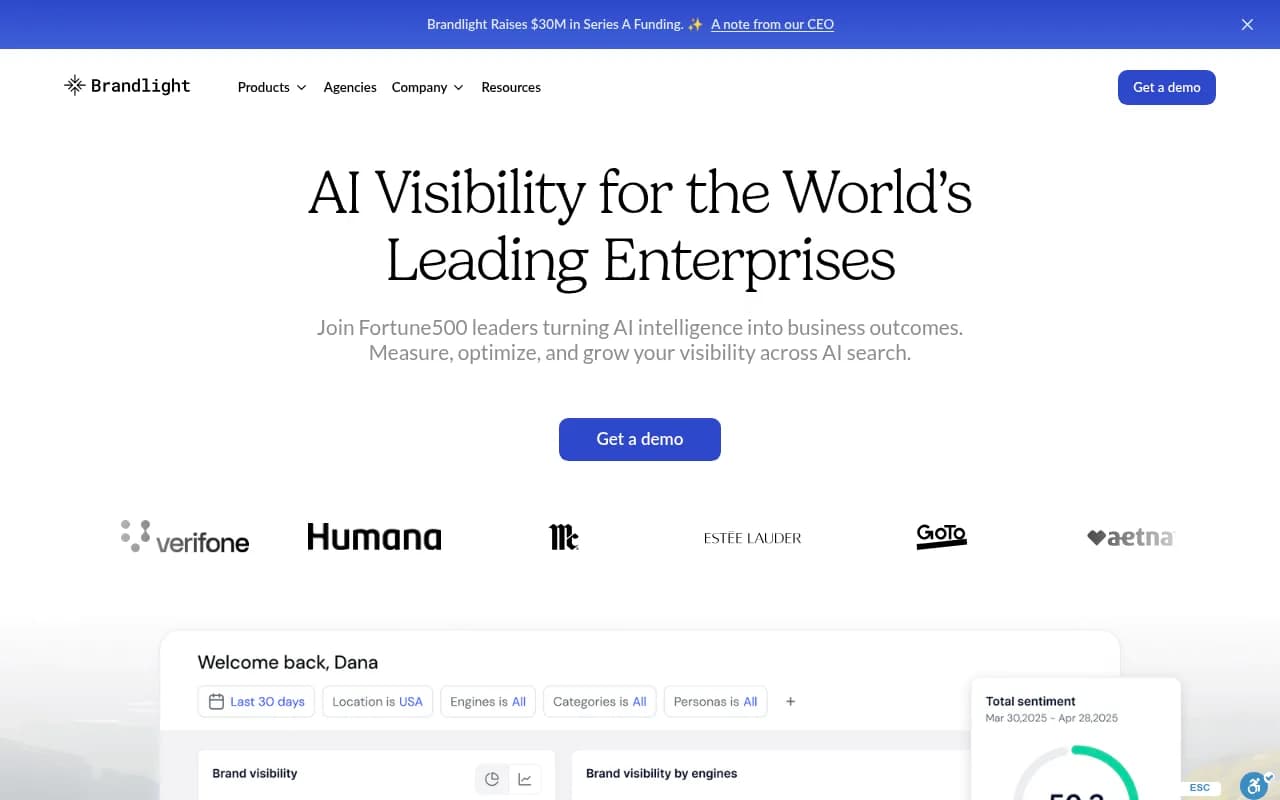
Roundups from Omnia and Dageno position Brandlight for global enterprises that want broad brand, source, regional and competitive workflows. Dageno's own table flags that it is more complex than a basic AI search tracker. That is a fair warning: complexity is fine if you have a dedicated team, painful if you do not.
Evertune and Bluefish
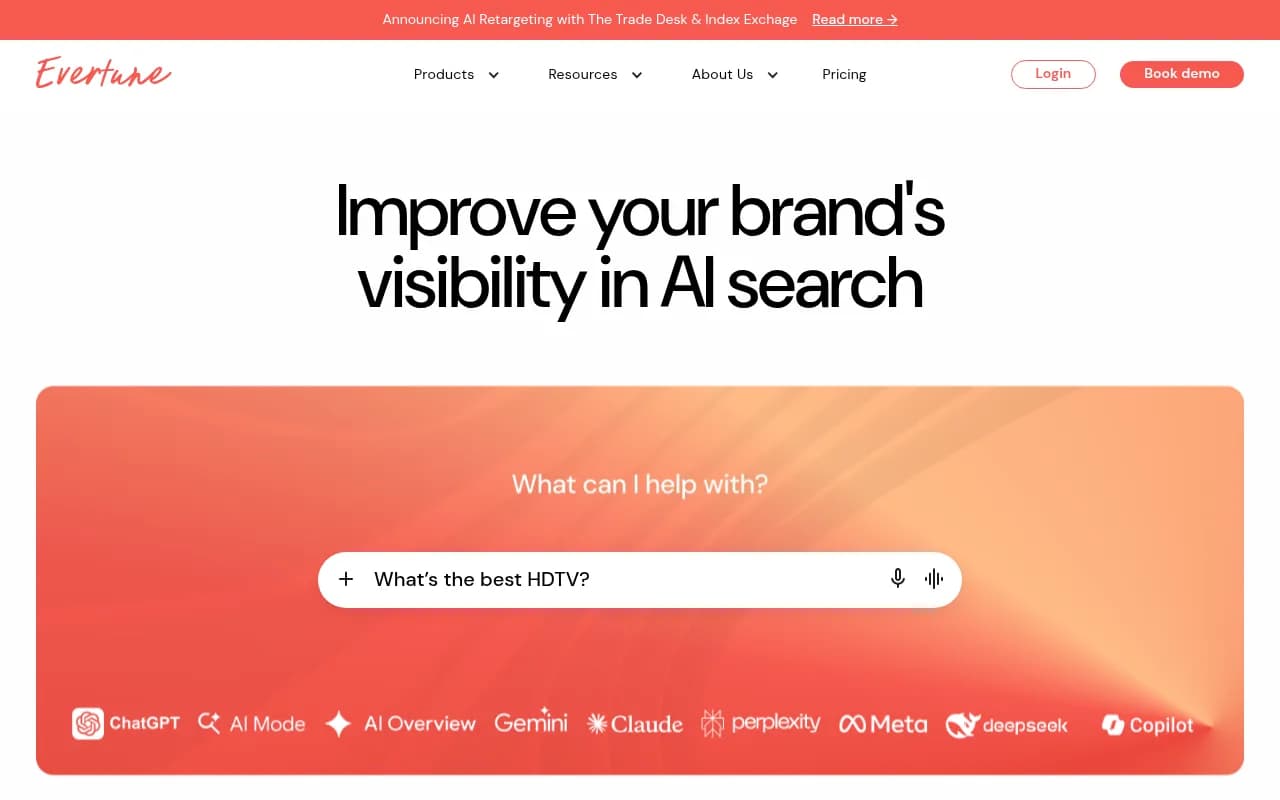
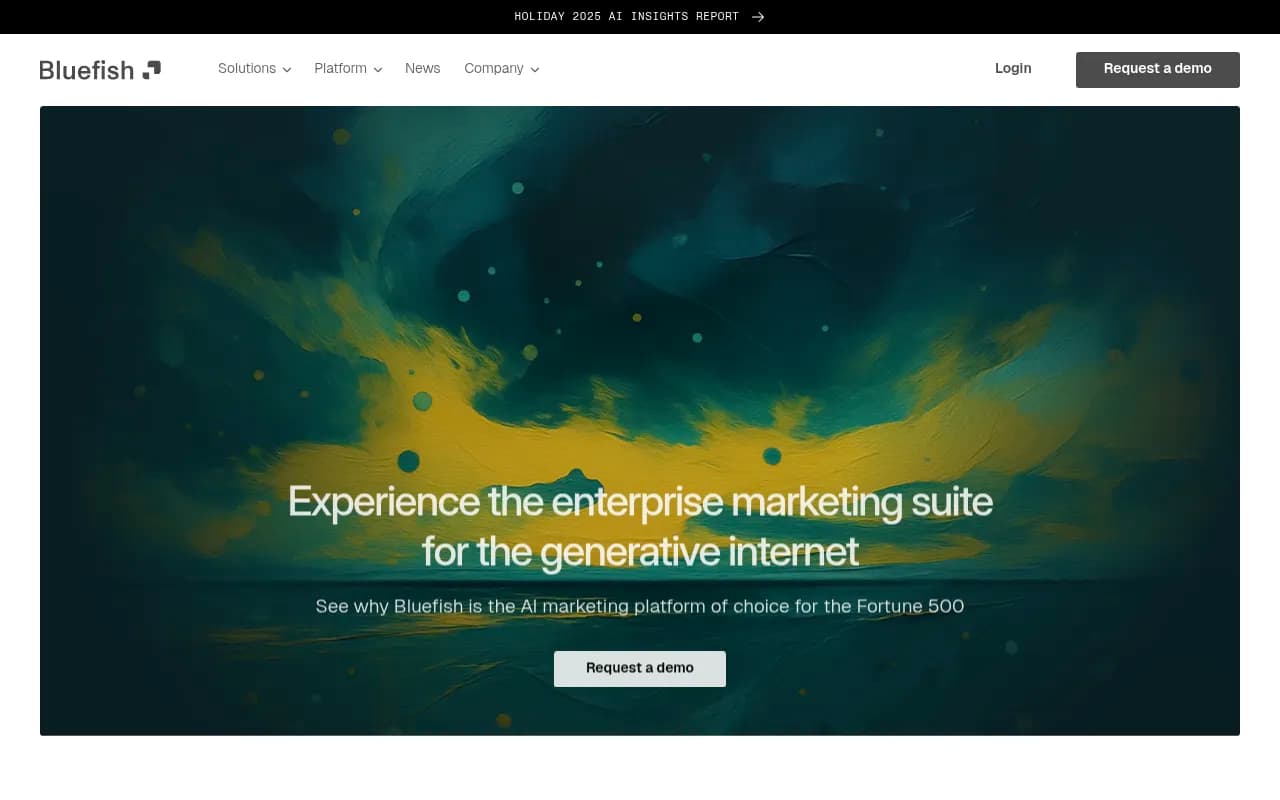
Both sell to large brands. Evertune is positioned around Fortune 500 GEO insights, and Bluefish as an enterprise AI marketing platform. Neither publishes the sort of detail I would want for a 20-country decision, so run a proof of concept in three of your actual markets first.
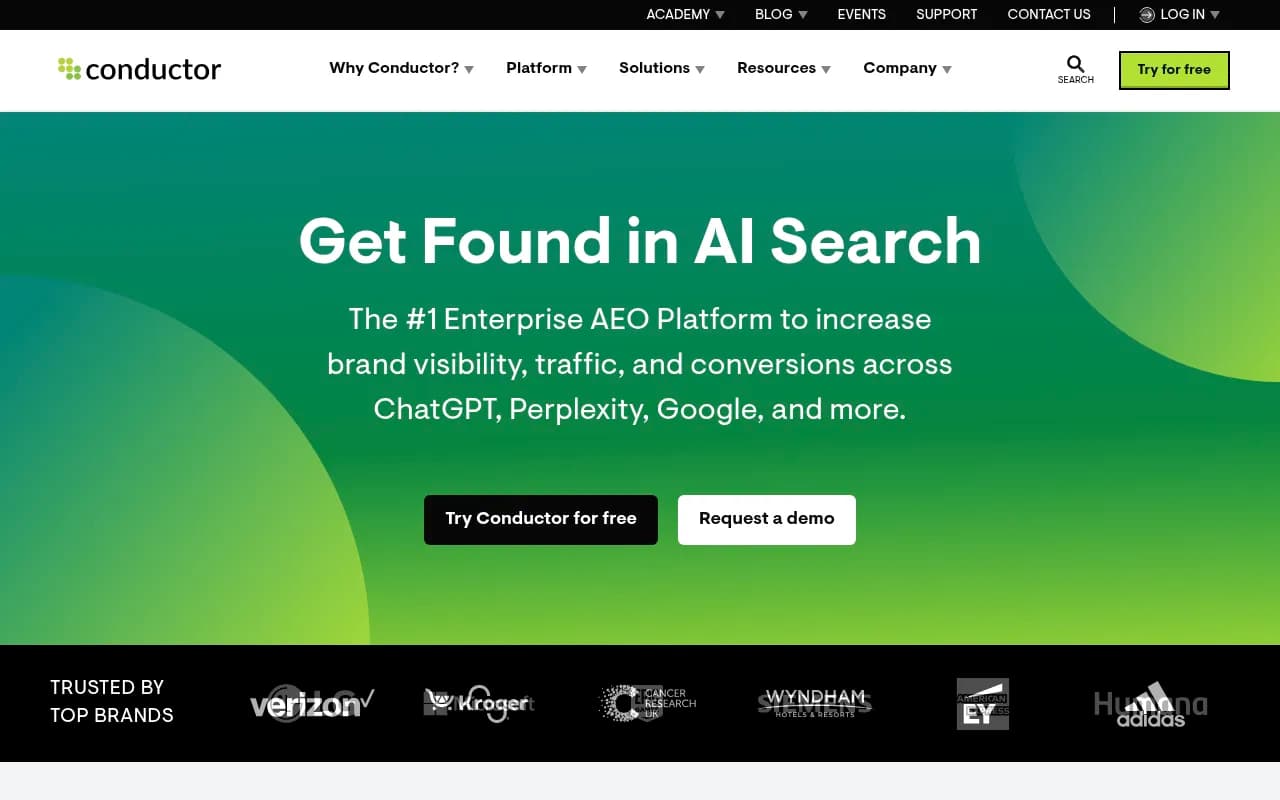
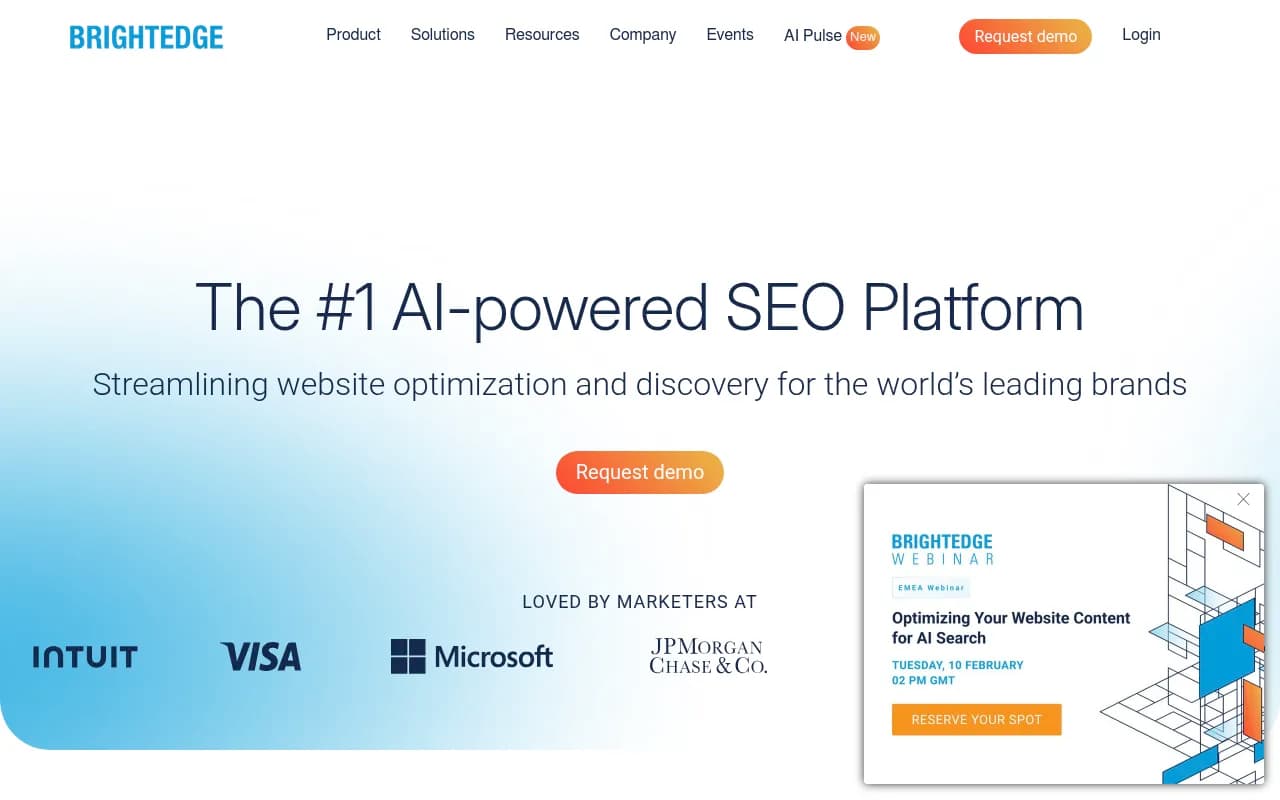
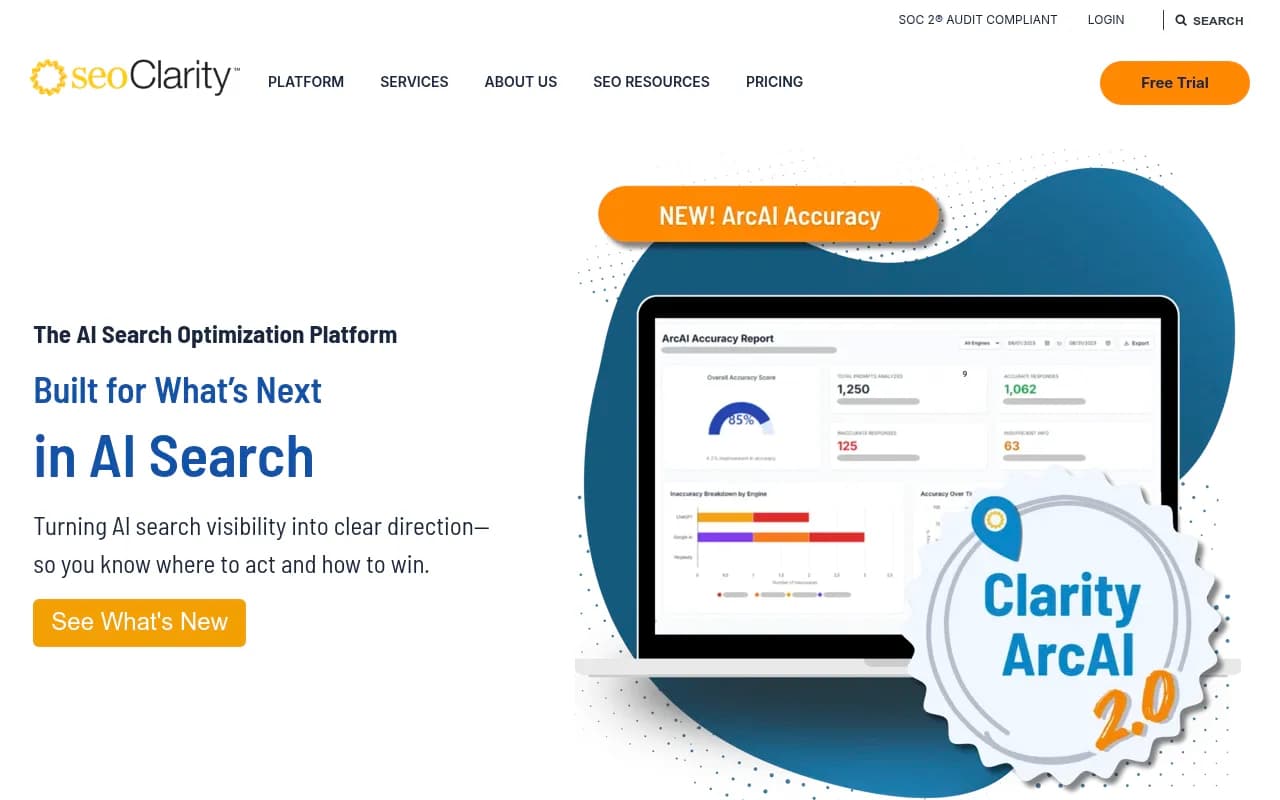
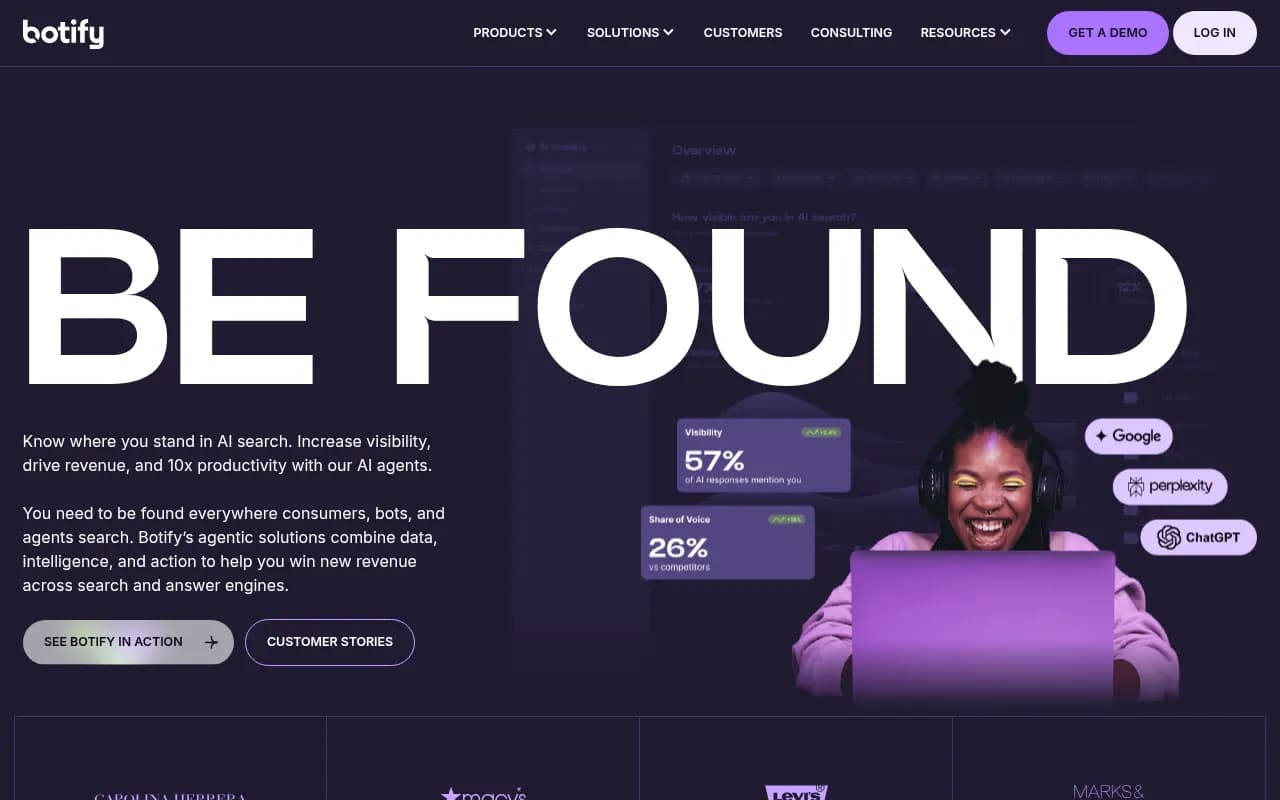
The SEO suites: Conductor, BrightEdge, seoClarity, Botify, Searchmetrics
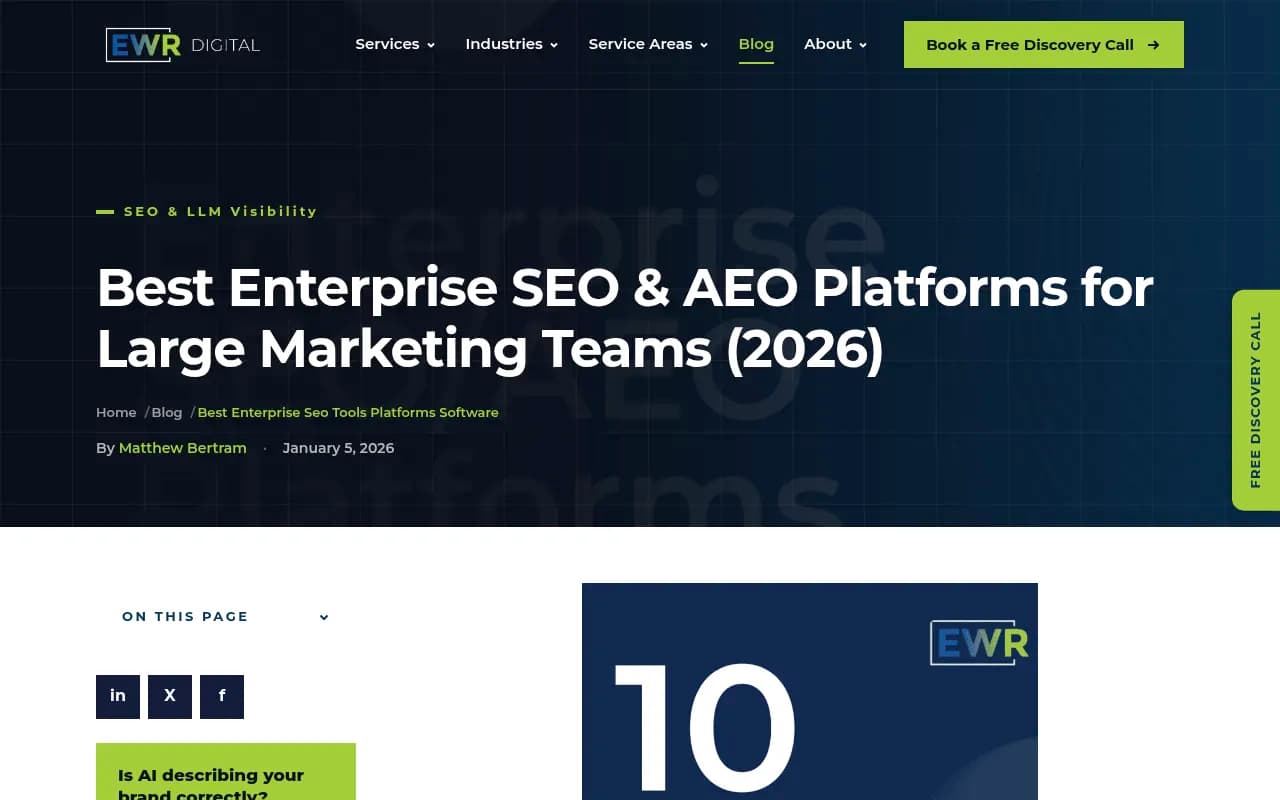
If your organization already runs one of these, adding AI tracking inside it is the path of least procurement resistance. The EWR Digital enterprise review compares BrightEdge, Conductor, seoClarity and Botify on their AI and geo-targeting capabilities and notes whether those features cost extra.
My take: suites are fine for a first look, but their AI modules tend to have fixed prompt sets and shallower AI-specific data, with no crawler-level proof and no AI traffic attribution. Check prompt limits per market before you assume they scale.
Other tools worth a look
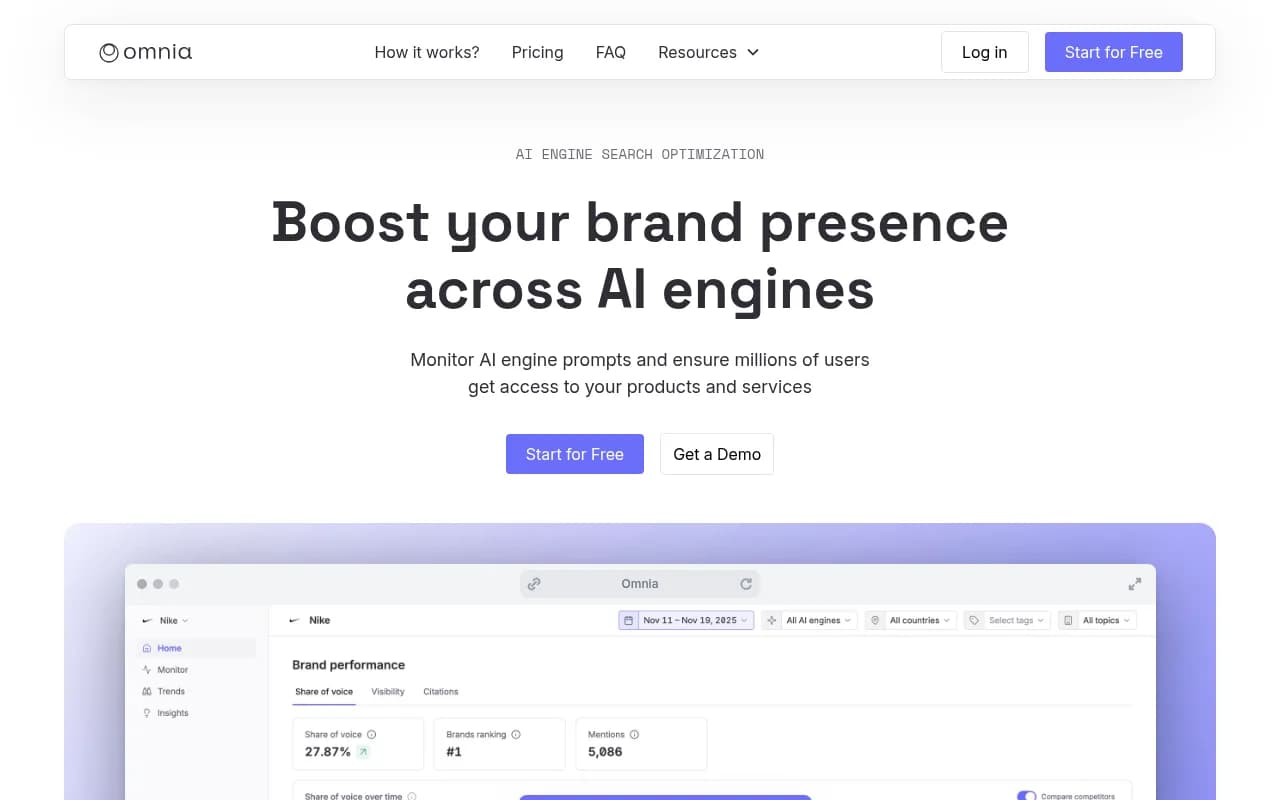
Omnia segments performance by country and topic and is covered in its own 26-tool roundup. Semrush, Ahrefs Brand Radar and SE Ranking add AI tracking to broader SEO subscriptions, which suits teams that want one invoice. Peec AI, Otterly.AI and AthenaHQ are lighter trackers that work for pilots but usually lack governance for large organizations.


Rolling out across 20+ markets
Buying the platform is the easy part. These steps are what actually keep a global program from stalling.
- Start with five priority markets, not 20. Build prompt sets in local languages, not translated English. Native speakers should review them.
- Define one monitor per country and language so results never blend. Keep a shared core of global prompts to compare markets on equal terms.
- Add personas for your two or three main buyer types.
- Fix access first. Check regional sites for blocked AI crawlers and rendering problems before writing anything new.
- Assign market owners and give them role-limited access, with one global view for leadership.
- Review monthly, per engine. Copilot's volatility is a good reason to avoid weekly overreactions.
- Tie results to traffic. AI-referred visits and conversions matter more to a CFO than a visibility score.
If you would rather not build this in-house, 1001 SEO Media offers GEO and AI search services built on the same platform, and you can browse more options in the GEO software directory.
How to choose
- Choose an AI-native platform with execution if you want to fix gaps, not just report them. Promptwatch fits here.
- Choose a monitoring-heavy enterprise tool such as Profound or Brandlight if you already have a content engine and want deep analysis.
- Stay inside your SEO suite if procurement is your biggest obstacle, but test its prompt limits.
- Run a two-week proof of concept in three markets, using the same 100 prompts everywhere, and compare data against what you see manually in the live interfaces.
The vendor that holds up in that test, with per-market data you can defend in a board meeting, is the one to sign.