Key takeaways
- Google AI Overviews now appear on 50-60% of U.S. searches, up from just 6.49% in January 2025 -- this is no longer a niche feature, it's the default search experience
- Organic CTR drops 61% when an AI Overview appears, but brands cited inside those overviews earn 35% more clicks than traditional organic results
- AI Overview traffic converts at 14.2% vs. traditional organic's 2.8% -- a 5x quality difference that makes citation far more valuable than position
- Getting cited requires a different playbook than ranking: answer-first formatting, semantic clustering, strong E-E-A-T signals, and structured data matter more than keyword density
- Tracking whether you're being cited -- and by which AI models -- requires dedicated tools beyond Google Search Console
Why your Google Analytics is lying to you
Here's a number that should make any marketing team uncomfortable: 60% of all searches now end without a click. Not because users found nothing. Because they found everything they needed in the AI-generated summary at the top of the page.
Your rank tracking dashboard still shows you in position 3. Your impressions look fine. But your traffic is quietly bleeding out because the game changed and most SEO tools haven't caught up.
Google AI Overviews (previously called Search Generative Experience, or SGE) have gone from an experiment to the dominant search interface in under 18 months. They now appear on more than half of all U.S. searches, and Google has been expanding them aggressively into more query types, more countries, and more languages throughout 2025 and into 2026.
The uncomfortable truth is that traditional SEO optimizes for ranking. AI Overview optimization is about getting cited. Those are related goals, but they're not the same thing -- and the gap between them is where most brands are losing visibility right now.
Understanding how AI Overviews actually work
Before you can optimize for something, you need to understand what it's doing.
Google's AI Overviews pull from multiple sources to generate a synthesized answer. The model doesn't just pick the top-ranking page and summarize it -- it reads across many sources, identifies consistent and credible information, and constructs a response. The cited sources appear as small cards beneath or alongside the overview.
A few things that make this different from traditional ranking:
Citation doesn't require top-10 ranking. Research shows that 76% of AI Overview citations come from pages already in the top 10 -- but 46.5% of cited URLs rank outside the top 50. That's a meaningful number. A well-structured, authoritative page on a niche topic can get cited even if it doesn't rank highly for that query.
Only 274,455 domains have ever appeared in AI Overviews out of 18.4 million in Google's index. That's about 1.5%. The barrier to entry is real, but it also means the competition is less crowded than traditional SERP ranking.
Query type matters a lot. AI Overviews appear most frequently on informational and research queries -- "how does X work," "what's the difference between X and Y," "best options for X." Transactional queries (buy, price, coupon) show them less often. If your content strategy is heavy on bottom-funnel commercial pages, you have less surface area here.
The model rewards clarity and specificity. Vague, hedged, or keyword-stuffed content gets passed over. Content that directly answers a specific question -- with supporting evidence, examples, or data -- is what gets pulled in.
The citation quality premium
Before diving into tactics, it's worth sitting with the numbers for a moment.
AI Overview traffic converts at 14.2% vs. traditional organic's 2.8%. That's not a small difference. That's a 5x conversion rate premium.
The reason makes intuitive sense: someone who clicks through from an AI Overview has already received a synthesized answer and decided they want more. They're not casually browsing -- they're specifically interested in what your page offers. That intent signal is much stronger than a generic organic click.
This means getting cited in AI Overviews isn't just about visibility. It's about getting in front of buyers who are already warm. For B2B marketing teams especially, this is worth treating as a priority channel, not a nice-to-have.
The core optimization framework
1. Answer-first content structure
The single most impactful structural change you can make is putting the answer at the top of the page, not at the bottom.
Traditional long-form SEO content often buries the answer under introductory paragraphs, background context, and keyword-rich preamble. That worked when Google was ranking pages based on comprehensiveness and dwell time. AI models are doing something different -- they're scanning for the most direct, credible answer to a specific question.
Write your content the way a journalist writes a news article: lead with the most important information, then support it. If someone asks "what is X," your first paragraph should define X clearly and completely. Everything after that is supporting detail.
This also means being explicit about what question you're answering. Starting a section with "What is [topic]?" or "How does [process] work?" as a heading, then immediately answering it, is not unsophisticated -- it's exactly what AI models need to parse your content correctly.
2. Semantic clustering over keyword targeting
AI models understand topics, not just keywords. A page that covers a topic thoroughly -- including related concepts, common questions, edge cases, and comparisons -- signals to the model that this is a reliable source on the subject.
This is the concept behind semantic clustering: instead of writing one page per keyword, you build topic clusters where a pillar page covers the main concept and supporting pages go deep on subtopics. The internal linking between them signals topical authority.
For example, if you're a B2B software company and you want to be cited when people ask about "project management for remote teams," you don't just need one page on that topic. You need content covering async communication, time zone management, remote onboarding, tool comparisons, and so on -- all linked together. That cluster tells Google's AI that your site genuinely understands this space.
3. Structured data and schema markup
Schema markup is one of the clearest signals you can send to any automated system, including AI models. It tells the system exactly what type of content is on the page and what the key entities are.
For AI Overview optimization, the most valuable schema types are:
FAQPage-- marks up question-and-answer content explicitlyHowTo-- for step-by-step instructional contentArticlewithauthoranddatePublished-- supports E-E-A-T signalsOrganizationandPerson-- establishes entity identityProductandReview-- for commercial content
You don't need to implement every schema type. Start with the ones that match your content types and make sure they're accurate. Incorrect or misleading schema can hurt you.
4. E-E-A-T signals that actually matter
Google's E-E-A-T framework (Experience, Expertise, Authoritativeness, Trustworthiness) is the lens through which the AI evaluates source credibility. This isn't abstract -- there are concrete things you can do to improve these signals.
For Experience and Expertise:
- Put real author bios on your content, with credentials and relevant background
- Link author profiles to LinkedIn, published work, or other credibility signals
- Include first-person observations, case studies, or original data where relevant
For Authoritativeness:
- Earn backlinks from recognized sources in your industry
- Get mentioned on industry publications, podcasts, and forums
- Build a presence on platforms AI models frequently cite (more on this below)
For Trustworthiness:
- Keep your content accurate and up to date -- outdated information is a trust signal in the wrong direction
- Cite your sources with links to primary research
- Have a clear privacy policy, contact information, and about page
One thing that's often overlooked: consistency matters. If your brand name, product descriptions, and key claims appear consistently across your website, your social profiles, third-party review sites, and industry publications, the AI model builds a coherent picture of who you are. Inconsistency creates ambiguity, and ambiguous sources get cited less.
5. FAQ and direct-answer sections
FAQ sections are one of the most reliable ways to get cited in AI Overviews. The format is perfectly aligned with how AI models construct answers -- they're looking for a question and a clear, concise answer.
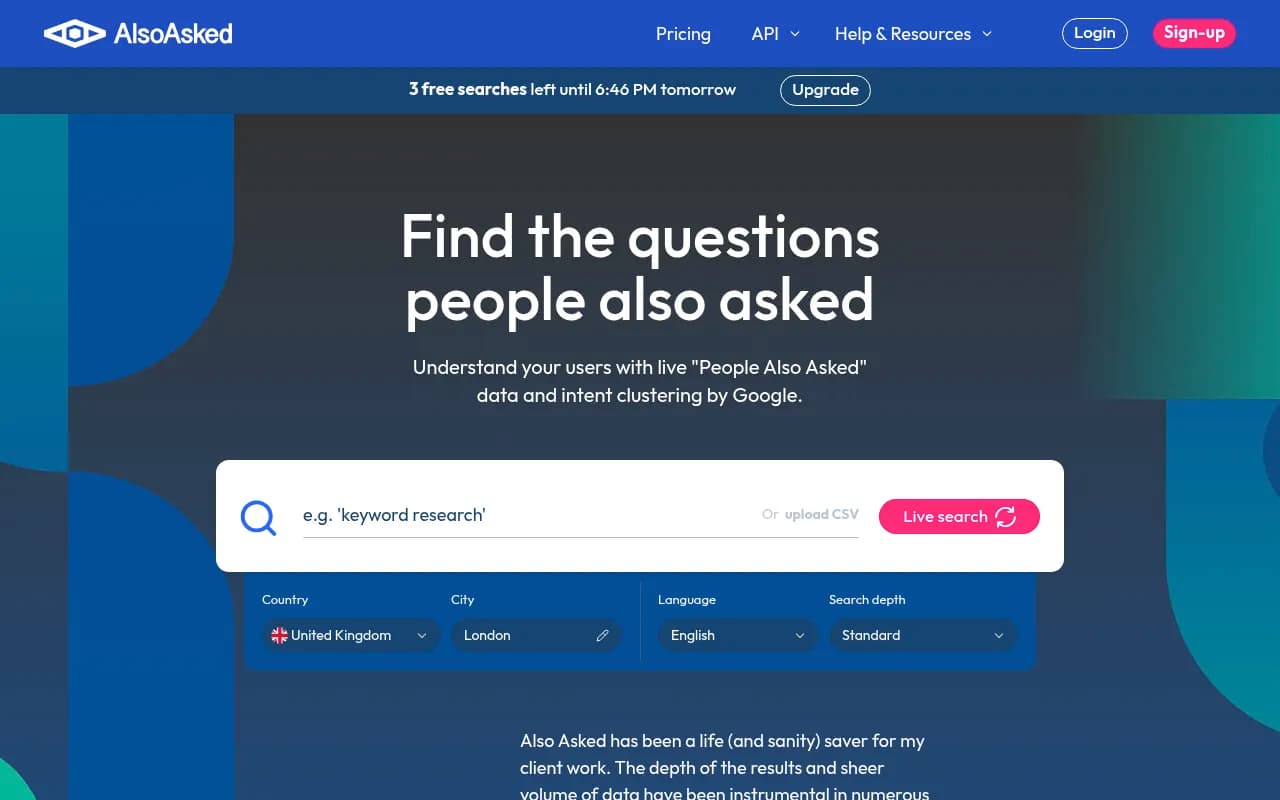
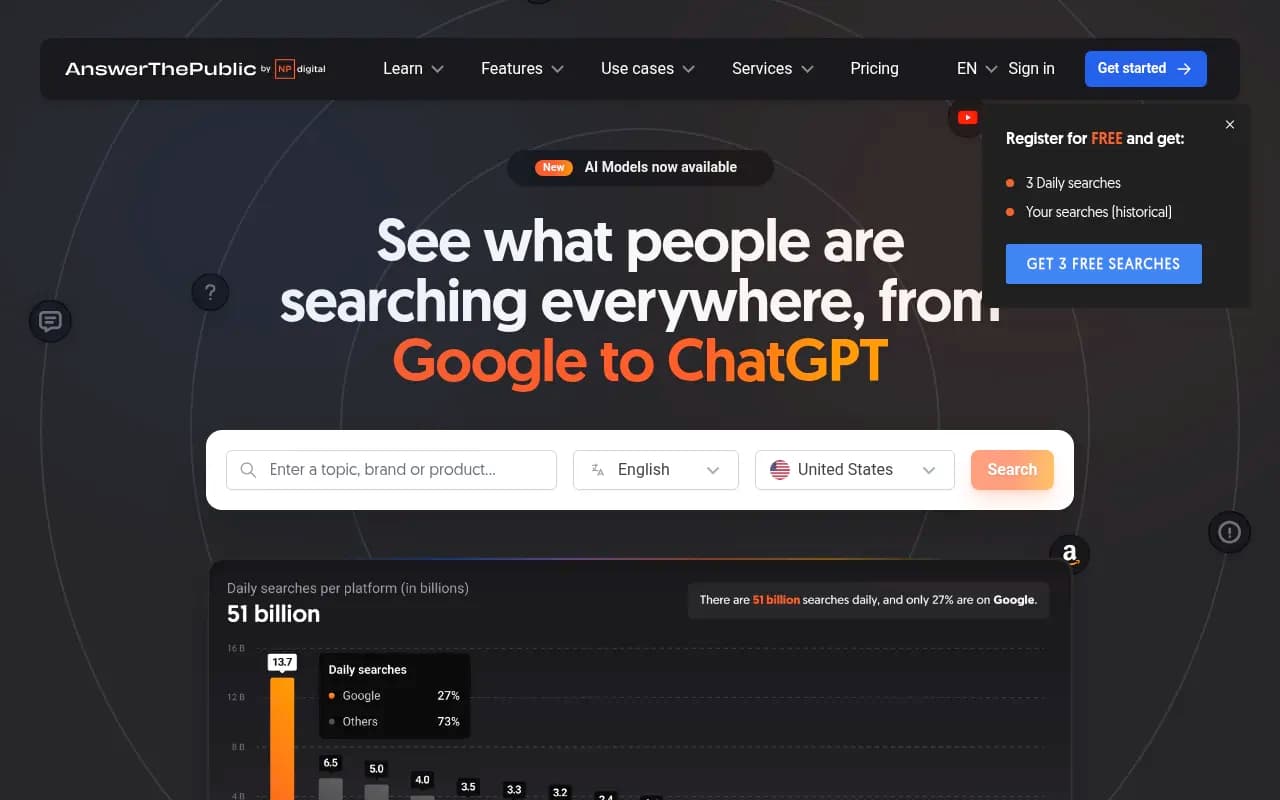
Every major content page should have a FAQ section at the bottom that addresses the 4-6 most common questions someone might have after reading the content. These should be real questions (use tools like AlsoAsked or AnswerThePublic to find them), not questions you invented to stuff keywords.
The answers should be 2-4 sentences -- long enough to be useful, short enough to be cited directly. Implement FAQPage schema on these sections.
The platforms AI Overviews cite (beyond your own website)
Here's something most brand-focused guides miss: AI Overviews don't only cite your website. They cite wherever credible information about your topic lives -- and that includes third-party platforms.
Reddit is cited frequently in AI Overviews, particularly for product comparisons, user experiences, and "what do real people think" type queries. If your brand or product is being discussed on Reddit -- positively or negatively -- that content is influencing AI responses about you.
YouTube is another major citation source. How-to videos, product reviews, and tutorial content from YouTube regularly appear in AI Overviews. If you have a YouTube channel, optimizing video titles and descriptions for specific questions is worth doing.
Industry publications, review sites (G2, Capterra, Trustpilot), and niche forums also get cited. This means your off-site presence matters as much as your on-site content for AI visibility.
The practical implication: your AI Overview optimization strategy needs to include a distribution and PR component, not just a content component. Getting mentioned in the right places -- with consistent, accurate information about your brand -- is part of the optimization work.
Technical factors that affect AI crawlability
AI models can only cite content they can read. Several technical issues can prevent your content from being indexed or understood correctly.
JavaScript rendering. If your content is rendered client-side via JavaScript, AI crawlers may not see it. Googlebot has improved at rendering JavaScript, but AI crawlers (including GPTBot, ClaudeBot, and PerplexityBot) vary in their rendering capabilities. Server-side rendering or static HTML is safer.
Crawl blocking. Check your robots.txt file. Some sites have inadvertently blocked AI crawlers. If you want to be cited by ChatGPT, Claude, or Perplexity, you need to allow their crawlers. The relevant user agents are GPTBot, ClaudeBot, PerplexityBot, and Google-Extended (for Google's AI training).
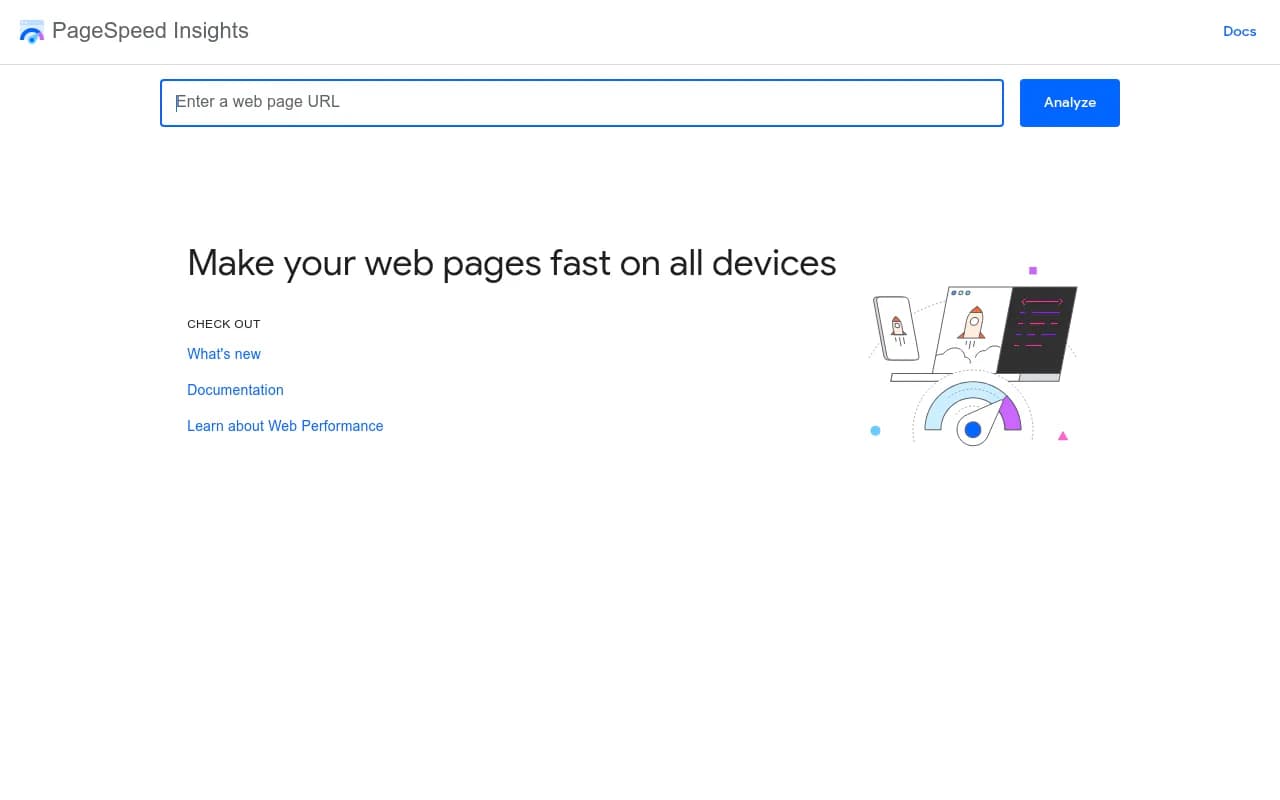
Page speed and Core Web Vitals. Slow pages get crawled less frequently and may be deprioritized. Run your key pages through Google PageSpeed Insights and fix the obvious issues.
Canonical tags and duplicate content. Make sure your canonical tags are correct. Duplicate content dilutes your authority signals and can confuse AI models about which version of a page to cite.
Tracking your AI Overview visibility
This is where many marketing teams fall down. You can do all the right optimization work and have no idea whether it's working because you're not measuring the right things.
Google Search Console shows some AI Overview data, but it's limited. You can see impressions and clicks from AI Overviews as a filter in the Performance report, but you can't see which specific queries triggered an overview, which sources were cited alongside you, or how your visibility compares to competitors.
For deeper tracking, dedicated AI visibility platforms give you a much clearer picture. Promptwatch is one of the more complete options -- it tracks citations across Google AI Overviews and 9 other AI models (ChatGPT, Perplexity, Claude, Gemini, Grok, DeepSeek, and more), shows you which specific pages are being cited, and identifies the gaps where competitors are getting cited but you're not.

That last piece -- the gap analysis -- is where the real optimization work happens. Knowing you're not being cited is one thing. Knowing exactly which prompts your competitors are winning and you're not, and what content you'd need to create to compete, is a different level of insight entirely.
Other tools worth knowing about:
Otterly.AI

| Tool | AI Overview tracking | Competitor gap analysis | Content generation | Crawler logs |
|---|---|---|---|---|
| Promptwatch | Yes (10 models) | Yes | Yes (built-in) | Yes |
| Semrush | Partial (fixed prompts) | Limited | No | No |
| Ahrefs Brand Radar | Partial (fixed prompts) | No | No | No |
| Otterly.AI | Yes | No | No | No |
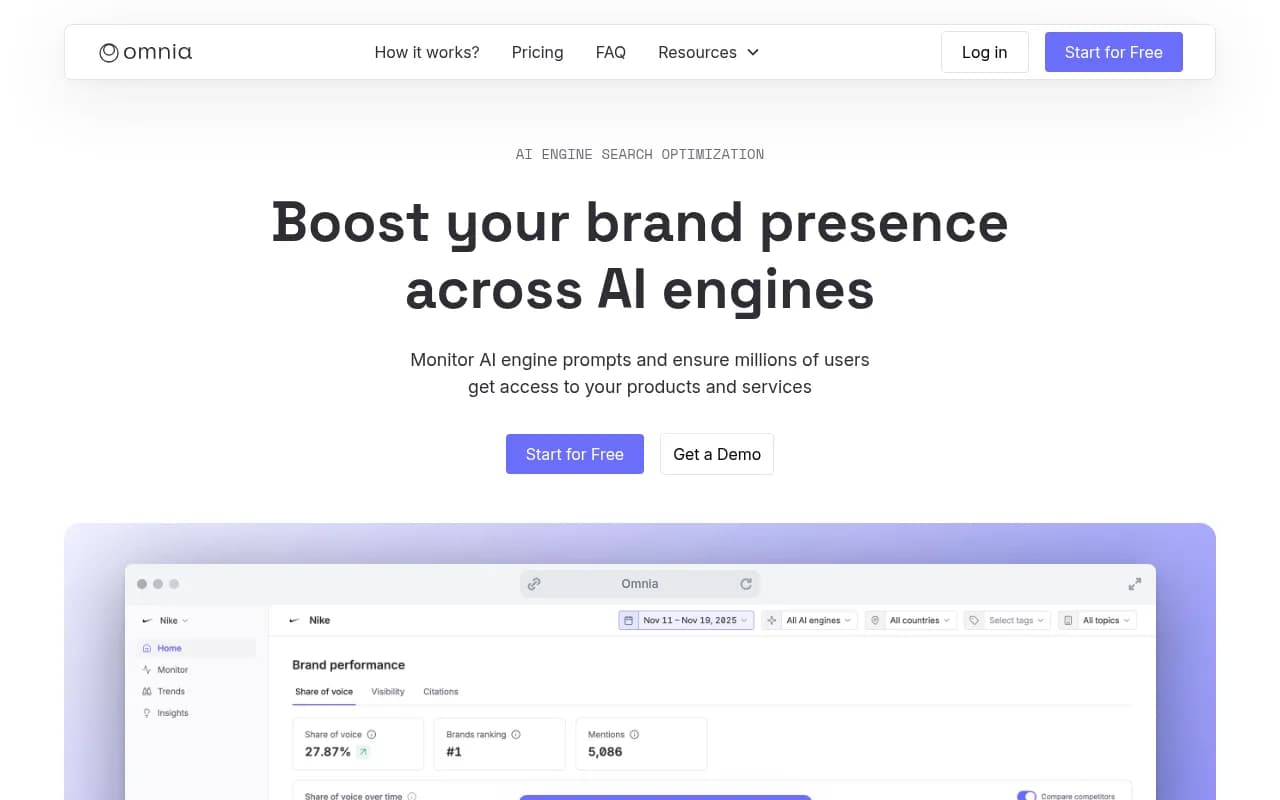
| Omnia | Yes | Limited | No | No |
Content types that get cited most
Not all content is equally likely to be cited in AI Overviews. Based on what's working in 2026, these formats consistently perform well:
Comparison pages. "X vs Y" content is heavily cited because users frequently ask comparative questions and AI models need a reliable source to draw from. If you're in a competitive category, having well-structured comparison pages -- including honest assessments of where competitors are stronger -- builds credibility.
Definition and explainer content. "What is X" pages that give clear, authoritative definitions get cited frequently. These don't need to be long -- a 500-word page that defines a concept precisely and accurately can outperform a 3,000-word page that meanders.
Step-by-step guides. HowTo content with numbered steps is easy for AI models to parse and cite. The HowTo schema makes this even more explicit.
Original research and data. If you publish original data -- surveys, proprietary analysis, industry benchmarks -- AI models will cite you as a primary source. This is one of the highest-leverage content investments you can make.
Lists with clear criteria. "Best X for Y" content works well when the criteria are explicit and the recommendations are specific. Vague "top 10" lists without clear reasoning get passed over.
Building a repeatable optimization workflow
Optimization isn't a one-time project. Here's a practical workflow for ongoing AI Overview visibility:
- Audit your current citation status. Use a tool like Promptwatch or Omnia to see which of your pages are currently being cited in AI Overviews and for which queries.
-
Identify your highest-value prompt gaps. Which queries are your competitors being cited for that you're not? Prioritize by search volume and commercial relevance.
-
Create or update content to fill those gaps. For each gap, either create a new page or update an existing one to directly answer the query. Apply the structural principles above: answer-first, FAQ section, schema markup, clear authorship.
-
Distribute beyond your own site. Publish relevant content on LinkedIn, get mentioned in industry publications, engage in relevant Reddit communities, and make sure your brand information is consistent across review platforms.
-
Monitor and iterate. Track your citation rate over time. When you create new content, check whether it starts getting cited within 4-8 weeks. If not, look at the technical factors (crawlability, schema, page speed) and the content quality.
-
Connect visibility to revenue. Citation rates are a leading indicator, but the goal is traffic and conversions. Set up proper attribution to connect AI Overview clicks to actual pipeline. Google Search Console's AI Overview filter is a starting point; server log analysis or a snippet-based attribution tool gives you more precision.
What most marketing teams are still getting wrong
A few patterns that consistently hold brands back:
Optimizing for rankings instead of citations. These overlap but aren't the same. A page can rank in position 1 and never get cited in an AI Overview if it's not structured to answer questions directly.
Ignoring off-site presence. Your website is one input. Reddit, YouTube, industry publications, and review sites are others. Brands that only optimize their own content are leaving significant citation surface area on the table.
Not tracking AI-specific metrics. If you're only looking at organic traffic and rankings, you're missing the story. AI Overview impressions, citation rates, and the specific queries triggering overviews are the metrics that matter now.
Treating this as an SEO project instead of a content strategy project. Technical SEO matters, but the core work is creating content that genuinely answers questions better than anyone else. That's a content strategy problem, not a meta tag problem.
Waiting for the playbook to stabilize. Google is updating AI Overviews constantly -- expanding to new query types, adjusting citation logic, rolling out in new markets. The brands building citation authority now will have a compounding advantage. Waiting for things to "settle down" is a way to fall further behind.
The search experience has changed. Most of your competitors are still running a 2023 SEO playbook. That gap is an opportunity -- but only if you move on it.