Key Takeaways
- AI search engines cite content differently than Google: Traditional SEO keyword gaps don't reveal what ChatGPT, Perplexity, or Claude need to cite your brand. You need prompt-level gap analysis.
- The workflow has three stages: Find gaps (where competitors rank but you don't), create content (articles engineered for AI citations), and track results (measure visibility improvements and traffic).
- Automation is critical at scale: Manual gap analysis breaks down beyond 50 prompts. Use platforms that connect monitoring, content generation, and attribution in one loop.
- Content quality matters more than volume: AI models cite authoritative, well-structured content with clear answers. One great article beats ten mediocre ones.
- Close the loop with traffic attribution: Visibility scores mean nothing without revenue. Track which pages AI engines cite and how that translates to actual visitors and conversions.
Why Traditional Content Gap Analysis Fails for AI Search
Most marketers run content gap analysis the same way they have since 2015: pull competitor keywords from Ahrefs or Semrush, filter for gaps, write articles targeting those keywords, and wait for Google to rank them.
This workflow is broken for AI search.
ChatGPT doesn't rank pages by keyword density. Perplexity doesn't care about your meta description. Claude won't cite you just because you have a high domain authority. AI models cite content based on relevance, structure, and whether it directly answers the prompt.
The gap isn't "keywords your competitors rank for" -- it's "prompts where AI models cite your competitors but not you."
That requires a fundamentally different workflow.
The Three-Stage Content Gap Workflow for AI Visibility
Stage 1: Find the Gaps (Prompt-Level Analysis)
Start by identifying which prompts your competitors appear in but you don't. This isn't about search volume or keyword difficulty -- it's about citation frequency.
What you need to track:
- Which prompts trigger citations for competitors
- Which AI models cite them (ChatGPT, Perplexity, Claude, Gemini, etc.)
- How often they're cited (citation frequency)
- Which specific pages or content types get cited
- What topics, angles, and question formats drive citations
Platforms like Promptwatch surface this data through Answer Gap Analysis -- a feature that shows exactly which prompts competitors rank for but you're invisible in. You see the specific content your website is missing: the topics, angles, and questions AI models want answers to but can't find on your site.

Other tools that offer prompt-level tracking include Profound, Otterly.AI, and Peec.ai, though most stop at monitoring and don't connect to content creation.
Profound

Otterly.AI


How to prioritize gaps:
- Prompt volume: Estimate how often users ask this question across AI platforms
- Difficulty: How many strong competitors already rank?
- Business relevance: Does this prompt align with your product or service?
- Content feasibility: Can you create genuinely useful content for this prompt, or would it be filler?
Don't chase every gap. Focus on prompts where you have real expertise and can create content that's better than what's already being cited.
Stage 2: Create Content That Gets Cited (AI-Optimized Writing)
Once you know which prompts to target, you need to create content that AI models will actually cite. This is not the same as writing for Google.
What AI models look for when citing sources:
- Direct answers: Clear, structured responses to the prompt within the first 200 words
- Authoritative depth: Comprehensive coverage that demonstrates expertise
- Logical structure: Headings, lists, and sections that make information easy to extract
- Recency: Up-to-date information, especially for time-sensitive topics
- Credibility signals: Author credentials, data sources, case studies, and references
The content creation process:
- Analyze existing citations: Look at what competitors wrote that got cited. What format did they use? What depth? What angle?
- Build a content brief: Define the prompt, target AI models, required sections, key points to cover, and word count (1500-3000 words is ideal)
- Write or generate the article: Use AI writing tools grounded in citation data, or write manually with AI optimization in mind
- Optimize structure: Add clear headings, bulleted lists, comparison tables, and code blocks where relevant
- Embed credibility: Link to authoritative sources, include data, and demonstrate expertise
Platforms like Promptwatch include built-in AI writing agents that generate articles, listicles, and comparisons grounded in real citation data (880M+ citations analyzed), prompt volumes, persona targeting, and competitor analysis. This isn't generic SEO filler -- it's content engineered to get cited by ChatGPT, Claude, Perplexity, and other AI models.
Other AI content tools worth considering:
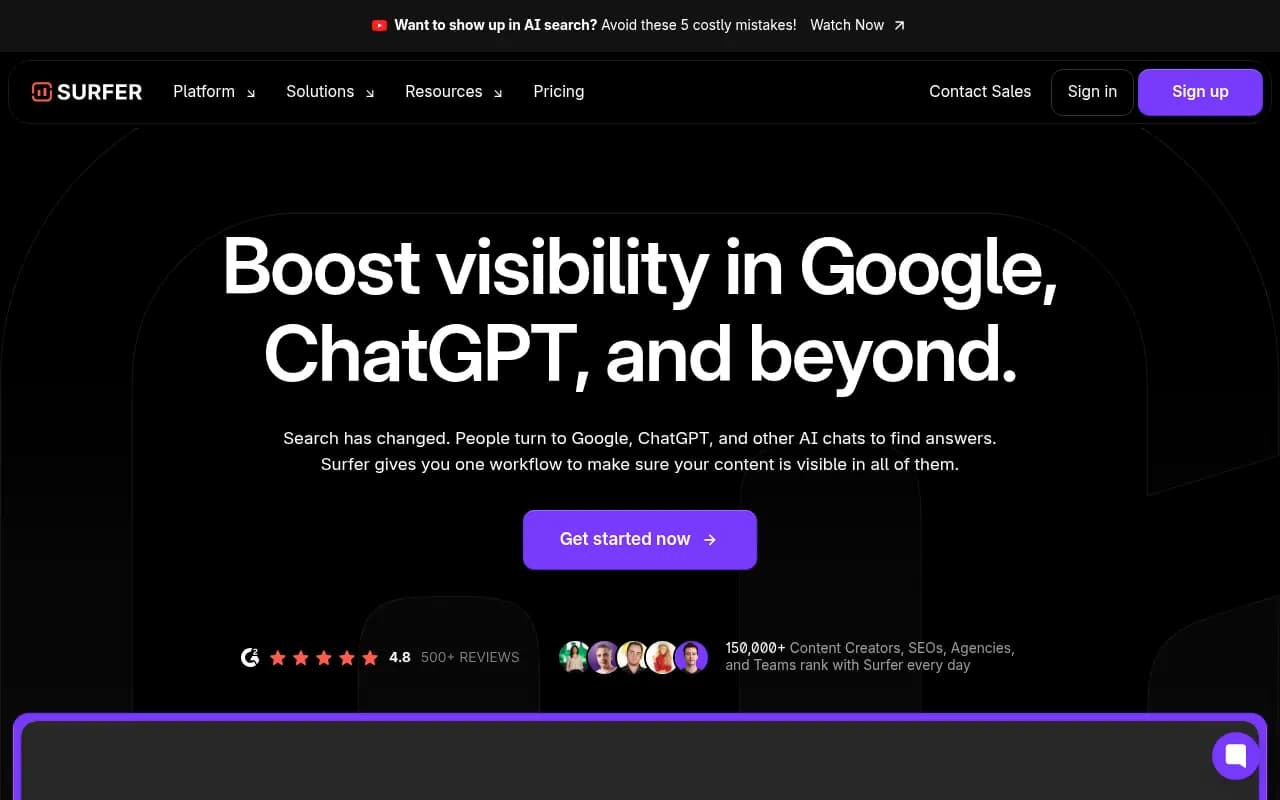
- Surfer SEO: Strong for traditional SEO optimization, now adding AI search features
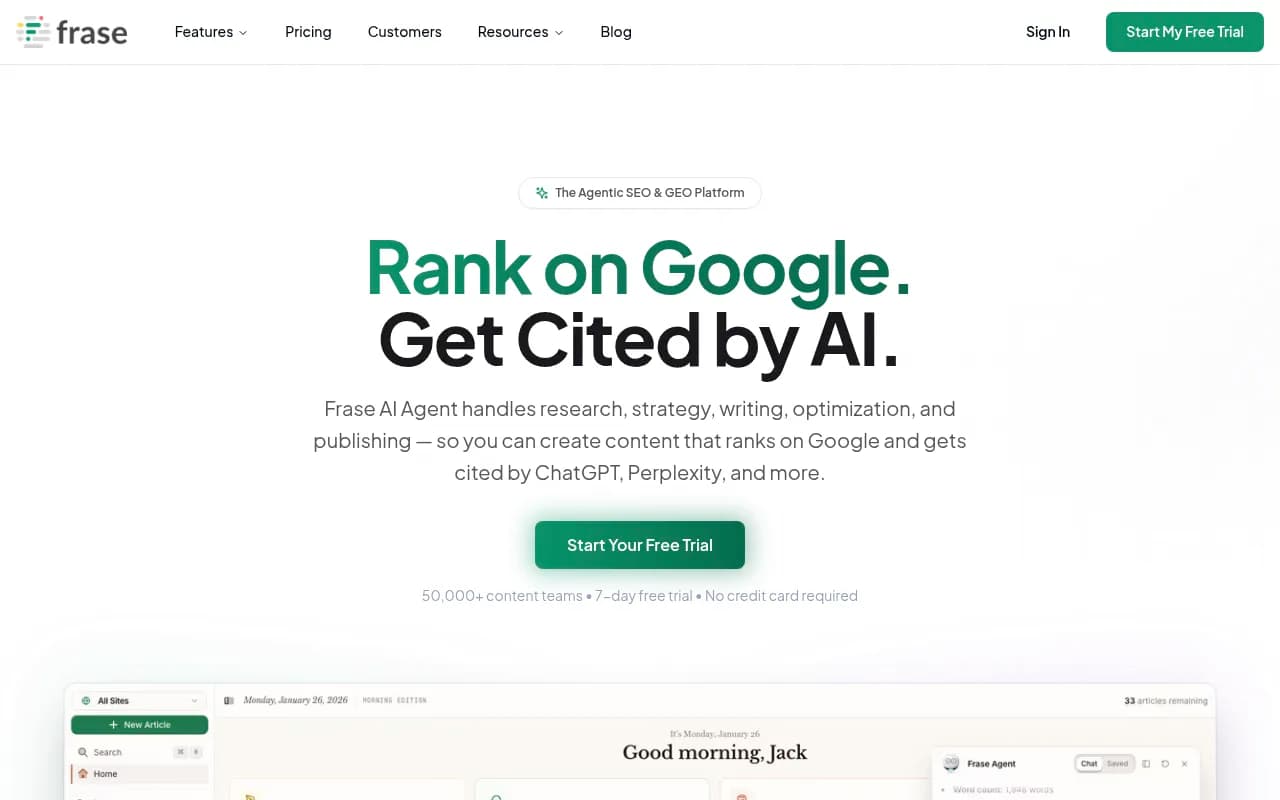
- Frase: Content briefs and AI writing focused on answering questions
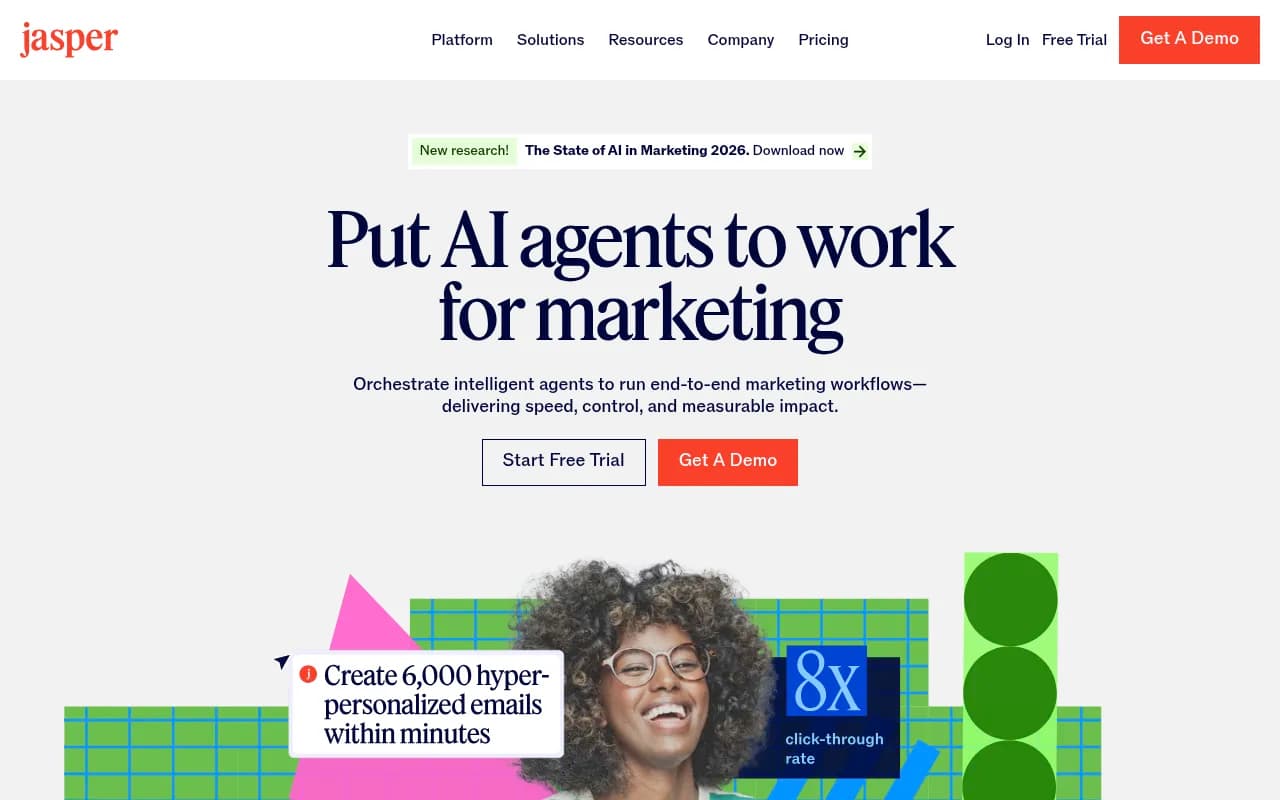
- Jasper: Marketing-focused AI writing with brand voice and content pipelines
- Clearscope: Content optimization with competitor analysis

The key difference: most tools optimize for Google. You need tools that optimize for AI citations.
Stage 3: Track the Results (Visibility + Traffic Attribution)
Publishing content is not the end of the workflow. You need to measure whether it's working.
What to track:
- Citation frequency: How often is your new content being cited by AI models?
- Page-level visibility: Which specific pages are getting cited, and by which models?
- Prompt coverage: Are you now visible for the prompts you targeted?
- Competitor comparison: Did your visibility improve relative to competitors?
- Traffic attribution: Are AI citations driving actual visitors to your site?
This is where most platforms fall short. Tools like Otterly.AI, Peec.ai, and AthenaHQ show you visibility scores but don't connect them to traffic or revenue.

Promptwatch closes this loop with traffic attribution through code snippets, Google Search Console integration, or server log analysis. You see which pages AI models cite, how often, and how many visitors came from those citations. This connects visibility to actual business outcomes.
How to measure success:
- Week 1-2: Monitor AI crawler logs to confirm models are discovering your new content
- Week 3-4: Check citation frequency and visibility scores for target prompts
- Month 2-3: Analyze traffic attribution to see if citations are driving visitors
- Ongoing: Track visibility trends and identify new gaps as the competitive landscape shifts
If a piece of content isn't getting cited after 4-6 weeks, iterate. Update the content, adjust the structure, or target a different angle.
Automating the Workflow at Scale
Manual gap analysis works for 10-20 prompts. Beyond that, you need automation.
Where automation helps:
- Gap discovery: Automatically surface new prompts where competitors rank but you don't
- Content generation: Use AI writing agents to draft articles based on gap analysis
- Publishing: Auto-publish to WordPress, Webflow, or your CMS via API
- Tracking: Monitor visibility changes and traffic attribution without manual reporting
Tools that support end-to-end automation:
- Promptwatch: The only platform rated as a "Leader" across all categories in a 2026 comparison of 12 GEO platforms. It connects gap analysis, AI content generation, and traffic attribution in one workflow.
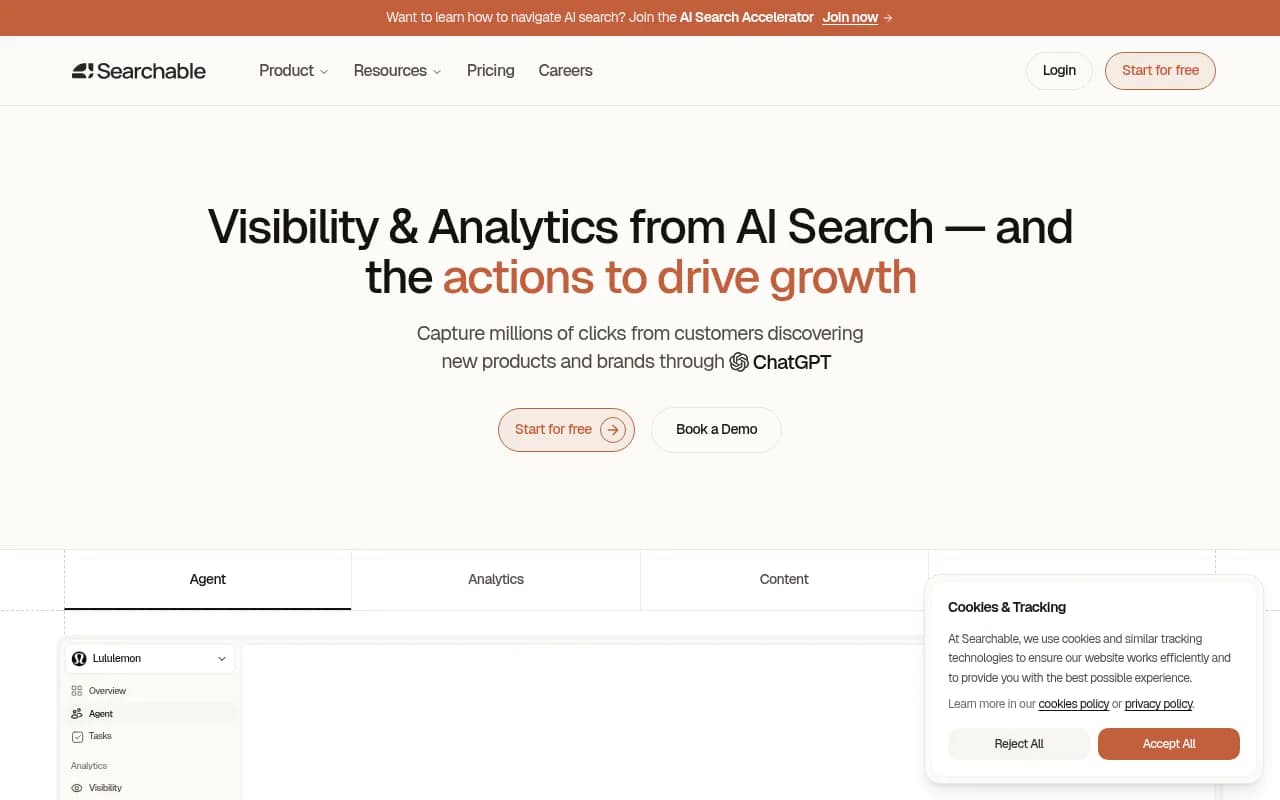
- Searchable: Offers built-in content generation but lacks crawler logs and Reddit/YouTube tracking
- Profound: Strong feature set but higher price point and no content generation
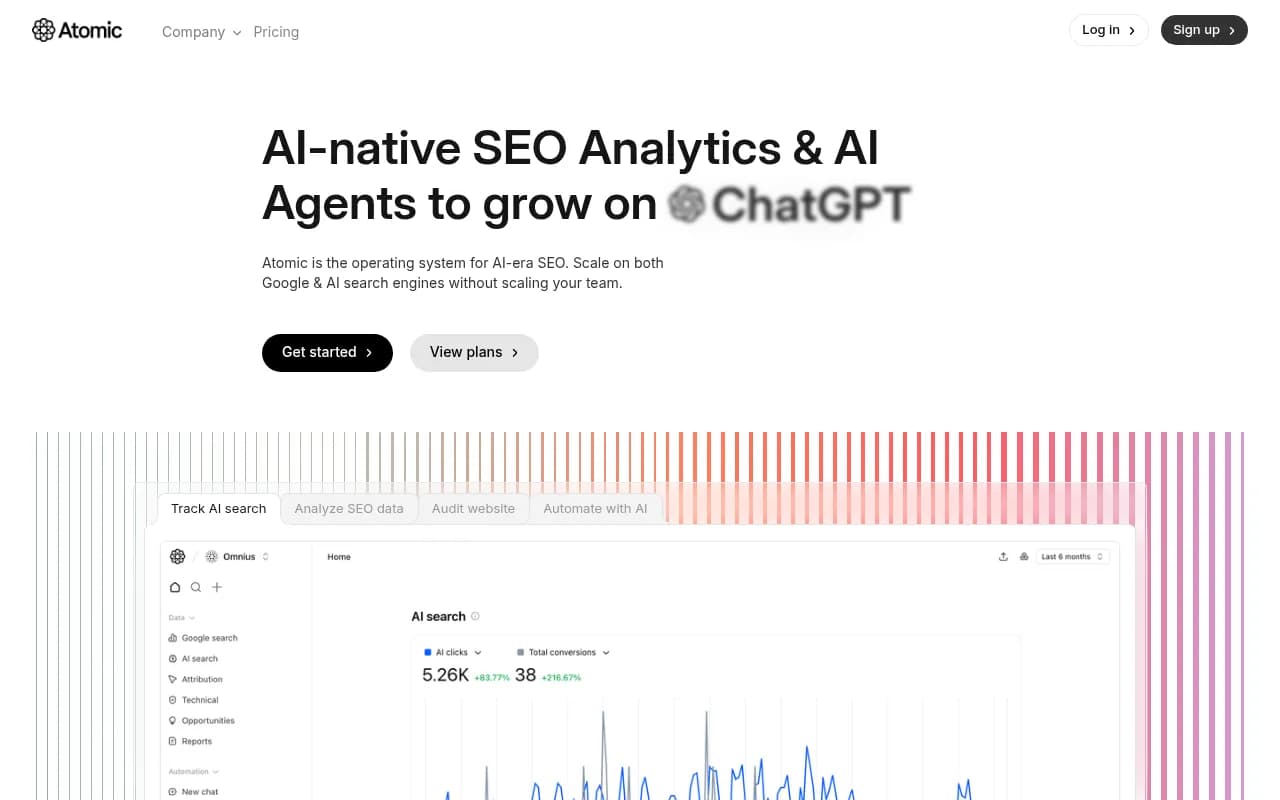
- Atomic AGI: AI-native SEO platform with workflow automation but limited prompt intelligence
For workflow automation across tools, consider:
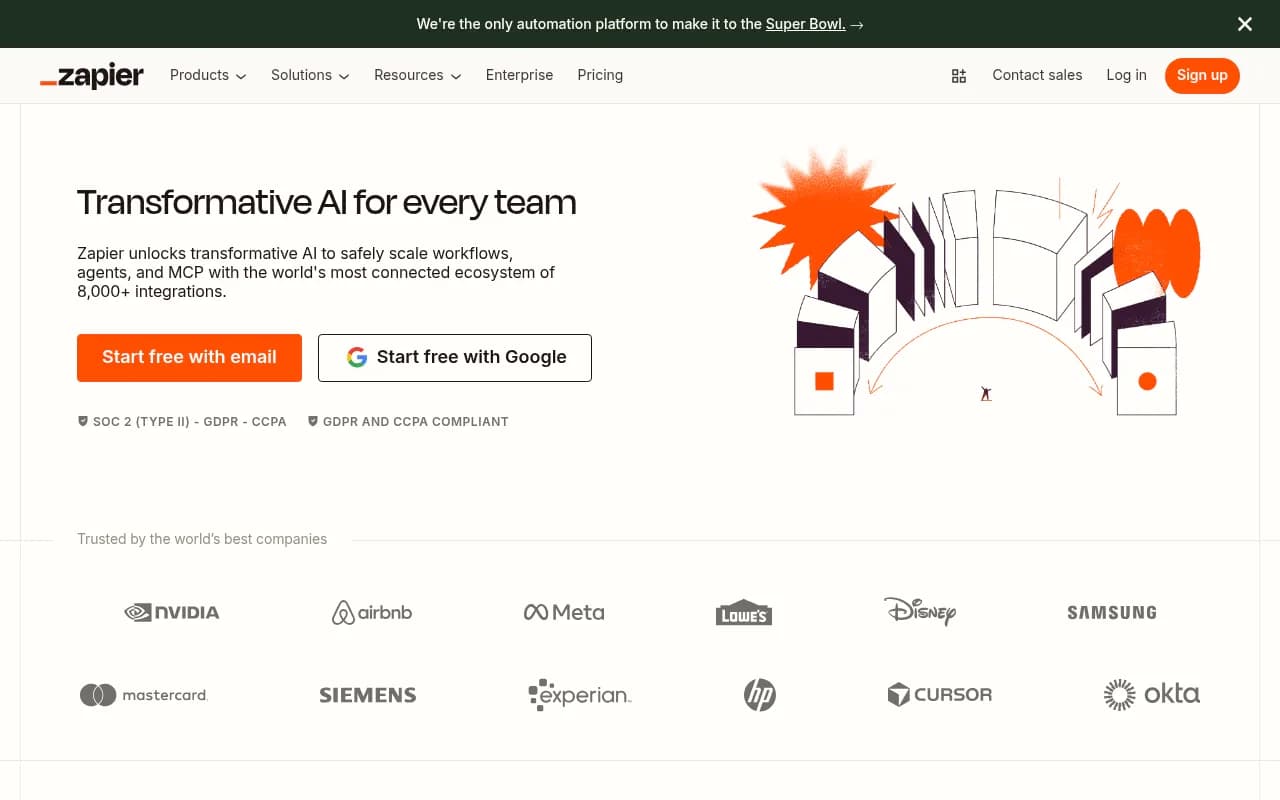
- Zapier: Connect monitoring tools to content platforms and publishing workflows
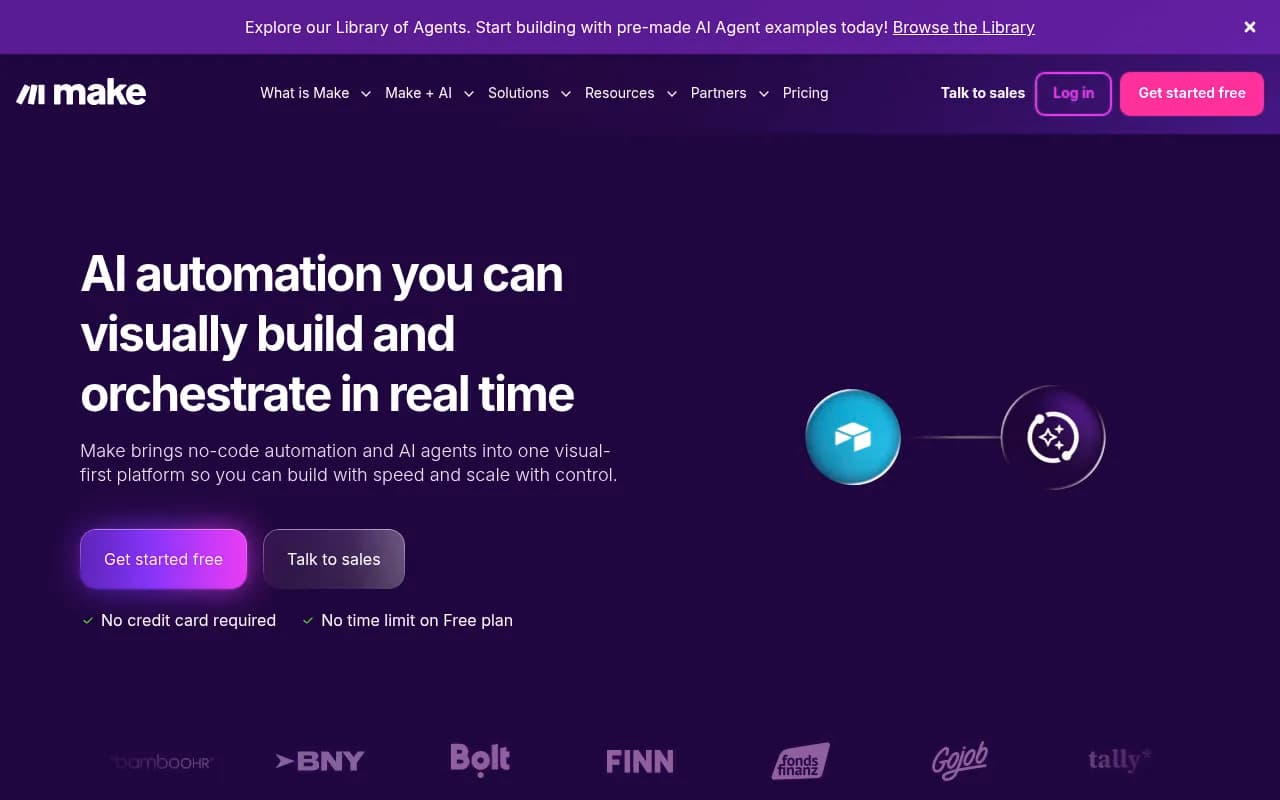
- Make (formerly Integromat): Visual automation with 3,000+ app integrations
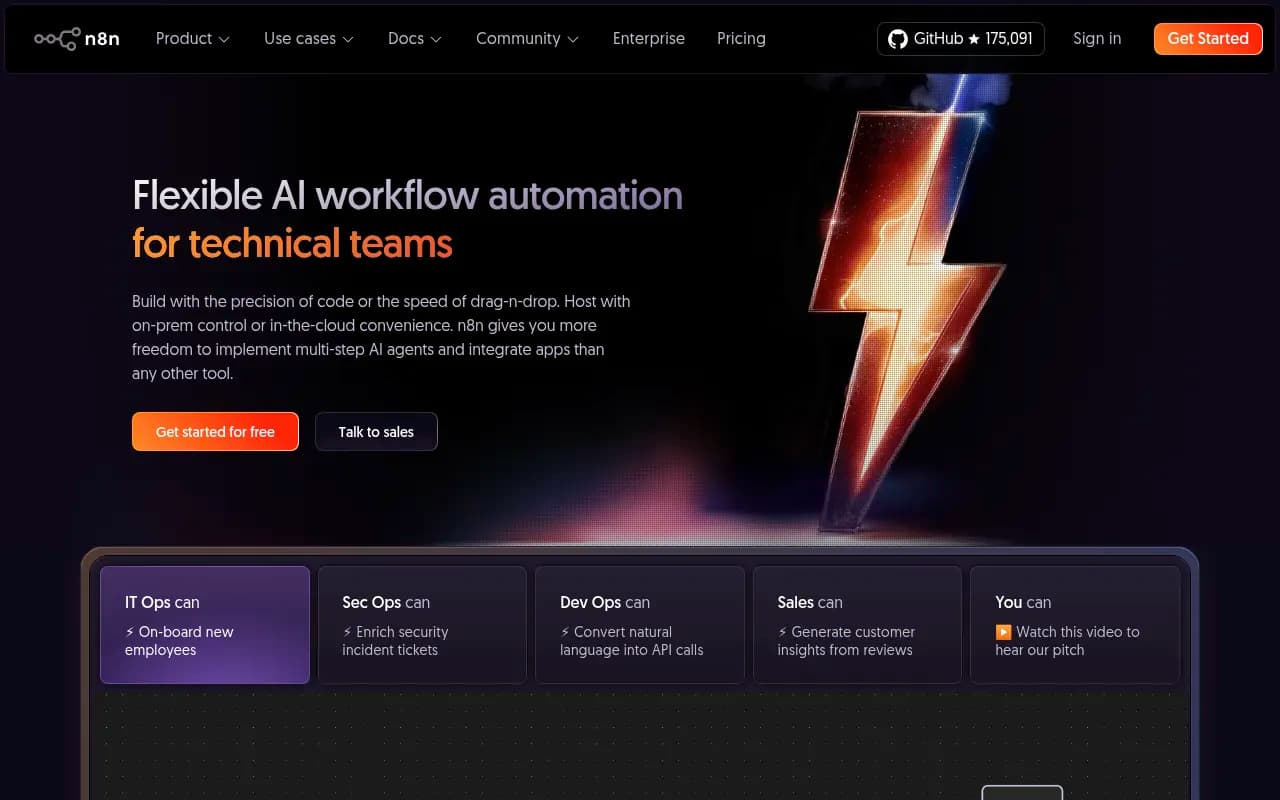
- n8n: Open-source workflow automation with code-level control
Advanced Workflow Enhancements
Reddit and YouTube Integration
AI models frequently cite Reddit threads and YouTube videos in their responses. If your competitors are getting cited from these platforms, you need to know.
Promptwatch surfaces Reddit discussions and YouTube videos that directly influence AI recommendations -- a channel most competitors ignore entirely. This reveals:
- Which Reddit threads AI models cite when discussing your industry
- Which YouTube videos appear in AI responses
- What topics and questions drive these citations
- Where you should publish or engage to increase visibility
Use this data to inform your content strategy. If AI models cite Reddit threads about "best project management tools," consider creating a comprehensive comparison article or engaging directly in those discussions.
ChatGPT Shopping Tracking
For eCommerce brands, ChatGPT's shopping recommendations are critical. If your products appear in ChatGPT's shopping carousels, you're capturing high-intent buyers at the moment of decision.
Track:
- When your products appear in ChatGPT shopping results
- Which prompts trigger product recommendations
- How your products are positioned vs competitors
- What product attributes AI models highlight
Optimize your product pages, descriptions, and structured data to increase the likelihood of being cited in shopping contexts.
Multi-Language and Multi-Region Optimization
AI search is global. If you operate in multiple markets, you need to track visibility in different languages and regions.
Platforms like Promptwatch support multi-language and multi-region monitoring with customizable personas that match how your actual customers prompt. This reveals:
- How visibility differs across languages (e.g., English vs German vs Spanish)
- Which prompts perform better in specific regions
- Cultural differences in how users ask questions
- Localization gaps in your content
Create region-specific content that addresses local questions, uses local terminology, and cites local sources.
AI Crawler Logs for Indexing Insights
AI models can't cite content they haven't crawled. If ChatGPT, Claude, or Perplexity aren't discovering your pages, you're invisible by default.
AI crawler logs show:
- Which pages AI models are reading
- How often they return to your site
- Errors they encounter (404s, timeouts, blocked resources)
- Which content types they prioritize
Use this data to fix indexing issues, prioritize high-value pages, and understand how AI engines discover your content. Most competitors lack this capability entirely.
Common Mistakes to Avoid
Mistake 1: Treating AI Search Like Google
Keyword density, meta descriptions, and backlinks matter less for AI citations. Focus on direct answers, clear structure, and authoritative depth.
Mistake 2: Ignoring Content Quality
AI models cite the best answer, not the first answer. One well-researched, comprehensive article beats ten thin, keyword-stuffed posts.
Mistake 3: Publishing Without Tracking
If you can't measure whether your content is getting cited, you're flying blind. Set up tracking before you publish.
Mistake 4: Chasing Every Gap
Not every prompt is worth targeting. Prioritize prompts where you have real expertise and can create genuinely useful content.
Mistake 5: Stopping at Visibility Scores
Visibility means nothing without traffic and conversions. Close the loop with attribution to connect AI citations to revenue.
Building Your Workflow: Step-by-Step Checklist
Week 1: Set Up Monitoring
- Choose an AI visibility platform (Promptwatch, Profound, Otterly.AI, etc.)
- Add your website and competitors
- Define target prompts or let the platform discover them
- Set up AI crawler log monitoring
- Configure traffic attribution (code snippet, GSC integration, or server logs)
Week 2: Identify Gaps
- Run Answer Gap Analysis to find prompts where competitors rank but you don't
- Prioritize gaps by prompt volume, difficulty, and business relevance
- Analyze competitor content that's getting cited
- Document content topics, angles, and formats to target
Week 3-4: Create Content
- Build content briefs for top-priority gaps
- Write or generate articles optimized for AI citations
- Optimize structure with headings, lists, and clear answers
- Embed credibility signals (data, sources, expertise)
- Publish and submit to AI crawlers if possible
Week 5-8: Track and Iterate
- Monitor AI crawler logs to confirm content discovery
- Check citation frequency and visibility scores
- Analyze traffic attribution to measure impact
- Identify underperforming content and iterate
- Discover new gaps and repeat the cycle
Ongoing: Scale and Automate
- Automate gap discovery and content generation where possible
- Set up alerts for visibility changes and new competitor citations
- Expand to Reddit, YouTube, and ChatGPT Shopping tracking
- Test multi-language and multi-region optimization
- Refine your workflow based on what's working
The Future of Content Gap Workflows
AI search is evolving fast. In 2026, we're seeing:
- More AI models entering the market: DeepSeek, Grok, Mistral, and others are gaining traction
- Increased personalization: AI responses vary based on user context, location, and history
- Agentic AI: AI models are starting to take actions on behalf of users, not just provide answers
- Voice and multimodal search: Users are prompting with voice, images, and video, not just text
Your content gap workflow needs to adapt:
- Track visibility across more AI models, not just ChatGPT and Perplexity
- Create content for different personas and use cases
- Optimize for voice queries and conversational prompts
- Experiment with multimodal content (images, videos, interactive tools)
The brands that win in AI search are the ones that close the loop: find gaps, create content, track results, and iterate. Most competitors stop at step one. Don't be one of them.
Conclusion
Building a content gap workflow for AI visibility isn't about chasing keywords or gaming algorithms. It's about understanding where you're invisible, creating genuinely useful content, and measuring whether it's working.
The workflow is simple in concept: find gaps, create content, track results. But execution requires the right tools, the right data, and the discipline to close the loop.
Start small. Pick 10 high-value prompts where competitors rank but you don't. Create content that directly answers those prompts. Track whether AI models cite it. Measure whether it drives traffic. Then scale.
The brands that master this workflow in 2026 will dominate AI search for years to come.