Key takeaways
- ChatGPT has no position 1-10 like Google. A good tracker measures mentions, citations, co-cited competitors and sentiment across many prompts, not a single rank.
- Ask for fan-out query visibility, prompt-type segmentation and sampling frequency before anything else. These three separate serious tools from screenshots in a dashboard.
- Price per prompt varies from roughly $0.20 to $4.90 across the tools we looked at, so do the math at your real prompt count, not the headline entry price.
- Most roundups you will find are written by vendors who rank themselves first. Trial two or three tools on the same prompt set before you commit.
- A tracker that only reports is half a product. Check whether it tells you what to fix and whether it measures the fix.
Why a Google rank tracker will not work here
ChatGPT does not return ten blue links. It breaks your question into sub-searches, pulls sources, writes one answer, and names a handful of brands. Either you are in that answer or you are not.
That changes what you measure. Instead of a position, you want mention rate, citation rate, where in the answer you appear, who else shows up, and how the model describes you. The same prompt can also give different answers by run, model version and country, so one manual check tells you almost nothing.
Promptwatch's data shows how crowded these answers are. In its report on how many unique domains ChatGPT cites per response (Sep 28 to Oct 4, 2026), 47.6% of responses with citations cited 10 or more domains, and only 6% cited three or fewer. You are rarely competing for one slot. You are competing for a place in a long list, which a simple yes/no "cited" flag cannot describe.
A caveat before the checklist: nearly every "best ChatGPT rank tracker" article is published by a vendor, and the vendor tends to come first. Treat those lists as a source of candidates, not verdicts. The checklist below is meant to let you judge for yourself.
The 10-point checklist
1. Does it track the real ChatGPT interface, or only the API?
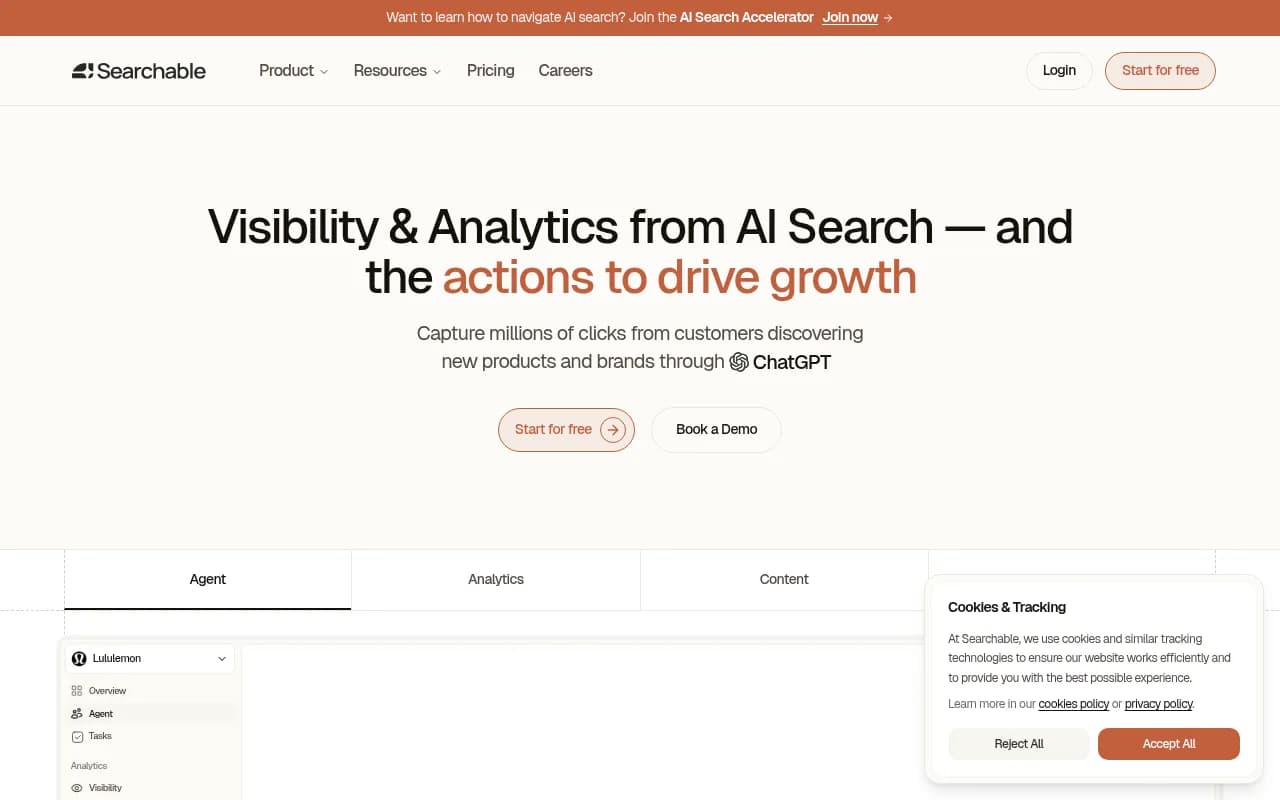
The answers people see in ChatGPT Search can differ from what the raw model returns through an API. Some tools only call the API because it is cheap. Ask which surfaces are covered: model-only answers, ChatGPT Search with web results, and ChatGPT Shopping if you sell products. Searchable's comparison table lists these surfaces per tool, which is a useful format to demand from any vendor.
If a vendor cannot say how the data is collected, that is your answer.
2. Can you see the fan-out queries?
This is the one I would weigh most heavily. ChatGPT turns your prompt into web searches, and your content has to match those searches, not the original question.
And they change. Promptwatch's report on ChatGPT's use of the site: operator found that on August 8, 2026, site:-scoped fan-outs jumped from 0.37% to 16.8% of all fan-out queries overnight, and average fan-outs per response rose from about 1.08 to about 1.83. Any keyword mapping built before that date went stale in a day.
Watch the averages too. Promptwatch's fan-out data shows about 2.15 searches per response in early December 2025, easing to about 1.84 by early March 2026, and average fan-out length shrinking from roughly 117 characters to about 53 by April. Trust measured numbers like these, not vendor claims that a prompt triggers "3-8+" searches.
So ask: does the tool show the actual sub-queries, per prompt, over time?
3. Does it segment by prompt type?
Results differ sharply by how the question is phrased. In the same Promptwatch report, organic prompts with no brand named cited 10+ domains 52.5% of the time. Brand-specific prompts most commonly cited just 5 domains (14.9%), and only 21.3% reached 10+.
Mix those into one average and you learn nothing. A tracker should tag or filter prompts as organic, brand-specific and competitor comparison, so you can tell whether you have a discovery problem or a reputation problem.
4. How often does it sample, and how many times per prompt?
Sampling cadence decides whether a movement is signal or noise. Searchable's comparison gives a feel for the range: some tools sample once a day, Rankscale advertises up to hourly, and Cairrot does not publish its cadence at all.
Match frequency to the decision you need to make. A founder checking whether they appear at all can live with a one-off report. A team reporting monthly to a board needs frequent sampling and history. If you are running a launch or campaign, faster cadences matter.
5. Does it show citations at URL level, by source type?
Knowing you were mentioned is the start. You need to know which URLs ChatGPT cited, whether they were yours, and what type of source they were: editorial, forum, review site, documentation, or your own pages.
That is what turns a report into a to-do list. If a competitor keeps winning, the citation list tells you whether it is because of a product page, a listicle on a third-party site, or a docs page you do not have.
6. Does it show who else is in the answer?
Given how many domains ChatGPT cites, a bare mention count is thin. Look for co-cited competitors, your position inside the answer, share of voice against a named set of rivals, and sentiment. Ask how the tool decides what counts as a mention, since brand names that are also common words cause false positives in every tool.
7. Does it handle countries and languages?
ChatGPT answers vary by region and language. If you sell in more than one market, check that you can pin a prompt set to a country and language and that markets do not blend together. Some tools gate this to higher tiers, so verify on the plan you would actually buy.
8. Is the pricing honest at your prompt count?
Headline prices hide the real unit cost. From the vendor pages we reviewed, and noting I did not re-verify current pricing:
| Tool | Pricing model | Quoted entry price |
|---|---|---|
| ProRankTracker | Per prompt | About $0.20/prompt/month |
| Rankability | Per prompt | About $0.97/prompt/month |
| Rankscale | Per prompt | About $1.06/prompt/month (daily) |
| Searchable | Per prompt per model | $1.25/prompt/model/month |
| Cairrot | Per prompt | About $2.60/prompt/month |
| LPagery | Per keyword | About $4.90/keyword/month |
| Otterly | Flat tiers | Lite from $29/mo |
| Leapd | Flat tiers | From $39/mo, 50 prompts every 48 hours |
The model-by-model multiplier is where budgets blow up. Tracking 100 prompts across four models is 400 billable units on some plans. Work out your real number first: Mencoro's advice of ten to twenty prompts matching real buying questions is a fine pilot, but a serious program needs far more.
For comparison, Promptwatch prices by plan rather than per prompt: Essential is $95/mo for 50 prompts, Professional $245/mo for 150 prompts, and Business $579/mo for 350 prompts, with all AI models included on every plan. Confirm current numbers at promptwatch.com/pricing.
9. Does it detect platform-wide shifts?
When ChatGPT changes how it searches or cites, every brand moves at once. If your tracker does not flag that, you will credit yourself for gains that were really a platform change, or panic over losses that were not yours. Promptwatch's data on Reddit's share of ChatGPT citations falling from about 4% to 0.5% on August 14, 2026 is a good example. A strategy built on Reddit threads changed overnight, and nothing about your own pages did.
This is also the argument for continuous monitoring over a one-time audit.
10. Does it help you fix things, and measure whether the fix worked?
A dashboard that says "visibility 23" and stops is a status report. Ask three things. Does it tell you which content gaps to fill? Can it help produce or publish the content? And does it check afterward whether AI crawled, cited and sent traffic to the new page?
The last part is often missing. Crawler logs and AI-referred visitor analytics are what separate "we published and hoped" from knowing. Note also that AI traffic is easy to misattribute: someone who reads about you in ChatGPT and buys the next day often shows up as direct or branded traffic.
Where the tools land against the checklist
The field is crowded, so here is how some candidates tend to sit. Fit depends on your answers above, not on who ranks first in a vendor listicle.
Promptwatch is built for the full loop in point 10: it tracks real interfaces of ChatGPT, Gemini, Perplexity, Google AI Overviews and others, shows query fan-outs and prompt volumes, and segments by prompt type and persona. It adds IP-verified AI crawler logs, visitor analytics, a content gap analysis, and a Content Agent that can publish to WordPress, Webflow or Framer on Business plans. It has the most complete answer to points 2, 3, 5, 9 and 10, but it is also a bigger product than a founder checking if they exist needs. A 7-day free trial and a free AI visibility report at promptwatch.com/ai-visibility-report are the low-risk way in.

Profound is the usual enterprise name, strong on citation analytics across many engines, aimed at large brands with a dedicated budget. There is a Promptwatch vs Profound page if you are weighing the two.
Profound

Otterly.AI is a low-cost multi-engine monitor, popular with agencies managing several brands. It is a monitoring tool first.
Otterly.AI

Peec AI is worth a look if sentiment depth, meaning how ChatGPT describes you, is your priority.

Searchable publishes unusually detailed surface and sampling information, and tracks fan-out queries and ChatGPT Shopping.
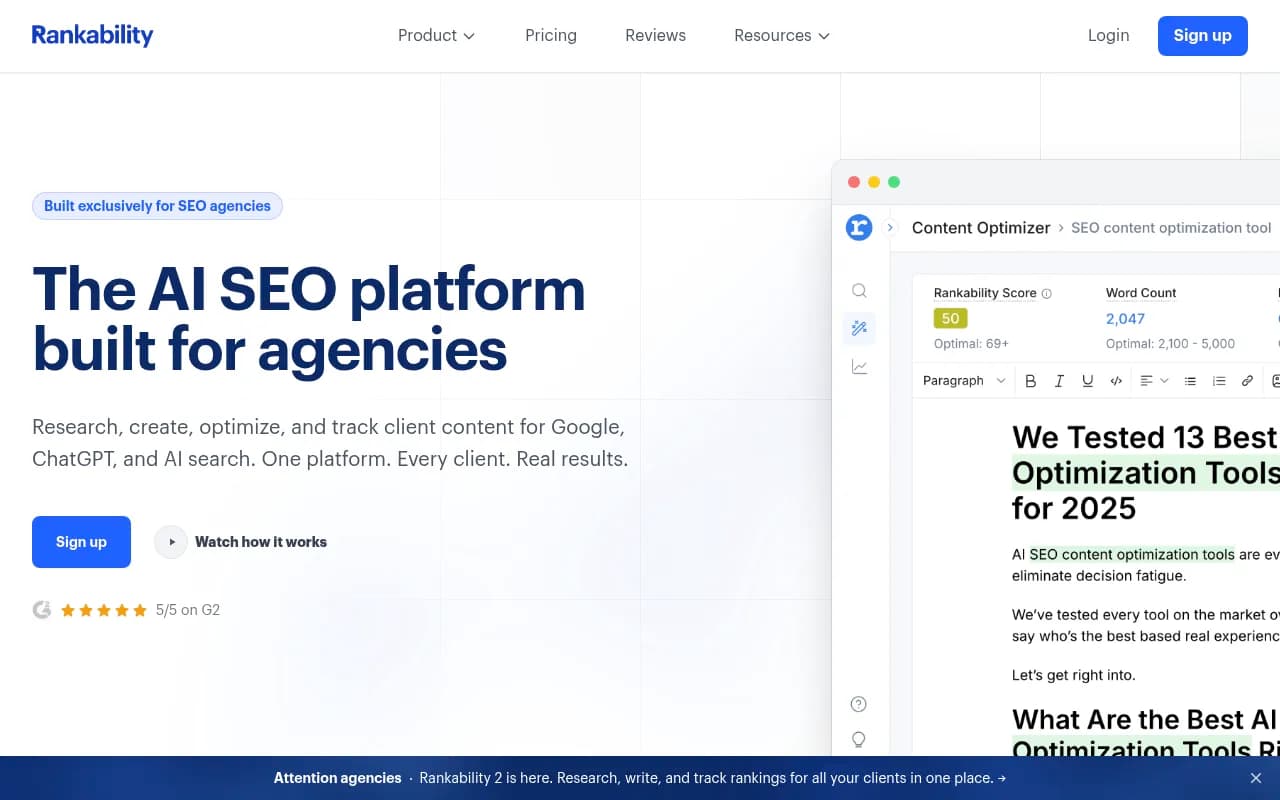
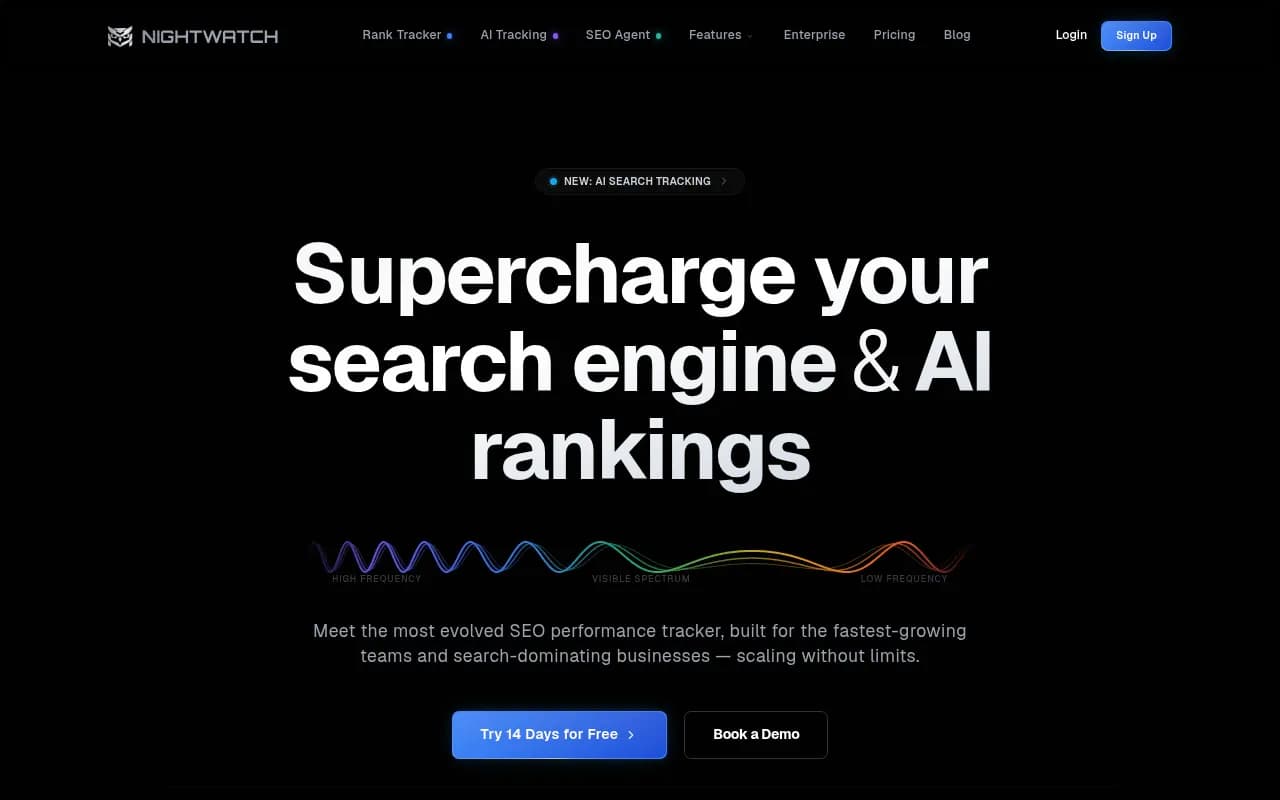
Rankability and Nightwatch suit agencies that want ChatGPT tracking next to classic Google rank tracking.
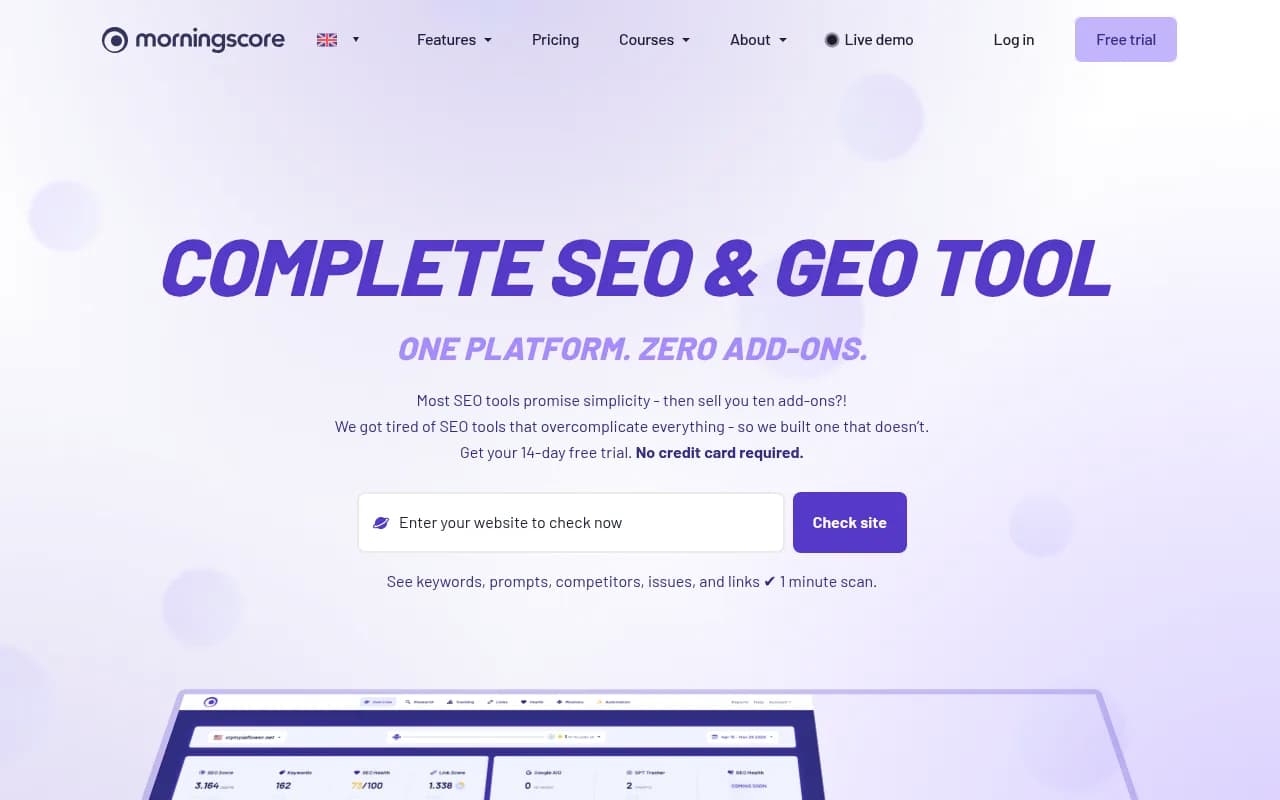
Morningscore is a gentler option for startups and non-technical teams.
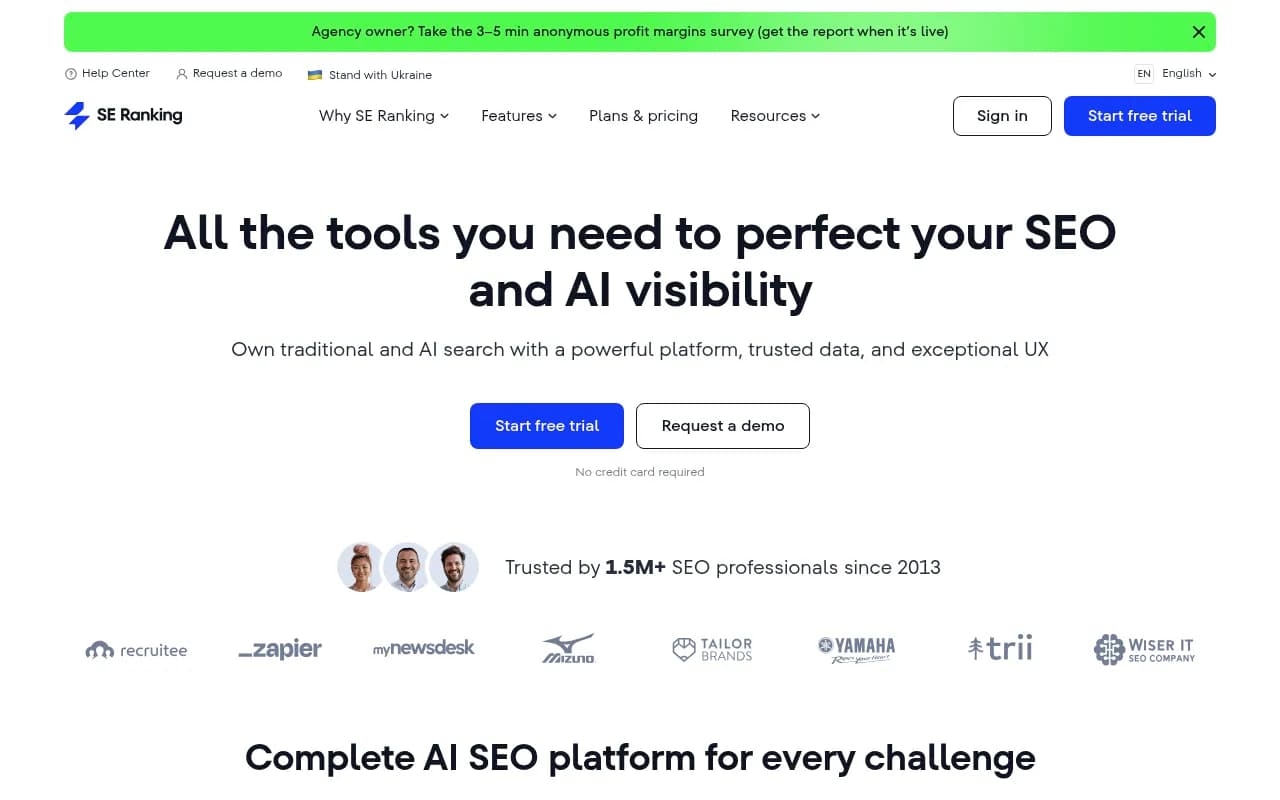
If you already live in a big SEO suite, SE Ranking and Semrush both bolt AI tracking on, with the usual trade-off: convenient, but shallower AI-specific data.
For a wider scan of the category, the GEO software directory at bestgeosoftware.com lists far more options than any one article can.
A quick scorecard to run during trials
Use the same prompts on every tool for a week and score each one.
| Checkpoint | What to look for | Red flag |
|---|---|---|
| Data source | Real ChatGPT interface, surfaces named | Vendor will not say |
| Fan-outs | Actual sub-queries visible | Only the main prompt shown |
| Prompt types | Organic, brand, comparison tags | One blended score |
| Sampling | Published cadence, history kept | Unverified frequency |
| Citations | URL-level, by source type | Mentioned yes/no only |
| Competitors | Co-cited brands and position | Your brand only |
| Markets | Country and language per monitor | Global only |
| Price | Cost at your prompt and model count | Per-model multipliers hidden |
| Change flags | Platform shifts surfaced | Silent |
| Action | Gaps, content, post-publish measurement | Report only |
How to run the trial
- Write 30 to 50 prompts from real buyer questions: "best X for Y", "X alternatives", "is X worth it". Split them across organic, brand and comparison types.
- Load the identical set into two or three shortlisted tools.
- Compare results after a week. If two tools disagree wildly on the same prompt, ask each vendor why. Good ones can explain it.
- Check one thing by hand in ChatGPT itself. Pick five prompts and verify the tool's answer matches what you see.
- Ask each vendor point 10 directly: show me a page that was published after a gap was found, and the evidence it got cited.
For a deeper explanation of the metrics you will see, the Promptwatch Academy pages on Visibility Score and citations vs mentions are a decent primer.
Who should buy what
- Solo founder, just checking whether you exist: use a free visibility report from a tool such as Promptwatch's before paying anyone.
- In-house team reporting monthly: prioritize points 4, 5 and 6, and look at cheap per-prompt or flat-tier tools.
- Agency with multiple clients: check white-label reports, separate projects and pricing that does not scale per client. Promptwatch publishes agency plans from $199/mo.
- Brand that wants to grow AI-driven revenue: weigh point 10 above everything else, and pick a platform that closes the loop with crawler logs, traffic data and content.
What to do this week
Pick your prompt set, shortlist two tools and one backup, and run the trial above. Decide on evidence from your own prompts, not a vendor's ranking, and revisit in a quarter. ChatGPT's search behavior has changed more than once in 2026, and your tracker should be able to show you when it does.