Key takeaways
- Google AI Mode operates differently from traditional search -- it synthesizes answers from multiple sources rather than ranking blue links, so your optimization strategy needs to change accordingly
- E-E-A-T signals, entity authority, and semantic completeness are the three most important ranking factors for AI Mode citations
- Technical SEO still matters, but structured data, crawlability for AI agents, and page-level authority matter more than ever
- Content that directly answers specific questions -- with verifiable facts and clear sourcing -- gets cited far more often than generic overview articles
- Tracking your AI Mode visibility requires dedicated tools, since Google Search Console doesn't show AI Mode citation data
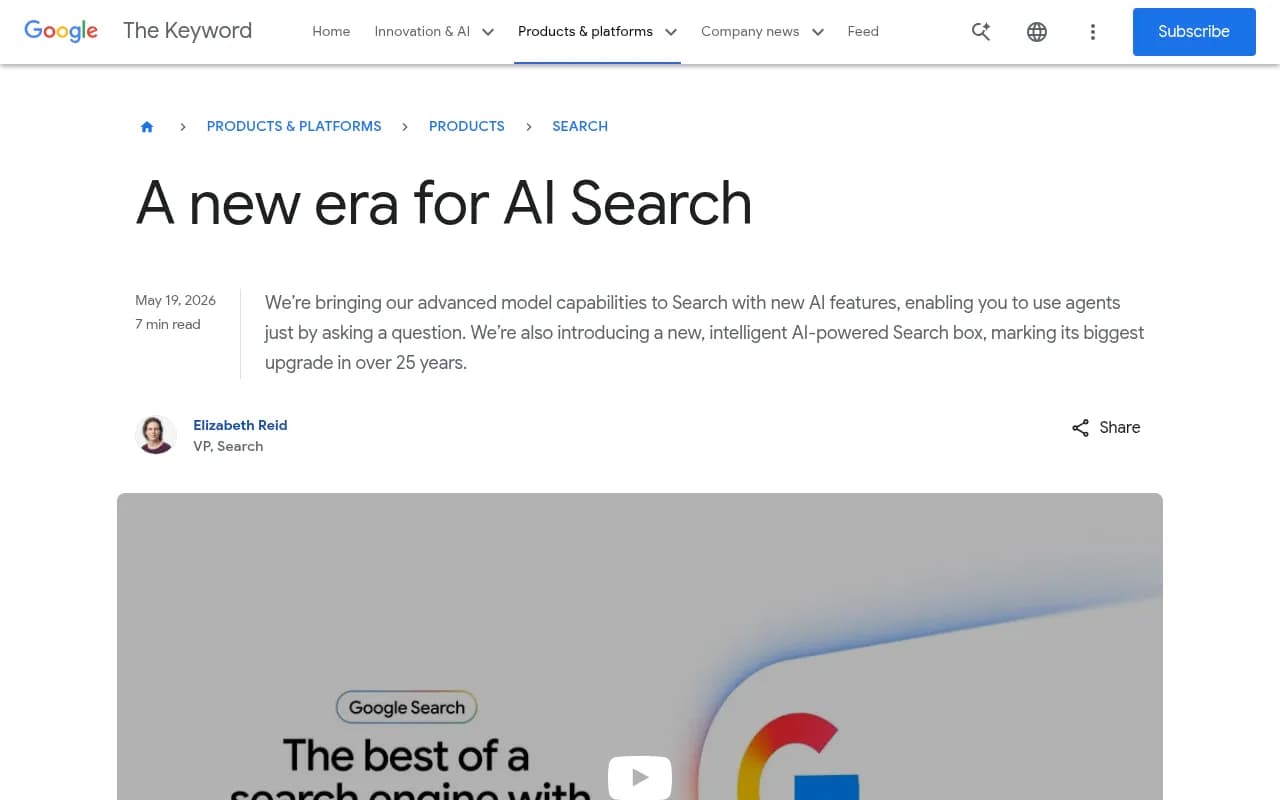
Google announced at I/O 2026 that AI Mode has reached 75 million daily users, and the search box itself is getting its biggest upgrade in 25 years. Elizabeth Reid, VP of Search, described it as "the best of a search engine with the best of AI" -- which sounds like marketing speak until you realize what it actually means for your content.
AI Mode doesn't just rank pages. It reads them, synthesizes information across multiple sources, and generates a response. Your page might get cited, paraphrased, or completely ignored -- and the factors that determine which outcome you get are quite different from what drove traditional rankings.
This guide walks through exactly what those factors are and what you need to do about them.
What Google AI Mode actually is (and how it differs from AI Overviews)
Before optimizing for something, it helps to understand what it is. AI Overviews (the summaries that appear at the top of regular search results) and AI Mode are related but distinct.
AI Overviews appear on standard Google search results pages for a subset of queries. AI Mode is a dedicated search experience -- you opt into it -- where the entire interface is conversational. You ask a question, Google's Gemini-powered system reasons through it, and you get a synthesized answer with cited sources.
The key difference for SEO purposes: AI Mode handles more complex, multi-step queries. A user might ask "what's the best CRM for a 10-person B2B SaaS team that already uses HubSpot for marketing?" and AI Mode will reason through that, pull from multiple sources, and give a nuanced answer. Traditional search would return a list of CRM comparison pages and let the user figure it out.
This means AI Mode rewards content that:
- Answers specific, nuanced questions directly
- Demonstrates genuine expertise (not just keyword density)
- Contains verifiable facts, statistics, and named sources
- Covers a topic with enough depth that AI can extract multiple useful pieces of information from it
The core ranking factors for Google AI Mode
E-E-A-T: now more important than ever
Experience, Expertise, Authoritativeness, and Trustworthiness have been Google ranking signals for years, but AI Mode leans on them harder than traditional search does. When an AI system is synthesizing an answer it will attribute to sources, it needs to be confident those sources are reliable.
Practically, this means:
- Author bylines with real credentials matter. A page written by "Staff Writer" is at a disadvantage compared to one written by a named expert with a linked bio and verifiable background.
- First-hand experience signals -- "I tested this," "in our analysis of 500 campaigns," "based on our client data" -- get weighted more heavily than generic claims.
- External validation matters. If other authoritative sites link to your content or cite your data, that's a trust signal AI Mode picks up on.
Entity authority and topical depth
AI systems understand the web through entities -- people, places, brands, concepts -- and their relationships. If your site is strongly associated with a specific topic area, AI Mode is more likely to treat you as an authoritative source for queries in that space.
This is what SEOs call "topical authority," and it's built through consistent, deep coverage of a subject area rather than scattered posts across many topics. A site that has published 40 detailed articles about email marketing will outperform a site that has one email marketing article, even if that one article is technically well-optimized.
The implication: you need a content strategy, not just individual pieces of content. Map out the full topic territory you want to own, identify the gaps, and fill them systematically.
Semantic completeness
AI Mode doesn't just look for the presence of keywords -- it evaluates whether your content actually answers the question completely. A page that covers a topic from multiple angles, addresses related questions, and anticipates follow-up queries will get cited more often than a page that narrowly answers one thing.
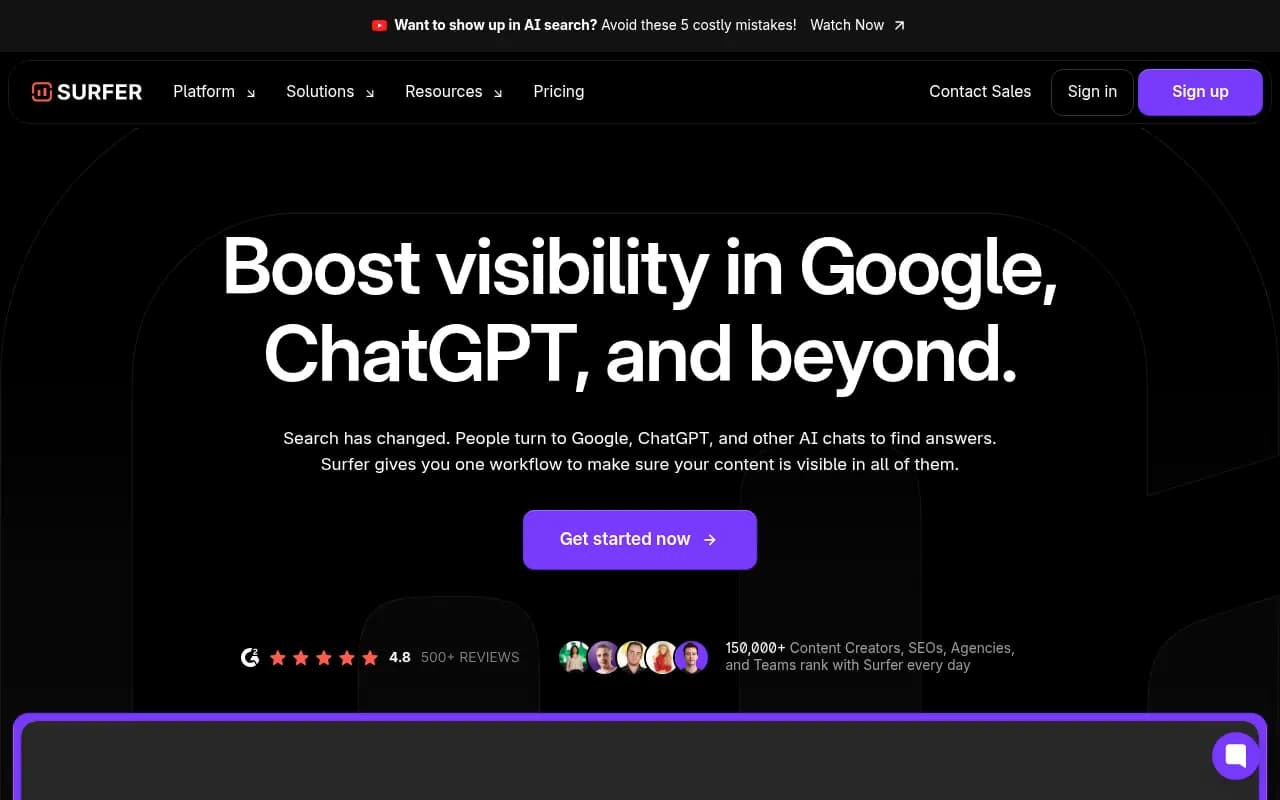
This is sometimes called "semantic completeness" or "topical coverage." Tools like Surfer SEO can help you analyze what related terms and concepts your content should cover based on what's already ranking.
Structured data and schema markup
Schema markup helps AI systems understand what your content is about and how to use it. For AI Mode specifically, the most valuable schema types include:
ArticleorBlogPostingwith author, datePublished, and dateModifiedFAQPagefor content that directly answers questionsHowTofor step-by-step guidesOrganizationandPersonfor establishing entity identityProductandReviewfor commercial content
Google's own documentation on AI optimization explicitly recommends implementing structured data to help their systems understand your content's context and credibility.
Freshness and accuracy
AI Mode tends to prefer recent, accurate information -- especially for topics that change over time. A 2023 article about AI search is already outdated. A 2026 article with current statistics and updated recommendations is far more likely to get cited.
This doesn't mean you need to publish new content constantly. Updating existing content with current data, removing outdated claims, and adding a clear "last updated" date can be enough to signal freshness.
Technical SEO for AI Mode
Crawlability for AI agents
Google's AI systems need to be able to read your pages. This sounds obvious, but many sites have technical issues that prevent full crawling:
- JavaScript-rendered content that isn't accessible to crawlers
- Overly aggressive bot-blocking rules in
robots.txt - Pages behind login walls or paywalls without proper structured data
- Slow load times that cause crawlers to time out
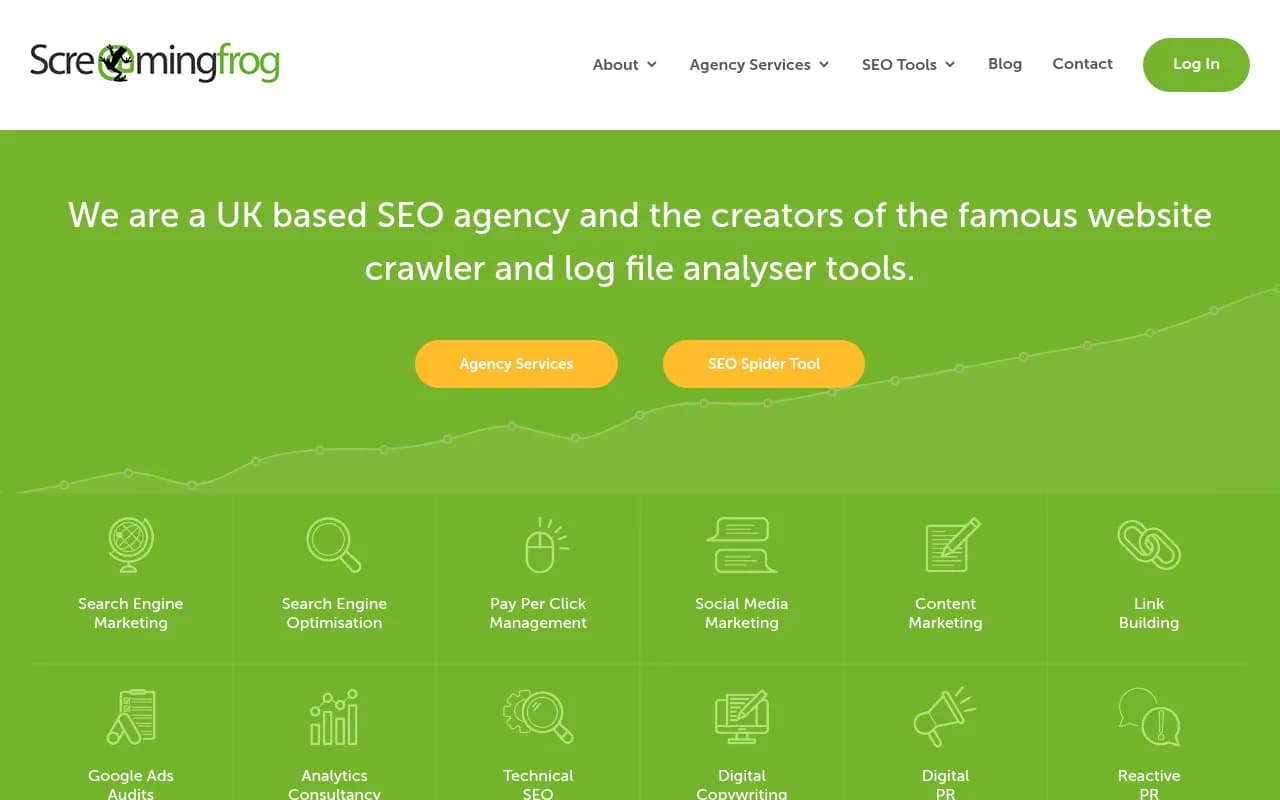
Run a technical audit with a tool like Screaming Frog to identify crawl issues. Pay particular attention to your robots.txt -- make sure you're not accidentally blocking Googlebot or other AI crawlers.
Page speed and Core Web Vitals
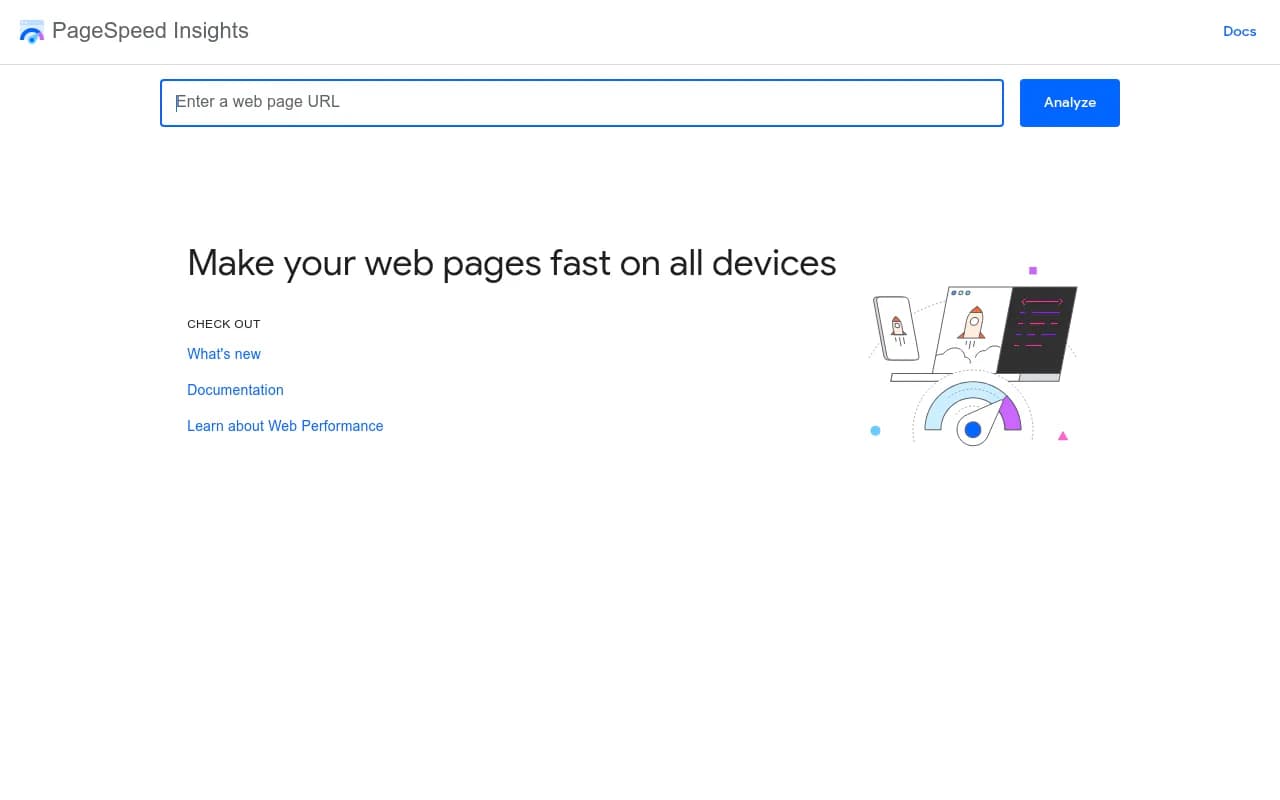
Page speed matters for AI Mode for the same reason it matters for traditional search: Google uses it as a quality signal. Use Google PageSpeed Insights to check your Core Web Vitals scores and fix the issues it flags.
Internal linking structure
AI Mode evaluates pages in context. A strong internal linking structure helps AI systems understand how your content fits together and which pages are most authoritative on a given topic. Link from broader topic pages to more specific ones, and make sure your most important content has plenty of internal links pointing to it.
Content strategy for AI Mode
Answer questions directly
The single most actionable change most sites can make: put the direct answer at the top of the page, before any preamble.
AI Mode is looking for content it can cite in a synthesized answer. If your article buries the key information in paragraph 8 after three paragraphs of introduction, AI Mode might skip it entirely in favor of a page that leads with the answer.
This doesn't mean your content needs to be short. Long, comprehensive content still performs well -- but the structure should be: answer first, then supporting detail, context, and nuance.
The 70/30 content structure rule
A useful framework from Surfer's content team: roughly 70% of your content structure should follow what's already working (based on competitor analysis), and 30% should be original angles, data, or perspectives that competitors don't have.
The 70% ensures you're covering the topic comprehensively. The 30% is what makes your content worth citing specifically -- it's the unique value that AI Mode can't get from five other pages.
Use facts, statistics, and named sources
AI systems are trained to prefer verifiable information. Content that includes specific statistics ("73% of B2B buyers now use AI search tools before contacting vendors"), named studies, and attributable claims gets cited more reliably than content full of vague generalizations.
If you have original data -- from customer surveys, internal analysis, or proprietary research -- publish it. Original data is one of the strongest citation magnets in AI search.
Build content clusters, not isolated pages
Pick a topic area you want to own. Then map out:
- The main "pillar" topic (broad overview)
- Supporting subtopics (specific aspects of the main topic)
- Related questions users ask
- Comparison and alternative queries
Create content for each of these. Link them together. This cluster structure signals topical authority to both traditional Google and AI Mode.
Tools like MarketMuse can help you identify content gaps in your topic cluster and prioritize what to create next.
Optimize for specific question formats
AI Mode handles a lot of "how," "what," "why," and "which" queries. Structure your content to directly address these question formats:
- Use H2 and H3 headings that match the questions users ask
- Include FAQ sections with direct, concise answers
- Write in a way that works as a standalone snippet -- if someone read just one paragraph, would they get a useful answer?
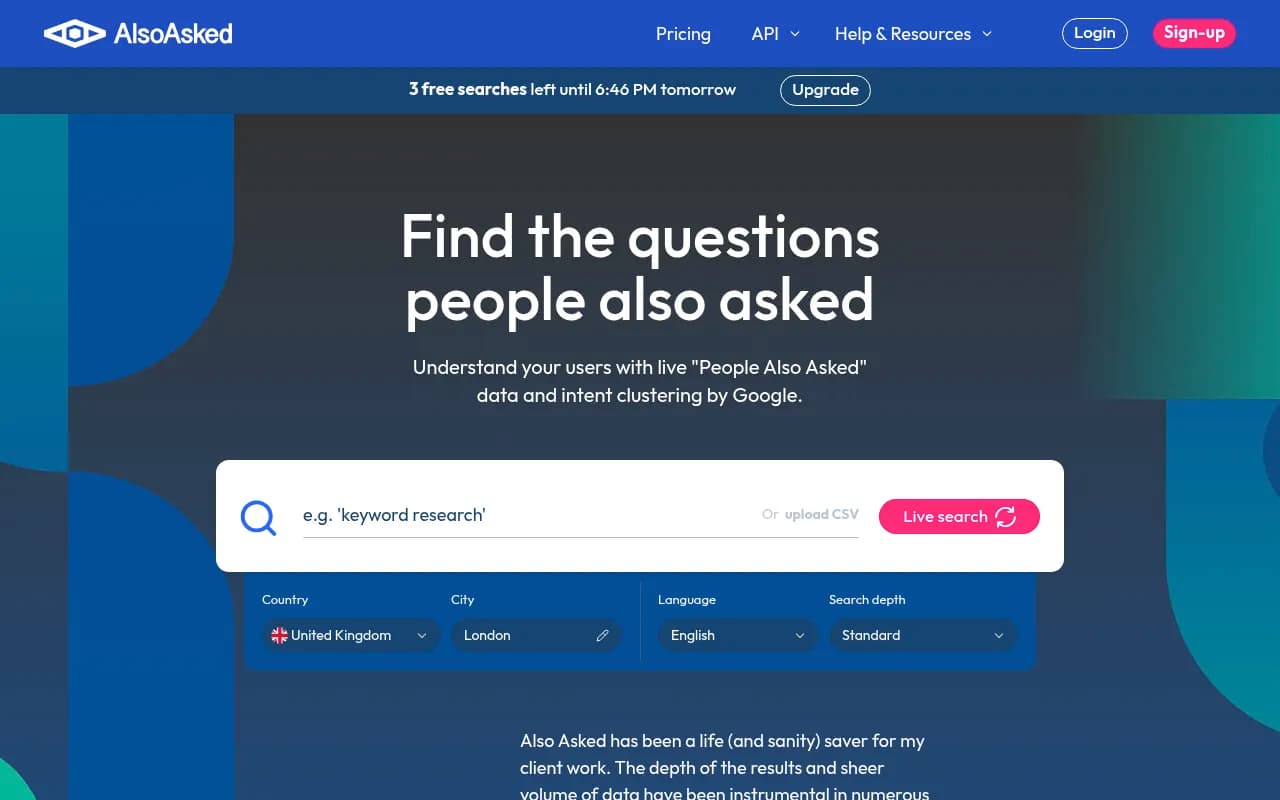
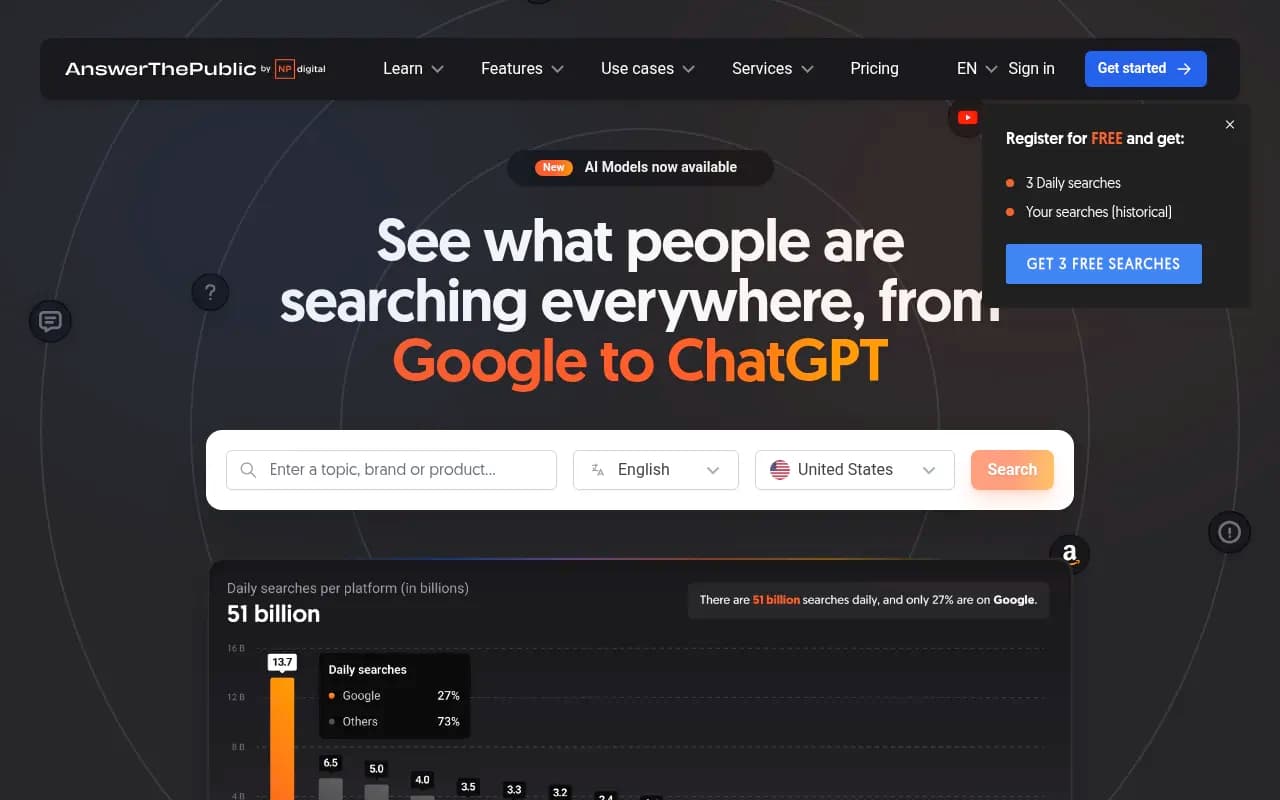
Tools like AlsoAsked and AnswerThePublic surface the actual questions people ask around any topic, which is invaluable for structuring content that AI Mode will find useful.
Building authority signals
Earn citations from authoritative sources
Traditional backlinks still matter, but AI Mode also pays attention to brand mentions and citations across the web -- including in places like Reddit, YouTube, and industry publications.
If authoritative sources in your industry are talking about your brand, citing your data, or recommending your content, that builds the kind of entity authority that AI Mode rewards.
Get mentioned in the right places
AI systems like Google's are trained on web data, which includes Reddit discussions, YouTube videos, and third-party review sites. Being mentioned positively in these contexts -- not just on your own site -- contributes to how AI systems perceive your brand's authority.
This means PR and digital marketing aren't separate from AI SEO. Getting coverage in industry publications, being cited in roundup articles, and having your brand discussed on relevant forums all feed into AI Mode visibility.
Build your brand as an entity
Make sure Google understands who you are as an entity:
- Have a complete, accurate Google Business Profile
- Maintain consistent NAP (name, address, phone) information across the web
- Have a Wikipedia page if you're large enough to warrant one
- Use
Organizationschema on your homepage with complete information - Get listed in authoritative industry directories
Tracking your AI Mode performance
This is where most marketers hit a wall. Google Search Console shows you traditional search performance data, but it doesn't break out AI Mode citations specifically. You can't see which of your pages are being cited in AI Mode responses, how often, or for which queries.
Dedicated AI visibility tools fill this gap. Promptwatch tracks how your brand and content appear across AI search engines including Google AI Mode, showing you which pages get cited, for which prompts, and how your visibility changes over time. It also shows you the gaps -- prompts where competitors are getting cited but you're not -- and helps you create content to close those gaps.

Other tools worth knowing about:
Semrush has added some AI search tracking capabilities to its platform, though it uses fixed prompt sets rather than dynamic monitoring.
Ahrefs has a Brand Radar feature for tracking brand mentions in AI search, though it lacks AI traffic attribution and content gap analysis.
SE Ranking offers an AI Overview tracking feature that's useful for monitoring traditional AI Overview appearances.
Comparison: key tools for Google AI Mode optimization
| Tool | AI Mode tracking | Content optimization | Keyword research | Technical SEO | Best for |
|---|---|---|---|---|---|
| Promptwatch | Yes (full) | Yes (AI content agents) | Yes (prompt intelligence) | Crawler logs | End-to-end AI visibility |
| Surfer SEO | No | Yes | Yes | No | Content optimization |
| MarketMuse | No | Yes | Yes | No | Content strategy |
| Semrush | Partial | Yes | Yes | Yes | Traditional + some AI SEO |
| Ahrefs | Partial | No | Yes | Yes | Backlinks + traditional SEO |
| SE Ranking | Partial | Yes | Yes | Yes | Mid-market SEO teams |
| Screaming Frog | No | No | No | Yes | Technical audits |
A practical 30-day action plan
Week 1: audit and baseline
- Run a technical audit to find crawl issues, speed problems, and schema gaps
- Check your current AI Mode visibility manually for 10-15 queries in your space
- Set up tracking with a dedicated AI visibility tool so you have baseline data
- Identify your top 5 content competitors in AI Mode responses
Week 2: fix the technical foundation
- Implement or fix structured data (start with
Article,Organization, andFAQPage) - Fix any crawlability issues identified in your audit
- Ensure your most important pages load in under 2.5 seconds on mobile
- Add or update author bios with credentials and links
Week 3: content gaps and creation
- Map your topic cluster: pillar page + supporting subtopics + question-based content
- Identify the specific questions AI Mode is answering in your space (and which ones you're not appearing for)
- Update your top 5 existing articles with current data, direct answers at the top, and FAQ sections
- Create 2-3 new pieces targeting high-value question queries you're missing
Week 4: authority building
- Identify 10 authoritative sites in your space and develop a plan to get cited or mentioned
- Publish any original data you have (surveys, internal analysis, case studies)
- Optimize your brand entity signals (Business Profile, schema, directory listings)
- Review and improve your internal linking structure
What doesn't work anymore
A few tactics that used to move rankings but are increasingly ineffective for AI Mode:
Keyword stuffing is completely useless. AI systems evaluate semantic meaning, not keyword frequency. A page that mentions "best project management software" 40 times is not going to outperform a page that actually explains, with specifics, what makes project management software good.
Thin content at scale. Publishing hundreds of short, low-value articles to cover keyword variations doesn't build topical authority -- it dilutes it. AI Mode rewards depth and specificity, not volume.
Exact-match anchor text manipulation. AI systems understand context and meaning. Manipulative link patterns are a liability, not an asset.
Ignoring user experience. If users bounce immediately from your page, that's a signal that your content isn't actually answering their question. AI Mode is increasingly good at detecting this kind of mismatch between what a page promises and what it delivers.
The bigger picture
Ranking in Google AI Mode in 2026 is really about one thing: being genuinely useful to people asking specific questions. The technical optimizations, the structured data, the content clusters -- all of it is in service of that goal.
The sites that will win in AI Mode are the ones that have built real expertise, published original research, answered questions directly, and earned trust from their industry. That's not a new idea. It's just that AI Mode is now much better at identifying whether you've actually done it.
Start with your technical foundation, build your content cluster, and track what's working. The feedback loop between publishing and measuring AI visibility is what separates teams that improve systematically from those that guess.