Key takeaways
- AI models evaluate trust through three lenses: entity identity, evidence from third parties, and technical health. Weakness in any one area reduces citation likelihood.
- Backlinks predict only 4-7% of AI citation behavior — structured data, author credibility, and consistent entity signals matter far more.
- 96% of AI Overview citations come from sources with strong E-E-A-T signals, and 47% of those citations pull from pages ranking below position #5 in traditional search.
- Running a trust signal audit is not a one-time task. AI models re-evaluate sources continuously as they update their training data and retrieval indexes.
- Tools like Promptwatch can show you exactly which prompts your competitors are being cited for but you're not — so you know where to focus your trust-building efforts.
AI search has changed the rules of visibility in a way that most marketing teams haven't fully processed yet. When someone asks ChatGPT or Perplexity for a recommendation, those systems don't run a keyword match. They run a credibility check. They're asking, in effect: "Is this brand a trustworthy source? Can I verify who they are? Do other credible sources vouch for them?"
If your website fails that check, you don't appear. Not on page two. Not buried in the results. You simply don't exist in that answer.
The good news is that the credibility check is auditable. There are specific on-site elements that AI models look for, and most websites are missing several of them. This guide walks through 12 of the most important ones, organized by the three trust categories that matter most.
Why traditional SEO signals aren't enough
Before getting into the audit, it's worth being clear about what's changed. Research from SalesPeak AI found that backlinks predict only 4-7% of AI citation behavior. That's a striking number if you've spent years building domain authority.
What AI models actually use to decide who to cite is closer to a journalist's sourcing checklist: Can I verify this organization exists? Do they have genuine expertise on this topic? Are there credible third parties who reference them? Is the content clear, accurate, and well-attributed?
A 2025 AI Overview ranking factors study found that 96% of AI Overview citations come from sources with strong E-E-A-T (Experience, Expertise, Authoritativeness, Trustworthiness) signals. And 47% of those citations came from pages ranking below position #5 in traditional search. That gap tells you something important: AI visibility and search ranking are related but not the same thing. You can rank well and still get skipped by AI. You can rank modestly and still get cited regularly, if your trust signals are strong.
Category 1: Entity identity signals
These are the signals that tell AI models your organization is real, verifiable, and consistently represented across the web.
1. Organization schema on your homepage
This is the single highest-leverage technical change most websites can make. Organization schema (from schema.org/Organization) gives AI models a machine-readable summary of who you are: your name, logo, founding date, contact information, social profiles, and crucially, sameAs links that connect your website to your verified profiles on LinkedIn, Wikidata, Crunchbase, and other authoritative directories.
Without it, AI models have to infer your identity from unstructured text. With it, they can verify it in milliseconds.
At minimum, your Organization schema should include: name, url, logo, description, foundingDate, contactPoint, and at least three sameAs links to verified third-party profiles.
2. Consistent NAP data across the web
NAP stands for Name, Address, Phone number. For local businesses especially, inconsistency here is a trust killer. AI platforms like ChatGPT, Gemini, and Google AI Overviews run an entity verification check before citing a local brand, and inconsistent business information across platforms signals that something is off.
This means your business name, address, and phone number need to match exactly across your website, Google Business Profile, Yelp, industry directories, and any other platform where you're listed. Even minor variations ("St." vs "Street", or an old phone number still live on a directory) can erode confidence.
3. A verified Google Business Profile
For any brand with a physical presence or local service area, a complete and verified Google Business Profile is foundational. It's one of the most authoritative entity verification signals available, and it feeds directly into Google AI Overviews and other AI systems that use Google's knowledge graph as a reference point.
"Complete" means more than just name and address. It means categories, business hours, photos, products or services listed, and a description that matches the language on your website. Gaps here read as inconsistency.
4. Wikidata and Wikipedia presence
This one is out of reach for smaller brands, but worth understanding. AI models heavily weight entities that appear in Wikidata and Wikipedia because those sources are explicitly structured for machine-readable entity verification. If your brand is notable enough to have a Wikipedia article or a Wikidata entry, that's a strong trust signal.
For brands that don't qualify for Wikipedia, the alternative is building a strong presence on Crunchbase, LinkedIn, industry-specific databases, and other structured directories that AI models use as reference points.
Category 2: Content and expertise signals
These signals tell AI models that your content is genuinely authoritative on the topics you cover, not just keyword-optimized filler.
5. Validated author profiles with real credentials
AI models increasingly evaluate who wrote a piece of content, not just what it says. Author pages that include a real name, professional credentials, a photo, links to published work elsewhere, and a LinkedIn profile perform significantly better in AI citation than anonymous or generic "staff writer" content.
This matters more for YMYL (Your Money Your Life) topics like health, finance, and legal content, but it's becoming a baseline expectation across categories. If your blog posts are attributed to "The Marketing Team," that's a gap worth fixing.
Each author page should have its own schema markup (using the Person type) that connects the author to their credentials, employer, and any external profiles where they're recognized.
6. Clear topical authority through content depth
AI models don't just evaluate individual pages. They evaluate whether your site has genuine depth on the topics it covers. A site with one 800-word article on a topic looks very different from a site with a comprehensive hub of interconnected content covering that topic from multiple angles.
This is where content gap analysis becomes genuinely useful. Knowing which questions your target audience is asking, and which of those questions your site doesn't answer, tells you exactly where to build. Tools like Promptwatch include Answer Gap Analysis that shows which prompts competitors are being cited for but you're not.

7. Cited sources and external references within content
Content that cites its sources reads as more credible to AI models, for the same reason it reads as more credible to humans. When you make a factual claim, link to the primary source. When you reference a study, name the study and link to it.
This also creates a reciprocal dynamic: sites that cite credible sources tend to attract citations from other credible sources, which strengthens the third-party evidence layer.
8. FAQ and structured Q&A content
AI models are fundamentally question-answering machines. Content that's structured as questions and answers maps directly onto how they retrieve and synthesize information. FAQ sections with FAQPage schema, Q&A articles, and "how does X work" explainers all tend to perform well in AI citations.
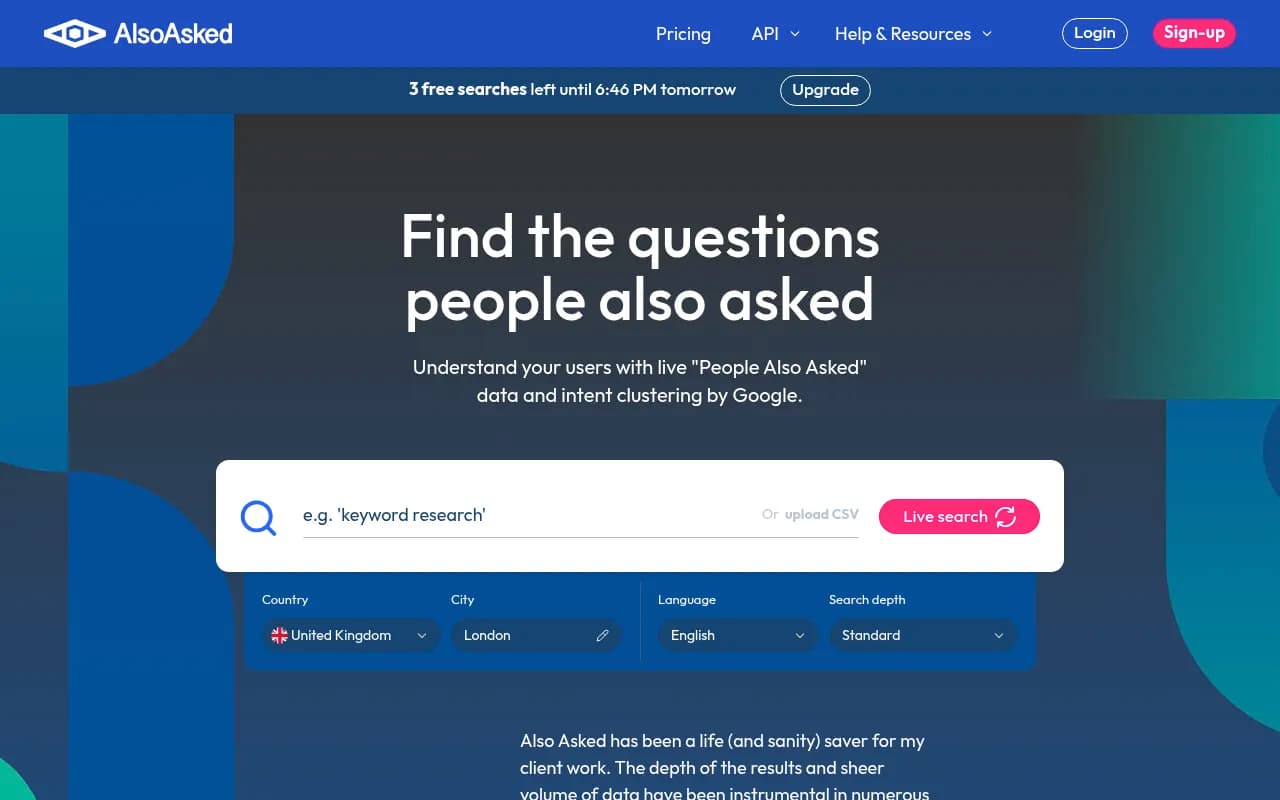
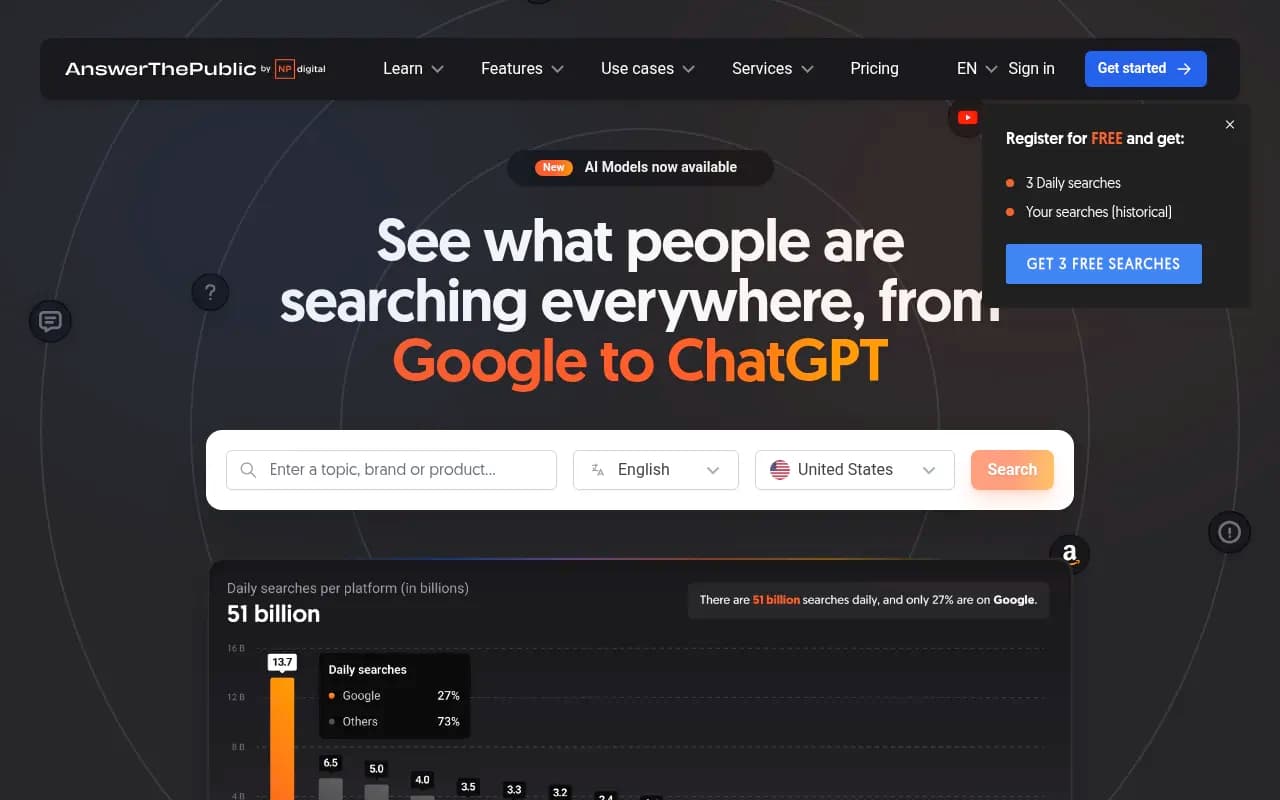
The key is that the questions need to match how real people actually ask about your topic, not how you wish they'd ask. Tools like AlsoAsked and AnswerThePublic can surface the actual question patterns people use.
Category 3: Third-party evidence signals
These signals tell AI models that other credible sources vouch for your brand, which is the closest thing to a trust endorsement in AI search.
9. Mentions in authoritative publications
When credible third-party sources mention your brand, AI models treat that as a trust signal. This isn't about link building in the traditional SEO sense. It's about being part of the conversation in your industry in places that AI models recognize as authoritative.
This means earning coverage in industry publications, getting quoted in news articles, contributing guest content to recognized platforms, and building a presence on platforms like Reddit and YouTube that AI models actively index. Research consistently shows that Reddit discussions and YouTube content directly influence AI recommendations, a channel that most brands still underinvest in.
10. Customer reviews across multiple platforms
Review signals matter for two reasons. First, they're a form of third-party validation that AI models can verify independently. Second, the language in reviews often mirrors the language customers use when prompting AI models, creating a natural alignment between how people describe your brand and how they search for it.
For local businesses especially, review volume and recency on Google, Yelp, and industry-specific platforms are part of the credibility check AI platforms run before citing a brand. A business with 3 reviews from 2021 looks very different from one with 200 recent reviews.
11. Consistent brand mentions across the web
Beyond formal reviews and publications, AI models track the general pattern of how your brand is mentioned across the web. Are you mentioned in context that's relevant to your claimed expertise? Are those mentions consistent with how you describe yourself? Do they appear across a range of independent sources, or only on platforms you control?
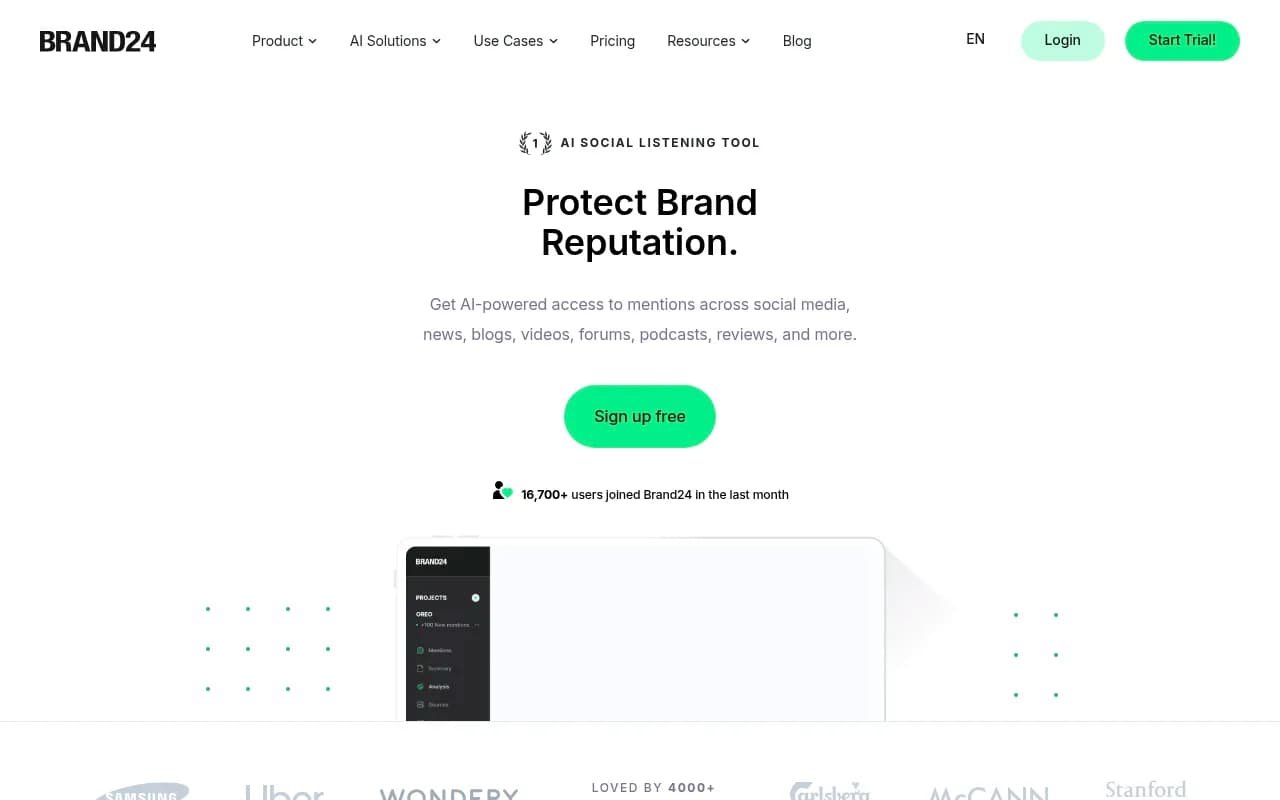
This is harder to audit manually, but tools like Promptwatch, Brand24, and Semrush can surface where your brand is being mentioned and in what context.
Category 4: Technical health signals
These signals tell AI models that your site is well-maintained, secure, and technically accessible to their crawlers.
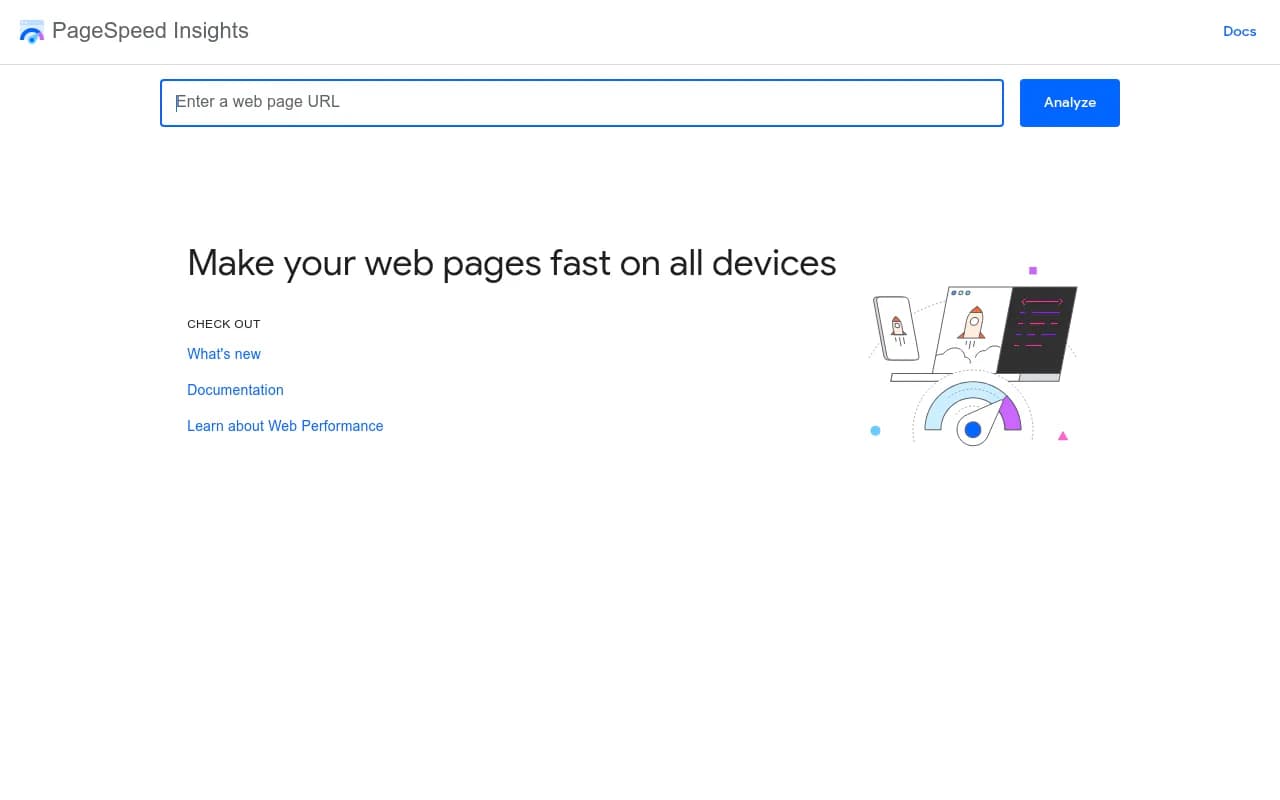
12. Core Web Vitals and crawlability
AI crawlers (GPTBot, ClaudeBot, PerplexityBot, and others) behave similarly to search engine crawlers: they follow links, read HTML, and index content. Sites that are slow to load, return errors, block crawlers in their robots.txt, or render content exclusively in JavaScript that bots can't parse are effectively invisible to AI models.
A basic technical audit should check:
- HTTPS is active and there are no mixed content errors
- robots.txt doesn't accidentally block AI crawlers (check for
User-agent: GPTBotorUser-agent: ClaudeBotdisallow rules) - Core Web Vitals scores are in the "good" range (LCP under 2.5s, CLS under 0.1)
- Key pages return 200 status codes and aren't blocked by login walls or paywalls
- JavaScript-heavy pages have server-side rendering or prerendering so bots can read the content
Running the audit: a practical scoring approach
Here's a quick scoring framework. For each of the 12 elements, rate your current state: 0 (not in place), 1 (partially in place), or 2 (fully implemented).
| Trust signal | Category | Max score |
|---|---|---|
| Organization schema with sameAs links | Entity identity | 2 |
| Consistent NAP across all platforms | Entity identity | 2 |
| Verified Google Business Profile | Entity identity | 2 |
| Wikidata / structured directory presence | Entity identity | 2 |
| Validated author profiles with schema | Content & expertise | 2 |
| Topical authority through content depth | Content & expertise | 2 |
| Cited sources within content | Content & expertise | 2 |
| FAQ / Q&A structured content | Content & expertise | 2 |
| Mentions in authoritative publications | Third-party evidence | 2 |
| Reviews across multiple platforms | Third-party evidence | 2 |
| Consistent brand mentions across the web | Third-party evidence | 2 |
| Technical health and crawlability | Technical | 2 |
A score of 20-24 puts you in a strong position. 12-19 means you have meaningful gaps that are likely costing you citations. Below 12, and you're probably not appearing in AI-generated answers for competitive queries at all.
What to fix first
If you're starting from scratch, the highest-leverage items to tackle first are:
- Organization schema with sameAs links (high impact, one-time implementation)
- Author profiles with Person schema (high impact, especially for content-heavy sites)
- Consistent NAP data (critical for local businesses)
- robots.txt audit to ensure AI crawlers aren't blocked
The content and third-party evidence signals take longer to build but compound over time. The technical and entity signals can often be fixed in a single sprint.
One thing worth knowing: fixing these signals doesn't produce instant results. AI models update their knowledge on different schedules, and some (like ChatGPT's browsing-enabled responses) are more real-time than others. Tracking your AI visibility before and after changes is the only way to know what's actually working.
Platforms like Promptwatch track your brand's citation rate across 10 AI models, including ChatGPT, Perplexity, Claude, and Google AI Overviews, so you can see your visibility scores improve as you close trust signal gaps. The page-level tracking shows exactly which pages are getting cited and which aren't, which makes it much easier to prioritize where to focus next.
The brands that will win in AI search aren't necessarily the ones with the biggest budgets or the most backlinks. They're the ones that have done the unglamorous work of making themselves verifiable, credible, and technically accessible to AI systems. That work starts with an audit.