Key takeaways
- Most AI writing tools in 2026 generate content that reads well but gets ignored by AI search engines like ChatGPT, Perplexity, and Google AI Overviews.
- The single most important question -- "Will this content get cited by AI models?" -- is one most tools either can't answer or quietly sidestep.
- Pricing, output quality, and template variety matter less than you think. What matters is whether the tool helps you create content that actually gets found.
- A few tools (Jasper, Writer, Surfer SEO, Frase) have started building AI visibility features in. Most haven't.
- Before signing any contract, run through this checklist. It takes 20 minutes and will save you from a lot of expensive disappointment.
The AI writing tool market has exploded. There are now hundreds of options, and the marketing copy for most of them sounds identical: "10x your content output," "SEO-optimized in seconds," "publish more, rank higher." The problem is that most of these tools were built for a search world that no longer exists.
In 2026, a significant chunk of search happens inside AI engines. ChatGPT, Perplexity, Claude, Gemini, Google AI Mode -- people are asking these systems questions and taking the answers at face value. If your content isn't being cited by those systems, it might as well not exist. And the dirty secret of the AI writing tool industry is that almost none of them were designed with this in mind.
So before you hand over your credit card, here are 10 questions worth asking. Some are obvious. Some will make a sales rep squirm. And one -- question #7 -- will immediately tell you whether a tool is worth your time.
1. What does the tool actually know about my topic?
This sounds basic, but it matters more than people realize. Some AI writing tools just run your keyword through a language model and generate plausible-sounding text. Others actually research the topic first -- pulling from search results, competitor content, and real data -- before writing a word.
The difference shows up in the output. Generic tools produce content that's technically accurate but shallow. Research-first tools produce content with specifics: statistics, named sources, concrete examples. That specificity is what makes content useful, and it's also what makes AI models more likely to cite it.
Ask the vendor: "Where does the tool get its information before writing?" If the answer is vague, that's a signal.
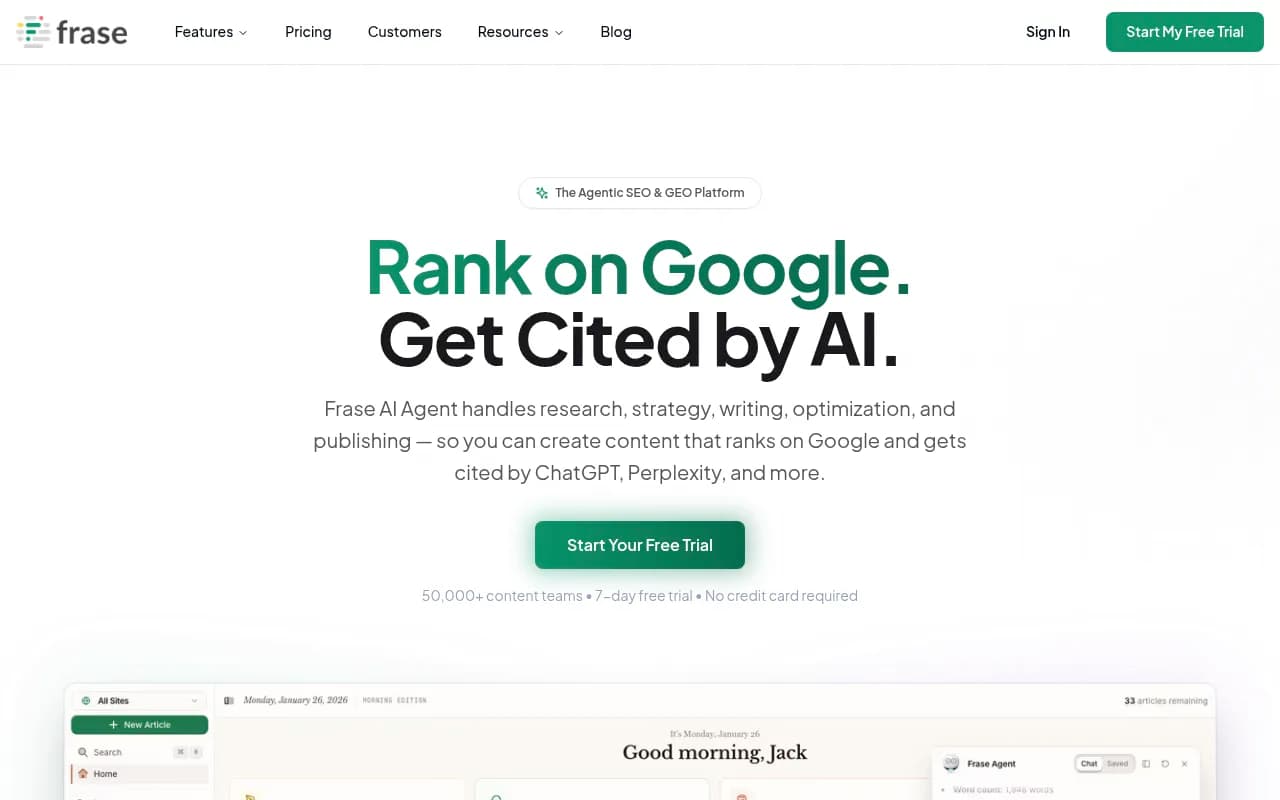
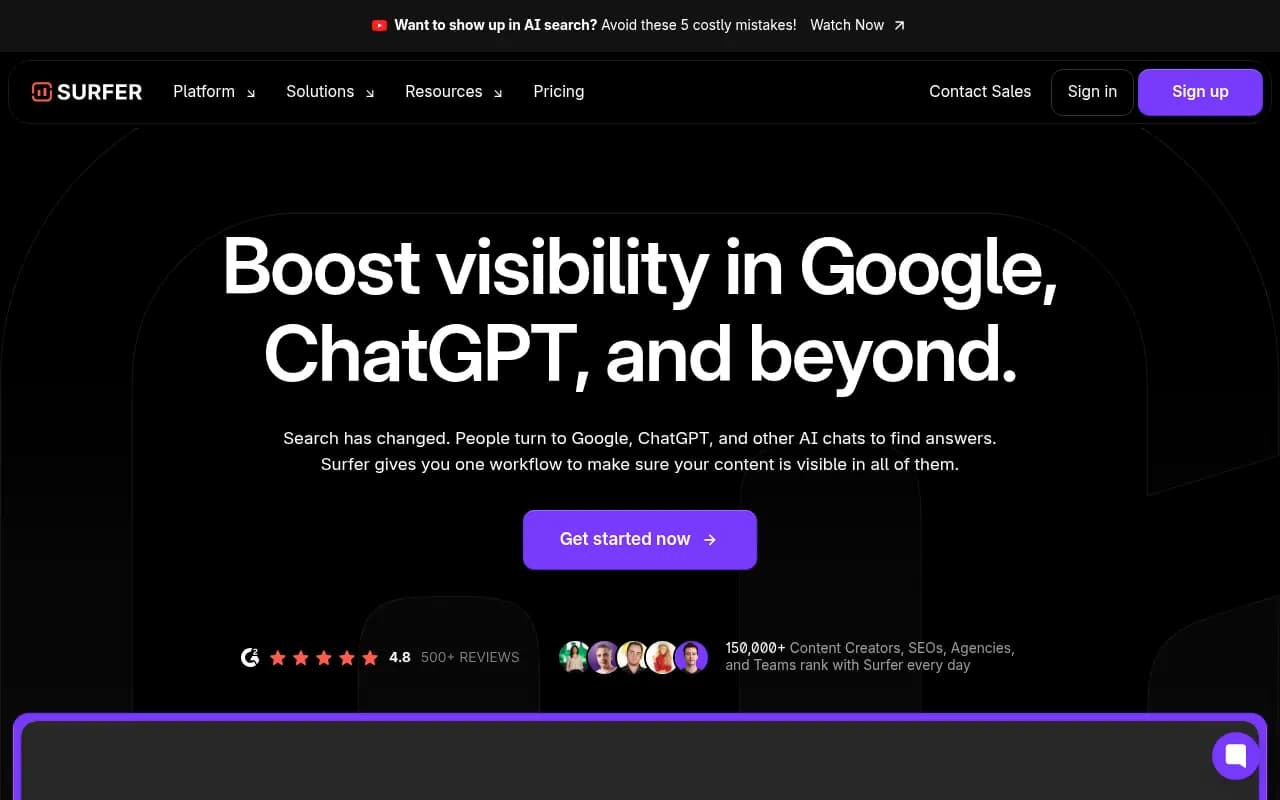
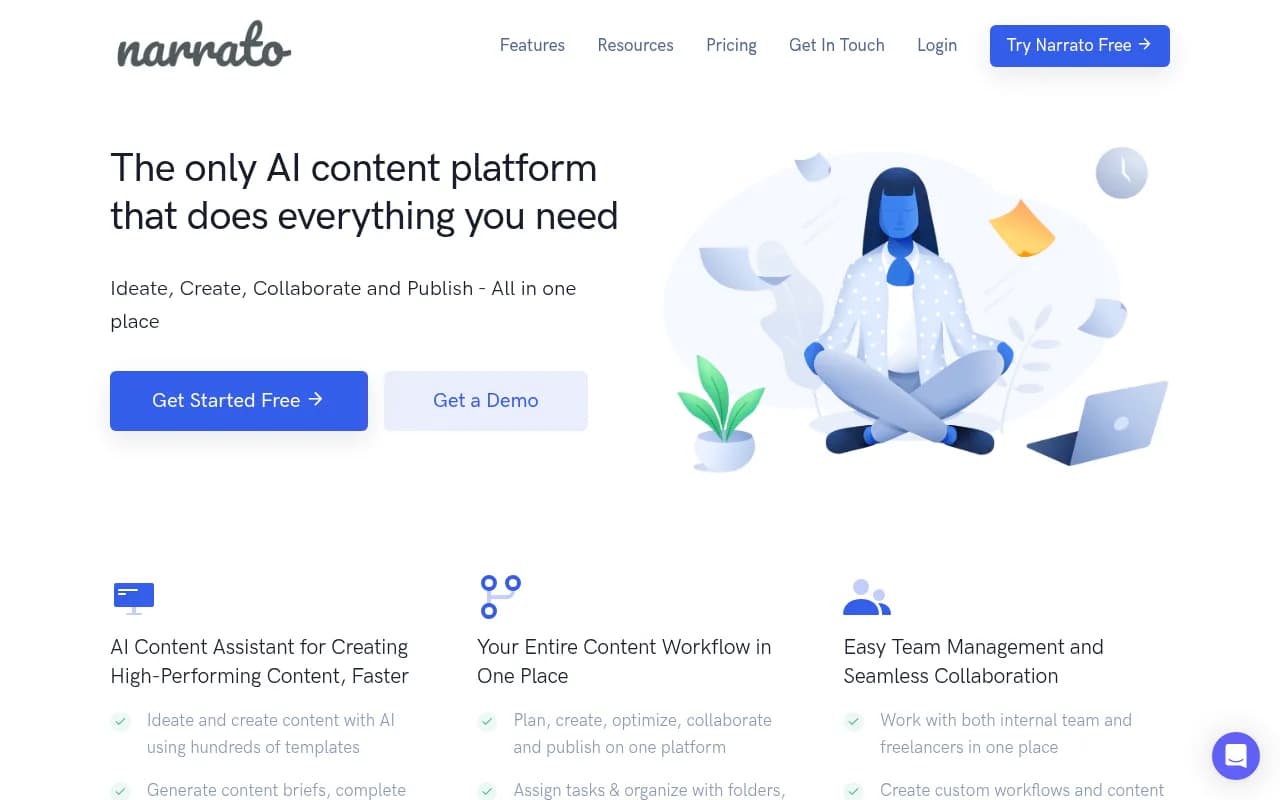
Tools like Frase and Surfer SEO pull real SERP data before generating content, which gives them a head start on this.
2. How does it handle SEO optimization -- and which kind?
There are two kinds of SEO now. Traditional SEO (Google rankings, keyword density, backlinks) and what's increasingly being called AEO or GEO -- Answer Engine Optimization, or Generative Engine Optimization. These are not the same thing, and optimizing for one doesn't automatically optimize for the other.
Traditional SEO tools focus on things like keyword frequency, readability scores, and meta descriptions. That's still useful. But if a tool only does traditional SEO, it's optimizing for a channel that's shrinking in relative importance.
Ask: "Does this tool optimize for AI search, not just Google?" If the answer is "we optimize for search engines" without any specifics about AI models, they're probably still living in 2022.

3. Can it match my brand voice consistently?
This is where a lot of teams get burned. They buy an AI writing tool, generate 50 articles, and then realize every single one sounds like it was written by the same generic corporate robot. Which it was.
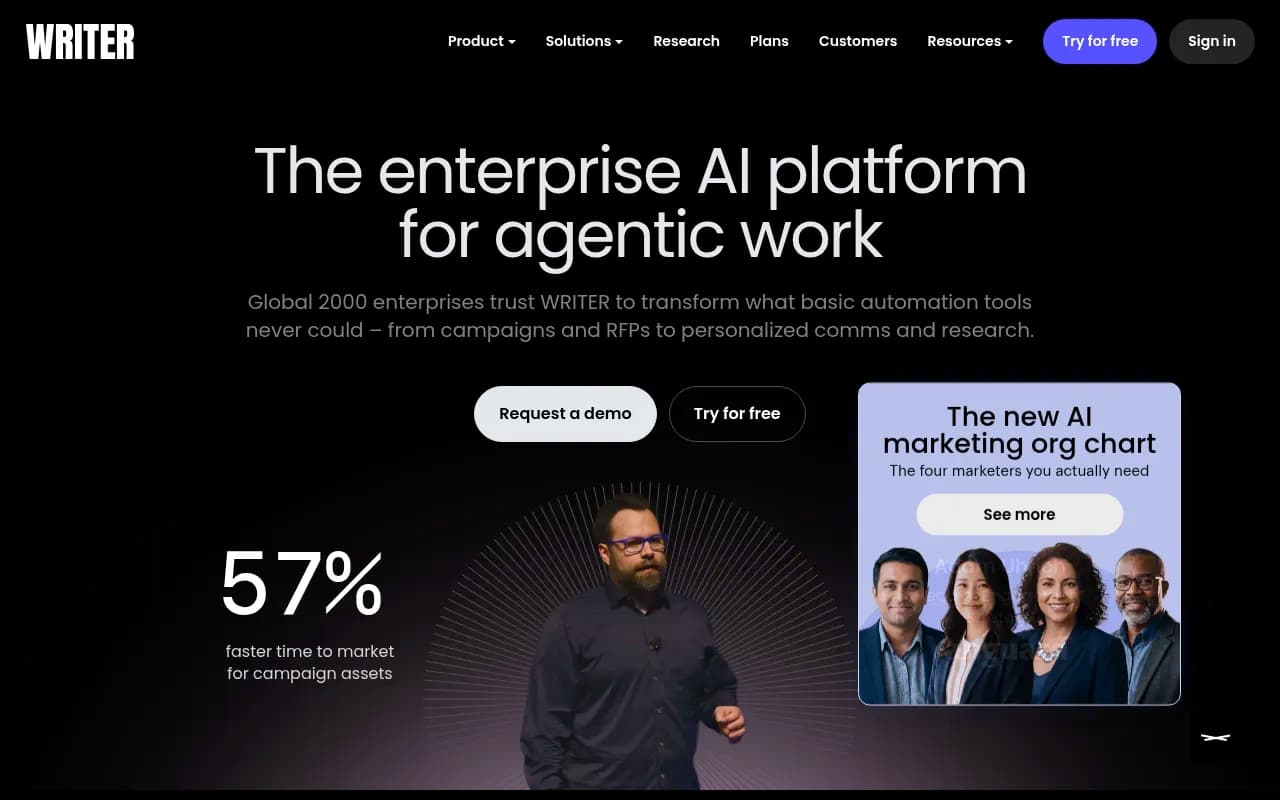
Brand voice consistency requires the tool to actually learn from your existing content -- not just accept a vague "write in a professional tone" instruction. The better tools let you upload style guides, train on past content, or set detailed persona parameters. Enterprise platforms like Writer are built almost entirely around this problem.
Ask for a demo where you paste in three of your best existing articles and see what the tool produces. If the output could have come from any company in your industry, the voice training isn't working.
4. What's the human editing workflow?
No AI writing tool produces publish-ready content. Anyone who tells you otherwise is either lying or hasn't read their own output carefully. The question isn't whether you'll need to edit -- you will -- it's how much friction the tool creates around that editing process.
Some tools dump a wall of text and leave you to figure it out. Others have built-in editing interfaces, comment systems, or collaboration features that make the review process faster. If you're running a content team, this workflow question matters as much as output quality.
Ask: "Show me what happens after the content is generated. How do we review, edit, and approve it?"
5. How does it handle factual accuracy?
AI hallucination is a real problem. Language models confidently state things that are wrong, and if you're publishing at scale, some of that wrong information will make it through. This is embarrassing at best and legally problematic at worst.
Some tools have built-in fact-checking layers or source citations that let you verify claims. Others just generate and hope for the best. The more technical or regulated your industry, the more this question matters.
Ask: "What does the tool do to reduce hallucinations? Does it cite sources inline?" Then actually check a few of those citations. Some tools cite sources that don't say what the tool claims they say.
6. What content formats does it actually support well?
"We support all content types" is something every vendor says. What they mean is: "We can technically generate text in any format." What they don't tell you is that their tool is really good at one or two formats and mediocre at everything else.
Most AI writing tools are optimized for blog posts and short-form copy. If you need long-form technical documentation, comparison pages, product descriptions at scale, or content in multiple languages, you need to test those specific formats before buying.
Ask for examples of the exact content type you need most. Not a demo of their best use case -- your use case.

7. Will this content actually get cited by AI search engines?
This is the question most tools can't answer. And it's the most important one in 2026.
Here's the reality: you can publish a perfectly written, well-optimized blog post and have it completely ignored by ChatGPT, Perplexity, and Google AI Overviews. Those systems have their own logic for what they cite -- they favor content that directly answers specific questions, uses clear factual language, comes from authoritative domains, and covers topics that AI models are actually being asked about.
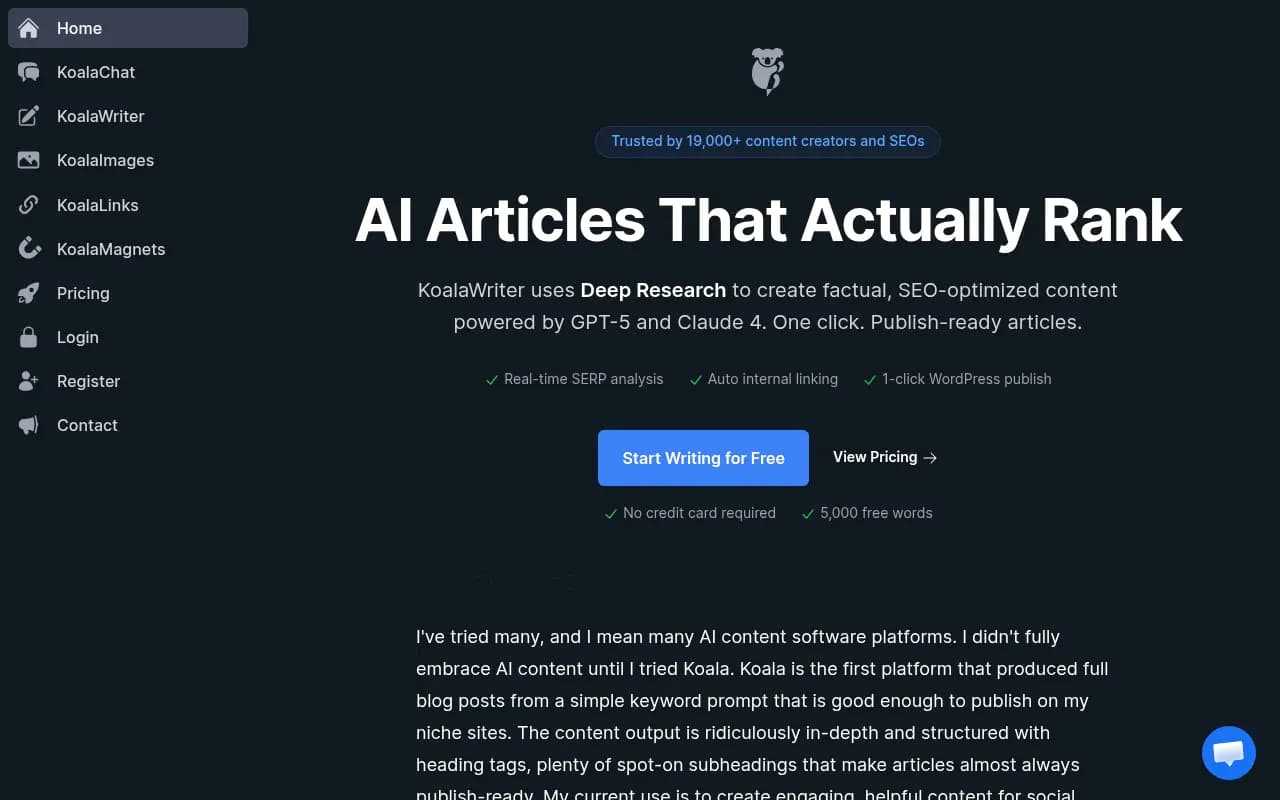
Most AI writing tools have no idea which prompts people are asking AI engines. They have no data on which content formats get cited most. They can't tell you whether there's a gap in AI search coverage that your content could fill. They optimize for keywords, not for the questions that AI systems are trying to answer.
This is the gap that separates a content tool from a content strategy tool. A tool that can show you which questions AI models are being asked, which competitors are being cited for those questions, and what content you'd need to create to get cited -- that's a fundamentally different product.
Promptwatch is one of the few platforms that approaches this problem directly. It tracks which prompts are driving AI citations, shows you where competitors are visible and you're not, and has a built-in content generation layer that's grounded in actual citation data rather than keyword guesswork. Most AI writing tools don't even know this problem exists.

When you're evaluating any AI writing tool, ask: "How does your tool help me get cited by ChatGPT, Perplexity, or Google AI Overviews?" Watch what happens. Most will pivot to talking about SEO. A few will have a real answer.
8. What does the pricing actually include?
AI writing tool pricing is notoriously confusing. The headline number rarely reflects what you'll actually pay. Watch for:
- Word or credit limits that reset monthly (and what happens when you go over)
- Features locked behind higher tiers that aren't obvious until you're already using the tool
- Per-seat pricing that makes team use expensive fast
- "AI credits" that get consumed faster than expected on longer content
Build a realistic usage estimate before comparing prices. If you need 30 long-form articles per month, calculate the actual cost at that volume -- not the cost for the plan that sounds affordable.
| Tool | Starting price | Word limits | Team seats |
|---|---|---|---|
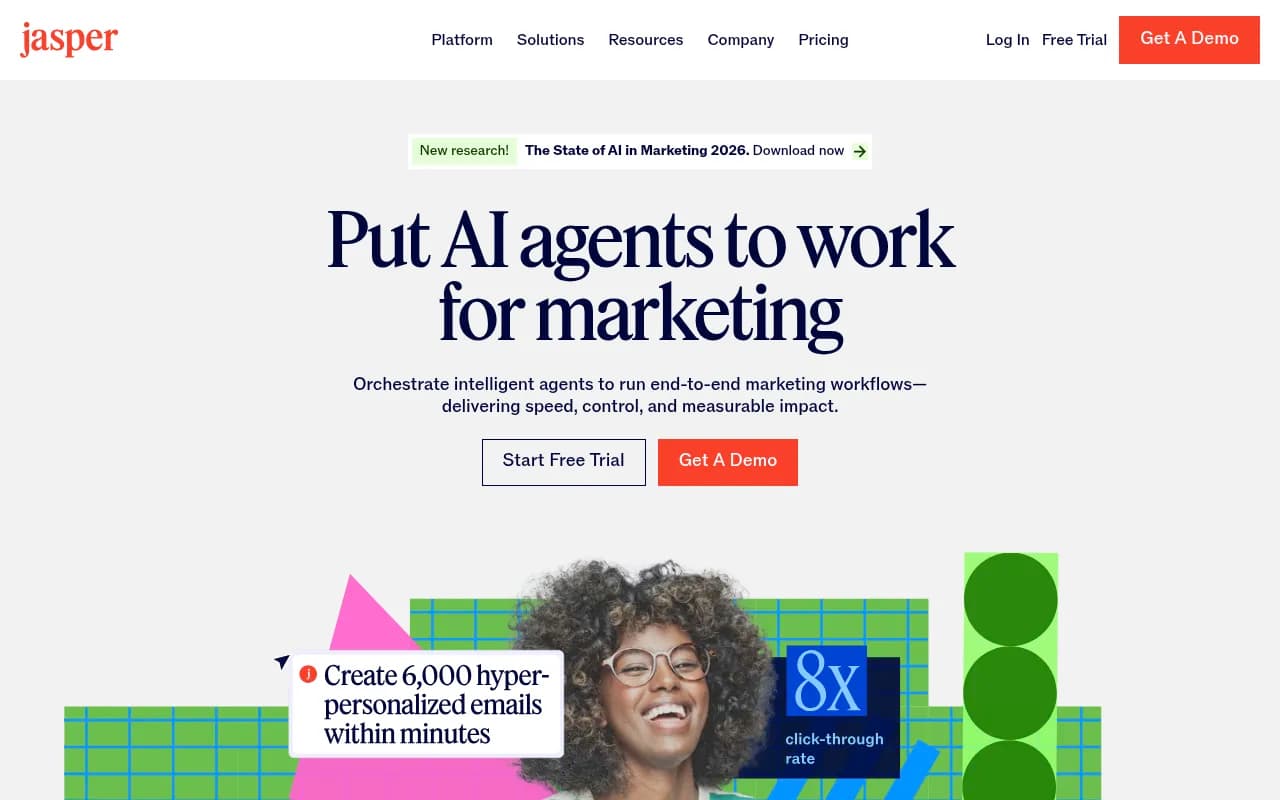
| Jasper | ~$49/mo | Unlimited on higher plans | Per seat |
| Writesonic | ~$16/mo | Credit-based | Included |
| Copy.ai | ~$49/mo | Unlimited on Pro | Per seat |
| Surfer SEO | ~$89/mo | Separate content editor credits | Included |
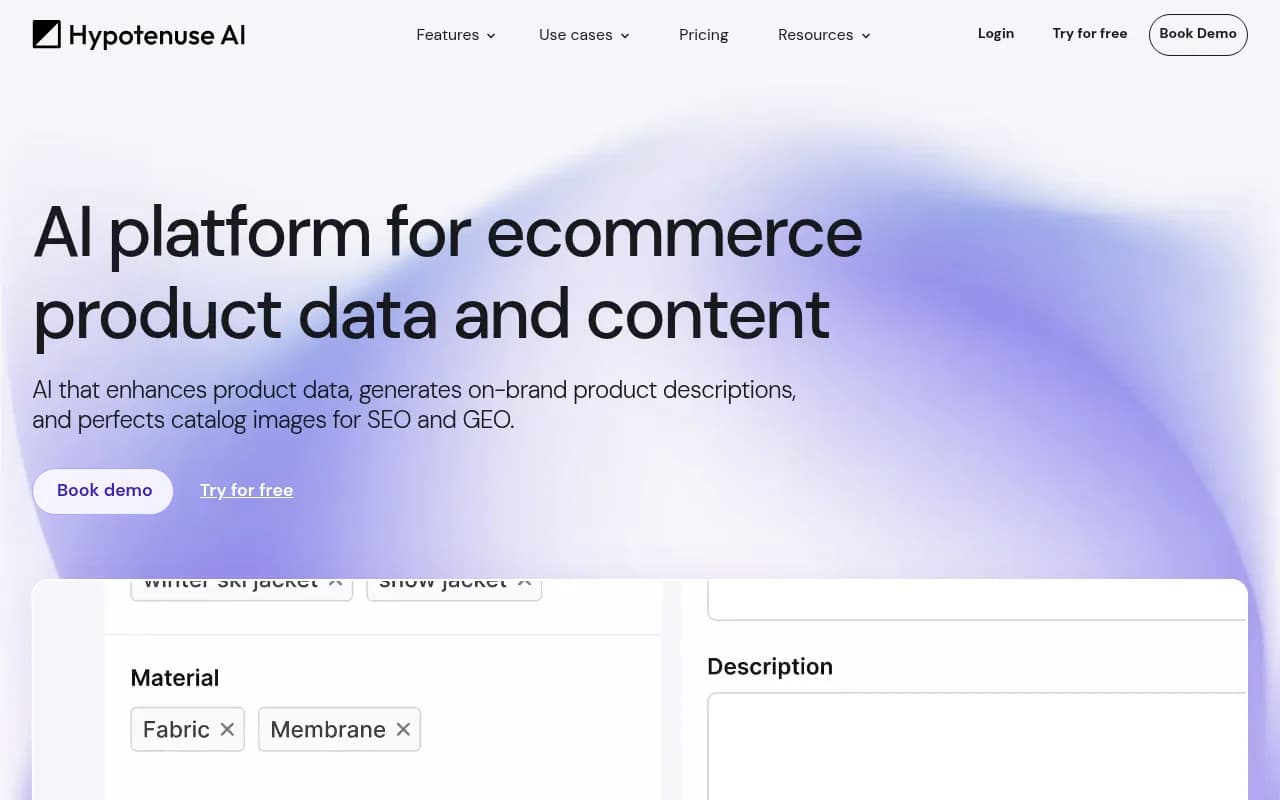
| Frase | ~$45/mo | Document limits | Per seat |
(Prices change frequently -- always verify directly with the vendor.)

9. How does it handle content at scale without quality degradation?
Generating one good article is easy. Generating 100 good articles that don't all sound like variations of the same template is hard. This is where a lot of tools fall apart.
The problem is usually one of two things: the tool's output becomes repetitive because it's drawing from the same patterns, or quality control breaks down because there's no systematic way to review large volumes of content.
Ask: "Can I see examples of 10+ articles the tool produced on related topics for the same client?" Look for variation in structure, angle, and voice. If they all follow the same formula, that formula will become obvious to readers (and to AI models) very quickly.

10. What does the data privacy policy actually say?
This one gets skipped constantly and then causes problems later. When you feed an AI writing tool your brand guidelines, your unpublished content strategy, your customer data, or your proprietary research, where does that data go?
Some tools use your inputs to train their models. Some share data with third-party AI providers. Some have enterprise agreements that explicitly prevent this. The difference matters, especially if you're in a regulated industry or handling sensitive information.
Ask for the data processing agreement in writing before you buy. If the vendor can't produce one quickly, that's an answer in itself.
How to use this checklist
Run through these questions in a structured way. Most vendors will offer a free trial or demo -- use that time to specifically test questions 1, 3, 5, and 7. Those four will tell you most of what you need to know.
For question 7 specifically, don't just take the vendor's word for it. Ask them to show you, in the product, how they'd help you identify content gaps in AI search. If they can't demo it, they don't have it.
The tools that can genuinely answer all 10 questions are rare. But they exist, and they're worth finding -- because publishing content that no AI engine ever cites is an expensive way to stay invisible.
Quick comparison: what different tool types cover
| Question | Traditional AI writers | SEO-focused AI tools | AI visibility platforms |
|---|---|---|---|
| Research before writing | Sometimes | Usually | Yes |
| Traditional SEO optimization | Yes | Yes | Partial |
| Brand voice training | Sometimes | Rarely | Varies |
| Human editing workflow | Sometimes | Sometimes | Varies |
| Factual accuracy / citations | Rarely | Rarely | Sometimes |
| Content format breadth | Yes | Partial | Partial |
| AI search citation optimization | No | Rarely | Yes |
| Transparent pricing | Varies | Varies | Varies |
| Scale without quality loss | Varies | Varies | Varies |
| Clear data privacy policy | Varies | Varies | Varies |
The gap in row 7 is the one that will define content marketing outcomes in 2026. Most tools in the "traditional AI writers" column are still pretending that gap doesn't exist.
The right AI writing tool for your team depends on your specific situation -- your industry, your content volume, your existing tech stack. But the 10 questions above apply universally. Ask them before you buy, and you'll avoid the most common and expensive mistakes people are making right now.