Key takeaways
- AI search engines now act as brand gatekeepers -- if ChatGPT, Perplexity, or Gemini don't mention you, you're invisible to a growing share of potential customers
- Traditional brand monitoring tools (social listening, Google Alerts) don't track what AI models say about you -- you need purpose-built AI visibility tools
- Most tools in this space only monitor; the best ones help you understand why you're not being cited and what to do about it
- Metrics that matter: mention frequency, sentiment accuracy, share of voice vs competitors, which pages are being cited, and which AI models are driving traffic
- Hallucination detection is a real concern -- AI models sometimes describe brands incorrectly, and you need to know when that's happening
Why this suddenly matters
For most of the past decade, brand monitoring meant tracking Twitter mentions, news coverage, and Google reviews. That was fine when Google was the dominant discovery channel. It's not fine anymore.
When someone asks ChatGPT "what's the best project management tool for remote teams?" or asks Perplexity "which CRM is best for small businesses?", they get a direct answer -- usually with two or three brand recommendations. No blue links. No scrolling through results. Just a recommendation.
Those recommendations are shaping buying decisions. And most brands have no idea whether they're in them or not.
That's the core problem AI brand mention monitoring solves. It's not just about vanity metrics or knowing your name is out there. It's about understanding whether you're part of the conversation happening inside AI systems -- the conversation that's increasingly replacing traditional search for product discovery, comparison shopping, and vendor selection.
A WebFX analysis from early 2026 put it plainly: online reputation is one of the top AI ranking factors. AI platforms favor brands with strong reviews, consistent mentions, and authoritative content -- especially for "best of" and recommendation-style queries.
If you're not tracking this, you're flying blind while competitors quietly accumulate AI citations you don't know you're losing.
What AI brand mention monitoring actually is
AI brand mention monitoring tracks how, when, and where your brand appears in responses generated by AI search engines and chatbots. This includes:
- ChatGPT (including web-browsing mode and shopping recommendations)
- Perplexity
- Google AI Overviews and Google AI Mode
- Claude
- Gemini
- Grok, DeepSeek, Copilot, Meta AI, Mistral
The core question these tools answer: when a user asks an AI system a question relevant to your industry, does your brand get mentioned? And if so, how?
That "how" matters a lot. There's a difference between being mentioned as the top recommendation versus being listed as a footnote. There's a difference between being cited accurately versus being described incorrectly (hallucination). There's a difference between appearing for high-intent purchase queries versus generic informational ones.
Good monitoring tools capture all of this. Basic ones just tell you whether your name appeared.
The difference from traditional brand monitoring
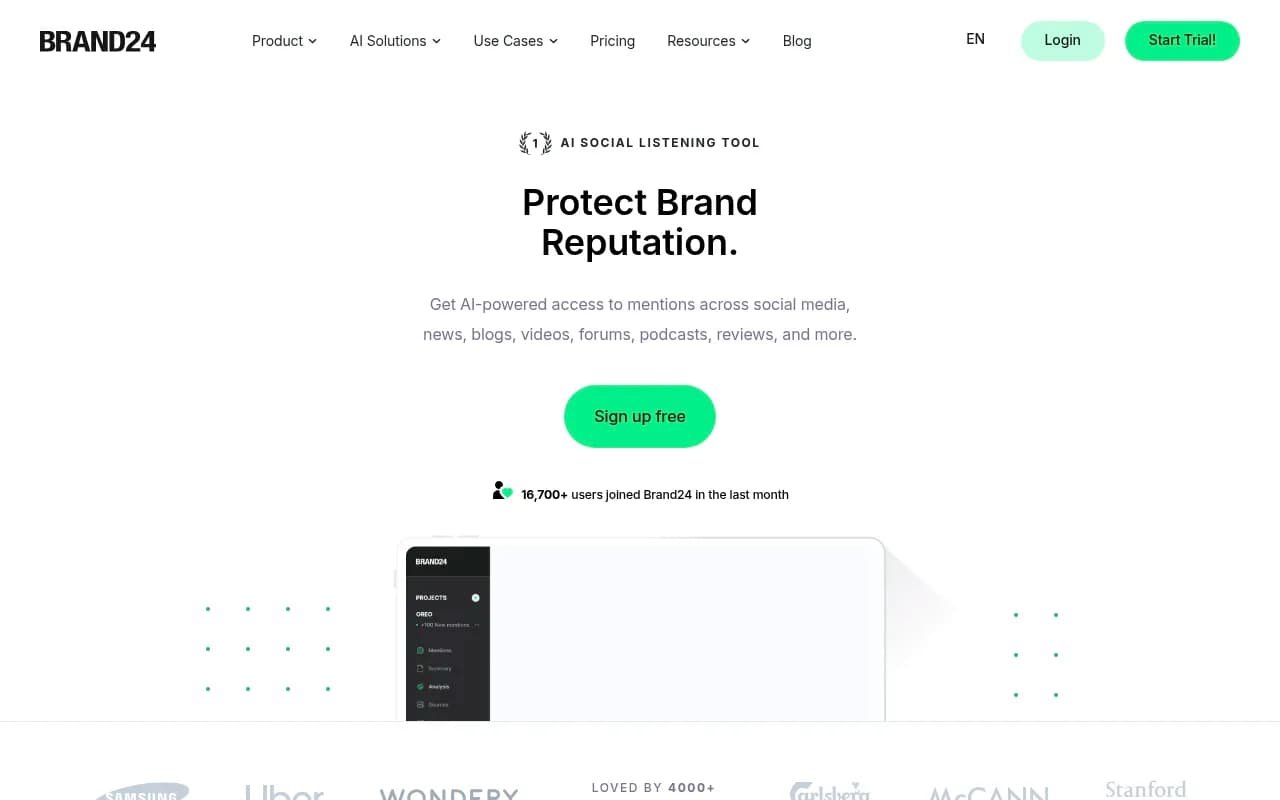
Traditional tools like Brand24 or Sprout Social monitor social media, news sites, forums, and review platforms. They're good at what they do. But they don't query AI systems and analyze the responses.
Brand24 and similar social listening tools track what humans are saying about you publicly. AI brand monitoring tracks what AI systems are recommending about you privately -- in responses that users see but that leave no public trace.
These are complementary, not interchangeable. You need both.
The metrics that actually matter
Not all AI visibility metrics are equally useful. Here's what's worth tracking and why.
Mention frequency and share of voice
How often does your brand appear when relevant prompts are run? And how does that compare to your top competitors? Share of voice -- your mentions as a percentage of total brand mentions across a prompt set -- is the clearest competitive signal.
If you're appearing in 12% of relevant AI responses and your main competitor is in 47%, that gap tells you something concrete about where you stand.
Sentiment and accuracy
AI models don't just mention brands -- they describe them. Are those descriptions accurate? Positive? Do they match your positioning? Hallucinations are a real problem: some models confidently state incorrect pricing, wrong features, or outdated information about brands.
Tracking sentiment and accuracy separately matters because a mention isn't always a good mention.
Citation sources
Which of your web pages is an AI model actually reading and citing? This is more useful than aggregate mention counts because it tells you what's working. If your comparison pages are getting cited but your product pages aren't, that's actionable.
Prompt-level visibility
Which specific prompts trigger your brand to appear? "Best CRM for startups" might show you. "Best CRM for enterprise" might not. Knowing the exact prompts where you're visible (and where you're not) is what separates useful monitoring from vanity dashboards.
AI traffic attribution
Ultimately, do AI citations translate to actual website visits and conversions? The best tools connect AI visibility to real traffic through GSC integration, code snippets, or server log analysis.
The tool landscape in 2026
The market has split into two camps. There are monitoring-only dashboards that show you data, and there are optimization platforms that help you act on it. The distinction matters enormously.
Here's a quick overview of where the main tools sit:
| Tool | Monitors AI mentions | Competitor comparison | Content gap analysis | Content generation | AI crawler logs | Traffic attribution |
|---|---|---|---|---|---|---|
| Promptwatch | Yes (10 models) | Yes | Yes | Yes (built-in agent) | Yes | Yes |
| Profound | Yes (9+ models) | Yes | Limited | No | No | Limited |
| Otterly.AI | Yes | Basic | No | No | No | No |
| Peec.ai | Yes | Basic | No | No | No | No |
| AthenaHQ | Yes | Yes | No | No | No | No |
| GetMint | Yes | Yes | No | No | No | No |
| LLM Pulse | Yes | Basic | No | No | No | No |
| Rankshift | Yes | Basic | No | No | No | No |
Tools worth knowing about
For end-to-end optimization (monitoring + fixing)
Promptwatch is the most complete platform in this category. It monitors across 10 AI models, but the real difference is what comes after the data: Answer Gap Analysis shows you exactly which prompts competitors rank for that you don't, a built-in AI writing agent generates content engineered to get cited, and crawler logs show you how AI bots are actually reading your site. It's the only tool in the market that closes the loop from "you're invisible here" to "here's the content that will fix it."

For enterprise-scale monitoring
Profound covers 9+ AI engines with solid competitive benchmarking. It's well-suited for enterprise teams that need breadth of coverage and executive-level reporting. The trade-off is that it stops at monitoring -- there's no content generation or optimization built in.
Profound

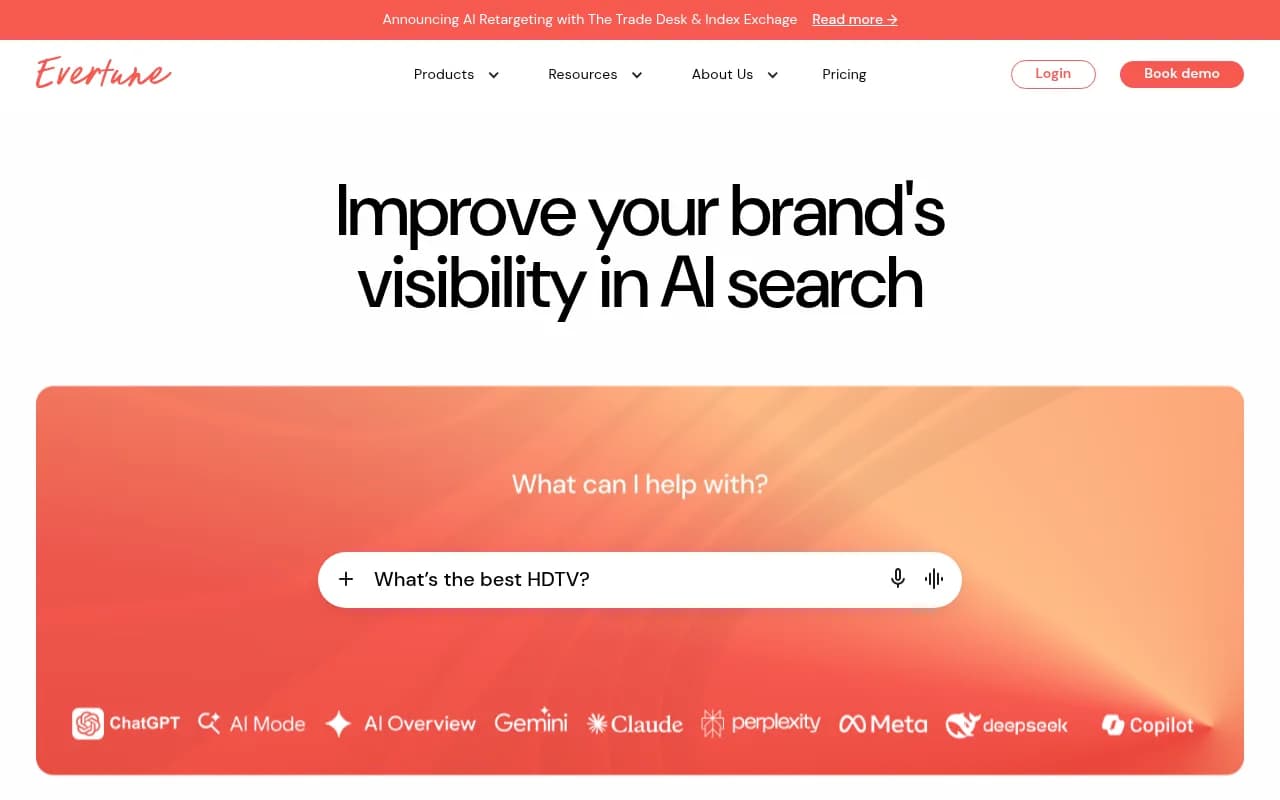
Evertune positions itself as an enterprise GEO platform with strong Fortune 500 focus. Good for large brands that need custom reporting and account management.
For simpler monitoring needs
Otterly.AI and Peec.ai are solid entry points if you just need to know whether your brand is appearing in AI responses. Both are monitoring-only, but they're accessible and reasonably priced for teams that are just getting started.
Otterly.AI


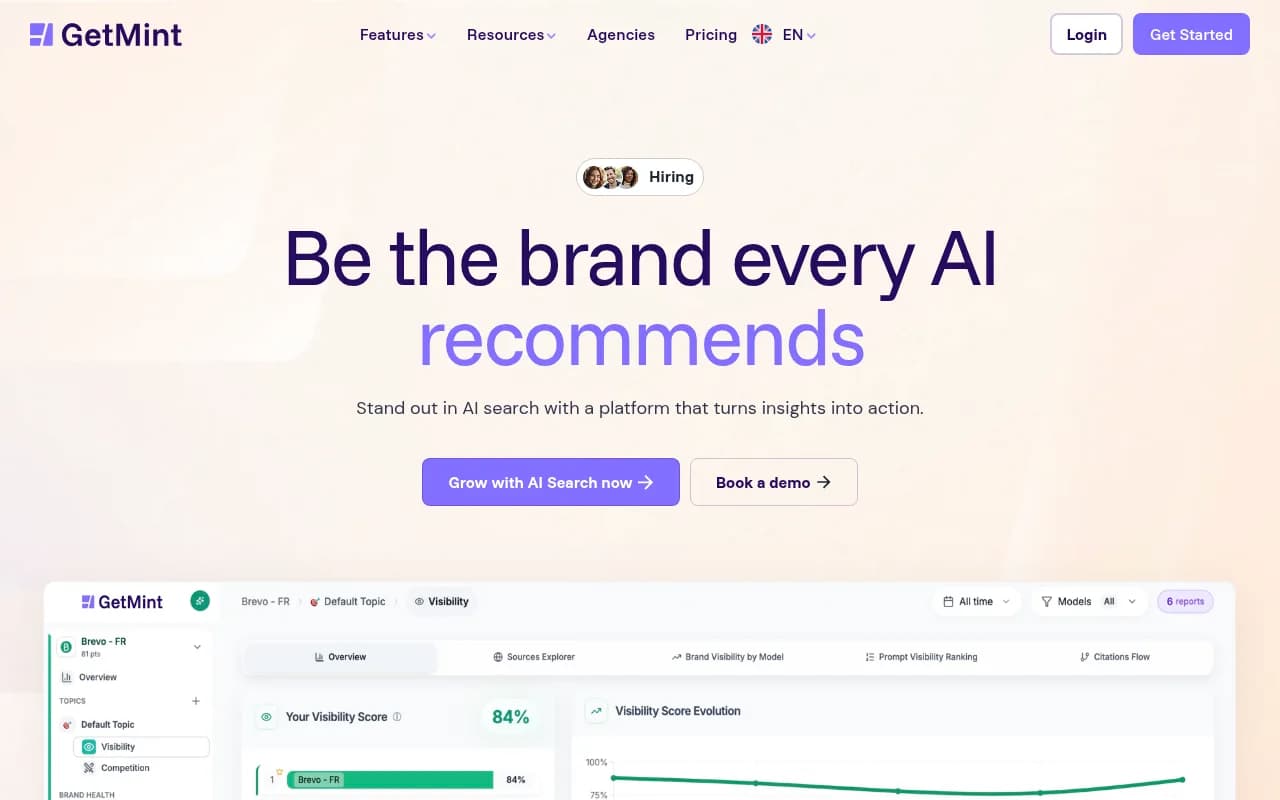
GetMint focuses specifically on AI brand monitoring with hallucination detection -- useful if brand accuracy is a particular concern.
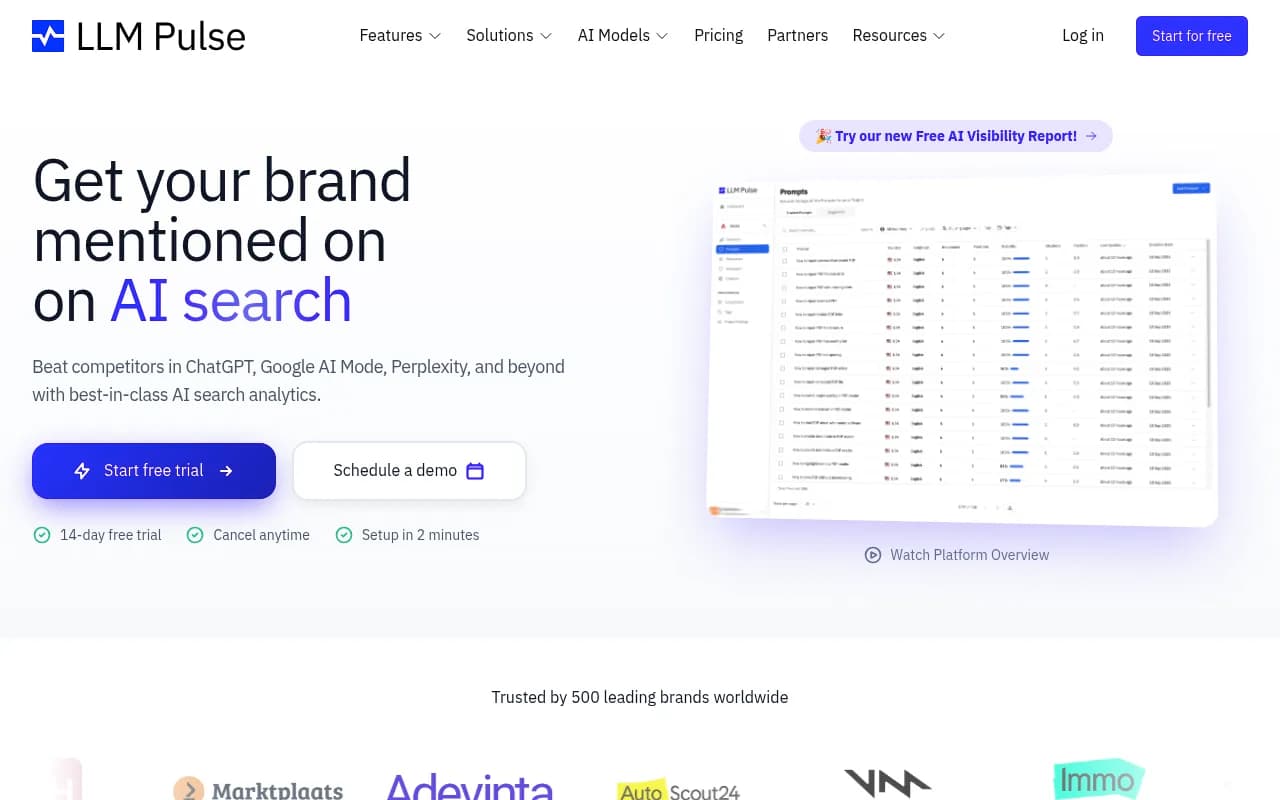
LLM Pulse covers the main AI engines with basic tracking and trend data.
For teams already in traditional SEO tools
Semrush has added AI visibility features, but they use fixed prompts rather than custom prompt sets, which limits how useful the data is for specific niches. Ahrefs Brand Radar has similar limitations. Both are fine supplements if you're already paying for them, but neither is purpose-built for this.
For tracking alongside social listening
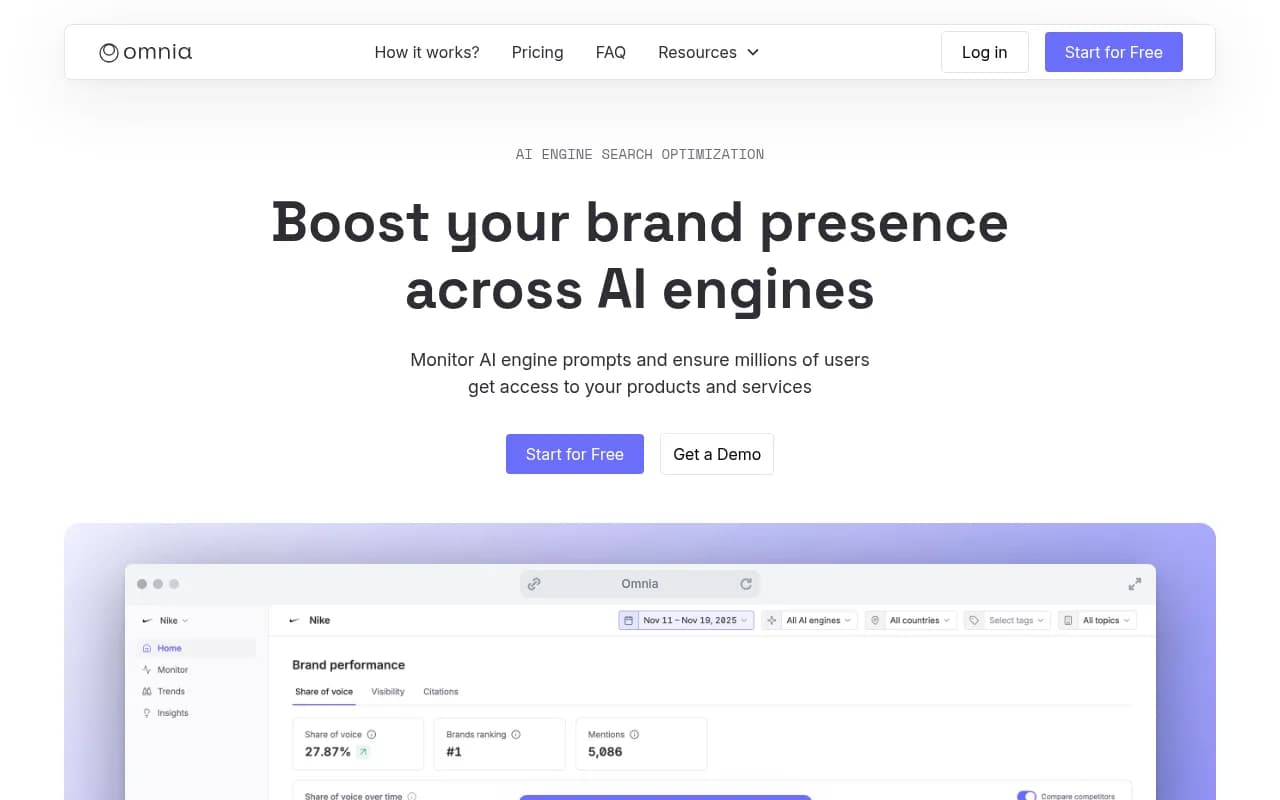
If you want AI monitoring alongside traditional social and web mentions, Rankshift and tools like Omnia offer lighter-weight options that cover the basics without requiring a full platform switch.

What monitoring-only tools miss
This is worth spending time on because it's where most teams get stuck.
Knowing you're invisible in AI search is useful. But it doesn't tell you why, and it doesn't tell you what to do. Most monitoring tools leave you with a dashboard full of data and no clear path forward.
The "why" usually comes down to a few things:
- Your content doesn't directly answer the questions AI models are trained to respond to
- Competitors have content that's more structured, more specific, or more frequently cited by the sources AI models trust
- AI crawlers are hitting your site but encountering errors or JavaScript rendering issues that prevent them from reading your content
- You're not present in the third-party sources (Reddit threads, review sites, industry publications) that AI models weight heavily
A monitoring tool can tell you you're not being cited. An optimization platform can show you which specific content gaps are causing it, which competitor pages are filling those gaps, and what you need to create to compete.
That's the difference between a thermometer and a treatment plan.
How to actually improve your AI brand visibility
Monitoring is the starting point, not the destination. Here's what the improvement process looks like in practice.
Step 1: Audit your current visibility
Run a set of prompts that represent how your target customers actually ask questions -- not just your brand name, but category-level queries like "best [category] for [use case]". See where you appear, where you don't, and who's beating you.
Step 2: Identify the content gaps
For every prompt where a competitor appears and you don't, there's usually a content gap. Either they have a page that directly addresses that question and you don't, or their page is structured in a way that's more citable (clear headings, direct answers, comparison tables, FAQ sections).
Step 3: Check your technical foundation
AI crawlers need to be able to read your site. If you have JavaScript-heavy pages, rendering issues, or crawl errors, AI models may not be reading your content even if it's good. Crawler log analysis -- which most monitoring tools don't offer -- is the only way to know for sure.
Step 4: Create content engineered for AI citation
This isn't the same as traditional SEO content. AI models favor content that directly answers questions, uses structured formats (lists, tables, definitions), includes original data or expert perspective, and is written with clear topical authority. Short, citable blocks outperform long-form prose for AI citation purposes.
Step 5: Track the results
As you publish new content, watch whether citation rates improve for the prompts you targeted. Page-level tracking shows exactly which new pages are getting picked up and by which models. Traffic attribution closes the loop by connecting AI citations to actual visits and conversions.
A note on hallucinations
One thing most brand monitoring guides don't address: AI models sometimes get things wrong about your brand. Wrong pricing. Discontinued features. Outdated positioning. In some cases, genuinely false claims.
This isn't a rare edge case. It's a real risk, especially for brands that haven't published clear, structured, authoritative content about themselves. When AI models can't find reliable information, they fill gaps with training data that may be outdated or simply wrong.
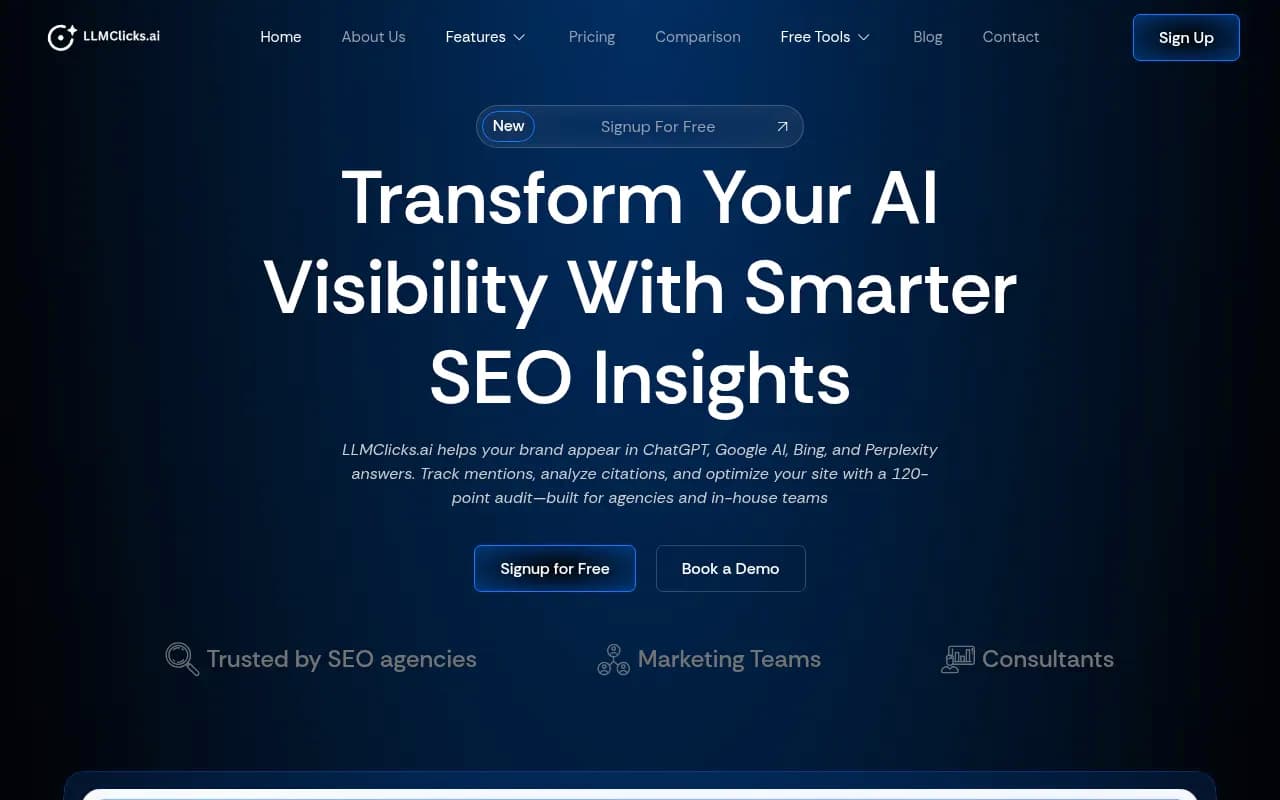
Monitoring for hallucinations -- tracking not just whether you're mentioned but whether what's said is accurate -- is something only a handful of tools do well. GetMint and LLMClicks both have hallucination detection features worth looking at if this is a concern for your brand.
Choosing the right tool for your situation
The right tool depends on what you're actually trying to do.
If you're just starting out and want to understand your baseline visibility, a monitoring-only tool like Otterly.AI or Peec.ai gets you there quickly without a large investment.
If you're serious about improving your AI visibility -- not just measuring it -- you need a platform that goes beyond monitoring. Promptwatch is the most complete option here, combining tracking, gap analysis, content generation, and traffic attribution in one workflow.
If you're at enterprise scale with multiple brands or regions, Profound and Evertune both offer the depth and account management that large organizations need, though you'll likely want to supplement with optimization capabilities.
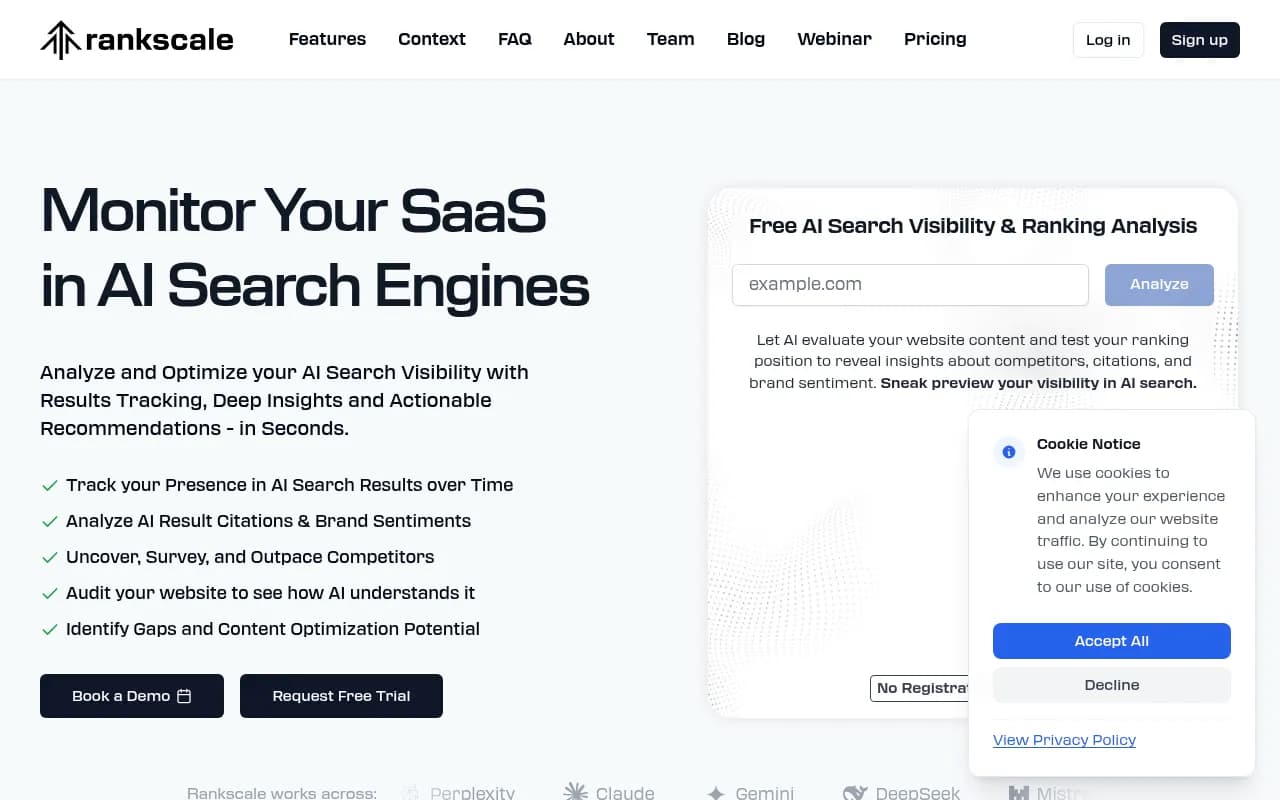
If you're an agency managing multiple clients, platforms with multi-site support and white-label reporting (Promptwatch's agency tier, Rankscale) are worth prioritizing.
The one thing to avoid: treating monitoring as the end goal. The brands winning in AI search in 2026 aren't just the ones who know they're invisible -- they're the ones who figured out how to fix it.