Summary
- People are bypassing Google and asking ChatGPT directly -- if your brand isn't in those answers, you're invisible to a growing segment of buyers
- You can check AI visibility manually for free by running prompts in ChatGPT, but it's tedious and doesn't scale
- Several platforms offer free trials or limited free tiers to track brand mentions across ChatGPT, Perplexity, Gemini, and other AI engines
- Most "free" tools have strict limits -- expect 5-50 prompts per month before hitting a paywall
- The real value isn't just seeing if you're mentioned, it's understanding why you're not and fixing the content gaps
Why tracking AI visibility matters in 2026
Traditional SEO is still alive, but it's not the only game anymore. 60% of organic traffic now comes from AI-generated responses rather than blue links. People ask ChatGPT "What's the best project management tool for remote teams?" and trust whatever answer they get. If your brand isn't part of that narrative, you don't exist.
AI search engines don't rank websites the way Google does. They synthesize information from multiple sources and present a single answer. Your goal isn't to rank #1 for a keyword -- it's to be cited, mentioned, or recommended when someone asks a relevant question. That's a fundamentally different problem.
The challenge: AI models don't publish their sources upfront. You can't just check a SERP and see where you stand. You need to run prompts, analyze responses, and track patterns over time. That's where monitoring tools come in.
The manual method: free but time-consuming
Before we get into tools, let's cover the DIY approach. You can check your brand's AI visibility right now without spending a dollar.
Step 1: Define your key prompts
Think about the questions your ideal customers ask. Not SEO keywords -- actual questions. Examples:
- "What's the best CRM for small businesses?"
- "How do I track my brand in AI search engines?"
- "What tools help with content optimization for ChatGPT?"
Write down 10-20 prompts that represent different stages of the buyer journey. Include product comparisons, how-to queries, and recommendation requests.
Step 2: Run them in ChatGPT (and other AI engines)
Open ChatGPT, Perplexity, Gemini, and Claude. Paste each prompt. Record the results in a spreadsheet:
- Is your brand mentioned?
- What position (if it's a list)?
- What context (positive, neutral, negative)?
- Which competitors appear?
- What sources are cited?
Repeat this weekly or monthly to spot trends.
Step 3: Analyze the gaps
If your brand isn't showing up, ask why. Common reasons:
- You don't have content that answers the specific question
- Your content exists but isn't authoritative enough (thin, generic, no citations)
- Competitors have stronger signals (more backlinks, better structured data, clearer expertise)
- The AI model hasn't crawled your site recently (or at all)
This manual process works, but it's exhausting. Running 20 prompts across 4 AI engines every week is 80+ queries. That's where automation helps.
Free and low-cost tools to track AI visibility
Most AI visibility platforms charge $50-$500/month, but several offer free trials or limited free tiers. Here's what you can actually use without a credit card.
Tools with genuinely free options
| Tool | Free tier | What you get | Best for |
|---|---|---|---|
| AI Rank Checker | Completely free | On-demand checks, no account needed | Quick spot checks |
| ProductRank | Free directory listing | Claim your profile, basic visibility | Startups wanting passive discovery |
| PromptReach | Free directory | Business listing in AI-searchable directory | Early-stage brands |
| Rankshift | Free trial | 7-day trial, then $49/mo | Testing before committing |
| Otterly.AI | Free trial | 7-day trial, then $29/mo | Budget-conscious teams |
AI Rank Checker: the truly free option
AI Rank Checker is the only tool I've found that lets you check brand visibility without signing up. You enter a prompt, select which AI engines to query (ChatGPT, Perplexity, Gemini, Claude), and get instant results showing if your brand appears and where.
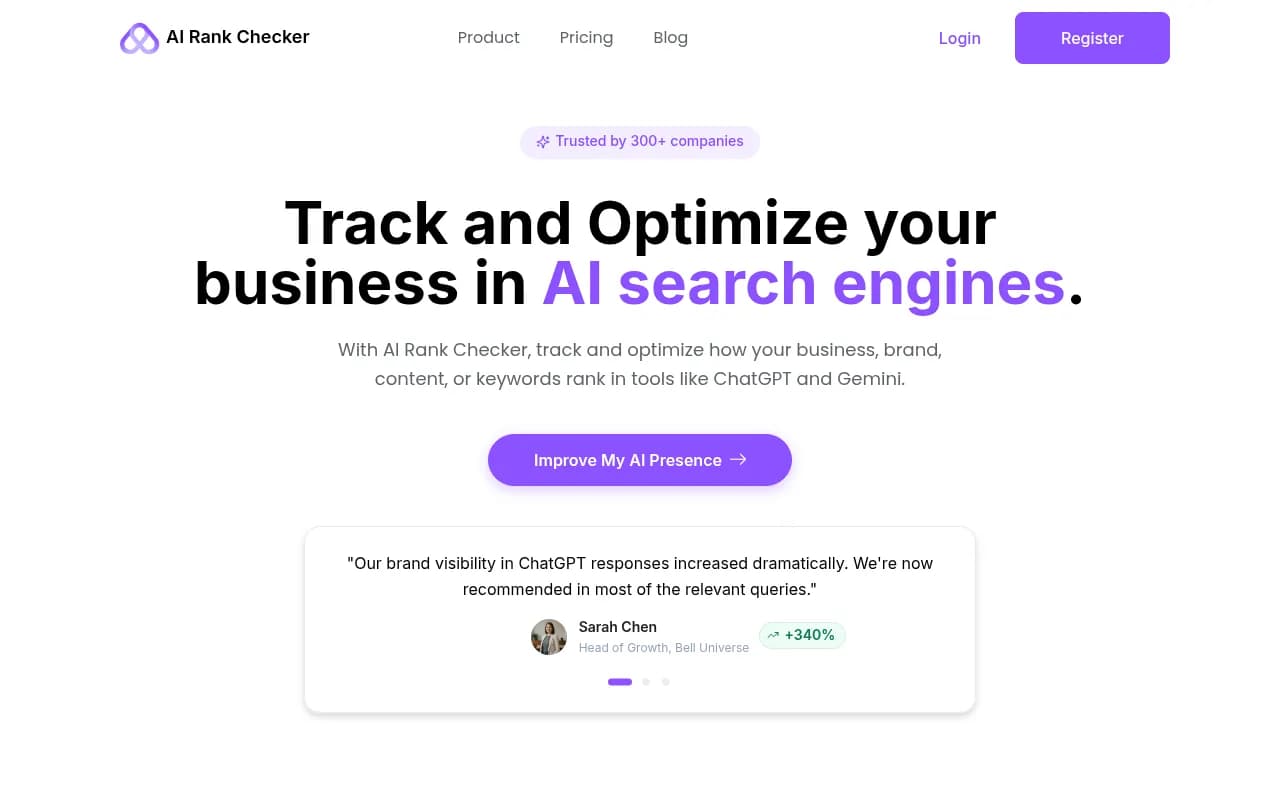
The catch: it's manual. You run one query at a time, screenshot the results, and track changes yourself. No historical data, no automation, no alerts. But if you just want to know "Does ChatGPT mention my brand when someone asks X?" -- it works.
ProductRank and PromptReach: passive visibility
Both ProductRank and PromptReach offer free business directory listings. The idea: you claim your profile, fill in details, and their platforms surface your brand when users search within their tools or when AI models crawl their directories.
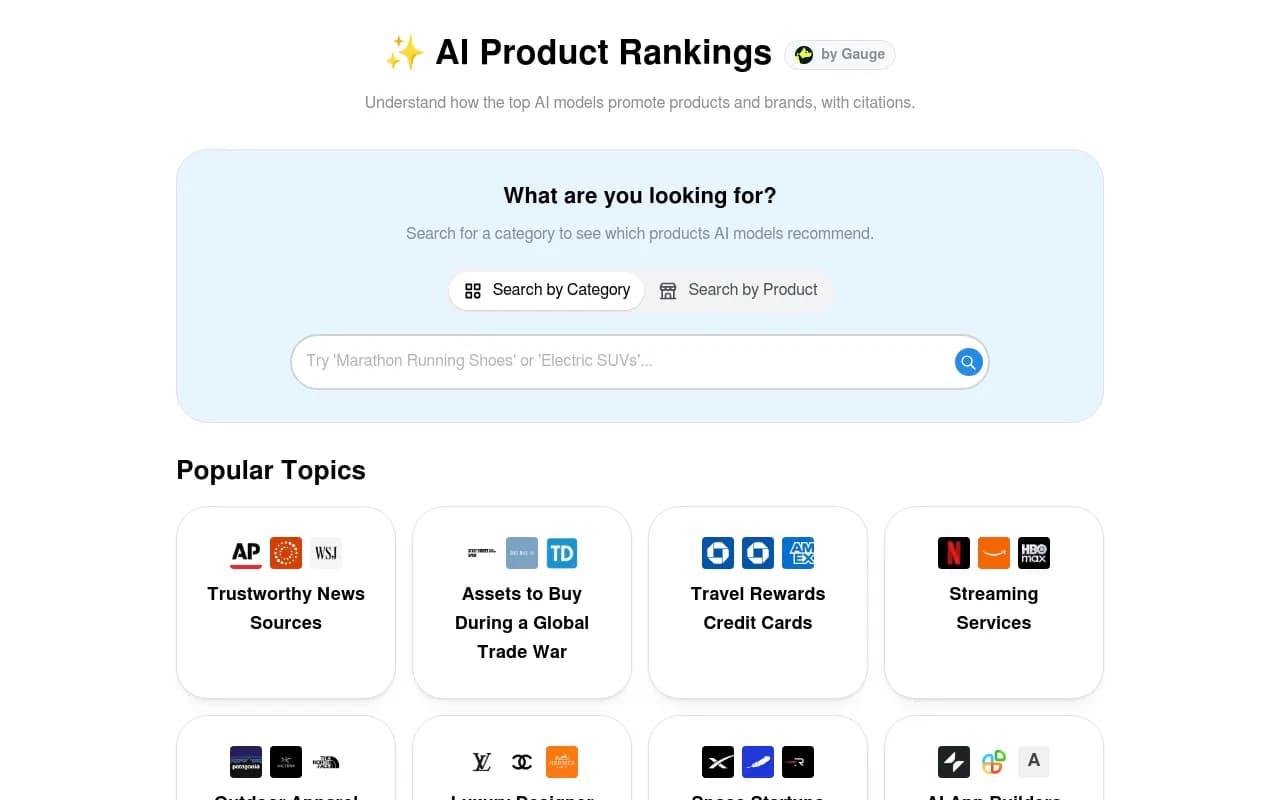
Reality check: these are not monitoring tools. You're not tracking how ChatGPT responds to prompts. You're hoping that by listing your business in yet another directory, AI models will discover and cite you. It's a long shot, but it costs nothing.
Free trials worth using
If you're willing to test a paid tool for a week, these offer the most value:
Rankshift -- 7-day free trial, then $49/mo. Tracks your brand across ChatGPT, Perplexity, and Google AI Overviews. You define prompts, it runs them daily, and you get alerts when your visibility changes. The trial is enough to audit your current state and decide if ongoing monitoring is worth it.

Otterly.AI -- 7-day trial, then $29/mo. Monitors brand mentions across 6+ AI engines. Includes sentiment analysis and competitor benchmarking. The free trial lets you test 50 prompts, which is enough to map your visibility across key buyer questions.
Otterly.AI

Promptwatch -- Free trial available. Tracks brand visibility across 10 AI models including ChatGPT, Perplexity, Gemini, Claude, and Google AI Overviews. The difference: Promptwatch doesn't just show you where you're invisible -- it helps you fix it with content gap analysis and an AI writing agent that generates articles optimized for AI citation. Most competitors stop at monitoring; Promptwatch closes the loop by helping you create content that actually gets cited.

Comparison: free vs paid AI visibility tools
Here's what you actually get at each price tier:
| Feature | Free tools | $29-99/mo tools | $249+ tools |
|---|---|---|---|
| Manual prompt checks | ✓ | ✓ | ✓ |
| Automated daily tracking | ✗ | ✓ (limited prompts) | ✓ (unlimited) |
| Historical data | ✗ | 30-90 days | 12+ months |
| Competitor benchmarking | ✗ | Basic | Advanced |
| Sentiment analysis | ✗ | ✓ | ✓ |
| Citation tracking | ✗ | ✓ | ✓ |
| Content gap analysis | ✗ | ✗ | ✓ |
| AI content generation | ✗ | ✗ | ✓ (Promptwatch, Searchable) |
| Multi-language support | ✗ | Limited | ✓ |
| API access | ✗ | ✗ | ✓ |
The free tools are fine for spot checks, but they don't scale. If you're serious about AI visibility, you need automation.
What to look for in an AI visibility tool
Not all monitoring platforms are equal. Some just show you data. Others help you act on it. Here's what matters:
Multi-engine coverage
ChatGPT is the biggest, but it's not the only AI search engine. Track at minimum:
- ChatGPT (OpenAI)
- Perplexity
- Google AI Overviews
- Gemini
- Claude
Ideally also: Grok, DeepSeek, Mistral, Meta AI, Copilot. The more engines you monitor, the clearer your overall AI visibility picture.
Prompt volume and difficulty scoring
Some prompts get asked thousands of times per month. Others are one-offs. A good tool shows you which prompts are high-volume and high-intent so you can prioritize. Promptwatch includes prompt intelligence with volume estimates and difficulty scores -- you see exactly which prompts are worth targeting.
Content gap analysis
This is the difference between a monitoring tool and an optimization platform. Content gap analysis shows you:
- Which prompts your competitors rank for but you don't
- What topics/angles are missing from your website
- Which questions AI models want answers to but can't find on your site
Most tools (Otterly.AI, Peec.ai, AthenaHQ) stop at showing you the data. Platforms like Promptwatch go further by identifying the gaps and helping you fill them with AI-generated content.
Citation and source tracking
AI models cite sources. You need to know:
- Which of your pages are being cited
- Which competitor pages are cited more often
- Which external sources (Reddit, YouTube, forums) influence AI recommendations
This tells you where to publish and what to optimize.
AI crawler logs
AI models crawl your website to gather information. If they're not crawling you, they can't cite you. Tools like Promptwatch include real-time logs showing when ChatGPT, Claude, Perplexity, and other AI crawlers hit your site, which pages they read, and any errors they encounter. Most competitors lack this entirely.
How to improve your AI visibility (beyond just tracking)
Tracking is step one. Optimization is where the real work happens. Here's the action loop:
1. Identify the gaps
Run your key prompts. See where you're not showing up. Use a tool's answer gap analysis (if available) to find prompts your competitors own but you don't.
2. Create content that AI models want to cite
AI engines prioritize:
- Clear, authoritative answers to specific questions
- Content with citations and references
- Structured data (schema markup, lists, tables)
- Fresh, up-to-date information
- Content from domains with strong topical authority
Write guides, comparisons, and how-to articles that directly answer the prompts you're targeting. Use tools like Promptwatch's AI writing agent to generate content grounded in real citation data -- not generic SEO filler.
3. Optimize for AI crawlers
Make sure AI models can actually read your site:
- Check your robots.txt -- are you blocking AI crawlers?
- Use clean HTML and avoid heavy JavaScript that AI models struggle to parse
- Add schema markup for products, articles, FAQs, and reviews
- Ensure fast load times (AI crawlers have limited patience)
4. Track the results
Monitor your visibility scores over time. See which pages start getting cited. Connect visibility to actual traffic using analytics (Google Search Console, server logs, or a tracking snippet).
This is the cycle most competitors miss. They show you the problem but leave you to solve it alone. Platforms like Promptwatch close the loop by helping you create, optimize, and track in one place.
Free alternatives: manual tracking spreadsheets
If you're not ready to pay for a tool, you can build your own tracking system:
- Create a Google Sheet with columns: Prompt | ChatGPT | Perplexity | Gemini | Claude | Position | Sentiment | Competitors | Date
- Run your prompts manually once a week
- Log the results
- Track changes over time
This works for 10-20 prompts. Beyond that, it's a time sink. But it's free.
Limitations of free tools
Be realistic about what free tools can do:
- No automation -- you're running queries manually
- No historical data -- you can't see trends over time
- No alerts -- you won't know when your visibility drops
- No competitor tracking -- you're flying blind relative to others
- No optimization help -- you see the problem but have no path to fix it
Free tools are fine for initial audits. If you want ongoing visibility and improvement, you need a paid platform.
Paid tools worth considering
If you have budget, these are the best options:
Promptwatch ($99-579/mo) -- The only platform rated as a "Leader" across all categories in a 2026 comparison of 12 GEO platforms. Tracks 10 AI models, includes content gap analysis, AI writing agent, crawler logs, Reddit/YouTube insights, and traffic attribution. The action loop (find gaps → generate content → track results) is what sets it apart.
Otterly.AI ($29-99/mo) -- Budget-friendly monitoring across 6 AI engines. Good for basic tracking but lacks optimization features.
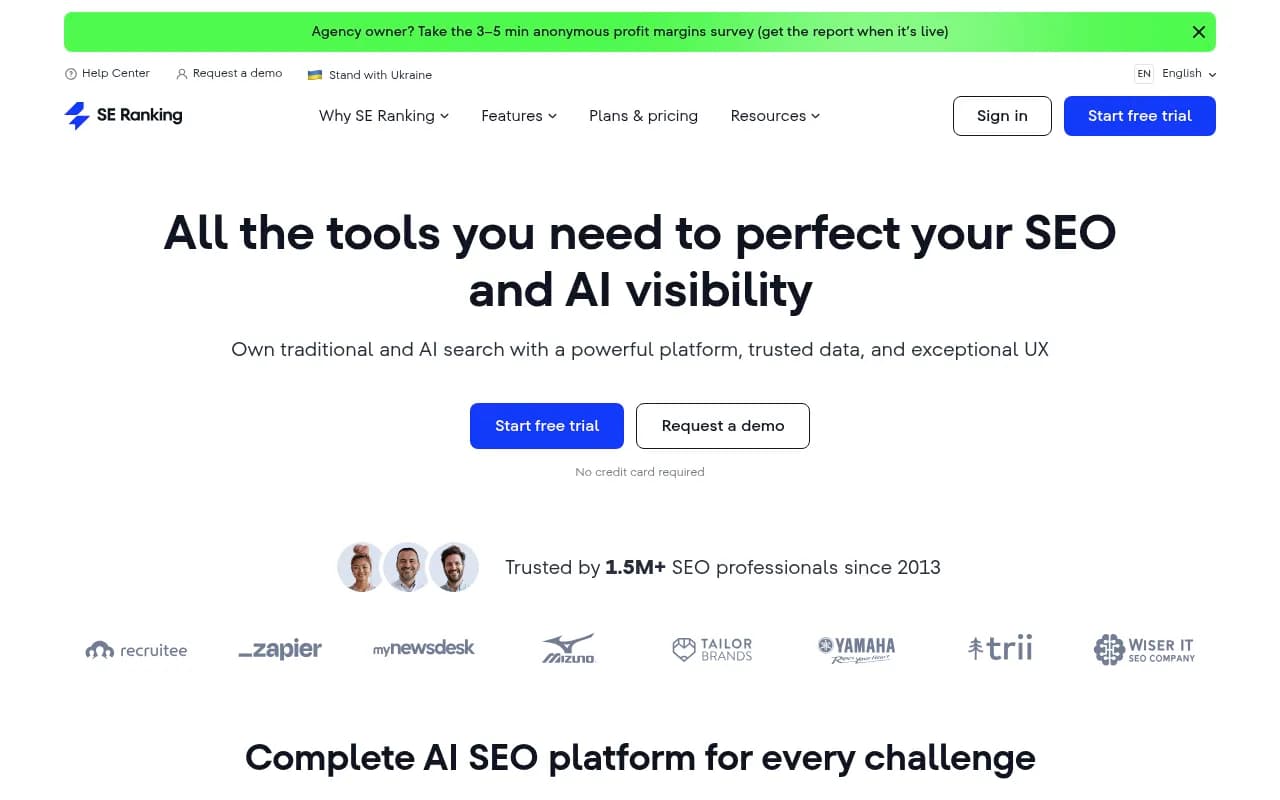
SE Ranking ($189/mo) -- Traditional SEO platform that added AI visibility tracking. Solid if you need SEO + AI in one tool.
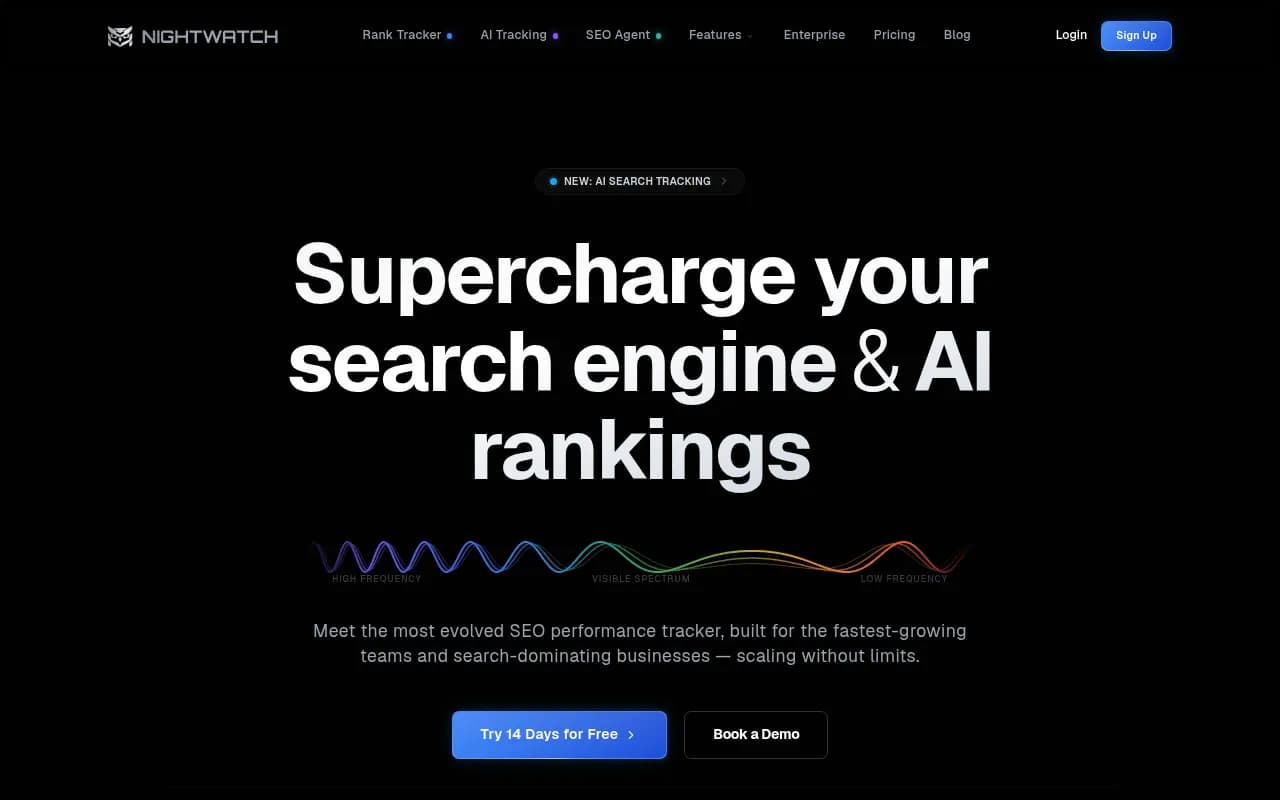
Nightwatch ($39/mo + $99 AI add-on) -- Hybrid SEO + AI tracking. The AI features are a paid add-on, which feels clunky.
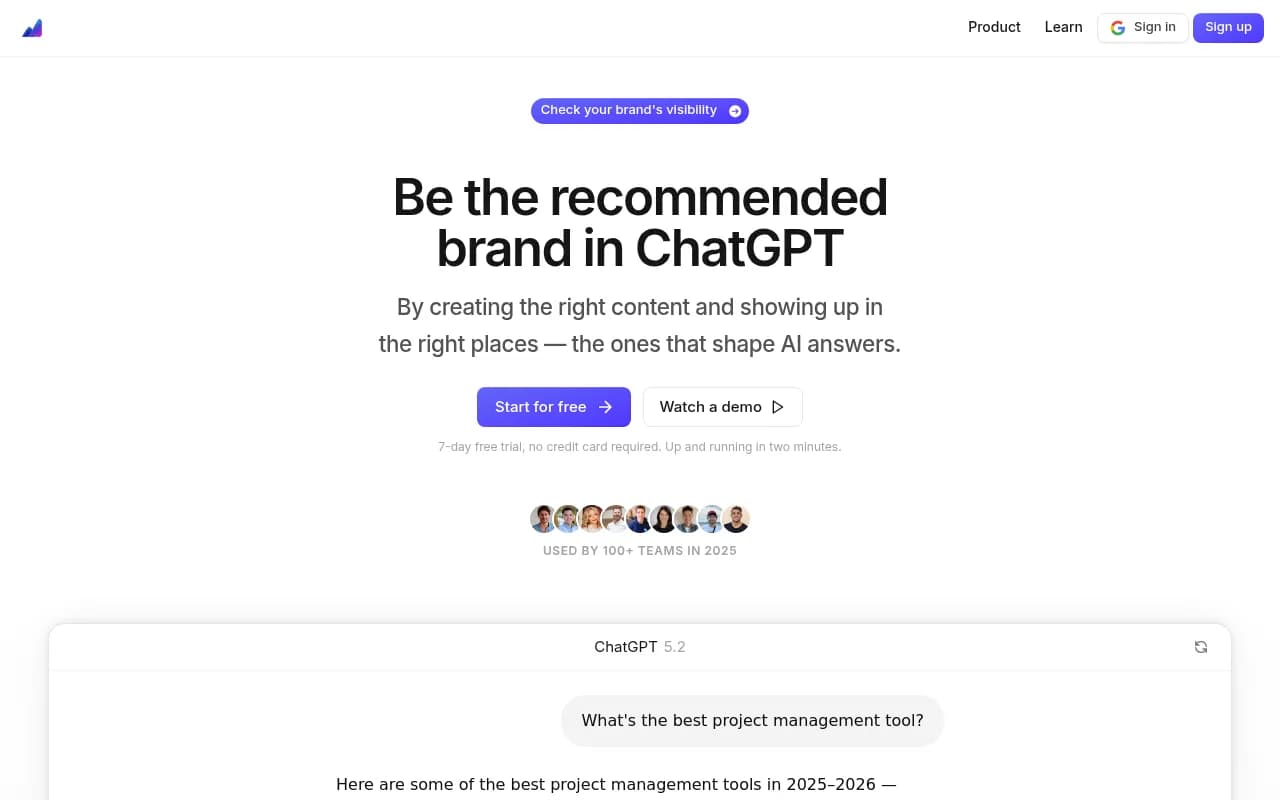
Airefs ($99/mo) -- Tracks ChatGPT rankings and explains why you rank where you do by mapping the exact sources AI models cite.
Final thoughts
You can check your brand's AI visibility for free using manual methods or limited free trials. But if you're serious about showing up in ChatGPT, Perplexity, and other AI engines, you need automation, historical data, and optimization tools.
The real question isn't "Can I track this for free?" It's "Can I afford to be invisible in AI search?" Because while you're manually checking prompts once a month, your competitors are using platforms like Promptwatch to systematically identify gaps, generate optimized content, and dominate AI recommendations.
Start with the free tools. Run an audit. See where you stand. Then decide if ongoing monitoring and optimization is worth the investment. For most brands in 2026, it is.