Key takeaways
- Most AI visibility platforms are built for generic brand monitoring -- they tell you how often your name appears, not why you're being ignored in niche queries.
- Niche industries (legal, healthcare, fintech, travel, B2B SaaS) require custom prompt sets, persona-level tracking, and vertical-specific citation analysis to get meaningful data.
- The gap between "monitoring" tools and "optimization" tools is widening fast -- only a handful of platforms help you actually fix visibility gaps, not just measure them.
- Promptwatch is the only platform in 2026 rated as a leader across all GEO categories, combining gap analysis, AI content generation, and crawler log tracking in one loop.
- For niche use cases, look for: custom prompt libraries, multi-language support, Reddit/YouTube citation tracking, and page-level attribution -- not just share-of-voice scores.
Why generic AI visibility tracking fails niche industries
Here's the uncomfortable truth about most GEO dashboards: they were designed for brands that already have broad name recognition. You enter your brand name, pick a handful of generic prompts like "best CRM software" or "top travel booking sites," and get back a share-of-voice score. That's useful if you're a household name competing against other household names.
But if you're a B2B fintech company targeting CFOs at mid-market manufacturers, or a niche legal tech platform serving immigration attorneys, or a healthcare SaaS tool built for rural hospital networks -- generic monitoring tells you almost nothing. The prompts people actually use to find you are specific. The AI models that matter to your audience may differ. And the citations that influence those recommendations often come from sources (Reddit threads, niche publications, YouTube explainers) that most tools don't even look at.
The market has responded to this with a wave of new platforms, but most of them still default to the same playbook: pick some prompts, run them against ChatGPT and Perplexity, show you a percentage. That's step one. It's not a strategy.
What niche industries actually need from a GEO tool:
- The ability to define custom prompt sets that reflect how real buyers in your vertical actually search
- Persona-level tracking (a CFO prompts differently than a procurement manager)
- Citation source analysis that goes beyond "your website" to include industry forums, trade publications, and community platforms
- Content recommendations tied to actual gaps -- not just a list of keywords
- Multi-language and multi-region support for industries that operate globally
Let's look at which platforms come closest to delivering this in 2026.
The monitoring-only problem
Before getting into specific tools, it's worth naming the pattern that makes most platforms frustrating for niche use cases.
The majority of AI visibility tools -- Otterly.AI, Peec AI, AthenaHQ, and several newer entrants -- are fundamentally monitoring dashboards. They show you data. They don't help you do anything with it. You can see that a competitor is cited 40% more often than you for a given prompt, but the tool won't tell you what content is driving that, what's missing from your site, or what to write next.
Otterly.AI



For a large brand with a dedicated GEO team, that's fine -- they have analysts who can interpret the data and content teams who can act on it. For a mid-market company in a niche vertical, it's a dead end. You get a dashboard full of numbers and no clear path forward.
The tools that actually move the needle for niche industries are the ones that close this loop: find the gap, generate content to fill it, track whether it worked.
Tools worth knowing in 2026
Promptwatch: the full-loop platform
Promptwatch is the platform that most directly addresses the niche industry problem. Its Answer Gap Analysis shows you exactly which prompts competitors are appearing for that you're not -- and crucially, it connects those gaps to specific content your site is missing. For a niche brand, this is the difference between knowing you're invisible and knowing what to do about it.

The built-in AI writing agent generates content grounded in real citation data (880M+ citations analyzed), which means it's not producing generic filler -- it's producing content shaped by what AI models actually cite in your category. For niche industries, that specificity matters enormously. A piece written for "healthcare SaaS" will look very different from one written for "rural hospital EHR systems," and the citation patterns that drive visibility in those two spaces are completely different.
A few features that are particularly relevant for niche use cases:
- AI Crawler Logs show which pages ChatGPT, Claude, and Perplexity are actually reading on your site -- and which ones they're ignoring or hitting errors on. For niche brands with complex site structures, this is invaluable.
- Reddit and YouTube tracking surfaces the community discussions that actually influence AI recommendations in specialized fields. In many niche industries, a single Reddit thread or YouTube explainer drives more AI citations than a dozen blog posts.
- Prompt Intelligence includes volume estimates and difficulty scores, so you can prioritize the specific queries that are actually worth winning in your vertical.
- Multi-language and multi-region support with customizable personas -- essential for industries like legal, healthcare, or financial services where the audience varies significantly by geography.
Pricing starts at $99/month (Essential: 1 site, 50 prompts, 5 articles) up to $579/month (Business: 5 sites, 350 prompts, 30 articles), with agency and enterprise plans available.
Profound: strong data depth, enterprise focus
Profound is one of the more data-rich platforms in the market, with tracking across 10+ AI engines and a large prompt dataset. It's particularly well-suited for enterprise brands that need SOC 2 compliance and deep analytics. For niche industries in regulated sectors (financial services, healthcare), that compliance angle matters.
Profound

The limitation is that Profound skews toward monitoring and reporting rather than action. It's excellent at telling you where you stand; it's less helpful at telling you what to do next. For niche brands without large internal teams to interpret the data, that gap is real.
Scrunch AI: solid for mid-market
Scrunch sits in an interesting middle position -- more capable than basic monitoring tools, but not quite at the full-loop level of Promptwatch. It tracks brand mentions across major LLMs and provides some citation analysis, which is useful for understanding which sources are driving AI recommendations in your space.
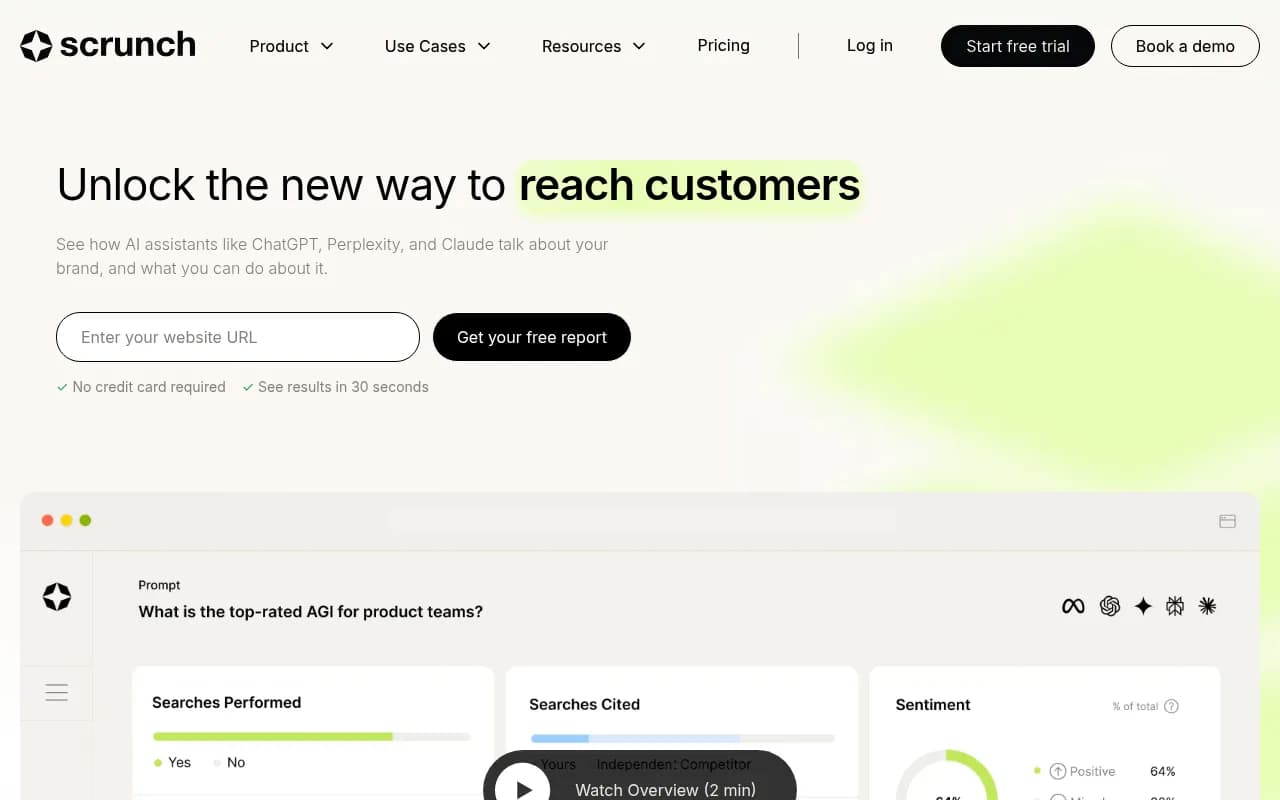
For niche industries, Scrunch's citation tracking is its strongest feature. Knowing that a specific trade publication or community forum is being cited heavily in your category gives you a clear content distribution target. The platform doesn't generate content for you, but it points you in the right direction.
Evertune: built for enterprise GEO
Evertune positions itself as an enterprise GEO platform and has gained traction with Fortune 500 brands. It tracks brand mentions, citations, and sentiment across major AI platforms, and includes some analysis of why AI engines recommend certain sources over others.
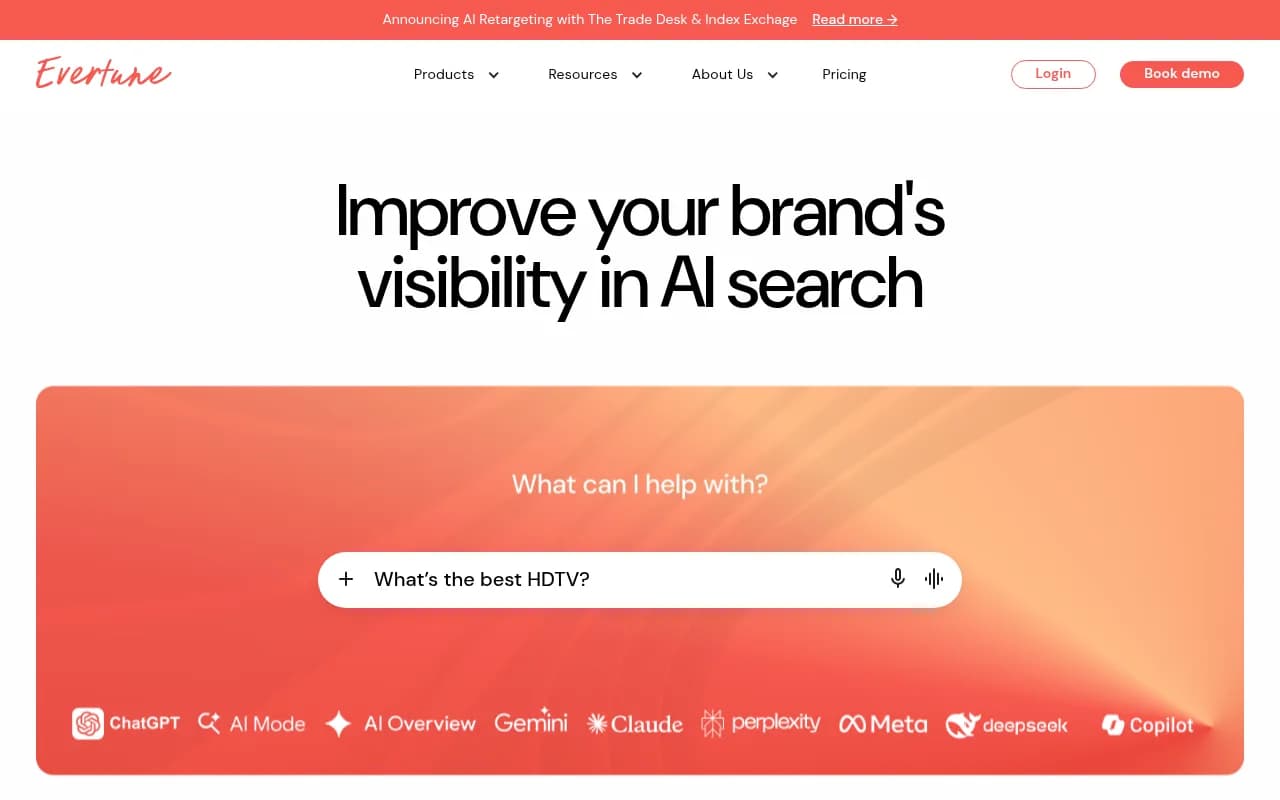
For niche industries, Evertune's sentiment tracking is genuinely useful -- it's not just about whether you're mentioned, but how you're described. In industries where brand perception is tightly regulated (healthcare, legal, financial services), that distinction matters. The trade-off is price and complexity; it's built for large organizations with dedicated teams.
Rankscale: agency-focused with decent prompt customization
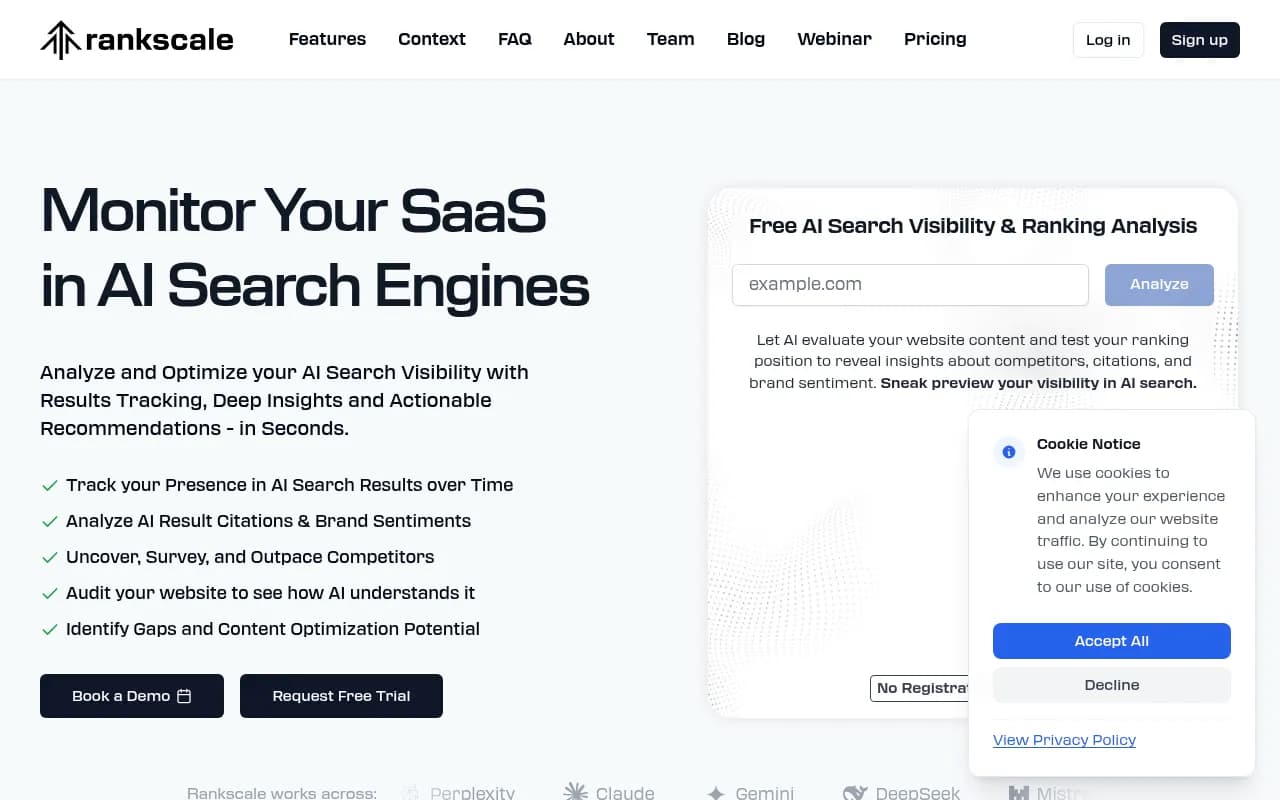
Rankscale is worth mentioning for agencies serving niche industry clients. It allows for custom prompt sets and has reasonable multi-client management features. It's not the deepest platform in terms of citation analysis, but for agencies that need to track AI visibility across multiple verticals simultaneously, it offers a workable solution.
Ahrefs Brand Radar: familiar interface, limited depth
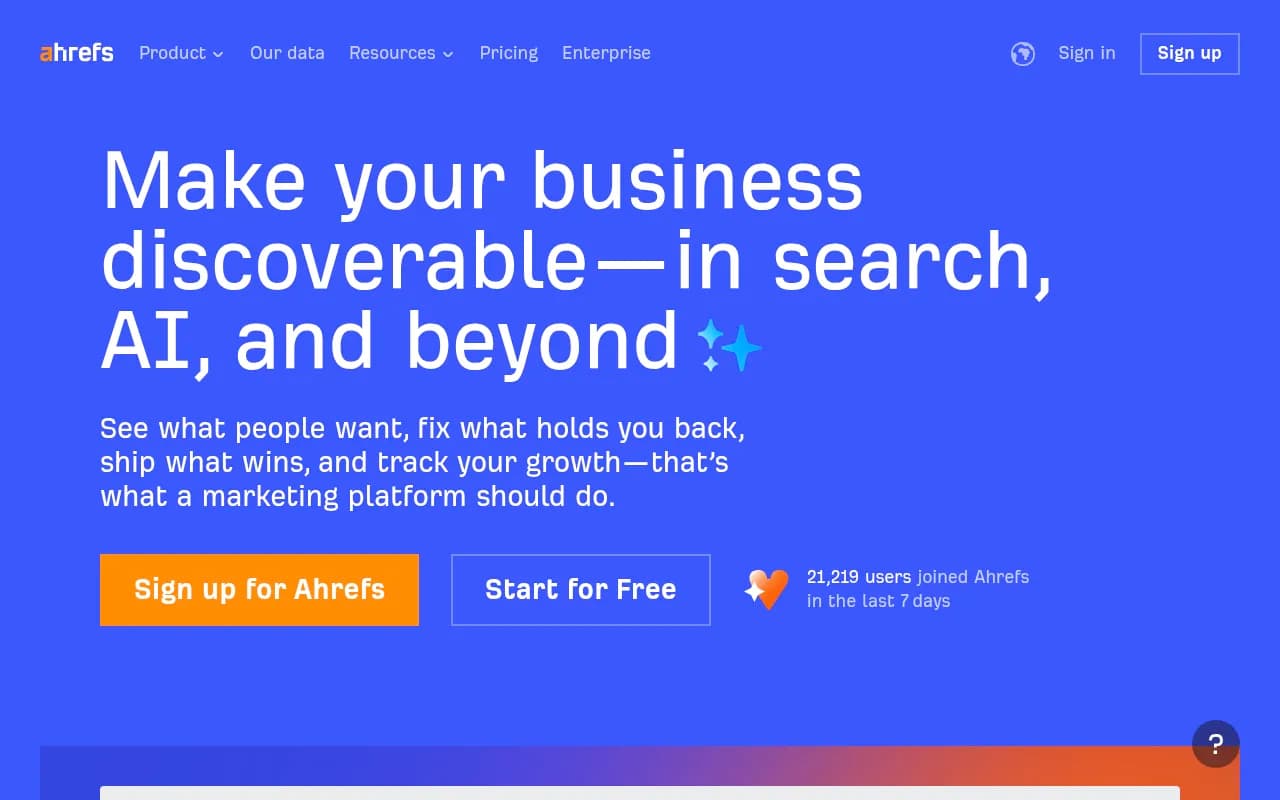
If your team already lives in Ahrefs, Brand Radar gives you a starting point for AI visibility tracking. The interface is familiar, and the integration with traditional SEO data is convenient. But it uses fixed prompts -- you can't customize them for your specific vertical -- and there's no AI traffic attribution. For niche industries where the prompts that matter are highly specific, that's a significant constraint.
Semrush AI Toolkit: broad but shallow for niche use
Similar story with Semrush. The AI Toolkit adds AI visibility monitoring to an already comprehensive platform, which is convenient. But like Ahrefs, it relies on fixed prompts and doesn't offer the kind of vertical-specific customization that niche industries need. It's a reasonable starting point for brands already invested in the Semrush ecosystem, but not a specialist tool.
Omnia: clean interface, growing feature set
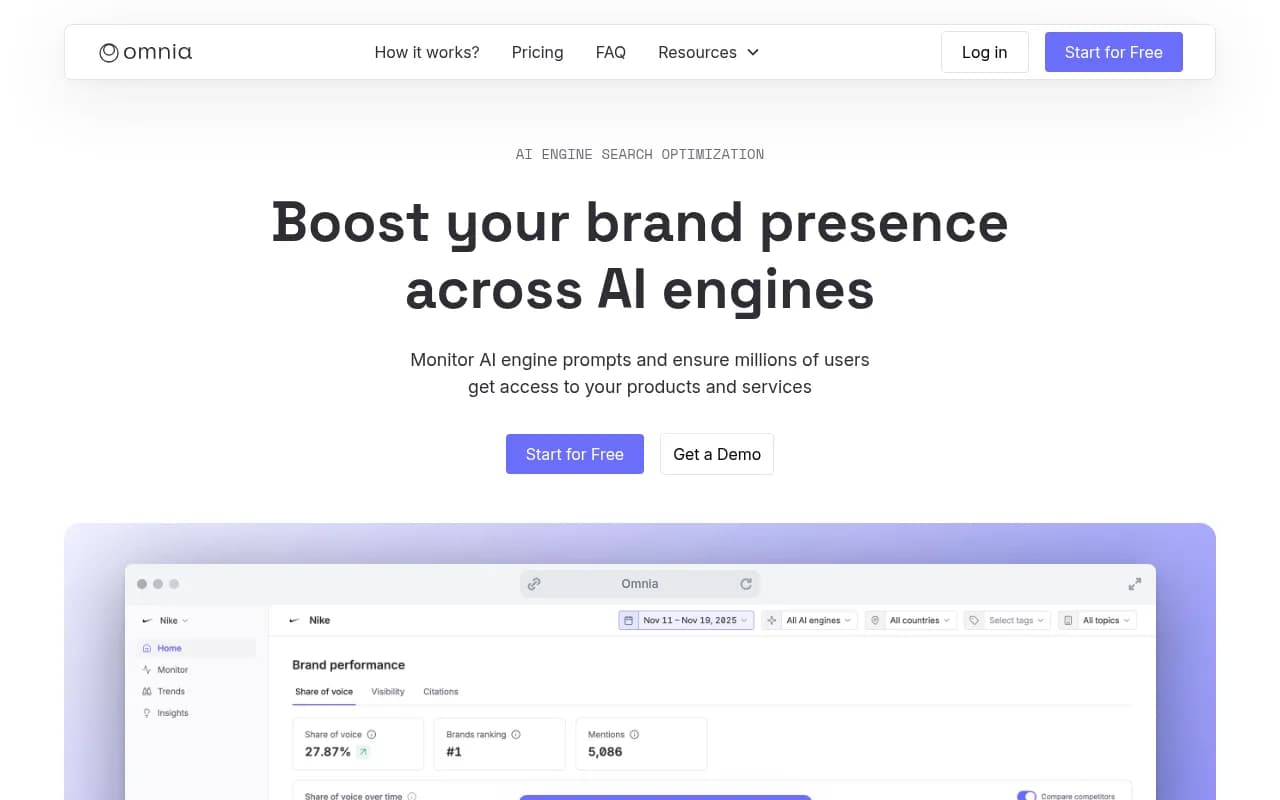
Omnia is a newer entrant with a clean interface and a focus on making AI visibility data accessible to non-technical marketers. It covers the major AI engines and provides share-of-voice metrics. For niche brands just getting started with GEO, it's a lower-friction entry point than some of the more complex platforms.
ZipTie: deep analysis, narrower scope
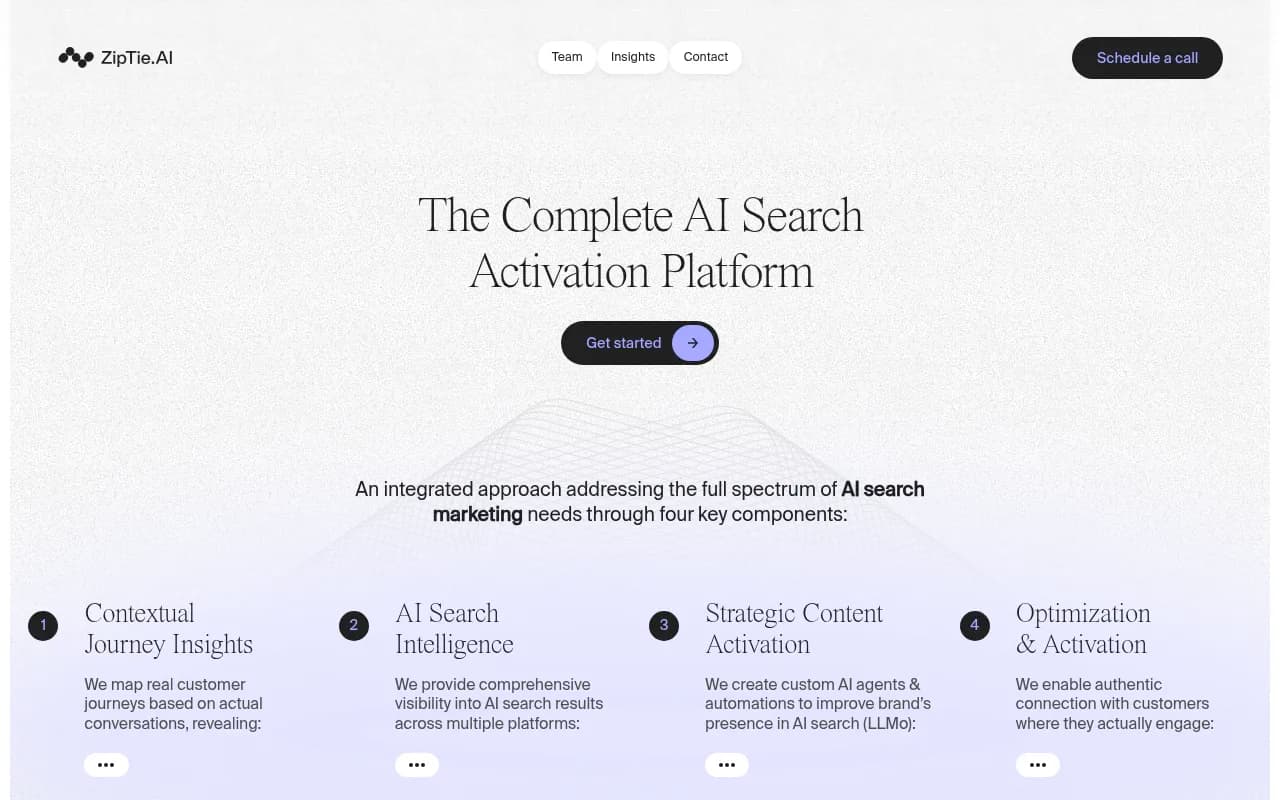
ZipTie offers detailed analysis of AI visibility data and is particularly strong on the analytical side. For niche industries where you need to understand the "why" behind citation patterns, its depth is valuable. It's less focused on content generation or optimization workflows.
LLM Pulse: lightweight tracking for smaller teams
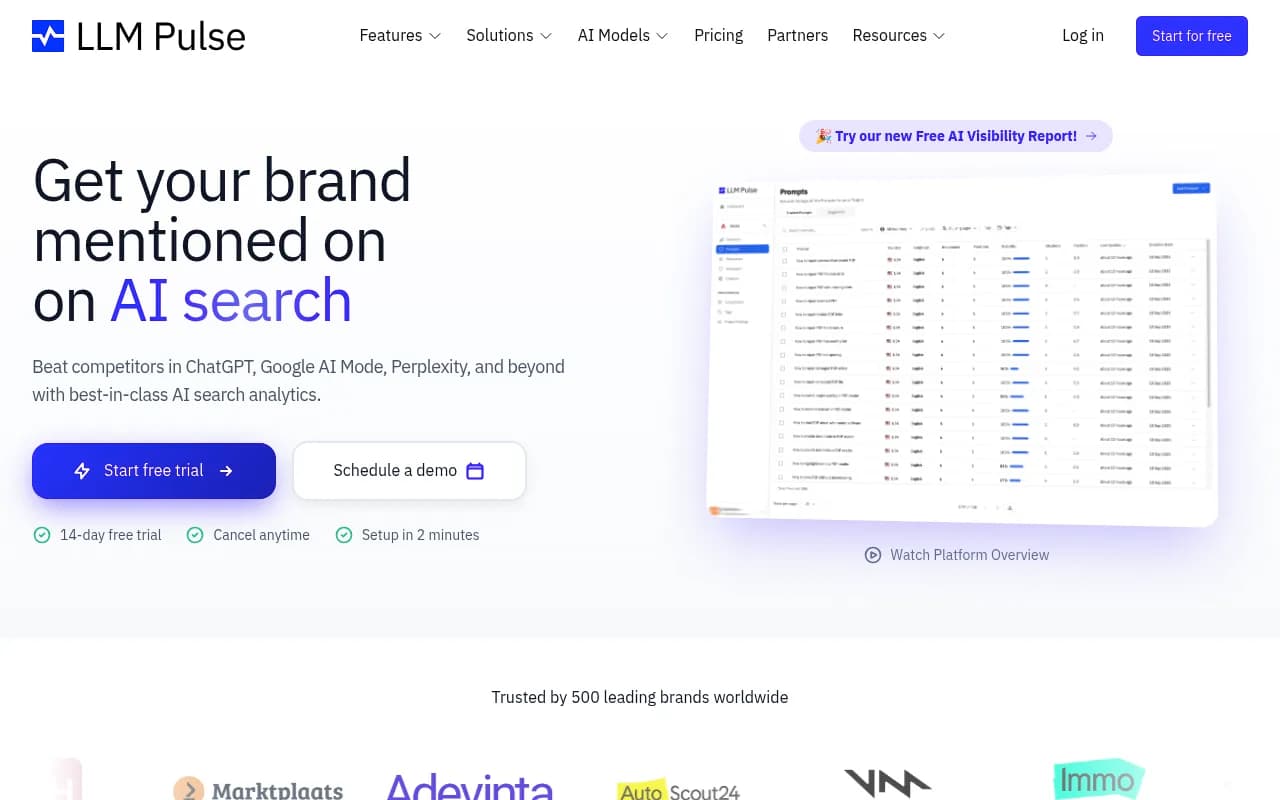
For smaller niche brands that don't need enterprise-level features, LLM Pulse offers basic tracking across ChatGPT, Perplexity, and other major models at a lower price point. It won't give you the citation depth or content generation capabilities of the leading platforms, but it's a reasonable starting point for teams with limited budgets.
Platform comparison
Here's how the main platforms stack up on the features that matter most for niche industry use cases:
| Platform | Custom prompts | Citation source analysis | Content generation | Reddit/YouTube tracking | Crawler logs | Multi-language | Starting price |
|---|---|---|---|---|---|---|---|
| Promptwatch | Yes | Yes (880M+ citations) | Yes (built-in AI writer) | Yes | Yes | Yes | $99/mo |
| Profound | Limited | Yes | No | No | No | Yes | Higher |
| Scrunch AI | Partial | Yes | No | No | No | Partial | Mid-range |
| Evertune | Yes | Yes | No | No | No | Yes | Enterprise |
| Rankscale | Yes | Partial | No | No | No | Partial | Mid-range |
| Ahrefs Brand Radar | No (fixed) | Partial | No | No | No | Limited | Add-on |
| Semrush AI Toolkit | No (fixed) | Partial | No | No | No | Limited | Add-on |
| Omnia | Partial | Basic | No | No | No | Partial | Lower |
| ZipTie | Yes | Yes | No | No | No | Partial | Mid-range |
| LLM Pulse | Basic | Basic | No | No | No | No | Lower |
What to actually look for when evaluating a GEO tool for your niche
Custom prompt libraries
This is non-negotiable for niche industries. The prompts that matter in legal tech are completely different from those in e-commerce or healthcare. Any platform that locks you into a fixed prompt set is going to give you data that's only partially relevant to your actual buyers. Before committing to a tool, ask: can I import or build a custom prompt library? Can I organize prompts by persona, buying stage, or topic cluster?
Citation source transparency
Knowing that you're cited 30% of the time is less useful than knowing which specific pages, domains, or external sources are driving those citations. For niche industries, the sources that influence AI recommendations are often highly specific -- a particular subreddit, a trade association's resource page, a YouTube channel with 50,000 subscribers in your vertical. Tools that only show you aggregate citation counts miss this entirely.
Content gap analysis with actionable output
The best tools don't just show you gaps -- they tell you what to create to fill them. For niche brands, this means content recommendations that are specific to your vertical, not generic SEO filler. Look for platforms that connect gap analysis to content briefs or, better yet, generate draft content grounded in actual citation data.
Persona-level tracking
A CFO searching for "best financial close software" prompts very differently than an accounting manager searching for "how to automate month-end close." In niche B2B industries especially, the persona matters enormously. Platforms that let you define and track visibility by persona give you much more actionable data than those that treat all prompts equally.
Traffic attribution
Ultimately, AI visibility only matters if it drives real business outcomes. Look for platforms that connect AI citations to actual website traffic and conversions -- through a code snippet, Google Search Console integration, or server log analysis. Without this, you're optimizing for a metric that may or may not correlate with revenue.
Industry-specific considerations
Legal and healthcare
These industries have strict content requirements and highly specific terminology. AI models tend to cite authoritative sources -- bar association resources, medical journals, government databases -- more heavily than in other verticals. Your GEO strategy needs to account for this: building citations from authoritative external sources matters as much as optimizing your own content. Look for tools with strong citation source analysis and the ability to track how third-party mentions influence AI responses.
Fintech and financial services
Regulatory language, compliance requirements, and regional variation make this one of the harder verticals for AI visibility. Multi-language and multi-region tracking is essential. So is persona-level differentiation -- a retail investor and an institutional portfolio manager are asking completely different questions. Platforms with SOC 2 compliance (like Profound) may also be a requirement for enterprise financial services brands.
B2B SaaS
The buying journey in B2B SaaS is long and involves multiple personas at different stages. AI visibility matters most at the top of the funnel -- when a VP of Engineering is asking "what's the best CI/CD platform for a team of 50" -- but also at the consideration stage when they're comparing specific features. Tools that let you track prompts across the full buying journey, not just brand-level queries, are far more useful here.
E-commerce and retail
ChatGPT Shopping tracking is increasingly important for retail brands. When ChatGPT surfaces product recommendations in a shopping carousel, that's a direct revenue opportunity. Most monitoring-only tools don't track this at all. Promptwatch's ChatGPT Shopping tracking is one of the few features in the market specifically designed for this use case.
Travel and hospitality
This is a vertical where AI recommendations have already had a measurable impact on booking behavior. The prompts that matter are highly specific to destination, travel style, and budget -- "best boutique hotels in the Azores for solo travelers" is a very different query than "top European beach destinations." Custom prompt libraries and persona tracking are essential here.
The bottom line
Generic AI visibility monitoring is table stakes in 2026. If you're in a niche industry and you're evaluating GEO tools, the question isn't "does this tool track my brand mentions?" -- almost all of them do. The question is: does this tool help me understand why I'm invisible for the specific prompts my buyers use, and does it help me fix it?
Most platforms stop at the first question. The ones that answer both -- and connect the dots between gap analysis, content creation, and traffic attribution -- are the ones worth paying for. For niche industries especially, that full loop is the only thing that actually moves the needle.