Key takeaways
- GEO (Generative Engine Optimization) has moved from experimental add-on to a standalone productized service for hundreds of agencies in 2026
- Monthly retainers for GEO packages range from roughly $500/month for basic monitoring to $8,000+/month for full-service AI visibility management
- The most profitable packages combine monitoring, content creation, and reporting -- not just tracking dashboards
- Agencies that productize GEO (fixed scope, fixed price) close deals faster and retain clients longer than those selling custom engagements
- The right toolstack matters: most agencies need a visibility tracker, a content layer, and a reporting layer to deliver reliably
GEO services are having a weird moment. The demand is real -- brands are watching their traffic shift toward AI-generated answers and they're panicking a little. But most agencies haven't figured out what to actually sell yet. They know they should be doing something about ChatGPT and Perplexity visibility, they just haven't packaged it up.
That's the gap. And it's closing fast.
The agencies that are winning right now aren't necessarily the ones with the most sophisticated methodology. They're the ones who turned their GEO work into a repeatable product with a clear price, a clear scope, and a clear deliverable. Clients can buy it without a three-week discovery process. The agency can deliver it without reinventing the wheel every time.
This guide breaks down seven real GEO service packages that agencies are actively selling in 2026 -- what's inside each one, what they charge, and what tools they use to deliver the work.
Why productizing GEO makes sense right now
The traditional agency model -- custom scope, hourly billing, endless revision cycles -- works fine for complex one-off projects. It's terrible for recurring services where the core work is largely the same every month.
GEO is a recurring service. You monitor visibility, you find gaps, you create content, you track results. That loop repeats every month. Clients don't need a bespoke engagement; they need a reliable system.
Greg Hickman, who runs a productized agency consultancy, made this point bluntly in a late 2025 video: the danger isn't productizing the wrong thing, it's waiting too long to productize anything. Every month you spend doing custom GEO work for clients is a month you're not building a scalable service.
There's also a pricing angle. According to SE Ranking's survey of 260 agencies, 70% either raised prices recently or plan to. AI-enhanced services command a 20-50% premium over their manual equivalents, according to Digital Agency Network's 2026 benchmarks. GEO is genuinely new, genuinely valuable, and clients don't have a reference price in their heads yet. That's a window that won't stay open forever.
The 7 GEO service packages agencies are selling in 2026
Package 1: AI visibility audit (one-time, $750-$2,500)
This is the entry point. A one-time project that gives a client a clear picture of where they stand in AI search right now.
What's typically included:
- Baseline visibility scores across ChatGPT, Perplexity, Google AI Overviews, and 1-2 other models
- Competitor comparison showing which brands appear more often and for which prompts
- A list of the specific prompts where the client is invisible but competitors aren't
- A prioritized list of content gaps and quick wins
- A written report with recommendations
This isn't a retainer -- it's a diagnostic. Agencies use it as a sales tool: the audit surfaces problems, and the retainer fixes them. Most agencies that offer this convert 40-60% of audit clients into monthly retainers.
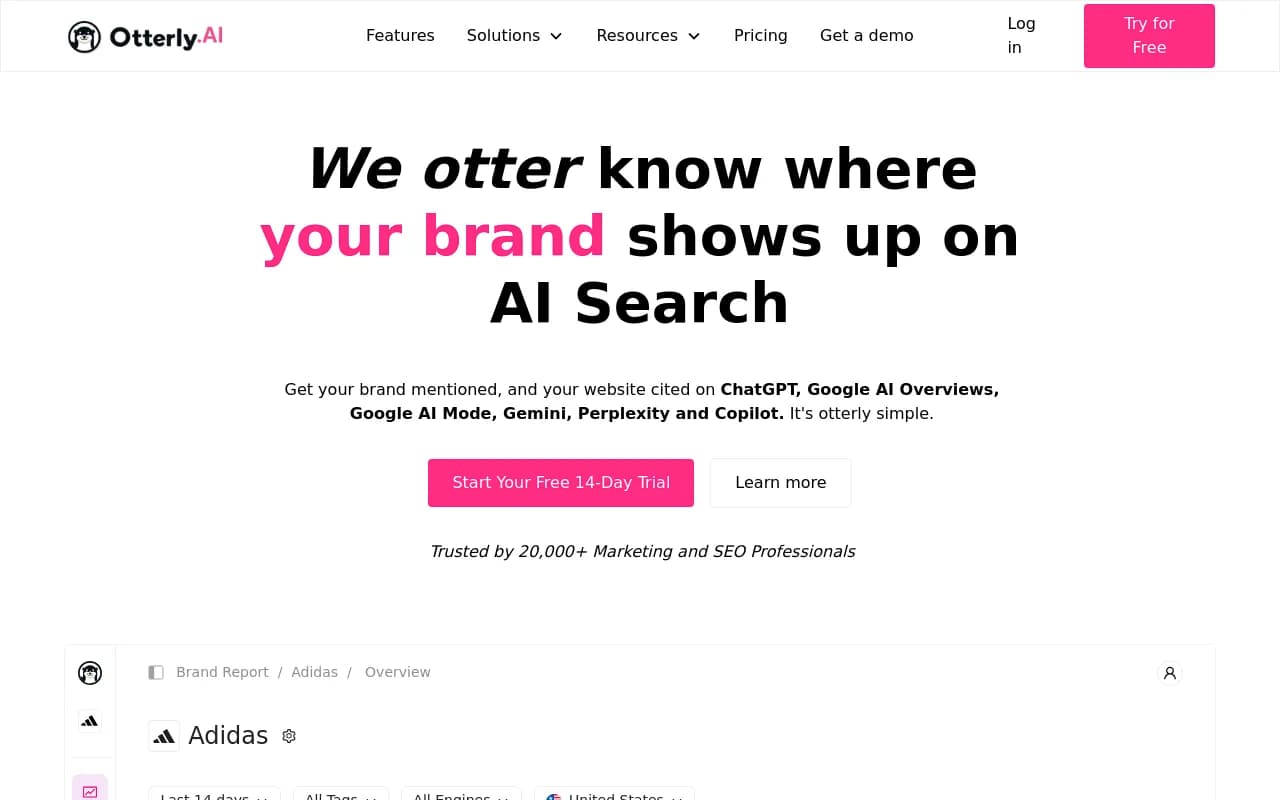
Tools that power this: Promptwatch for prompt-level visibility data and competitor benchmarking, or lighter tools like Otterly.AI for basic monitoring.

Package 2: GEO monitoring retainer ($500-$1,200/month)
The lightest ongoing package. Pure monitoring, no content creation, monthly reporting.
What's included:
- Tracking visibility across 3-5 AI models for a defined set of 20-50 prompts
- Monthly report showing visibility trends, competitor movements, and new gaps
- Alert notifications when visibility drops significantly
- Quarterly strategy call
Who buys this: Clients who want to understand what's happening before committing to a bigger investment. Also common as an add-on to existing SEO retainers -- the agency is already doing the work, this just adds AI visibility data to the monthly report.
The honest limitation: monitoring alone doesn't move the needle. Clients who stay at this tier for more than three months without seeing improvement tend to churn. Smart agencies use this tier to build the case for upgrading.

Package 3: GEO starter package ($1,500-$2,500/month)
This is where the real work starts. Monitoring plus content creation, designed to actually improve visibility over time.
What's included:
- Visibility tracking across 5-7 AI models, 50-100 prompts
- Monthly answer gap analysis identifying which prompts competitors rank for but the client doesn't
- 2-4 pieces of AI-optimized content per month (articles, FAQs, comparison pages)
- On-page optimization recommendations for existing content
- Monthly performance report with visibility score trends
The content is the differentiator here. You're not just watching the numbers -- you're doing something about them. Agencies that include even two content pieces per month see measurably better client retention than monitoring-only packages.
The content creation workflow typically involves a visibility platform to identify gaps, then an AI writing tool to draft content optimized for citation by LLMs. Promptwatch's built-in AI writing agent is designed specifically for this -- it generates content grounded in citation data, not generic SEO filler.
Package 4: GEO growth package ($3,000-$5,000/month)
The most common mid-market package. Full monitoring, regular content, technical optimization, and proper attribution.
What's included:
- Visibility tracking across 8-10 AI models, 100-200 prompts
- Weekly answer gap analysis and prompt intelligence (volume estimates, difficulty scores)
- 6-10 pieces of AI-optimized content per month
- Technical GEO audit and fixes (schema markup, page structure, crawlability for AI bots)
- AI crawler log monitoring to see which pages AI engines are actually reading
- Traffic attribution setup to connect AI visibility to actual website traffic
- Bi-weekly strategy calls
- Competitor heatmaps showing who's winning for each prompt category
This is where agencies start making real money. The scope is well-defined, the deliverables are concrete, and the results are measurable. Clients at this tier typically see meaningful visibility improvements within 60-90 days if the content strategy is solid.
One thing that separates good agencies at this tier: they track AI crawler activity, not just visibility scores. Knowing that GPTBot is hitting your client's site but bouncing from certain pages (or not visiting them at all) is actionable intelligence that most monitoring-only tools miss entirely.
Package 5: GEO + traditional SEO bundle ($4,000-$7,500/month)
Most clients don't want to choose between Google and AI search. This package treats them as connected -- which they increasingly are.
What's included:
- Everything in the GEO growth package
- Traditional SEO rank tracking and technical audits
- Content optimized for both Google and AI citation
- Backlink analysis and link building (links still influence which sources AI models trust)
- Unified reporting dashboard showing performance across Google, AI Overviews, and standalone AI models
The pitch to clients: your content needs to work in every search environment. A page that ranks on Google but never gets cited by ChatGPT is leaving traffic on the table. A page optimized for AI citation but not for Google is missing the majority of search volume. You need both.
Agencies running this package typically use a traditional SEO platform alongside a dedicated GEO tracker. The workflow is more complex but the value proposition is cleaner.
Package 6: AI visibility for e-commerce ($3,500-$6,000/month)
E-commerce has a specific GEO problem: product recommendations. When someone asks ChatGPT "what's the best running shoe under $150," they're making a purchase decision based on AI output. Brands that don't appear in those recommendations are invisible at the moment of intent.
What's included:
- Product and category visibility tracking across AI models
- ChatGPT Shopping carousel monitoring (which products appear, at what price, with what descriptions)
- Competitor product recommendation analysis
- Product page optimization for AI citation (structured data, review schema, specification formatting)
- Content targeting "best [category]" and "vs" prompts where purchase intent is highest
- Monthly report with product visibility scores by category
This is a genuinely differentiated package because most agencies haven't built it yet. The tools required are more specific -- you need a platform that tracks ChatGPT Shopping specifically, not just general AI visibility. Promptwatch is one of the few platforms that monitors ChatGPT product recommendations and shopping carousels alongside broader visibility tracking.
Package 7: Enterprise / white-label GEO ($6,000-$15,000+/month)
The top of the market. Either a large brand with complex needs, or an agency offering white-label GEO to other agencies.
What's included (enterprise):
- Multi-brand or multi-location visibility tracking
- Custom prompt sets built around the client's specific customer personas and buying journey
- Multi-language and multi-region monitoring
- Full technical GEO implementation (schema, structured data, AI crawler optimization)
- Dedicated content team producing 15-30+ pieces per month
- Executive-level reporting with revenue attribution
- API access for custom data integrations
- Quarterly strategy reviews with C-suite
What's included (white-label):
- Sub-account management for the agency's clients
- Branded reports
- Prompt and content templates the agency can reuse
- Training and onboarding support
White-label GEO is an interesting model because it lets smaller agencies offer GEO services without building the capability from scratch. They resell the platform and methodology, handle client relationships, and pocket the margin. Several platforms have built agency tiers specifically for this -- Promptwatch's agency/enterprise pricing includes custom sub-account structures for exactly this use case.
Pricing comparison across package tiers
| Package | Monthly price | Prompts tracked | Content pieces/mo | AI models | Best for |
|---|---|---|---|---|---|
| AI visibility audit | $750-$2,500 (one-time) | 20-50 | 0 | 3-5 | New clients, sales tool |
| Monitoring retainer | $500-$1,200 | 20-50 | 0 | 3-5 | SEO retainer add-on |
| GEO starter | $1,500-$2,500 | 50-100 | 2-4 | 5-7 | SMBs, early adopters |
| GEO growth | $3,000-$5,000 | 100-200 | 6-10 | 8-10 | Mid-market brands |
| GEO + SEO bundle | $4,000-$7,500 | 100-200 | 8-12 | 8-10 | Full-service clients |
| E-commerce AI visibility | $3,500-$6,000 | 100-150 | 6-10 | 8-10 | DTC and retail brands |
| Enterprise / white-label | $6,000-$15,000+ | 200+ | 15-30+ | 10+ | Large brands, agencies |
What makes a GEO package actually work
Pricing is the easy part. The hard part is delivering results consistently enough that clients renew.
Three things separate agencies that retain GEO clients from those that churn them:
They track the right prompts. Generic prompts like "what is [brand name]" tell you almost nothing useful. The prompts that matter are the ones your client's customers actually type -- "best [product category] for [use case]," "how does [brand] compare to [competitor]," "[problem] solution." Building a prompt set that reflects real buyer behavior takes work upfront but makes everything downstream more meaningful.
They connect visibility to traffic. Clients don't care about visibility scores in isolation. They care about leads and revenue. Agencies that set up proper attribution -- whether through a tracking snippet, Google Search Console integration, or server log analysis -- can show clients that AI visibility is driving real traffic. That's the difference between a client who renews and one who cancels because they "didn't see results."
They create content that actually gets cited. Not all content is equal in AI search. LLMs tend to cite content that directly answers specific questions, uses clear structure, includes specific data points, and comes from sources that appear authoritative. Generic blog posts don't get cited. Well-structured, specific, question-answering content does. Agencies that understand this distinction produce better results.
The toolstack most agencies are running
Most GEO agencies in 2026 are running a three-layer stack:
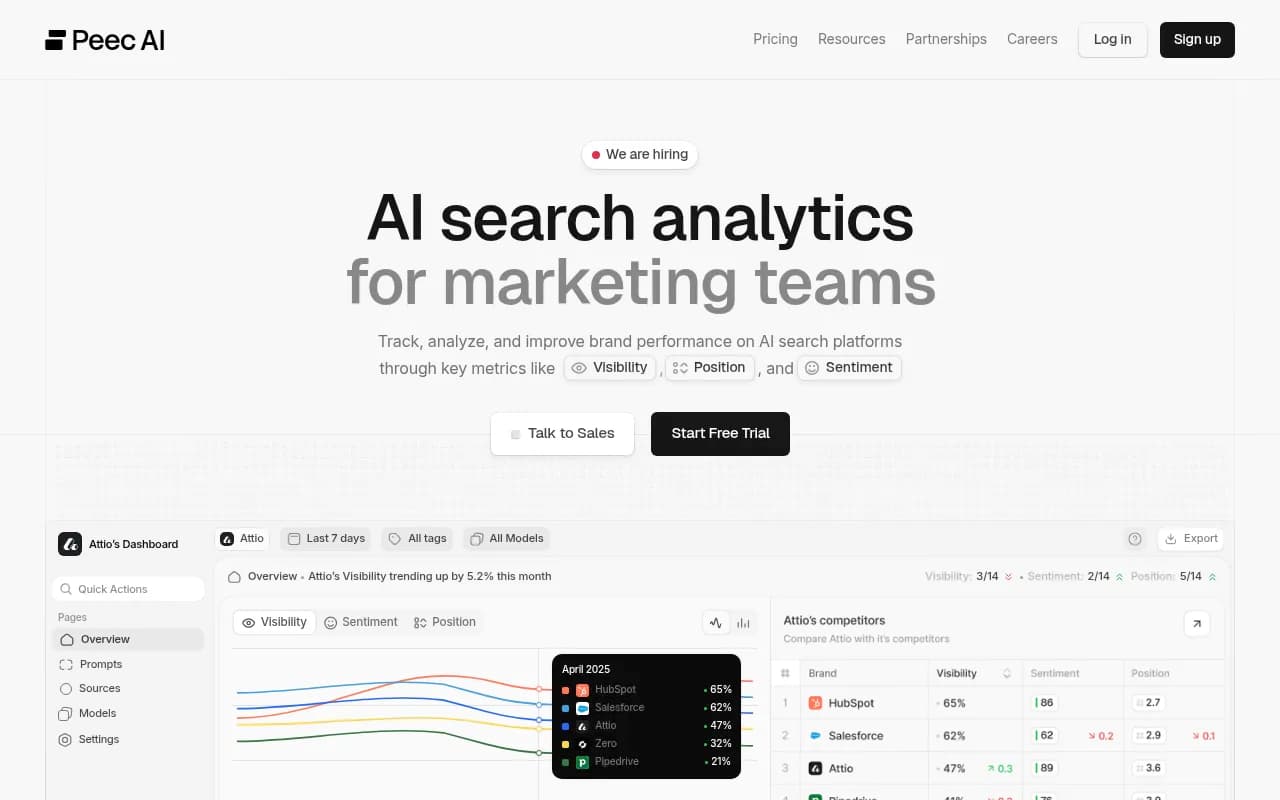
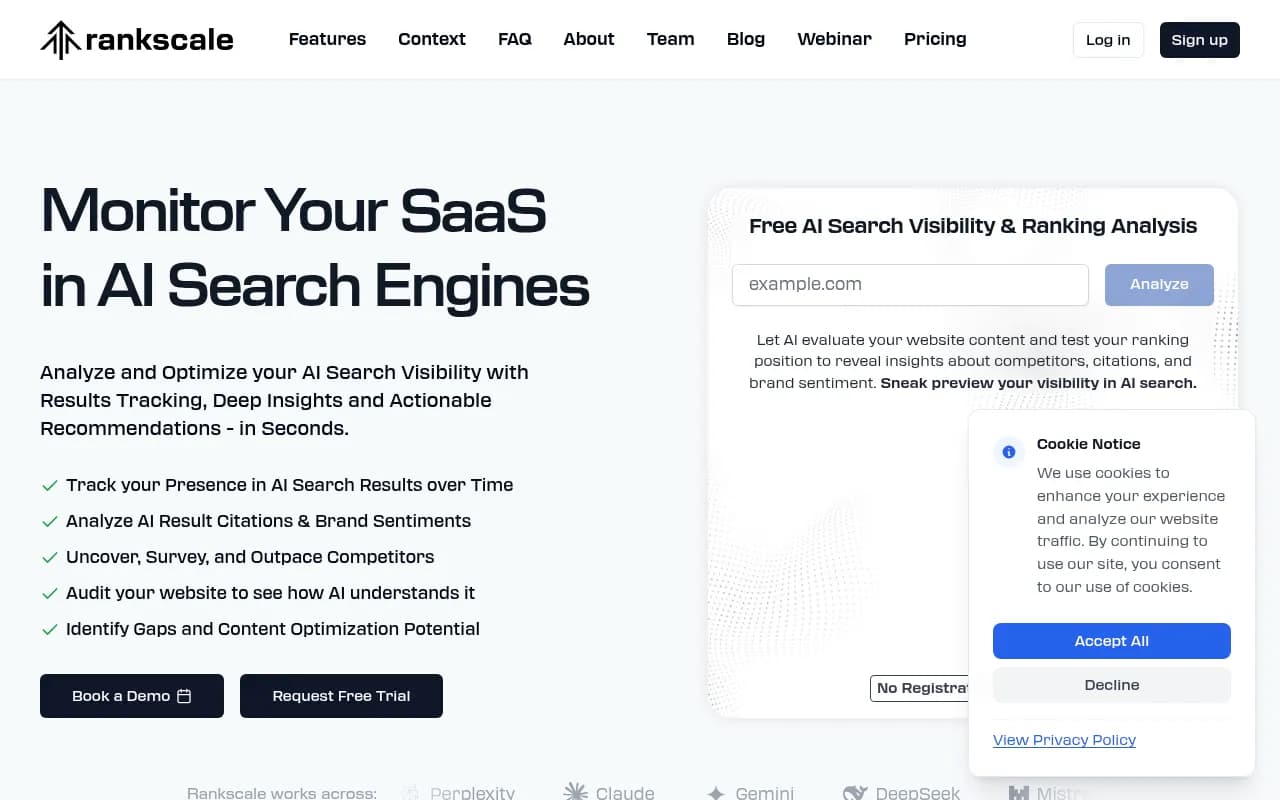
Visibility and intelligence layer: This is where you track prompt visibility, find gaps, and monitor competitors. Promptwatch is the most comprehensive option here -- it covers 10 AI models, includes prompt volume and difficulty scoring, and has AI crawler log monitoring that most competitors lack. For agencies on tighter budgets, tools like Peec AI or Otterly.AI cover the basics.
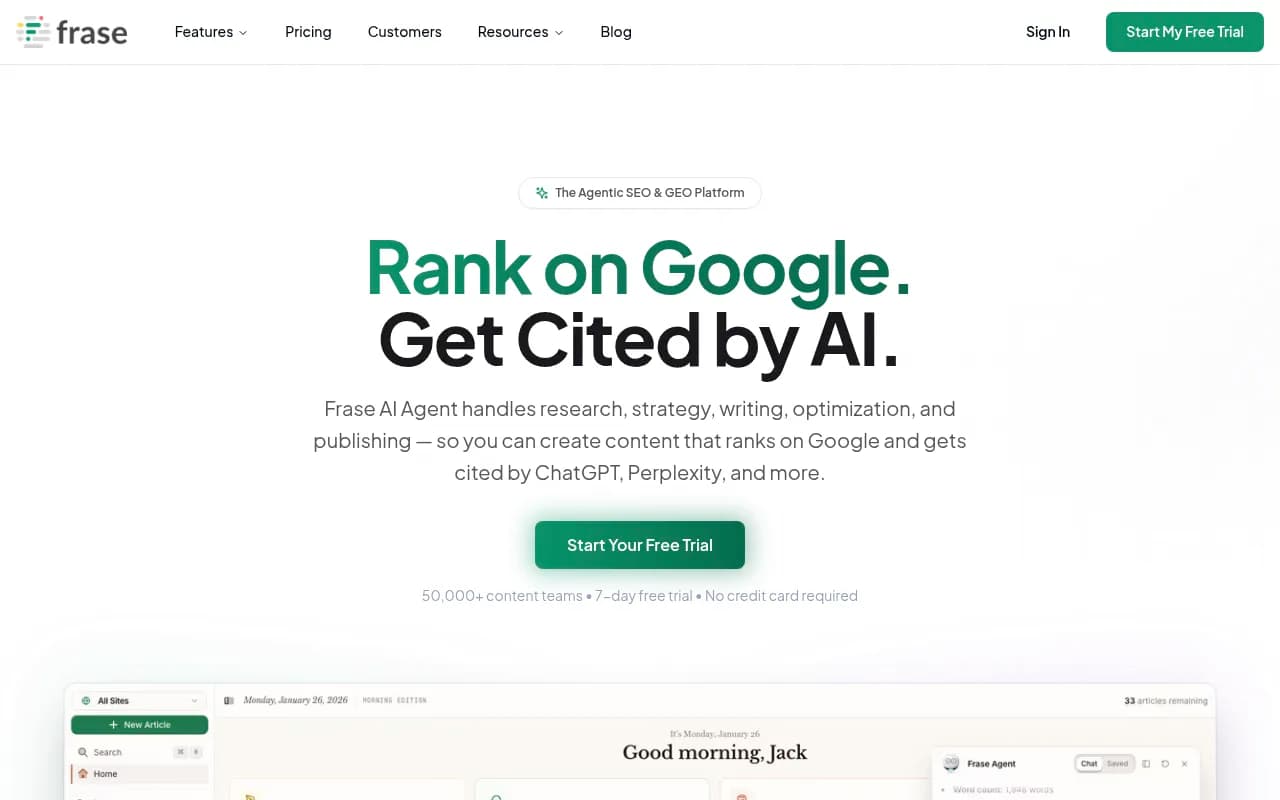
Content creation layer: Once you know what content to create, you need to create it efficiently. Some agencies use Promptwatch's built-in AI writing agent (which generates content grounded in citation data). Others use standalone content tools alongside their visibility platform.
Reporting layer: Clients need to see results in a format they understand. Most agencies build custom dashboards that pull visibility data alongside traffic and conversion data. Looker Studio integrations are common at the growth and enterprise tier.
How to price your own GEO package
A few frameworks that actually work:
Value-based pricing: What is AI visibility worth to the client? If a brand gets 10,000 monthly visitors from AI-referred traffic and converts at 2% with a $500 average order value, that's $100,000/month in revenue. A $5,000/month GEO retainer is a 20x ROI. Price against the value, not your costs.
Competitor anchoring: Most clients have no reference price for GEO. Give them one. "Traditional SEO retainers run $2,000-$5,000/month. GEO is newer and more specialized, so our packages start at $2,500/month." You're setting the anchor.
Tiered packaging: Offer three tiers. Clients almost never buy the cheapest option when a middle option exists. The top tier makes the middle tier look reasonable. This is basic pricing psychology but it works.
One practical note on margins: the SE Ranking agency survey found that 70% of agencies raised prices in 2025-2026, driven partly by rising software costs (SaaS prices rose 11.4% year-over-year according to Vertice's index). Factor your toolstack costs into your pricing before you set rates. A $1,500/month GEO package that costs $800/month in software and 10 hours of labor isn't a good business.
The agencies getting this right
The pattern among agencies building real GEO revenue in 2026 is consistent: they started with a monitoring-only offer, used the data to demonstrate value, then upsold clients into content-inclusive retainers. They didn't try to build the perfect package before selling anything.
The agencies struggling are the ones waiting for GEO to "mature" before productizing. That ship has sailed. Brands are already asking for this. The question isn't whether to offer GEO services -- it's whether you'll build a repeatable product around it or keep doing custom work that doesn't scale.
Pick one package from the list above, price it, and sell it. Refine from there.