Key takeaways
- An "answer gap" is any prompt where an AI model cites a competitor but not you — these gaps are costing you real traffic and leads.
- Closing answer gaps requires a three-step workflow: find the gaps, create content that addresses them, and track whether AI models start citing you.
- Generic AI content tools won't cut it here. You need data grounded in actual prompt behavior, not keyword guesses.
- The biggest mistake teams make is treating this as a one-time content sprint rather than a continuous loop.
- Tools like Promptwatch are built specifically for this workflow — from gap discovery through content generation to citation tracking.
There's a version of your website that AI search engines see. And there's the version you think they see.
The gap between those two things is where your competitors are quietly winning.
When someone asks ChatGPT, Perplexity, or Google AI Mode a question your product should answer, and the response cites three competitors but not you — that's an answer gap. It's not a vague SEO problem. It's a specific, measurable miss. And in 2026, with AI search handling a growing share of informational and commercial queries, those misses add up fast.
The good news: answer gaps are fixable. But fixing them requires a different kind of content workflow than most teams are running.
This guide walks through that workflow end to end.
What answer gaps actually are (and why they matter now)
An answer gap isn't just "content we haven't written yet." It's more specific than that.
When an AI model receives a prompt, it pulls from its training data and, in many cases, live retrieval. The sources it cites reflect which pages it found credible, relevant, and well-structured enough to reference. If your site doesn't have content that directly addresses a prompt, the model has nothing to cite. If a competitor does, they get the mention.
This matters more in 2026 than it did two years ago because:
- AI search is no longer a novelty. ChatGPT, Perplexity, Google AI Mode, and Gemini are handling real purchase-intent queries at scale.
- Citation patterns are sticky. Once an AI model learns to associate a competitor's domain with a topic, displacing that association takes consistent, targeted content.
- Traditional SEO metrics don't capture this. You can rank #1 on Google for a keyword and still be invisible in AI search for the same topic.
The prompt "What's the best project management tool for remote teams?" and the Google search "best project management tool remote teams" look similar. But the AI response to the first one might cite five specific sources, none of which are the top Google results. Different game, different rules.
Step 1: Find your answer gaps
You can't close gaps you can't see. The first step is building a clear picture of which prompts your competitors are winning that you're not.
Map the prompts your buyers actually use
Start with the questions your customers ask before, during, and after making a buying decision. These aren't keywords — they're full questions. "How do I set up automated email sequences for a SaaS onboarding flow?" is a prompt. "email automation SaaS" is a keyword. AI models respond to the former.
Sources for prompt discovery:
- Sales call recordings (what do prospects ask before buying?)
- Support tickets (what do customers get confused about?)
- Reddit threads in your niche
- "People Also Ask" boxes in Google
- Tools like AlsoAsked or AnswerThePublic for question mapping
Check what AI models actually say
Once you have a list of prompts, run them through the AI engines your audience uses. Look at who gets cited. This is tedious to do manually at scale, which is why purpose-built tools exist for it.
Promptwatch has an Answer Gap Analysis feature that does this systematically — it shows you exactly which prompts competitors appear in that you don't, across ChatGPT, Perplexity, Google AI Mode, Gemini, and seven other models. You see the specific content your site is missing, not a vague "improve your content" recommendation.

Other tools in this space that offer some gap visibility:
Prioritize by impact
Not all gaps are worth closing. Before you start writing, score each gap by:
- Prompt volume (how often is this question being asked?)
- Competitor strength (how many strong domains are already cited?)
- Business relevance (does ranking here actually drive pipeline?)
Promptwatch includes prompt volume estimates and difficulty scores for this reason. Without them, you're guessing at priority.
Step 2: Build content that AI models want to cite
This is where most teams go wrong. They treat answer gap content like regular blog posts — keyword-stuffed, generic, written to rank in Google. That approach doesn't work for AI search.
AI models cite content that is:
- Directly and specifically responsive to the prompt
- Structured clearly enough to extract an answer from
- Associated with a credible, frequently-cited domain
- Factually grounded and internally consistent
Here's what a workflow that produces that kind of content looks like.
Start with a content brief, not a blank page
A good brief for AI-targeted content includes:
- The exact prompt you're targeting
- The current AI response (who's cited, what's said)
- Competitor content analysis (what are they covering that you're not?)
- The angle that differentiates your answer
- Structural requirements (headers, lists, schema, etc.)
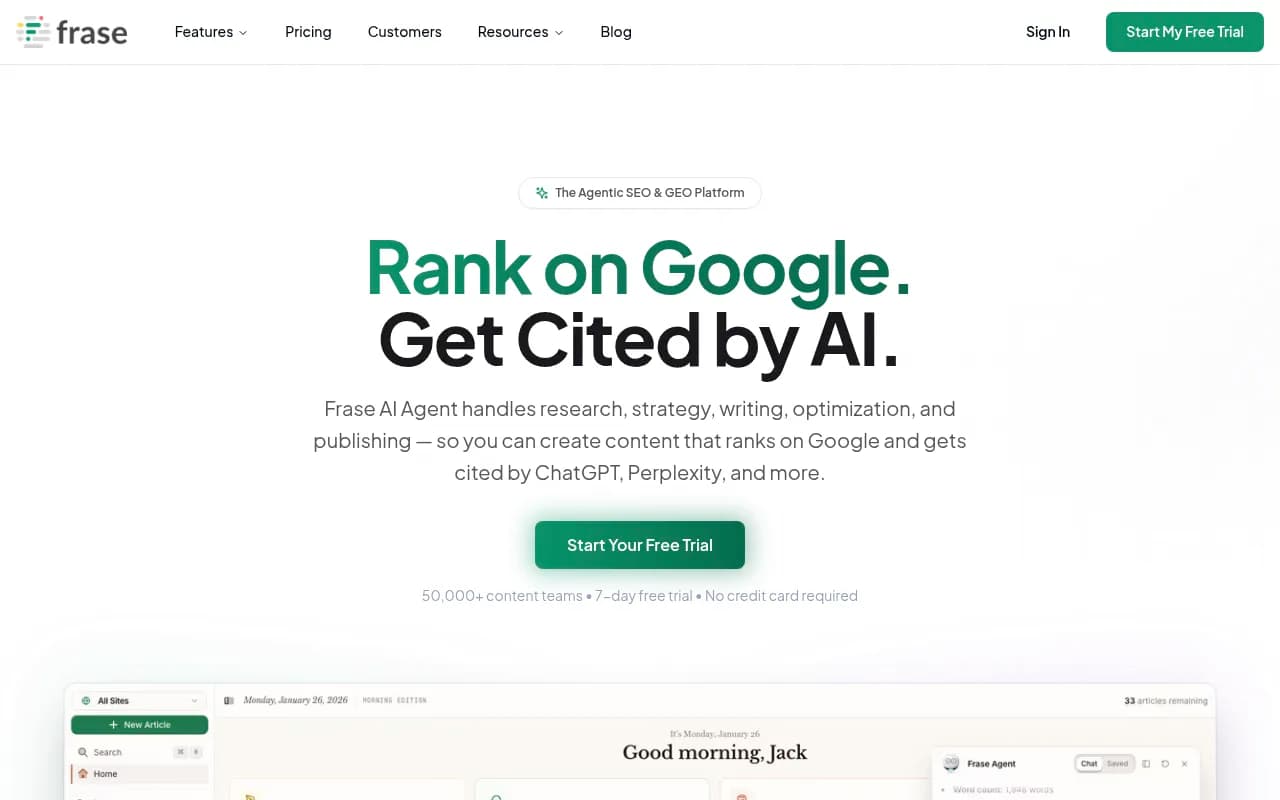
Tools like MarketMuse and Frase help with content briefs grounded in competitive analysis.
Promptwatch's Content Agents go a step further — they generate briefs and full articles using real prompt data, citation data, and competitor analysis, so the output is engineered around the specific gap you're trying to close rather than general topic coverage.
Write for the prompt, not the keyword
The content should answer the prompt directly, ideally in the first few paragraphs. AI models often pull from the opening section of a page. If your answer is buried in paragraph seven after three sections of background context, it may not get cited even if the page is technically relevant.
Practical structure for AI-cited content:
- Open with a direct, concise answer to the prompt
- Follow with supporting detail, examples, and data
- Use clear H2/H3 structure so the model can parse sections
- Include FAQ sections that mirror the prompt and related questions
- Add schema markup where appropriate

Use AI writing tools strategically
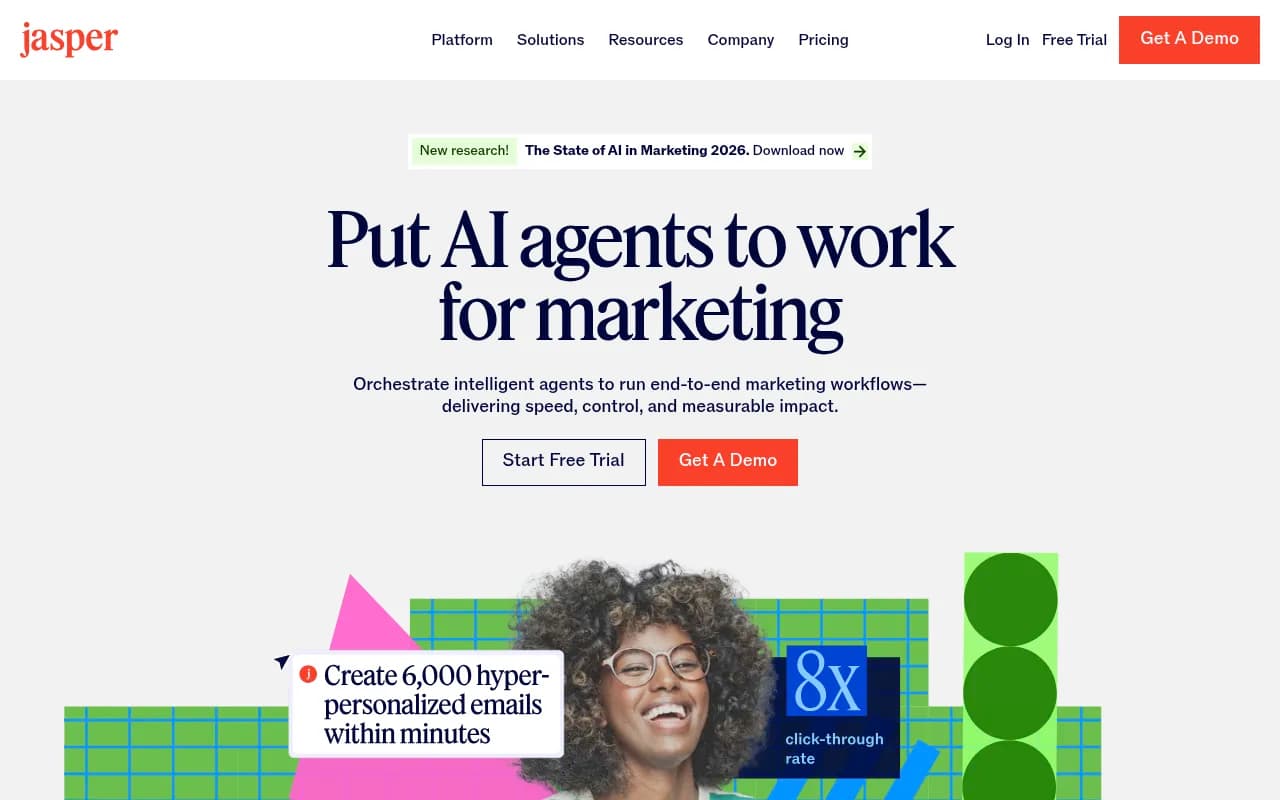
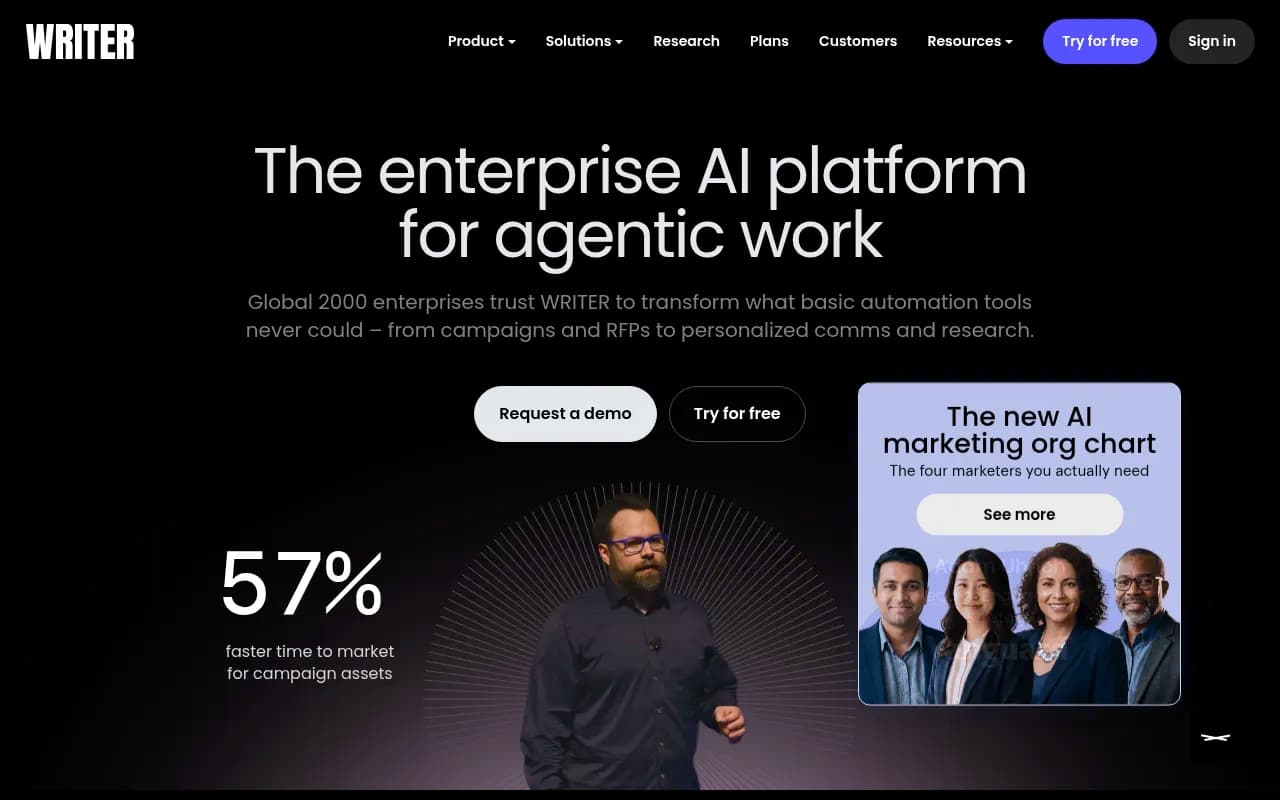
AI writing tools can accelerate production, but they need direction. A tool like Jasper or Writer is useful for drafting at scale once you have solid briefs. Without briefs grounded in actual prompt data, you're generating content that might be well-written but misses the specific gaps you're trying to close.
The distinction matters. Generating 50 generic articles about your industry is not the same as generating 50 articles that each target a specific prompt where a competitor is currently being cited and you're not.
Don't ignore offsite content
AI models don't only cite your own domain. They cite Reddit threads, YouTube videos, third-party review sites, and industry publications. Part of closing answer gaps is making sure your brand appears in the external sources AI models already trust.
This means:
- Participating in relevant Reddit discussions (not spamming — actually contributing)
- Getting mentioned in listicles and comparison articles on high-authority sites
- Ensuring your brand appears on review platforms that AI models frequently cite
Promptwatch tracks offsite citations specifically, so you can see which external sources are driving AI visibility for competitors and target those same channels.
Step 3: Track whether it's working
Publishing content is not the end of the workflow. It's the beginning of the measurement phase.
Monitor citation changes over time
After publishing, you need to know:
- Did the AI model crawl the new page?
- Is it now citing that page in responses to the target prompt?
- Did your overall visibility score for that topic improve?
This requires tracking at the page level, not just the domain level. A domain-level visibility score tells you roughly how you're doing. Page-level tracking tells you which specific pieces of content are working and which aren't.
Watch the crawl-to-citation timeline
There's a lag between when you publish content and when AI models start citing it. Understanding that timeline helps you set realistic expectations and diagnose problems. If a page was crawled two weeks ago but still isn't being cited, something is wrong — maybe the structure, maybe the content quality, maybe a technical issue preventing proper rendering.
Promptwatch's AI Crawler Logs show exactly when AI crawlers (GPTBot, ClaudeBot, PerplexityBot, etc.) hit your pages, what errors they encounter, and when pages move from "crawled" to "cited." Most monitoring tools don't have this data at all.
Connect visibility to revenue
Ultimately, the goal isn't citations — it's pipeline. Traffic attribution that connects AI search visibility to actual conversions closes the loop between content investment and business outcome.
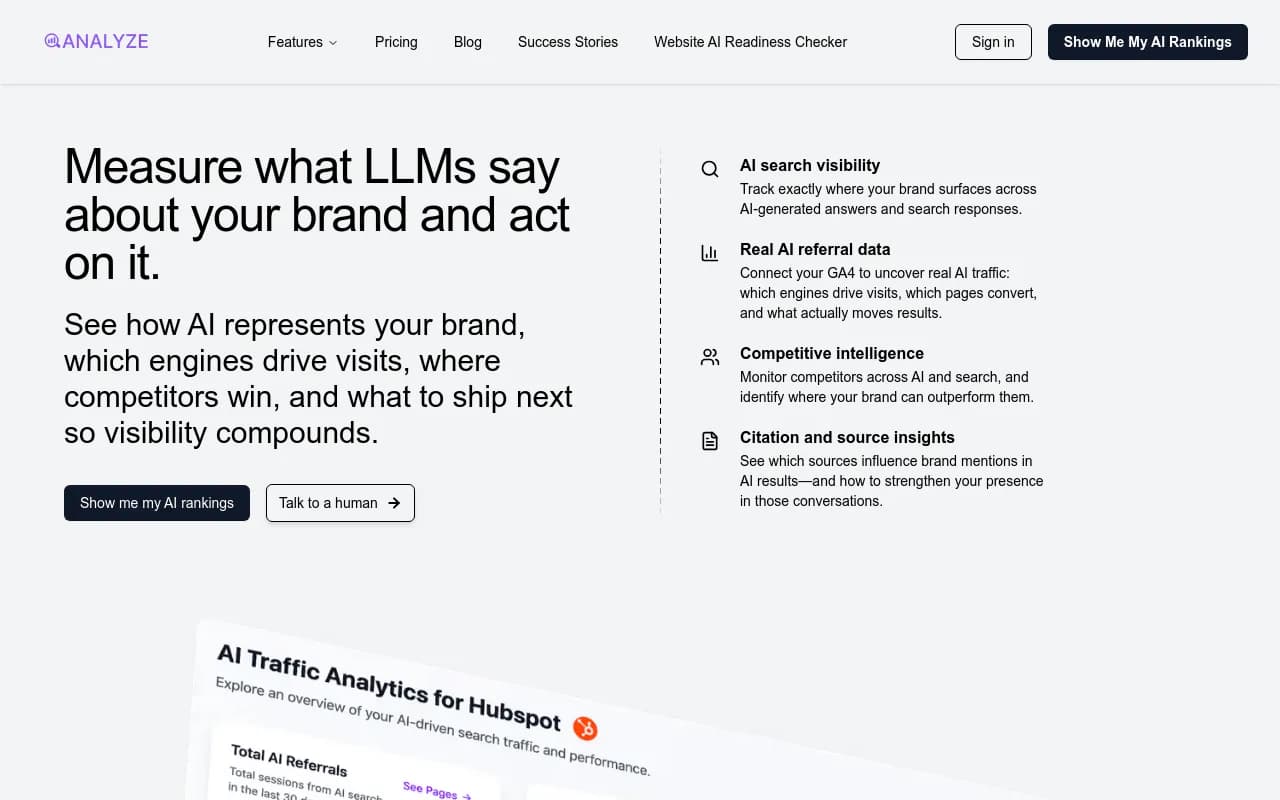
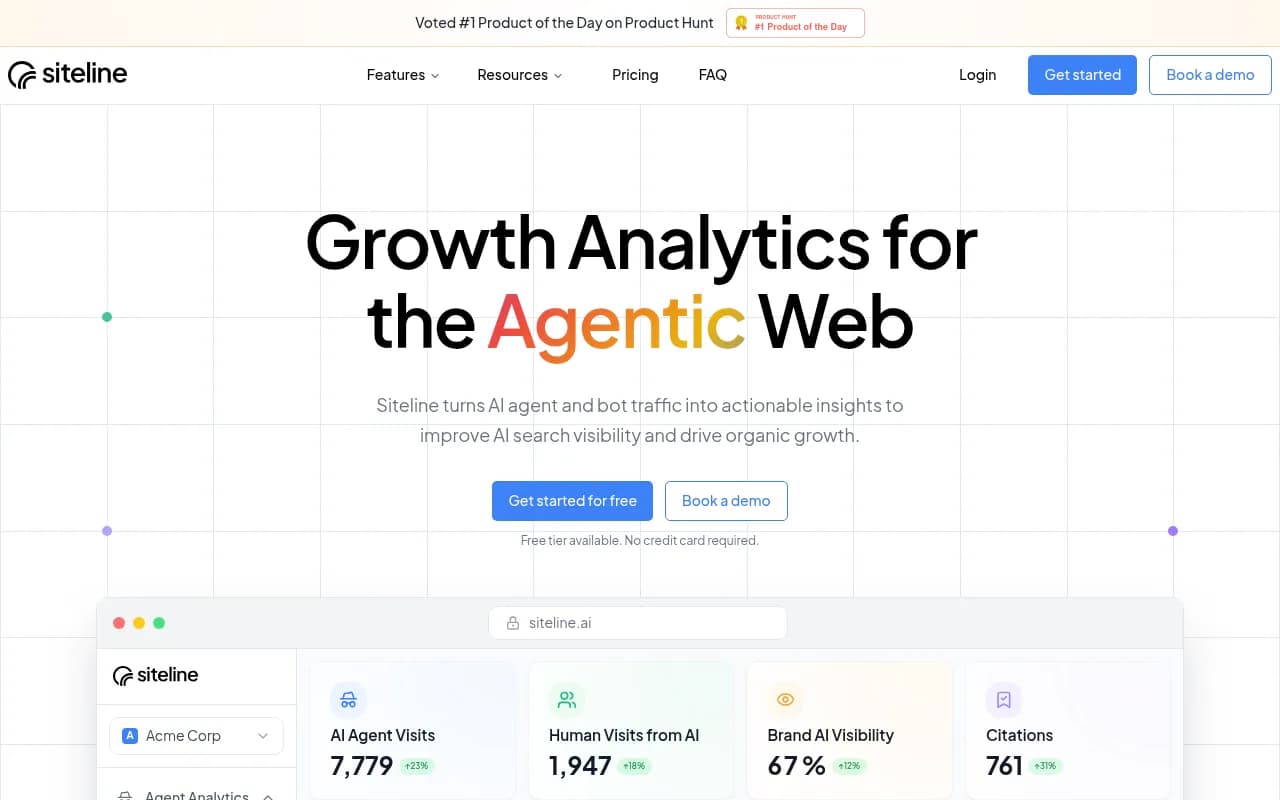
Tools like Analyze AI and Siteline AI focus specifically on connecting AI traffic to revenue metrics.
Common mistakes that kill the workflow
A few patterns consistently derail teams trying to close answer gaps:
Treating it as a one-time project. Answer gaps shift as competitors publish new content and AI models update their training. This is a continuous process, not a quarterly content sprint.
Optimizing for Google and hoping it carries over. Google SEO and AI search visibility overlap but aren't the same. Content that ranks well in traditional search may still be invisible in AI responses if it's not structured to answer specific prompts directly.
Generating content without gap data. As the Medium piece from April 2026 put it: most AI workflow advice in 2026 is obsessed with tools and blind to systems. The tool doesn't matter if you're not solving the right problem. Writing more content without knowing which specific prompts to target is just adding noise.
Ignoring the technical layer. If AI crawlers can't properly render your JavaScript-heavy pages, they can't cite them. Technical issues — rendering problems, slow crawl rates, blocked bot access — can silently kill your AI visibility regardless of content quality.
Putting the workflow together
Here's what the full cycle looks like in practice:
| Stage | What you're doing | Tools that help |
|---|---|---|
| Gap discovery | Find prompts competitors win that you don't | Promptwatch, AlsoAsked, AnswerThePublic |
| Prioritization | Score gaps by volume, difficulty, and business value | Promptwatch (prompt volume + difficulty scores) |
| Brief creation | Build structured briefs grounded in prompt + competitor data | Promptwatch Content Agents, MarketMuse, Frase |
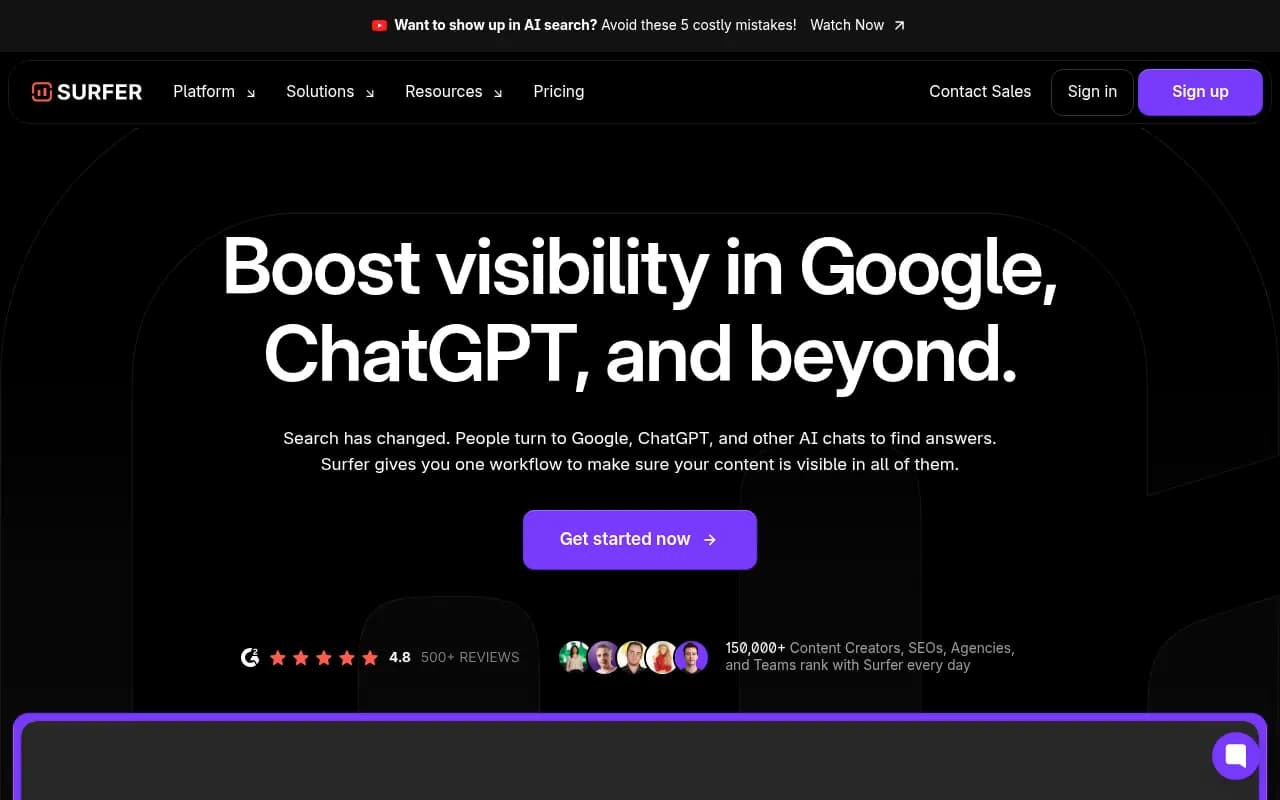
| Content production | Write and publish content targeting specific gaps | Jasper, Writer, Surfer SEO, Clearscope |
| Offsite coverage | Get cited in external sources AI models trust | Manual outreach, Reddit participation, PR |
| Crawl monitoring | Confirm AI bots are finding and reading new pages | Promptwatch AI Crawler Logs |
| Citation tracking | Measure whether new content is being cited | Promptwatch, Analyze AI |
| Revenue attribution | Connect AI visibility to actual pipeline | Siteline AI, Analyze AI |
The teams doing this well aren't running it as a series of disconnected tasks. They've built it into a repeatable loop: find gaps, create content, track results, repeat.
Where to start if you're doing this for the first time
Pick one topic cluster that's commercially important to your business. Run five to ten prompts related to that cluster through two or three AI models and note who gets cited. If competitors are consistently appearing and you're not, you have a gap worth closing.
Write one piece of content specifically designed to answer the most common prompt in that cluster. Structure it clearly, open with a direct answer, and make sure your site isn't blocking AI crawlers. Publish it, then check back in two to four weeks to see if citation patterns have shifted.
That's the minimum viable version of this workflow. Once you've seen it work once, scaling it becomes much easier — and the case for investing in proper tooling becomes obvious.
The brands winning in AI search right now aren't necessarily the ones with the biggest content budgets. They're the ones who figured out the loop early and kept running it.