Key takeaways
- Backlinks still matter in 2026, but their role has shifted from "ranking signal" to "trust and crawlability signal" for AI systems
- 73.2% of SEO professionals believe backlinks continue to influence AI search visibility, according to 2025-2026 survey data
- AI models like ChatGPT don't crawl the web in real time — they cite sources that were already trusted and indexed when they trained
- Brand mentions (linked or unlinked) are increasingly important signals for AI citation decisions
- Reddit, listicles, and digital PR placements are the link types most likely to drive AI visibility right now
- Traditional link metrics (DA, DR) are necessary but not sufficient — you need to think about where AI models actually look
The question keeps coming up in SEO forums, LinkedIn threads, and agency Slack channels: do backlinks still matter now that ChatGPT is answering questions instead of sending people to Google?
It's a fair question. If someone asks Perplexity "what's the best project management tool for remote teams" and gets a confident, sourced answer, the traditional SEO funnel just got skipped entirely. No click-through, no ranking, no backlink juice flowing anywhere. So why bother building links?
Here's the thing: the answer isn't "backlinks are dead." It's more complicated and more interesting than that.
Why the question is harder than it looks
AI search engines don't work the way Google does. Google crawls the web constantly, evaluates pages in real time, and ranks them based on hundreds of signals including backlinks. ChatGPT, Claude, and Gemini (in their base forms) don't do any of that. They were trained on a snapshot of the web and they cite sources that were already trusted and well-indexed at training time.
Perplexity and Google AI Overviews are different — they do live retrieval. But even there, they're pulling from pages that rank well in traditional search, which means backlinks still influence what gets surfaced.
So the honest answer is: backlinks matter, but the mechanism has changed. They're less about passing "link juice" and more about:
- Getting your pages crawled and indexed in the first place
- Establishing enough domain authority that AI systems treat your content as a credible source
- Appearing in the kinds of publications and communities that AI models weight heavily
What the data actually says
A 2026 survey cited by Morningscore found that 73.2% of SEO professionals believe backlinks continue to influence AI search visibility. That's a strong majority, but notice it's not unanimous — and the disagreement is instructive.
The people who say backlinks don't matter are usually making a narrower point: that the type of backlinks that dominated traditional SEO (directory submissions, guest post farms, low-quality niche edits) have almost no effect on AI citation decisions. And they're right about that.
A Reddit thread from the SEO_LLM community put it bluntly: "ChatGPT is not scraping Yell or 192." Business directory links, the kind that local SEO agencies have been selling for years, do essentially nothing for AI visibility. The AI models simply don't treat those sources as authoritative references.
What does matter is whether your content appears in places AI models treat as credible: major publications, industry-specific authoritative sites, Reddit discussions with genuine engagement, YouTube videos with real viewership, and curated listicles that rank well in traditional search.
How AI models actually decide who to cite
This is where it gets genuinely interesting. The citation decision in AI search is not a simple backlink count. It's closer to a reputation assessment.
When Perplexity or Google AI Overviews pulls a source, it's looking for pages that:
- Rank well in traditional search (which backlinks still influence)
- Come from domains with established authority in the relevant topic area
- Are frequently referenced by other credible sources (which is essentially what a good backlink profile signals)
- Appear in the training data of the underlying model as a trusted reference
That last point is subtle but important. If your brand has been mentioned repeatedly in TechCrunch, Forbes, or major industry publications over the past few years, those mentions are baked into the model's understanding of your brand as credible. A brand that only has directory links and guest posts on obscure blogs has no such foundation.
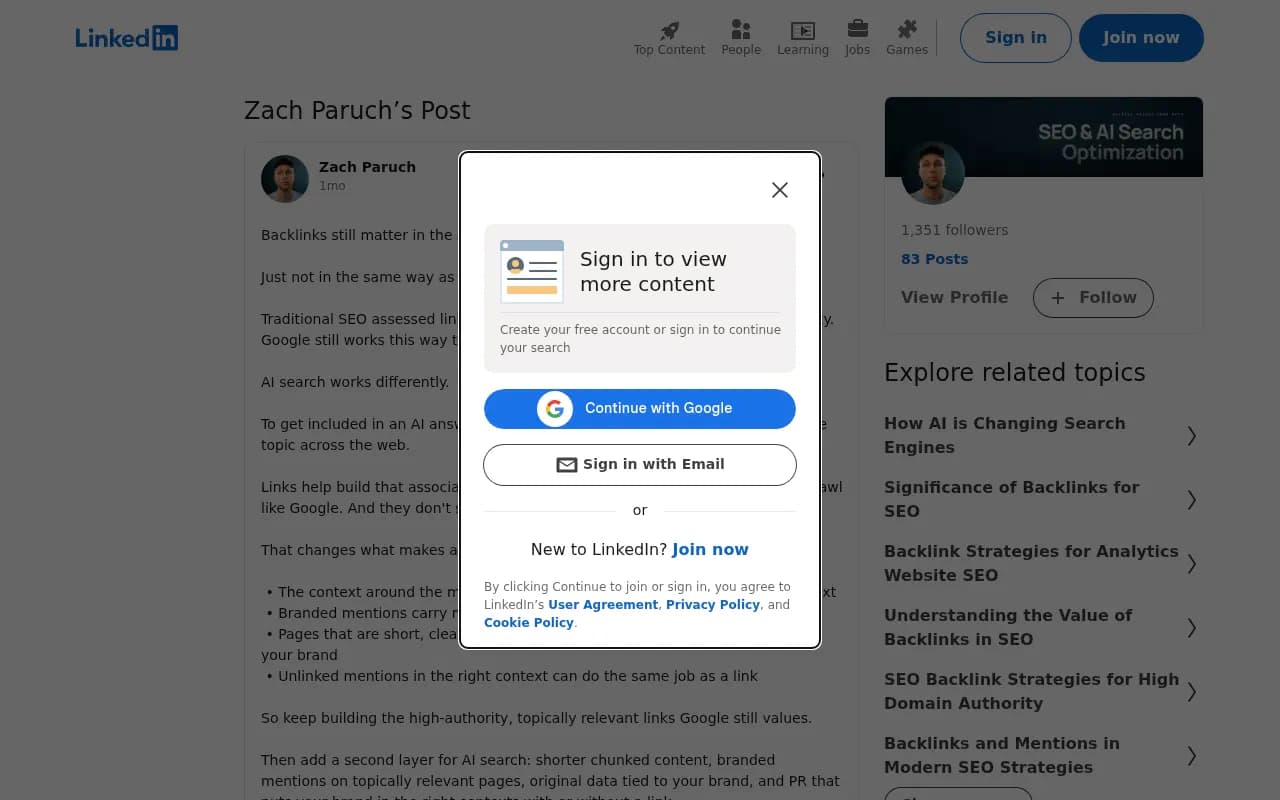
Zach Paruch made this point well on LinkedIn: traditional SEO assessed links on authority metrics, but AI search assesses links on relevance and context. A single mention in a relevant, high-trust publication can do more for your AI visibility than fifty generic backlinks.
The four link types that actually move the needle in 2026
Digital PR placements
Getting your brand mentioned in major publications — with or without a followed link — builds the kind of reputation that AI models recognize. A feature in a relevant trade publication, a data study picked up by industry press, or an expert quote in a mainstream outlet all contribute to the signal that your brand is worth citing.
The link itself matters less than the placement. An unlinked mention in Wired does more for your AI visibility than a followed link from a DA 40 blog nobody reads.
Listicle inclusions
"Best X tools for Y" articles are disproportionately cited by AI models. When someone asks ChatGPT to recommend project management software, it's often pulling from exactly these kinds of comparison articles. Getting your product or brand included in well-ranking listicles — especially on established sites — is one of the highest-leverage link building activities right now.
This is different from traditional guest posting. You're not trying to get a link for its own sake; you're trying to appear in the content formats that AI models use as reference material.
Reddit presence
Reddit is heavily weighted in AI training data and in live retrieval systems. Perplexity frequently cites Reddit threads. ChatGPT's training included substantial Reddit content. If your brand is being discussed positively in relevant subreddits, that's a meaningful signal.
This doesn't mean spamming Reddit with promotional content — that backfires badly. It means genuinely participating in communities, answering questions helpfully, and building a presence that generates organic mentions.
Brand mentions (linked and unlinked)
Unlinked brand mentions are increasingly treated as signals by both traditional search engines and AI systems. Google has been moving in this direction for years with entity-based search. AI models go further — they don't need a hyperlink to understand that your brand is associated with a particular topic or category.
This means monitoring and cultivating brand mentions across the web matters as much as traditional link building. A brand that's frequently mentioned in the right contexts will be cited by AI models even without a traditional backlink profile.
Which traditional link building tools still earn their keep
Most traditional link building tools were built for a world where DA scores and anchor text ratios were the primary metrics. That world hasn't disappeared, but it's no longer the whole picture.
Here's how the major tools stack up:
| Tool | Traditional link analysis | AI visibility features | Best for |
|---|---|---|---|
| Ahrefs | Excellent | Limited (Brand Radar, fixed prompts) | Backlink research, competitor analysis |
| Semrush | Excellent | Moderate (fixed prompts, no AI traffic attribution) | Full SEO suite, link gap analysis |
| Moz Pro | Good | Basic | Link opportunity discovery |
| Majestic | Excellent | None | Deep link intelligence |
| Morningscore | Good | Growing AI visibility features | Teams wanting SEO + AI monitoring |
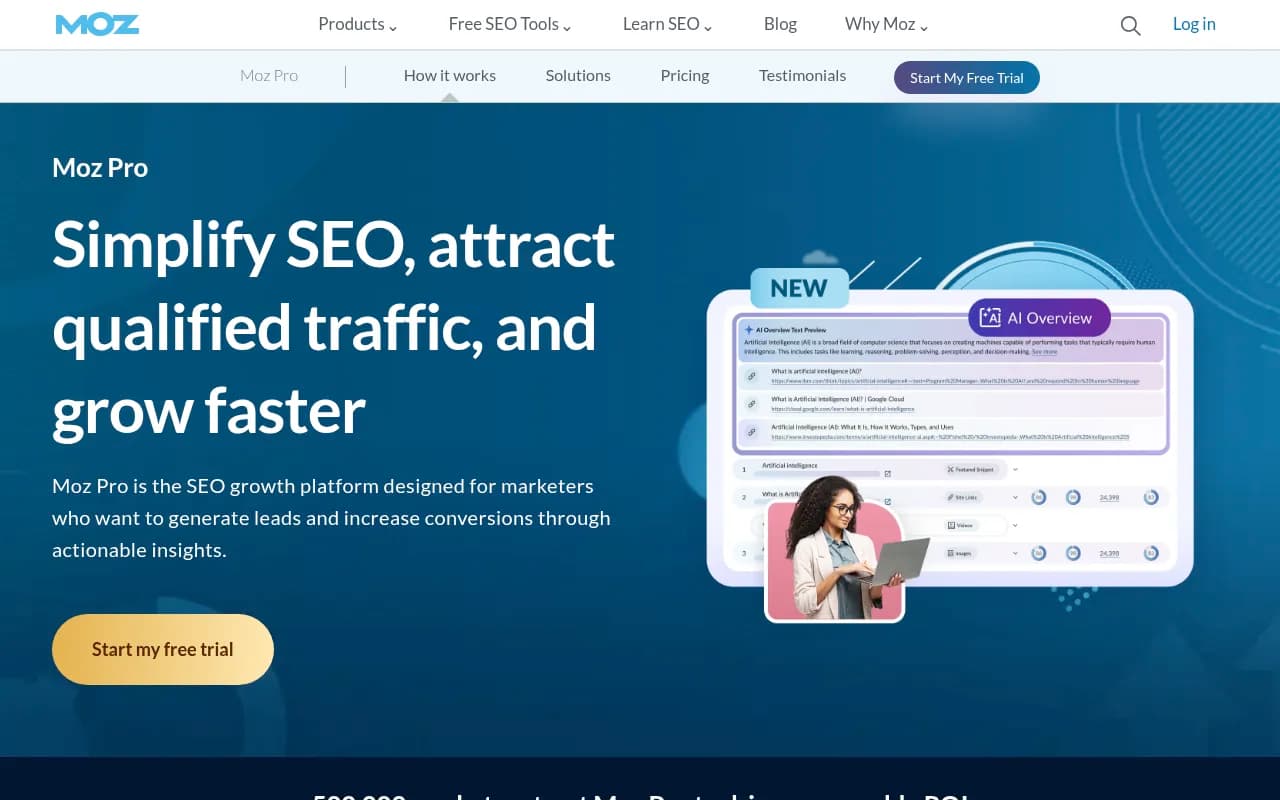
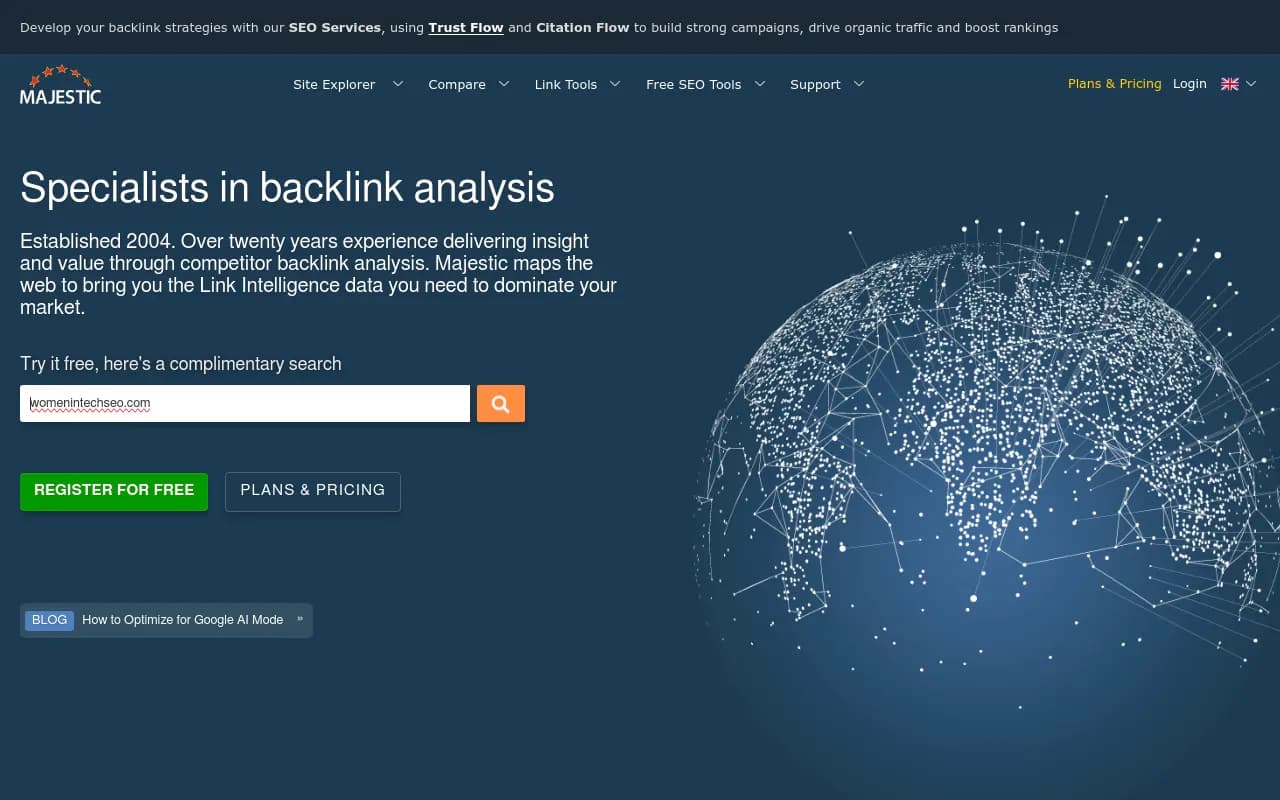
Ahrefs and Semrush remain the workhorses for traditional link analysis. If you're doing outreach, finding broken link opportunities, or analyzing competitor backlink profiles, these tools are still the standard. The gap is that neither gives you a clear picture of how your link profile translates into AI citation frequency.
For that, you need a different kind of tool.
The gap between link building and AI visibility
Here's the practical problem: you can have a strong backlink profile and still be invisible in AI search. And you can have a relatively modest link profile but appear constantly in ChatGPT responses if you've been mentioned in the right places.
Traditional link building tools don't show you this gap. They show you your DR score, your referring domains, your anchor text distribution. What they don't show you is which AI models are citing your competitors, which prompts you're missing from, and what content you'd need to create to close those gaps.
This is where platforms built specifically for AI visibility come in. Promptwatch tracks how your brand appears across ChatGPT, Perplexity, Google AI Overviews, Claude, Gemini, and seven other AI models — and crucially, it shows you the specific prompts where competitors are being cited but you're not.

That's the kind of intelligence that traditional link building tools can't provide. Knowing you have a DR of 65 doesn't tell you why Perplexity keeps recommending your competitor when someone asks about your category.
Other AI visibility tools worth knowing about:
Otterly.AI

Profound

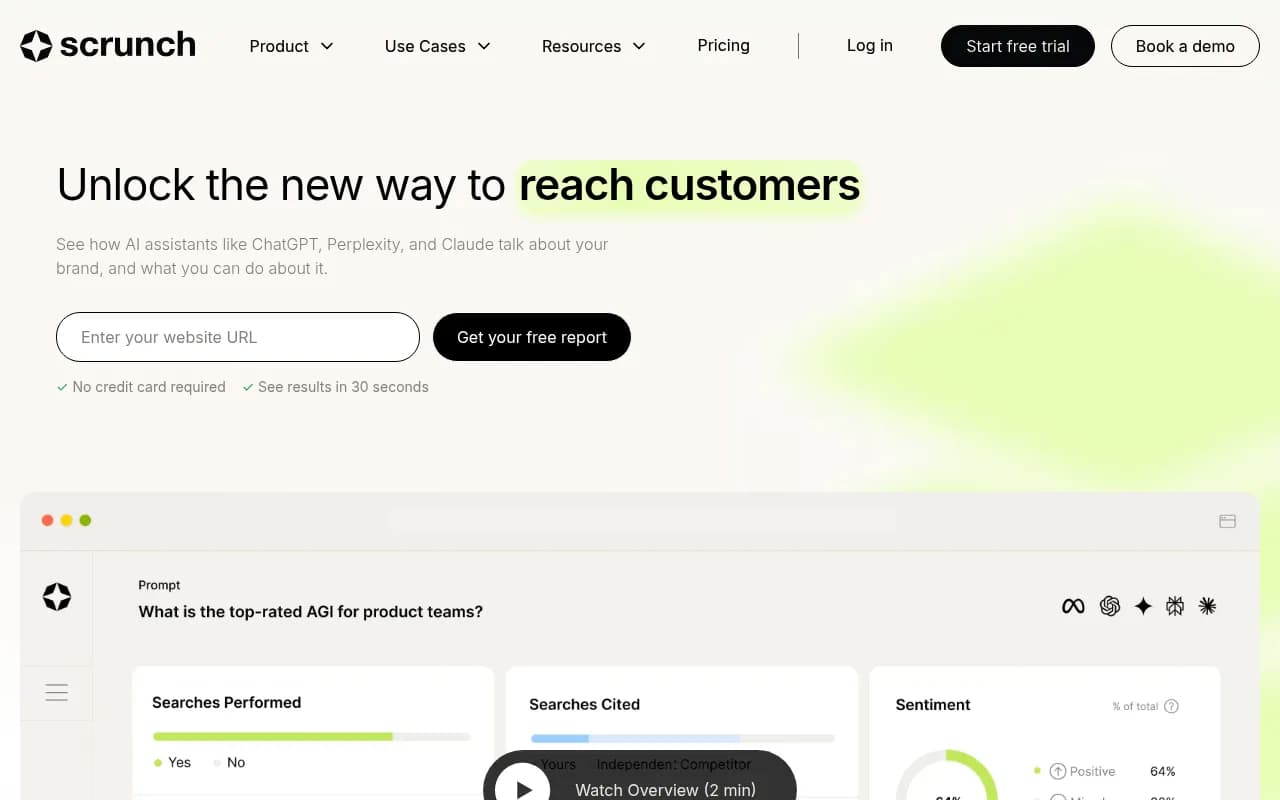
Most of these are monitoring tools — they show you where you appear and where you don't. The more useful question is what to do about the gaps, which requires both content strategy and targeted link building in the right places.
A practical link building strategy for AI search in 2026
Given everything above, here's how to think about link building when AI citation is the goal:
Prioritize source quality over source quantity. Ten links from genuinely authoritative, topic-relevant publications beat a hundred links from generic blogs. This has always been true in SEO, but it's even more true for AI visibility.
Target the content formats AI models cite. Comparison articles, "best of" lists, expert roundups, and how-to guides are disproportionately cited by AI systems. Build links from and into these formats.
Treat Reddit as a legitimate channel. Not for spam, but for genuine community participation. Being present in relevant subreddit discussions is one of the most direct paths to AI citation.
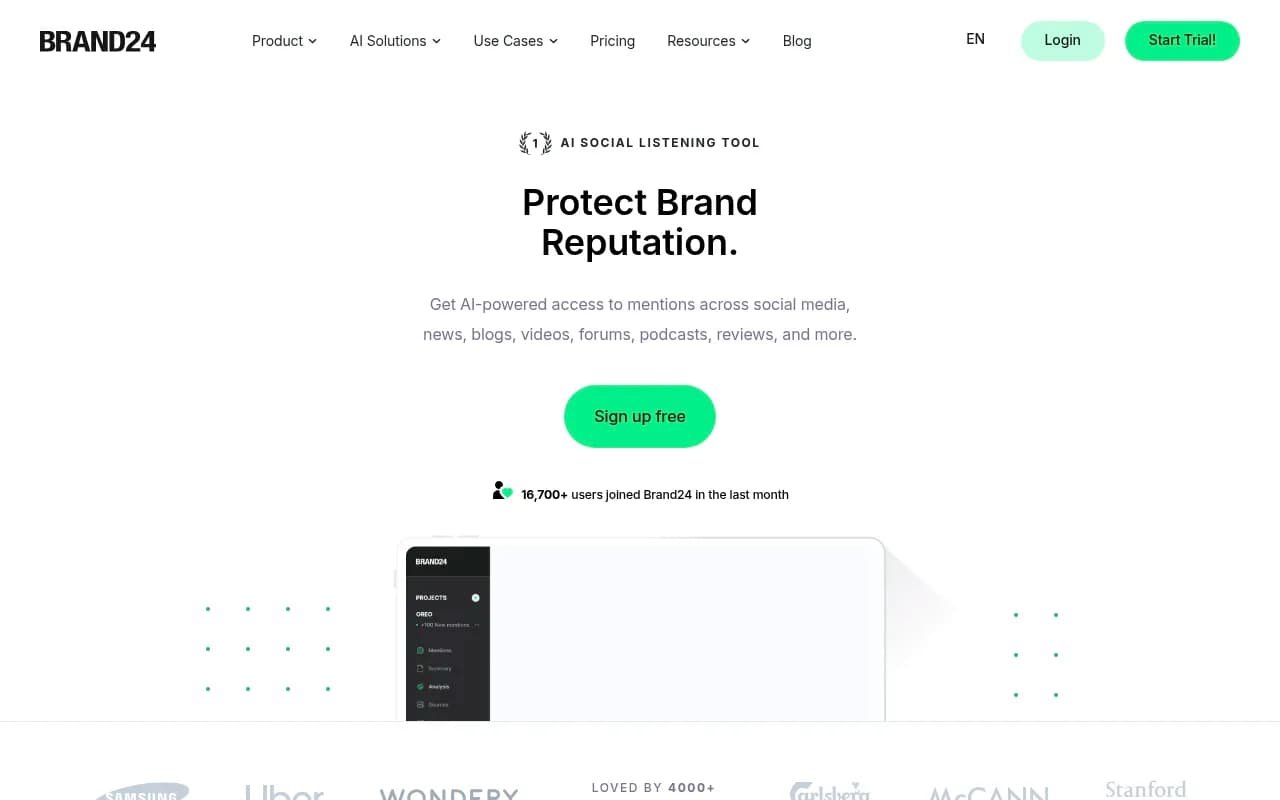
Monitor brand mentions, not just backlinks. Tools like Brand24 and Awario track unlinked mentions across the web. These matter for AI visibility even without a hyperlink.
Create data and research worth citing. Original surveys, industry reports, and proprietary data are the kinds of assets that earn links from authoritative sources and get baked into AI training data as credible references. This is the highest-leverage content investment you can make.
Use digital PR as a link building strategy. A well-executed PR campaign that gets your brand mentioned in major publications does double duty: it builds traditional authority and creates the kind of high-trust mentions that AI models weight heavily.
What to stop doing
Some link building tactics that were marginal in traditional SEO are genuinely counterproductive now:
Business directory submissions (Yell, 192, etc.) have no meaningful effect on AI visibility. The AI models don't treat these as credible sources. If you're paying an agency to build these links, that budget is better spent elsewhere.
Generic guest posting on low-authority blogs builds backlink count but doesn't move the needle on AI citation. The publications need to be ones that AI models actually treat as references.
Anchor text optimization is less important than it used to be. AI models are reading content semantically, not counting exact-match anchor text ratios.
Measuring success in the new environment
The metrics that matter have expanded. You still want to track:
- Referring domains and domain authority (traditional link metrics)
- Organic search rankings (backlinks still influence these)
But you also need to track:
- AI citation frequency across major models
- Which prompts your brand appears in vs. competitors
- Brand mention volume (linked and unlinked)
- Presence in the content formats AI models cite most
Tools like AccuRanker and SE Ranking handle the traditional rank tracking side well.
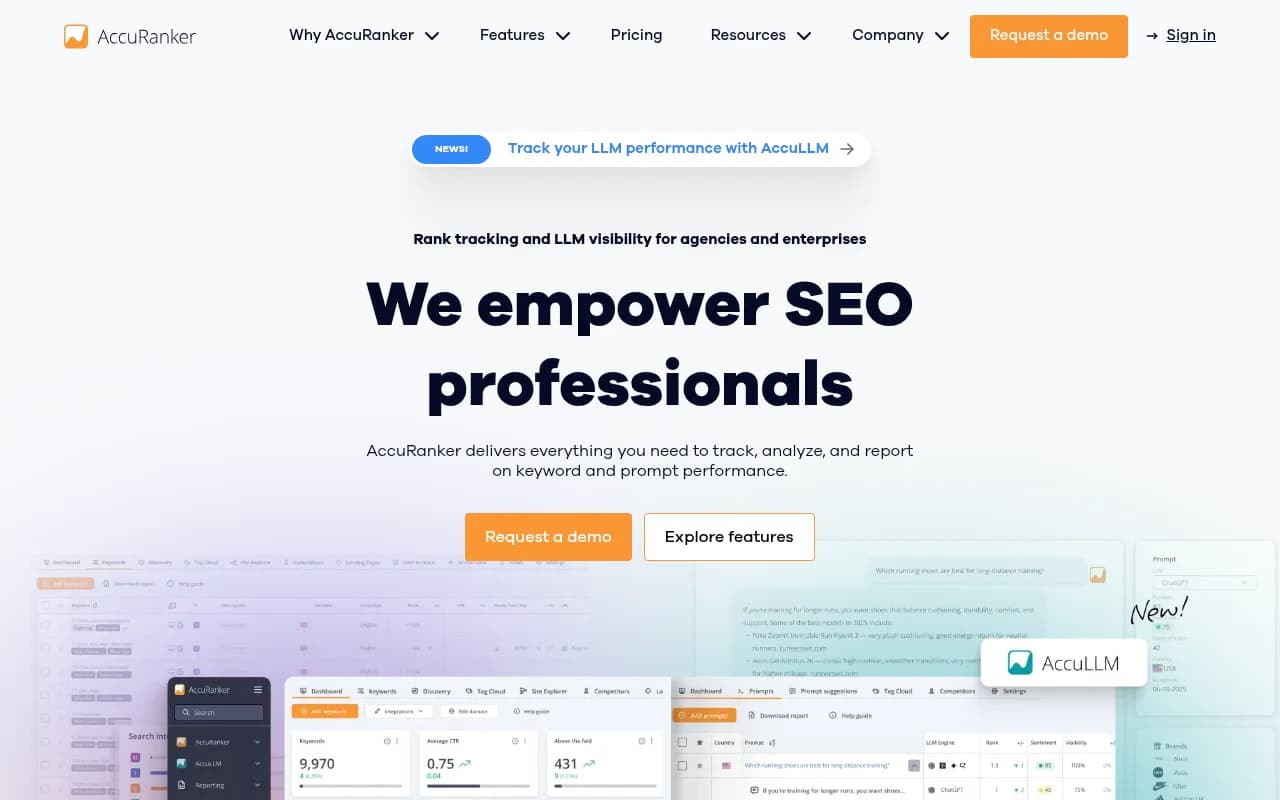
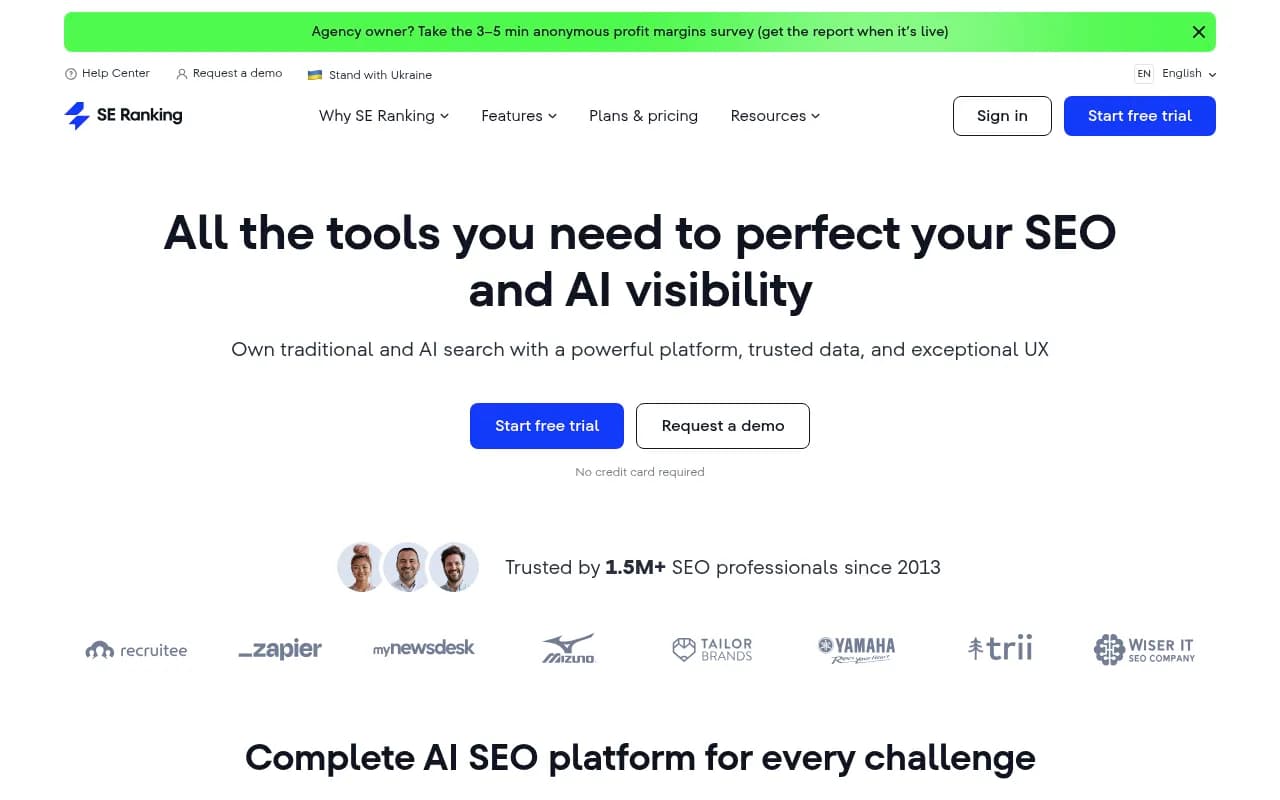
For the AI visibility side, you need dedicated monitoring. The combination of traditional SEO tools for link analysis and AI visibility platforms for citation tracking gives you the full picture.
The bottom line
Backlinks haven't stopped mattering. They still influence which pages get crawled, indexed, and treated as authoritative by both traditional search engines and the AI systems that pull from them. But the kind of backlinks that matter has shifted dramatically.
Directory links and guest posts on obscure blogs are essentially worthless for AI visibility. High-quality placements in authoritative publications, listicle inclusions, Reddit presence, and unlinked brand mentions are the signals that actually drive AI citation decisions.
The link building tools built for traditional SEO (Ahrefs, Semrush, Moz) remain useful for the foundational work. But they need to be paired with AI visibility monitoring to understand whether your link building is actually translating into citation frequency.
The brands winning in AI search right now aren't the ones with the highest DR scores. They're the ones that appear in the right places, in the right formats, with enough consistent presence that AI models treat them as the default answer to relevant questions.