Key takeaways
- ZoomInfo wins on raw data depth and phone number accuracy (67% mobile match in a 1,000-lead benchmark vs Apollo's 41%), but its $15K+ annual contracts make it hard to justify for most teams
- Apollo.io is the best all-in-one value play: 270M+ contacts, built-in sequencing, a dialer, and AI email writing starting at $49/month
- Cognism is the go-to for EMEA markets and compliance-heavy sales teams, with phone-verified "Diamond Data" at 87%+ accuracy
- Clay is a different category entirely -- it's a data enrichment and workflow automation layer, not a standalone database
- Lusha and UpLead fill specific niches: Lusha for fast LinkedIn-based enrichment, UpLead for its 95% accuracy guarantee on a smaller database
- No single platform is best for everyone; the right choice depends on your geography, team size, and whether you need outreach tools bundled in
The B2B prospecting tool market has gotten genuinely confusing. Every platform claims to have the biggest database, the cleanest data, and the most AI features. Half of them are telling the truth about at least one of those things, which makes the comparison harder, not easier.
This guide cuts through that. We tested and researched all six platforms, pulled benchmark data from independent sources, and structured the comparison around the questions that actually matter: how accurate is the data, what do the AI features actually do, and what does it cost when you factor in everything?
What each platform actually is
Before comparing features, it's worth being clear about what category each tool belongs to. Mixing them up leads to bad purchasing decisions.
ZoomInfo is an enterprise sales intelligence platform. Its core product is a massive, deeply enriched contact and company database with org charts, technographics, and buyer intent signals layered on top. It's built for large revenue teams with dedicated RevOps support.
Apollo.io is a product-led, all-in-one sales platform. It combines a contact database with built-in email sequencing, a dialer, and AI writing tools. The pitch is that you can do everything from prospecting to outreach without leaving the app.
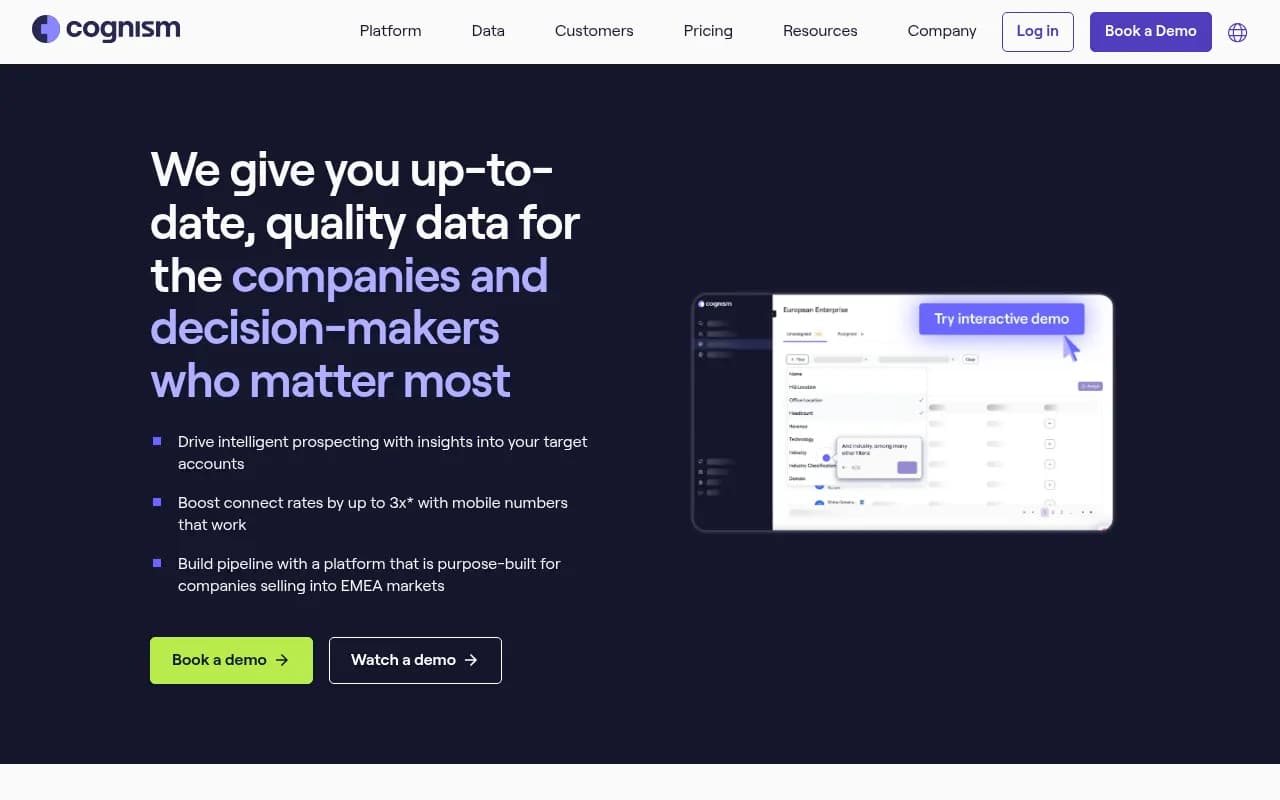
Cognism is a GDPR-compliant B2B data provider with a particular focus on phone-verified contacts and EMEA market coverage. It doesn't include native outreach tools -- it's a data product that plugs into your existing stack.
Clay is a data enrichment and workflow automation platform. It pulls from 75+ data sources (including Apollo, ZoomInfo, and others) and lets you build custom enrichment waterfalls. It's not a database you search -- it's a layer that sits on top of other databases.
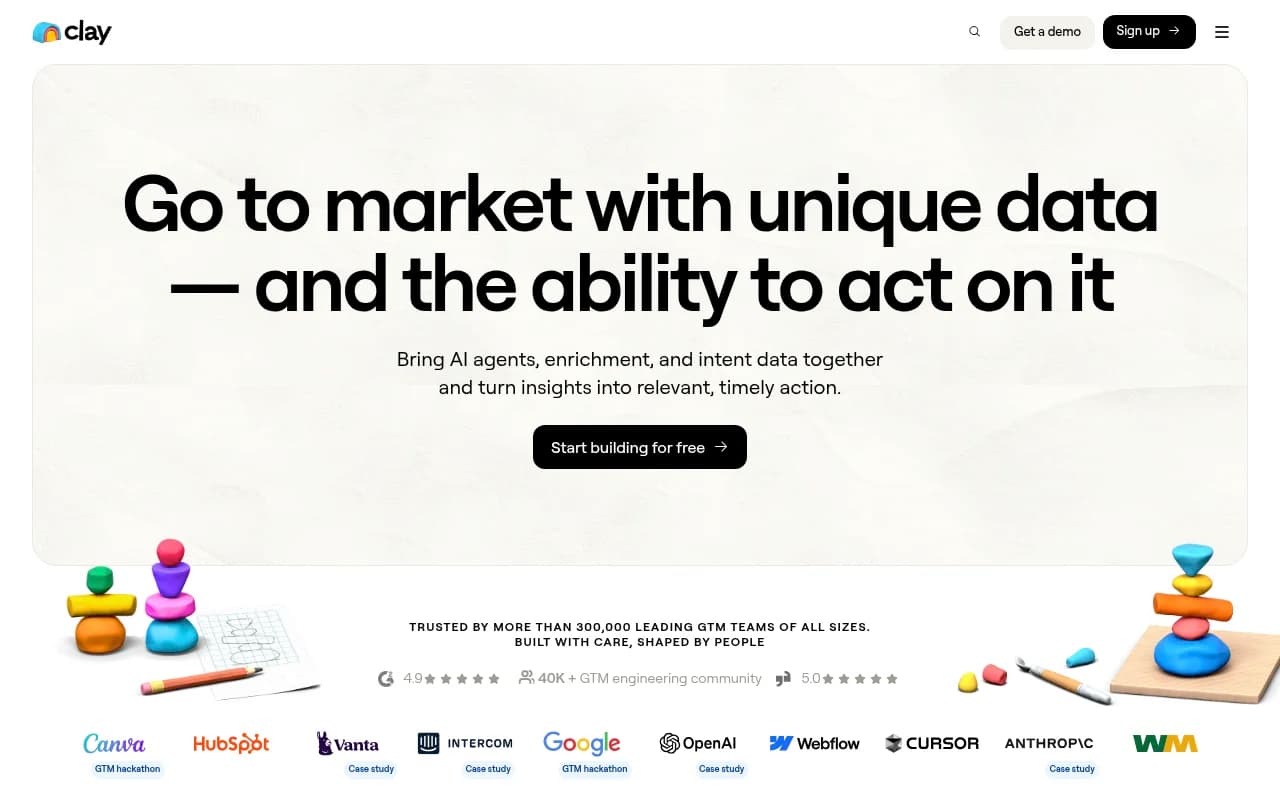
Lusha is a contact enrichment tool with a strong Chrome extension for LinkedIn. It's fast, simple, and aimed at individual reps and small teams who need quick contact lookups.
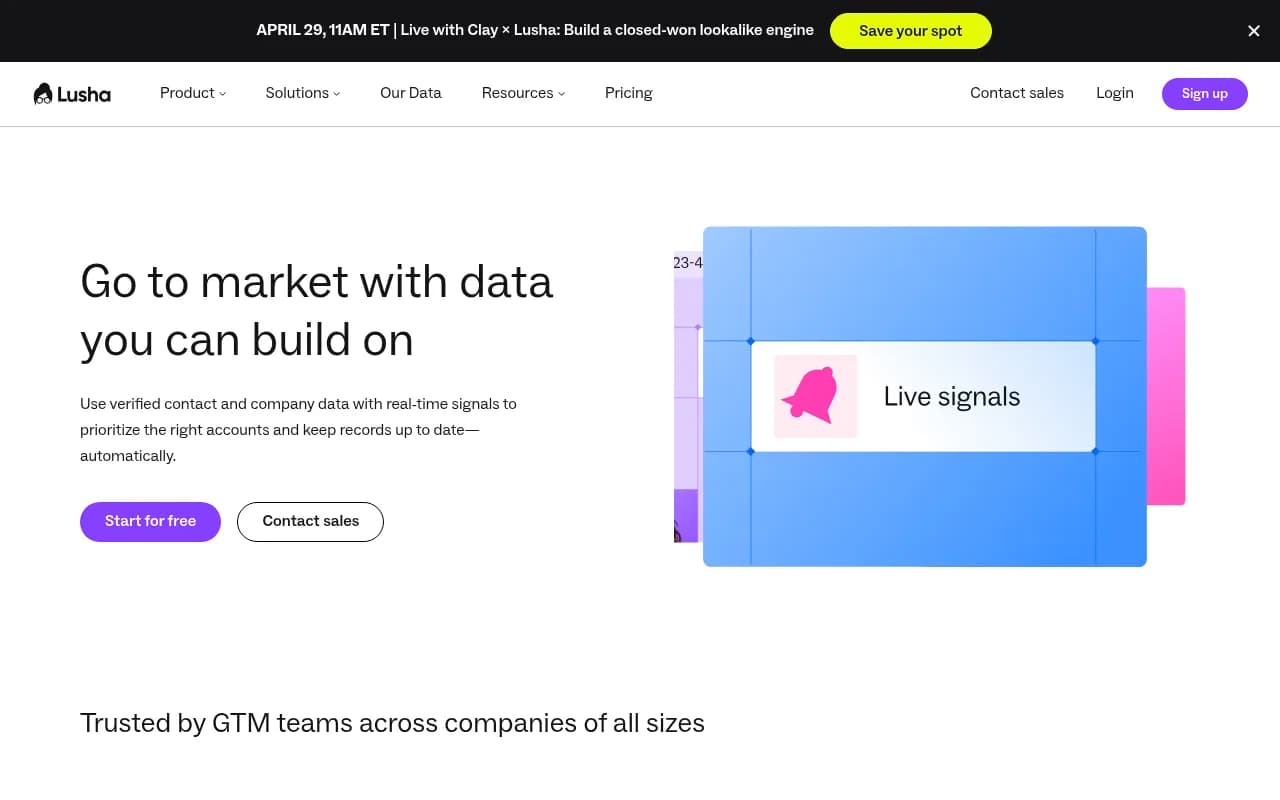
UpLead is a B2B prospecting database that competes primarily on data accuracy, offering a 95% accuracy guarantee and real-time email verification.
Data quality: the benchmark that matters most
Data quality is where these platforms diverge most sharply, and where marketing claims diverge most sharply from reality.
A March 2026 benchmark by Cleanlist tested both Apollo and ZoomInfo against 1,000 real leads. The results were clear: ZoomInfo delivered a 67% mobile phone match rate versus Apollo's 41%. For enterprise teams running phone-heavy outbound, that gap is significant. ZoomInfo also showed stronger data depth on company attributes -- org charts, technographic data, and firmographic detail.
That said, Apollo's email data held up well in the same test, and its bounce rates were comparable. For email-first outbound motions, the gap narrows considerably.
Cognism's "Diamond Data" -- phone numbers that have been manually verified by a human caller -- sits at 87%+ connect rates according to the company's own published figures. Independent reviews on Reddit's r/b2bmarketing back this up for EMEA contacts specifically. For US contacts, Cognism's coverage thins out noticeably.
UpLead's 95% accuracy guarantee is real but comes with an asterisk: the database is smaller than Apollo's or ZoomInfo's, so you may hit coverage gaps on niche industries or smaller companies. The guarantee itself is meaningful -- if an email bounces, you get the credit back.
Lusha's accuracy is solid for LinkedIn-sourced contacts but drops for contacts not on LinkedIn. It's best used as a supplementary enrichment tool rather than a primary database.
Clay doesn't have its own data -- it enriches from other sources. But because it runs waterfall enrichment (trying multiple providers in sequence), it often achieves higher fill rates than any single provider alone.
AI features: what's real vs what's marketing
Every platform now claims to have "AI features." Here's what that actually means in practice for each one.
Apollo.io
Apollo's AI features are the most integrated into the actual workflow. The AI email writer generates personalized outreach based on contact data, company news, and your product positioning. It's not groundbreaking, but it works and saves time. Apollo also has AI-powered lead scoring and sequence optimization that adjusts send times based on engagement data.
The built-in engagement suite (sequences, dialer, LinkedIn steps) means the AI features are connected to actual sending behavior -- not just generating copy that you then paste somewhere else.
ZoomInfo
ZoomInfo's AI plays in the intent data space. Its "Streaming Intent" product monitors 300,000+ B2B websites to surface accounts showing buying signals. The AI here is doing real work: identifying which companies are actively researching solutions like yours, then surfacing them to your reps.
ZoomInfo also has AI-powered org chart mapping and a "Copilot" feature that generates account summaries and suggested talking points. These are genuinely useful for enterprise AEs doing account-based selling.
Cognism
Cognism's AI features are more limited. The platform uses AI for data verification and deduplication, but there's no AI writing, no intent scoring built in, and no sequencing. If you want those things, you're connecting Cognism to Outreach, Salesloft, or HubSpot.
Clay
Clay's AI features are arguably the most interesting of the group, even though Clay isn't a database. You can write natural language "prompts" that Clay executes against enriched data -- things like "find the LinkedIn post this person made in the last 30 days about their company's growth challenges" and use that as personalization context. It's genuinely powerful for teams willing to invest time in building the workflows.
Lusha and UpLead
Both have added AI features recently, but they're thin. Lusha has an AI email writer that's basic. UpLead has AI-assisted list building. Neither is a reason to choose these platforms over the others -- they're nice-to-haves, not differentiators.
Pricing: the real numbers
This is where the comparison gets uncomfortable for some vendors.
| Platform | Entry price | What you get | Contract structure |
|---|---|---|---|
| Apollo.io | $49/user/month | 270M+ contacts, sequences, dialer, AI writer | Monthly or annual |
| ZoomInfo | ~$15,000+/year | 320M contacts, intent data, org charts | Annual contract, negotiated |
| Cognism | ~$15,000-$25,000+/year | Phone-verified EMEA data, CRM integrations | Annual contract, negotiated |
| Clay | $149/month (Starter) | Enrichment from 75+ sources, workflow automation | Monthly or annual |
| Lusha | Free tier; $36/user/month | LinkedIn enrichment, basic database | Monthly or annual |
| UpLead | $99/month (Essentials) | 160M contacts, 95% accuracy guarantee | Monthly or annual |
ZoomInfo's median contract size is around $32,000 according to Apollo's own published comparison data -- which is obviously a biased source, but the figure is consistent with what sales teams report on Reddit and G2. The platform also has a reputation for aggressive renewal tactics and price increases at contract renewal.
Apollo's free tier is genuinely useful: 10,000 emails per month and basic contact access. This makes it easy to test before committing.
Cognism doesn't publish pricing and requires a sales call. Expect to negotiate, and expect the number to be closer to $20,000 than $15,000 for a team of any meaningful size.
Clay's pricing scales with "credits" (each enrichment action costs credits), so costs can grow quickly for high-volume teams. Budget carefully.
Feature comparison at a glance
| Feature | Apollo.io | ZoomInfo | Cognism | Clay | Lusha | UpLead |
|---|---|---|---|---|---|---|
| Database size | 270M+ contacts | 320M+ contacts | Smaller, EMEA-strong | No own database | ~45M contacts | 160M+ contacts |
| Phone accuracy | Moderate (41% mobile) | High (67% mobile) | Very high (87%+ Diamond) | Depends on source | Good for LinkedIn | High (95% guarantee) |
| Email sequencing | Yes (built-in) | Yes (via ZoomInfo Engage) | No | No | No | No |
| Built-in dialer | Yes | Yes | No | No | No | No |
| AI writing | Yes | Basic | No | Yes (via prompts) | Basic | No |
| Intent data | Basic | Advanced (Streaming Intent) | No | Via integrations | No | No |
| GDPR compliance | Partial | Partial | Strong | Depends on source | Partial | Partial |
| EMEA coverage | Moderate | Moderate | Strong | Depends on source | Moderate | Moderate |
| Free tier | Yes | No | No | No | Yes (5 credits/month) | No |
| CRM integrations | Salesforce, HubSpot, others | Salesforce, HubSpot, others | Salesforce, HubSpot, others | Extensive | Salesforce, HubSpot | Salesforce, HubSpot |
Which platform fits which team
Small teams and startups (under 10 reps)
Apollo is the obvious choice. The free tier lets you validate the data before paying anything, and the $49/month plan gives you everything a small team needs to run outbound. The built-in sequencing means you don't need to buy Outreach or Salesloft separately.
UpLead is worth considering if data accuracy is your top concern and you don't need outreach tools bundled in. The 95% guarantee reduces wasted credits on bounced emails.
Mid-market teams (10-50 reps) running US-focused outbound
Apollo scales well here too, especially if your motion is email-heavy. If you're running phone-heavy outbound and need better mobile number accuracy, ZoomInfo becomes worth evaluating -- but get multiple quotes and push back on the contract terms.
Enterprise teams with RevOps support
ZoomInfo is built for this. The org chart data, technographics, Streaming Intent, and deep Salesforce integration are genuinely valuable at scale. The price is real, but so is the ROI for teams with the bandwidth to use the platform properly.
EMEA-focused teams or compliance-sensitive industries
Cognism is the clear winner. Its GDPR compliance posture is stronger than any other platform here, and the Diamond Data phone verification is meaningfully better for European contacts. The lack of native outreach tools is a real gap -- you'll need to connect it to your existing stack.
Teams that want to build custom enrichment workflows
Clay is in a different category. It's not a replacement for a data provider -- it's a layer on top of one. Teams that use Clay typically combine it with Apollo or ZoomInfo data and use Clay's waterfall enrichment to fill gaps. If you have a RevOps person who can build workflows, Clay unlocks significant efficiency. If you don't, the learning curve is steep.
Individual reps doing LinkedIn-based prospecting
Lusha's Chrome extension is genuinely fast and easy. For a single rep who needs quick contact lookups while browsing LinkedIn, it's hard to beat. It's not a replacement for a full database, but it's a useful tool in the stack.
The data accuracy problem nobody talks about
Here's something worth saying plainly: no platform has perfectly accurate data, and the gap between their marketing claims and reality is significant.
B2B contact data decays at roughly 30% per year. People change jobs, get promoted, leave companies. Every platform is fighting the same underlying problem. The difference is in how aggressively they refresh their data and how they handle records that haven't been verified recently.
ZoomInfo's advantage here is its data collection network -- it pulls from email signatures, job postings, company websites, and a large contributor network. Apollo's data is good but relies more heavily on public sources and user contributions. Cognism's manual phone verification is genuinely differentiated for phone numbers, but it's resource-intensive and can't scale to every contact.
The practical implication: always test with a sample before committing to an annual contract. Most platforms will give you a trial or a sample pull. Run it against your target ICP and measure bounce rates and phone connect rates before signing anything.
A note on the "all-in-one" vs "best-of-breed" debate
Apollo's pitch is that consolidating data + sequencing + dialer in one platform saves money and reduces complexity. That's true for many teams. But the consolidation comes with tradeoffs: Apollo's sequencing is good but not as sophisticated as Outreach or Salesloft, and its data isn't as deep as ZoomInfo's.
ZoomInfo's pitch is that you should use the best data platform and connect it to your existing engagement tools. That's also true for teams that already have Outreach or Salesloft and don't want to rip them out.
Neither approach is wrong. The question is what your team actually needs and what you're already paying for.

Other tools worth knowing about
A few platforms didn't make the main comparison but are worth mentioning:
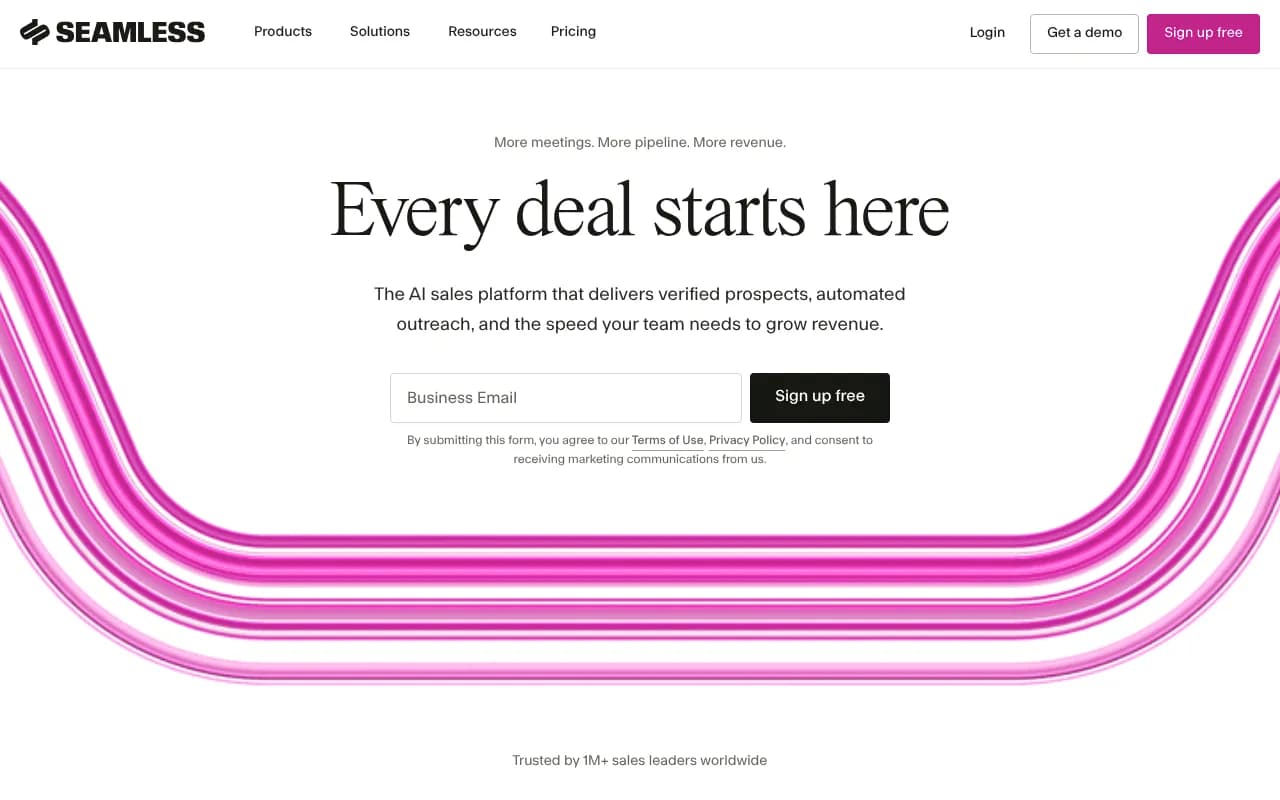
Seamless.AI is a real-time search engine for B2B contacts that uses AI to find and verify data on demand. It's popular with high-volume outbound teams.
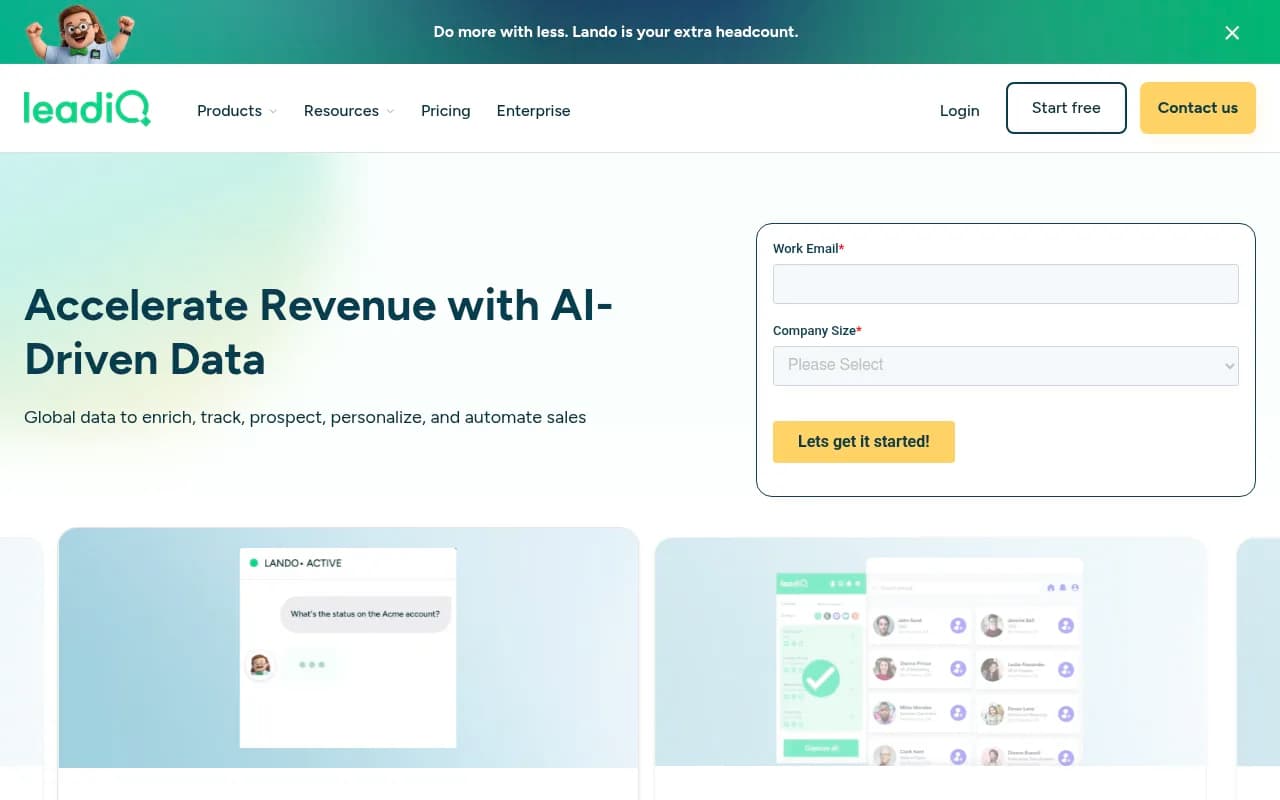
LeadIQ focuses specifically on LinkedIn-based prospecting and integrates tightly with Salesforce. Good for AEs who live in LinkedIn Sales Navigator.
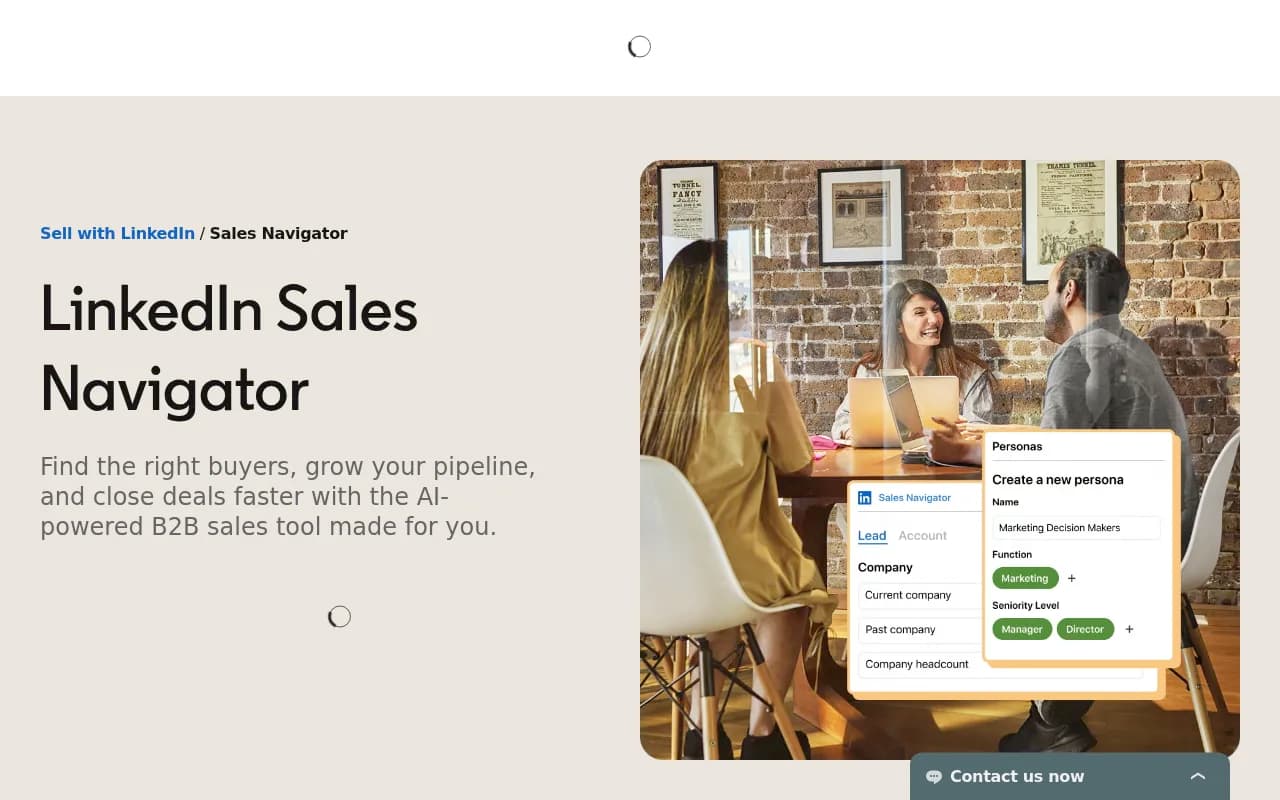
LinkedIn Sales Navigator is the underlying data source that many of these tools pull from. If your ICP is well-represented on LinkedIn, Navigator alone (combined with a tool like Lusha or LeadIQ for contact export) can be a cost-effective alternative.
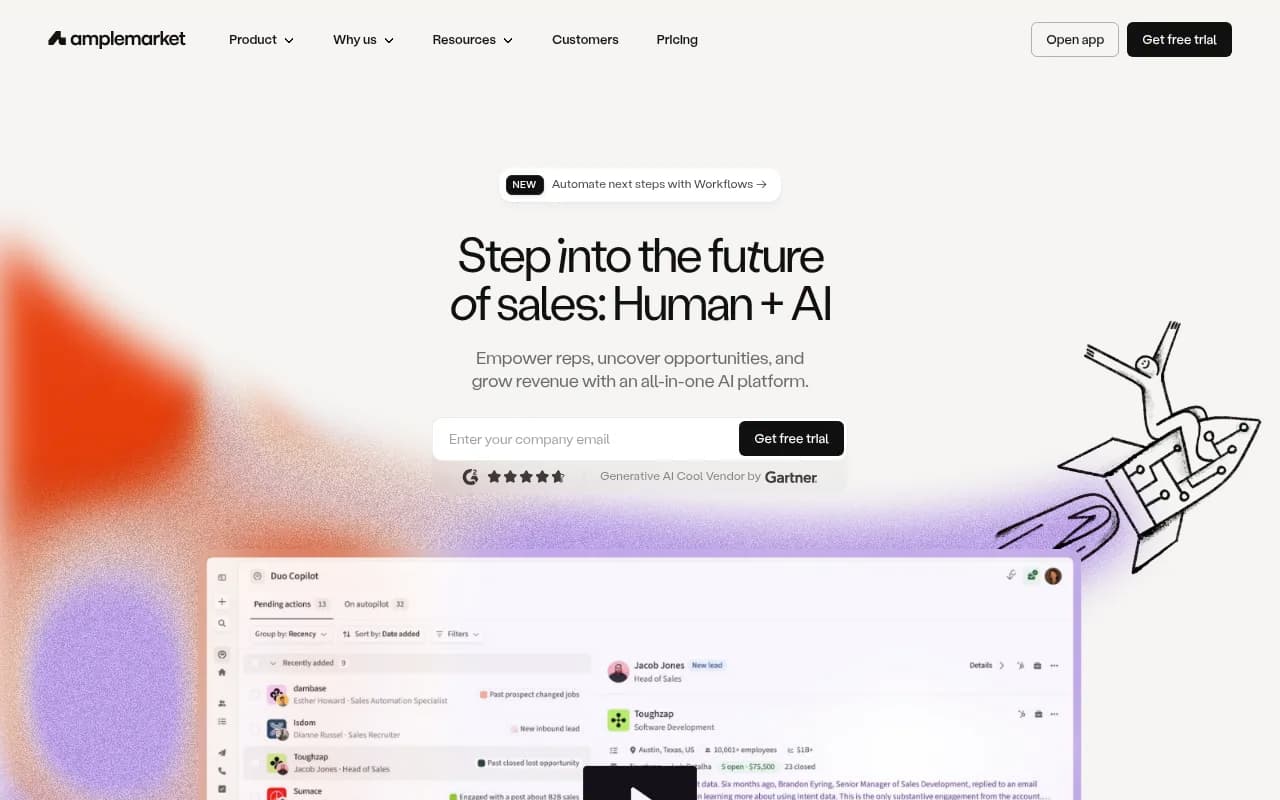
Amplemarket is worth a look for teams that want a ZoomInfo-level data product with better built-in AI features than ZoomInfo currently offers.
The bottom line
If you're a small or mid-market team running US-focused email outbound: start with Apollo. The price is right, the data is good enough for most use cases, and the built-in engagement tools reduce your stack complexity.
If you're an enterprise team with RevOps support and a phone-heavy motion: ZoomInfo is worth the price, but negotiate hard and hold them to data quality SLAs.
If you're selling into Europe or working in a compliance-sensitive industry: Cognism is the right call, full stop. Connect it to whatever engagement platform you're already using.
If you have a technical RevOps person and want to build something custom: Clay is genuinely powerful and worth the investment in setup time.
If you just need quick LinkedIn contact lookups: Lusha gets the job done cheaply.
If data accuracy is your single biggest concern and you're willing to work with a smaller database: UpLead's 95% guarantee is meaningful.
The worst outcome is paying for ZoomInfo's enterprise pricing when Apollo would have done the job, or choosing Apollo when your team is running EMEA phone outbound and needs Cognism's verification quality. Match the tool to the motion, not to the marketing deck.