Key takeaways
- Peec AI is a solid entry-level AI visibility tracker, but its Pro plan caps you at 100 prompts and 4 base AI engines, with no content tools or site audits.
- Most alternatives fall into two camps: monitoring-only dashboards (cheaper, simpler) and full optimization platforms (more expensive, but they actually help you fix visibility gaps).
- Your team size and goals matter more than price. A solo marketer and an enterprise SEO team have almost nothing in common in terms of what they need.
- The best all-around alternative for teams that want to go beyond tracking is Promptwatch, which covers monitoring, content generation, crawler logs, and traffic attribution in one platform.
- If you only need monitoring and have a tight budget, tools like LLM Pulse, Otterly.AI, and Goodie AI are worth a look.
Why people look for Peec AI alternatives
Peec AI has earned its place in the market. The dashboard is clean, onboarding is fast, and the unlimited countries and languages at no extra cost is a genuine differentiator that most competitors quietly charge for. For a team that just wants to know whether their brand shows up in ChatGPT or Perplexity, it works.
But there's a ceiling.
The Pro plan (€199/month) covers four base AI engines. Claude, Gemini, and Google AI Mode are enterprise add-ons with custom pricing. You're capped at 100 prompts and 9,000 AI answers per month. There's no content creation tooling, no crawler logs, no shopping visibility tracking, and no traditional SEO features to round things out.
For teams that have outgrown basic monitoring — or never needed just monitoring in the first place — the alternatives below are worth a serious look.
How to think about this decision
Before jumping into tool comparisons, it's worth being honest about what you actually need. The AI visibility tool market in 2026 has split into two distinct categories, and buying the wrong type is a common mistake.
Monitoring-only tools track how often your brand appears in AI responses. They show you a score, maybe a competitor comparison, and not much else. They're cheaper and easier to set up. If you're early in your AI visibility journey and just want to understand the landscape, these are fine starting points.
Optimization platforms do the monitoring, but they also show you why you're invisible for certain prompts, what content you're missing, and they give you tools to actually fix it. These cost more, but they're the only tools that move the needle.
Most buyers who switch away from Peec AI are doing so because they've realized monitoring without action is just expensive anxiety.
The alternatives, organized by use case
For solo marketers and small teams on a budget
If you're a one-person marketing team or a small startup, you probably don't need enterprise-grade infrastructure. You need something affordable that gives you a clear picture of your AI visibility without a six-figure contract.
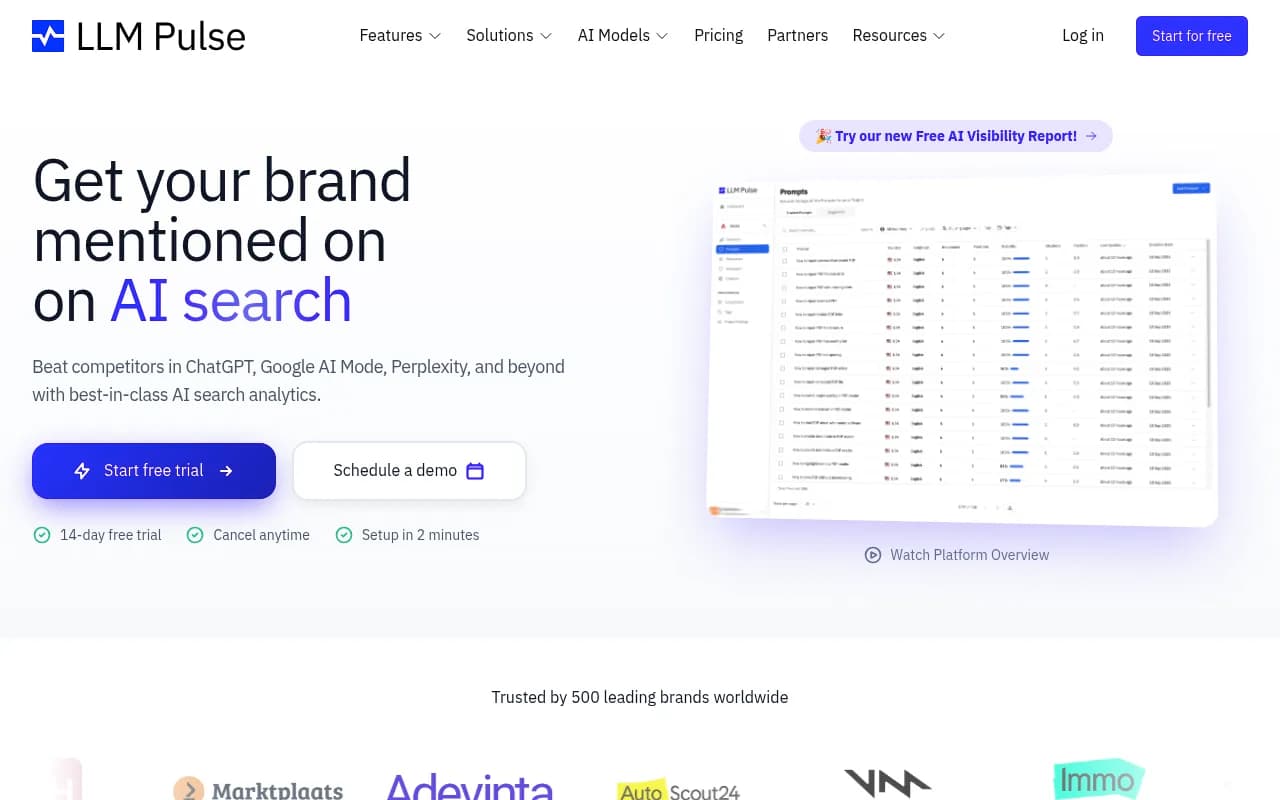
LLM Pulse is worth considering here. It tracks brand visibility across ChatGPT, Perplexity, and several other models at a lower price point than Peec's Pro tier. It's not going to give you content generation or deep analytics, but it answers the basic question: "Is my brand showing up?"
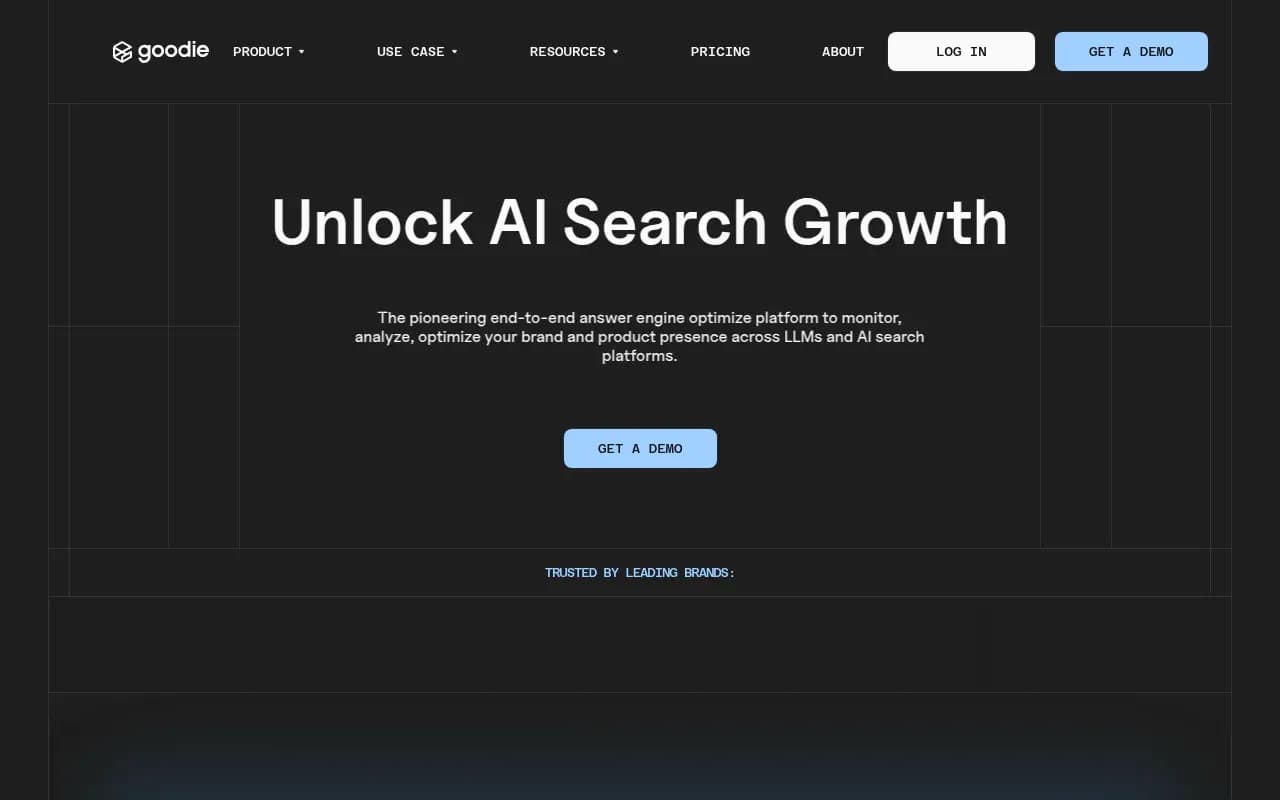
Goodie AI is another lightweight option in this category. The monitoring is basic, and you won't find crawler logs or content gap analysis here, but the entry price is low enough that it's a reasonable starting point for teams that are just beginning to think about AI search.
Otterly.AI sits in a similar space. It tracks brand mentions across ChatGPT, Perplexity, and Google AI Overviews with a clean interface. Like most monitoring-only tools, it shows you the data but leaves you to figure out what to do with it.
Otterly.AI

For growing teams that need more engine coverage
One of Peec's most common friction points is engine coverage. Four base engines on the Pro plan means you're not tracking Claude, Gemini, or Google AI Mode without paying extra. If your audience uses a mix of AI tools (and they do), that's a real gap.
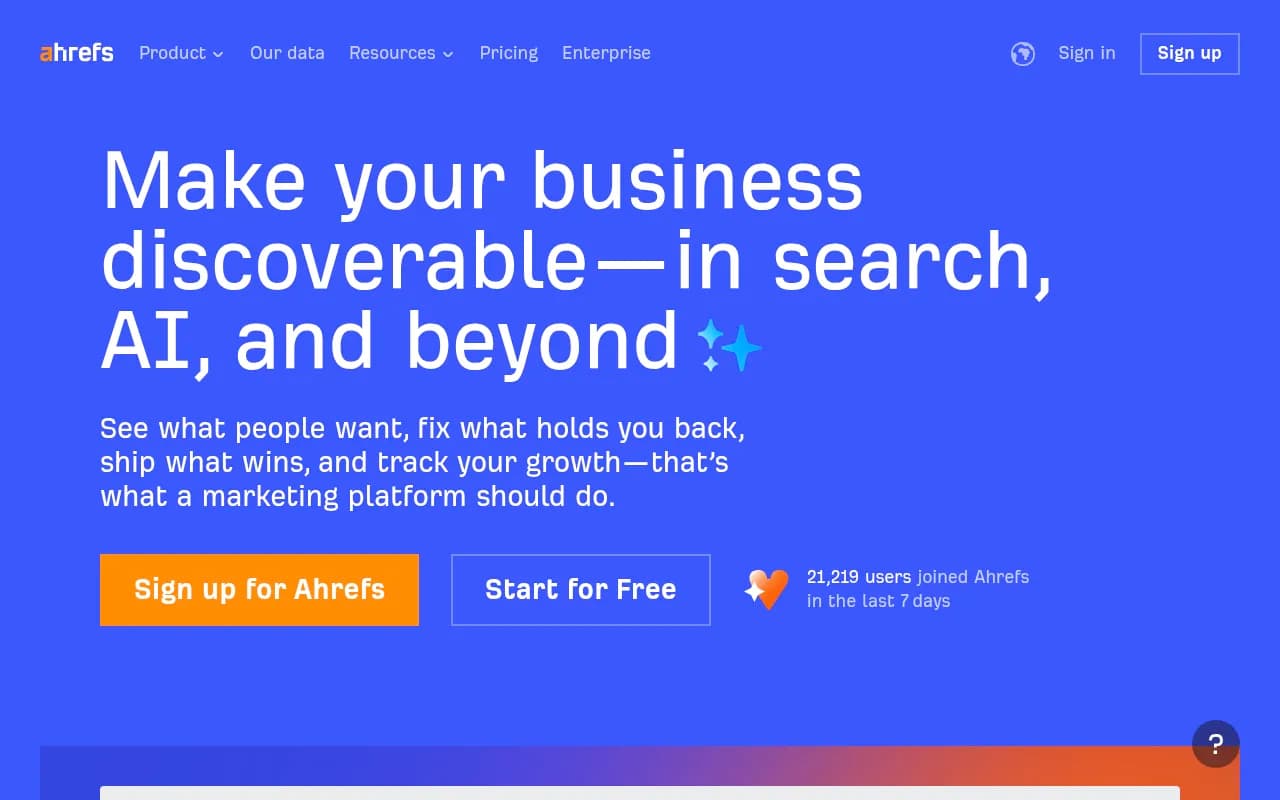
Ahrefs recently launched Brand Radar, which covers six AI engines including Google AI Overviews and Google AI Mode, plus YouTube, TikTok, and Reddit. What's interesting about Brand Radar specifically is that its prompts come from real search data rather than constructed queries, which means the visibility scores reflect actual user behavior. If data quality matters to you, that's a meaningful difference.
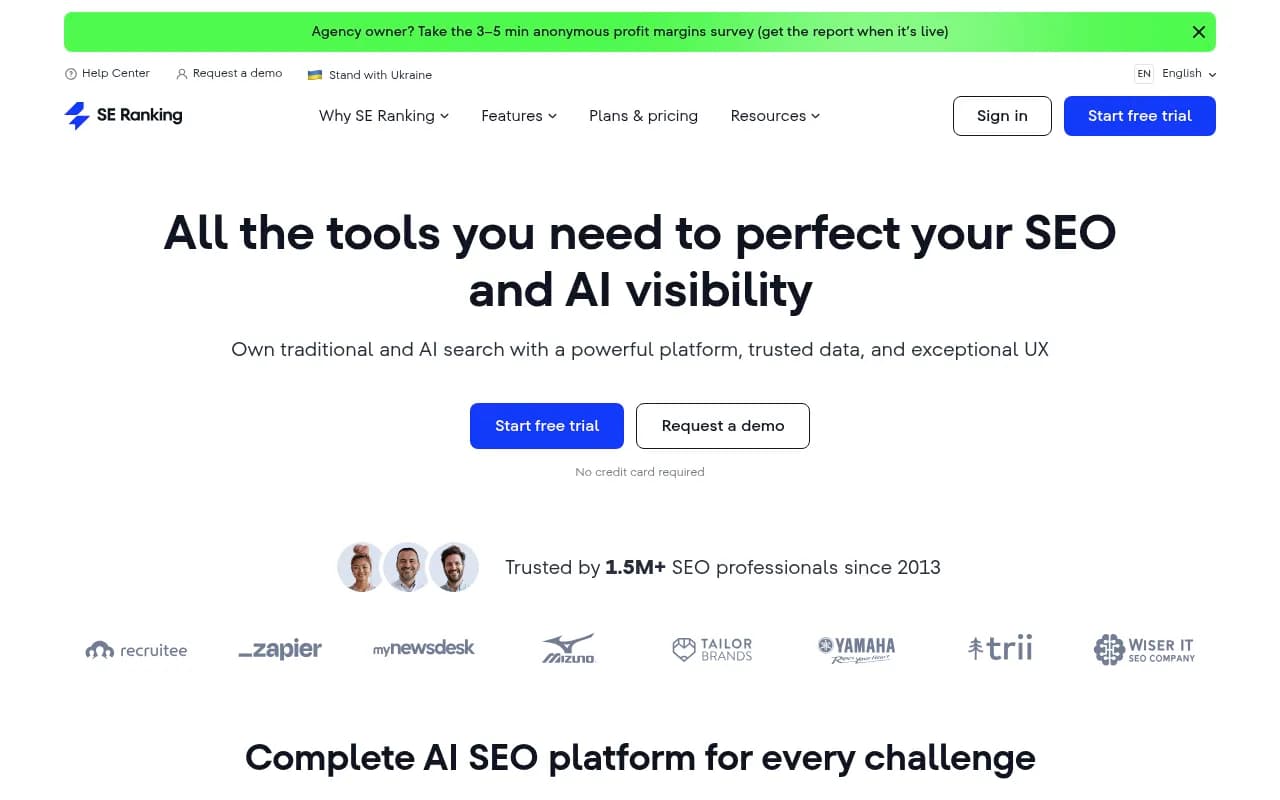
SE Ranking is another option worth considering for teams that want AI visibility alongside traditional SEO. It's an all-in-one platform that covers rank tracking, site audits, and content tools, with AI visibility features layered on top. The breadth is useful if you don't want to manage separate tools for SEO and AI search.
Semrush has been building out its AI visibility toolkit, and for teams already paying for Semrush's SEO suite, it makes sense to explore what's already included before buying a separate tool. That said, Semrush uses fixed prompts rather than dynamic prompt tracking, which limits how useful the AI visibility data is for competitive analysis.
For teams that need content tools alongside monitoring
This is where the market really splits. Most tools in this space will tell you that your brand visibility is low. Very few will help you do something about it.
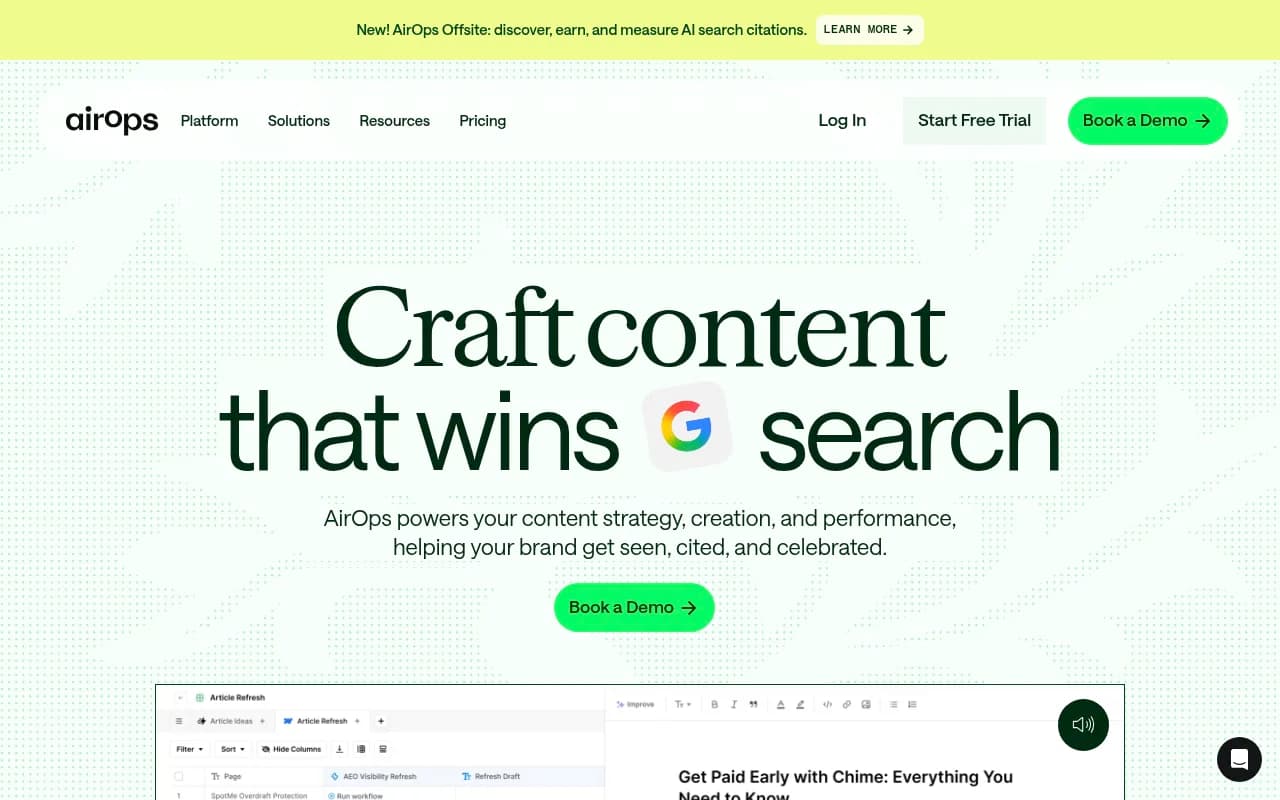
AirOps is positioned as a content engineering platform for AI search visibility. It's built around the idea that content is the lever, and it gives teams tools to research, brief, and produce content that's more likely to be cited by AI models. If your team is content-heavy and you want a tool that connects content production to AI visibility outcomes, AirOps is worth evaluating.
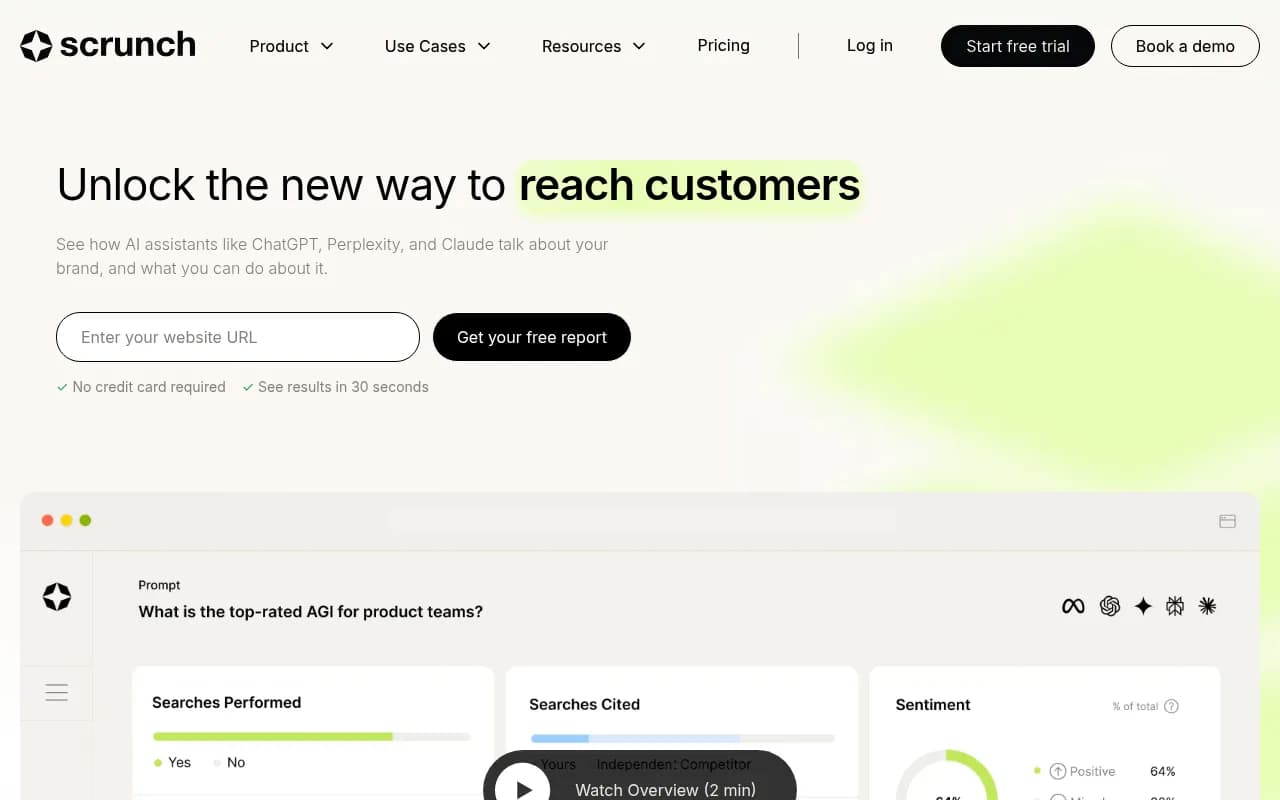
Scrunch AI takes a different angle. It focuses on the technical infrastructure layer — specifically, how AI crawlers interact with your website. If your pages aren't being crawled or indexed correctly by AI agents, no amount of content will fix your visibility. Scrunch addresses that problem directly.
Search Atlas is an AI-powered SEO automation platform that covers content creation, technical fixes, and publishing in one workflow. It's broader than a pure AI visibility tool, but for teams that want to consolidate their SEO and GEO work, it's a reasonable option.
For teams that want an end-to-end optimization platform
This is the category where the biggest gap in the market exists. Most tools stop at monitoring. A handful go further.
Promptwatch is the clearest example of a platform built around the full optimization loop rather than just reporting. The core workflow is: find the prompts where competitors are visible but you're not (Answer Gap Analysis), generate content specifically designed to close those gaps (Content Agents), and track the results as AI models start citing your new pages. It also includes real-time AI crawler logs that show which pages AI agents are reading, how often they return, and when a page moves from crawl to citation. That last piece is something most competitors don't offer at all.

Profound is the other enterprise-grade option in this space. It's built for large teams that want deep prompt demand data and action layers around AI visibility. The price point is higher than Peec, but the feature depth justifies it for teams that are serious about AI search as a channel.
Profound

AthenaHQ takes a more opinionated approach to AEO and GEO, with strong action workflows built into the platform. It's a better fit for teams that want the tool to guide them through the optimization process rather than just surface data.

Head-to-head comparison
Here's how the main alternatives stack up against Peec AI across the dimensions that matter most for buying decisions:
| Tool | Best for | AI engines covered | Content generation | Crawler logs | Starting price |
|---|---|---|---|---|---|
| Peec AI | Entry-level monitoring | 4 (Pro), more on Enterprise | No | No | €199/mo |
| Promptwatch | End-to-end optimization | 10+ | Yes | Yes | $99/mo |
| Profound | Enterprise teams | 9+ | Partial | No | Custom |
| AthenaHQ | Action-oriented GEO | 6+ | Yes | No | Custom |
| Ahrefs Brand Radar | Data quality + coverage | 6 + social | No | No | $50/mo |
| SE Ranking | All-in-one SEO + AI | 5+ | Yes (SEO content) | No | $65/mo |
| Scrunch AI | Technical AI crawling | 5+ | No | Yes | Custom |
| AirOps | Content engineering | 5+ | Yes | No | Custom |
| Otterly.AI | Budget monitoring | 4 | No | No | $49/mo |
| LLM Pulse | Solo/small teams | 4+ | No | No | $29/mo |
| Goodie AI | Lightweight monitoring | 3-4 | No | No | Free tier |
How to match a tool to your situation
You're a solo marketer or early-stage startup
Start with something cheap and simple. LLM Pulse or Goodie AI will tell you whether your brand is showing up at all. Once you have baseline data and you're ready to act on it, upgrade to a platform with content tools.
You're a marketing team of 3-10 people
You probably need more than basic monitoring, but you don't need enterprise pricing. Promptwatch's Professional plan ($249/month) covers 2 sites, 150 prompts, 15 articles per month, and includes crawler logs. That's a reasonable fit for a mid-size team that wants to track, understand, and improve AI visibility without a massive budget.
You're an agency managing multiple clients
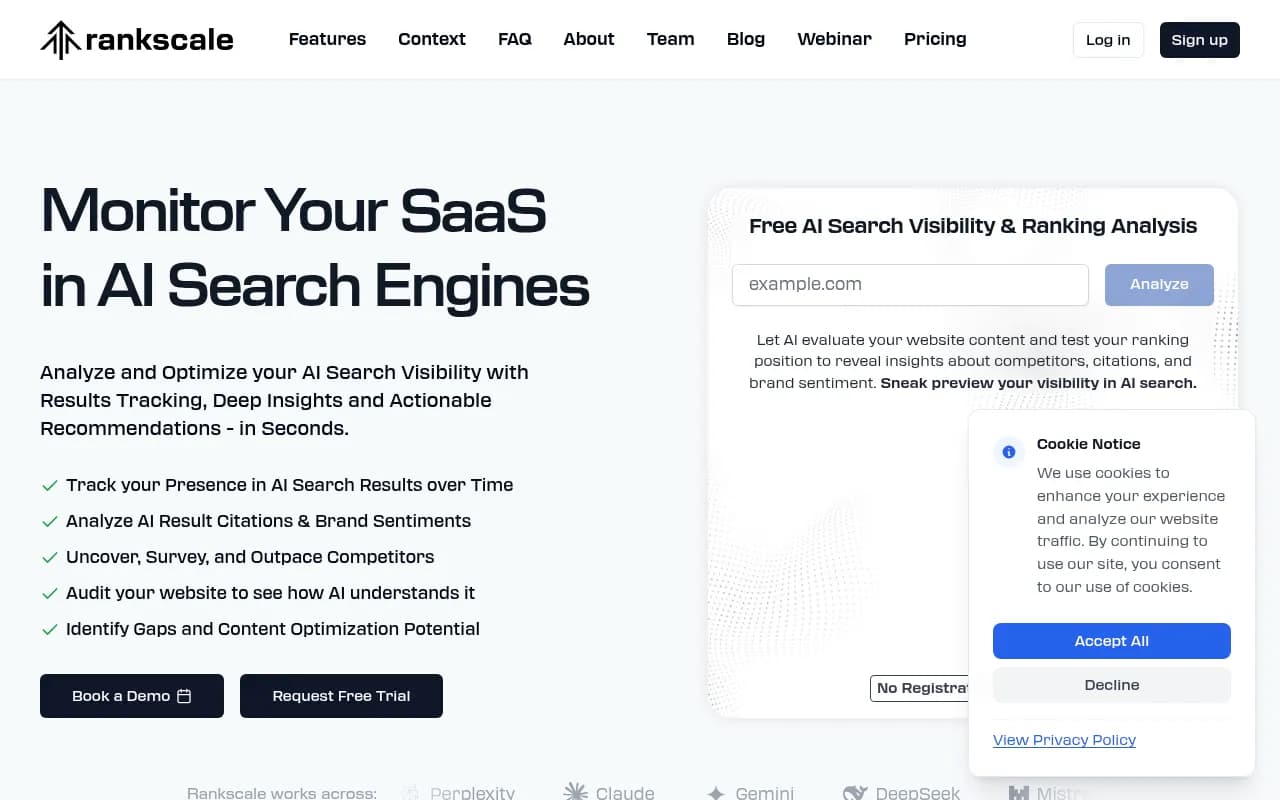
Agency needs are different. You want white-label reporting, multi-site management, and enough prompt volume to cover diverse client industries. Promptwatch has custom agency and enterprise pricing. Rankscale is another agency-focused option worth evaluating.
You're an enterprise brand with complex requirements
Profound and AthenaHQ are the main contenders here, alongside Promptwatch's Business and Enterprise tiers. The key questions at enterprise scale are: How many sites do you need to monitor? Do you need multi-language and multi-region tracking? Do you need custom integrations or API access? Promptwatch covers all of these, including Looker Studio integration and a full API.
You care most about data quality
Ahrefs Brand Radar is worth serious consideration. Its prompt data comes from real search queries rather than constructed scenarios, which means every metric is grounded in actual user behavior. If you're making content investment decisions based on visibility data, the quality of that underlying data matters a lot.
What most buyers get wrong
The most common mistake is buying a monitoring tool and expecting it to improve your AI visibility. It won't. Knowing that you're invisible for a prompt doesn't make you visible for it.
The second most common mistake is over-investing in engine coverage before you've figured out what prompts actually matter for your business. Tracking 10 AI models across 500 prompts sounds comprehensive, but if those prompts don't reflect how your actual customers search, the data is noise.
Start with a focused set of prompts that represent real buying intent in your category. Get good data on those. Then expand.
The third mistake is treating AI visibility as a separate workstream from content. The brands that are winning in AI search aren't running separate SEO and GEO programs. They're creating content that's genuinely useful, well-structured, and answers specific questions. The tools that help you do that, rather than just measure whether you've done it, are the ones worth paying for.
The bottom line
Peec AI is a reasonable starting point, but it's a monitoring tool in a market that increasingly rewards optimization. If you've hit the ceiling on what monitoring alone can tell you, the next step is a platform that helps you act on the data.
For most teams, that means evaluating Promptwatch (end-to-end optimization, crawler logs, content generation), Profound (enterprise depth), or AthenaHQ (opinionated GEO workflows) depending on your budget and team size. If you're not ready to invest in a full optimization platform, Ahrefs Brand Radar offers the best data quality in the monitoring-only tier.
The market is moving fast. Brands that figure out AI search visibility in 2026 will have a meaningful head start over those that wait until it becomes obvious.