Key takeaways
- Ranking in Google's traditional results does NOT guarantee inclusion in AI Overviews -- they use different selection criteria
- AI Overviews favor content that is structured, trustworthy, and directly answers specific questions -- not just content that's optimized for keywords
- Disappearing from AI Overviews is often caused by content trust issues, thin entity signals, or structural problems Google's AI can't parse
- Fixing it requires a combination of content restructuring, entity building, and ongoing visibility monitoring
- Tools like Promptwatch can show you exactly which prompts your competitors appear in that you don't, so you know what to fix first
You did everything right. Your page ranks on page one. Traffic is decent. Then you check Google AI Overviews and your brand is just... gone. A competitor you've never heard of is being cited instead.
This is one of the more disorienting things happening in search right now, and it's happening to a lot of brands. The problem is that most SEO advice treats Google AI Overviews like a natural extension of traditional rankings. It isn't. The selection logic is different, the content requirements are different, and the reasons you disappear are different too.
Here's what's actually going on, and what you can do about it.
Why ranking and being cited in AI Overviews are two different things
Google's traditional ranking algorithm and the system that selects content for AI Overviews share some signals, but they're not the same system. A page can rank well for a query and still never appear in an AI Overview for that same query.
The reason, as Stridec's analysis puts it bluntly: "Google can rank the page. But Google AI does not trust it enough to summarise it. Or cannot extract a safe, structured answer from it."
That distinction matters. Traditional ranking rewards relevance and authority. AI Overviews require something more: the content has to be extractable. Google's AI needs to be able to pull a coherent, accurate, safe answer from your page without ambiguity. If your content is written for humans to read top-to-bottom but doesn't have clear, self-contained answers to specific questions, the AI will skip it -- even if it's ranking well.
There's also a trust dimension. AI Overviews are more conservative than organic rankings because Google is putting its name behind the answer. Content that feels thin, overly promotional, or lacking in specific detail is more likely to get filtered out.
The most common reasons brands disappear
Your content answers questions, but not clearly enough
This is the most common culprit. A lot of well-ranking content is written in a flowing, narrative style that works for readers but is hard for AI to extract answers from. If your page doesn't have a clear, direct answer to the query somewhere in the text -- ideally in a short paragraph or a structured list -- the AI will often pull from a competitor that does.
The fix isn't to make your content worse for humans. It's to add structured answer blocks. Think of them as FAQ-style sections where you directly answer the question in 2-4 sentences, then elaborate below. This gives the AI something to grab without sacrificing the depth that earns your rankings.
Your entity signals are weak
Google's AI doesn't just look at pages in isolation. It looks at what it knows about your brand as an entity. If your brand has thin entity signals -- inconsistent name/address/phone data, no Wikipedia presence, sparse mentions across authoritative sources -- the AI is less likely to trust you as a source worth citing.
This is partly why newer or smaller brands get overlooked even when their content is genuinely good. The AI is making a trust judgment, and entity strength is a major input.
Building entity signals takes time, but the levers are concrete: consistent NAP data across directories, structured data markup (especially Organization and LocalBusiness schema), mentions in industry publications, and a well-maintained Google Business Profile.
Your page structure makes extraction difficult
AI systems parse pages differently than humans read them. Long walls of text, heavy use of JavaScript rendering, content buried inside tabs or accordions, and missing heading structure all make it harder for Google's AI to identify and extract the relevant answer.
Pages that get cited in AI Overviews tend to have clear H2/H3 structure, short paragraphs, and answers that appear near the top of the relevant section -- not buried three scrolls down.
You're not covering the right question variants
AI Overviews often trigger for long, conversational queries -- the kind of thing someone would type into ChatGPT rather than a traditional search bar. If your content is optimized for short-tail keywords but doesn't address the specific question variants people are actually asking, you won't appear even if you rank for the head term.
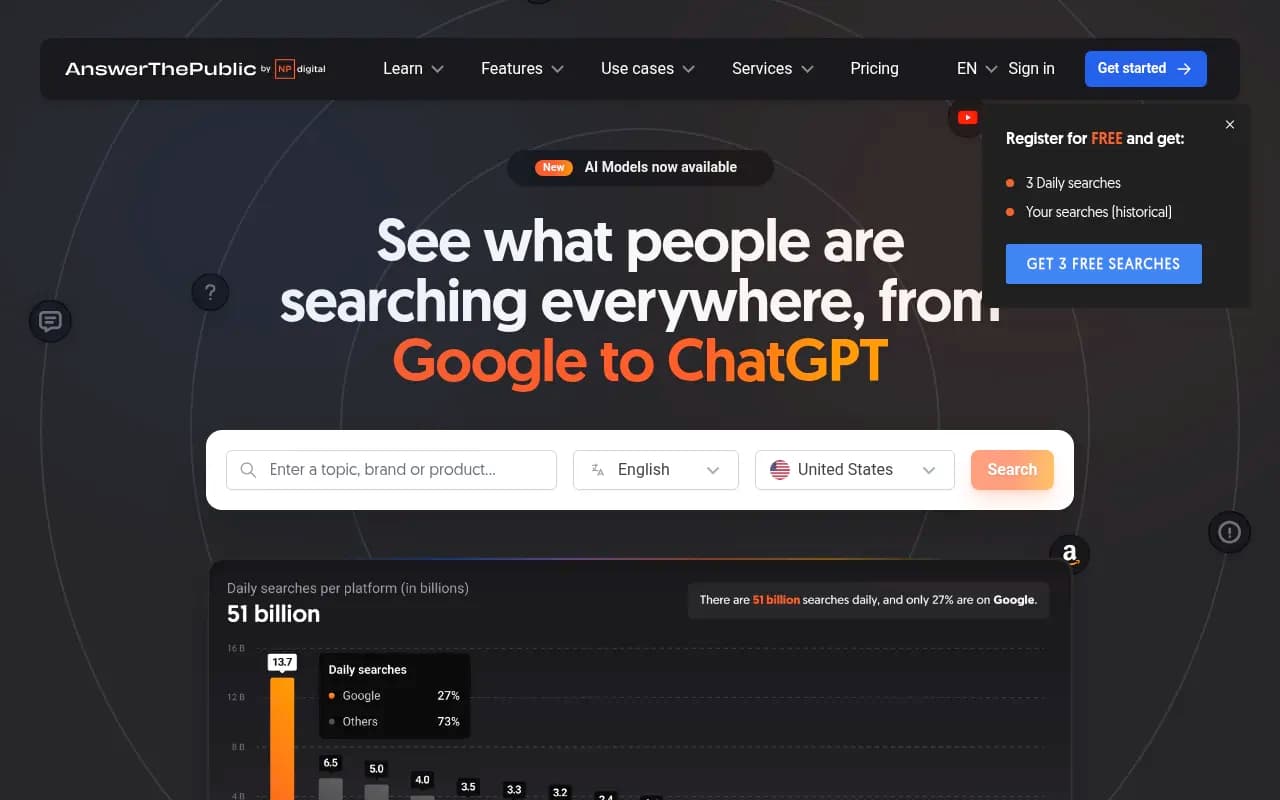
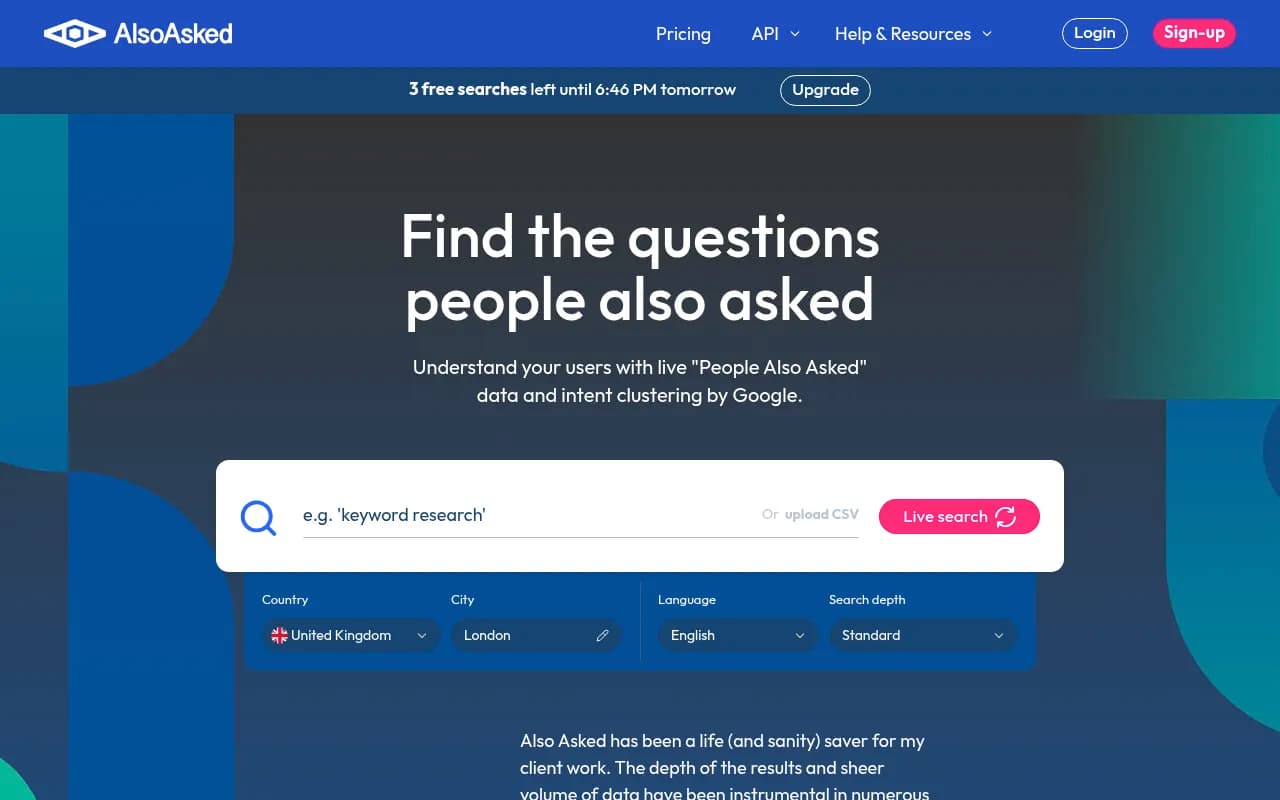
Tools like AnswerThePublic and AlsoAsked are useful for surfacing question variants.
You disappeared after a content update
This one catches people off guard. You update a page -- maybe to improve it, add new information, or refresh the date -- and suddenly it drops out of AI Overviews. This happens because Google's AI re-evaluates content when it changes. If the update inadvertently removed a structured answer section, changed the tone to something more promotional, or introduced ambiguity, the AI may stop trusting the page.
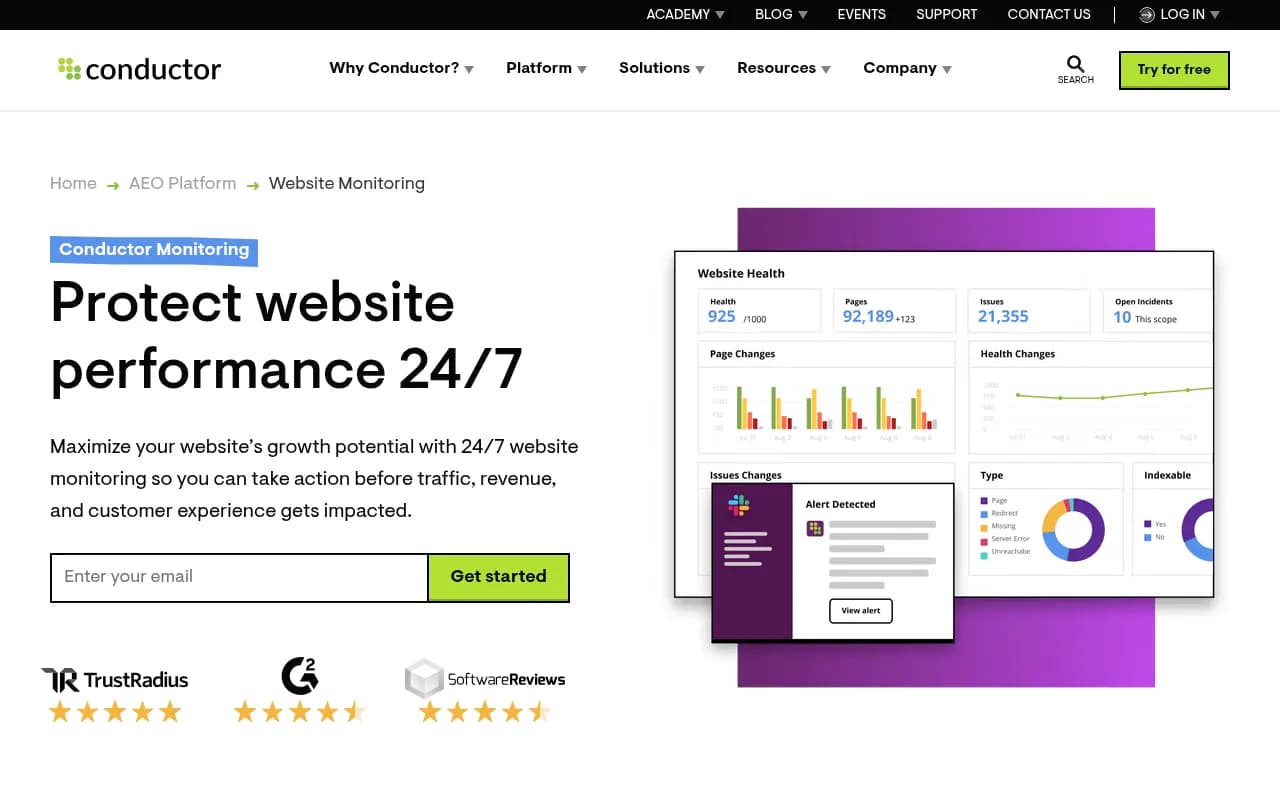
If you've recently updated a page that used to appear in AI Overviews, compare the current version to what it looked like before. The Wayback Machine or a tool like ContentKing can help you track what changed.
The "neural decay" problem nobody talks about
There's a subtler issue that a Reddit thread on this topic described well: "neural decay." Even if you haven't changed anything, your AI visibility can erode over time as new content enters the web and competitors publish better-structured answers.
AI Overviews aren't static. Google's AI is continuously re-evaluating which sources best answer each query. If a competitor publishes a cleaner, more direct answer to a question you used to own, you can get displaced without doing anything wrong.
This is why monitoring matters as much as optimization. You need to know when you've been displaced, not just when you've never appeared. Platforms like Promptwatch track exactly this -- which prompts you're appearing in, which ones you've dropped out of, and where competitors are gaining ground.

How to diagnose your AI Overviews visibility
Before you start fixing things, you need to understand what's actually happening. Here's a practical diagnostic approach:
Step 1: Map your target queries to AI Overview behavior. Search for the queries you care about in Google and note which ones trigger AI Overviews, what sources are cited, and whether you appear. Do this in an incognito window to avoid personalization.
Step 2: Check your structured data. Use Google's Rich Results Test to verify your schema markup is valid. Missing or broken structured data is a common reason pages get overlooked.
Step 3: Audit your content for extractability. For each page you want to appear in AI Overviews, ask: is there a clear, direct answer to the target query somewhere in the first few paragraphs of the relevant section? If you have to read the whole page to find the answer, so does the AI.
Step 4: Check your entity consistency. Search for your brand name and verify that your business information is consistent across Google Business Profile, your website, major directories, and any schema markup you have.
Step 5: Monitor for displacement. Set up tracking so you know when you drop out of AI Overviews for queries you previously appeared in. Manual checks don't scale -- this is where dedicated AI visibility tools earn their keep.
What actually works: fixes that move the needle
Add direct answer blocks to existing content
Go through your highest-traffic pages and add a short, direct answer to the primary question near the top of each relevant section. Format it as 2-4 sentences that could stand alone as an answer. This is the single highest-leverage change most sites can make.
Implement FAQ schema
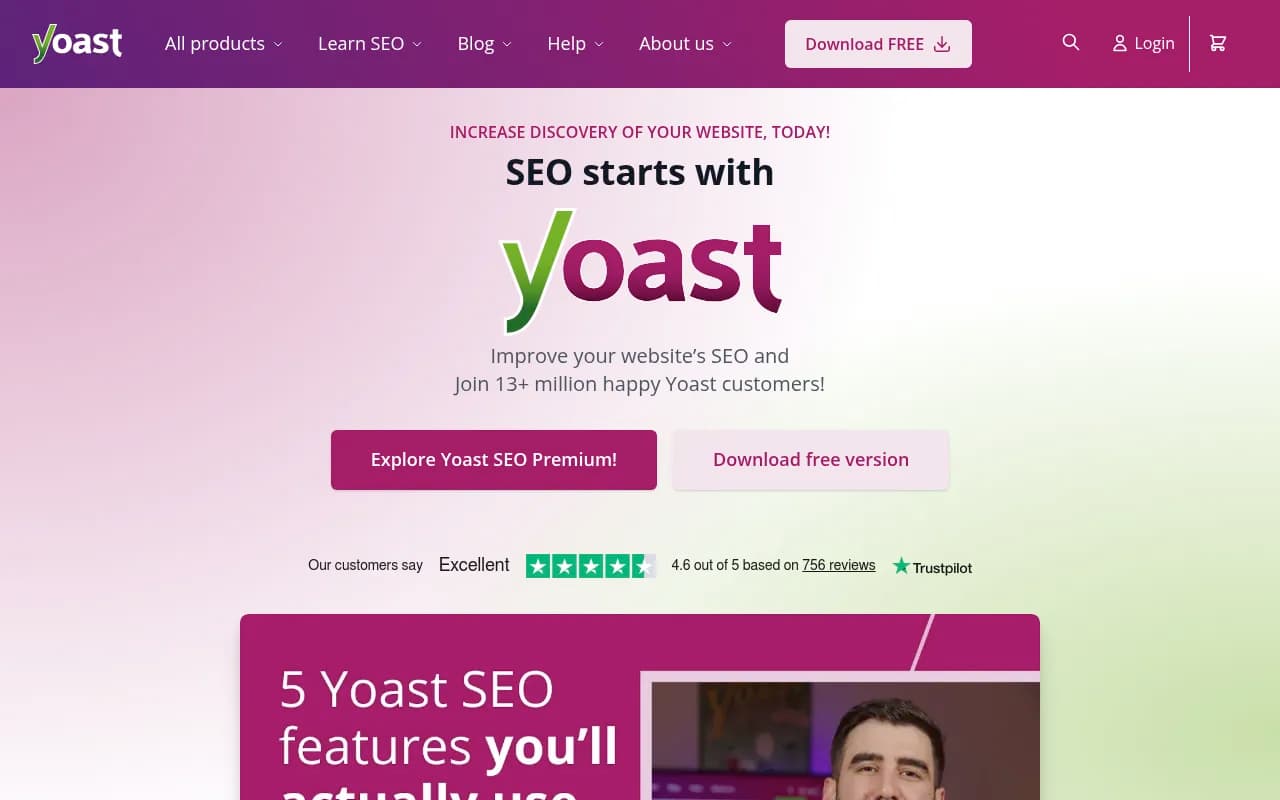
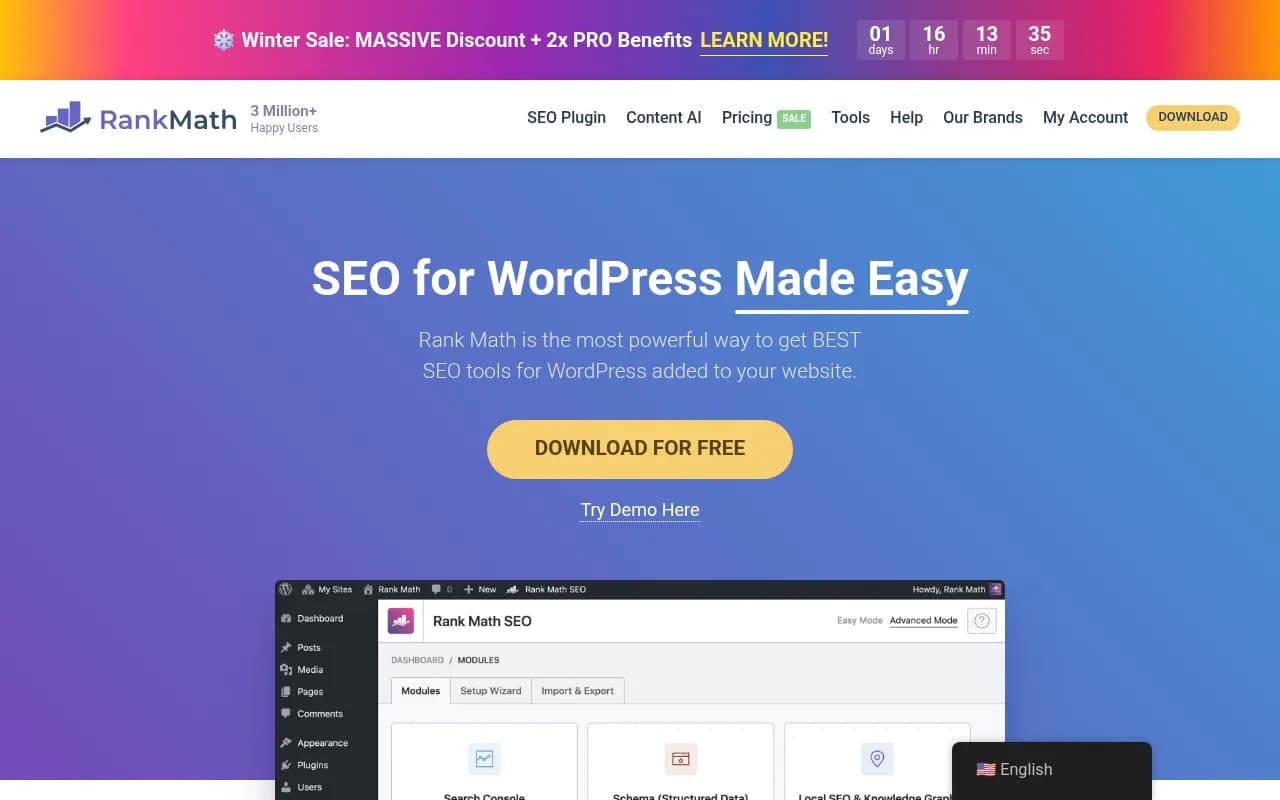
FAQ schema tells Google's AI exactly where the questions and answers are on your page. It's not a magic bullet, but it makes extraction significantly easier. If you're on WordPress, plugins like Yoast SEO or Rank Math make this straightforward.
Build topical depth, not just page depth
AI Overviews tend to cite sources that have broad, deep coverage of a topic -- not just one good page. If you have one strong article on a topic but nothing else around it, you're at a disadvantage compared to a site that has 10 articles covering different angles of the same subject.
Think about the topic cluster around each query you want to own. What are the related questions? What are the sub-topics? Publishing content that addresses these creates a stronger topical signal.
Fix your entity signals
If your entity signals are weak, prioritize these:
- Add
Organizationschema to your homepage with consistent name, URL, logo, and social profiles - Ensure your Google Business Profile is complete and up to date
- Get your brand mentioned in at least a few authoritative industry publications (even a quote in a roundup helps)
- Claim and complete your profiles on major business directories
Target question-based queries explicitly
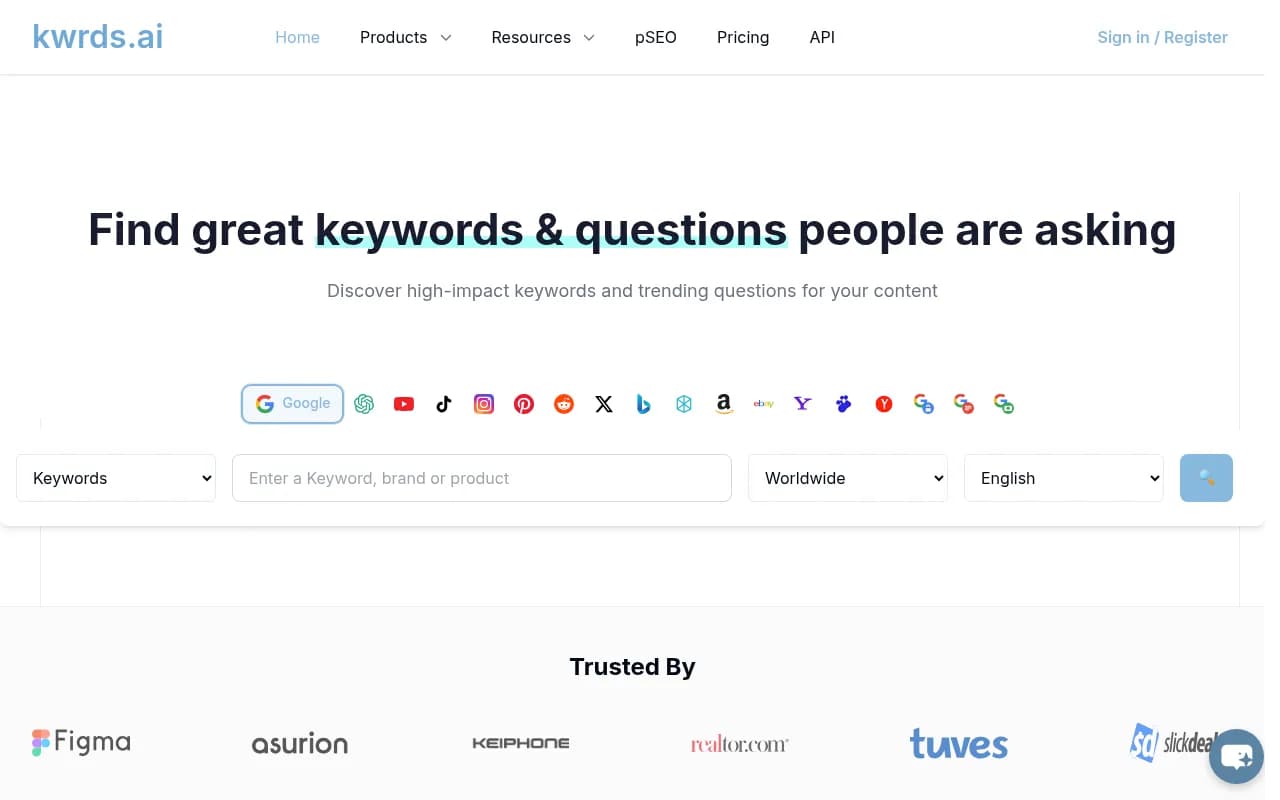
Create content that directly targets the long, conversational queries that trigger AI Overviews. These are often questions that start with "how do I", "what is the best", "why does", "should I" -- the kind of thing someone would ask an AI assistant.
Tracking your progress
One of the frustrating things about AI Overviews is that there's no Google Search Console report for them (at least not yet in any meaningful form). You can't easily see which queries you're appearing in or how your visibility is trending.
This is where dedicated AI visibility tracking becomes genuinely useful rather than just nice-to-have. Platforms like Promptwatch track your brand's appearance across Google AI Overviews and other AI search engines, show you which prompts competitors are winning that you're not, and help you identify the content gaps driving those losses.
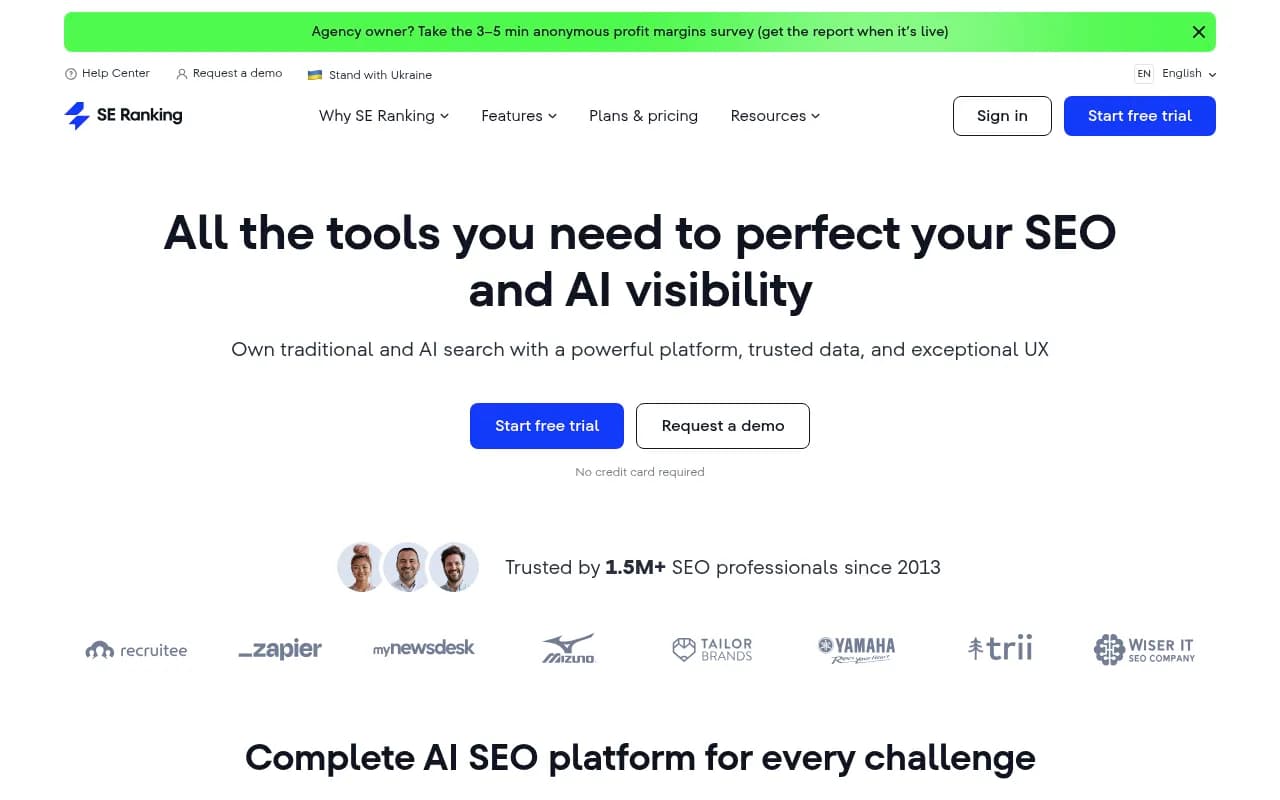
For teams that want to monitor AI Overviews specifically alongside traditional SEO metrics, Semrush has added some AI Overview tracking, and SE Ranking has been building out similar features.
The broader picture: AI search is a different game
The underlying shift here is worth naming directly. Search is moving from keyword matching to intent understanding. As one analysis put it, queries are getting much longer and more conversational -- people are describing what they want rather than typing keywords.
This means the brands that win in AI Overviews (and in AI search generally) are the ones that have genuinely useful, clearly structured content that directly addresses what people are trying to accomplish. Keyword-stuffed pages that rank through link authority alone are increasingly getting bypassed.
The good news is that this actually favors brands that invest in real content quality. If you understand what your customers are trying to do and you answer those questions clearly and completely, you have a real shot at appearing in AI Overviews -- even against bigger competitors with more domain authority.
The bad news is that you have to be more deliberate about it. You can't just write good content and hope the algorithm figures it out. You need to structure it for extraction, build your entity signals, monitor your visibility, and iterate based on what's actually working.
That's a more active process than traditional SEO, but it's also more controllable. The signals that matter are largely within your control -- and that's a better position than hoping a link-building campaign eventually tips the scales.
A quick reference: common causes and fixes
| Problem | Likely cause | Fix |
|---|---|---|
| Never appeared in AI Overviews | Content not structured for extraction | Add direct answer blocks, FAQ schema |
| Appeared before, now gone | Content update removed structured answers | Audit recent changes, restore answer blocks |
| Competitor cited instead | They have cleaner, more direct answers | Restructure content, add question-specific sections |
| Inconsistent appearance | Weak entity signals | Fix schema, clean up NAP data, build citations |
| Missing for long-tail queries | Content targets head terms only | Create content targeting question variants |
| AI can't read the page | JavaScript rendering issues | Check crawlability, consider server-side rendering |
The core insight is simple even if the execution takes work: Google AI Overviews don't reward the same things as traditional rankings. They reward content that is trustworthy, structured, and extractable. If your brand is disappearing, the answer is almost always in one of those three areas -- and all three are fixable.