Key takeaways
- No AI writing tool produces copy you should publish with zero review. A few get close on structure and on-page SEO, but facts, product claims and voice still need a human pass.
- Tools split into three groups: general models (Claude, ChatGPT) for drafting, SEO-grading tools (Surfer, Clearscope, NeuronWriter, Frase) for optimization, and one-click article writers (Koala, Byword, Junia) for speed.
- The drafts that need the least editing come from tools that take a good brief, real SERP data and your brand details as input. Garbage brief, garbage article.
- ChatGPT cites product pages and landing pages far more than blog posts, so what you write matters as much as which tool writes it.
- Pick tools by workflow stage. Most working teams run three or four together.
The honest answer to "publish untouched"
Let me say the awkward part first. The title of this guide asks which tools produce content you can publish untouched, and the real answer is: none, if you care about accuracy. Some tools produce drafts that need ten minutes of review. Others produce drafts that need an hour. That gap is what this guide is about.
What "publishable" actually requires:
- Facts that are true and current (AI tools still invent statistics and misattribute quotes)
- Search intent match, meaning the page answers what the searcher wanted
- Coverage of the subtopics that top-ranking pages cover
- A voice that does not read like every other AI article
- Internal links and brand details that only you know
Tools that handle the second and third points well (the SEO-grading tools) are the closest to publish-ready. Tools that handle the fourth well (Claude, mostly) need the least rewriting. Nothing handles the first and fifth without you.
How I grouped the tools
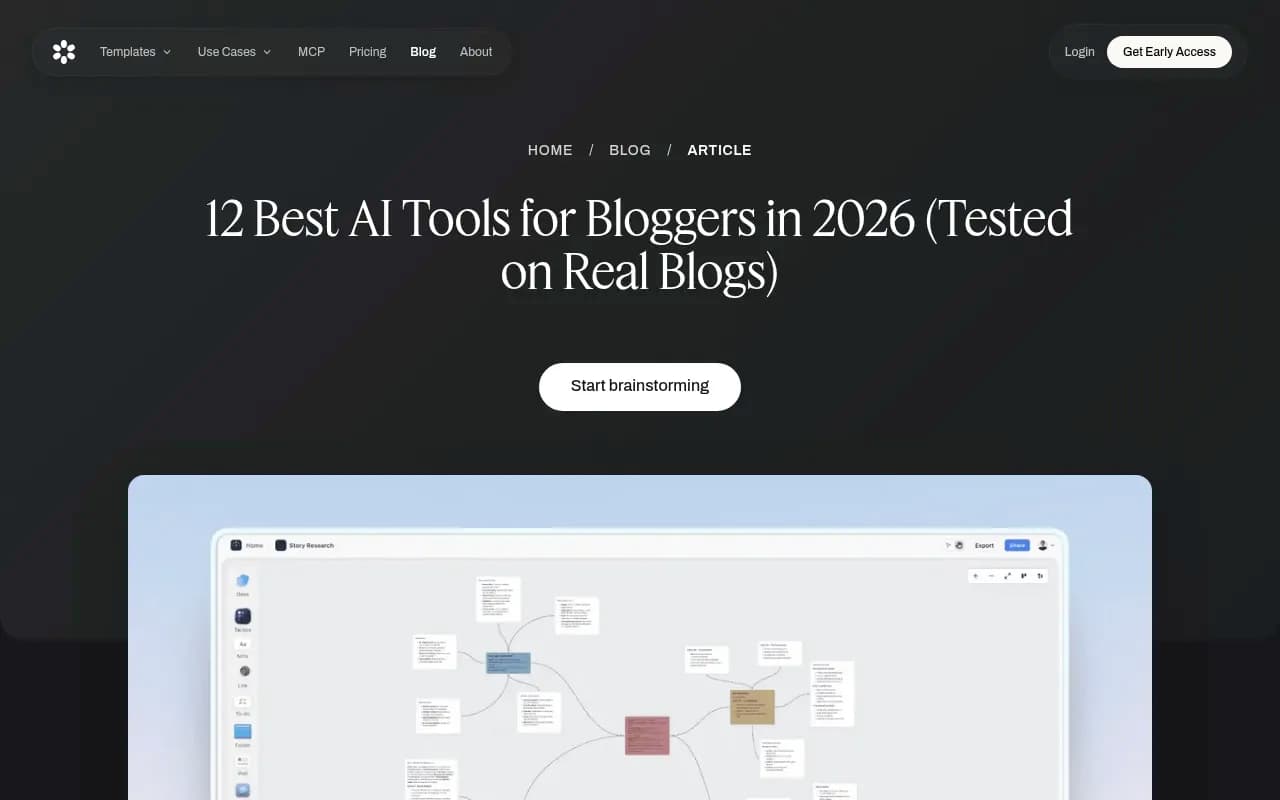
There is no single "best" because these tools do different jobs. The roundups I reviewed agree on that. Storyflow's 2026 blogger list, which is vendor-authored and ranks its own product first, still makes a fair point: most working bloggers run three or four tools together, one per phase. I'd take that with salt given the source, but it matches how I see teams work.
The three groups:
- Drafting models: general-purpose, flexible, no built-in SEO data
- SEO content platforms: brief, draft and score against live SERPs
- One-click article generators: keyword in, article out, minimal control
Drafting models
Claude
Claude is the one most writers point to when they want long-form prose that does not sound mechanical. Storyflow's roundup and several practitioners rank it first for drafting. It follows detailed style instructions well, which matters because the way to get near-publishable output is a tight brief with tone rules, banned phrases and examples.
What it lacks: no live SERP data on its own, so you bring the keyword research and competitor outline.
ChatGPT
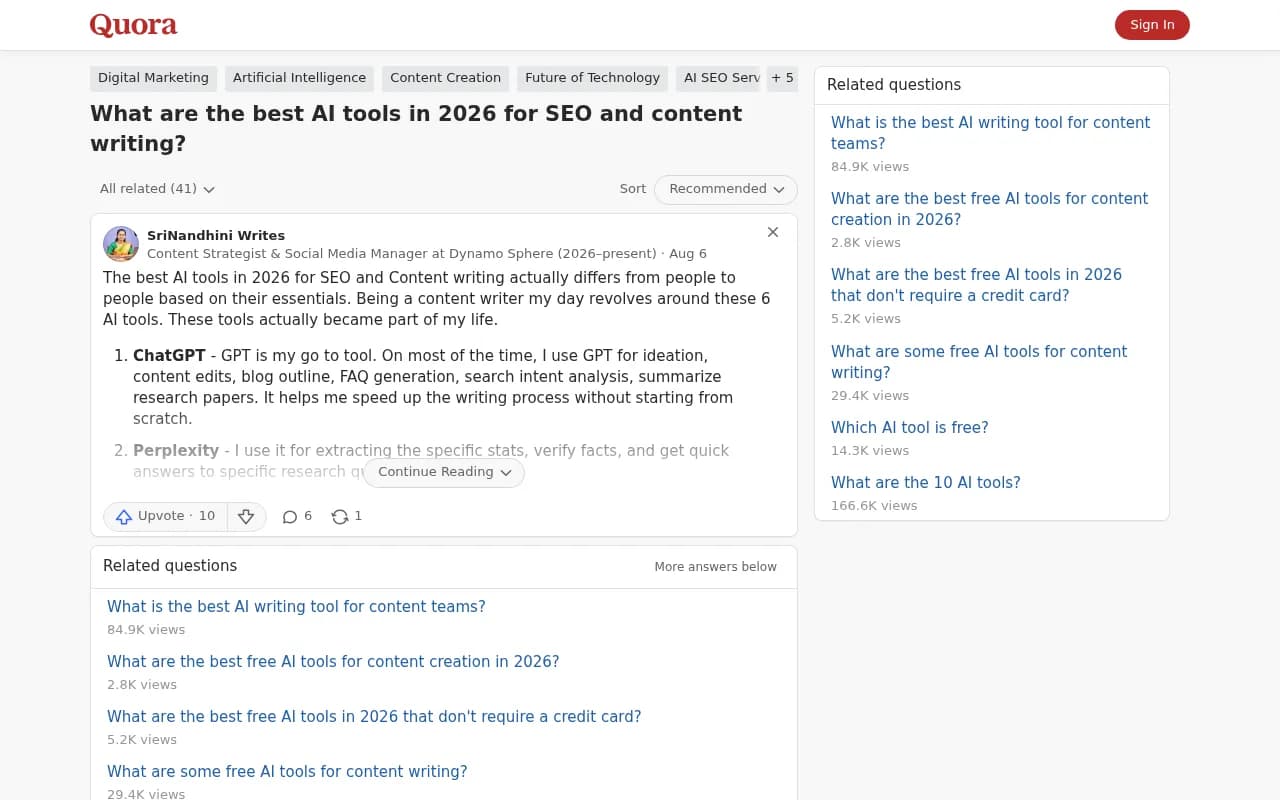
ChatGPT is the generalist. It is good for ideation, outlines, FAQ generation and search intent analysis, and one Quora contributor describes using it for exactly that. Drafts tend to be competent but generic unless you push hard on voice.
Where models fall short
Neither knows what is currently ranking, what entities top pages mention, or what your competitors' word counts look like. You can paste that in manually, but that is what the next group automates.
SEO content platforms
These tools build briefs from SERP analysis and score your draft against what ranks. For "close to publishable," this group is where I'd start.
Surfer SEO
Surfer is the best-known on-page scoring tool. It generates SERP-graded briefs and has its own AI drafting. The content score gives you a concrete target, which is useful and also easy to over-fit. Chasing a 90+ score can produce stiff, keyword-stuffed copy. Treat it as a checklist, not a goal.
Clearscope
Clearscope is the premium option favored by in-house SEO teams. It is stricter and cleaner than most, with a strong grader and good editorial workflow. It does not draft for you in the same way, so pair it with a model.

NeuronWriter
NeuronWriter covers similar semantic optimization ground at a lower price, which is why Storyflow's list calls it the affordable pick. Good for freelancers and small teams who want term suggestions and competitor analysis without enterprise pricing.
Frase
Frase leans toward research and briefs. You get a SERP breakdown, questions to answer and an outline, then an AI draft. It is a good fit if your bottleneck is planning, not typing.
Semrush Writing Assistant and ContentShake AI
If you already pay for Semrush, the Writing Assistant gives real-time scoring inside your editor, and ContentShake AI generates SEO articles from topic ideas. Convenient rather than best in class.
MarketMuse
MarketMuse is more strategy than writing: topic modeling, content gaps and planning at scale. It suits larger content programs where deciding what to write is harder than writing it.
One-click article generators
These promise a finished post from a keyword. Quality varies, and so does how much you can steer them.
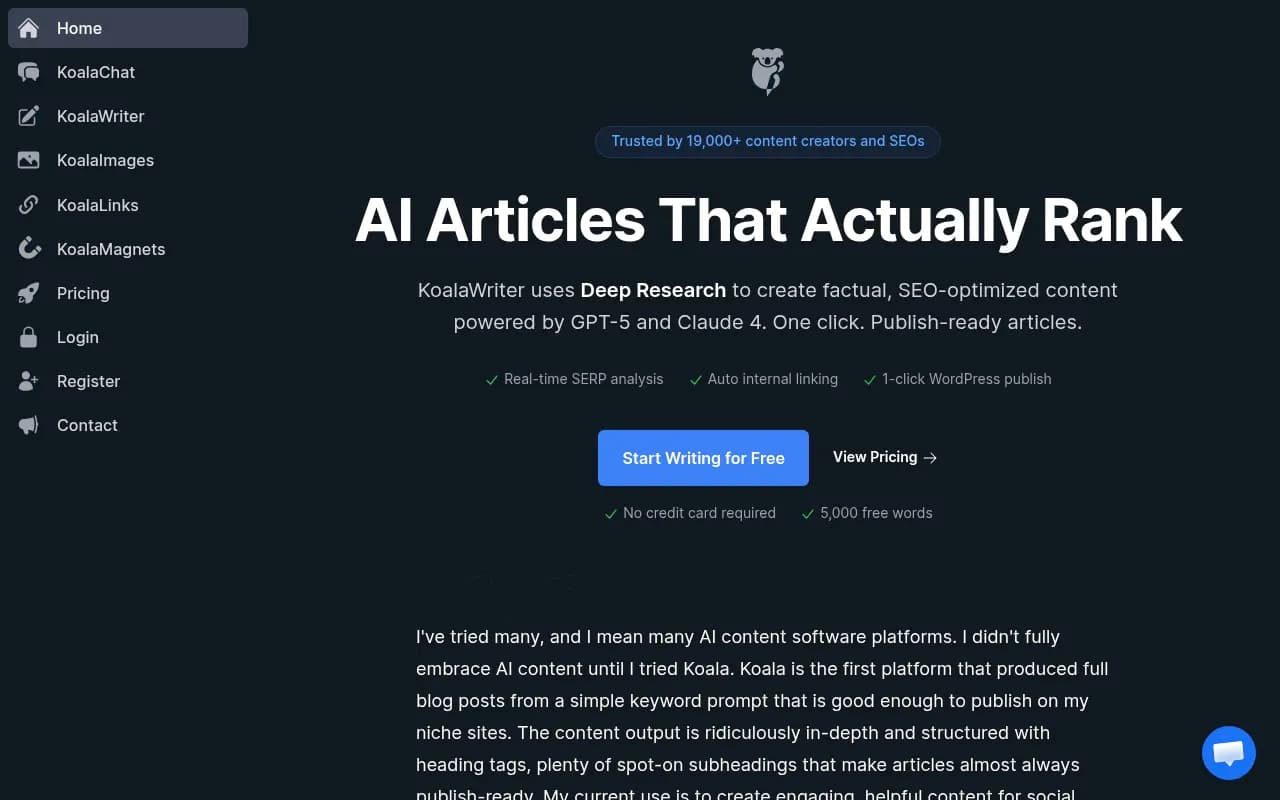
Koala AI
Koala is aimed squarely at publish-ready SEO articles, with real-time data and decent formatting. Storyflow lists it for one-click drafts. It is among the better ones in this group, but still expect to fact-check.
Junia AI, Byword and SEO Writing AI
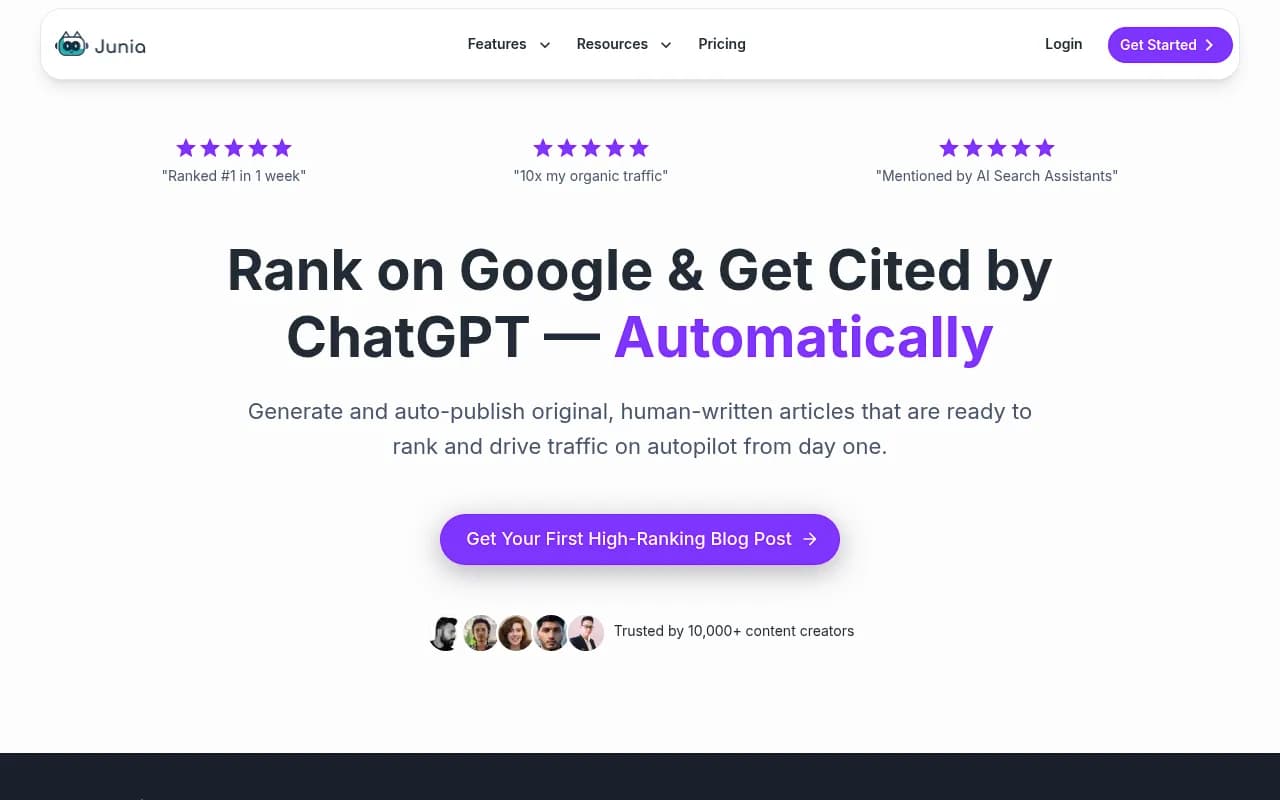
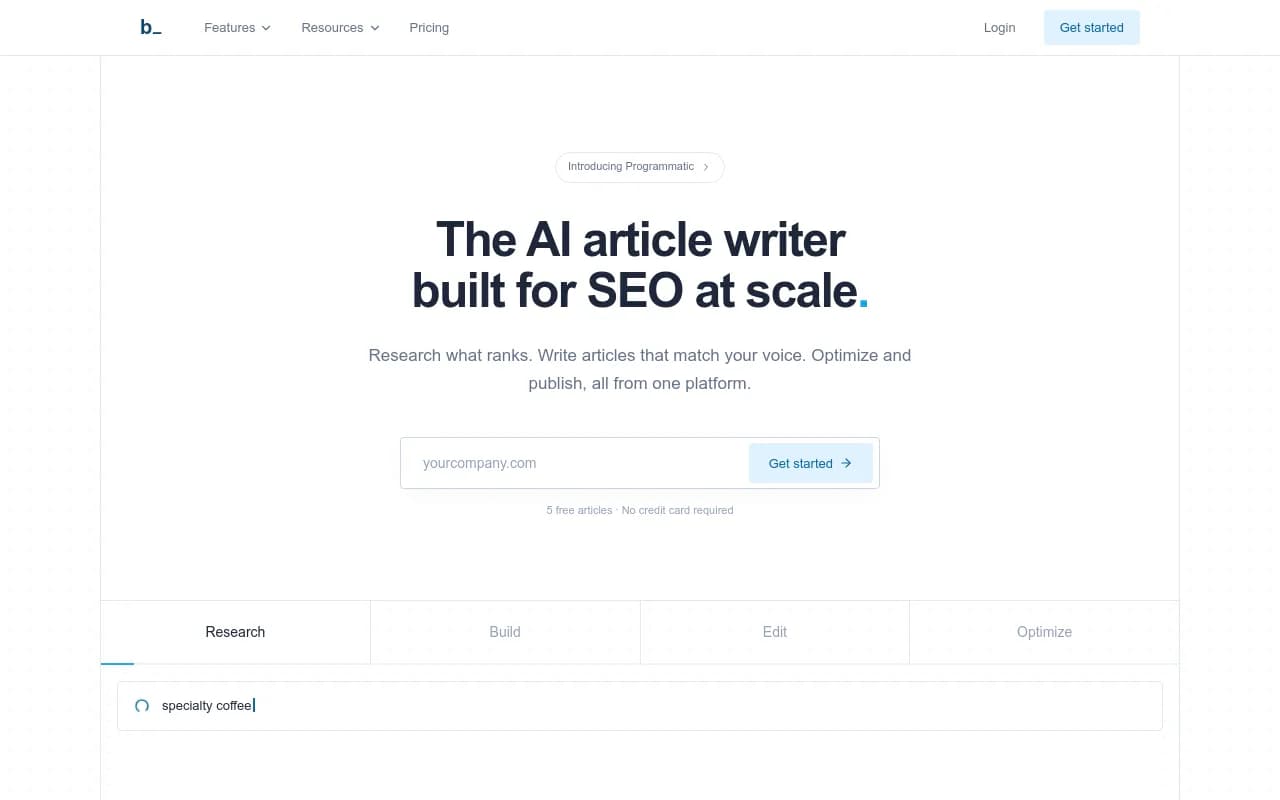
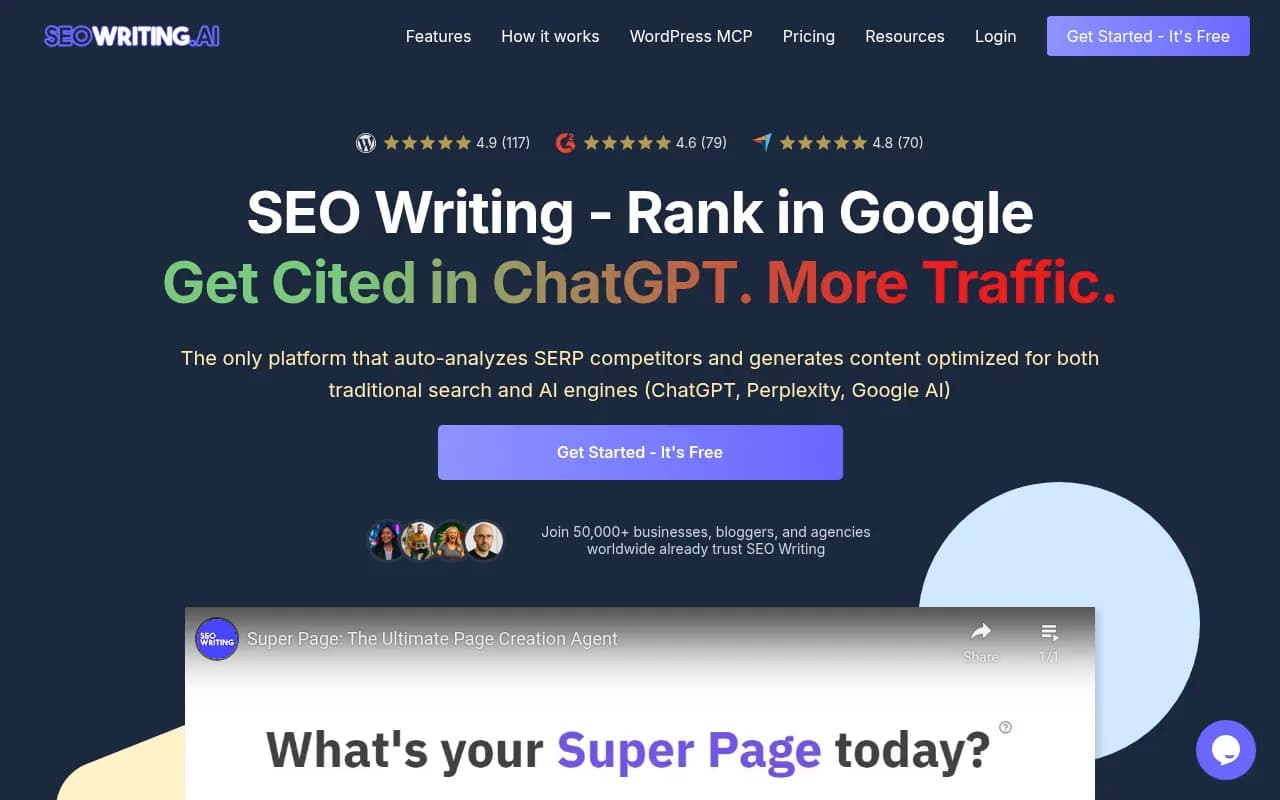
Junia AI, Byword and SEO Writing AI all write, optimize and in some cases auto-publish. Byword is built for volume, which is exactly where the risk lives: scaling thin, unreviewed content is how sites end up with a pile of pages nobody cites or clicks.
Writesonic, Jasper and Rytr
Writesonic positions itself as one platform for SEO and AI search. Jasper is better for templated marketing copy and brand voice across teams. Rytr is the budget option. The Ina Toncheva roundup covers these, but it is dated November 2025, so check current pricing and features yourself.

Comparison table
| Tool | Type | Strongest at | Editing needed before publish |
|---|---|---|---|
| Claude | Drafting model | Natural long-form prose | Moderate: facts, SEO coverage |
| ChatGPT | Drafting model | Outlines, FAQs, ideation | Moderate to heavy: voice |
| Surfer SEO | SEO platform | SERP-graded briefs, scoring | Light to moderate |
| Clearscope | SEO platform | Editorial grading | Depends on your drafter |
| NeuronWriter | SEO platform | Affordable semantic optimization | Light to moderate |
| Frase | SEO platform | Briefs and research | Moderate |
| Koala AI | One-click | Fast, formatted SEO drafts | Moderate: fact-check |
| Byword | One-click | Volume | Moderate to heavy |
| Jasper | Marketing suite | Brand voice, templates | Moderate |
The "editing needed" column is my judgment from how these tools behave, not a benchmark. Your results depend more on the brief than on the tool.
A workflow that gets you close to publishable
This is the setup I'd use, and it matches the multi-tool approach the roundups describe.
- Research the keyword and pull the SERP outline with Surfer, Frase or NeuronWriter.
- Write a real brief: intent, audience, angle, required entities, internal links, banned phrases, three examples of your voice.
- Draft in Claude or ChatGPT using that brief, section by section, not in one giant prompt.
- Score the draft in your SEO tool and fix gaps, not the number.
- Verify every statistic and named claim. Check sources with a research tool like Perplexity.
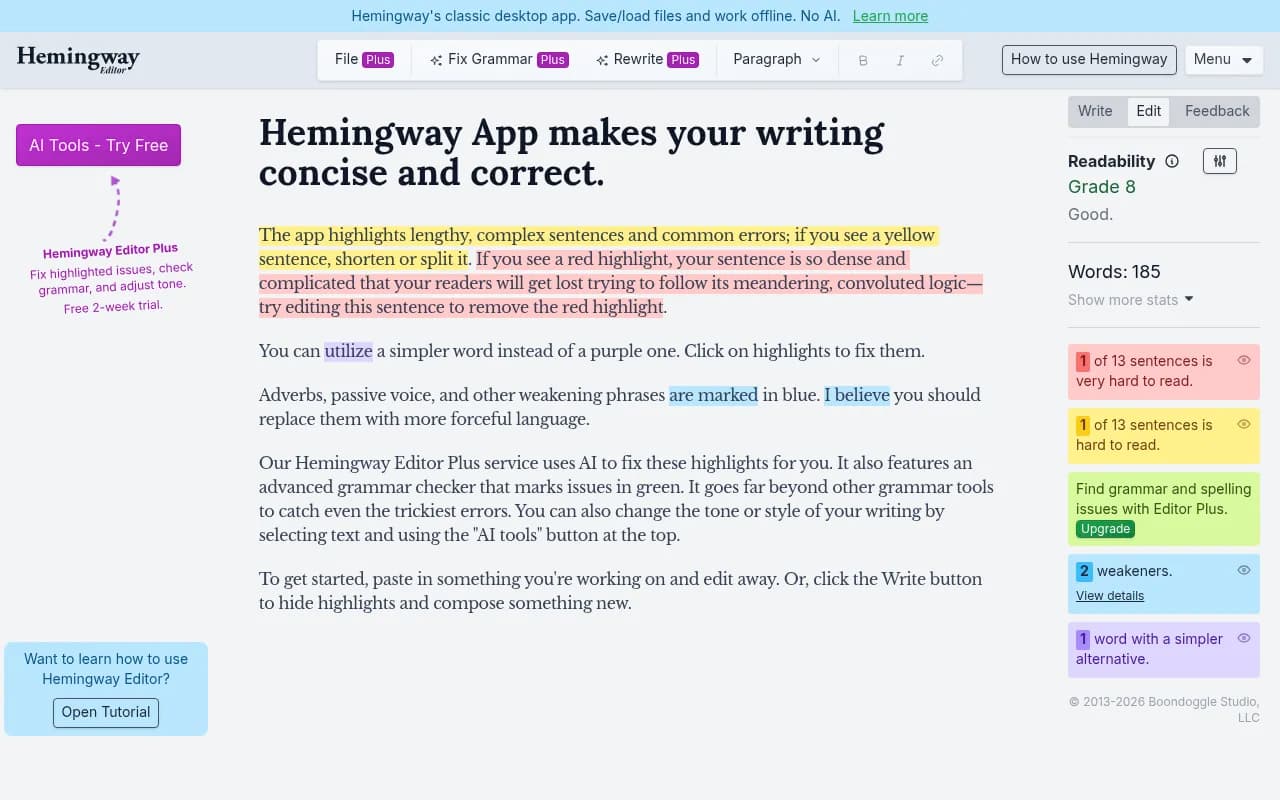
- Run a polish pass with Grammarly or Hemingway.
- Add what only you have: a screenshot, a number from your own data, an opinion.

Step 7 is the one that separates pages that rank and get cited from pages that are interchangeable with a hundred others.
What kind of content should you write?
Writing tool choice matters less than page type, especially if you want AI search citations as well as Google rankings. Promptwatch Data on which content types ChatGPT cites (Sep 28 to Oct 4, 2026) shows product pages at 22.4% of citations and landing pages at 16.8%. Listicles get 13.6%, how-to guides 8.7%, comparisons 5.9% and reviews just 1.7%.
Break it down by intent and the picture sharpens. For commercial prompts like "best CRM for small businesses," product pages, landing pages, listicles and comparisons make up almost 70% of citations. For informational prompts, how-to guides and docs do better.
So an AI writer that churns out generic blog posts for every keyword is aiming at the wrong target for some queries. Match the format to the intent first, then pick the tool.
Durability matters too. In Promptwatch's content half-life data, which tracked pages ChatGPT cited on July 6, 2026 for 90 days, landing pages and docs held up best (78% and 76% still cited after 30 days). News lost half its pages within 36 days. Comparisons held at 72% after 30 days. If you are publishing AI-assisted content at volume, evergreen formats that you keep accurate will outlast anything time-sensitive.
Checking whether your AI-written pages get cited
Publishing is half the loop. The other half is finding out whether AI search engines read and cite what you made. Tools like Promptwatch track which of your pages get cited in ChatGPT, Perplexity and Google AI Overviews, show where AI crawlers hit errors, and flag content gaps you can feed back into your brief. It also has a Content Agent that drafts and publishes against those gaps, which is a different model from the writers above: it starts from visibility data rather than a keyword.

If you want to compare options in this category, the GEO software directory lists them side by side.
Red flags in AI-written drafts
Before publishing anything from any tool, scan for:
- Statistics with no source, or with a source that does not contain the number
- Product features that do not exist (common in software comparisons)
- Identical sentence rhythm across every paragraph
- Generic intros ("In today's fast-paced digital world")
- Headings that restate the keyword with no information
- Outdated years or version numbers
- A conclusion that summarizes without saying anything new
An AI detector like Originality.ai is useful for publishers worried about policy, but a detector score does not tell you whether the content is accurate or useful. Your own read does that.
Which tool should you pick?
- Solo blogger on a budget: NeuronWriter plus Claude or ChatGPT.
- In-house SEO team that cares about quality: Clearscope or Surfer for grading, Claude for drafting.
- Agency producing at volume: Surfer or Frase for briefs, a drafting model with a strict style guide, and mandatory human review. Be careful with fully automated generators.
- Already on Semrush or HubSpot: try the built-in writers first before adding a subscription.
- Ecommerce or product-led site: put your effort into product and landing page copy, since those are the formats ChatGPT cites most.
For more options, browse the software directory at SurferStack.
Bottom line
Publishing AI drafts untouched is a risk no tool removes. The best results come from pairing a drafting model with an SEO grader, writing a specific brief, and spending your saved time on fact-checking and adding original material. Choose the page type by intent, keep the evergreen pages current, and measure whether the pages you publish are being read and cited.