Key takeaways
- Most "free" AI brand monitoring tools give you a handful of prompts, one AI model, and no historical data -- enough to see the problem exists, not enough to fix it.
- Tools like Otterly.AI, Peec AI, and LLM Pulse offer free or low-cost entry points, but their free tiers are heavily capped.
- Genuinely free options (ProductRank, PromptReach, AI Rank Checker) exist but are best treated as quick spot-checks, not ongoing monitoring.
- If you want to move from "I can see I'm invisible" to "I know what to do about it," you'll need a paid plan -- or a platform that combines monitoring with content gap analysis and optimization.
- Free trials from paid platforms often give you more real value than permanent free tiers from limited tools.
Let's be honest about something: the phrase "free AI brand monitoring" is doing a lot of work in 2026. There are tools that are genuinely free, tools with free trials, tools with free tiers so limited they're basically demos, and tools that call themselves free while quietly requiring a credit card. This guide cuts through all of that.
The goal here isn't to rank every tool in existence. It's to tell you what you actually get when you don't pay -- and whether that's enough for your situation.
Why AI brand monitoring matters now
A year ago, most marketers were still treating AI search as a future problem. That's no longer a defensible position. ChatGPT, Perplexity, Google AI Overviews, Claude, and Gemini are now where a meaningful chunk of buying decisions start. When someone asks "what's the best project management tool for remote teams?" or "which CRM should a 10-person startup use?", the AI answers that question directly -- and if your brand isn't in that answer, you don't exist for that user.
Traditional SEO tools don't track this. Google Search Console shows you clicks from Google's blue links, not from AI-generated answers. Rank trackers show you keyword positions, not whether ChatGPT is recommending your competitor instead of you.
That's the gap AI brand monitoring tools fill. The question is: how much of that gap can free tools actually cover?
The honest breakdown of "free" in this space
Before diving into specific tools, it helps to understand the three types of "free" you'll encounter:
Permanent free tiers -- the tool has a free plan you can use indefinitely, usually with strict caps on prompts, AI models, or refresh frequency.
Free trials -- you get full or near-full access for a limited time (7-30 days), then you pay or lose access.
Freemium with paywalled value -- the free version shows you enough to confirm you have a problem, but the data you actually need to act on is behind a paywall.
Most tools in this space fall into the third category. That's not necessarily a criticism -- it's just worth knowing before you invest time setting things up.
Free and freemium tools worth knowing about
ProductRank
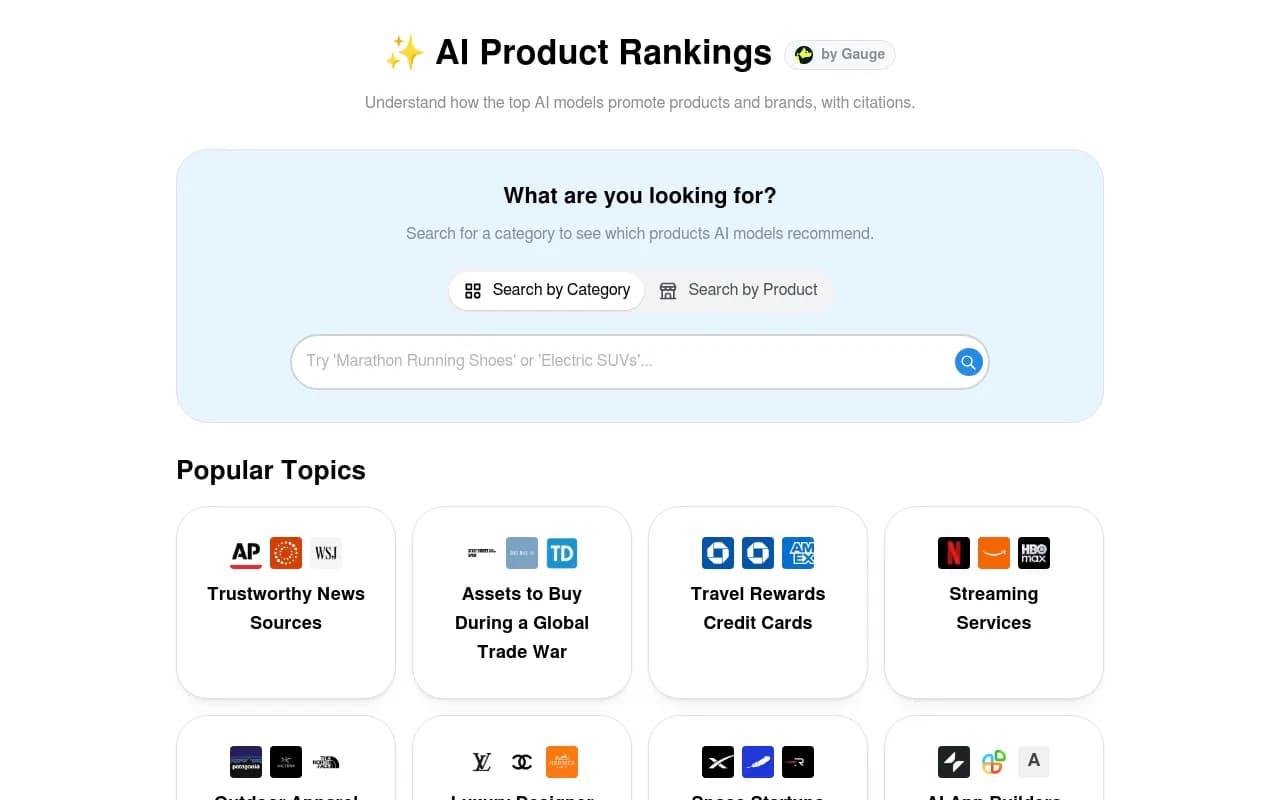
ProductRank is one of the more genuinely free options in the space. It lets you search for your brand across a handful of AI engines and see whether you appear. There's no dashboard, no historical tracking, and no competitor comparison -- but for a quick sanity check ("does ChatGPT even know I exist?"), it works.
PromptReach
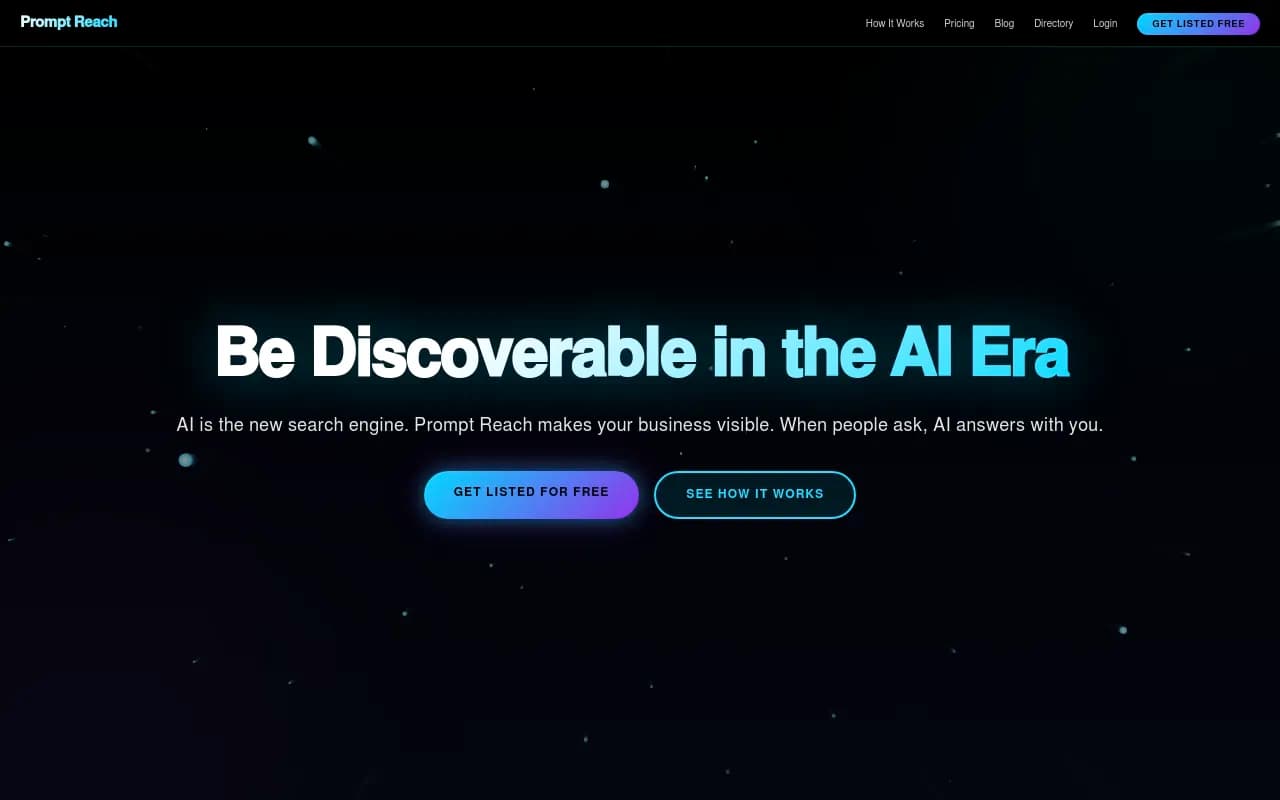
PromptReach positions itself as a free AI business directory -- the idea being that claiming your listing makes you more visible in ChatGPT and similar tools. The monitoring side is basic, but the directory claim is free and takes about five minutes. Whether it actually moves the needle is debatable, but the cost is zero.
AI Rank Checker
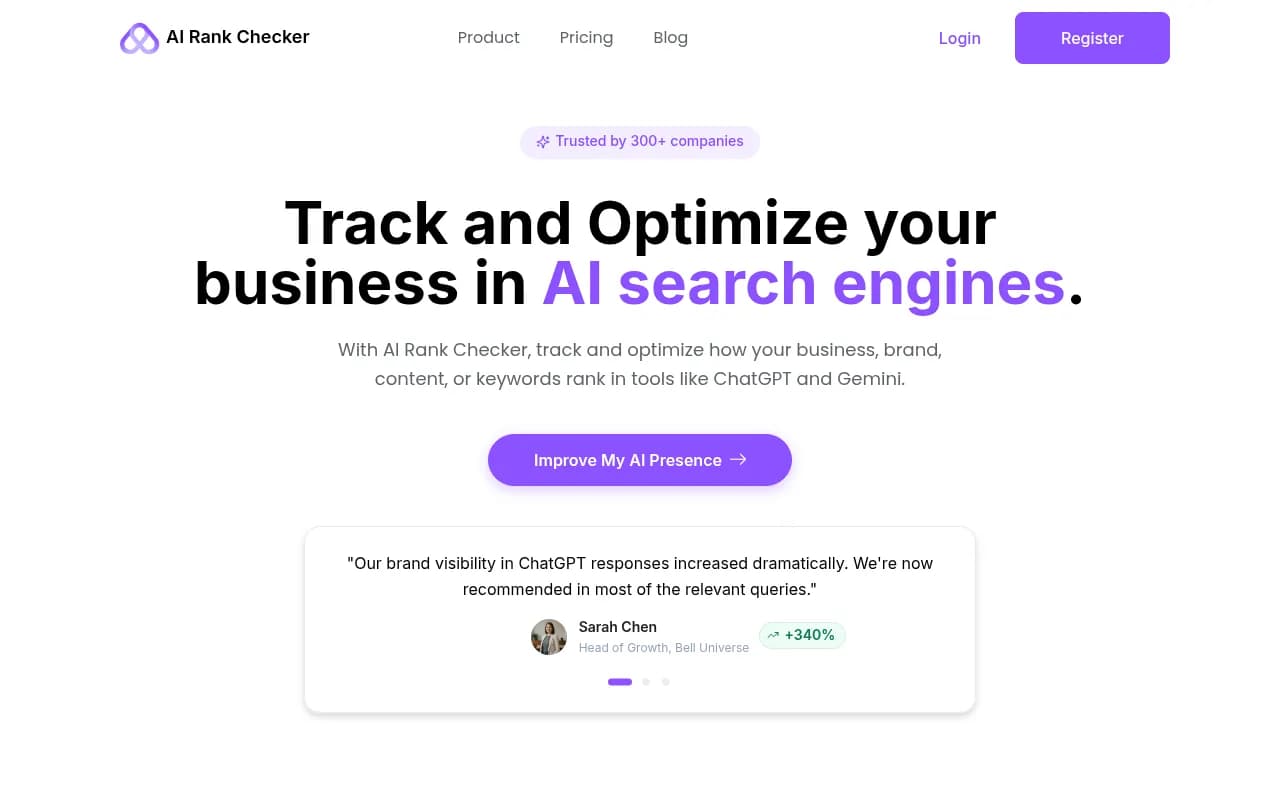
AI Rank Checker is a lightweight free tool for checking your brand's presence across AI search engines. It's not a full monitoring platform -- think of it as a spot-check tool rather than something you'd run ongoing campaigns through.
Otterly.AI
Otterly.AI has become one of the more popular entry points into AI visibility monitoring, partly because it covers a solid range of platforms -- Google AI Overviews, ChatGPT, Perplexity, AI Mode, Gemini, and Claude. The free tier exists but is quite limited in terms of prompt volume and refresh frequency. You can get a feel for the product, but serious monitoring requires a paid plan.
Otterly.AI

Peec AI
Peec AI tracks brand visibility across ChatGPT, Perplexity, and Claude. It has a free trial and a relatively accessible entry-level paid tier. The free access gives you enough to understand the interface and run a few test prompts, but ongoing monitoring isn't really viable without paying.

LLM Pulse
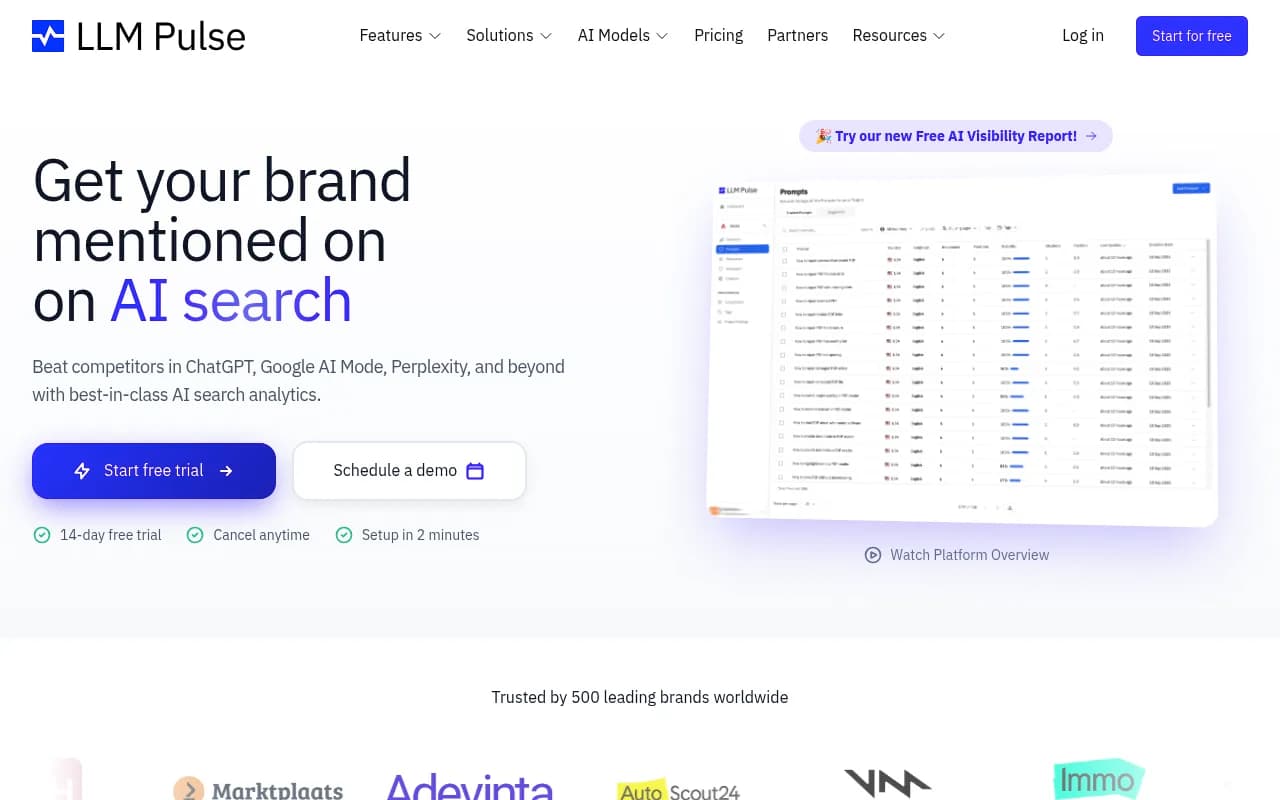
LLM Pulse covers ChatGPT, Perplexity, and several other AI search engines. It has a free tier that lets you monitor a small number of prompts. Good for individuals or very small brands who just want to know if they're showing up at all.
Goodie AI
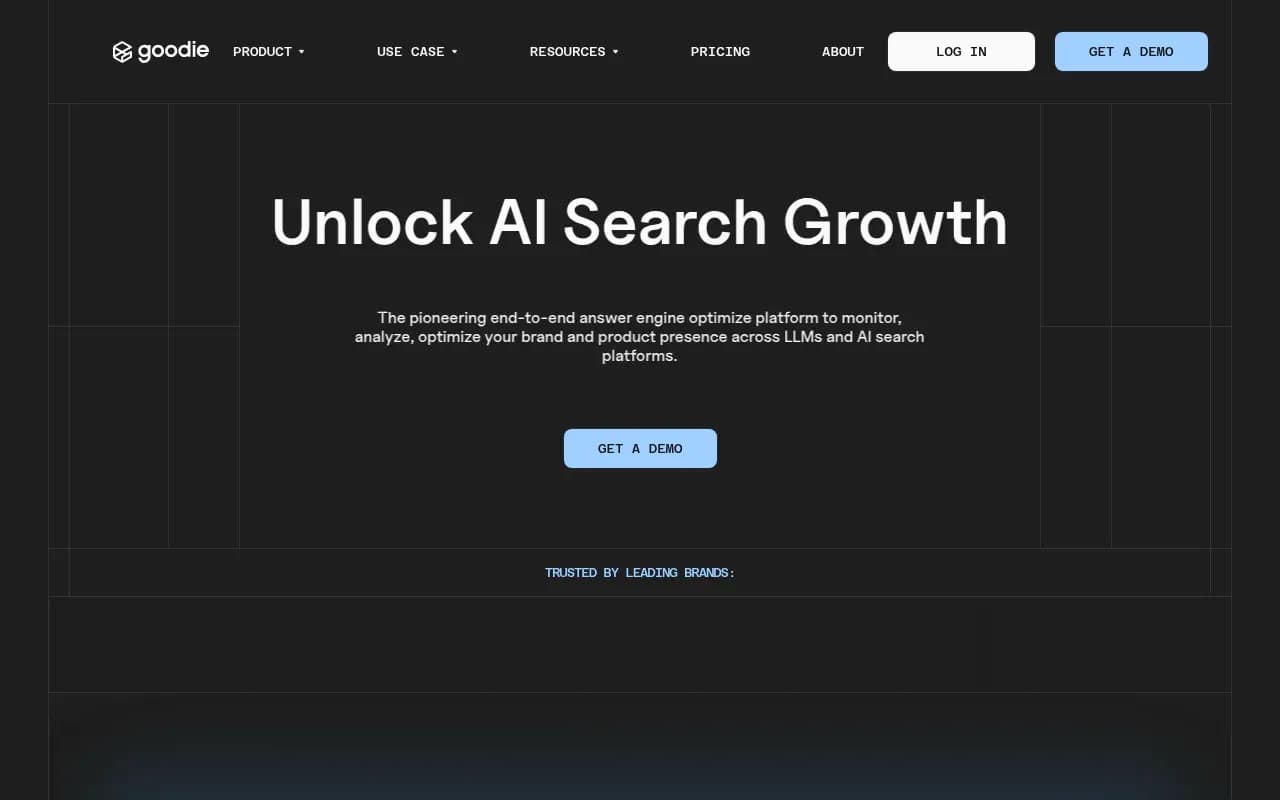
Goodie AI offers basic AI visibility tracking with a free entry point. It's a simpler tool -- useful for getting started, but it lacks the depth of competitor analysis or content gap features you'd need to actually improve your visibility.
Gumshoe AI
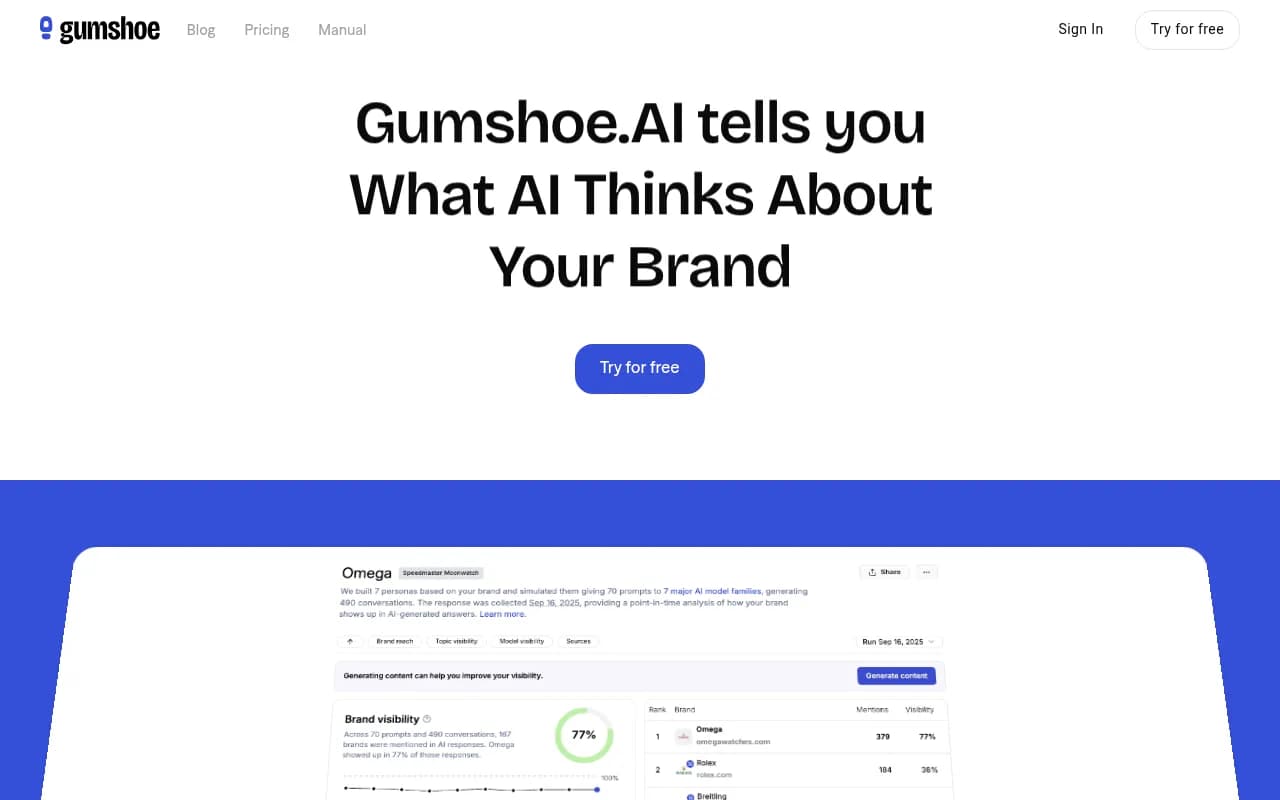
Gumshoe AI tracks brand mentions across ChatGPT, Gemini, and Perplexity. It's positioned as an accessible option with a free starting point, though the feature set is more limited than enterprise-grade platforms.
TrackMyBusiness
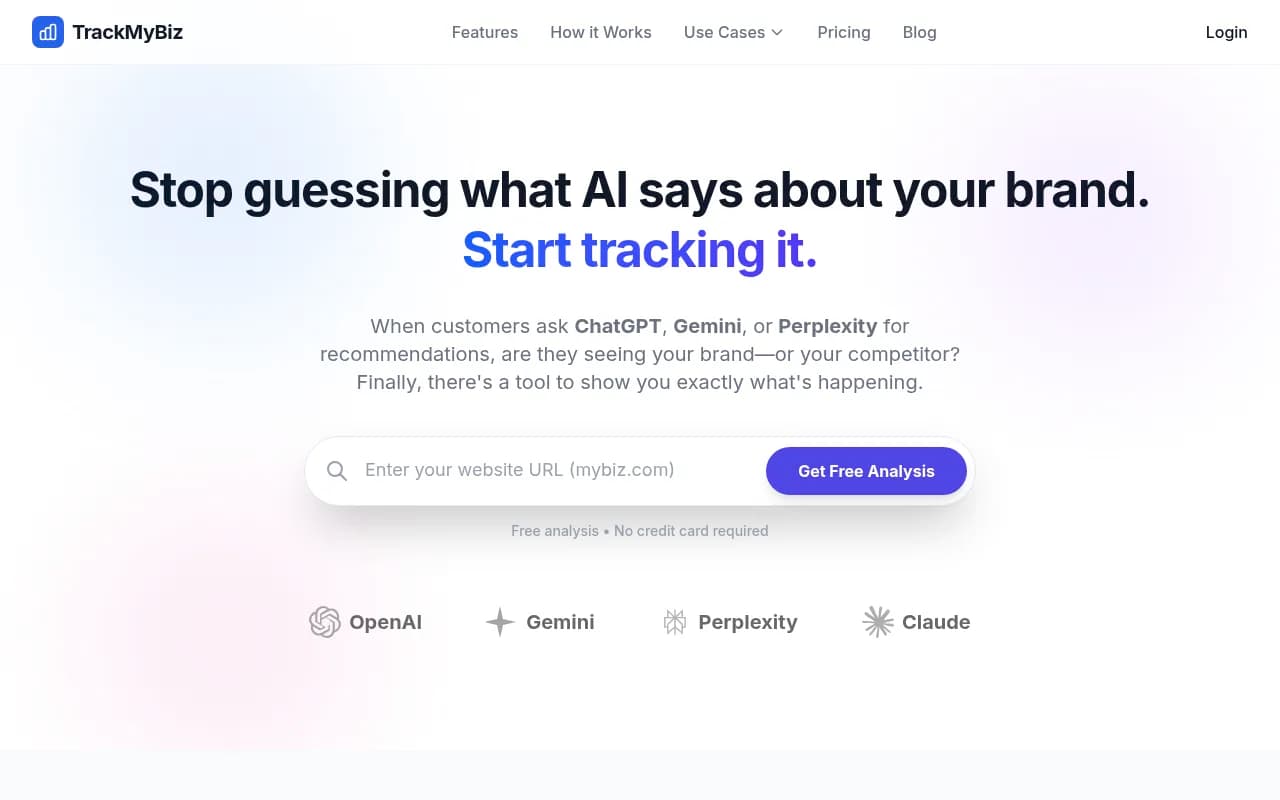
TrackMyBusiness lets you see what ChatGPT, Gemini, and Perplexity say about your brand. It has a free option and is straightforward to set up -- no complex onboarding required.
What the free tiers typically cap
Across the tools above, here's what almost always gets restricted on free plans:
| Restriction | Typical free tier limit |
|---|---|
| Prompts tracked | 5-20 prompts |
| AI models monitored | 1-3 models |
| Refresh frequency | Weekly or manual only |
| Historical data | None or 7 days |
| Competitor tracking | Blocked or very limited |
| Alerts/notifications | Not available |
| Export/reporting | Not available |
| Content recommendations | Not available |
The prompt cap is the most painful one. If you're in a competitive category, you probably need to track 50+ prompts to get a real picture of your visibility. Five prompts tells you almost nothing useful.
Tools with free trials (worth using strategically)
Several of the more capable platforms offer free trials that give you genuine access to their full feature set for a week or two. These are often more valuable than permanent free tiers from weaker tools.
Profound
Profound is an enterprise-grade AI visibility platform with daily updates on brand mentions, citation frequency, and sentiment. It's not cheap, but the free trial gives you real data to work with. If you're evaluating whether AI visibility monitoring is worth investing in, Profound's trial is a good benchmark.
Profound

ScrunchAI
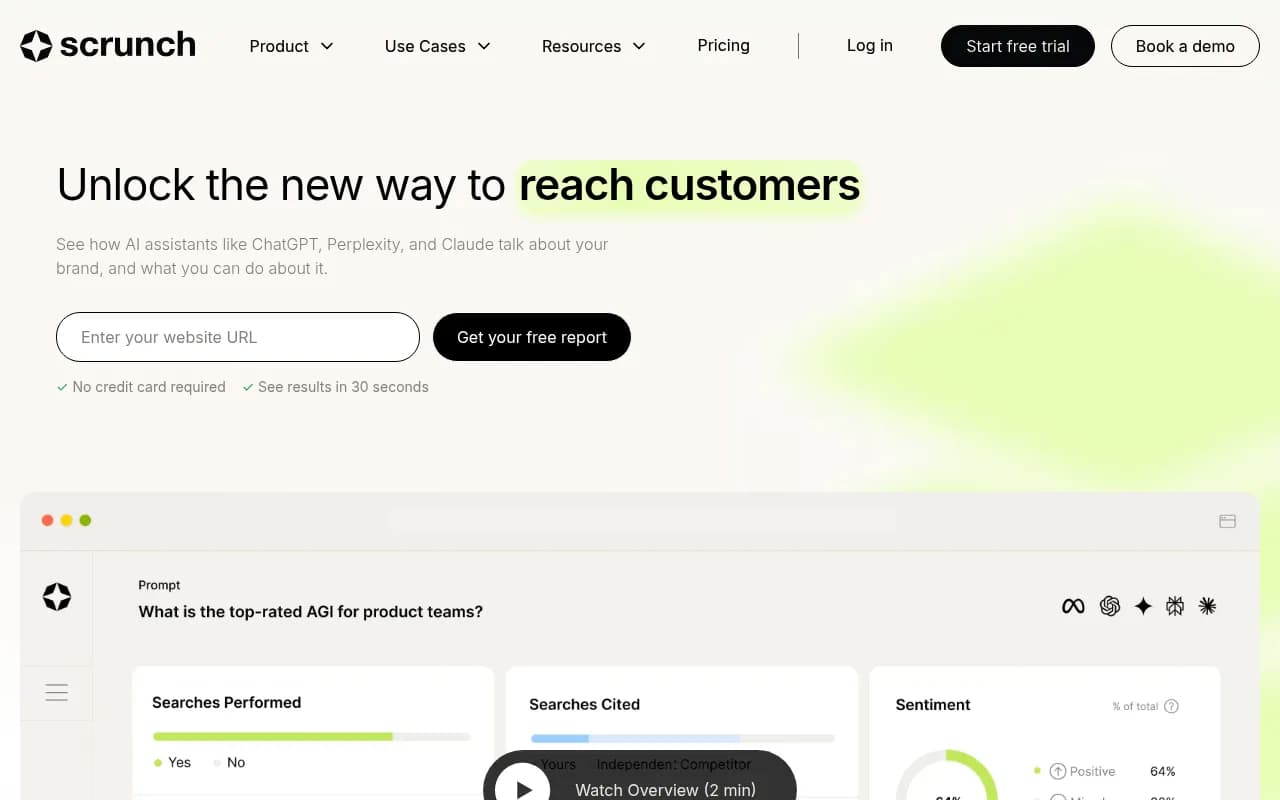
ScrunchAI tracks brand mentions across multiple LLMs and offers content optimization recommendations. The trial period gives you access to features that help you understand not just where you're missing, but why.
Nightwatch
Nightwatch has expanded from traditional rank tracking into AI search monitoring. It covers AI Overviews and other AI search surfaces. The free trial is worth using if you're already a rank tracking customer looking to add AI visibility to your workflow.
Rankshift
Rankshift tracks brand visibility across ChatGPT, Perplexity, and AI search more broadly. It has a trial period that lets you explore the monitoring features before committing.

The gap most free tools can't bridge
Here's the thing that becomes obvious once you've used a few of these tools: monitoring is the easy part. Knowing that ChatGPT mentions your competitor 40% of the time and you 8% of the time is useful information. But what do you do with it?
Most free tools -- and honestly, many paid ones -- stop at showing you the data. They don't tell you which specific content gaps are causing the problem, which prompts are high-value and winnable, or what you should actually write to improve your position.
That's where the distinction between monitoring platforms and optimization platforms becomes real. Promptwatch is one of the few tools in this space that goes beyond tracking to help you close the gap -- its Answer Gap Analysis shows you exactly which prompts competitors rank for that you don't, and its built-in AI writing agent generates content grounded in citation data from 880M+ analyzed citations. It's not free, but the trial is worth running if you want to see what "actionable" actually looks like in this context.

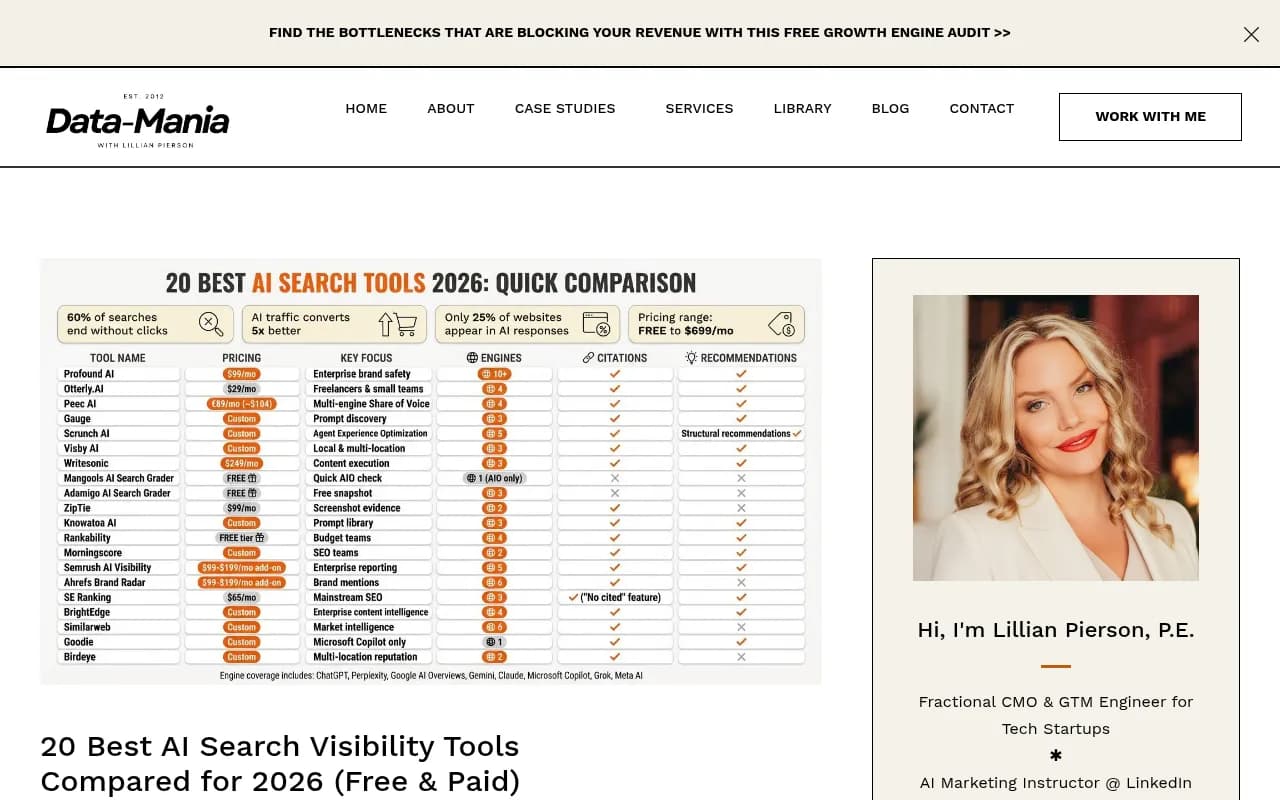
A comparison of the main free/freemium options
| Tool | Permanent free tier | Free trial | AI models covered | Competitor tracking | Content recommendations |
|---|---|---|---|---|---|
| ProductRank | Yes (very basic) | No | 2-3 | No | No |
| PromptReach | Yes (directory listing) | No | Limited | No | No |
| AI Rank Checker | Yes (spot-check only) | No | 3-4 | No | No |
| Otterly.AI | Yes (capped) | Yes | 6+ | Limited on free | No |
| Peec AI | No | Yes | 3+ | Limited | No |
| LLM Pulse | Yes (limited prompts) | Yes | 4+ | No | No |
| Goodie AI | Yes (basic) | Yes | 3+ | No | No |
| Gumshoe AI | Limited | Yes | 3 | No | No |
| TrackMyBusiness | Yes (basic) | Yes | 3 | No | No |
| Profound | No | Yes | 9+ | Yes | Limited |
| Promptwatch | No | Yes | 10+ | Yes | Yes (full AI writing) |
How to get the most out of free tools
If you're not ready to pay yet, here's a realistic approach to extracting value from the free options:
Start with a spot-check. Use ProductRank or AI Rank Checker to answer the basic question: does ChatGPT/Perplexity/Gemini mention my brand at all when asked about my category? This takes 10 minutes and costs nothing.
Set up Otterly.AI's free tier for your top 5-10 prompts. Even with the caps, tracking a handful of your most important queries gives you a baseline. You'll see whether you're mentioned, how often, and what the response looks like.
Run free trials strategically. Don't start a trial until you have a list of prompts ready to test and a clear question you want answered. "Does this tool give me enough data to justify the subscription?" is the question. Have your benchmark prompts ready on day one.
Document what you find. Free tools rarely give you historical data. Screenshot your results, note the date, and track changes manually. It's tedious but it's better than nothing.
Use the data to make a business case. If you can show your team that a competitor is mentioned 5x more often than you in AI answers for your core category, that's a compelling argument for investing in a proper monitoring and optimization tool.
When free isn't enough
There are a few situations where free tools will genuinely hold you back:
If you're in a competitive category with multiple strong competitors, you need to track enough prompts to understand the full landscape -- not just 5 or 10.
If you need to report to stakeholders, you need historical data, trend lines, and exportable reports. Free tiers almost never provide this.
If you want to actually improve your AI visibility (not just measure it), you need content gap analysis and optimization guidance. No free tool in this space currently offers that in a meaningful way.
If you're an agency managing multiple clients, you need multi-site tracking and white-label reporting. That's firmly in paid territory.
The bottom line
Free AI brand monitoring tools in 2026 are good enough to confirm you have a problem. They're not good enough to solve it. The genuinely free options (ProductRank, PromptReach, AI Rank Checker) are useful for quick checks but not ongoing monitoring. The freemium options (Otterly.AI, LLM Pulse, Goodie AI) give you a taste of real monitoring but cap you before you can get full value.
The most practical approach: use a free tool to establish that AI visibility matters for your brand, then run a proper free trial of a more capable platform to understand what fixing it would actually require. That sequence -- confirm the problem, then evaluate the solution -- is a better use of your time than trying to make free tools do work they weren't designed for.