Key takeaways
- Content gaps are the most common reason AI models skip your brand -- if you don't have a page that answers a specific question, you simply won't get cited.
- Crawl errors are a silent killer: AI crawlers like GPTBot and ClaudeBot hit different pages than Googlebot, and most site owners have no idea what they're blocking.
- Trust signals (backlinks, reviews, author authority) influence which sources AI models prefer when multiple sites cover the same topic.
- The three problems compound each other -- fixing only one rarely moves the needle.
- Diagnosing the right root cause before you start fixing saves weeks of wasted effort.
There's a frustrating pattern playing out across marketing teams right now. A brand notices their AI search visibility is poor. They write a bunch of new content. Nothing changes. Or they fix their schema markup. Still nothing. Or they chase backlinks for three months. Still invisible in ChatGPT and Perplexity.
The problem isn't effort -- it's diagnosis. Content gaps, crawl errors, and weak trust signals are three completely different problems that look identical from the outside: your brand just isn't showing up. But the fixes are totally different, and applying the wrong fix wastes months.
This guide breaks down each problem, how to tell which one is hurting you most, and what to actually do about it.
What AI models actually need to cite you
Before diagnosing the problem, it helps to understand what has to go right for an AI model to cite your content.
The process has three layers:
- The AI crawler has to find and successfully read your page.
- The model has to understand what your page is about and judge it relevant to a given query.
- The model has to trust your content enough to surface it over competing sources.
Fail at layer one, and nothing else matters -- the content might as well not exist. Fail at layer two, and you have content that gets crawled but never cited. Fail at layer three, and you're getting crawled and understood, but a competitor with more authority keeps winning.
Most brands have problems at all three layers simultaneously, which is why "just write more content" rarely works on its own.
The content gap problem
What it actually means
A content gap isn't just "we don't have enough content." It's more specific: there are questions your target customers ask AI models where no page on your site provides a direct, usable answer.
AI models generate responses by synthesizing information from sources they've indexed. If your site doesn't have a page that clearly addresses a specific question, you can't be cited for it. Full stop. The model isn't going to infer your expertise from adjacent content -- it needs something concrete to point to.
This is different from traditional SEO, where a well-optimized page might rank for dozens of related queries. In AI search, the match between a prompt and a specific piece of content tends to be much more direct.
How to spot it
The clearest signal is when competitors consistently appear in AI responses for queries where you should be visible, but you don't. Run a set of prompts that represent how your customers actually ask questions -- not keyword-style queries, but full sentences like "what's the best [product category] for [use case]?" -- and see who gets cited.
If your competitors appear and you don't, and you know your site is being crawled, content gaps are almost certainly part of the problem. The specific prompts where you're invisible tell you exactly what to write.
Promptwatch has an Answer Gap Analysis feature that does this systematically -- it shows you the exact prompts where competitors are visible but you aren't, so you're not guessing about what to create.

The fix
Content gap fixes are the most straightforward of the three problems, but they require discipline. A few principles:
Write for the actual question, not the topic. A page titled "Our Approach to Data Security" won't get cited for "is [brand] SOC 2 compliant?" A page titled "Is [Brand] SOC 2 Compliant? Here's What You Need to Know" has a much better shot.
Use direct answer formats. AI models prefer content that leads with the answer, then provides context. The inverted pyramid structure that journalists use works well here. Don't bury the answer in paragraph four.
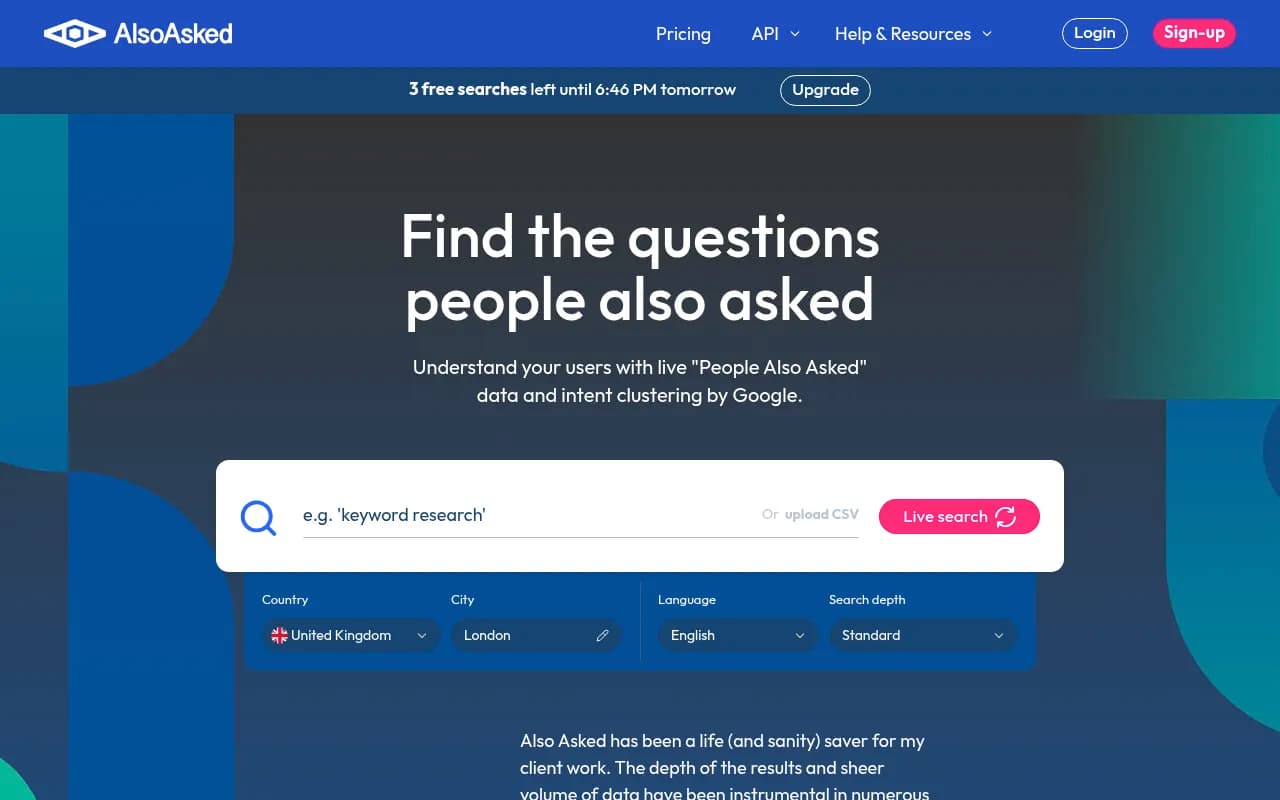
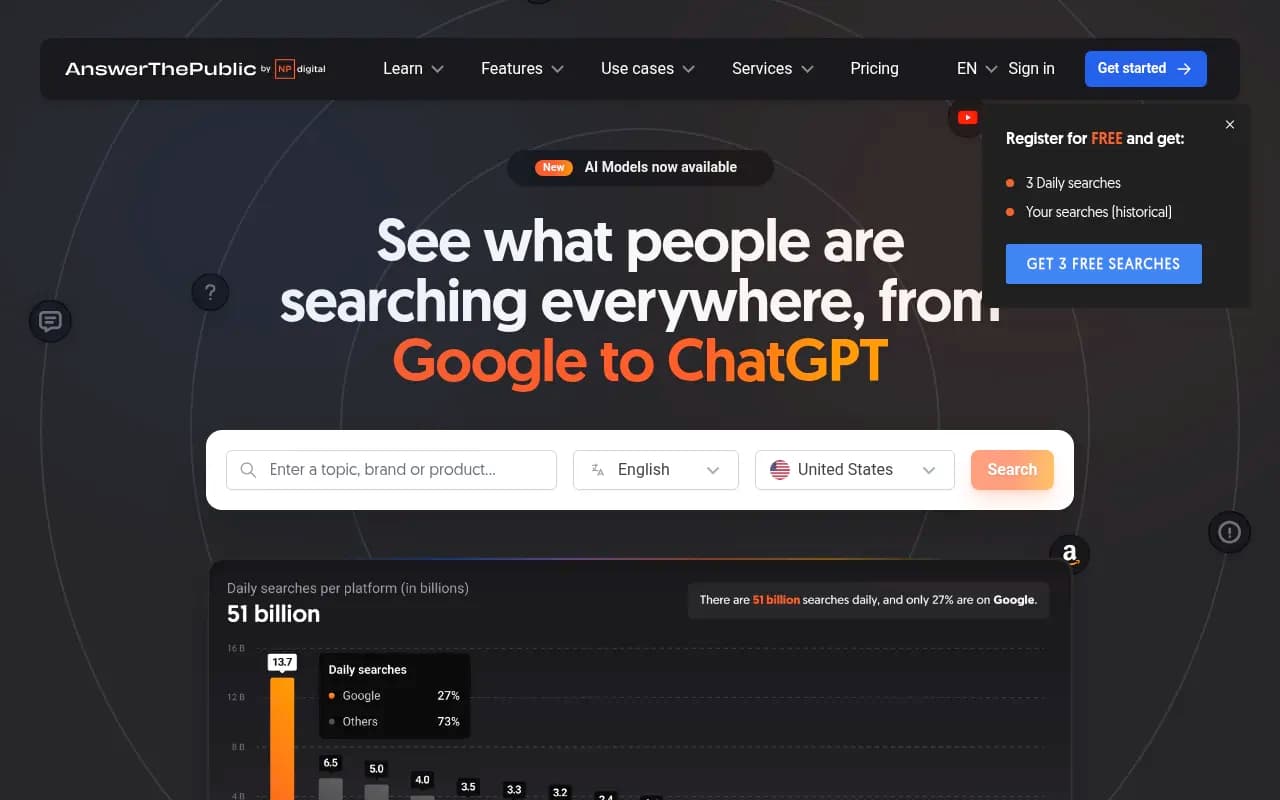
Cover the full question surface. Use tools like AlsoAsked or AnswerThePublic to map out the related questions around each topic. One well-structured FAQ page can close multiple gaps simultaneously.
The crawl error problem
Why AI crawlers are different from Googlebot
This is the part most SEOs miss. AI crawlers -- GPTBot (OpenAI), ClaudeBot (Anthropic), PerplexityBot, and others -- don't behave like Googlebot. They have different user agents, different crawl patterns, and they're often blocked by robots.txt rules that were written before anyone thought about AI indexing.
A 2026 analysis of websites found that nearly 80% of sites with good keyword coverage had technical structures that prevented AI crawlers from properly reading their content. The content exists. The crawlers just can't access it.
Common causes:
- robots.txt blocking AI crawler user agents (sometimes accidentally, sometimes because a developer added a blanket "block all bots" rule)
- JavaScript-rendered content that AI crawlers don't execute
- Pages returning 5xx errors when specific bots visit
- Rate limiting that causes AI crawlers to give up before reading the full page
- Noindex tags that were meant for staging environments but got deployed to production
How to spot it
Google Search Console shows you Googlebot errors, but it tells you nothing about GPTBot or ClaudeBot. You need separate visibility into AI crawler activity.
Check your robots.txt manually first. Look for rules that block GPTBot, ClaudeBot, PerplexityBot, anthropic-ai, or wildcard rules that might catch them. If you're blocking them, that's your answer.
For deeper diagnosis, AI crawler log analysis shows you exactly which pages each AI bot visited, what errors they encountered, and how often they return. This is the kind of data that reveals problems you'd never find by looking at your site from a browser.
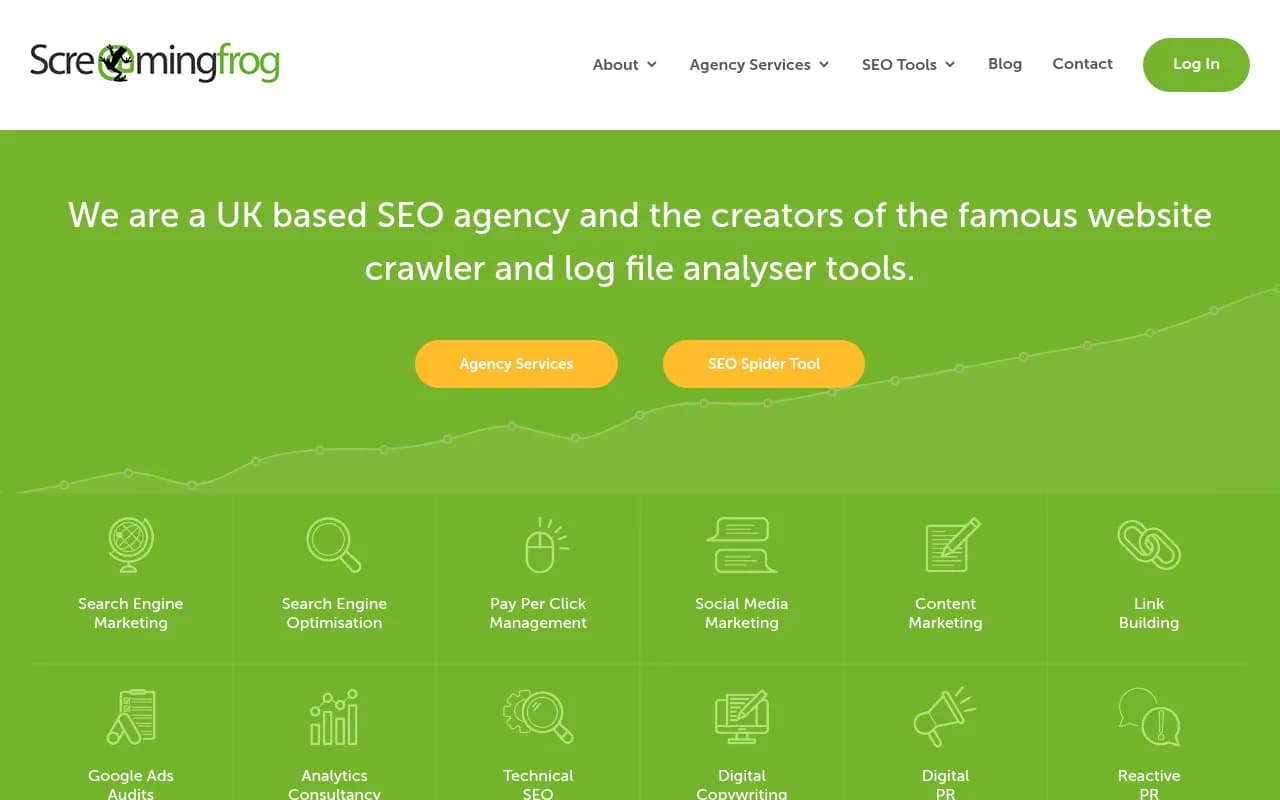
Tools like Screaming Frog SEO Spider can simulate crawls and surface technical issues, though they don't specifically track AI bot behavior. For actual AI crawler logs, you need a platform that monitors bot traffic in real time.
The fix
Start with robots.txt. If you're blocking AI crawlers, decide deliberately which pages you want them to access. Most brands should allow access to all public content pages.
For JavaScript rendering issues, the core problem is that many AI crawlers don't execute JavaScript. If your content is loaded dynamically, the crawler sees an empty page. Solutions include server-side rendering, static site generation, or using a prerendering service that serves pre-rendered HTML to bots.
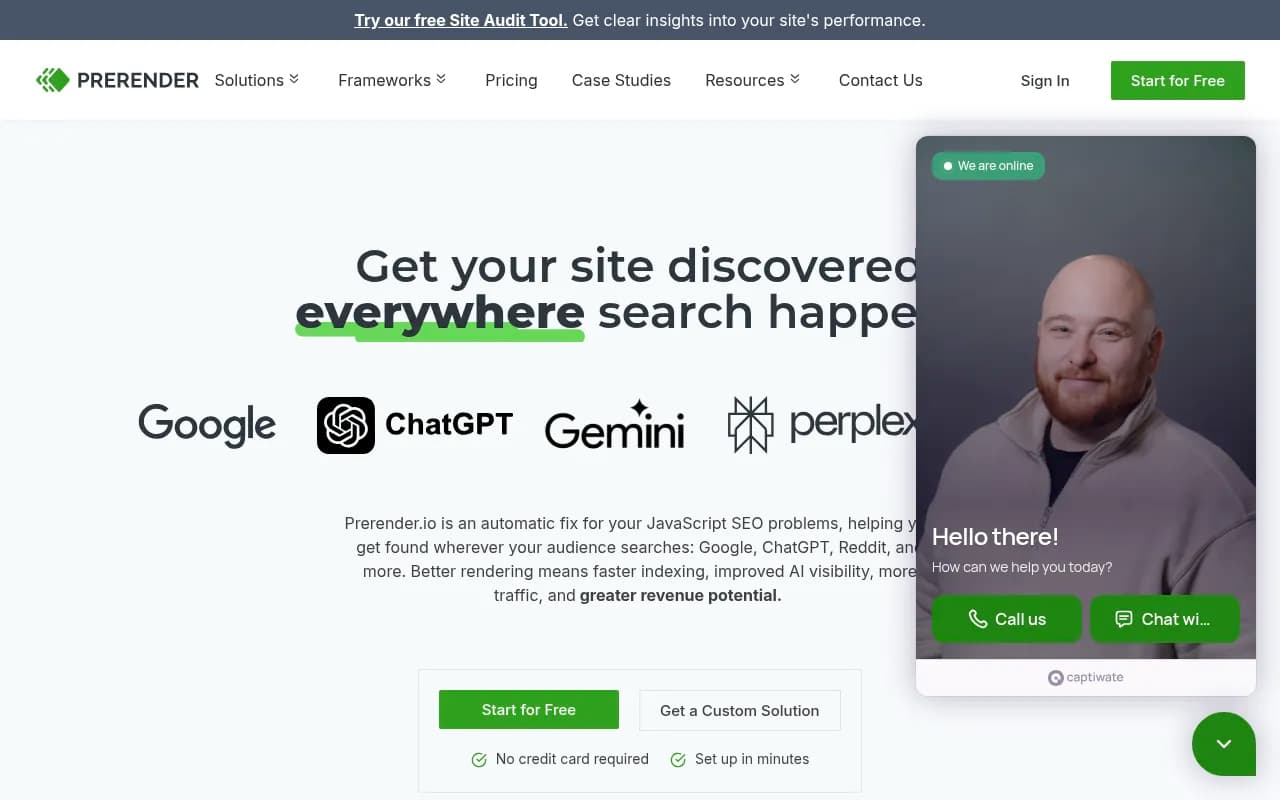
Prerender.io is specifically designed for this -- it intercepts bot requests and serves a fully-rendered version of your JavaScript pages. If your site is built on a modern JS framework and you're getting crawled but not cited, this is worth investigating.
For 5xx errors and rate limiting, work with your infrastructure team to ensure AI crawlers get clean responses. A page that returns a 503 to GPTBot will never be indexed, no matter how good the content is.
The trust signal problem
How AI models decide who to trust
When multiple websites cover the same topic, AI models have to pick which sources to cite. This is where trust signals come in. The model isn't just looking at content quality in isolation -- it's making a judgment about which sources are authoritative, accurate, and reliable.
Backlinks remain one of the strongest signals here. A site with strong link authority from relevant, reputable sources is more likely to be cited than a site with identical content but weaker authority. This isn't just traditional SEO logic -- it's how AI models infer credibility, since they can't independently verify claims.
But backlinks aren't the only trust signal. Others include:
- Author credentials and bylines (is this written by a named expert with verifiable credentials?)
- Brand mentions across the web (are other sites talking about your brand?)
- Reviews and ratings on third-party platforms
- Presence on authoritative reference sites (Wikipedia, industry databases, major publications)
- Consistency of information across sources (NAP consistency for local businesses, consistent product descriptions across retailers)
How to spot it
Trust signal problems are usually visible when you're getting crawled and you have relevant content, but you're still losing to competitors in AI responses. The competitor's page isn't necessarily better -- it's just more trusted.
Run the same prompts across multiple AI models. If you appear in some models but not others, that's often a trust signal issue -- different models weight authority signals differently, and you're above the threshold for some but not others.
Check who's actually getting cited for your target queries. If it's consistently the same three or four domains (major publications, established review sites, Reddit threads), that tells you something about where AI models are sourcing their trust.
The fix
Building trust signals is the slowest of the three fixes, but it's also the most durable. A few approaches that actually move the needle:
Get cited in the sources AI models trust. If Perplexity consistently cites a particular industry publication for your category, getting mentioned in that publication matters. This is different from traditional link building -- you're not just chasing PageRank, you're trying to appear in the reference material that AI models already trust.
Build author authority. Named authors with verifiable credentials (LinkedIn profiles, published work, professional affiliations) signal to AI models that content is written by real experts. Anonymous or generic content is at a disadvantage.
Earn third-party brand mentions. Press coverage, podcast appearances, industry award listings, and analyst mentions all contribute to the web of references that AI models use to assess brand authority.
Fix review presence. For product and service queries, AI models frequently pull from review aggregators. If your review presence is thin or negative, that affects both what AI models say about you and whether they recommend you.
Trustpilot and Brand24 can help you monitor and build your review and mention footprint -- both of which feed into the trust signals AI models use.
How the three problems interact
Here's the thing that makes this genuinely difficult: the three problems compound each other.
A site with strong trust signals but major content gaps will get cited occasionally, but only for the narrow set of topics it already covers. A site with comprehensive content but crawl errors might have 40% of its pages invisible to AI models -- and those might be exactly the pages that would have driven citations. A site with good content and clean crawlability but weak trust signals will consistently lose to established competitors even when its content is better.
The typical failure mode looks like this: a brand fixes their content gaps, publishes 20 new articles, and sees minimal improvement. They assume the strategy isn't working. But the real issue is that their robots.txt is blocking GPTBot from crawling the new content, or their domain authority is too low to compete with the sites AI models already trust for those topics.
This is why diagnosis matters more than tactics. Before you spend three months creating content, spend two weeks understanding which layer is actually failing.
A practical diagnostic framework
Here's a simple way to prioritize which problem to tackle first:
| Symptom | Most likely cause | First action |
|---|---|---|
| Competitors cited, you're not, for topics you cover | Content gaps | Run prompt gap analysis |
| You have relevant content but it's never cited | Crawl errors | Check robots.txt + AI crawler logs |
| You appear sometimes but lose to same competitors repeatedly | Trust signals | Audit competitor backlinks + brand mentions |
| New content never gets cited even after months | Crawl errors or trust signals | Check indexing + domain authority |
| You appear in some AI models but not others | Trust signals | Review which sources each model prefers |
| You appear for branded queries but not category queries | Content gaps | Map category-level question coverage |
The fastest wins usually come from fixing crawl errors first (because they're binary -- either the bot can read the page or it can't), then closing content gaps, then building trust signals over time.
Tools worth knowing
A few tools that help with different parts of this diagnosis:
For technical crawl issues and site auditing:

For content gap analysis and AI visibility tracking:
For monitoring AI crawler behavior and tracking visibility across models, Promptwatch covers the full loop -- crawler logs, prompt gap analysis, citation tracking, and content generation. It's one of the few platforms that connects the diagnosis to the fix rather than just showing you a dashboard of problems.
For building and monitoring trust signals:

The honest answer
If you're asking which of the three is "actually killing" your AI visibility, the honest answer is: probably all three, to varying degrees, and the one that matters most depends entirely on your specific situation.
What's clear from 2026 data is that treating AI visibility like traditional SEO rank tracking is a mistake. The platforms and tactics that worked for Google rankings don't map cleanly onto how AI models select and cite sources. The underlying logic is different -- it's about being findable, readable, and trusted, in that order.
Fix the crawl issues first. Then close the content gaps. Then build the trust signals that make you the preferred source. That sequence isn't glamorous, but it's what actually works.