Key takeaways
- Goodie AI gives you a starting point for AI visibility monitoring, but it lacks the content optimization, crawler analytics, and prompt intelligence needed to actually improve your rankings in AI search engines.
- Migrating to a more capable platform doesn't have to mean losing your historical data — with the right export and documentation process, you can carry your baselines forward.
- The GEO landscape in 2026 has split into two camps: monitoring-only tools and full optimization platforms. The gap between them is growing.
- A proper upgrade path involves three phases: data preservation, platform selection, and content gap closure.
- Tools like Promptwatch go beyond tracking to help you find what's missing, generate content that fills those gaps, and measure the results — all in one loop.
Why people outgrow Goodie AI
Goodie AI is a reasonable entry point. It tracks whether your brand shows up in AI-generated answers, gives you a basic visibility score, and lets you monitor a handful of prompts. For teams that are just waking up to the fact that ChatGPT and Perplexity are now meaningful traffic sources, it's a fine first tool.
But the ceiling is low.
What Goodie AI doesn't do: it won't tell you why you're invisible for certain prompts, it won't show you which pages AI crawlers are actually reading (or ignoring), and it certainly won't help you create content to close the gaps it finds. You get a dashboard showing you're losing. You don't get a path to winning.
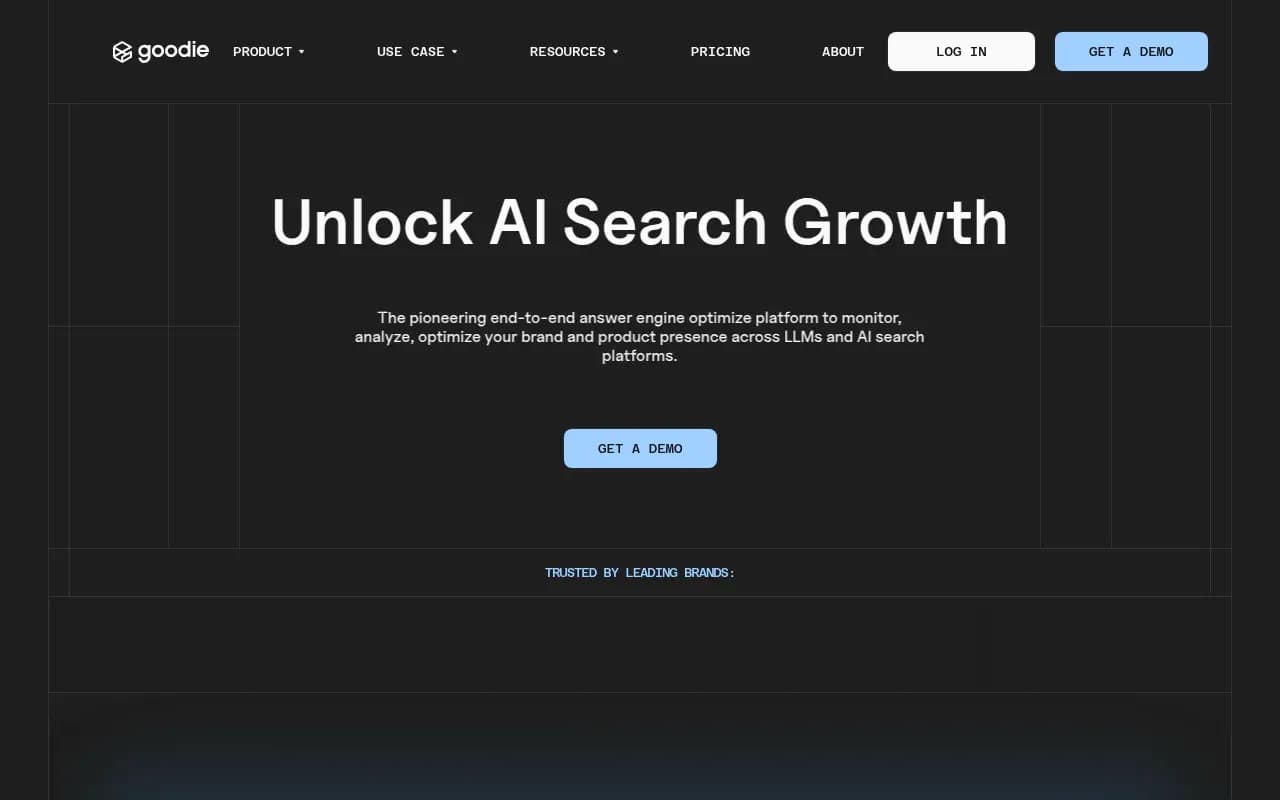
That's the core problem with monitoring-only tools in 2026. AI visibility isn't static — citation rates fluctuate 40-60% month over month as models retrain, context windows shift, and new sources get indexed. If all you're doing is watching the number go up and down, you're not optimizing anything.
The question isn't whether to upgrade. It's how to do it without throwing away the data you've already collected.
What "historical data" actually means in a GEO context
Before you migrate anything, it's worth being precise about what data matters and what doesn't.
In traditional SEO, historical data means ranking positions over time — you can see that you ranked #4 for "best CRM software" in March and #7 in June, and you can correlate that with content changes. That's genuinely useful.
In GEO, the equivalent data is:
- Which prompts you were tracking and when you started tracking them
- Your visibility score (mention rate) per prompt, per AI model, over time
- Which competitors were being cited instead of you
- Which of your pages were being cited when you did appear
- Any baseline citation rates before you made content changes
Most of this lives in your current tool's export or reporting interface. Before you cancel any subscription, export everything you can. Even if the new platform can't ingest it directly, having a CSV or spreadsheet of your historical prompt performance gives you a baseline to compare against — which is the whole point.
What to export before you leave Goodie AI
- All tracked prompts (the exact phrasing matters — don't just export categories)
- Visibility scores by date, broken down by AI model if available
- Competitor mention rates for the same prompts
- Any page-level citation data
- Screenshots of your dashboard at key points in time
Store this in a shared folder your whole team can access. You'll reference it when you're validating that your new platform's numbers make sense, and again when you're reporting on improvement after 90 days on the new stack.
The GEO tool landscape in 2026: what you're choosing between
The market has matured enough that you can now draw a clear line between tool categories.
| Category | What it does | What it doesn't do | Example tools |
|---|---|---|---|
| Basic monitors | Tracks brand mentions in AI answers | No content help, no crawler data, no prompt intelligence | Goodie AI, AI Peekaboo, TrackMyBusiness |
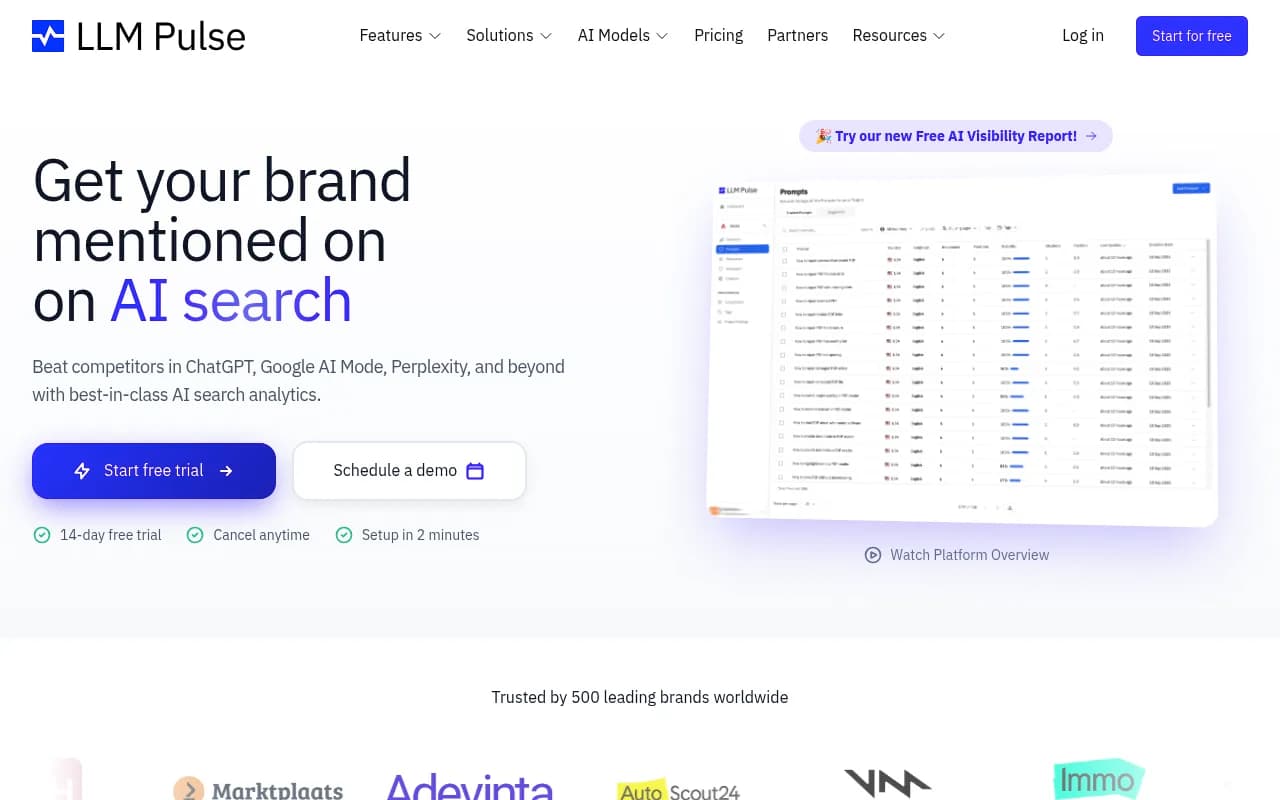
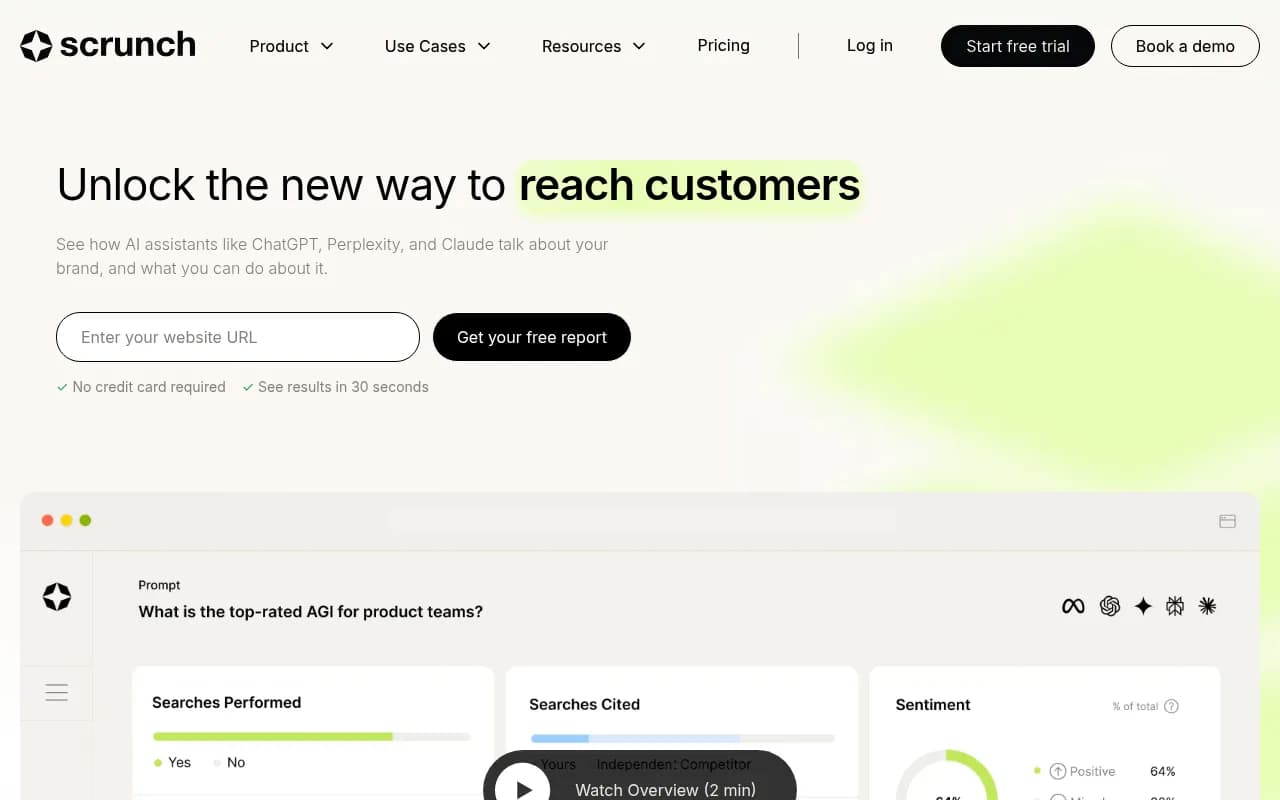
| Mid-tier trackers | Tracks mentions + some competitor data | Limited content features, no crawler logs | Otterly.AI, Peec AI, LLM Pulse |
| Hybrid SEO/GEO | Traditional SEO + some AI tracking | AI features often bolted on, not native | Semrush, Ahrefs Brand Radar |
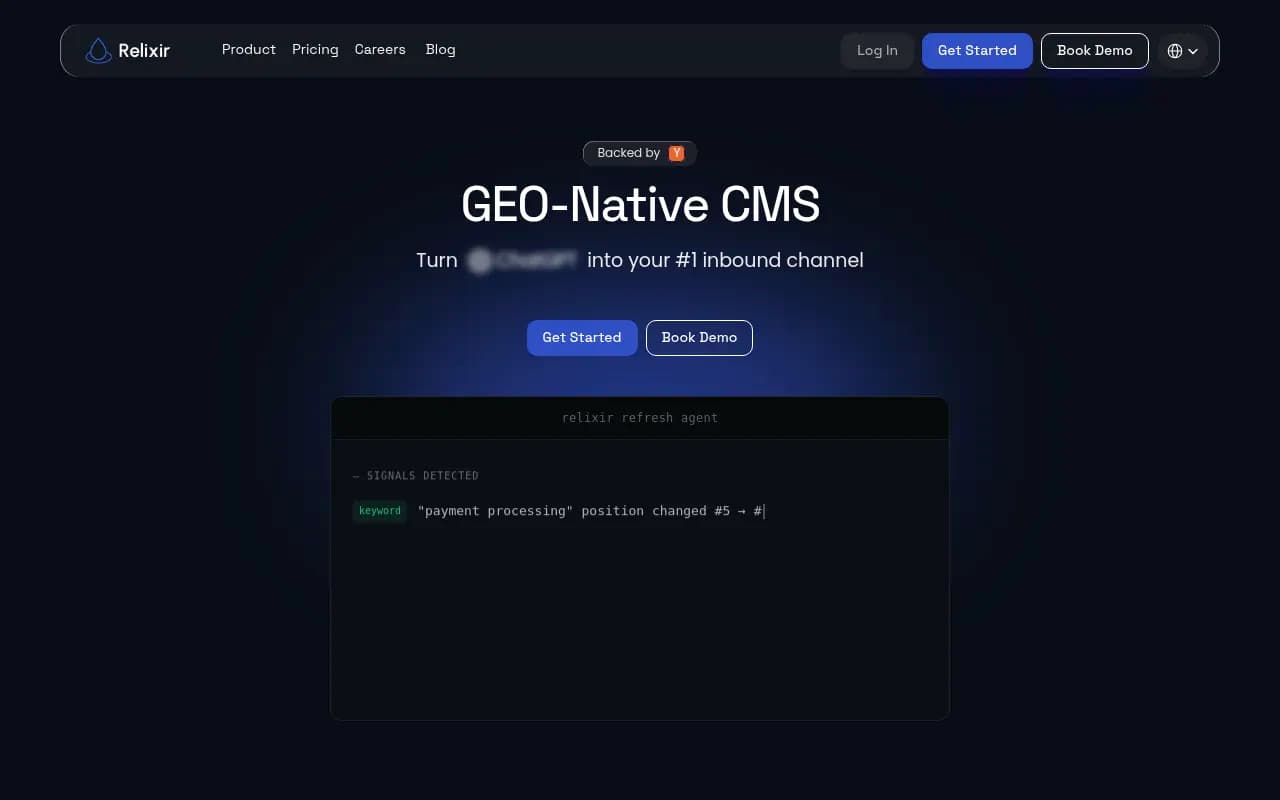
| Full optimization platforms | Track + diagnose + generate + measure | Higher price point | Promptwatch, Relixir, AthenaHQ |
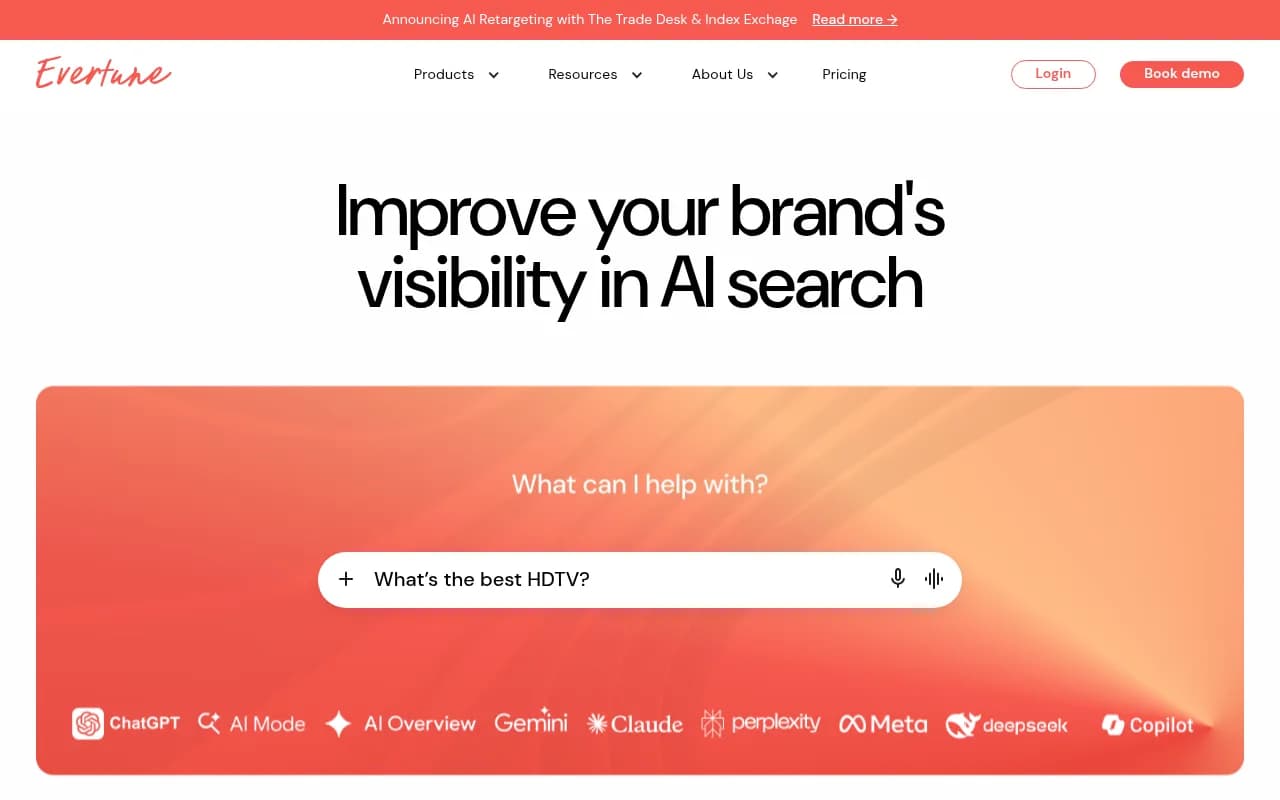
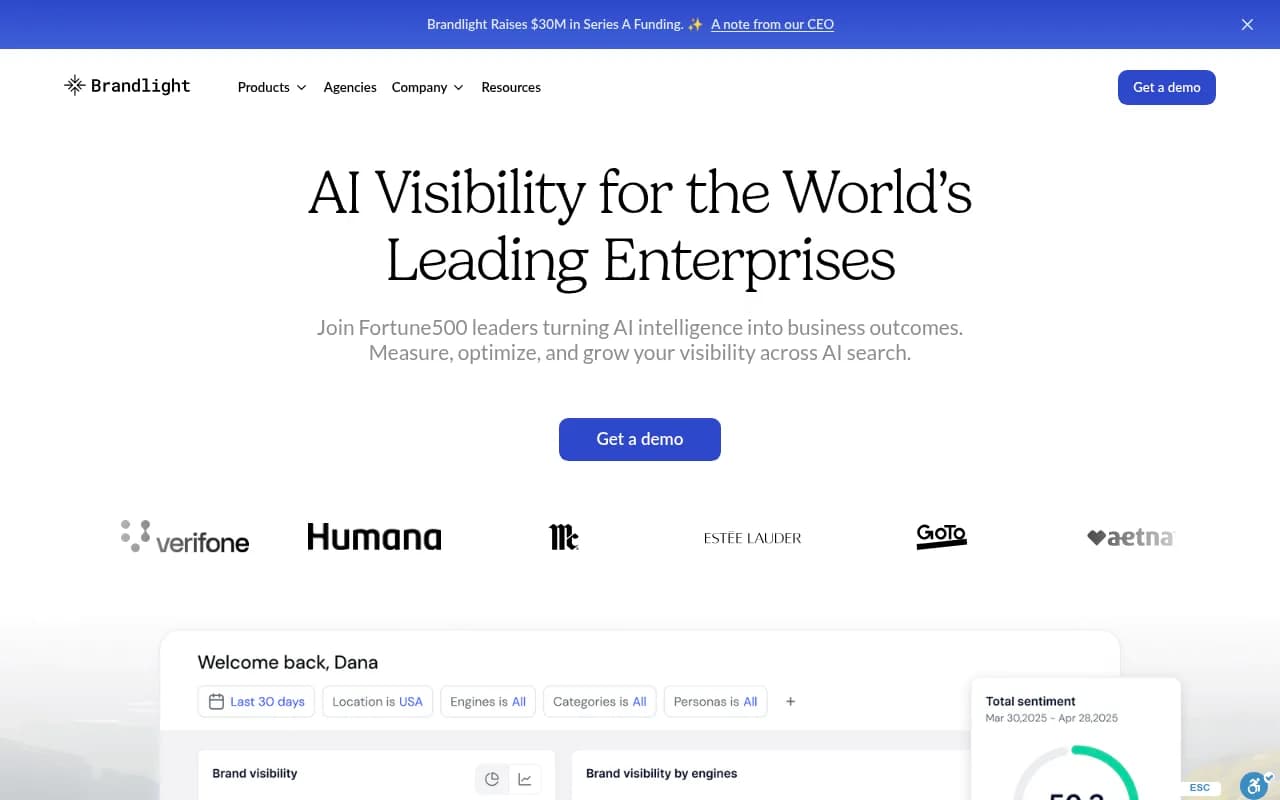
| Enterprise GEO | Deep analytics, custom integrations | Complex setup, enterprise pricing | Profound, Evertune, Bluefish AI |
The key distinction is whether the tool helps you act or just observe. If you've been using Goodie AI, you've been observing. The upgrade is about acting.
Otterly.AI

Profound


Phase 1: Preserve your data before switching
This sounds obvious but most teams skip it. They cancel Goodie AI, sign up for something new, and then realize three months later they have no idea whether their visibility actually improved because they have nothing to compare against.
Build a migration document
Create a simple document with three sections:
Baseline metrics — Your average visibility score across all tracked prompts for the last 30, 60, and 90 days. Include per-model breakdowns if you have them (ChatGPT visibility vs. Perplexity visibility can be very different).
Prompt inventory — Every prompt you were tracking, grouped by topic or funnel stage. Note which ones you were visible for and which ones competitors dominated.
Competitor snapshot — Who was being cited instead of you, and for which prompts. This becomes your competitive benchmark.
Once you have this document, you can cancel Goodie AI without losing anything meaningful. The data lives in your files, not in the tool.
Phase 2: Choose your upgrade path
The right next tool depends on where you are and what you need most.
If you need better tracking before you're ready to optimize
You're not ready to invest in content generation yet — you just want more sophisticated monitoring. In that case, tools like Otterly.AI or Peec AI give you more prompt coverage and better competitor data than Goodie AI, without a big jump in complexity or price.

If you're ready to actually optimize
This is where most teams should be heading. The whole point of GEO isn't to know you're invisible — it's to become visible. That requires understanding which content gaps are causing your invisibility, creating content that fills them, and tracking whether it works.
Promptwatch is built around exactly this loop. The Answer Gap Analysis shows you which prompts competitors rank for that you don't, and more importantly, why — what content exists on their site that doesn't exist on yours. The Content Agents then generate articles, comparisons, and briefs grounded in that gap data. And page-level tracking shows you when AI crawlers pick up the new content and start citing it.

That last part — the crawler logs — is something most tools don't have at all. Knowing that Perplexity's crawler visited your new article on Tuesday and started citing it by Thursday is the kind of feedback loop that lets you actually learn what works.
If you're at enterprise scale
If you're managing multiple brands, multiple markets, or need custom integrations, the calculus changes. Platforms like Profound and Evertune are built for that complexity, with deeper analytics and more flexible data pipelines.
Phase 3: Reconstruct your prompt tracking in the new platform
This is the step most migration guides skip, and it's where teams lose the most value.
When you set up your new platform, don't just add a handful of generic prompts and call it done. Go back to your migration document and rebuild your prompt inventory deliberately.
Prompt reconstruction checklist
- Add every prompt from your old inventory, using the exact phrasing you were tracking before (this lets you compare old vs. new visibility scores)
- Add competitor-focused prompts: "best alternatives to [competitor]", "vs [competitor]" — these are high-intent and often undertracked
- Add bottom-of-funnel prompts that map to actual purchase decisions, not just awareness
- Add prompts in the voice of your actual customers — how they'd phrase a question to ChatGPT, not how a marketer would phrase it
If your new platform has prompt volume data (Promptwatch does, with difficulty scores and query fan-outs), use that to prioritize. You want to go after prompts where you have a realistic chance of winning, not just the ones with the highest theoretical traffic.
Phase 4: Close the content gaps
Once your tracking is set up and you can see where you're invisible, the work begins.
The research is consistent here: AI models cite content that directly and specifically answers the question being asked. Generic brand pages don't get cited. Detailed, structured, question-answering content does. Google's own AI optimization guide makes this explicit — they recommend creating "valuable, non-commodity content" that addresses specific user needs.

What this means practically:
- If you're invisible for "best [category] software for [use case]", you probably don't have a page that directly addresses that use case. Create one.
- If competitors are being cited for comparison prompts and you're not, you probably don't have comparison content. Create it.
- If AI models are citing Reddit threads and review sites instead of your own content, you need to be present in those channels too — not just on your own site.
The offsite piece is often underestimated. AI models don't just cite company websites. They cite forums, review aggregators, YouTube videos, and third-party listicles. A complete GEO strategy includes both onsite content and offsite presence.
Tracking the results of your migration
After 30 days on your new platform, go back to your migration document and compare:
- Are your visibility scores higher, lower, or the same for the prompts you were tracking before?
- Are you now visible for prompts you were invisible for under Goodie AI?
- Which new pages are getting cited, and by which models?
The honest answer is that visibility often dips slightly right after a migration — not because the new tool is worse, but because you're now measuring more accurately. Goodie AI's numbers may have been optimistic. Don't panic. Look at the trend over 60-90 days.
If you've been creating content based on gap analysis, you should start seeing citation rates improve within 6-8 weeks for most AI models. Perplexity tends to pick up new content fastest. Google AI Overviews and ChatGPT can take longer, depending on their crawl schedules.
Tools like Promptwatch's Agent Analytics show you the exact timeline from when a crawler visits a page to when it starts appearing in citations — which turns this from guesswork into a measurable process.
A note on the "source stack" problem
One thing the GEO research community has started calling the "source stack" is worth understanding before you invest heavily in any single channel.
AI models don't have a single source of truth. They synthesize answers from a mix of sources: your website, review sites, Reddit, YouTube, news articles, and databases like Wikidata. Your visibility in AI answers depends on your presence across all of these, not just your own domain.
This is why pure onsite content strategies hit a ceiling. If Perplexity is citing a G2 review page and a Reddit thread when someone asks about your category, publishing more blog posts on your own site won't move the needle much. You need to be in those external sources too.
A complete GEO stack in 2026 tracks both onsite and offsite citations, shows you which external sources are driving AI visibility for your competitors, and helps you get into those sources. That's a much bigger scope than what Goodie AI was built for — and it's the real reason the upgrade is worth doing.
Recommended stack for most teams in 2026
For a mid-market marketing team that's outgrown basic monitoring and wants to actually move the needle on AI visibility, here's a practical stack:
| Layer | Purpose | Tool options |
|---|---|---|
| Core GEO platform | Track, diagnose, generate, measure | Promptwatch, Relixir |
| Traditional SEO baseline | Keep existing rankings while building GEO | Semrush, Ahrefs |
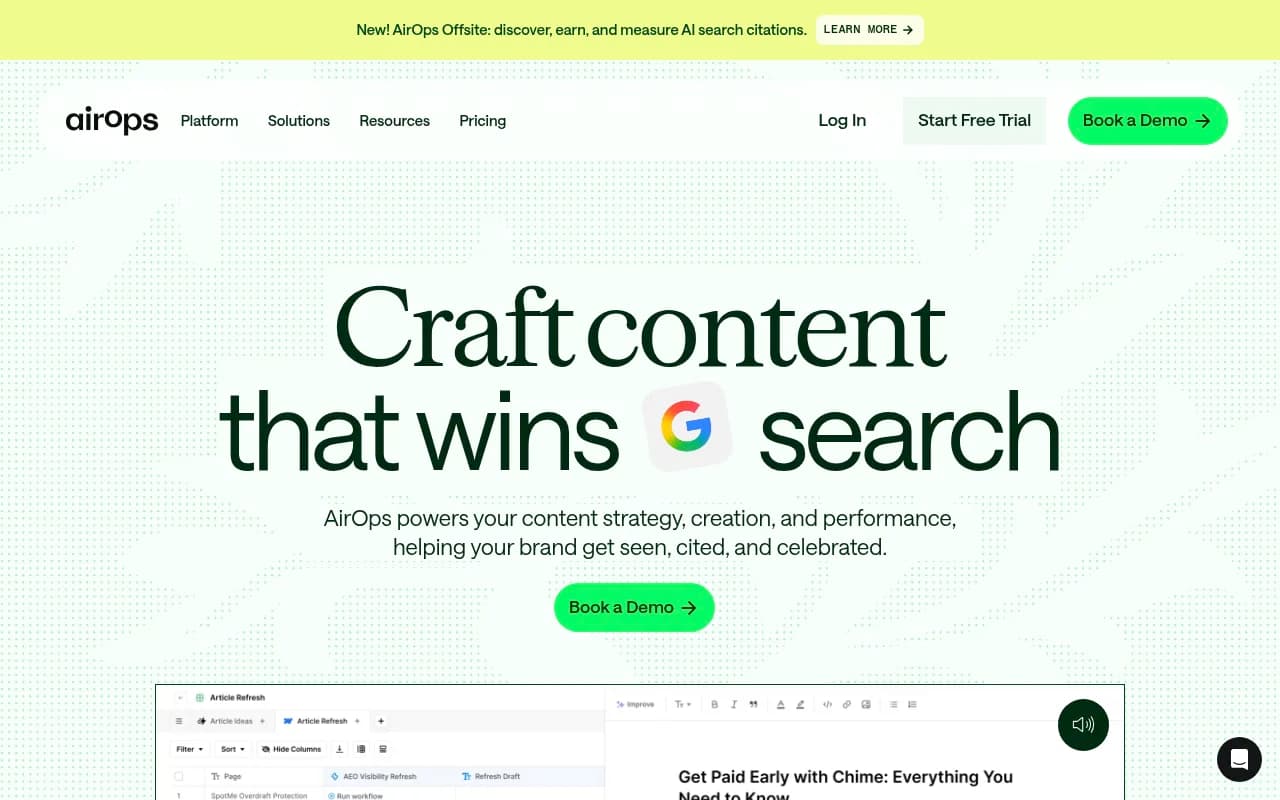
| Content creation | Generate GEO-optimized content at scale | Jasper, AirOps |
| Technical crawlability | Ensure AI crawlers can read your pages | Screaming Frog, Prerender.io |
| Offsite monitoring | Track external citations and brand mentions | Brand24, Awario |
You don't need all of these on day one. Start with the core GEO platform, get your tracking and gap analysis in place, then layer in the rest as you scale.
The bottom line
Goodie AI served its purpose: it got you paying attention to AI visibility at a time when most teams weren't. But the discipline has matured. In 2026, monitoring your visibility without a plan to improve it is roughly equivalent to checking your Google rankings without doing any SEO. The data is interesting. The results aren't.
The migration itself is straightforward if you're methodical about it: export your data, document your baselines, rebuild your prompt inventory in the new platform, and start closing content gaps. The historical data question is mostly solved by good documentation before you switch, not by any technical data transfer.
What you're really upgrading isn't the tool. It's the approach — from watching to doing.