Key takeaways
- Goodie AI offers solid AI visibility monitoring across major LLMs but has limited Claude support and Grok is still in beta, making it weaker on provider coverage than top-tier competitors.
- Most GEO platforms, including Goodie AI, are monitoring-first tools — they show you where you're invisible but don't help you fix it.
- Promptwatch is the only platform in this comparison rated as a "Leader" across all evaluation categories, combining monitoring, content gap analysis, AI content generation, and traffic attribution in one workflow.
- For enterprise teams with deep budgets, Profound and Evertune are worth evaluating. For agencies and mid-market brands, Promptwatch and Otterly.AI are the most practical options.
- Pricing ranges from free tiers (ProductRank, PromptReach) to $99/month entry-level plans (Promptwatch) up to custom enterprise contracts (Evertune, Profound).
The GEO and AI visibility space has exploded. Two years ago, most marketing teams had never heard of "Answer Engine Optimization." Now there are dozens of platforms claiming to help you rank in ChatGPT, Perplexity, Google AI Overviews, and the rest. Goodie AI is one of the louder voices in that crowd, positioning itself as the most complete GEO platform available.
Is that claim accurate? And more importantly, is it the right tool for your team?
This guide breaks down how Goodie AI compares against the best alternatives in 2026, including what each platform actually does well, where they fall short, and which one makes sense depending on your situation.
What Goodie AI actually does
Goodie AI is an AI search visibility platform that monitors how your brand appears across major LLMs. It covers ChatGPT, Gemini, Perplexity, Google AI Overviews, and a handful of others. Claude support is described as "limited" in independent comparisons, and Grok is listed as beta, which matters if you're trying to track a complete picture of AI search.
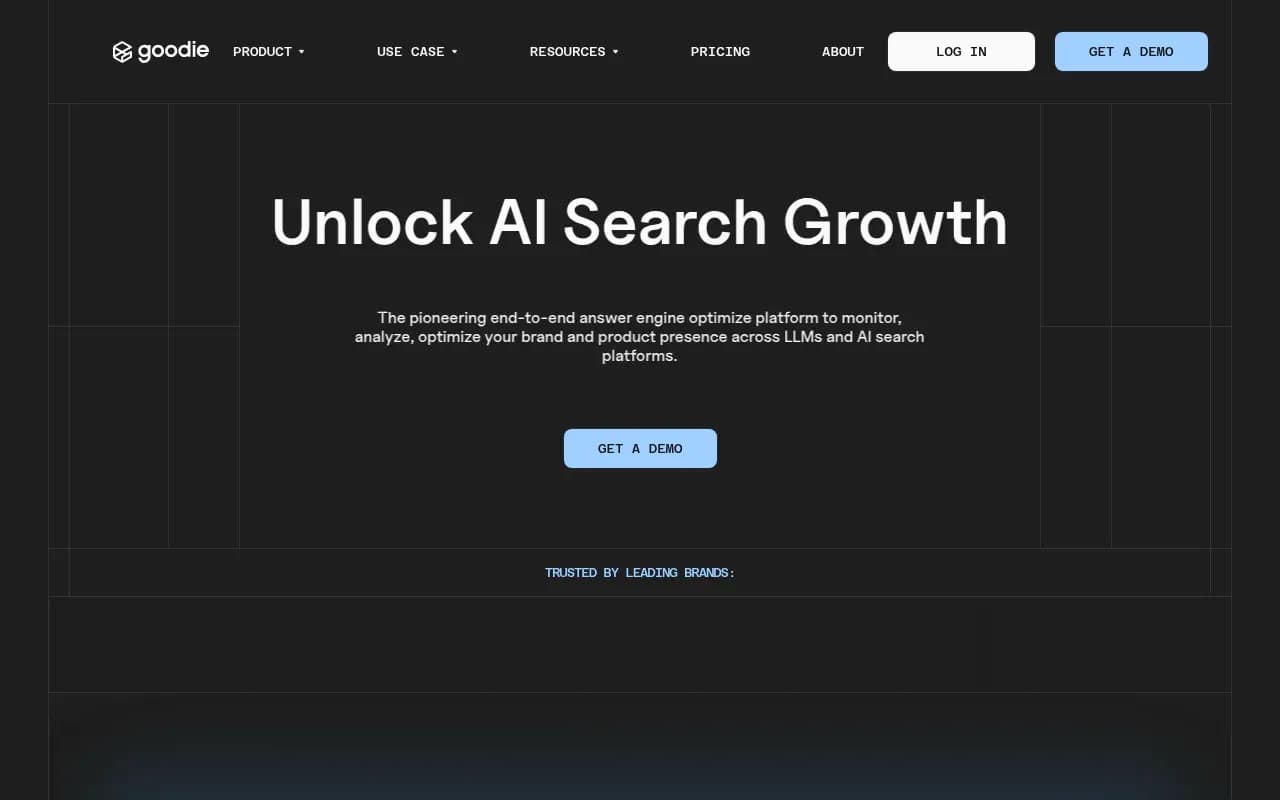
The platform includes brand mention tracking, prompt monitoring, and some level of competitor benchmarking. It markets itself as combining monitoring, optimization, attribution, and content intelligence. In practice, the monitoring side is reasonably solid. The optimization and content generation side is where things get murkier compared to more established platforms.
One thing worth noting: Goodie AI's API access is listed as API-only in feature comparisons, meaning you don't get a full UI for all workflows. That's a meaningful limitation for teams that want a self-contained dashboard without engineering involvement.
The competitive landscape in 2026
Before getting into head-to-head comparisons, it helps to understand the three tiers of GEO platforms that have emerged:
Monitoring-only tools — These track where your brand appears (or doesn't) across AI engines. They're useful for awareness but leave you stuck when it comes to actually improving your visibility. Most tools fall into this category.
Monitoring + optimization tools — These go further by identifying content gaps, suggesting what to create, and sometimes generating that content. Far fewer platforms operate here.
Full-stack platforms — These close the loop entirely: find gaps, create content, track results, and attribute traffic back to revenue. This is where the real differentiation happens in 2026.
Goodie AI sits somewhere between the first and second tier. It has optimization features on paper, but the depth varies significantly compared to platforms built around the full action loop.
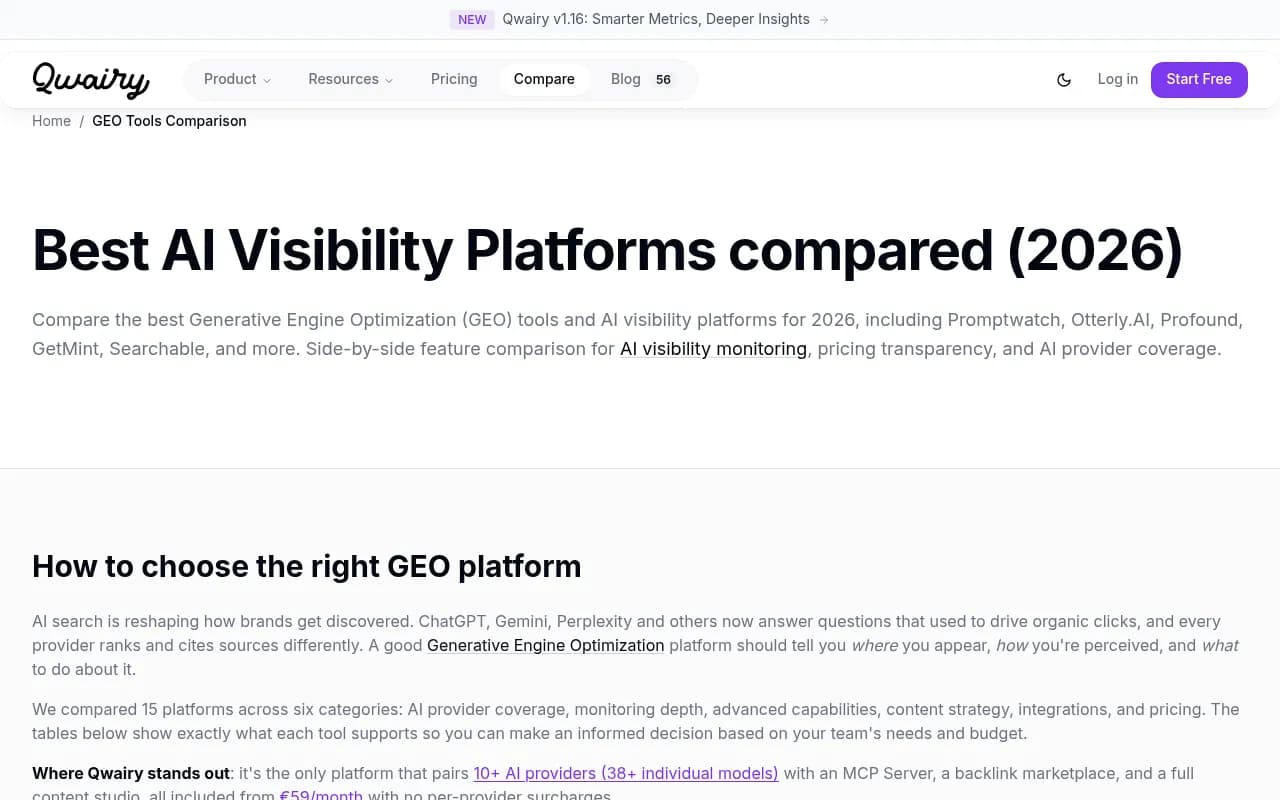
Feature comparison: Goodie AI vs top GEO platforms
| Platform | AI models covered | Content generation | Crawler logs | Traffic attribution | Pricing from |
|---|---|---|---|---|---|
| Promptwatch | 10+ (ChatGPT, Claude, Gemini, Perplexity, Grok, DeepSeek, Copilot, Mistral, Meta AI, Google AI) | Yes (built-in AI writing agent) | Yes | Yes (GSC, snippet, server logs) | $99/mo |
| Goodie AI | ChatGPT, Gemini, Perplexity, Google AI, others (Claude limited, Grok beta) | Limited | No | Limited | Custom |
| Profound | 9+ AI engines | No | No | Limited | Custom |
| Otterly.AI | ChatGPT, Perplexity, Google AI, Claude, Gemini (some add-ons) | No | No | No | ~$49/mo |
| AthenaHQ | ChatGPT, Claude, Gemini, Perplexity, Grok, others | No | No | No | Custom |
| Evertune | ChatGPT, Gemini, Perplexity, others | No | No | No | Enterprise |
| Scrunch AI | ChatGPT, Claude, Gemini, Perplexity, others (Google AI Mode enterprise only) | No | No | No | Custom |
| Peec AI | ChatGPT, Claude (add-on), Perplexity, others | No | No | No | ~$49/mo |
A few things stand out from this comparison. First, Goodie AI's provider coverage has real gaps — limited Claude support and beta Grok tracking are meaningful blind spots in 2026, when both models have significant user bases. Second, content generation is rare across the board. Most platforms, including Goodie AI, monitor but don't help you create. Third, crawler logs and traffic attribution are almost exclusively a Promptwatch feature at this price range.
Goodie AI vs Promptwatch
This is the comparison most teams end up making, because both platforms target similar buyers: marketing teams and SEO teams that want to improve AI search visibility, not just observe it.

The core difference is what happens after you see the data. Goodie AI shows you where you're not appearing. Promptwatch shows you the same thing, then helps you do something about it.
Promptwatch's Answer Gap Analysis identifies exactly which prompts competitors rank for that you don't. The built-in AI writing agent then generates articles, listicles, and comparison pages grounded in real citation data from 880M+ analyzed citations. Once you publish, page-level tracking shows which new pages are getting cited, by which models, and how often. Traffic attribution closes the loop by connecting AI visibility to actual revenue through GSC integration, a code snippet, or server log analysis.
That's a complete workflow. Goodie AI doesn't offer the same end-to-end cycle.
On provider coverage, Promptwatch monitors 10 AI models including ChatGPT, Claude, Gemini, Perplexity, Grok, DeepSeek, Copilot, Mistral, Meta AI, and both Google AI Overviews and Google AI Mode. Goodie AI's Claude support is limited and Grok is beta, so you're working with an incomplete picture.
Promptwatch also includes AI crawler logs (real-time logs of ChatGPT, Claude, Perplexity, and others hitting your site), Reddit and YouTube citation tracking, ChatGPT Shopping monitoring, and prompt volume/difficulty scoring. Goodie AI doesn't match this feature depth.
Pricing is more transparent with Promptwatch: $99/month for the Essential plan (1 site, 50 prompts, 5 articles), $249/month for Professional (2 sites, 150 prompts, 15 articles, crawler logs), and $579/month for Business (5 sites, 350 prompts, 30 articles). Goodie AI uses custom pricing, which typically signals higher entry costs and less flexibility for smaller teams.
Goodie AI vs Profound
Profound is the enterprise-grade option in this space, with 400M+ prompt data points and strong brand perception tracking. It covers 9+ AI engines and has solid monitoring depth.
Profound

Where Profound falls short is the same place Goodie AI does: it's primarily a monitoring platform. There's no built-in content generation, no crawler logs, and attribution is limited. For Fortune 500 teams with dedicated SEO engineers who can act on data independently, Profound is a serious option. For teams that need the full workflow in one tool, it leaves a gap.
Profound's pricing is also custom and typically enterprise-level, making it less accessible for mid-market teams.
Goodie AI vs Otterly.AI
Otterly.AI is the entry-level option that many teams start with. It's affordable (around $49/month), covers the main AI engines, and gives you a clean dashboard for tracking brand mentions.
Otterly.AI

The limitations are significant though. Gemini and Google AI Mode are add-ons. There's no content generation, no crawler logs, no traffic attribution, and no prompt volume data. It's a monitoring dashboard and nothing more. If you outgrow basic monitoring quickly, you'll be looking for an upgrade within a few months.
Goodie AI is more capable than Otterly.AI on paper, but the gap isn't as large as Goodie AI's marketing suggests.
Goodie AI vs AthenaHQ
AthenaHQ has strong AI model coverage and a clean interface. It covers ChatGPT, Claude, Gemini, Perplexity, Grok, and others. The monitoring is solid.

But AthenaHQ is monitoring-focused. No content generation, no crawler logs, no traffic attribution. API-only access means you need engineering resources to get full value. Custom pricing puts it in the enterprise tier without necessarily delivering enterprise-level output features.
Goodie AI and AthenaHQ are roughly comparable in terms of what they actually help you do, which is observe your visibility. Neither helps you systematically improve it.
Goodie AI vs Evertune
Evertune targets Fortune 500 brands and has built a reputation for deep AI visibility tracking with strong enterprise support. It's one of the more established names in the space.
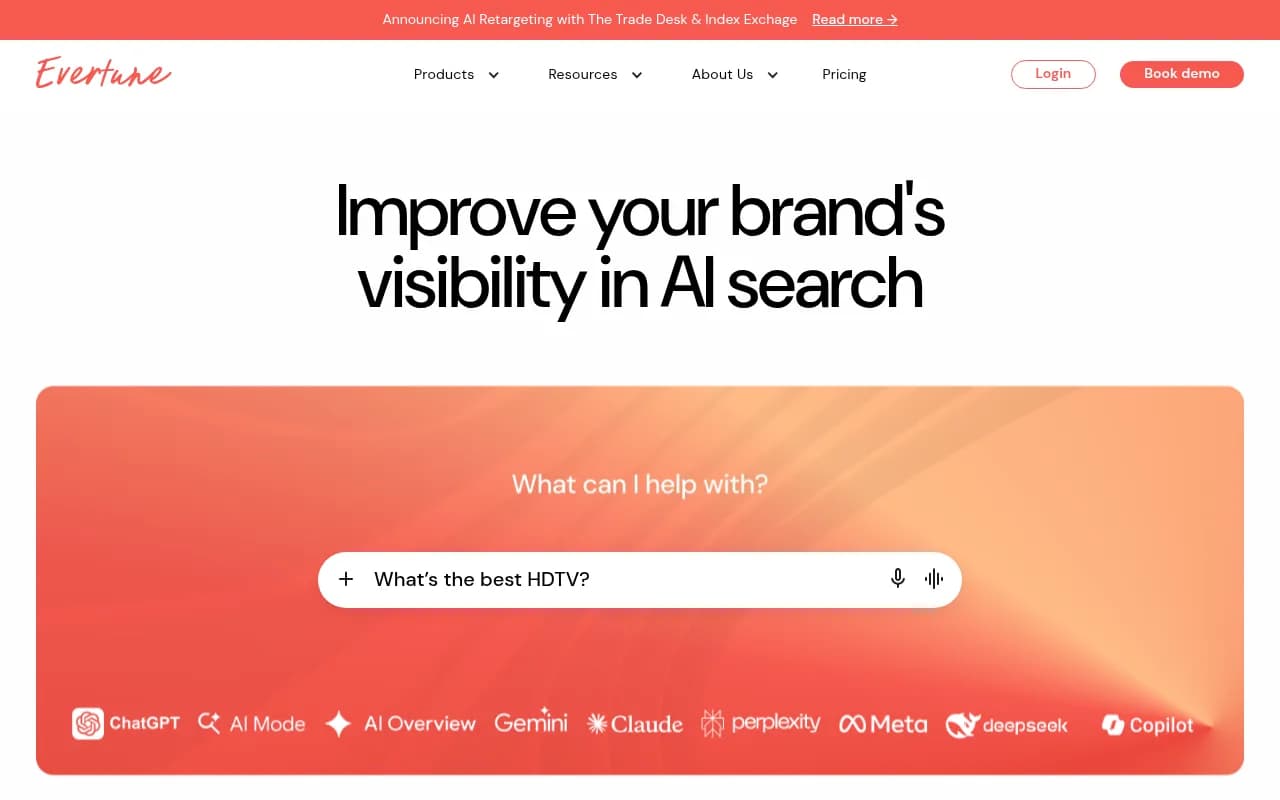
The trade-off is cost and complexity. Evertune is priced for enterprise budgets, and the platform is built around large teams with dedicated analysts. For mid-market brands or agencies managing multiple clients, it's likely overkill and overpriced.
Goodie AI vs Scrunch AI
Scrunch AI covers most major AI engines and has decent monitoring features. Google AI Mode is enterprise-only, which is a notable gap given how much traffic Google AI Mode is starting to drive.

Like most competitors, Scrunch AI stops at monitoring. No content generation, no crawler logs, no attribution. Custom pricing puts it in a similar tier to Goodie AI.
Which platform should you actually use?
Here's the honest answer: it depends on what you need from the tool.
If you want the most complete workflow — monitoring, gap analysis, content generation, and traffic attribution in one platform — Promptwatch is the clear choice. It's the only platform in this comparison that closes the full loop, and it does so at a price point accessible to teams that aren't Fortune 500 budgets.
If you're an enterprise team with a large budget and dedicated analysts who can act on raw data, Profound or Evertune are worth evaluating. They have deep data and strong enterprise support, even if they don't help you create content.
If you're just starting out and want to understand the basics of AI visibility without committing to a large budget, Otterly.AI or Peec AI give you a low-risk entry point. Just know you'll hit their ceilings quickly.

If you're an agency managing multiple clients, Promptwatch's Professional and Business plans are built for this use case, with multi-site tracking, client reporting, and content generation at scale.
Where does Goodie AI fit? It's a reasonable mid-tier option if you're already using it and the monitoring features meet your needs. But if you're evaluating from scratch in 2026, the gaps in Claude coverage, the absence of crawler logs, and the lack of a true content generation workflow make it hard to recommend over Promptwatch at a similar price point.
Other tools worth knowing about
A few other platforms that come up regularly in this space:
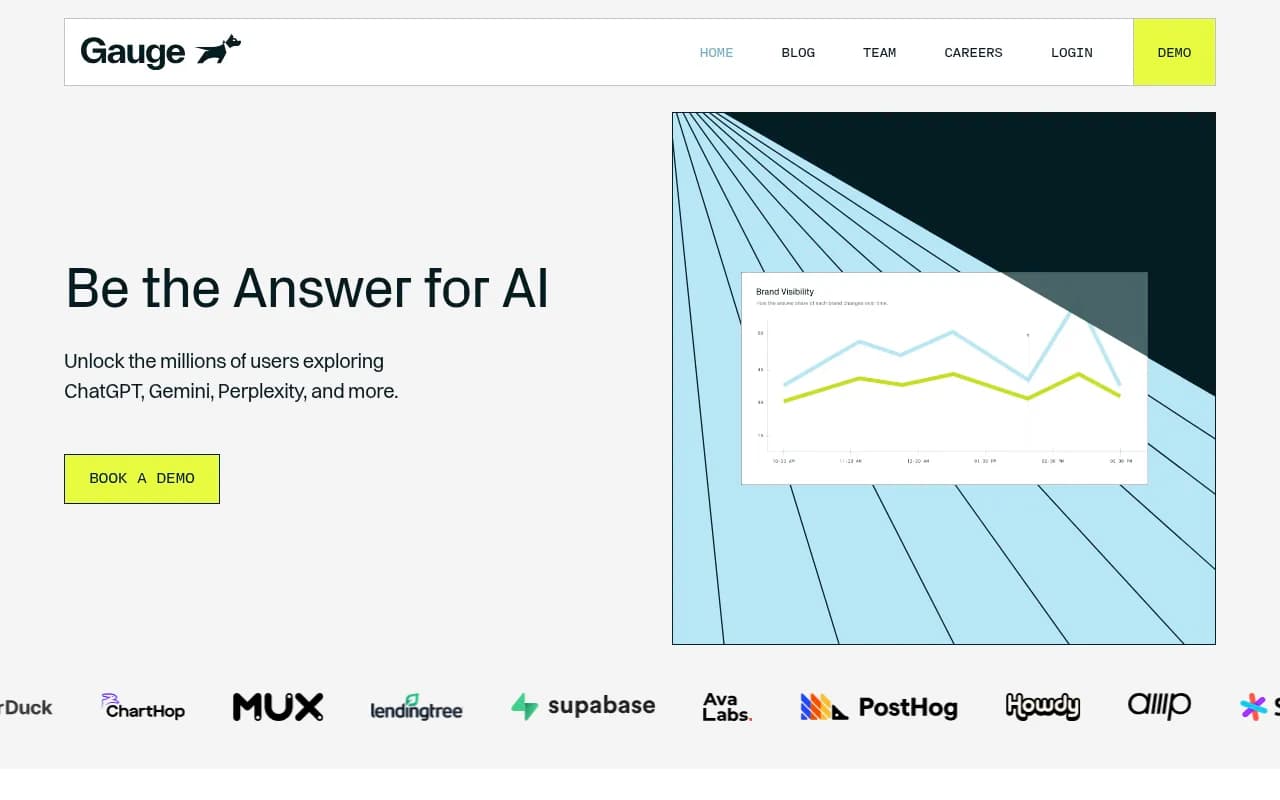
Gauge tracks brand mentions across AI engines with solid prompt-level data. Good for teams that want clean monitoring without complexity.
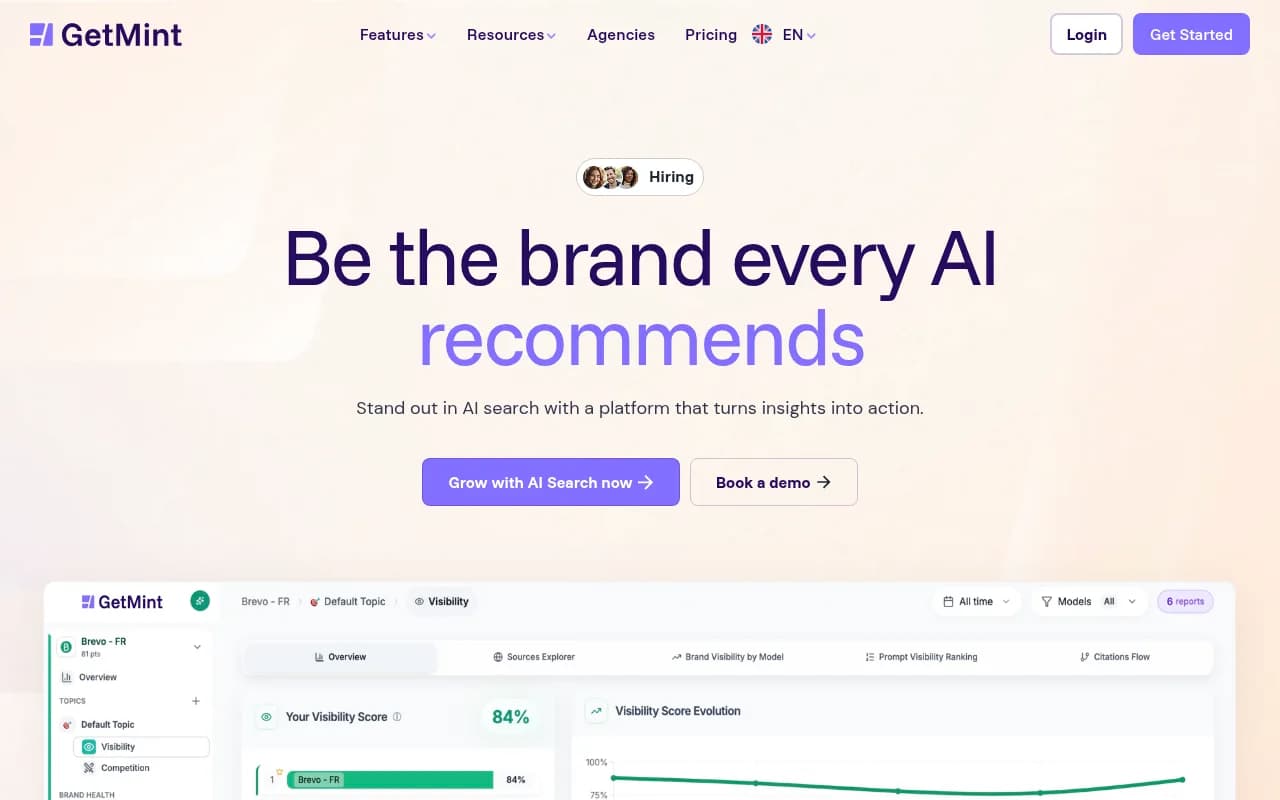
GetMint is a newer entrant with AI search monitoring and some optimization features. Still maturing but worth watching.
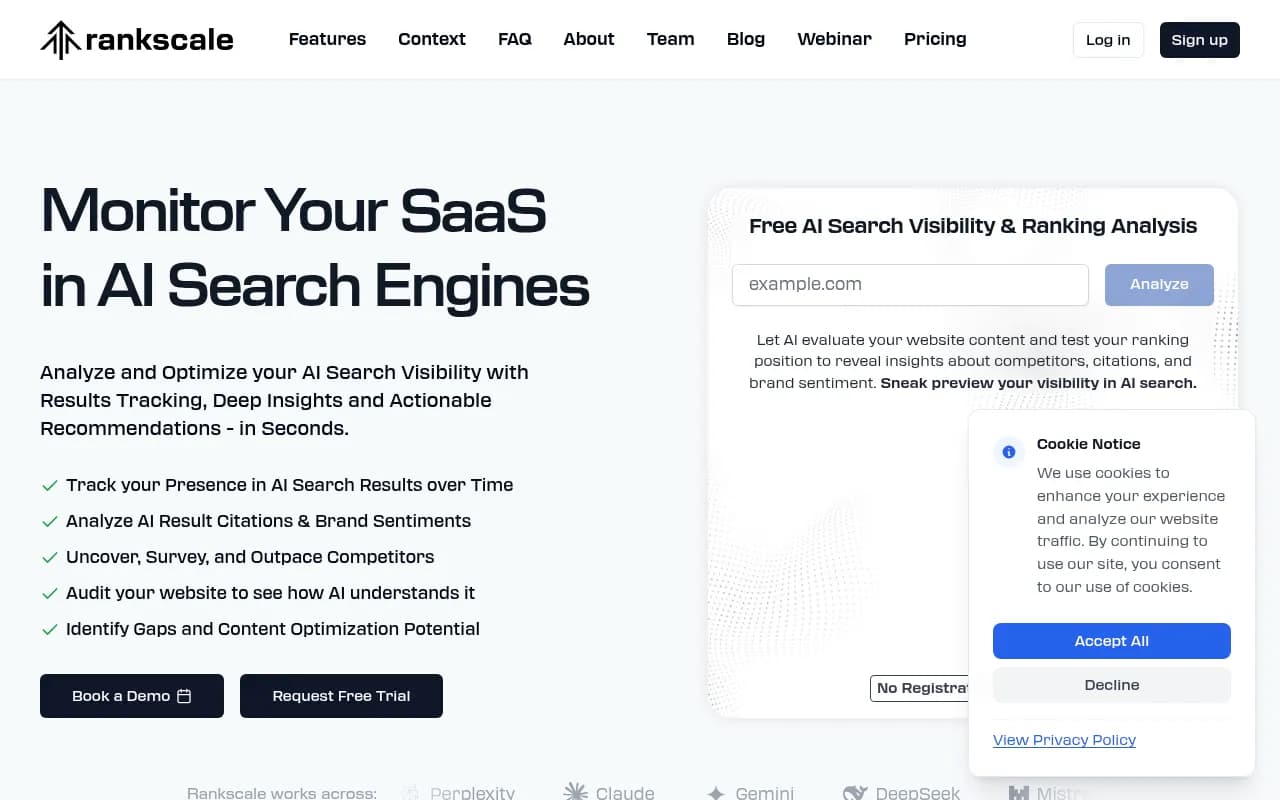
Rankscale is agency-focused with decent AI visibility tracking, though prompt metrics and content gap analysis are limited compared to Promptwatch.
Semrush has added AI search tracking features, but the approach uses fixed prompts rather than dynamic prompt discovery, and there's no AI traffic attribution. It's useful if you're already in the Semrush ecosystem, but it's not a dedicated GEO platform.
The bottom line
Goodie AI is a legitimate player in the GEO space, but its self-description as "the most complete GEO platform" doesn't hold up under scrutiny in 2026. The gaps in Claude and Grok coverage, the absence of AI crawler logs, and the lack of a real content generation workflow leave it behind the leading platforms.
The GEO tools that matter most right now aren't the ones that show you the most data. They're the ones that help you act on it. Most platforms in this space, including Goodie AI, are still primarily observation tools. The ones that have built actual optimization workflows — content gap analysis, AI-generated content grounded in citation data, traffic attribution — are in a different category entirely.
If you're serious about improving your AI search visibility rather than just measuring it, that distinction is worth paying attention to.