Key takeaways
- Half of consumers now use AI-powered search, and traditional keyword-first content strategy can't keep pace with how AI models surface and cite information.
- The old workflow (research, brief, write, publish, track) is being replaced by a continuous loop: find gaps, generate content, measure citations.
- Most AI visibility tools stop at monitoring. The platforms replacing traditional workflows are the ones that close the loop with content generation and optimization.
- Brand mentions across trusted sources now carry more weight than backlinks in AI-generated answers.
- Teams that treat AI as infrastructure rather than a bolt-on feature are seeing measurable pipeline impact.
The workflow that used to work is breaking down
For about a decade, content strategy followed a predictable rhythm. You'd do keyword research, build a content calendar, hand briefs to writers, publish, wait for Google to index, and check rankings three weeks later. Rinse, repeat.
That rhythm is falling apart -- not because the fundamentals of good content changed, but because the distribution layer changed underneath it. McKinsey's research puts it plainly: half of consumers now use AI-powered search, with the potential to impact $750 billion in revenue by 2028. When someone asks ChatGPT or Perplexity which project management tool to use, they don't get a list of blue links. They get a synthesized answer with a handful of citations. If your brand isn't one of them, you weren't in the room.
The problem is that most content teams are still optimizing for the old room.
Traditional SEO tools tell you where you rank on Google. They don't tell you whether ChatGPT mentions you when someone asks a question your product directly answers. They don't show you which competitor is getting cited instead of you, or what specific content gap is causing the miss. And they definitely don't help you fix it.
That's the gap AI search platforms with action features are filling in 2026.
What "action features" actually means
There's a real distinction worth making here. A lot of platforms in this space are monitoring dashboards. They track brand mentions across LLMs, show you a visibility score, and send you a weekly report. That's useful data. But data without a path to action is just a more expensive version of anxiety.
Action features are different. They answer the question: "Now that I know I'm invisible for this prompt, what do I do about it?"
That means things like:
- Answer gap analysis that shows which specific prompts competitors are winning that you're not
- Content generation grounded in real prompt data, not generic SEO templates
- Page-level citation tracking that connects a published article to actual AI mentions
- Crawler logs that show when AI bots visit your site, what they read, and what errors they hit
Promptwatch is the clearest example of this in practice. Rather than just showing you a visibility score, it runs a loop: find the gaps, generate content to fill them, track whether AI models start citing that content. The difference between that and a monitoring dashboard is the difference between a GPS and a speedometer.

How the traditional content workflow is being replaced, step by step
Step 1: Research is no longer just keyword research
Old workflow: pull search volume data, find low-competition keywords, build a content calendar around them.
New workflow: understand what questions AI models are actually answering in your category, which sources they're citing, and where your brand is absent.
This is a fundamentally different research task. You're not just looking for search volume -- you're looking for prompt patterns. What does someone ask ChatGPT when they're evaluating vendors in your space? What follow-up questions does that prompt fan out into? Which of those sub-queries is your competitor dominating?
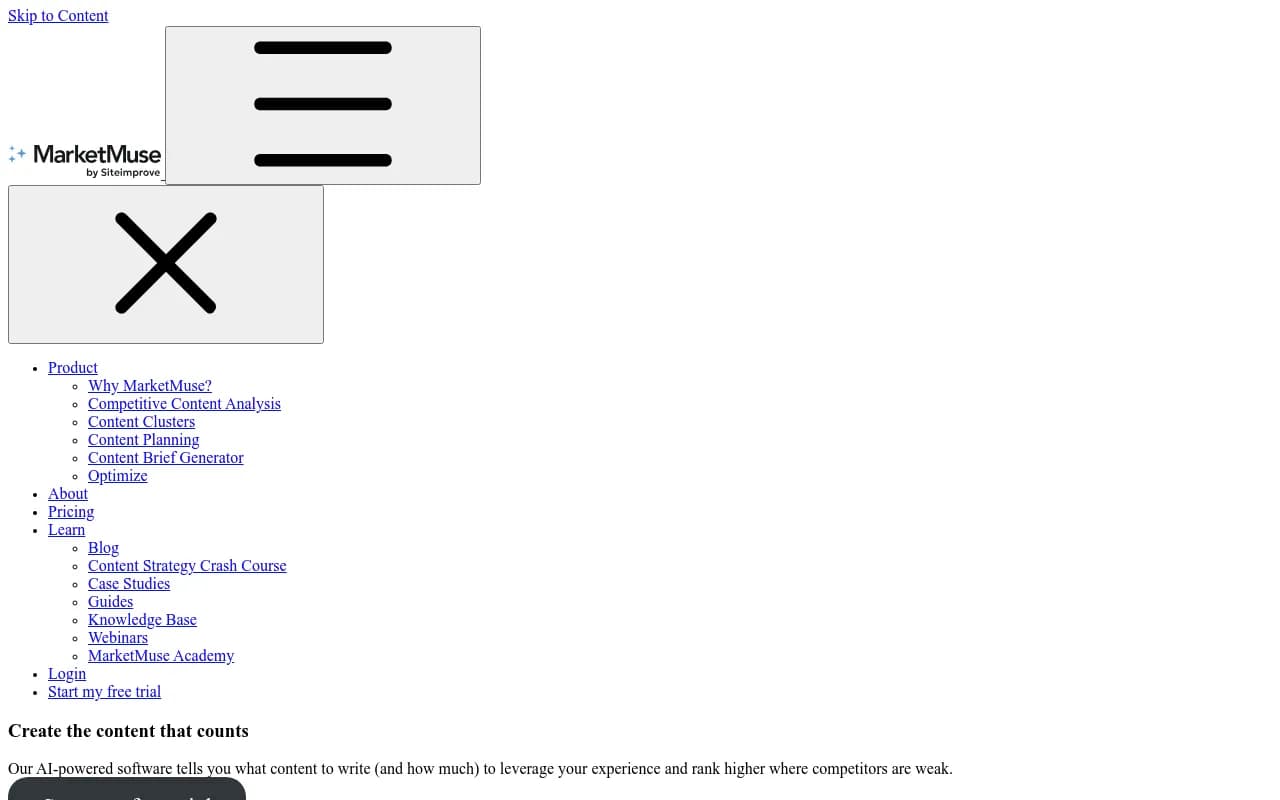
Tools like MarketMuse have long helped with content gap analysis in traditional SEO. That capability now needs to extend into AI search behavior.
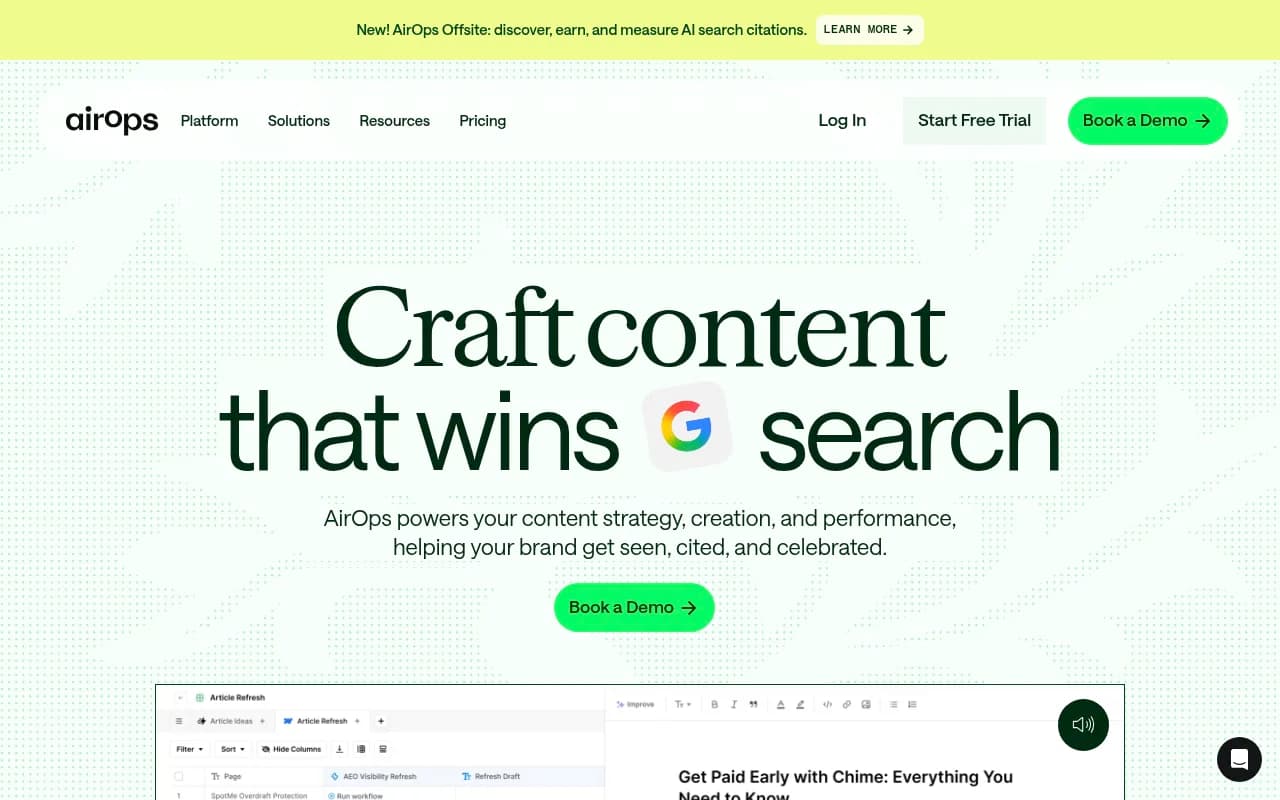
For AI-specific research, platforms like AirOps are building content engineering workflows that start from AI search data rather than traditional keyword tools.
Step 2: Briefs are getting richer and faster
The content brief used to be a Google Doc with a keyword, a target word count, and some competitor URLs. It took a strategist half a day to build a good one.
In 2026, briefs generated by AI search platforms include: the exact prompts driving traffic in your category, citation data showing which domains AI models trust, competitor analysis pulled in real time, brand voice guidelines, and sometimes screenshots of actual AI responses you're trying to displace.
That's not a faster version of the old brief. It's a different artifact entirely -- one that tells a writer not just what to cover, but why AI models aren't currently citing your site for this topic.
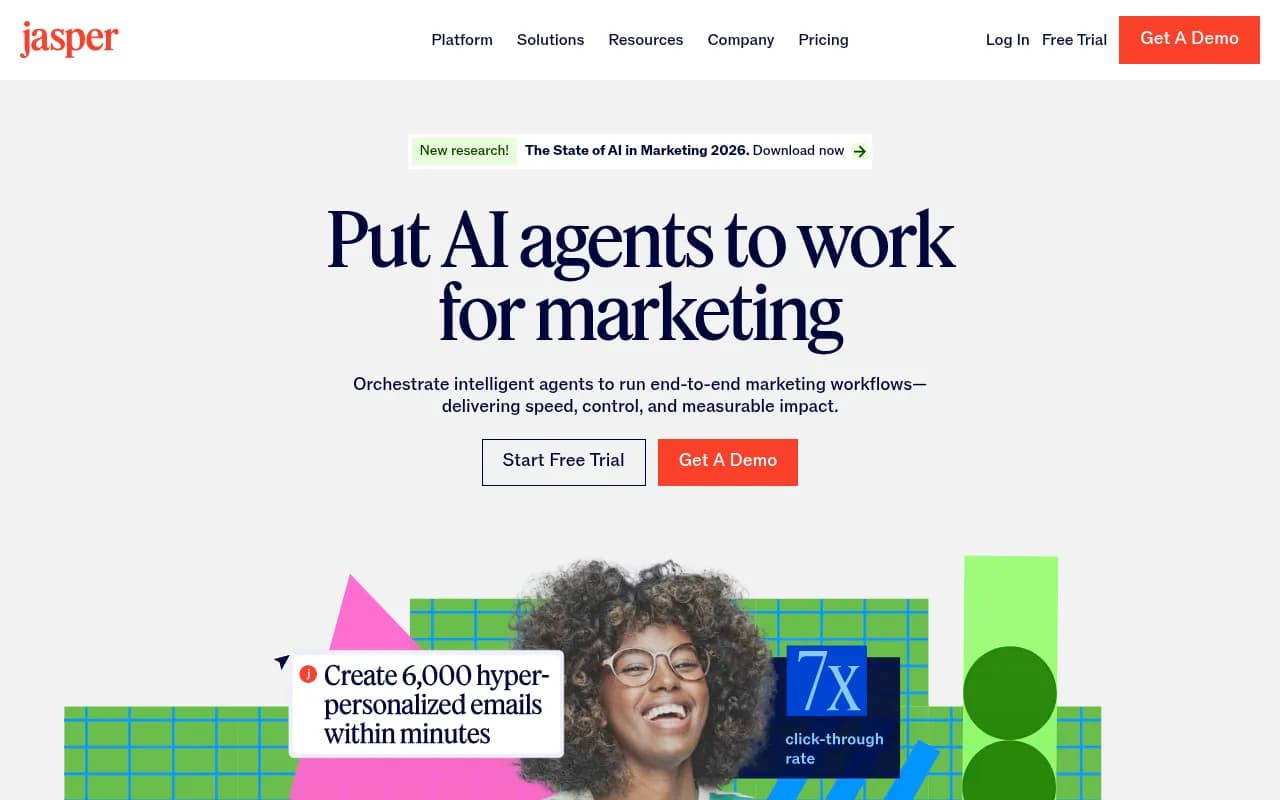
Jasper has moved in this direction with its content pipeline and agent features, connecting research to drafting in a single workflow.
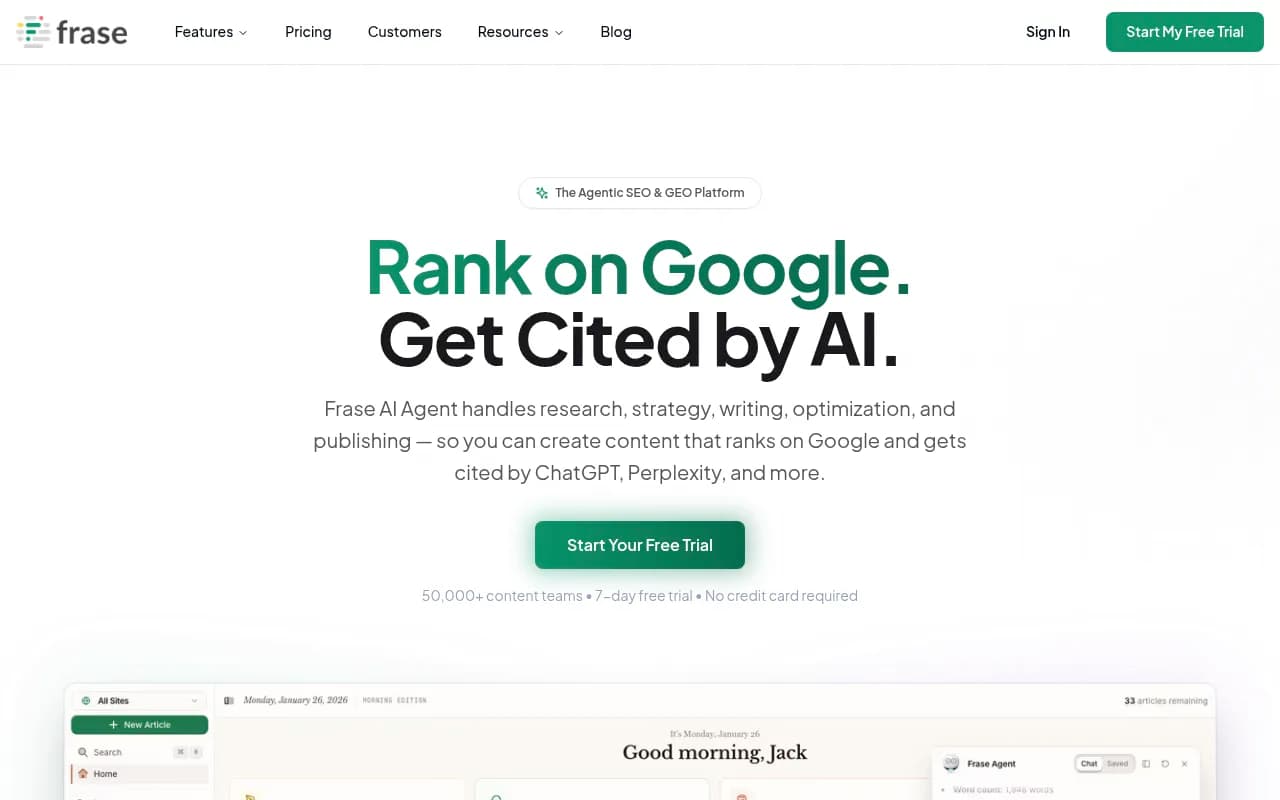
Frase remains a strong option for teams that want AI-assisted brief building grounded in real SERP and question data.
Step 3: Content generation is now grounded in citation data
Generic AI-written content is everywhere. It's also largely invisible in AI search results, because AI models don't cite content that says the same thing as everything else.
What gets cited is content that directly answers specific questions, uses authoritative framing, and covers angles that other sources miss. That's not a writing quality problem -- it's a targeting problem. You can't write content that fills a gap you haven't identified.
This is where action-oriented platforms diverge sharply from monitoring tools. Platforms that surface the exact prompts you're missing, then generate content engineered to answer those prompts, are replacing the traditional "write and hope" approach.
Search Atlas combines AI content generation with SEO automation in a way that's increasingly relevant for teams trying to close AI visibility gaps at scale.
Surfer SEO has added AI content generation on top of its optimization layer, making it a practical choice for teams that want to write and optimize in one place.
Step 4: Publishing is connected to crawl and citation tracking
Old workflow: publish, submit to Google Search Console, wait.
New workflow: publish, watch AI crawler logs to see when ChatGPT or Perplexity bots visit the page, track when the page moves from crawled to cited, and measure the visibility lift.
This is a capability most traditional SEO tools don't have at all. Knowing that GPTBot crawled your new article three days after publishing, then started citing it two weeks later, gives you feedback loops that were impossible a year ago.
Promptwatch calls this Agent Analytics -- real-time logs of AI crawler visits, errors, and the timeline from crawl to citation. It's the kind of infrastructure that turns content publishing from a one-way broadcast into a measurable experiment.
Step 5: Attribution connects visibility to revenue
This is where most platforms still fall short. Showing that your brand got mentioned in a Perplexity answer is interesting. Showing that the user who saw that mention then visited your site, started a trial, and converted -- that's what justifies the budget.
Traffic attribution from AI search is genuinely hard. AI models don't pass referrer data the way Google does. But platforms are getting better at connecting the dots through crawler log analysis, UTM patterns, and direct/dark traffic attribution.
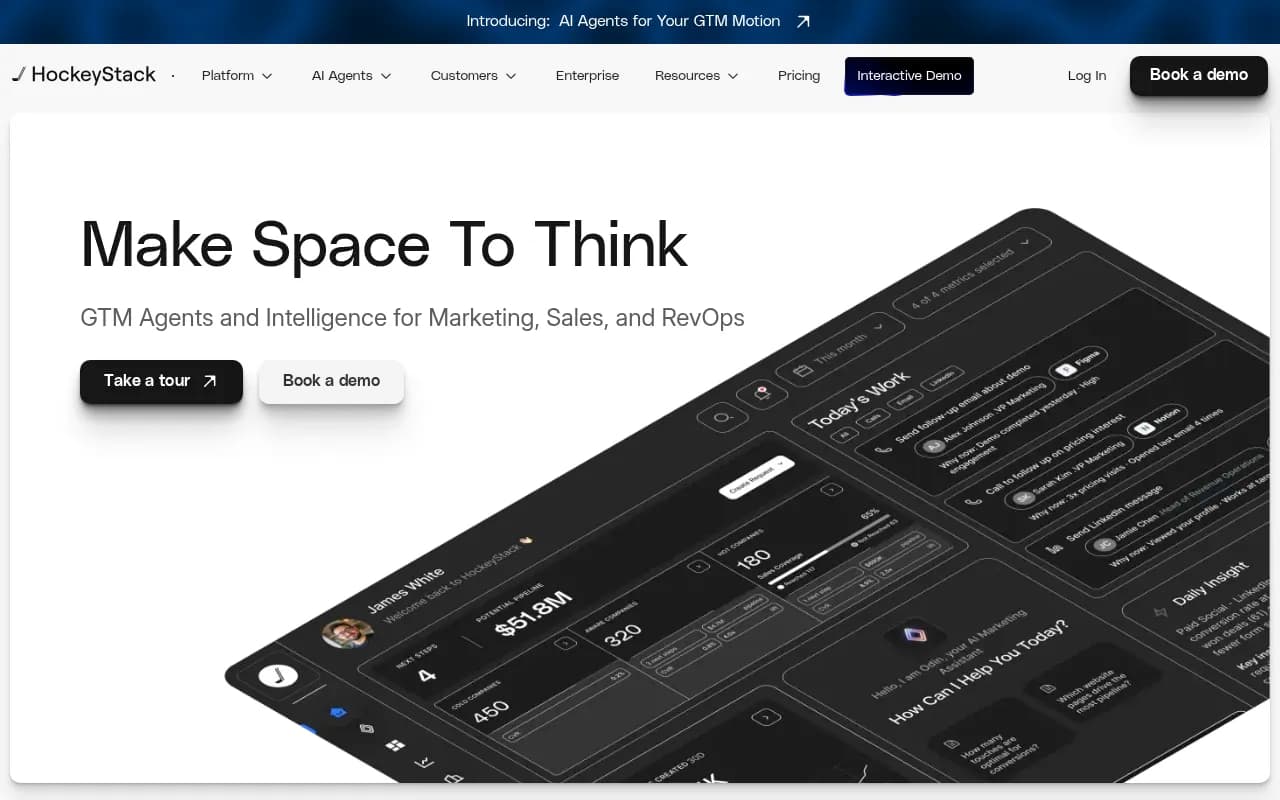
HockeyStack is worth looking at for teams that want to connect AI visibility to pipeline data, particularly in B2B.
The tools replacing traditional content strategy stacks
Here's how the new stack compares to the old one across key workflow stages:
| Workflow stage | Traditional tool | AI-era replacement | What changed |
|---|---|---|---|
| Keyword/prompt research | Google Keyword Planner, Ahrefs | Promptwatch, AirOps, MarketMuse | Research now includes AI prompt patterns and citation data |
| Content briefs | Manual Google Docs | Frase, Jasper, Promptwatch Content Agents | Briefs include AI response screenshots and citation gaps |
| Content writing | Human writers + basic AI | Surfer SEO, Search Atlas, Jasper | Writing is grounded in prompt data, not just keywords |
| Publishing & indexing | Google Search Console | Promptwatch crawler logs, Siteline AI | AI crawler behavior is now trackable |
| Rank/visibility tracking | Semrush, Ahrefs | Promptwatch, AthenaHQ, Profound | Tracking spans 10+ AI models, not just Google |
| Attribution | GA4, HubSpot | HockeyStack, Promptwatch traffic attribution | Revenue is connected to AI citations, not just organic clicks |

Profound

What's actually driving the shift
A few things are converging at once.
Gartner projected that 40% of enterprise applications would include task-specific AI agents by the end of 2026. That's not a prediction about content tools specifically -- it's a prediction about how work gets done. When AI agents are embedded in the tools you already use, the manual steps in a content workflow (research, brief, draft, optimize) start to collapse into automated loops.
WSI's 2026 marketing predictions put it well: "Search Everywhere Optimization" is replacing traditional SEO as the dominant visibility strategy. Discovery is no longer Google-first. Brands need to show up in ChatGPT, Perplexity, Google AI Overviews, Gemini, and a dozen other surfaces simultaneously.
That's not achievable with a traditional content calendar and a monthly keyword report. It requires continuous monitoring, fast content iteration, and direct feedback loops between what AI models are citing and what you're publishing.
The other shift is in what "authority" means for AI models. Traditional SEO authority came from backlinks. AI authority comes from being referenced across trusted sources -- reviews, forums, Reddit threads, YouTube videos, industry publications. Brands that understand this are investing in offsite presence, not just on-site content.
Where most teams are getting stuck
Near-universal AI tool adoption hasn't translated into near-universal results. Most teams are getting faster drafts. Far fewer are getting measurable visibility lift in AI search.
The gap usually comes down to one of three things:
Monitoring without action. Teams pick up a visibility tracking tool, see that they're underperforming, and don't have a clear path to fix it. The tool shows the problem but doesn't help solve it.
Content that doesn't target AI gaps. Teams use AI writing tools to produce more content, but that content is optimized for traditional SEO, not for the specific prompts AI models are answering. Volume without targeting doesn't move the needle.
No feedback loop. Teams publish content but have no way to know whether AI models are crawling it, citing it, or ignoring it. Without that feedback, iteration is guesswork.
The platforms that are genuinely replacing traditional workflows solve all three. They identify gaps, generate targeted content, and close the loop with citation tracking.
Practical recommendations by team size
For smaller teams or solo marketers, the priority is getting visibility data before worrying about scale. Start with a tool that tracks your brand across the major AI models and surfaces the prompts where competitors are winning.
Otterly.AI is a reasonable starting point for basic AI visibility monitoring.
Otterly.AI

Peec AI offers lightweight tracking that works for smaller budgets.

For mid-size marketing teams, the priority shifts to closing the loop between visibility data and content production. You need a platform that doesn't just show you gaps but helps you fill them.
Promptwatch fits here -- the combination of Answer Gap Analysis, Content Agents, and crawler logs gives a mid-size team the infrastructure to run a real optimization cycle rather than just monitor and report.
For enterprise teams, the additional requirements are multi-site tracking, multi-language support, agency-level reporting, and deep attribution. Platforms like Profound and Evertune serve the enterprise segment, though they tend to be monitoring-heavy rather than action-oriented.
Profound
The bottom line
Traditional content strategy workflows were built for a world where Google was the front door to the internet. That world still exists, but it's sharing space with a dozen AI models that answer questions directly, synthesize sources, and decide which brands to mention without ever sending a user to a search results page.
The platforms replacing traditional workflows aren't doing it by being better keyword tools. They're doing it by connecting the research, creation, and measurement stages into a single loop -- one where every piece of content you publish is grounded in real AI search behavior and every citation you earn is tracked back to a specific page and a specific prompt.
Teams that treat this as a monitoring problem will keep getting faster reports. Teams that treat it as an optimization problem will start seeing their names in the answers.