Key takeaways
- ChatGPT and other AI assistants have become genuine discovery tools for local businesses — customers ask "best Italian restaurant in Austin" and act on the answer without ever opening Google.
- Tracking what AI says about your business by city requires different tools than traditional local SEO rank trackers; most standard tools don't simulate location-specific AI responses.
- The most useful platforms go beyond monitoring to show you why competitors get recommended and help you create content that closes the gap.
- Structured data, consistent NAP (name, address, phone) signals, and locally-specific content are the three biggest levers for improving AI recommendations.
- Multi-location businesses need city-level tracking, not just brand-level tracking — what ChatGPT says about your Chicago location may be completely different from what it says about your Dallas location.
Why local businesses need to care about ChatGPT recommendations right now
Something shifted in 2025 and it accelerated hard into 2026. Customers who used to open Google Maps or scroll Yelp are now just asking ChatGPT. "What's a good plumber near me in Denver?" "Best brunch spots in Nashville?" "Which gym in Brooklyn has the best personal training?" The AI answers. The customer calls. The business either shows up or it doesn't.
One commercial lending firm tracked by ROI Amplified found that 15% of their inbound sales calls were coming directly from ChatGPT queries — customers who never touched Google at all. That's not a niche edge case anymore. It's a pattern repeating across industries.
For restaurants, retailers, and local service businesses, this creates a specific problem: you can't just optimize for one national presence. A pizza chain with 40 locations needs to know what ChatGPT says when someone in Phoenix asks versus someone in Boston. The answers can be wildly different, and the factors driving those answers are often invisible without the right tracking setup.
This guide walks through exactly how to set that tracking up, what to do with the data, and which tools actually help.
How ChatGPT decides which local businesses to recommend
Before you can track or improve your AI visibility, it helps to understand what's actually driving the recommendations. ChatGPT and other large language models don't have real-time access to your Google Business Profile in the same way Google Maps does. Instead, they synthesize information from:
- Content indexed across the web (your website, third-party directories, review sites)
- Structured data and schema markup on your pages
- Review platforms like Yelp, TripAdvisor, and Google Reviews (which get heavily crawled and cited)
- Reddit threads, local blogs, and editorial mentions
- Business directories like Yelp, OpenTable, and industry-specific listings
The key insight from Birdeye's 2026 research on AI search recommendations for restaurants is that the shift is from "who ranks first" to "who gets included in the answer." AI models are building a composite picture of your business from dozens of sources. If those sources are thin, inconsistent, or missing entirely for a specific city, you won't appear — even if you have a great reputation locally.
For multi-location businesses, this means each city needs its own content footprint. A single homepage mentioning "we serve the Dallas area" won't cut it. You need dedicated pages, local citations, and locally-relevant content that gives AI models enough signal to confidently recommend you in that specific market.
Setting up city-level AI tracking
What you actually need to track
Generic AI visibility monitoring tells you whether your brand appears in AI responses. City-level tracking tells you whether your Austin location appears when someone in Austin asks ChatGPT for a recommendation — which is a much harder and more valuable question to answer.
Specifically, you want to track:
- Which prompts trigger recommendations for your business in each city ("best [category] in [city]", "top [service] near [neighborhood]", etc.)
- Which competitors are getting recommended in your place
- What sources AI models are citing when they do (or don't) mention you
- How responses differ across AI models — ChatGPT, Perplexity, Gemini, and Google AI Overviews often give different answers for the same local query
Tools built for this kind of tracking
Promptwatch is the most complete option here, particularly for businesses that need city and state-level tracking. Its Professional plan and above supports location-specific monitoring, meaning you can set up prompts like "best Italian restaurant in Chicago" and track your visibility for that exact query across 10 AI models simultaneously. The crawler logs feature shows you which AI bots are actually visiting your location pages, so you can see whether ChatGPT's crawler has even read your Chicago page recently.

For businesses that want a simpler starting point, Rankshift tracks brand visibility across ChatGPT and Perplexity with a cleaner interface, though it lacks the depth of location-specific persona targeting.

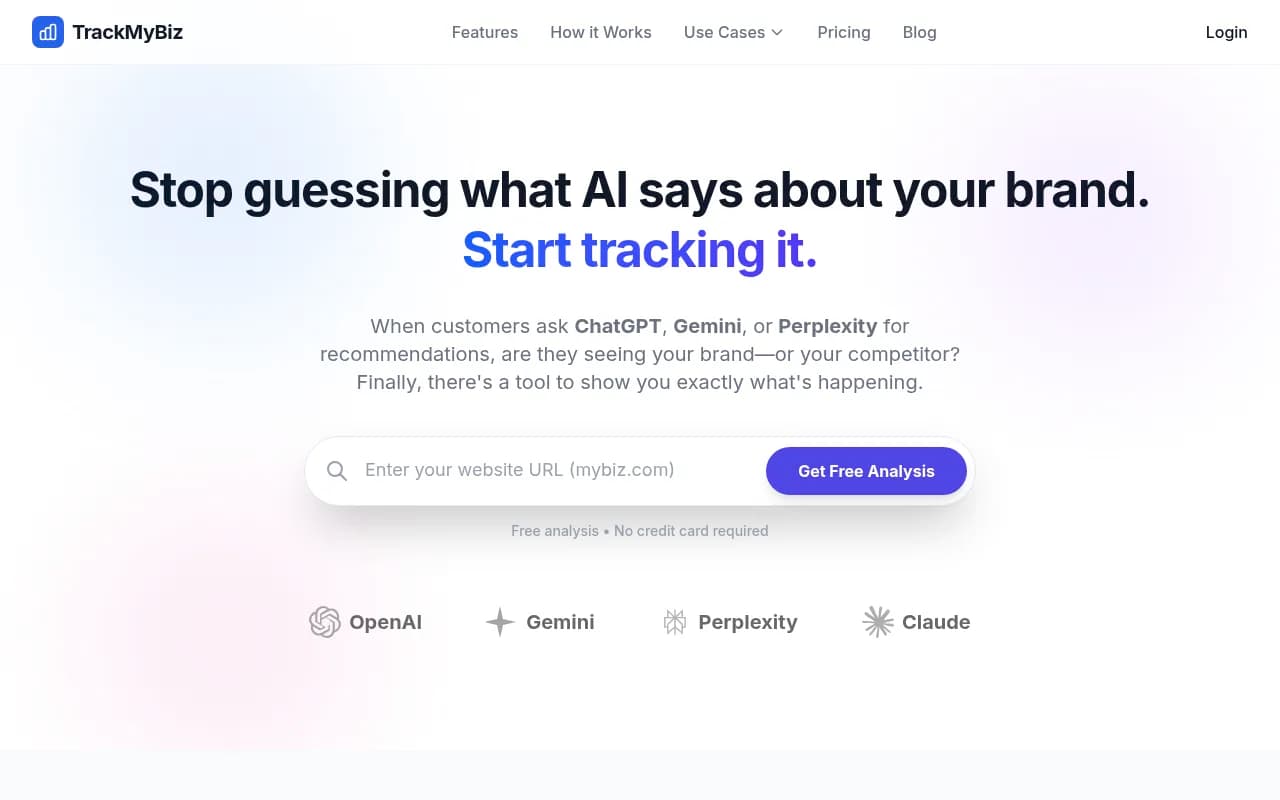
TrackMyBusiness is worth a look for smaller operations — it monitors what ChatGPT, Gemini, and Perplexity say about your brand without requiring a large setup investment.
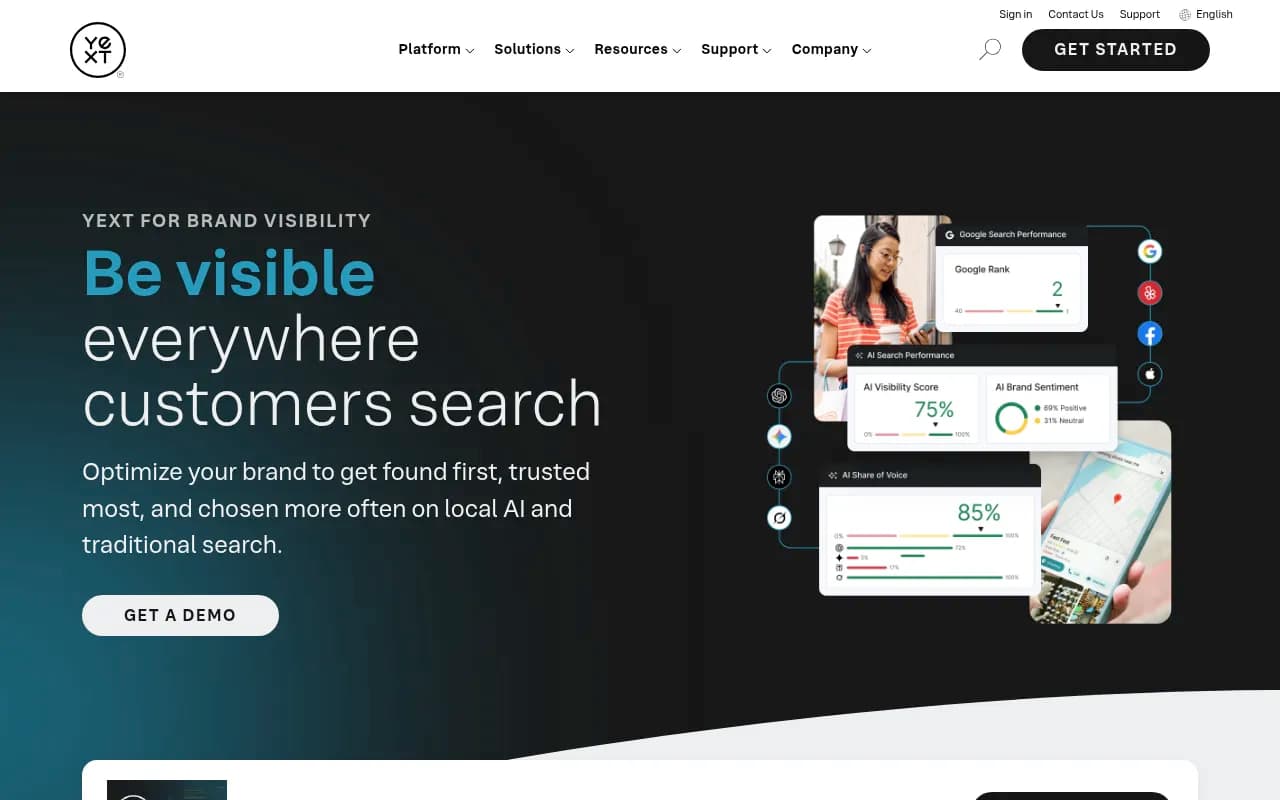
For multi-location retail or restaurant chains, Yext has built out AI visibility features alongside its traditional listing management, making it a reasonable option if you're already using it for NAP consistency.
Comparison: local AI visibility tracking tools
| Tool | City/location tracking | AI models covered | Content gap analysis | Crawler logs | Best for |
|---|---|---|---|---|---|
| Promptwatch | Yes (state/city on Pro+) | 10 models | Yes | Yes | Multi-location brands, agencies |
| Rankshift | Limited | ChatGPT, Perplexity | No | No | Small businesses, simple monitoring |
| TrackMyBusiness | Basic | ChatGPT, Gemini, Perplexity | No | No | Solo operators, quick setup |
| Yext | Yes (listing-level) | Limited AI | No | No | Chains already using Yext |
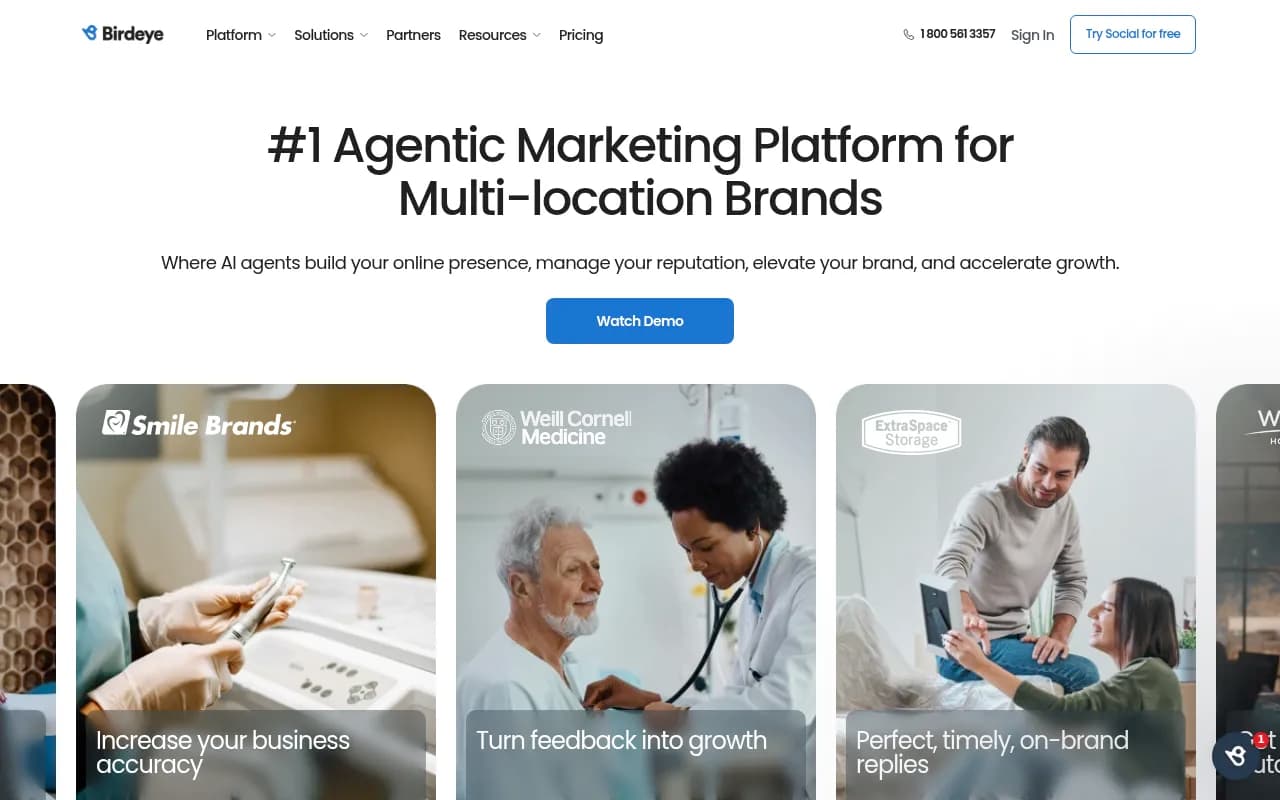
| Birdeye | Yes | ChatGPT, Google AI | Limited | No | Restaurants, review-heavy businesses |
The content strategy that actually moves AI recommendations
Tracking is only useful if you do something with the data. Here's what actually changes AI recommendations for local businesses.
Build dedicated city pages that AI can actually read
If you have locations in multiple cities, each one needs a page that clearly establishes:
- The specific address and service area
- What makes that location distinct (hours, specialties, team members, local awards)
- Locally-relevant content — not just "we serve Denver" but content that references Denver-specific context
AI models are much more likely to recommend a business when they can find a page that directly answers the question being asked. A page titled "Best Brunch in Denver: Our Weekend Menu" gives ChatGPT something concrete to cite when someone asks for Denver brunch recommendations.
Fix your structured data
Schema markup (specifically LocalBusiness, Restaurant, or Service schema) helps AI crawlers understand exactly what your business is, where it operates, and what it offers. This is one of the most overlooked factors in local AI visibility. Tools like Screaming Frog SEO Spider can audit your current schema implementation quickly.
Consistency across citations matters more than you think
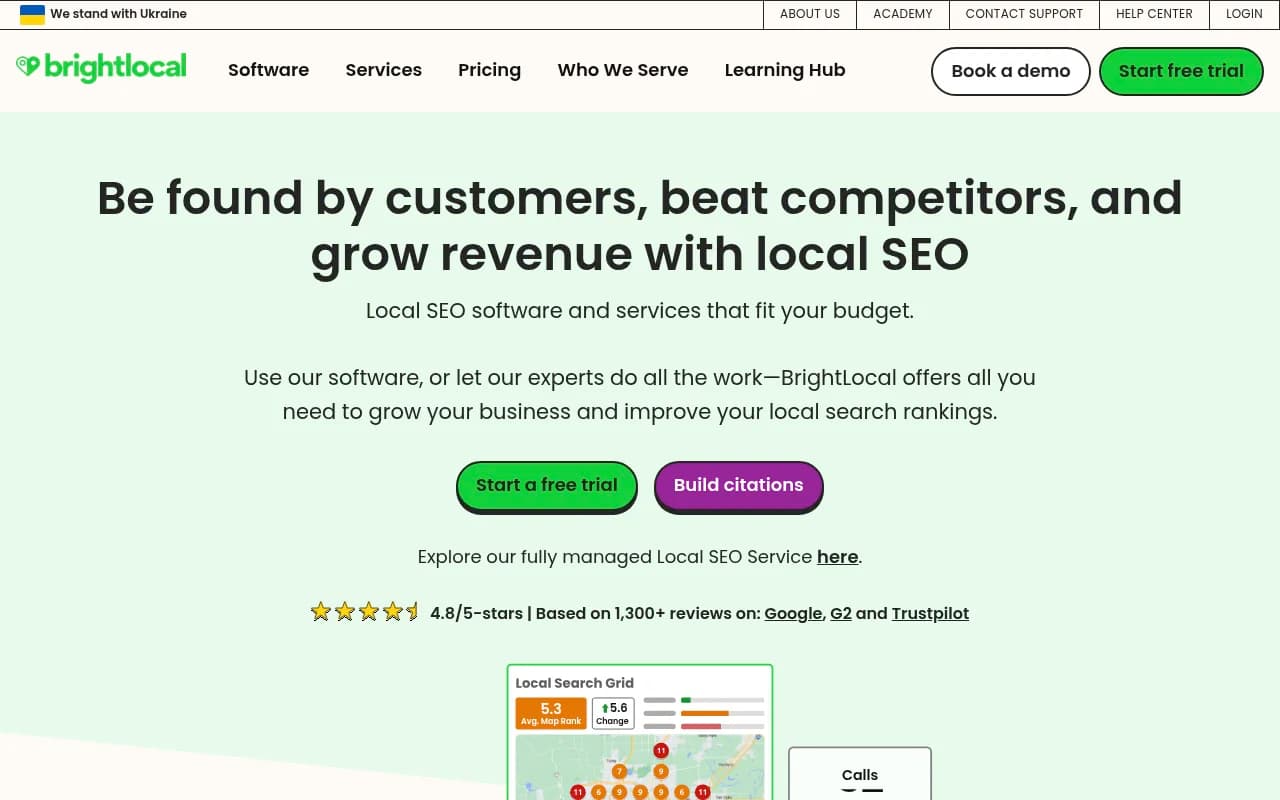
ChatGPT synthesizes information from multiple sources. If your name, address, and phone number are inconsistent across Yelp, Google, TripAdvisor, and your own website, AI models get conflicting signals and often default to recommending a competitor with cleaner data. BrightLocal is the standard tool for auditing and fixing citation consistency across local directories.
Create content that answers the questions AI gets asked
This is where most local businesses leave the most visibility on the table. Think about the actual prompts customers use: "best family-friendly Italian restaurant in Austin with private dining," "emergency plumber in Chicago available on weekends," "yoga studio in Brooklyn for beginners." Each of those is a content opportunity.
Promptwatch's Answer Gap Analysis shows you exactly which prompts your competitors are appearing for that you're not — down to the city level. That's the most direct way to build a content roadmap that targets real AI recommendation gaps rather than guessing.
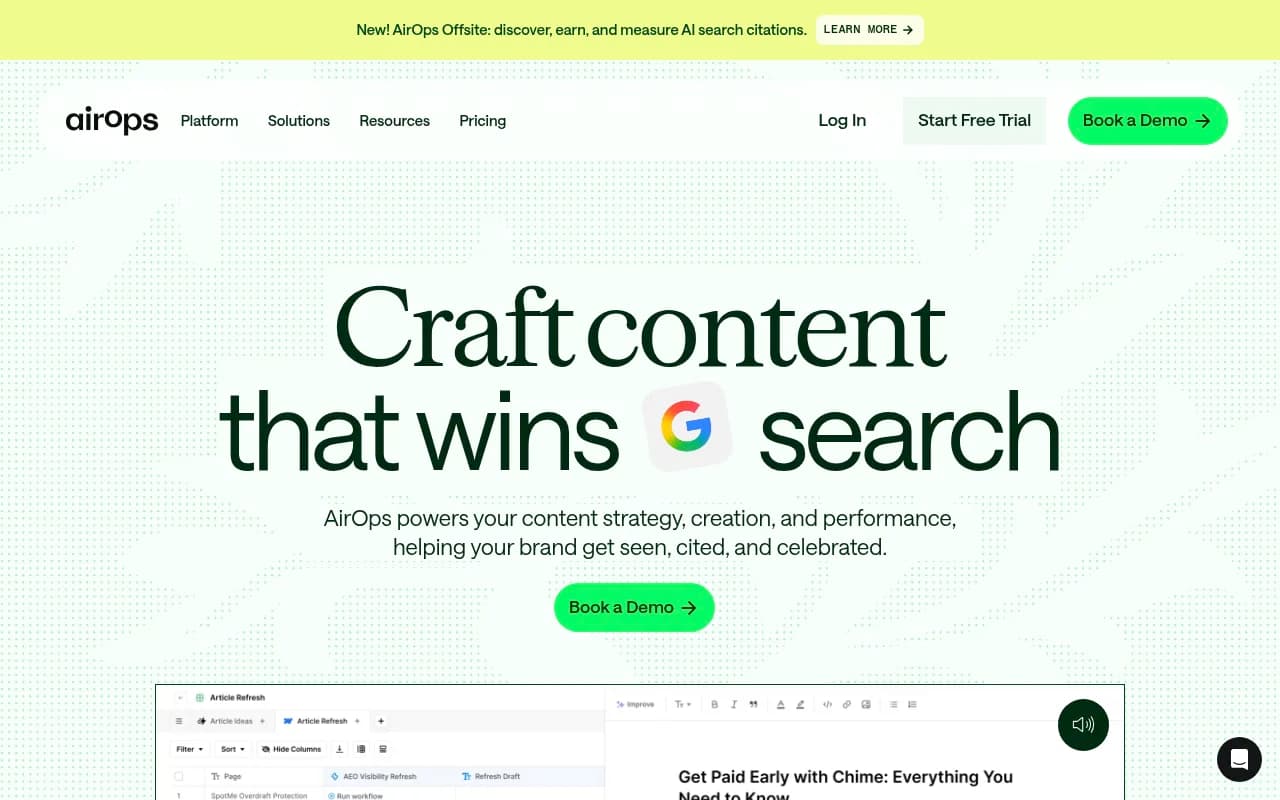
For generating that content at scale, AirOps is built specifically for AI search visibility content — it generates articles and pages grounded in citation data rather than generic SEO filler.
Specific playbooks by business type
Restaurants
Restaurants have a natural advantage: they generate a lot of third-party content. Reviews, food blogs, local press coverage, and social media all feed into AI recommendations. The challenge is that this content is often uncontrolled.
What works:
- Claim and fully complete your profiles on every major review platform (Yelp, TripAdvisor, OpenTable, Google)
- Create menu pages with rich descriptions — AI models frequently cite menu content when recommending specific dishes
- Publish locally-specific content: "Our guide to date night dining in [city]" or "Why [dish] is our most-ordered item in [neighborhood]"
- Actively respond to reviews — AI models treat review response patterns as a signal of business quality
Birdeye's research specifically notes that restaurants winning AI search recommendations in 2026 are the ones treating every review platform as a content channel, not just a reputation management task.
Retailers
Retailers face a tougher challenge because AI recommendations for retail often skew toward national brands. The way to compete locally is hyper-specificity.
What works:
- Create "in-store" content that online retailers can't replicate: "What's in stock this week at our Portland location," "Our staff picks for [season] at [city] store"
- Build pages around local use cases: "Best running shoes for Portland's wet weather" if you're a running store
- Get mentioned in local editorial content — a mention in a Portland lifestyle blog carries more weight than a generic directory listing
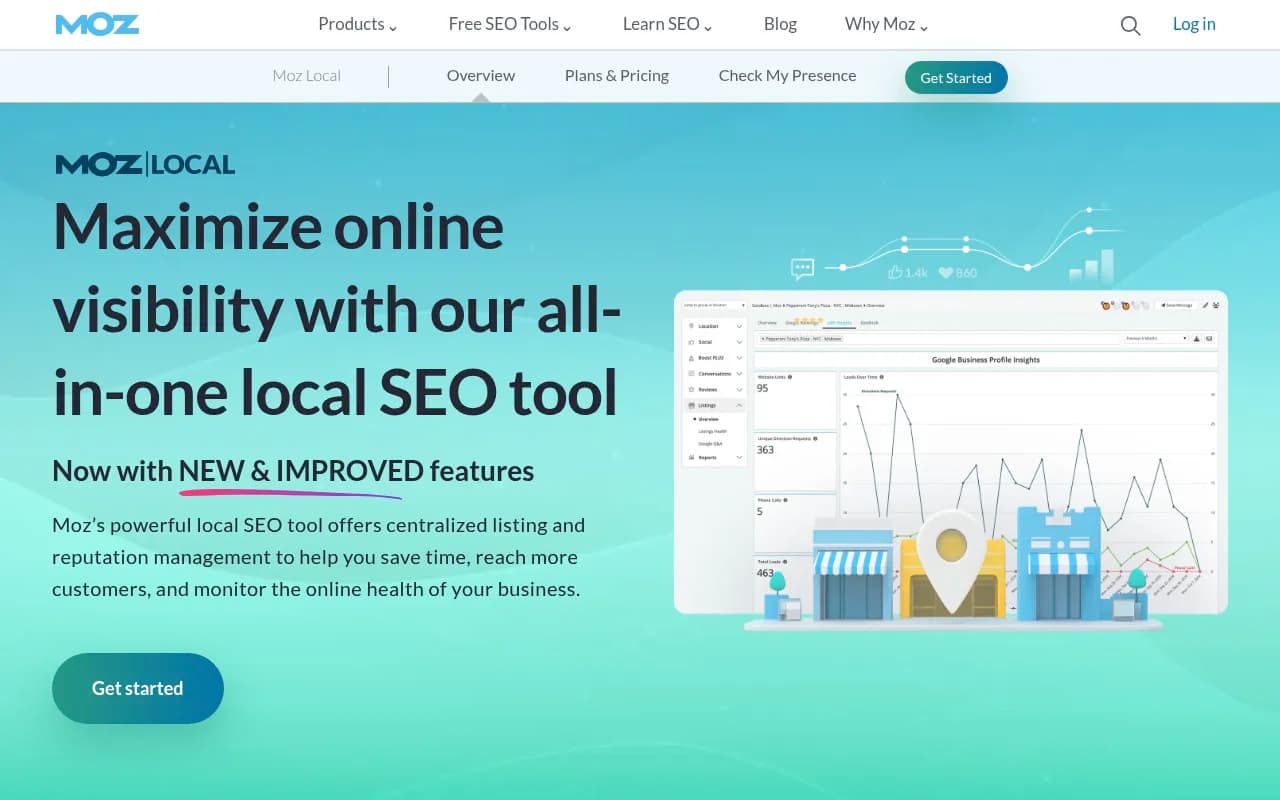
- Use Moz Local or Semrush Local to ensure your category tags in directories are precise
Local service businesses (plumbers, lawyers, gyms, salons, etc.)
Service businesses often win or lose AI recommendations based on trust signals. ChatGPT is cautious about recommending service providers — it wants to see evidence of legitimacy.
What works:
- Accumulate reviews on multiple platforms, not just Google. AI models cross-reference Yelp, Angi, Houzz, Avvo (for lawyers), Healthgrades (for medical), etc.
- Create FAQ content that directly answers the questions AI gets asked: "How much does a bathroom remodel cost in Seattle?" "What should I look for in a personal injury lawyer in Miami?"
- Get cited by local news or industry publications — even a single mention in a credible local source can significantly boost AI recommendation frequency
- Build service-area pages for every city or neighborhood you serve, not just your home city
Measuring whether your efforts are working
The frustrating thing about AI visibility is that traditional analytics don't capture it well. Someone who found you via ChatGPT might land on your site from a direct URL they copied, or call you directly from the number in the AI response. Standard UTM tracking misses most of this.
A few approaches that actually work:
- Use a dedicated tracking phone number on your website that's different from what you list in directories — calls to the website number that spike after you publish new content are a signal of AI-driven discovery
- Add a "how did you hear about us?" field to your contact forms and booking flows. You'll be surprised how many people say "ChatGPT" or "AI search"
- Platforms like Promptwatch offer traffic attribution via a code snippet, Google Search Console integration, or server log analysis — this connects AI visibility scores to actual site traffic and revenue
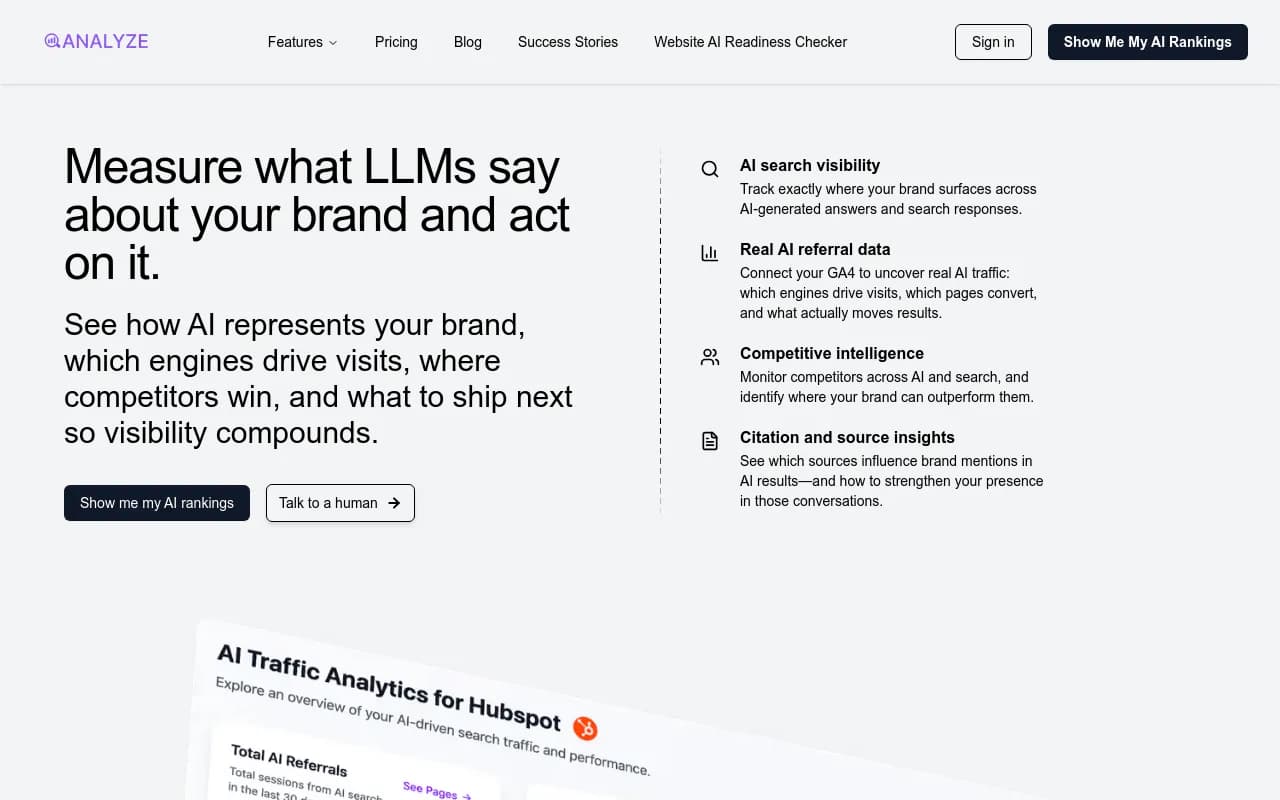
Analyze AI is another option specifically built to tie AI search visibility to real traffic data.
The multi-location problem: why city-level tracking is non-negotiable
If you run a business with locations in multiple cities, brand-level AI tracking will mislead you. Your brand might have strong overall AI visibility while individual locations are invisible in their local markets.
A chain with 20 locations needs to know:
- Is ChatGPT recommending our Houston location when someone in Houston asks?
- Are we visible in Perplexity for "best [category] in Houston" but not in Google AI Overviews?
- Which of our locations has the biggest AI visibility gap relative to local competitors?
This level of granularity requires a platform that supports location-specific prompt tracking. Promptwatch's Professional plan ($249/mo) supports state and city-level tracking, and the Business plan ($579/mo) scales to five sites with 350 prompts — enough to cover a meaningful number of locations and query variations.
For enterprise chains, SOCi and Reputation both offer multi-location AI visibility features alongside their broader local marketing platforms.
Common mistakes that hurt local AI visibility
A few patterns come up repeatedly when auditing local businesses with poor AI visibility:
Thin location pages. A page that just lists an address and phone number gives AI models almost nothing to work with. Each location page should be substantive enough to stand alone as a useful resource.
Ignoring Reddit and local forums. AI models, especially Perplexity and ChatGPT, heavily weight Reddit discussions when forming local recommendations. A thread on r/Austin recommending your restaurant carries real weight. You can't manufacture this, but you can participate authentically in local communities and ensure your business is easy to mention.
Inconsistent business categories. If Yelp categorizes you as "American (Traditional)" but Google has you as "Burger Restaurant" and your website says "Casual Dining," AI models get confused about what you actually are. Pick your primary category and make it consistent everywhere.
No content about the local context. Generic content that could apply to any city in America doesn't help AI models recommend you for specific local queries. The more your content reflects genuine local knowledge — neighborhood references, local events, city-specific considerations — the more AI models trust you as a local authority.
Where to start if you're doing this from scratch
If you're just getting into AI visibility tracking for your local business, here's a practical starting sequence:
-
Run a manual test first. Ask ChatGPT, Perplexity, and Google AI Overviews "best [your category] in [your city]" and see if you appear. Do the same for 5-10 variations. This gives you a baseline.
-
Audit your citation consistency. Use BrightLocal or Moz Local to find and fix NAP inconsistencies across directories.
-
Set up proper tracking. Even a basic tool like TrackMyBusiness or Rankshift will tell you more than manual spot-checking. If you have multiple locations or are serious about optimization, Promptwatch's city-level tracking is worth the investment.
-
Build or improve your location pages. Make each one substantive, locally-specific, and schema-marked.
-
Create content that answers real local queries. Use the prompt data from your tracking tool to identify which questions AI models are being asked in your market that you're not currently answering.
-
Measure and iterate. Check your AI visibility scores monthly, connect them to traffic and lead data where possible, and adjust your content strategy based on what's moving.
The businesses that build this habit now will have a significant advantage. AI recommendation patterns are sticky — once a model learns to associate your business with a category in a city, that association tends to persist and compound over time.