Key takeaways
- Most AI visibility platforms offer some form of alerting, but the depth varies enormously — from basic email digests to real-time Slack pings tied to specific prompts and pages.
- The fastest alert systems in 2026 are built into platforms that also track at the page level, so you know which content dropped, not just that your overall score moved.
- Monitoring-only tools (Otterly.AI, Peec AI, Promptmonitor) will tell you something changed. Optimization platforms like Promptwatch go further and show you why it changed and what to create to fix it.
- Alert quality depends heavily on prompt coverage — a tool tracking 20 prompts will miss drops that a tool tracking 350 prompts catches.
- Speed matters less than context. A same-day alert with page-level attribution beats an instant alert that just says "your score dropped 3 points."
When your brand disappears from a ChatGPT recommendation or stops showing up in Perplexity answers, you probably won't notice for days. Maybe weeks. There's no Google Search Console equivalent sending you a red flag. The AI model just quietly stops citing you, and your pipeline starts thinning out before anyone connects the dots.
That's the core problem alert systems in AI visibility platforms are trying to solve. But not all of them solve it equally well. Some send you a weekly digest. Some fire a Slack message the moment a citation drops. Some tell you a number changed without telling you what caused it. And a small number actually help you understand what happened and what to do next.
This guide breaks down how the major platforms handle alerts in 2026, what to look for when evaluating them, and which tools are worth your attention depending on how fast you need to know and how much you want to do about it.
Why citation drop alerts are harder than they sound
Traditional rank tracking is relatively simple: your page either ranks for a keyword or it doesn't, and the position is a number you can watch move. AI visibility is messier. A model's response to the same prompt can vary by day, by region, by the persona asking, and by which version of the model is running. A "drop" might be a real shift in how a model weights your content, or it might be noise.
This means alert systems need to be smart about what they flag. Too sensitive and you're drowning in false alarms. Too conservative and you miss a real problem for two weeks.
The best platforms handle this by:
- Running prompts on a consistent schedule (daily or multiple times per day) across the same models
- Averaging results over a rolling window before triggering alerts
- Distinguishing between a drop in one model vs. a drop across all models (the latter is almost always a real signal)
- Tying alerts to specific pages or content pieces, not just aggregate scores
Most tools in 2026 are still catching up to that standard.
The alert spectrum: what different tools actually do
Basic email digests (weekly or daily)
Several monitoring-only tools send a scheduled email summarizing your visibility score over the past period. You get a number, maybe a chart, and a comparison to last week. If your citations dropped, you find out on whatever day the digest lands.
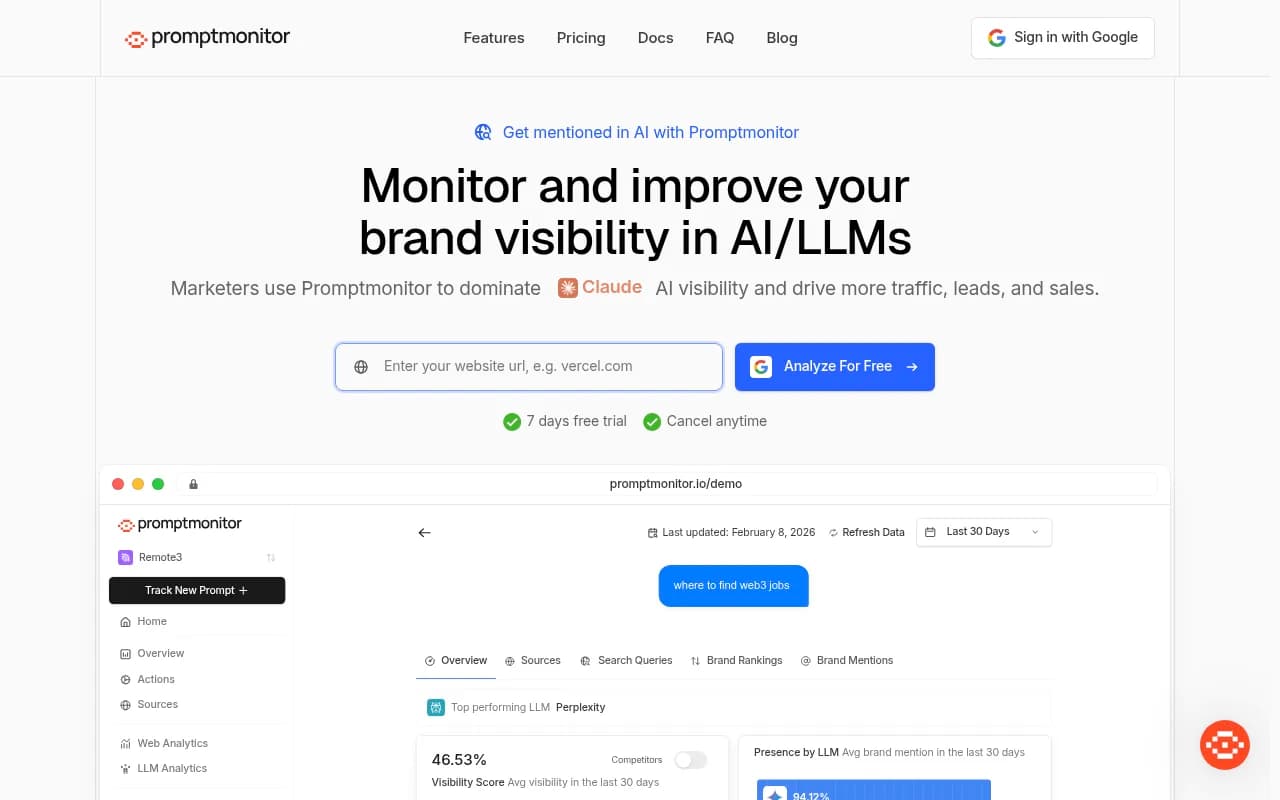
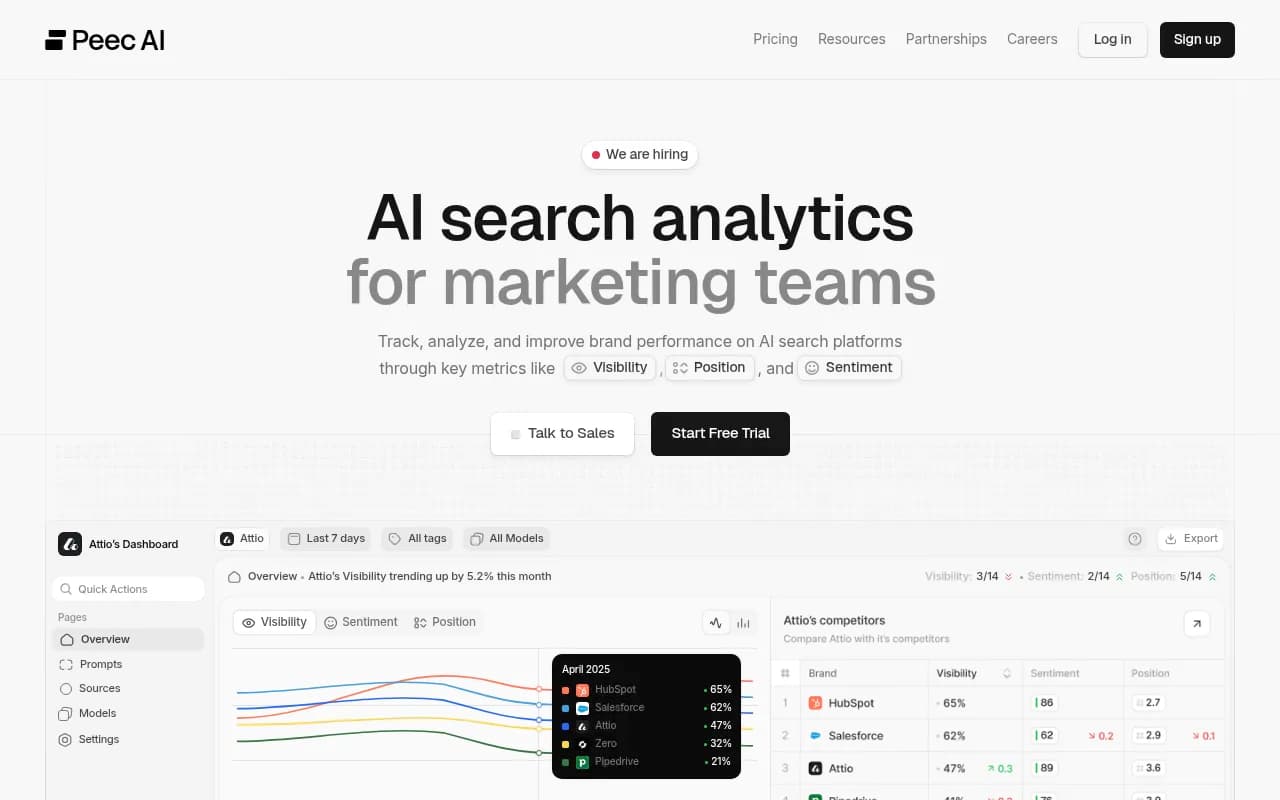
Tools in this category include Promptmonitor and some entry-level plans of Peec AI. They're fine for teams that check in periodically and don't need to react quickly.
The problem is obvious: if your citations drop on a Monday and your digest arrives Friday, you've lost five days. For brands where AI search drives meaningful pipeline, that's real money.
Real-time or near-real-time alerts
A step up from digests, some platforms let you configure threshold-based alerts that fire when your visibility score drops below a set level or when a specific competitor overtakes you for a tracked prompt.
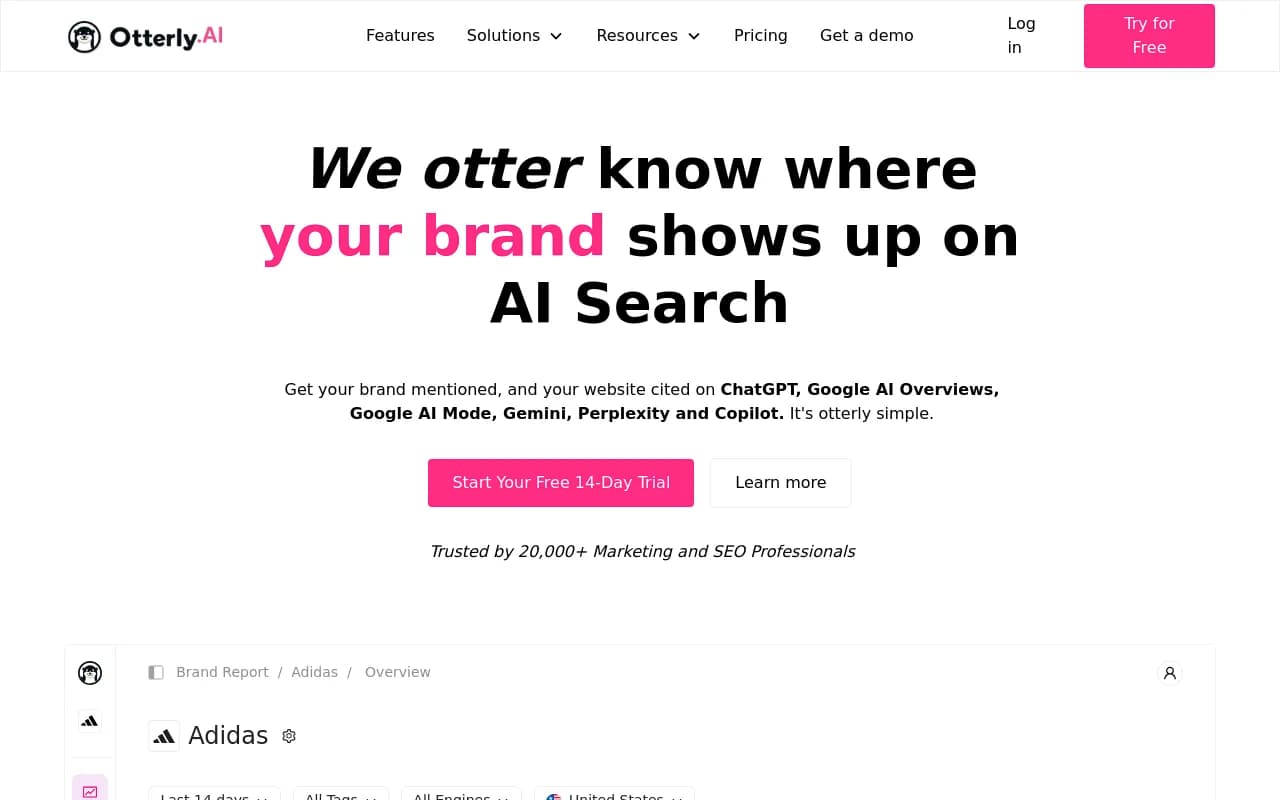
Otterly.AI is one of the more cited examples here. According to Omnia's 2026 roundup of AI search monitoring tools, OtterlyAI flags visibility drops with instant alerts. The platform tracks visibility and provides notifications when changes occur, which puts it ahead of pure digest tools.
Otterly.AI

The limitation: "instant" alerts on a score that's recalculated once per day aren't actually instant. You're getting notified quickly after the recalculation, not at the moment the model changed its behavior. That's fine for most teams, but worth understanding.
Prompt-level and page-level alerts
This is where things get genuinely useful. Instead of alerting you that your overall visibility score moved, the best platforms tell you which specific prompt stopped citing you, which AI model dropped you, and which page on your site was previously being cited.
Promptwatch operates at this level. Its page-level tracking shows exactly which pages are being cited, how often, and by which models. When a page drops out of citations, you can see it tied to specific prompts rather than just watching an aggregate number decline. The AI Crawler Logs feature adds another layer: you can see when AI crawlers last visited the page, whether they encountered errors, and whether the page moved from "crawled" to "cited" status.

That combination — page-level citation tracking plus crawler logs — means you're not just getting an alert that something dropped. You're getting enough context to diagnose whether it's a content problem, a crawlability problem, or just model variance.
Competitor-triggered alerts
A few platforms will alert you not just when your own visibility drops, but when a competitor's visibility rises for prompts you care about. This is a more proactive framing: instead of waiting to notice you've lost ground, you get notified the moment someone else is gaining it.
Profound and Evertune both offer competitive monitoring at this level, though they're priced for enterprise teams.
Profound

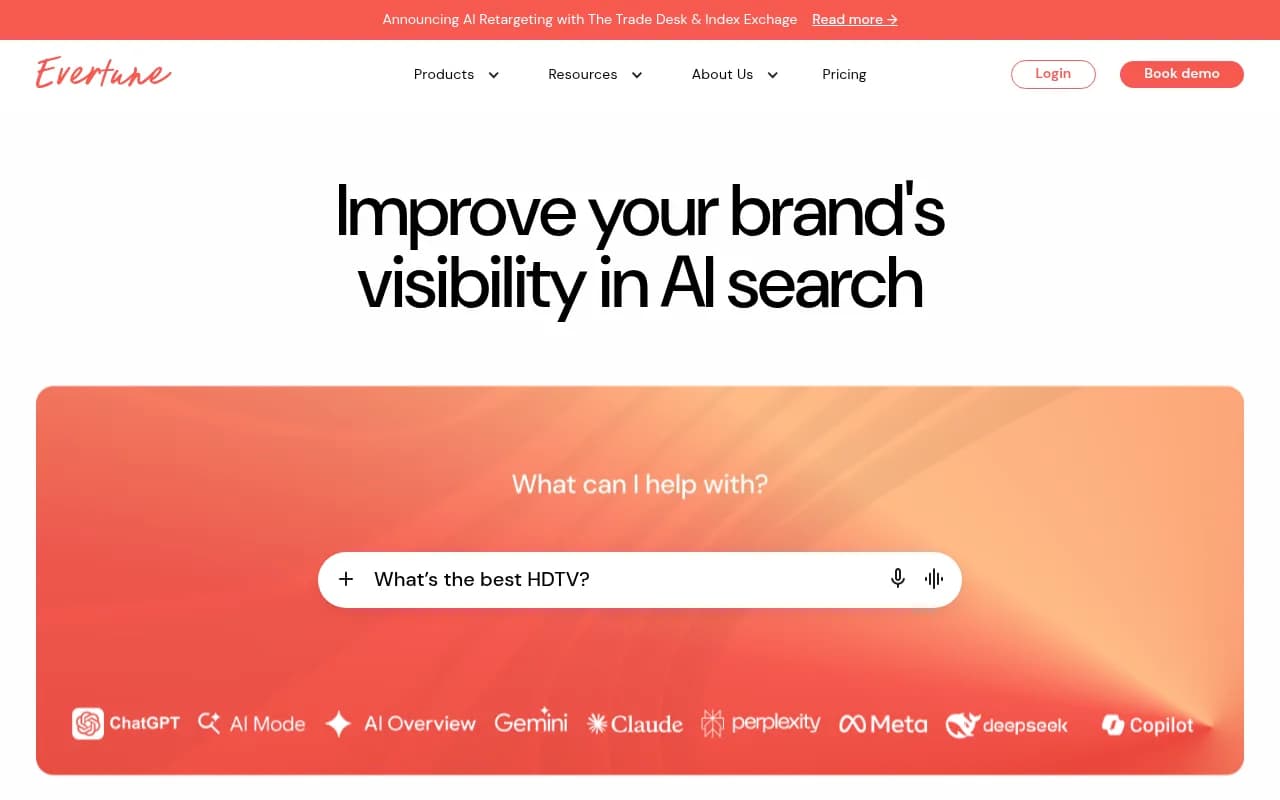
Promptwatch's competitor heatmaps serve a similar function — you can see who's winning for each prompt and by how much, which makes it easier to set up meaningful alerts rather than just watching your own score in isolation.
Feature comparison: alert systems across major platforms
| Platform | Alert type | Frequency | Page-level | Competitor alerts | Crawler logs | Content fix tools |
|---|---|---|---|---|---|---|
| Promptwatch | Threshold + page-level | Daily / real-time crawler | Yes | Yes (heatmaps) | Yes | Yes (Content Agents) |
| Profound | Threshold + score-based | Daily | Limited | Yes | No | No |
| Otterly.AI | Instant score alerts | Daily recalc | No | Limited | No | No |
| Peec AI | Email digest | Weekly/daily | No | Basic | No | No |
| Promptmonitor | Email digest | Weekly | No | No | No | No |
| AthenaHQ | Score-based | Daily | No | Yes | No | No |
| SE Ranking AI Toolkit | Score + keyword | Daily | Limited | Limited | No | Limited |
| Semrush AI Toolkit | Score-based | Weekly | No | Limited | No | Limited |
| Evertune | Enterprise alerts | Daily | Limited | Yes | No | No |
| ZipTie | Score-based | Daily | Limited | Limited | No | No |

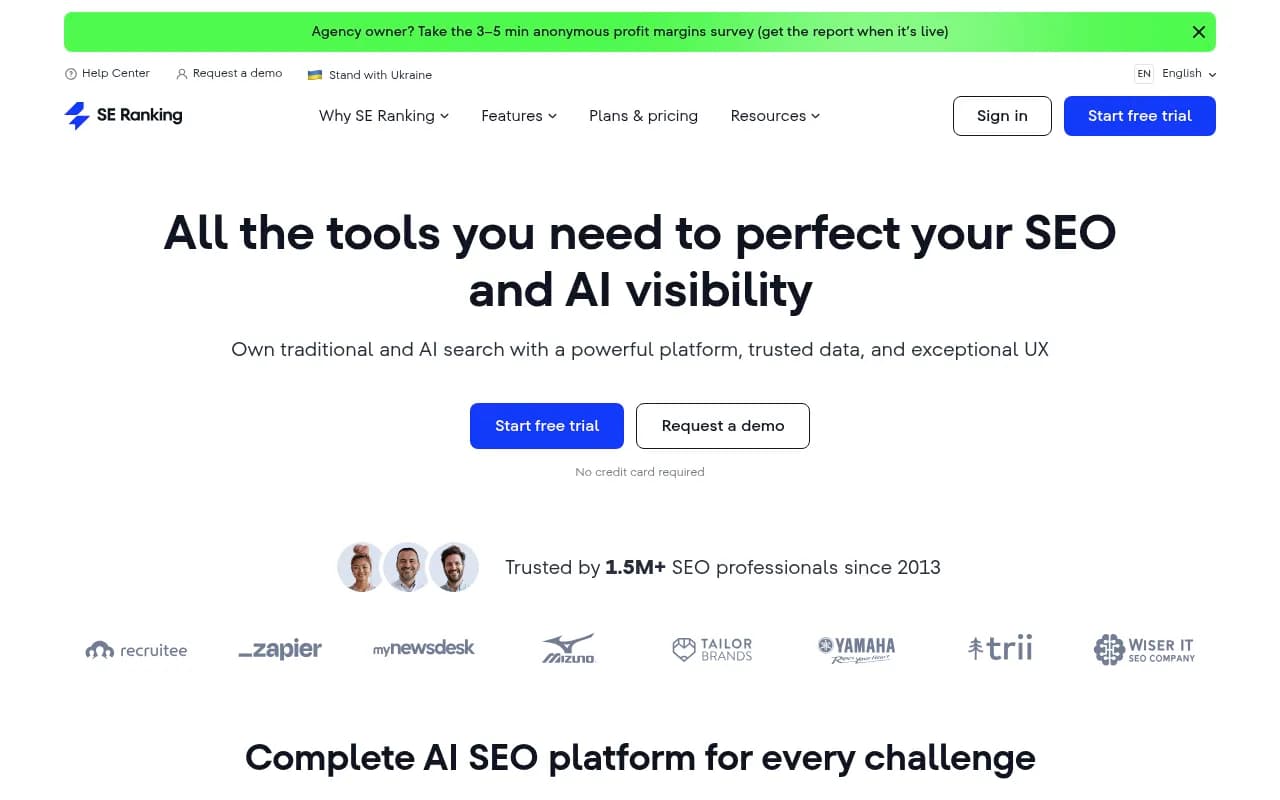
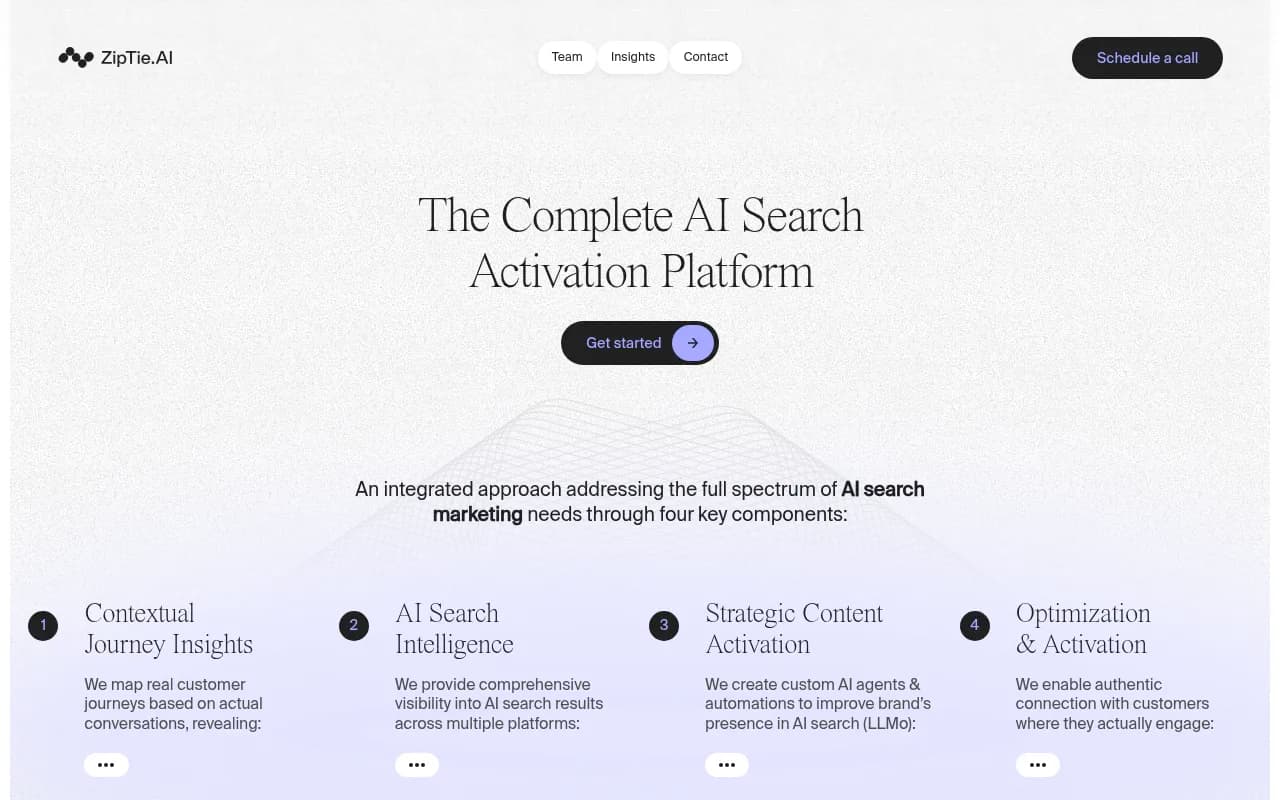
A few things stand out from this comparison. First, crawler logs are rare. Most platforms have no visibility into whether AI crawlers are actually hitting your pages, which means they can tell you a citation dropped but can't tell you if it's because the model can't access your content. Second, content fix tools are almost entirely absent outside of Promptwatch. Every other platform on this list stops at the alert.
What to look for when evaluating alert systems
Prompt coverage depth
An alert system is only as good as the prompts it's monitoring. A tool tracking 20 generic prompts will miss drops that happen on the specific questions your buyers are actually asking. Before evaluating any platform's alert features, check how many prompts you can track on your plan and whether you can define custom prompts or only use presets.
Promptwatch's plans range from 50 prompts on Essential to 350 on Business, with custom prompt definition. Semrush uses fixed prompts, which limits how targeted your alerts can be.
Multi-model coverage
A citation drop on ChatGPT means something different from a drop on Perplexity or Google AI Overviews. The best alert systems let you configure alerts per model or at least break down drops by model so you know where the problem is concentrated.
Most platforms track 3-5 models on standard plans. Promptwatch covers 10 models including ChatGPT, Perplexity, Google AI Overviews, Google AI Mode, Claude, Gemini, Meta/Llama, DeepSeek, Grok, and Mistral. That breadth matters when you're trying to understand whether a drop is model-specific or systemic.
Alert delivery channels
Email is the baseline. Slack integration is increasingly common and genuinely useful for teams that live in Slack. A few platforms offer webhook support for custom integrations. If your team uses a specific workflow tool, check whether the platform can push alerts there before committing.
Noise filtering
Ask any platform: how do you handle model variance? If a model gives different answers on Tuesday vs. Wednesday due to normal stochasticity, do you alert on that? The answer should involve some form of rolling average or confidence threshold. If a vendor can't explain their noise filtering, their alerts will be unreliable.
What happens after the alert
This is the question most buyers forget to ask. You get the alert. Your citations dropped for three prompts on ChatGPT. Now what?
If the platform just shows you the data, you're on your own to figure out what content to create, what to fix, and whether it's a crawlability issue or a content gap. That's a lot of work, and it's the reason most teams that buy monitoring-only tools don't actually improve their visibility over time.
Platforms that close this loop — showing you the gap, helping you create content to fill it, and then tracking whether citations recover — are fundamentally more useful. Promptwatch's Answer Gap Analysis shows which prompts competitors are visible for that you're not, and its Content Agents generate content grounded in that prompt data. The alert is the start of a workflow, not the end of one.
Platforms worth knowing about in 2026
Beyond the major players, a few newer tools are worth a look depending on your use case.
Rankshift focuses specifically on ChatGPT, Perplexity, and AI search visibility with brand tracking. It's leaner than enterprise platforms but covers the core alert use case.

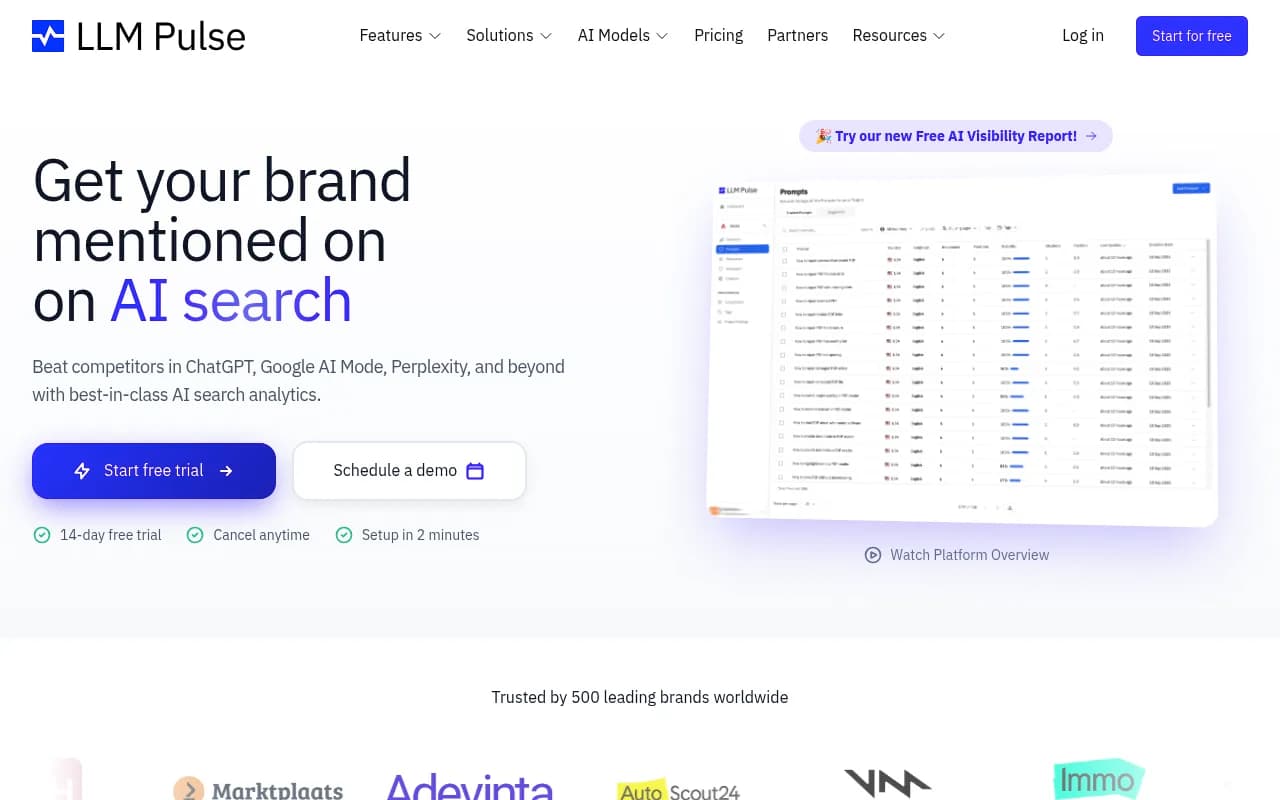
LLM Pulse tracks brand visibility across ChatGPT, Perplexity, and other models with a focus on making the data actionable for marketing teams.
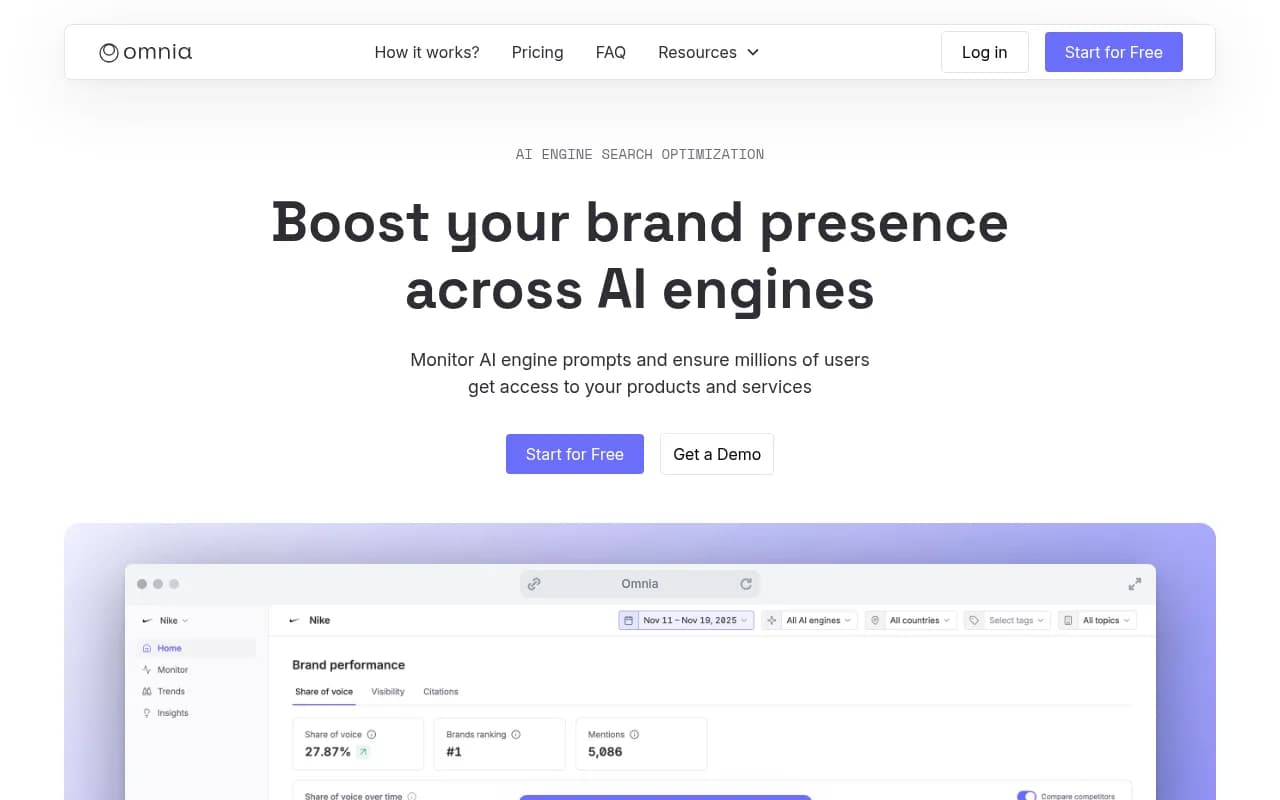
Omnia measures brand presence in AI-generated answers and has been noted for its monitoring depth in the 2026 AI search tool comparisons.
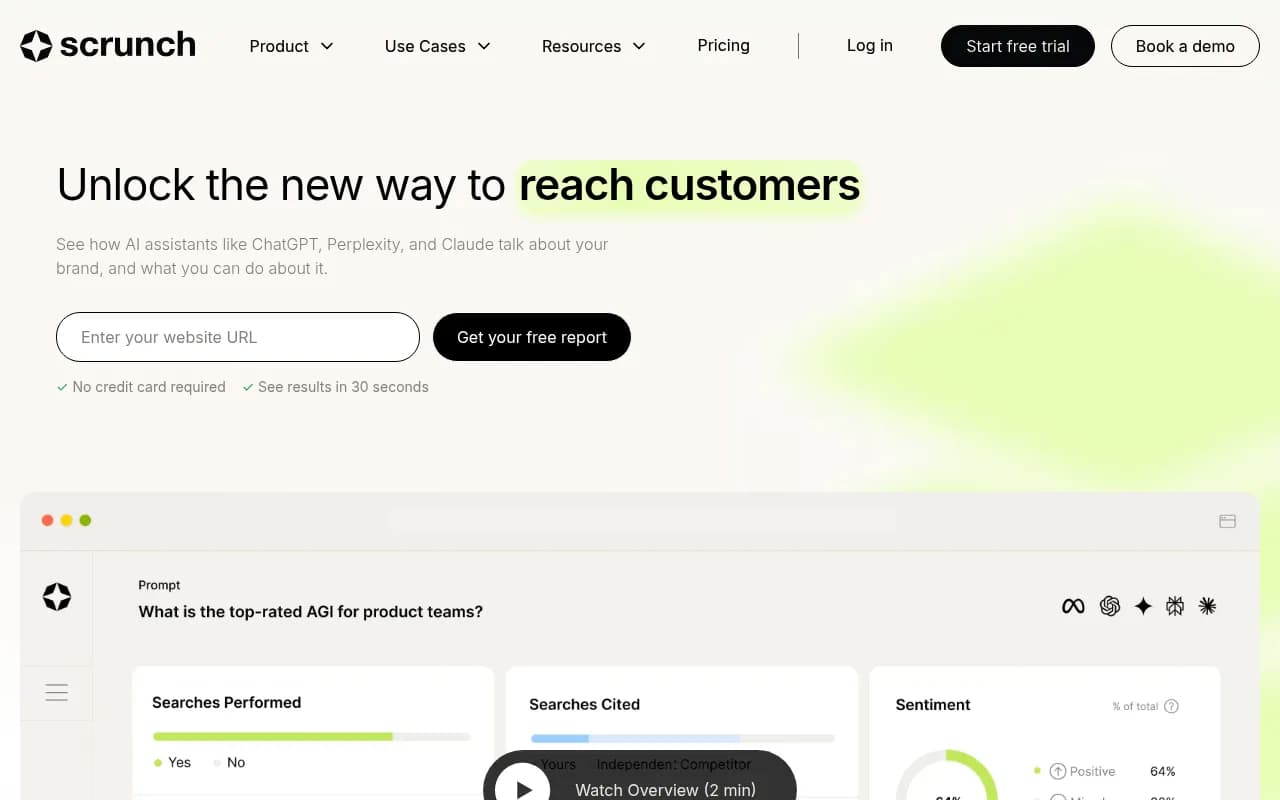
Scrunch AI tracks brand mentions across LLMs and is positioned as an enterprise-grade option for teams that need deep competitive analysis.
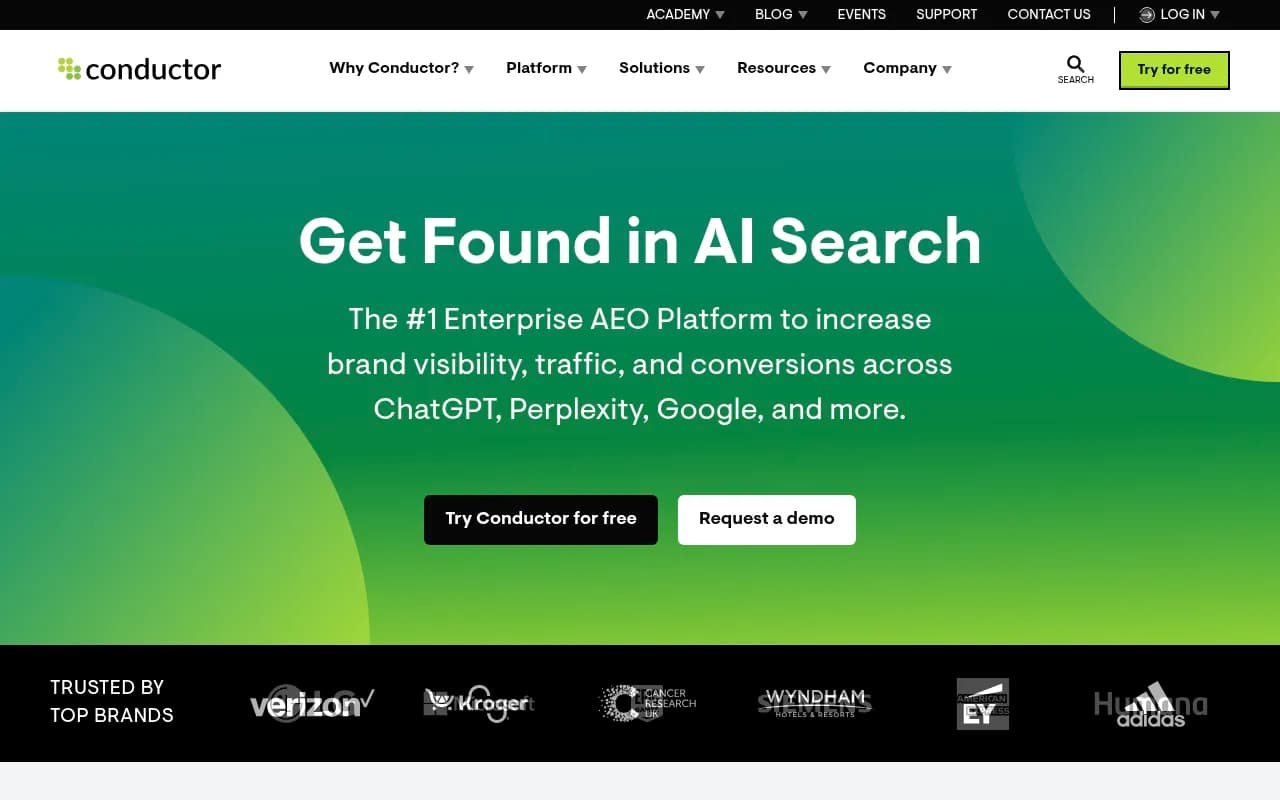
Conductor focuses specifically on brand authority and citations in AI search engines, with tracking built around the citation layer rather than just mention counts.
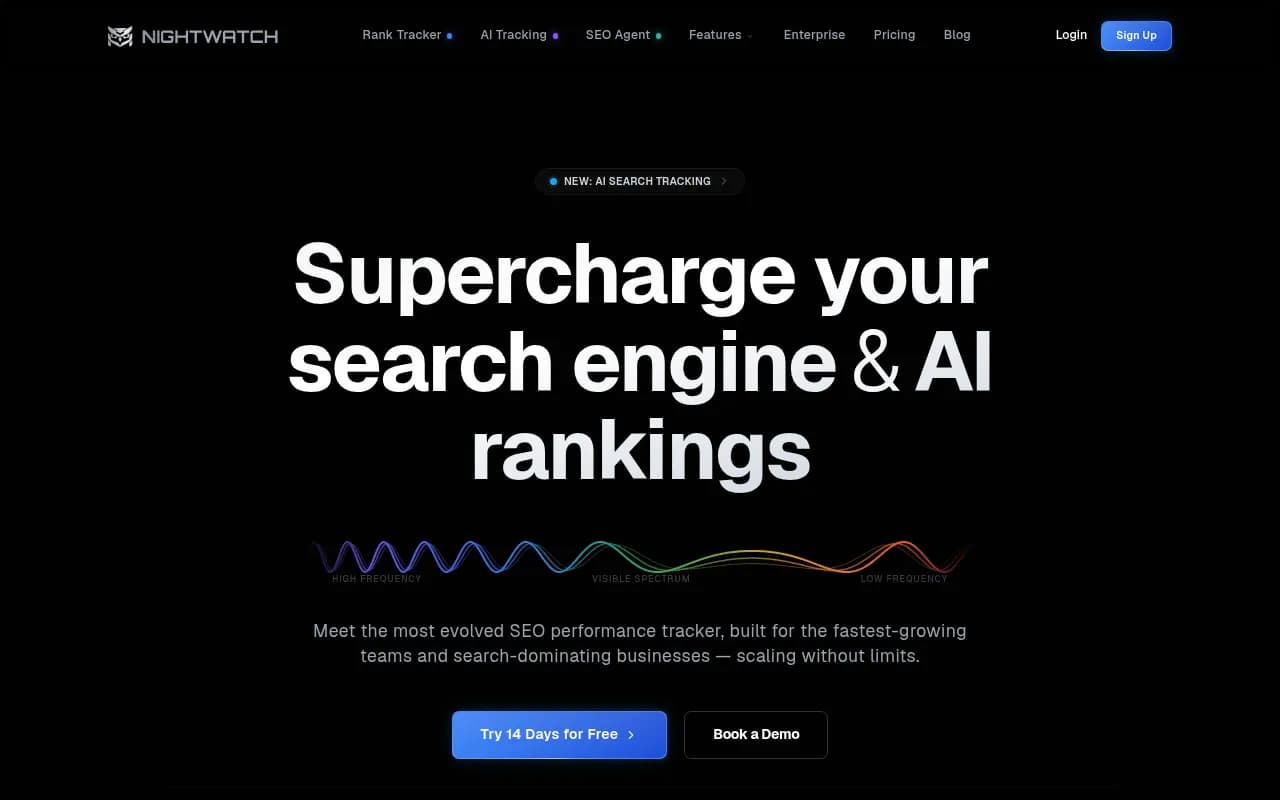
Nightwatch has added AI search monitoring to its traditional rank tracking, making it a reasonable option for teams that want both in one place.
AICarma tracks brand visibility across 14+ language models daily, which is one of the broader model coverages available at its price point.
The real cost of slow alerts
Here's a concrete way to think about this. If your brand appears in ChatGPT responses for 50 prompts per day, and each prompt reaches an average of 100 users, that's 5,000 daily impressions from AI search. A citation drop that takes you from 50 prompts to 30 prompts costs you 2,000 impressions per day. If you find out a week later, that's 14,000 lost impressions before you even start fixing it.
The math gets worse when you factor in that AI citation patterns tend to be sticky. Once a model stops citing you, it doesn't automatically come back. You need to actively fix the underlying issue, whether that's a content gap, a crawlability problem, or a competitor who published something better.
This is why the combination of fast alerts and built-in fix tools matters more than either feature alone. A fast alert on a platform that can't help you fix anything still leaves you scrambling. A fix tool on a platform with slow alerts means you're always playing catch-up.
Recommendations by team type
If you're a marketing team that needs to move fast and wants alerts tied to specific content and crawl data, Promptwatch is the most complete option. The page-level tracking and crawler logs give you diagnostic context that monitoring-only tools can't match, and the Content Agents mean you can act on an alert the same day you receive it.
If you're an agency managing multiple clients and need clean reporting with competitive benchmarking, Profound or Evertune are worth evaluating, though both are priced at the enterprise end.
If you're a smaller team or just getting started with AI visibility, Otterly.AI or LLM Pulse give you the core alert functionality without the complexity or cost of a full optimization platform. Just know you'll be doing the content work manually.
If you're already standardized on Semrush, the AI Toolkit is a reasonable starting point, but the fixed prompts and weekly cadence mean you'll miss faster-moving changes.
The honest answer is that alert speed matters less than alert quality. A tool that tells you a specific page dropped from three ChatGPT prompts and that the GPTBot crawler returned a 404 error last Tuesday is more useful than a tool that pings you in real-time to say your score moved from 67 to 64. Know what you need the alert to tell you before you pick the platform.