Key takeaways
- ChatGPT answers change by location, and a tracker that ignores geography will give you a blurry average. Pick tools that run prompts from real places.
- You need two layers: an AI visibility tracker for ChatGPT and friends, and a classic local tool for Google Maps grids, listings, and reviews. Neither replaces the other.
- For single-location shops, cheap trackers from about $29 to $99 a month are enough. Multi-location brands should budget for per-location pricing and reporting.
- ChatGPT changes retrieval behavior overnight. Promptwatch's data shows site: queries went from about 0.37% to 16.8% of fanouts on August 8, 2026, so continuous monitoring beats one-off audits.
- Verify every price on the vendor's own page. Most numbers in public roundups are written by the vendors themselves.
Why local ChatGPT tracking is different
A generic ChatGPT rank tracker answers one question: was my brand named? A local business needs a messier one. Was my brand named for someone standing in Leeds, versus Leicester? Was the right branch recommended? Did ChatGPT quote my opening hours from a stale listing?
Google's Local 3-pack appears in roughly 93% of searches with local intent, according to figures cited by Rankability, and people now meet your brand in AI Overviews, ChatGPT, and Gemini on top of that. So local measurement has split into several surfaces that behave differently.
There is also a plain technical issue. ChatGPT does not return ten ranked links. It breaks a prompt into sub-searches, pulls sources, and writes one answer. Promptwatch's query fanout data puts the average at about 1.84 queries per response in early March 2026, well below the 3-8+ people often assume. Your "position" is really a mention, a citation, or neither.
That matters for local teams because location pages are the likeliest thing ChatGPT retrieves when someone asks for a "plumber near me" or "best dentist in Austin". If those pages are thin, uncrawlable, or duplicated across 40 branches, no tracker will fix it. It will only show you the damage.
Retrieval can shift overnight
On August 8, 2026, ChatGPT started using the site: operator at scale. Promptwatch Data shows site:-scoped fanouts jumping from about 0.37% to 16.8% of all fanout queries in one day, and fanouts per response rising from about 1.08 to about 1.83. For local brands the takeaway is practical: treat your own domain as a retrieval surface, make sure every location page is crawlable and indexed, and re-run any keyword mapping built before that date.
It also tells you what to demand from a tracker. Capture fanout queries, not just the prompt. And run daily, because behavior can change without warning.
What to look for in a local ChatGPT rank tracker
I would score every tool on these points before looking at price:
- Real geo-targeting. Does it run prompts from a specific city, ZIP, or coordinate, or just a country? Country-level tracking is fine for SaaS and useless for a franchise.
- Real UI data. Answers from the ChatGPT interface can differ from API outputs, particularly for local and shopping results.
- Multi-location structure. Projects, groups, or location tags so 40 branches do not become 40 separate logins.
- Citation and source detail. You want to know which pages and third-party listings get cited, not just a yes/no on mentions.
- Reporting. White-label PDFs or client views if you are an agency.
- Action layer. A dashboard that only says "you are invisible" is a smoke alarm. Someone still has to put out the fire.
The AI visibility trackers worth shortlisting
Promptwatch
Promptwatch is the one I would start with for multi-location brands, mostly because local targeting is built into the product rather than bolted on. You can pin a monitor to exact coordinates (accuracy radius from 20 m to 5 km) so ChatGPT, Google AI Overviews, and Google AI Mode answer as if asked from that spot. State and city tracking starts on the Business plan, and the same targeting is available through the REST API and MCP server.

It tracks the real interfaces of ChatGPT, AI Overviews, AI Mode, Gemini, Perplexity, Copilot, Meta AI, and more, so you see what a customer sees. Beyond monitoring, it shows IP-verified AI crawler logs (is GPTBot actually reading your branch pages?), visitor analytics for AI-referred traffic, and a weekly site audit. Then the Action Board and Content Agent turn gaps into publishable location content for WordPress, Webflow, or Framer.
Pricing as listed at promptwatch.com/pricing: Essential is $95/mo (country tracking), Professional is $245/mo, and Business is $579/mo with state/city tracking and exact-coordinate targeting. Agency plans start at $199/mo with unlimited projects. Confirm on the pricing page before buying.
Where it is overkill: a single-location business that just wants a weekly mention count. A free scan or a cheaper tracker will do.
Radarkit
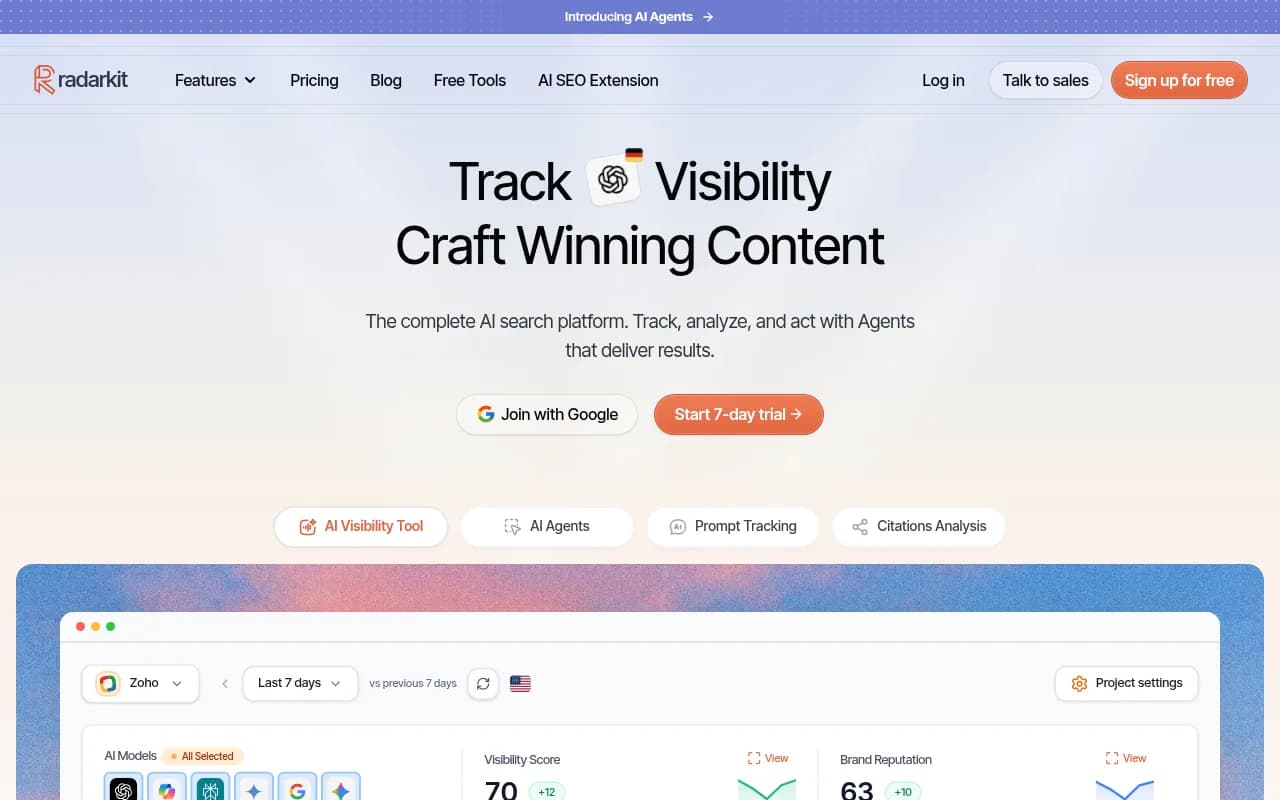
Radarkit pitches itself squarely at local businesses and agencies. Its own roundup of local AI rank trackers describes a UI-based tracker with location-based residential IP tracking, a Local Radar view, query fanout analysis, and a GEO writer. That is a strong spec on paper, though the source is the vendor's own blog, so test it on a trial.
LLMrefs
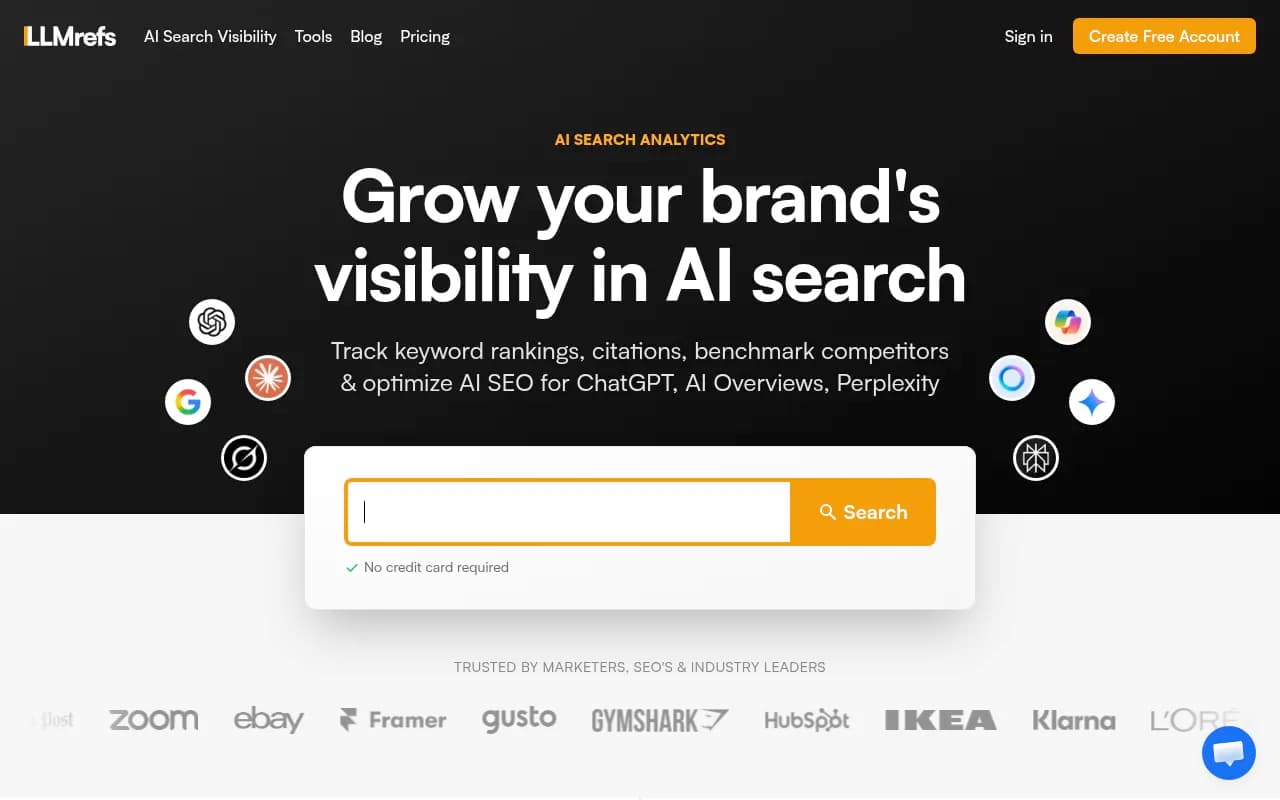
LLMrefs supports geo-targeted tracking across 20+ countries and 10+ languages. That is great for brands spread across countries, less so for city-level work. It is the better pick when your "locations" are markets, not storefronts.
LLMrefs
Nightwatch
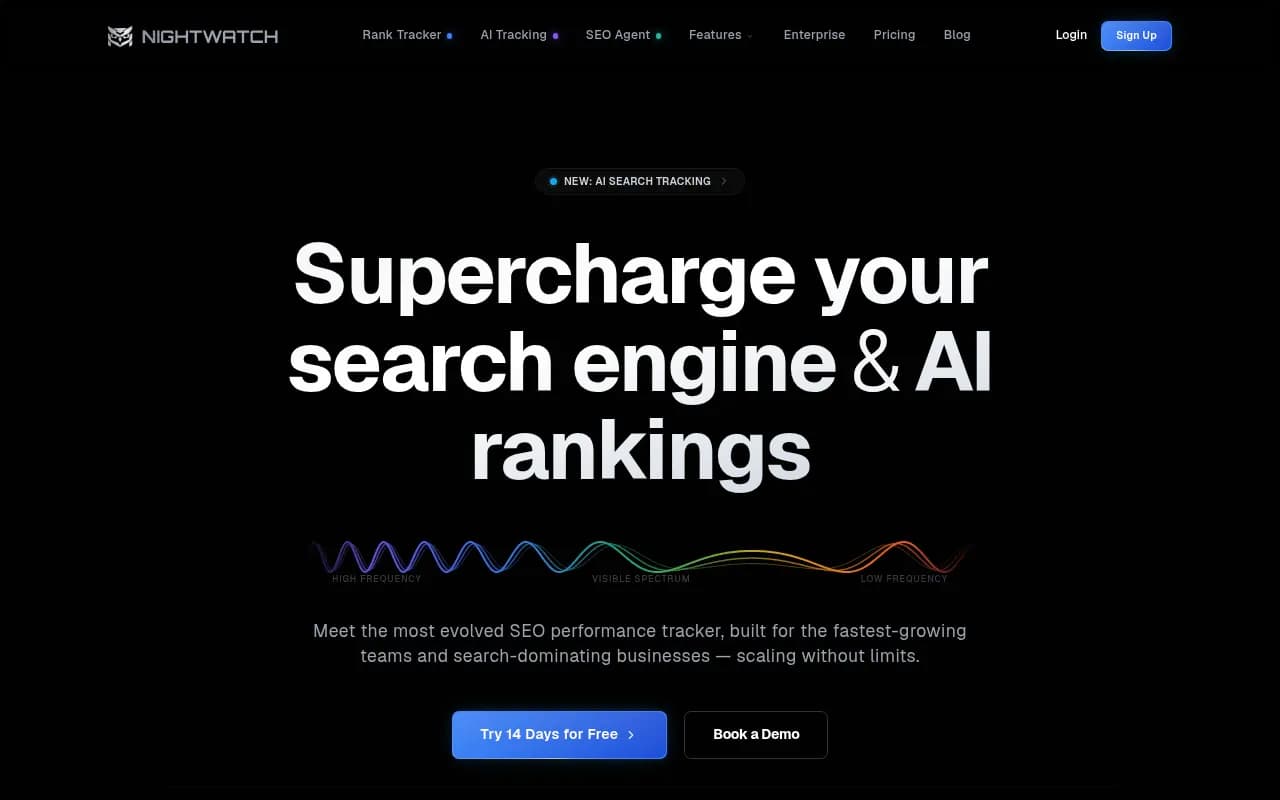
Nightwatch is the hybrid option: traditional rank tracking with ZIP-level localization (the vendor-reported figure is 107,000+ locations, unlimited seats) plus AI tracking as an add-on. KIME's roundup lists it from $39/mo plus the AI add-on, and Rankability lists local plans from around EUR 79/mo. Those numbers disagree, which is the point about verifying. Good if you want Google rankings and ChatGPT mentions in one place.
Otterly.AI and Peec AI
Both are straightforward prompt trackers. Otterly is listed from roughly $29/mo and is popular with agencies managing several brands. They are fine for single-location brands that want cheap, steady monitoring. For true city-level tracking and crawler data you will hit limits.
Otterly.AI


Profound and ZipTie
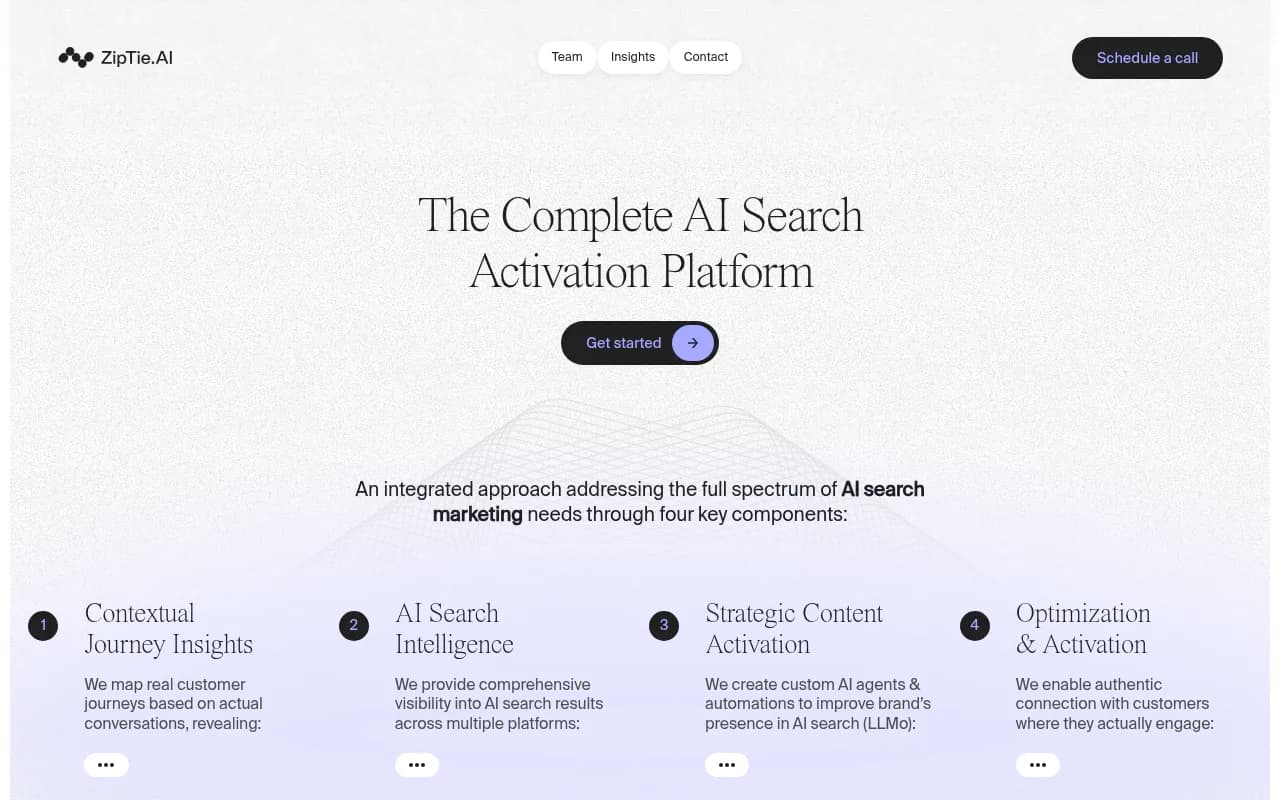
Profound is the enterprise name in this space and ZipTie leans toward actionable recommendations. Both are viable for larger brands; ask each how they handle sub-country location before you commit.
Profound

Xofu and AI Rank Checker
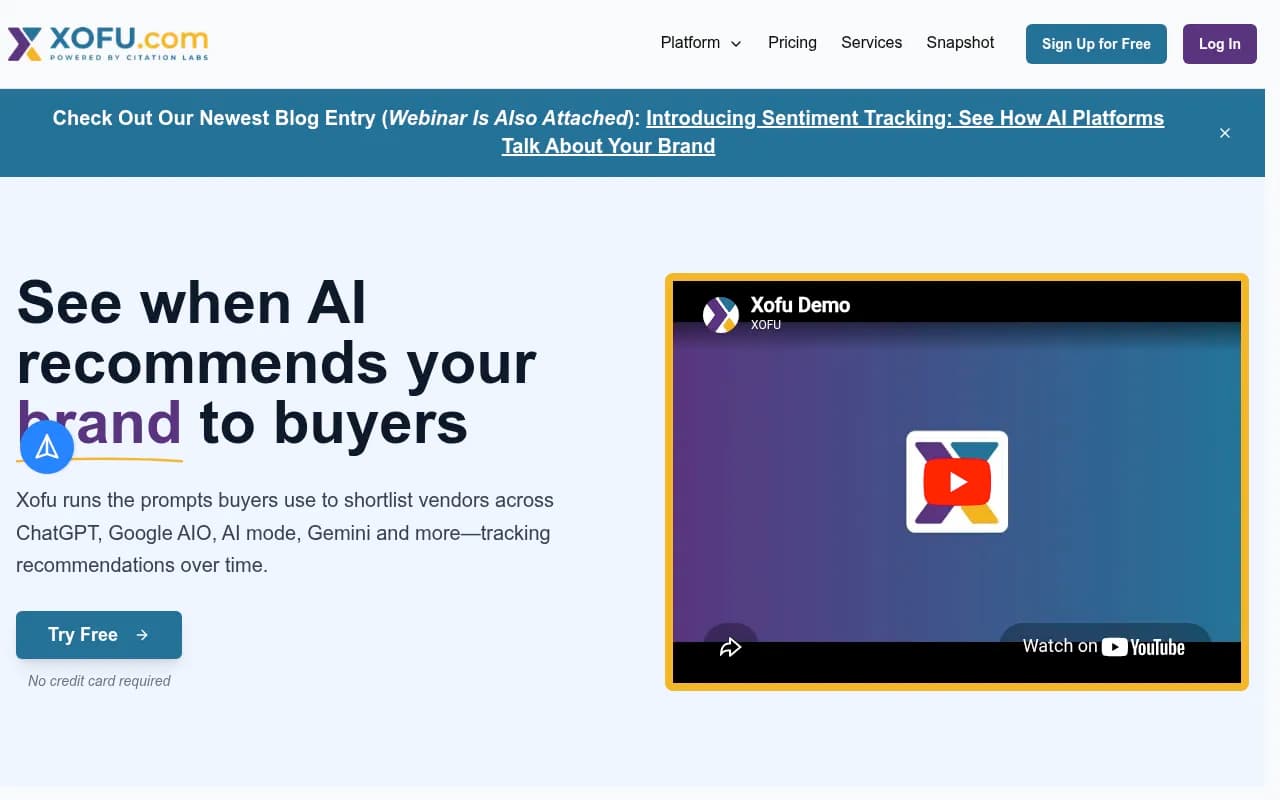
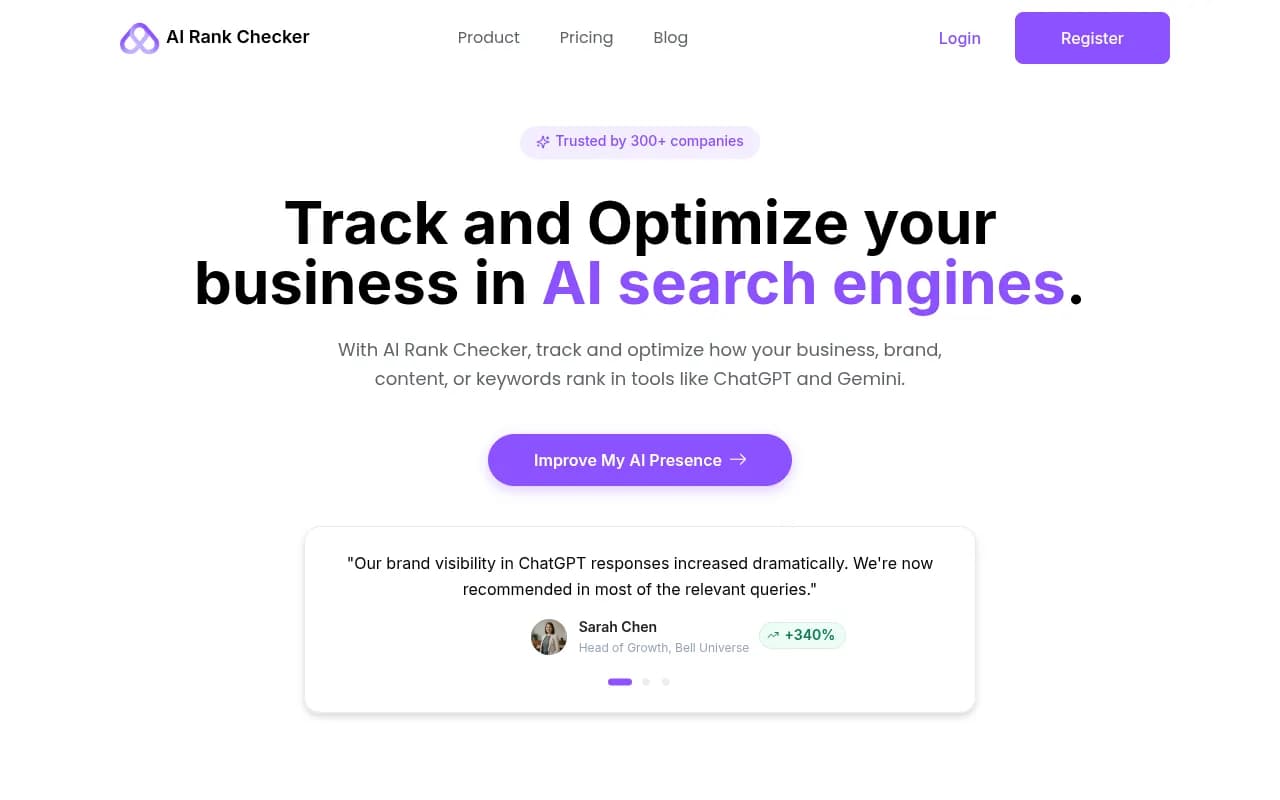
Xofu focuses on high-intent, bottom-of-funnel prompts, and AI Rank Checker sells on-demand checks (around $0.13 each per the KIME roundup). The latter suits consultants running one-off audits for a local client more than ongoing monitoring.
The classic local layer you still need
ChatGPT does not replace the map pack. For most local businesses it is still where the phone rings. A good setup pairs an AI tracker with one of these:
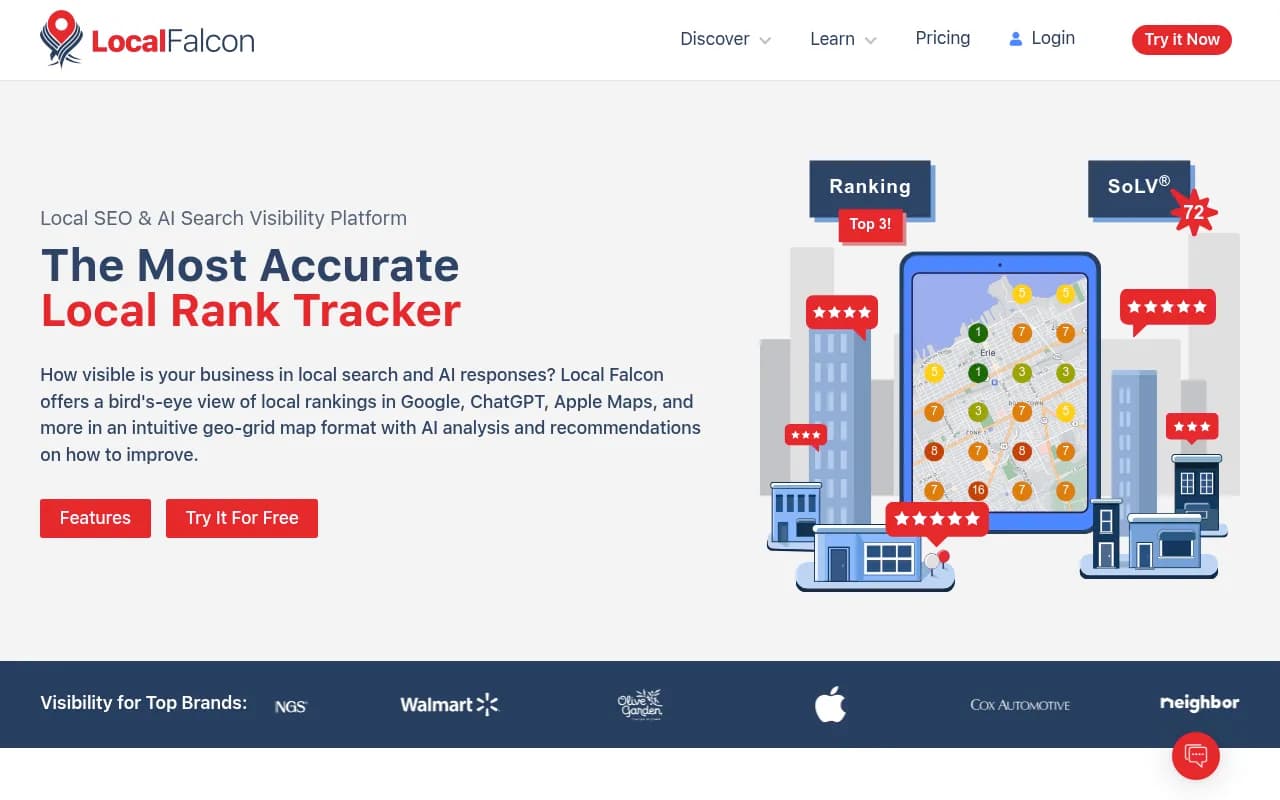
- Local Falcon for visual Google Maps geo-grid scans and Share of Local Voice.
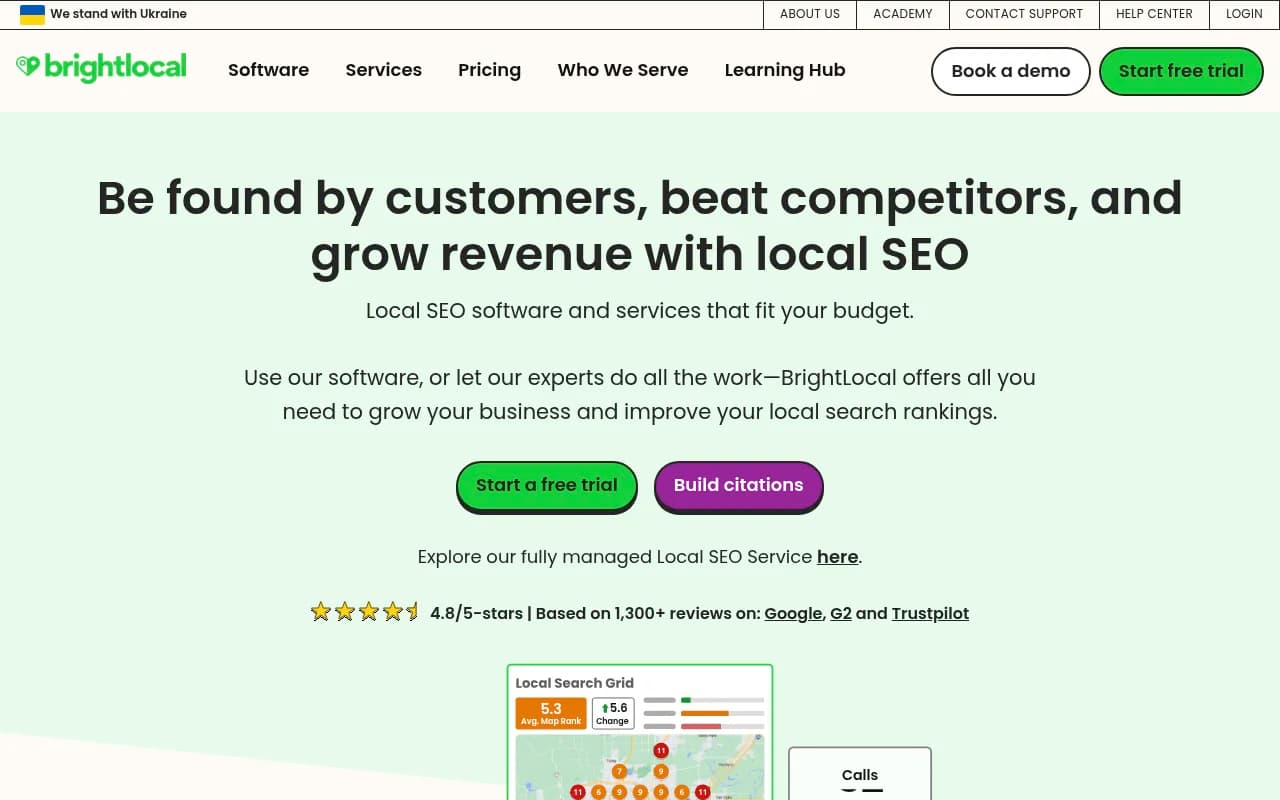
- BrightLocal for citations, reviews, and multi-location reporting.
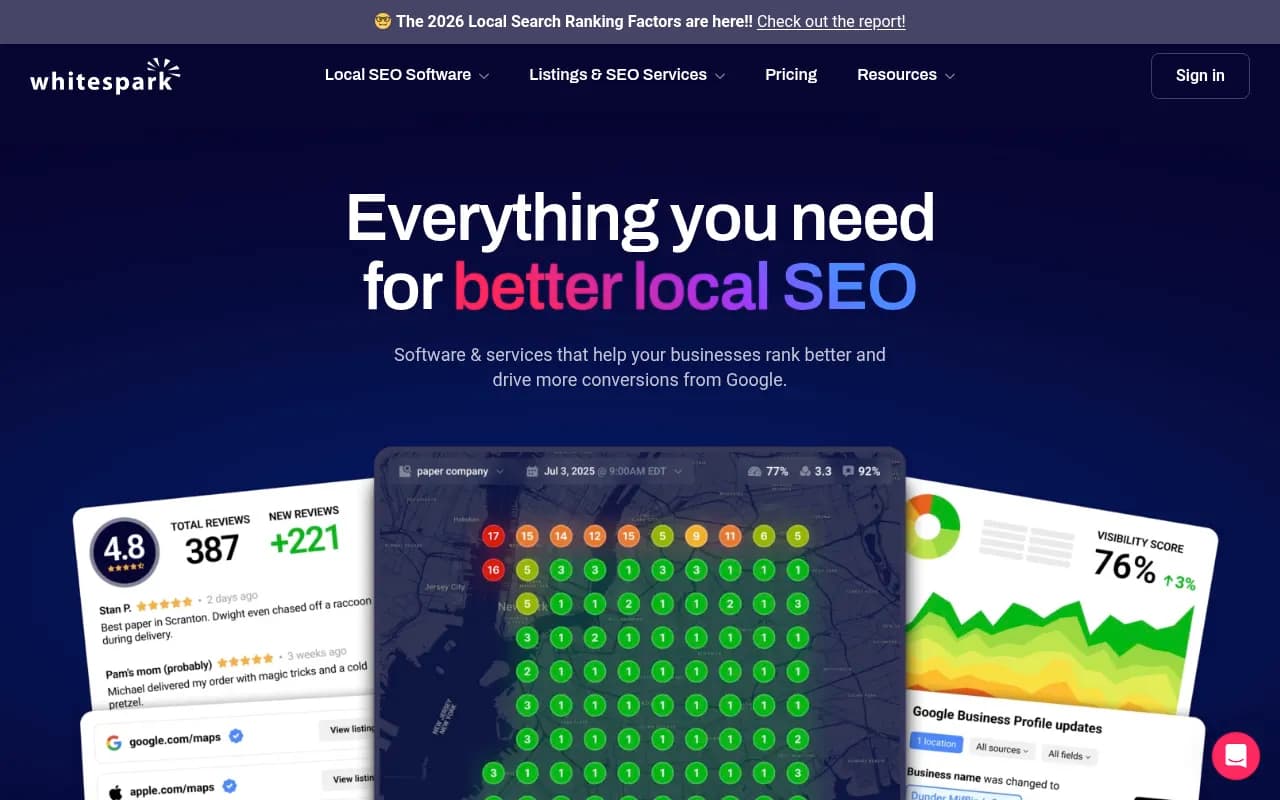
- Whitespark for citation building and local rank tracking.
- Local Rank Tracker and Semrush Local for simpler grid or listing needs.
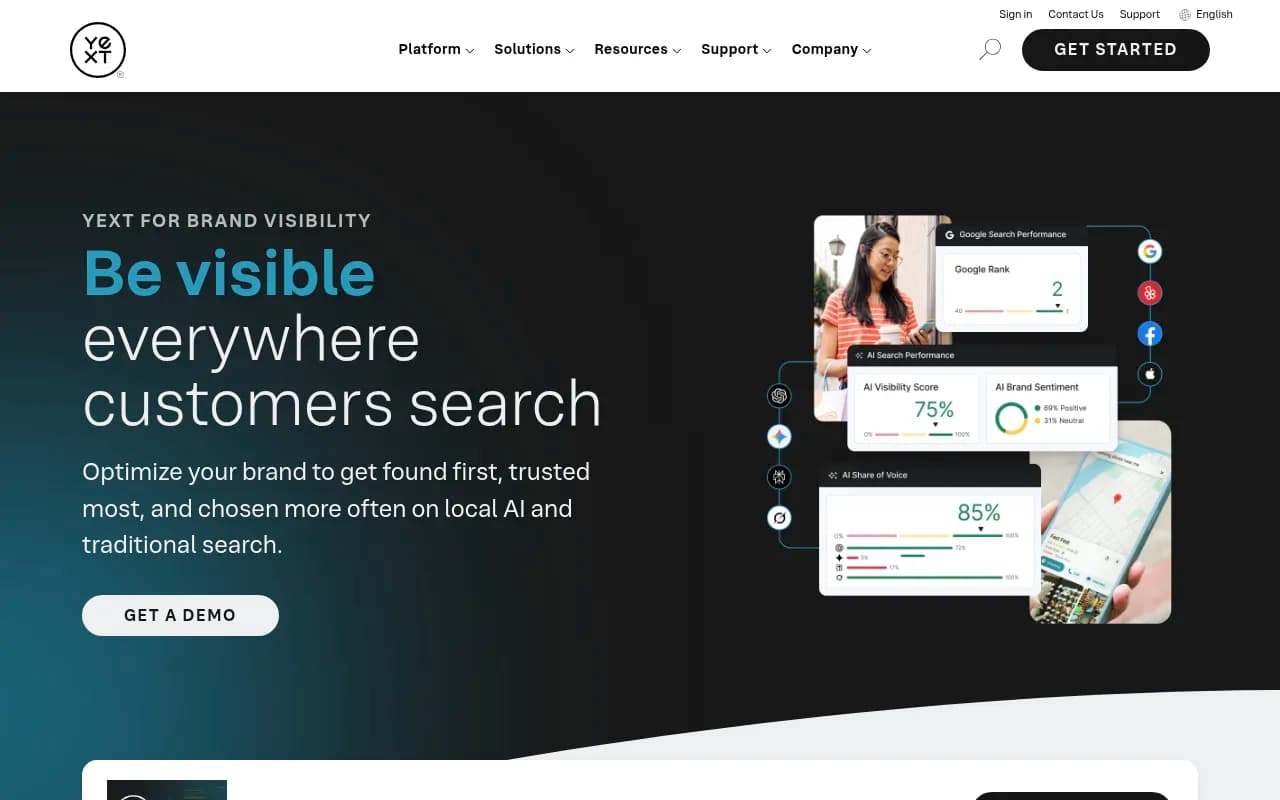
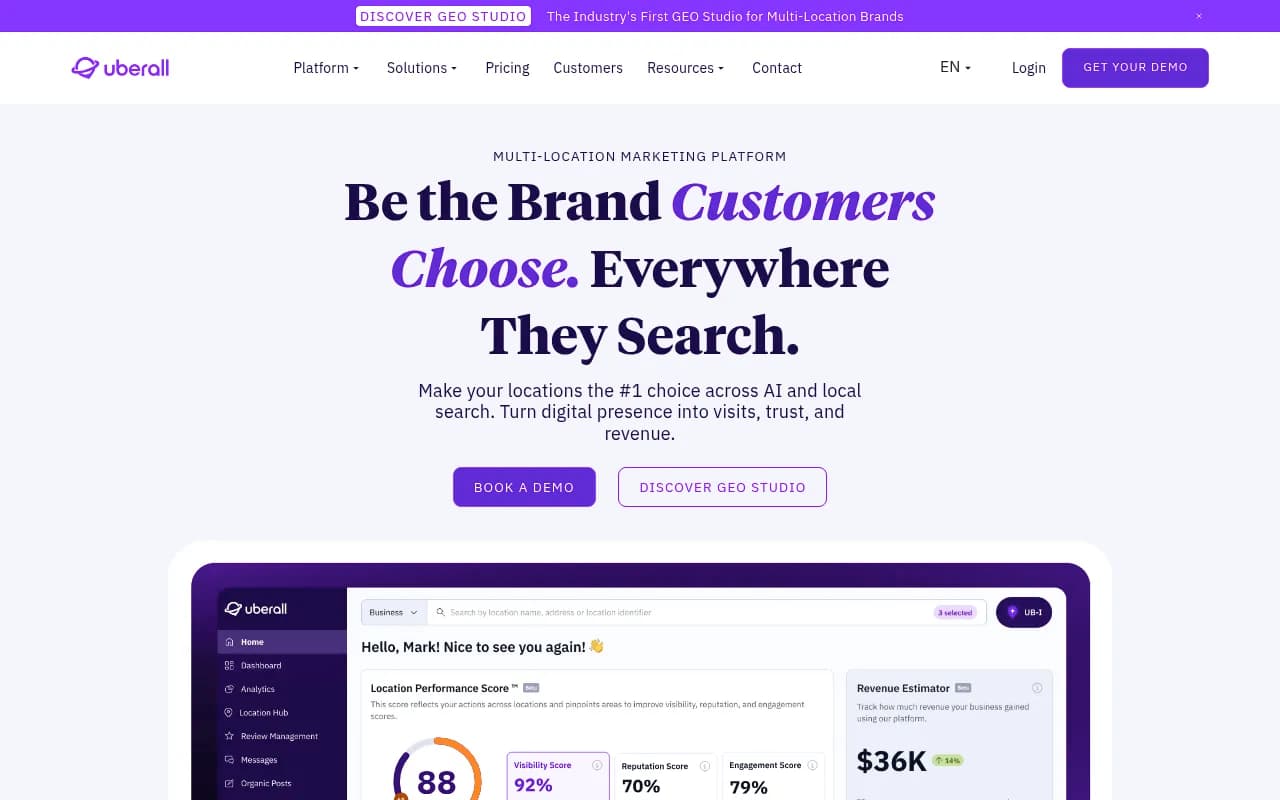
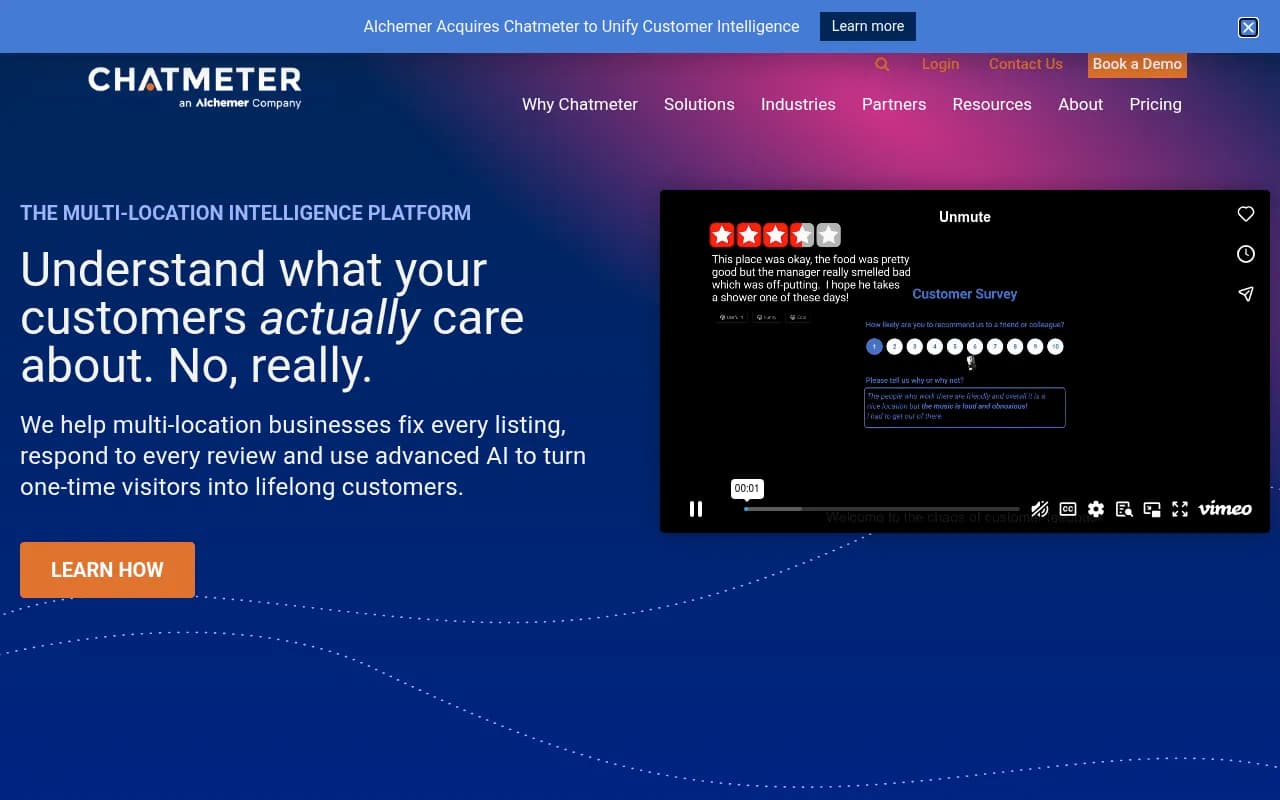
If you manage listings and reputation across many branches, platforms like Yext, Uberall, Rio SEO, Synup, SOCi, and Chatmeter cover distribution and reviews. They are not ChatGPT rank trackers, but clean listing data is often what ChatGPT ends up quoting.
Comparison table
Prices come from vendor-authored roundups and vendor pages. Treat them as starting points.
| Tool | Local targeting | AI engines | Starting price (reported) | Best for |
|---|---|---|---|---|
| Promptwatch | Country, state/city, exact coordinates | ChatGPT, AI Overviews, AI Mode, Gemini, Perplexity, Copilot, Meta AI, more | $95/mo (local targeting on Business, $579/mo) | Multi-location brands and agencies that want to fix gaps, not just see them |
| Radarkit | Location-based residential IPs, Local Radar | ChatGPT, AI Mode, AI Overviews, Gemini | Check vendor | Local businesses and agencies |
| LLMrefs | 20+ countries, 10+ languages | ChatGPT, Perplexity, others | Check vendor | Multi-country brands |
| Nightwatch | ZIP-level (vendor claims 107,000+ locations) | AI add-on | From about $39/mo plus add-on | Hybrid Google and AI tracking |
| Otterly.AI | Limited | ChatGPT, Perplexity, AI Overviews | From about $29/mo | Cheap monitoring |
| Local Falcon | Geo-grid on Google Maps | Some AI visibility analysis | From about $24.99/mo | Map pack grid scans |
| BrightLocal | Local citations, listings | Local SEO focus | Check vendor | Multi-location local SEO |
| Semrush Local | Per-location | Broader SEO data | From $30/mo per location | Existing Semrush teams |
How to pick by business type
One location, small budget
Start with a free visibility scan, then a $29-$99 tracker. Track 20-30 prompts that include your city name, and review them monthly. Pair with a map-pack tool like Local Falcon if you depend on foot traffic.
Five to fifty locations
This is where pricing models diverge. One public roundup notes that Semrush's $139 base plus $30 per location adds up quickly across 40 storefronts, while Nightwatch offers unlimited seats. For AI tracking, look for tools that group locations into projects and let you pin prompts to each place. Promptwatch's Business plan (5 projects, 350 prompts) or an Agency plan fits here, depending on whether you run it in-house.
Agencies serving many local clients
You want unlimited projects, white-label reports, and client read-only access. Promptwatch's Agency plans, Rankability, and Nightwatch are the obvious candidates. Compare per-response costs, not headline prices.
Franchises and enterprise
Add security and procurement requirements. ISO/IEC 27001 and GDPR compliance will come up, and so will SSO. Shortlist Promptwatch Enterprise, Profound, and seoClarity-class suites, then run the same 50 prompts through each in a pilot.
A practical setup that works
- Build a prompt list per location. Mix "best [service] in [city]", "[service] near me", and branded questions. Add competitor comparison prompts.
- Pin tracking to the right place. City or coordinates, not just country.
- Check crawler access. If GPTBot or OAI-SearchBot cannot read your branch pages, nothing else matters. Crawler logs make this visible.
- Fix the location pages first. Unique content per branch, correct NAP details, schema, and short, query-like headings. Promptwatch's fanout research suggests writing headings that read like short keyword queries.
- Clean up third-party listings. ChatGPT draws on directories, review sites, and listing aggregators for local answers.
- Review weekly, not quarterly. Behavior shifts overnight, as the August 8 change showed.
For broader background on how AI engines pick sources, Promptwatch's citation research hub is the best free starting point. Its ChatGPT content-type report also shows product pages and landing pages are among the most cited formats, which is a useful nudge for how you structure location pages. More tool options are listed in the directories at ai-rank-tools.com and bestgeosoftware.com.
What the public roundups get wrong
I read a lot of "best ChatGPT rank tracker" lists while researching this. Nearly all are written by a vendor and rank that vendor first. Leapd's list puts Leapd first, KIME's puts KIME first, Radarkit's puts Radarkit first. The information is still useful, but treat it as a vendor's pitch.
Two other claims are worth skepticism. One roundup says roughly 60% of organic traffic now originates from AI responses, which is far from what most sites see in their analytics. Another says only 12% of ChatGPT-cited URLs overlap with Google's top 10. Both may be directionally interesting, but neither is backed by a method I could check. Measure your own traffic with visitor analytics instead.
The other gap: almost nobody publishes local-specific citation data. Promptwatch's catalog has no local-pack or Google Business Profile report, so claims about how ChatGPT ranks local businesses come from small samples, like a Reddit thread where one team reviewed 250 chat sessions. Treat that as a hypothesis and test it on your own prompts.
Bottom line
If you run a handful of locations or manage local clients, pick a tracker that targets by city or coordinate, shows crawler activity, and helps you ship fixes. Promptwatch covers that stack, with Radarkit and Nightwatch as reasonable alternatives to trial. Keep a classic local tool like Local Falcon or BrightLocal next to it for the map pack. Then run the same 30 prompts through two tools for a week and compare. The gaps between them tell you more than any listicle will.