Key Takeaways
- The maturity gap is real: Only 1% of companies have reached full AI maturity, while 42% abandoned most AI initiatives in 2025—yet AI infrastructure spending will exceed £1.37 trillion in 2026
- Agentic AI is the breakthrough: Autonomous AI systems that reason, plan, and execute tasks are transforming marketing automation, with 40% of enterprise applications integrating task-specific agents by end of 2026
- ROI requires foundations first: Top performers invest in data infrastructure, governance frameworks, and workforce skills before scaling—not the other way around
- Single-model depth beats multi-tool chaos: Marketing teams finding success focus on deep integration of fewer platforms rather than sprawling AI tool stacks
- Predictive analytics drives real results: 75% of top-performing B2B teams use AI-powered predictive analytics, with companies seeing 42% more content output and 27% higher conversion rates
The Reality Check: Most AI Marketing Investments Are Failing
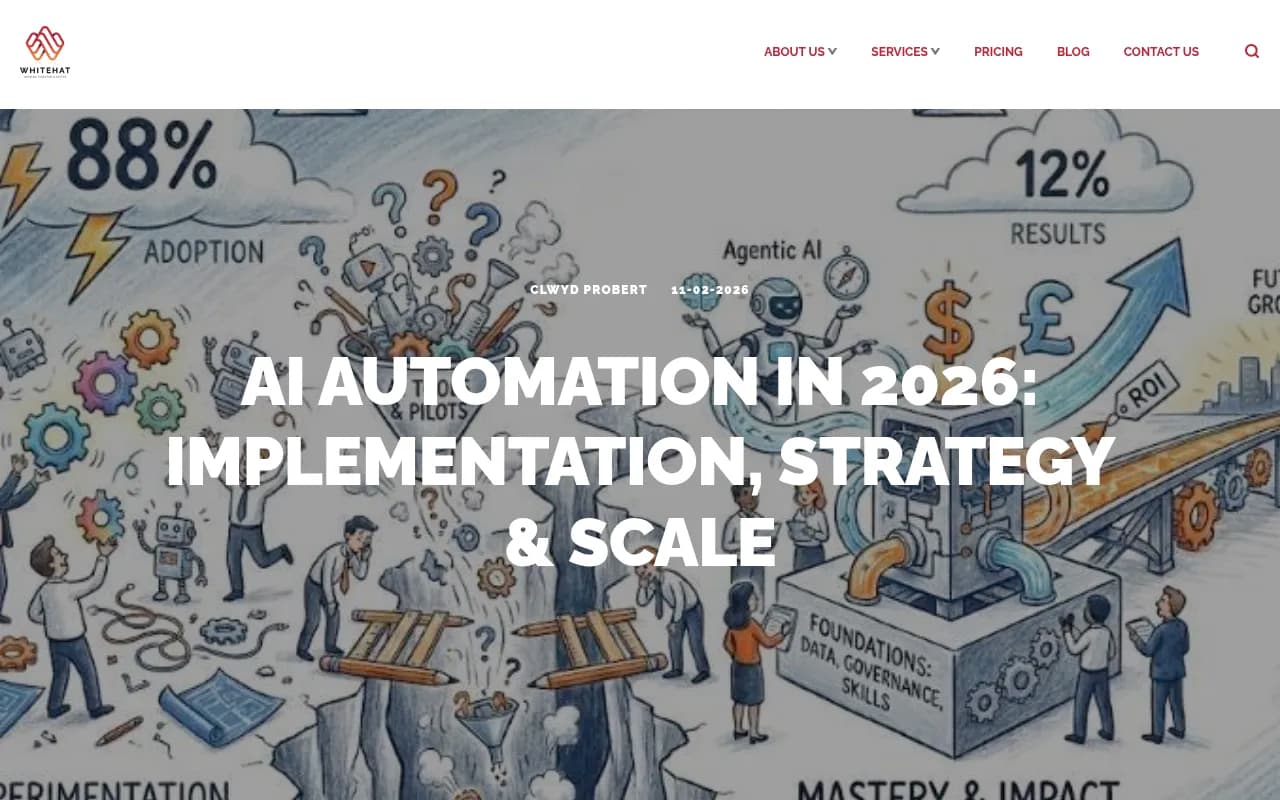
PwC's January 2026 CEO Survey—their largest ever, covering 4,454 CEOs across 95 countries—delivered a sobering verdict: 56% have seen neither revenue gains nor cost savings from AI. Only 12% report both.
Yet global AI spending continues its remarkable climb, projected to reach £2.52 trillion by the end of 2026. This disconnect between escalating investment and elusive returns is what Forrester calls "the end of the AI hype period." They predict enterprises will defer 25% of planned AI spend into 2027 as ROI scrutiny intensifies.
The organisations capturing value from AI aren't deploying the most tools. They're investing in data foundations, governance frameworks, workforce skills, and clear production pathways before scaling.
The Maturity Gap Nobody Talks About
Strip away the headline adoption figures and the maturity data tells the real story:
- Only 1% of companies have reached full AI maturity with integrated, business-wide strategies
- Just 6% qualify as McKinsey's "AI high performers" generating meaningful EBIT impact
- Only 25% have moved more than 40% of their AI pilots into production (Deloitte 2026)
- 95% of custom AI pilots fail to deliver P&L impact
- 42% of companies scrapped most AI initiatives in 2025—up from 17% in 2024 (S&P Global)
Meanwhile, 91% of organisations plan to increase AI investment this year. The gap between ambition and execution has never been wider.
What's Actually Working: The AI Marketing Automation Breakthroughs of 2026
1. Agentic AI: The Shift from Tools to Autonomous Systems
Agentic AI—autonomous systems that reason, plan, and execute tasks with minimal human oversight—has emerged as the dominant technology trend of 2025–2026. Unlike traditional marketing automation that follows pre-programmed rules, agentic AI makes decisions, adapts to context, and learns from outcomes.
Gartner predicts 40% of enterprise applications will integrate task-specific AI agents by the end of 2026. In marketing, this means:
- Content agents that research topics, generate drafts, optimize for SEO, and schedule publication—without human intervention between steps
- Campaign agents that analyze performance data, adjust targeting parameters, reallocate budget, and A/B test creative variations autonomously
- Lead qualification agents that engage prospects in natural conversation, assess fit, route to sales, and nurture based on behavior patterns
- Analytics agents that surface insights, identify anomalies, recommend actions, and execute approved optimizations
The key difference: these aren't chatbots or workflow automations. They're goal-oriented systems that break down complex marketing tasks, make strategic decisions, and take action—then learn from the results.
2. Predictive Analytics: From Reporting to Forecasting
By 2026, 75% of top-performing B2B marketing teams use AI-powered predictive analytics to drive strategy. The shift from descriptive analytics ("what happened?") to predictive analytics ("what will happen?") represents the most significant ROI driver in marketing automation.
Companies implementing AI predictive analytics report:
- 42% more content output through AI-assisted creation and optimization
- 27% higher conversion rates via predictive lead scoring and personalization
- 25–55% productivity improvements depending on function (McKinsey)
- 36.6% cost reduction of at least 25% through intelligent automation (Redwood Enterprise Automation Index)
The winners aren't just tracking metrics—they're using AI to predict which prospects will convert, which content will perform, which channels will deliver ROI, and which campaigns need adjustment before they fail.
Promptwatch helps marketing teams understand how AI search engines discover and cite their content, providing the visibility data needed to optimize for the next generation of search—where AI models like ChatGPT, Claude, and Perplexity drive discovery instead of traditional search engines.
3. Hyper-Personalization at Scale
AI enables true 1:1 personalization across every customer touchpoint—not just inserting a first name in an email, but dynamically adapting content, messaging, timing, and offers based on behavioral signals, intent data, and predictive models.
Marketing teams achieving results with hyper-personalization:
- Use real-time behavioral data to trigger contextual messages across email, web, ads, and chat
- Deploy dynamic content engines that assemble personalized experiences from modular content blocks
- Leverage predictive models to anticipate needs and surface relevant content before prospects ask
- Implement AI-powered segmentation that continuously refines audience clusters based on engagement patterns
The technology exists. The challenge is data quality and integration—which is why top performers invest in unified customer data platforms before scaling personalization.
4. Content Intelligence: AI That Understands What Works
The best AI marketing automation platforms in 2026 don't just generate content—they understand what performs. Content intelligence combines:
- Semantic analysis of top-ranking content to identify topic gaps and optimization opportunities
- Engagement prediction that forecasts which headlines, formats, and angles will resonate
- Citation tracking across AI search engines to understand how models discover and reference your content
- Competitive intelligence that reveals which content strategies competitors are winning with
This is where AI visibility platforms become critical. Tools that track how ChatGPT, Perplexity, Claude, and other AI models cite your content provide the feedback loop needed to optimize for AI-driven discovery—the fastest-growing search channel.
What's Still Hype: The AI Marketing Myths That Won't Die
Myth 1: "AI Will Replace Marketers"
Gartner's 2026 Marketing Trends report predicts the opposite: as AI automates execution work, marketing organizations will flatten and reorganize around modular, flexible structures. Human–AI hybrid roles will dominate.
The reality: AI handles repetitive tasks, data analysis, and content production. Humans provide strategy, creativity, emotional intelligence, and judgment. The marketers thriving in 2026 are those who learned to orchestrate AI systems—not those who resisted them.
Myth 2: "More AI Tools = Better Results"
The Reddit thread "Is anyone actually happy with their AI marketing stack in 2026?" reveals a common pattern: marketing teams drowning in AI tools but seeing minimal ROI. The problem isn't the technology—it's the approach.
Top performers focus on single-model depth over multi-tool breadth:
- Deep integration of core platforms (marketing automation, CRM, analytics)
- Custom AI agents built on top of existing systems
- Unified data infrastructure that feeds all AI applications
- Clear governance and workflows before adding new tools
The aggregator/multi-model approach—where teams deploy dozens of point solutions—creates integration nightmares, data silos, and workflow chaos. Better to master three platforms than struggle with thirty.
Myth 3: "AI Marketing Automation Is Plug-and-Play"
Deloitte's finding that only 25% of AI pilots move to production reveals the truth: AI marketing automation requires significant organizational change.
Successful implementations involve:
- Data infrastructure: Clean, unified, accessible customer data across all touchpoints
- Governance frameworks: Clear policies for AI use, data privacy, and decision-making authority
- Workforce upskilling: Training teams to prompt, evaluate, and optimize AI systems
- Process redesign: Rethinking workflows to leverage AI capabilities, not just digitizing old processes
- Change management: Getting buy-in from stakeholders who fear AI or resist new ways of working
The companies seeing ROI invested 6–12 months in foundations before scaling. Those that didn't are the 42% who abandoned their initiatives.
Myth 4: "AI-Generated Content Ranks Automatically"
Google's AI Overviews, ChatGPT, Perplexity, and other AI search engines don't reward AI-generated content—they reward content that answers questions comprehensively, cites authoritative sources, and provides genuine value.
The AI content that ranks:
- Is grounded in real data and research, not generic templates
- Targets specific prompts and questions users actually ask AI models
- Includes citations and sources that AI models can verify and reference
- Demonstrates expertise and authority through depth, specificity, and unique insights
- Is optimized for AI discoverability—structured data, clear headings, scannable format
AI can accelerate content creation, but it can't replace strategy, research, and optimization. The winners use AI to scale what already works—not to churn out low-value filler.
The AI Marketing Automation Stack That Actually Works in 2026
Core Layer: Marketing Automation + CRM
Start with platforms that integrate deeply:
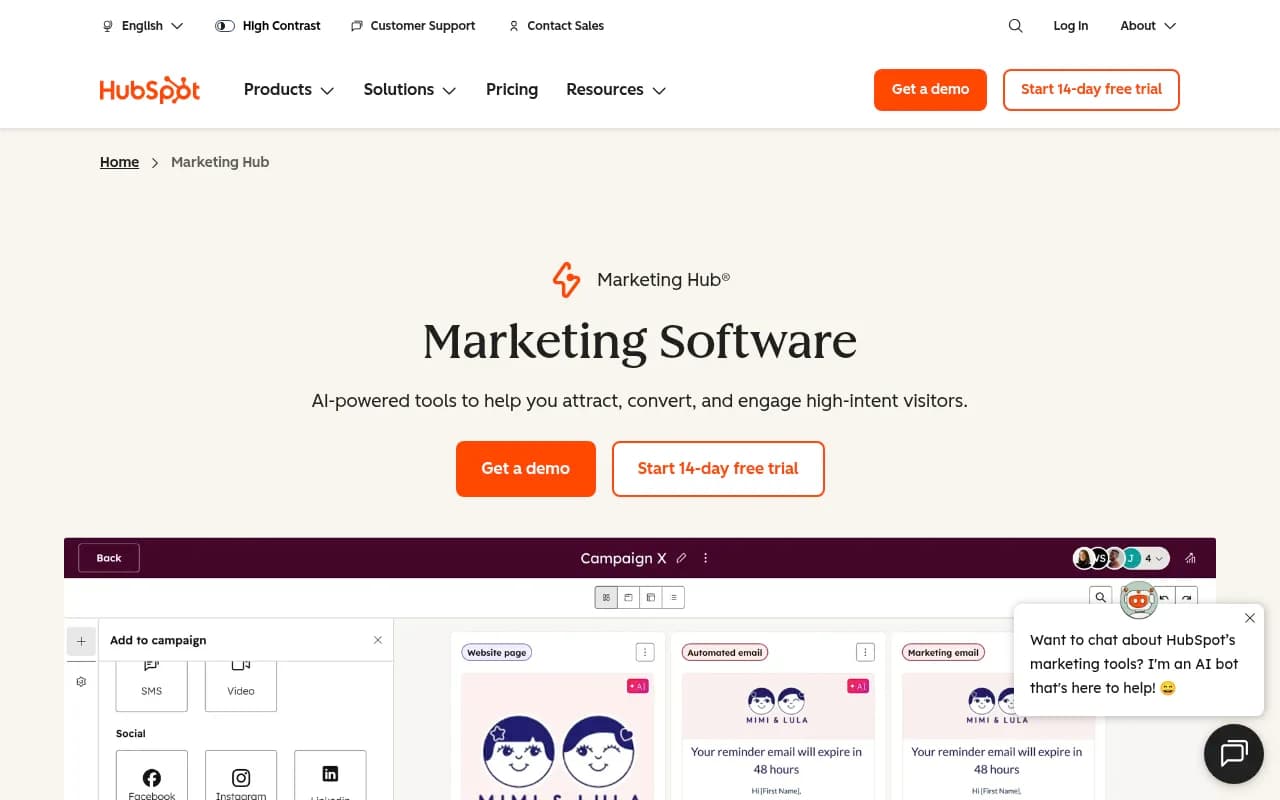
- HubSpot Marketing Hub: AI-powered workflows, predictive lead scoring, content optimization, and unified CRM
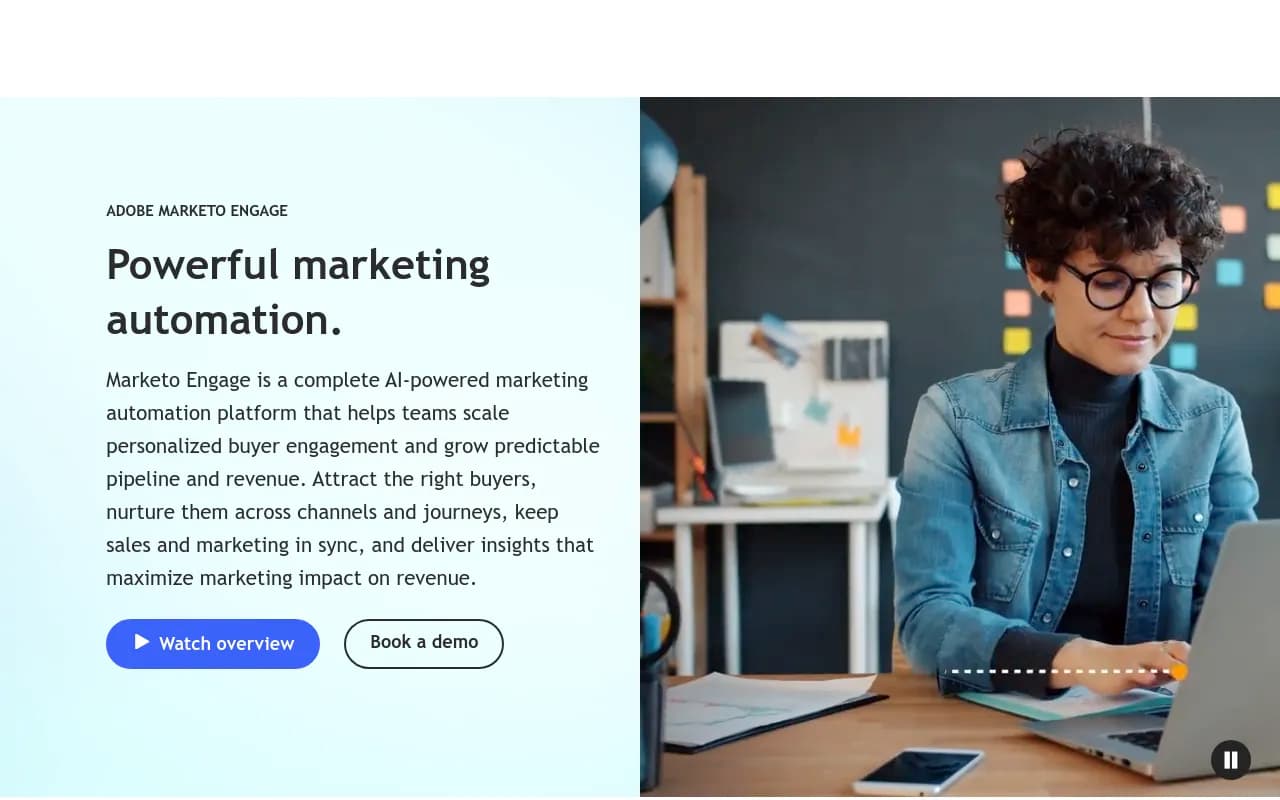
- Adobe Marketo Engage: Enterprise marketing automation with AI personalization and account-based marketing
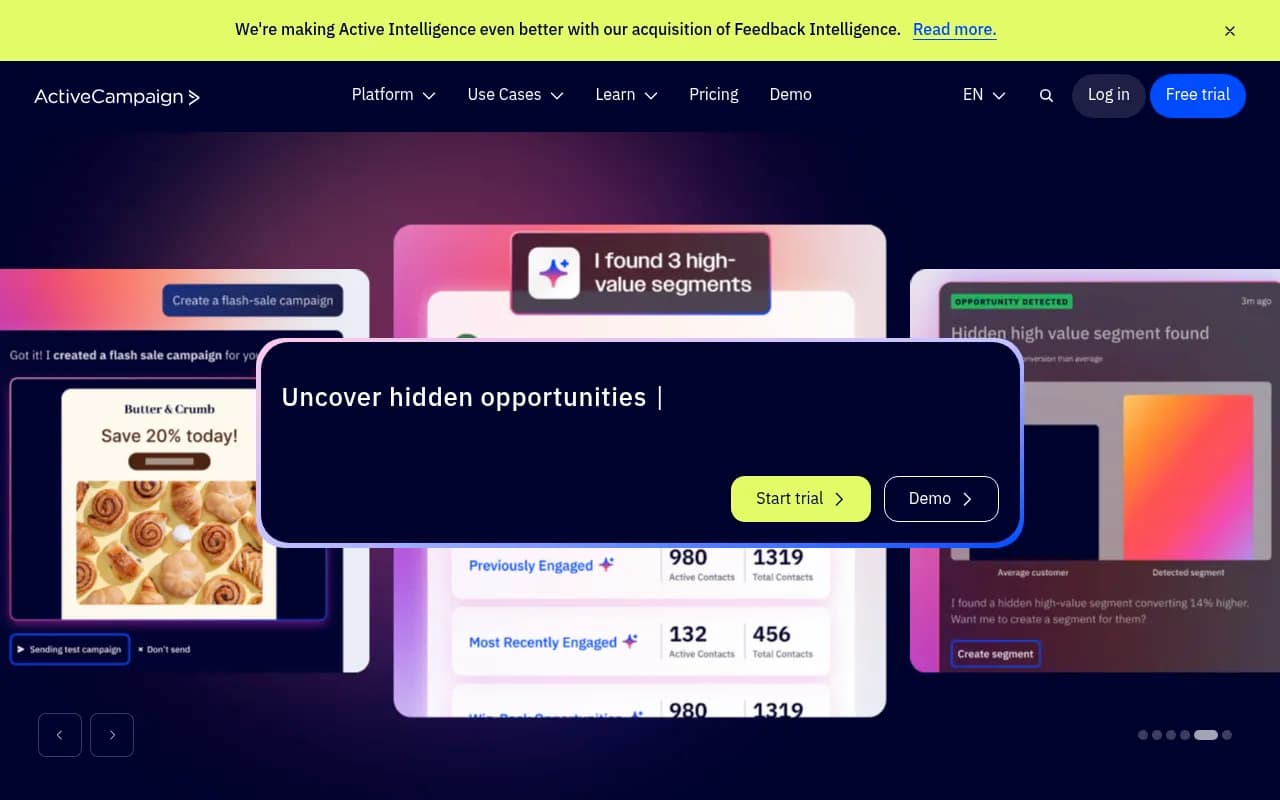
- ActiveCampaign: Advanced email automation with AI-driven segmentation and customer journey mapping
These platforms provide the foundation. Don't add more tools until you've mastered the core.
Intelligence Layer: Predictive Analytics + AI Insights
Once your foundation is solid, add intelligence:
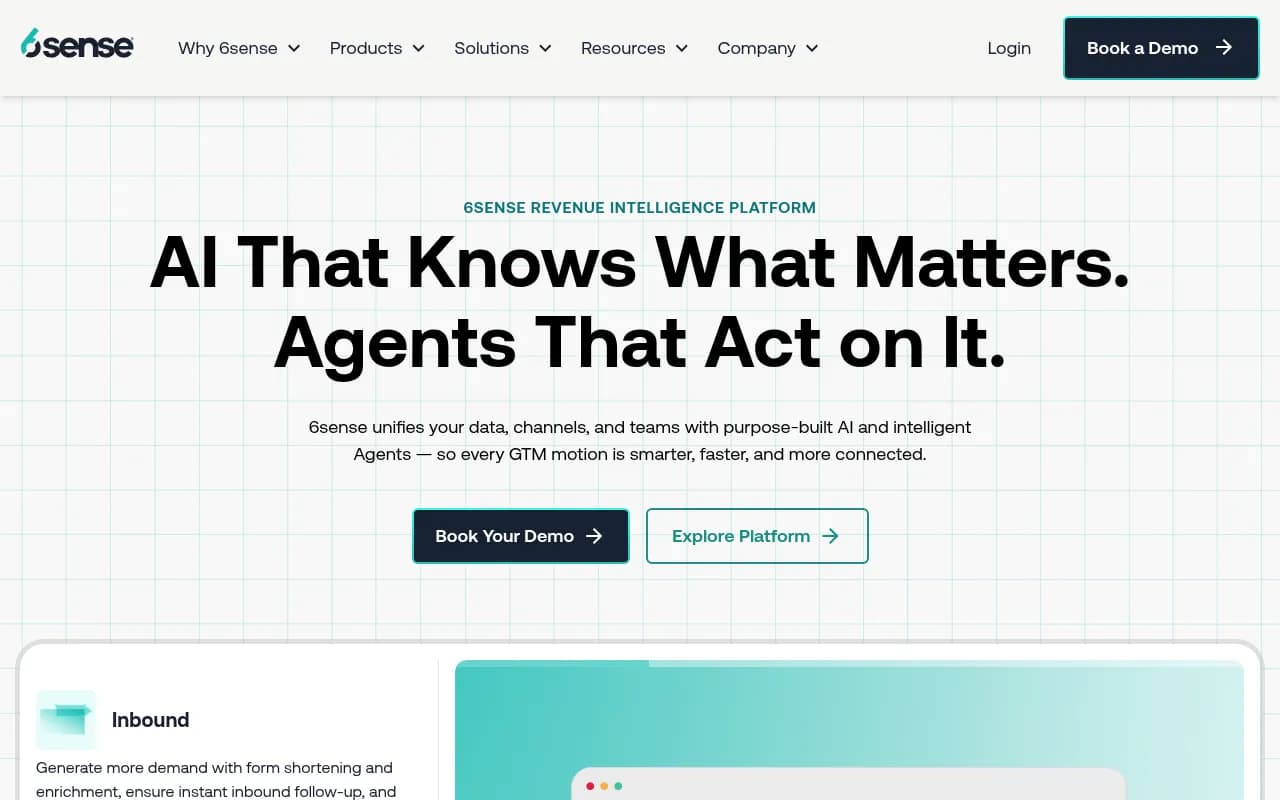
- 6sense: Account-based marketing with predictive intent data and AI-powered orchestration
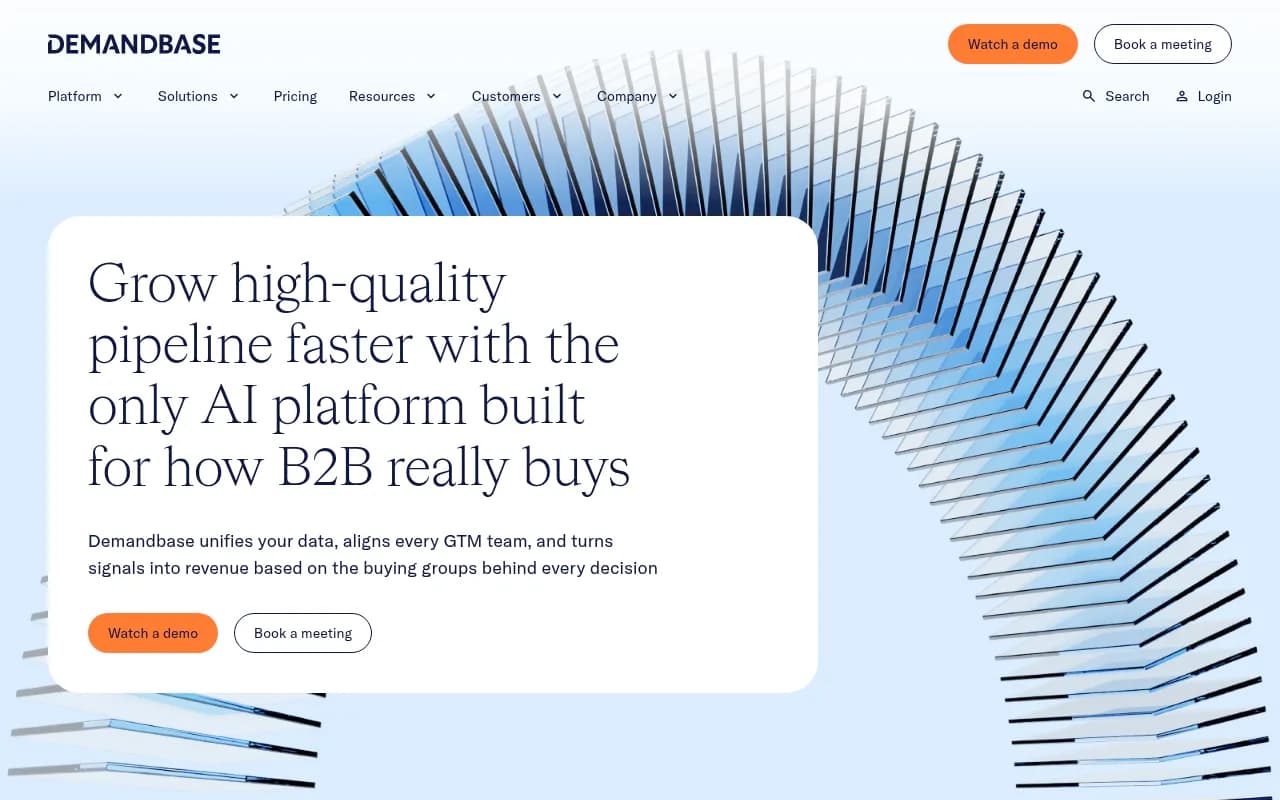
- Demandbase One: ABM platform combining intent signals, account intelligence, and predictive analytics
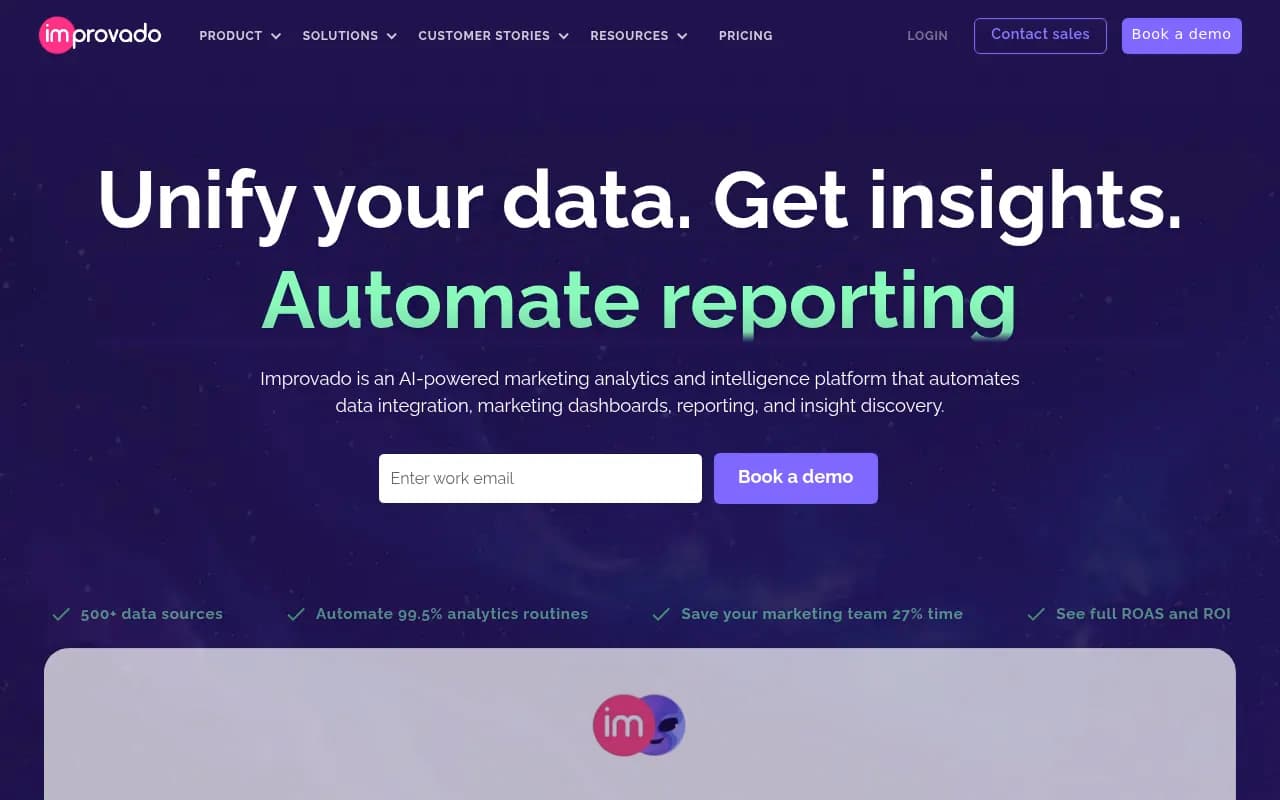
- Improvado: AI-powered marketing analytics that unifies data from 500+ sources for predictive modeling
These platforms turn raw data into actionable predictions—which accounts will convert, which campaigns will perform, which content will resonate.
Content Layer: AI Writing + Optimization
For content creation and optimization:
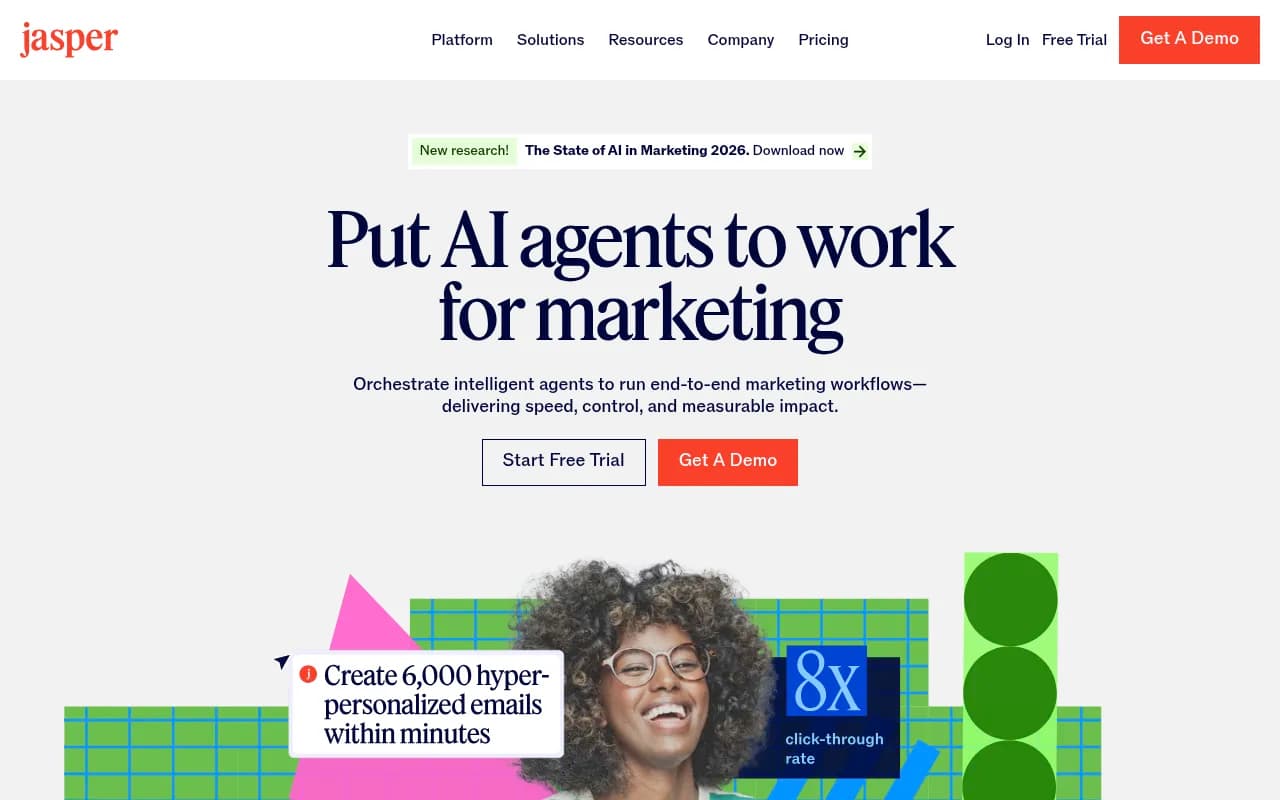
- Jasper: AI marketing platform with agents, content pipelines, and brand voice training
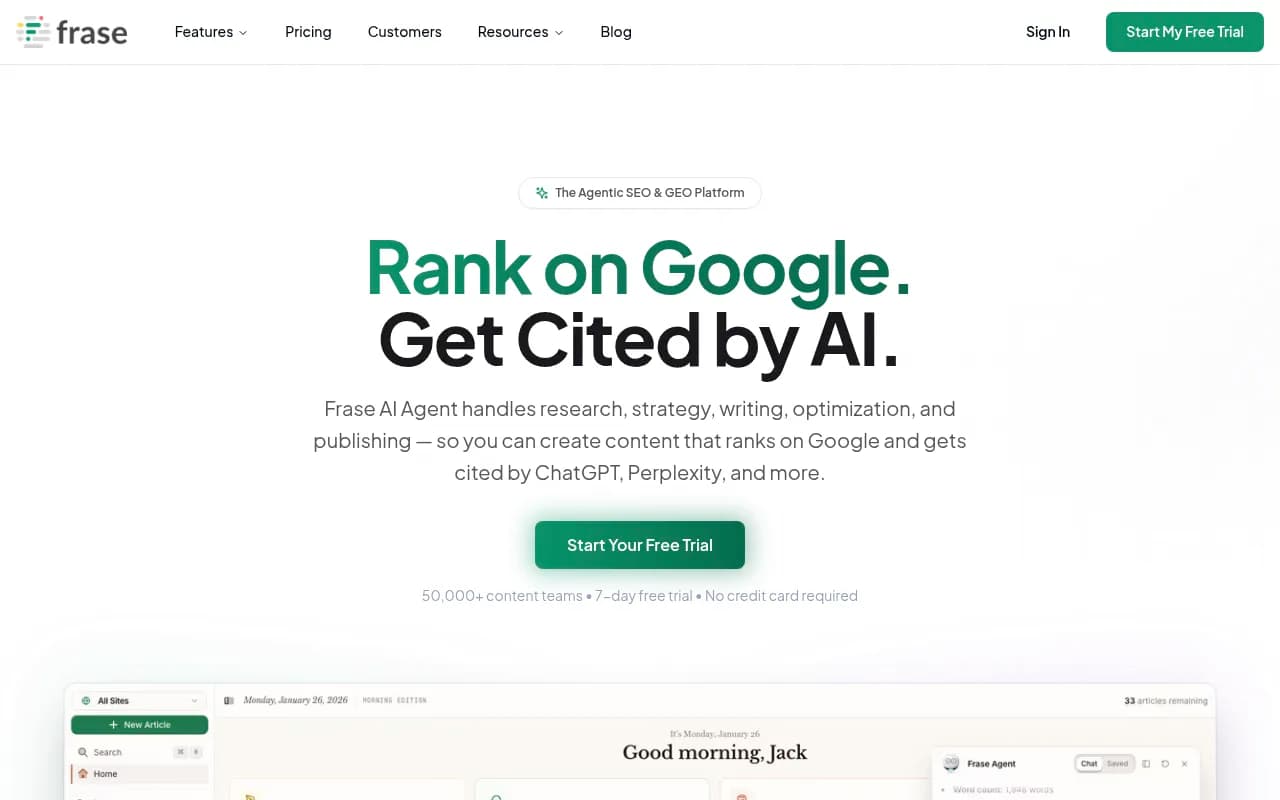
- Frase: AI-powered SEO content research and writing with SERP analysis
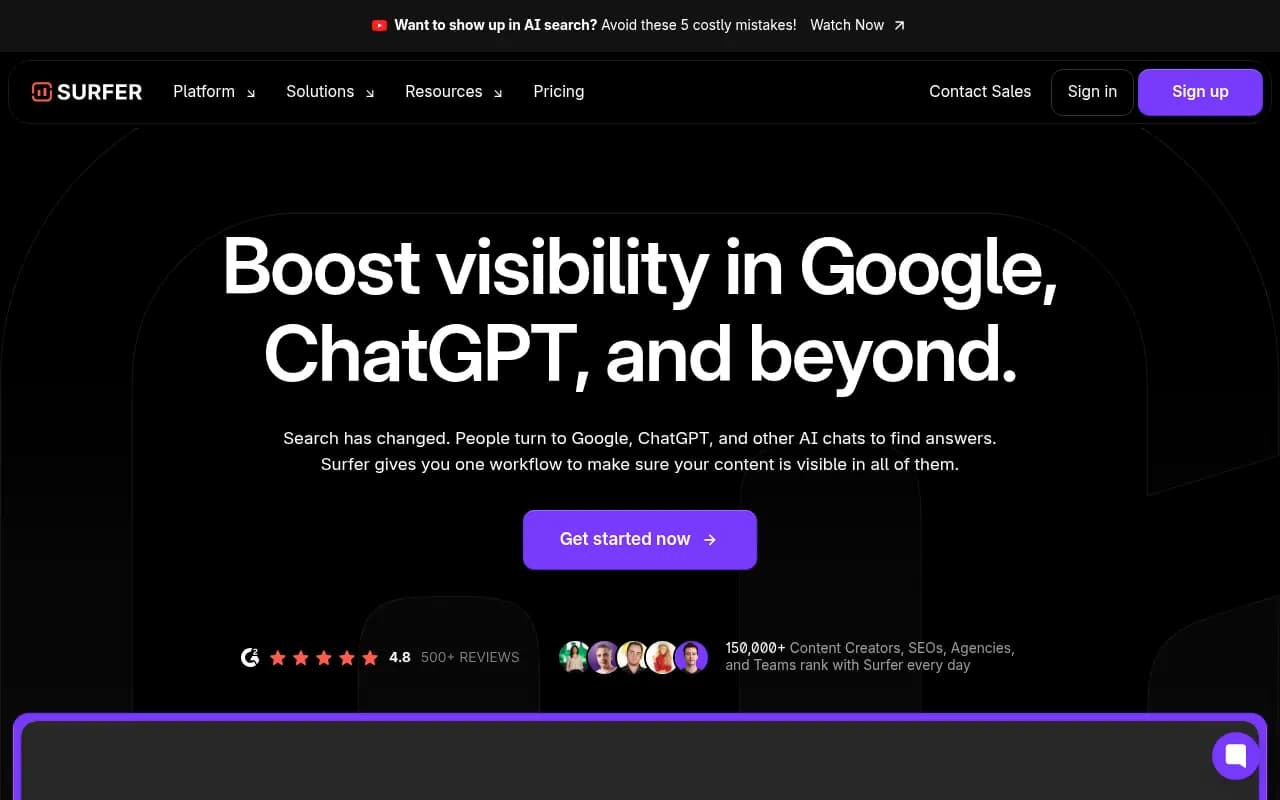
- Surfer SEO: AI-driven content optimization with real-time scoring and competitive analysis
These tools accelerate content production while maintaining quality and SEO performance.
Visibility Layer: AI Search Tracking + Optimization
The fastest-growing channel in 2026 is AI search—ChatGPT, Perplexity, Claude, Google AI Overviews. Track and optimize for it:
- Promptwatch: End-to-end AI visibility platform that tracks citations across 10+ AI models, identifies content gaps, generates optimized content, and measures results

- Profound: Enterprise AI visibility tracking across 9+ AI search engines with competitive benchmarking
Profound

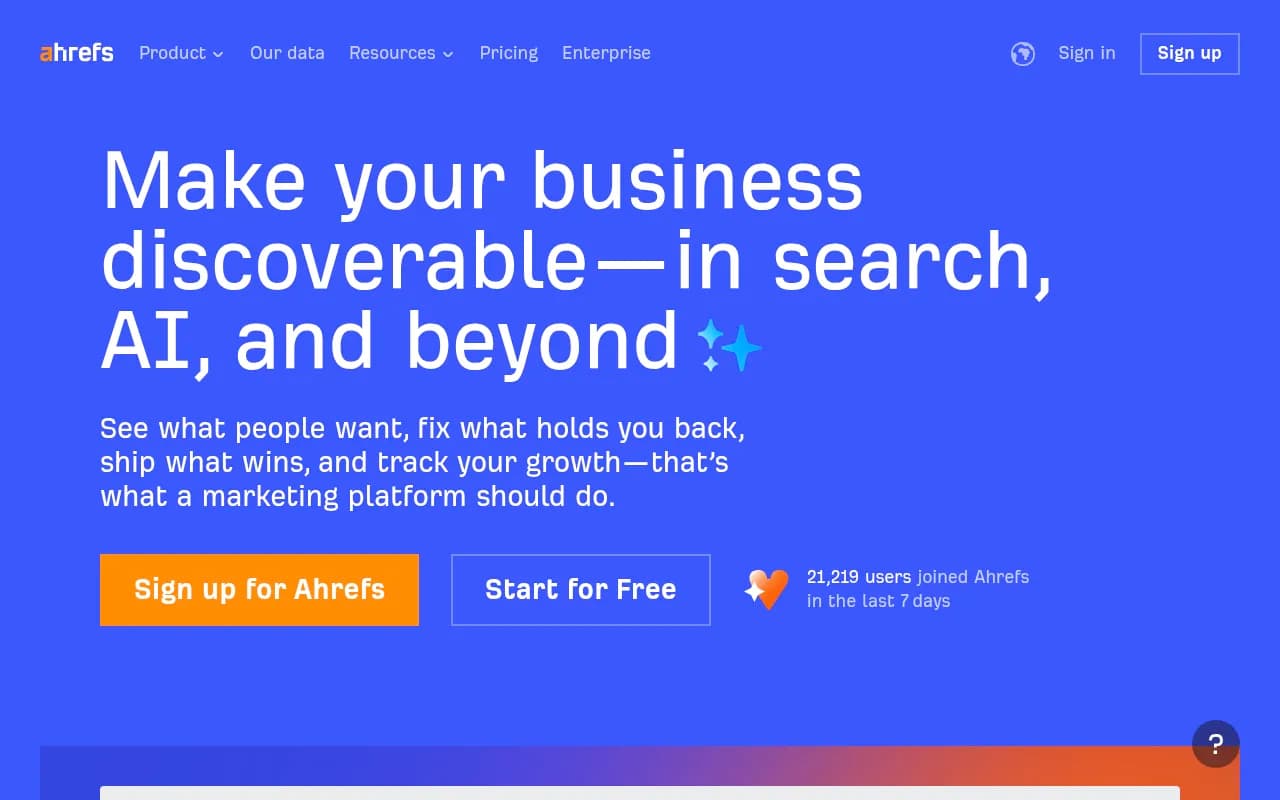
- Ahrefs: Traditional SEO platform now including AI search tracking and content optimization
Unlike monitoring-only tools, platforms like Promptwatch close the loop—they show you where you're invisible in AI search, help you create content to fix it, then track the results. This action-oriented approach is what separates leaders from laggards in 2026.
Automation Layer: Workflow + Integration
Connect everything with intelligent automation:
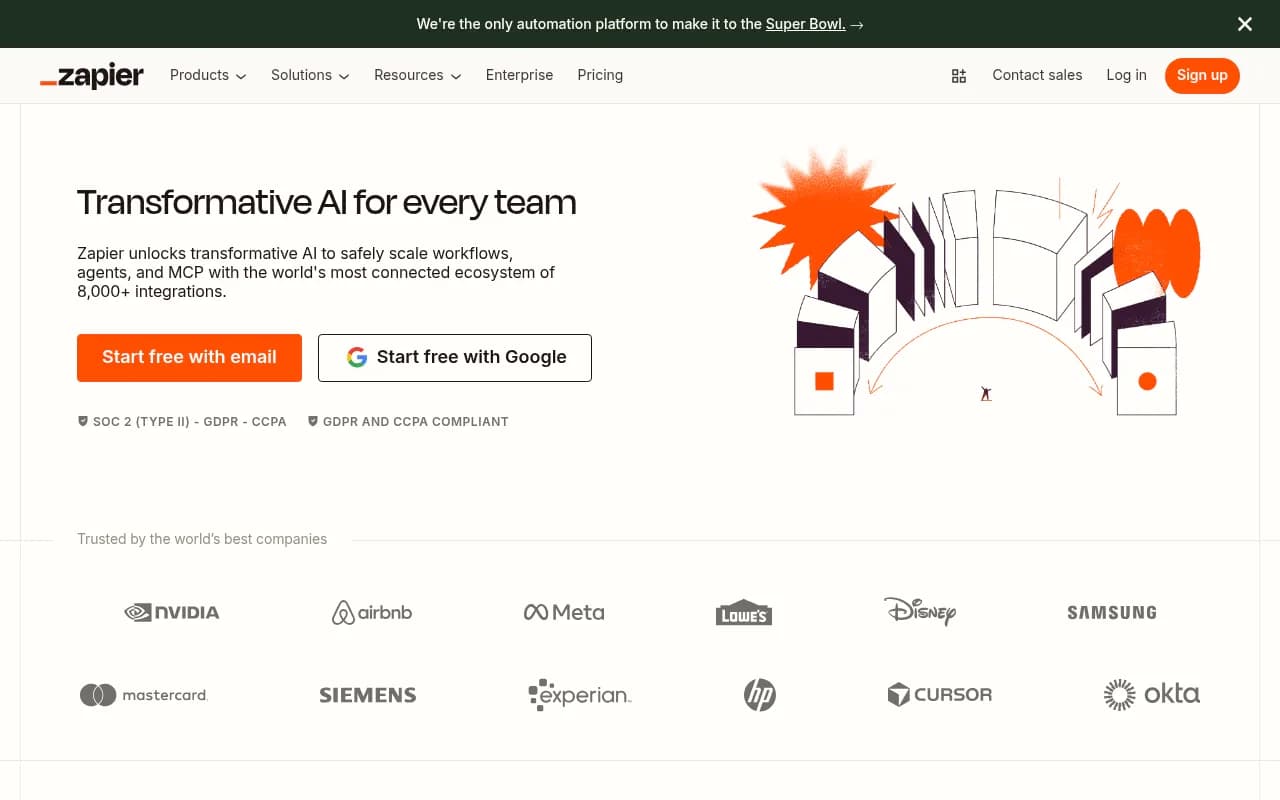
- Zapier: Workflow automation connecting 6,000+ apps with AI-powered logic
- Make (formerly Integromat): Visual automation platform with advanced AI agent integration
- n8n: Open-source workflow automation with code-level control for custom AI workflows
These platforms orchestrate your AI marketing stack, ensuring data flows seamlessly and actions trigger automatically.
Best Practices: What High Performers Do Differently
1. They Start with Strategy, Not Tools
Top performers define clear objectives, identify high-value use cases, and map workflows before selecting AI tools. They ask:
- What specific marketing outcomes are we trying to improve?
- Which processes consume the most time with the least strategic value?
- Where do we have data quality issues that need fixing first?
- What skills gaps exist on our team that need addressing?
Only after answering these questions do they evaluate tools.
2. They Invest in Data Infrastructure First
AI is only as good as the data it trains on. High performers:
- Implement unified customer data platforms (CDPs) that aggregate behavioral, firmographic, and intent data
- Establish data governance frameworks with clear ownership, quality standards, and privacy policies
- Build real-time data pipelines that feed AI systems with fresh, accurate information
- Create feedback loops that continuously improve data quality based on AI outputs
The companies struggling with AI are those with fragmented data, siloed systems, and poor data hygiene.
3. They Measure What Matters
Vanity metrics don't drive ROI. High performers track:
- Revenue impact: Pipeline generated, deals influenced, customer lifetime value
- Efficiency gains: Time saved, cost per lead, content output per marketer
- Predictive accuracy: How often AI predictions match actual outcomes
- Adoption rates: Percentage of team actively using AI tools, workflows automated
- AI visibility: Citations and mentions in AI search engines, traffic from AI-driven discovery
They tie AI investments directly to business outcomes—not just activity metrics.
4. They Build AI Literacy Across Teams
AI marketing automation fails when only the marketing ops team understands it. High performers:
- Train all marketers on prompt engineering, AI evaluation, and tool usage
- Create AI champions in each functional area who drive adoption and share best practices
- Establish centers of excellence that develop standards, test new capabilities, and scale what works
- Invest in continuous learning as AI technology evolves rapidly
The goal: every marketer should be comfortable prompting AI, evaluating outputs, and optimizing workflows.
5. They Optimize for AI Search Visibility
Traditional SEO is table stakes. In 2026, the high-growth channel is AI search—where prospects ask ChatGPT, Perplexity, or Claude for recommendations instead of Googling.
High performers:
- Track citation rates across AI models to understand which content gets referenced
- Identify prompt gaps where competitors appear but they don't
- Create AI-optimized content that answers specific questions with depth and authority
- Monitor AI crawler logs to see which pages AI models are reading and indexing
- Measure traffic attribution from AI-driven discovery to connect visibility to revenue
This is where platforms like Promptwatch provide competitive advantage—they turn AI visibility from a mystery into a measurable, optimizable channel.
The Road Ahead: What to Expect in Late 2026 and Beyond
Consolidation Is Coming
The "wrapper" startup era is ending. Thousands of AI marketing tools built on top of ChatGPT or Claude APIs are dying as:
- Enterprise platforms (HubSpot, Adobe, Salesforce) integrate AI natively
- Buyers demand fewer, deeper integrations instead of sprawling tool stacks
- Investors scrutinize unit economics and sustainable differentiation
Expect significant consolidation in the AI marketing tools landscape. The survivors will be platforms with proprietary data, deep integrations, and clear ROI.
Agentic AI Will Become the Default
By late 2026, the question won't be "Should we use AI agents?" but "Which tasks should we delegate to agents?"
Marketing organizations will restructure around:
- Agent orchestration: Humans managing teams of AI agents, each handling specific workflows
- Hybrid roles: Marketers who combine strategic thinking with AI prompt engineering and evaluation
- Outcome-based workflows: Defining goals and letting AI agents determine optimal execution paths
The shift from "marketing automation" to "autonomous marketing systems" will accelerate.
AI Search Will Surpass Traditional Search
Gartner predicts that by 2028, traditional search engine traffic will decline by 25% as users shift to AI-powered answer engines. The early movers optimizing for AI visibility in 2026 will capture disproportionate advantage.
This means:
- Content strategies must target AI model training data and citation patterns, not just Google rankings
- SEO teams must expand to "AI visibility teams" tracking performance across ChatGPT, Perplexity, Claude, and emerging models
- Measurement frameworks must include AI citations, prompt rankings, and AI-driven traffic alongside traditional metrics
The brands winning in AI search today will dominate tomorrow's discovery landscape.
Regulation Will Force Transparency
As AI marketing automation scales, regulators are paying attention. Expect:
- AI disclosure requirements for automated content, ads, and customer interactions
- Data privacy enforcement as AI systems process more personal information
- Algorithmic accountability rules requiring explainability for AI-driven decisions
- Bias audits to ensure AI systems don't discriminate or perpetuate harmful patterns
The companies building governance frameworks now will avoid regulatory headaches later.
Conclusion: Focus on Foundations, Not Hype
The state of AI-powered marketing automation in 2026 is paradoxical: massive investment, limited returns for most, but transformative results for a few. The difference isn't the technology—it's the approach.
What's working:
- Agentic AI that autonomously executes complex marketing workflows
- Predictive analytics that forecast outcomes and optimize in real-time
- Hyper-personalization that delivers 1:1 experiences at scale
- Content intelligence that understands what performs and why
- AI search optimization that captures visibility in ChatGPT, Perplexity, and emerging answer engines
What's hype:
- The idea that AI will replace marketers (it won't—it will transform roles)
- The belief that more AI tools automatically deliver better results (integration and strategy matter more)
- The assumption that AI marketing automation is plug-and-play (it requires organizational change)
- The myth that AI-generated content ranks automatically (quality, authority, and optimization still matter)
The path forward is clear: invest in data foundations, governance frameworks, and workforce skills before scaling AI. Focus on single-model depth over multi-tool breadth. Measure what matters—revenue impact, not vanity metrics. And optimize for the future of search: AI-powered discovery.
The companies that get this right in 2026 will dominate the next decade. Those that chase hype will join the 42% who abandoned their AI initiatives. Choose wisely.