Key takeaways
- Data freshness varies wildly across AI visibility platforms: some update citation data daily, others weekly, and a few only monthly
- For fast-moving industries (retail, SaaS, finance), stale data means you're optimizing for AI responses that no longer exist
- Platforms with daily or near-real-time updates also tend to offer deeper features like crawler logs, prompt intelligence, and content gap analysis
- Monitoring-only tools (regardless of update frequency) leave you stuck with data but no way to act on it
- Promptwatch is one of the few platforms that combines frequent data refreshes with an end-to-end action loop: find gaps, generate content, track results
There's a question most AI visibility platform reviews skip entirely: how old is the data you're looking at?
You could have the most beautiful dashboard in the world, tracking 10 AI models across 500 prompts. But if the citation data is two weeks old, you're making decisions based on what ChatGPT was saying about your brand in a different news cycle. AI models update their knowledge, change their response patterns, and shift which sources they cite. A lot can change in two weeks.
Data freshness is one of the most practical differentiators between platforms in 2026, and it's almost never listed on pricing pages. This guide breaks it down.
Why update frequency actually matters
AI search isn't static. ChatGPT, Perplexity, Claude, and Google AI Overviews all pull from different training data and retrieval systems, and their responses evolve. A brand that was cited positively last month might have been replaced by a competitor this week. A product comparison that included you in January might have dropped you by March.
For most businesses, the real risk isn't being invisible in AI search. It's being invisible and not knowing it until a quarter later.
There's also the hallucination problem. As one SaaS founder documented after testing 10 platforms, AI models were citing his product with wrong pricing, wrong features, and even a fake integration. Every platform he tested flagged these as "positive mentions" because they only tracked visibility, not accuracy. Stale data makes this worse: if your platform only checks once a month, you might not catch a damaging hallucination for weeks.
The faster a platform refreshes its data, the faster you can detect problems and respond.
The three update tiers
Before diving into specific platforms, it helps to understand the three broad tiers:
Daily (or near-real-time): The platform queries AI models continuously or on a 24-hour cycle. You see fresh citation data every day. This is the standard you want for active optimization campaigns or any brand in a competitive, fast-moving space.
Weekly: Data refreshes once a week. Acceptable for lower-stakes monitoring or brands in slower-moving industries, but you'll miss short-term shifts in AI responses.
Monthly (or on-demand only): The platform runs queries on a monthly schedule, or only when you manually trigger a refresh. Fine for initial benchmarking, but not for ongoing optimization.
Platforms ranked by data freshness
Daily update platforms
Promptwatch is the clearest example of a platform built around continuous data. It monitors 10 AI models (ChatGPT, Perplexity, Claude, Gemini, Grok, DeepSeek, Copilot, Meta AI, Mistral, and Google AI Overviews) and refreshes citation data on a daily basis. But what separates it from other daily-update tools is what it does with that data. The AI Crawler Logs feature shows real-time logs of AI crawlers hitting your site, which pages they read, and how often they return. That's a different kind of freshness: not just "what did AI say about you today" but "what did AI's bots actually crawl today."

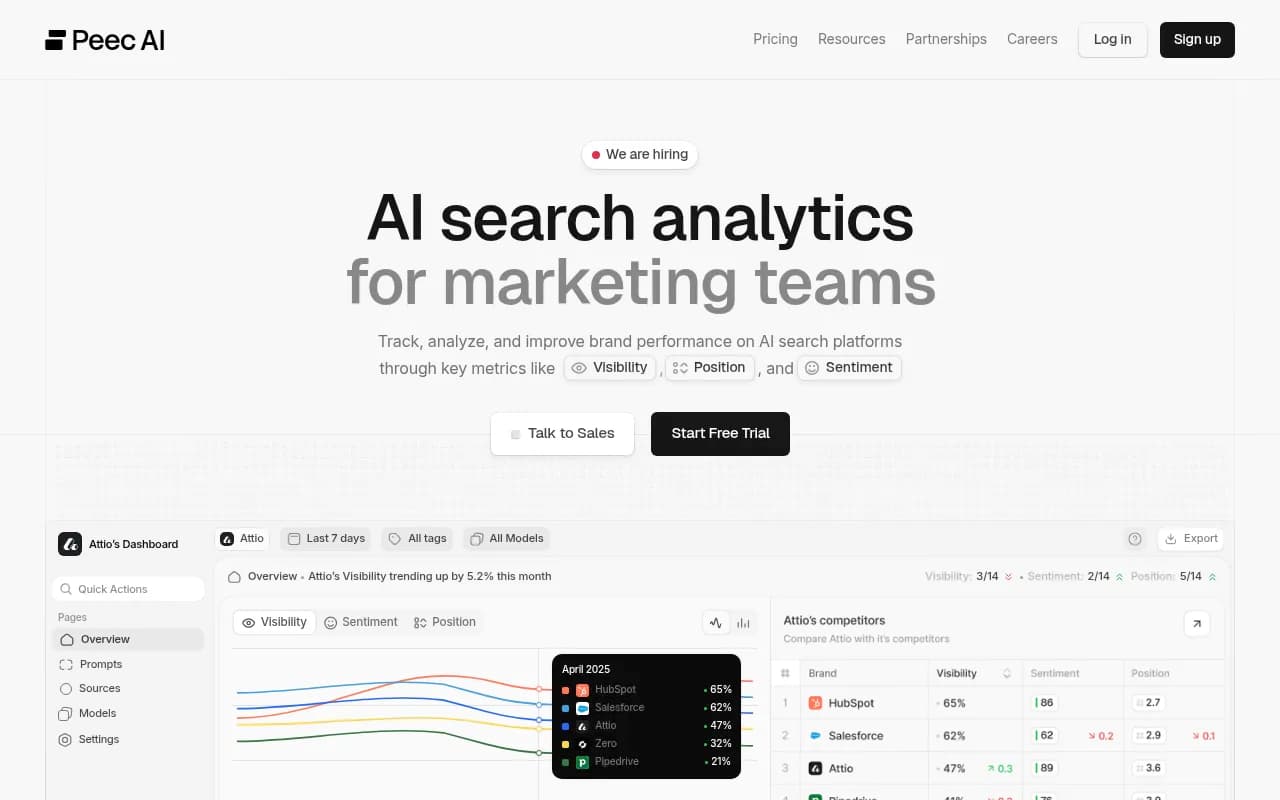
Peec AI tracks brand visibility across ChatGPT, Perplexity, and Claude with daily monitoring. It's a solid monitoring tool with clean reporting, though it doesn't offer content generation or crawler log access.
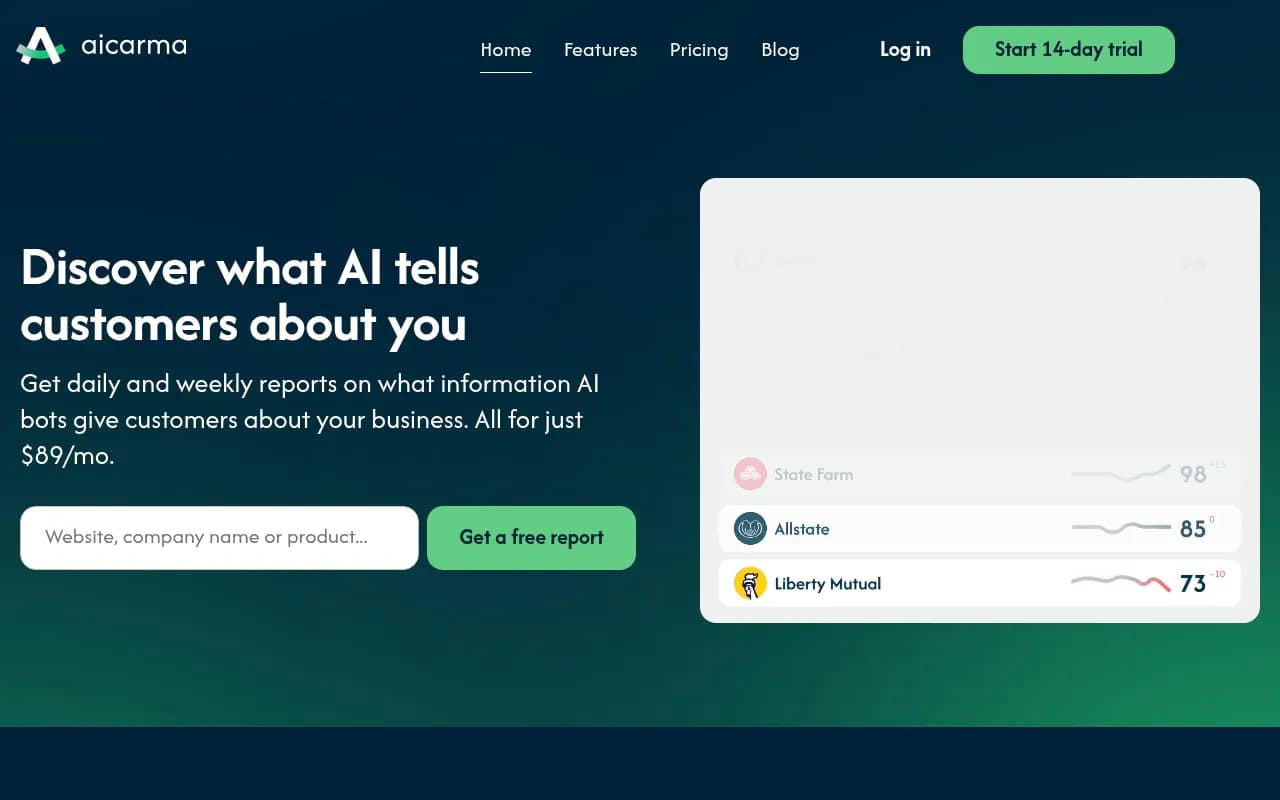
AICarma claims to track brand visibility across 14+ language models daily, which is one of the broader model coverage claims in this space. Worth evaluating if multi-model breadth is your priority.
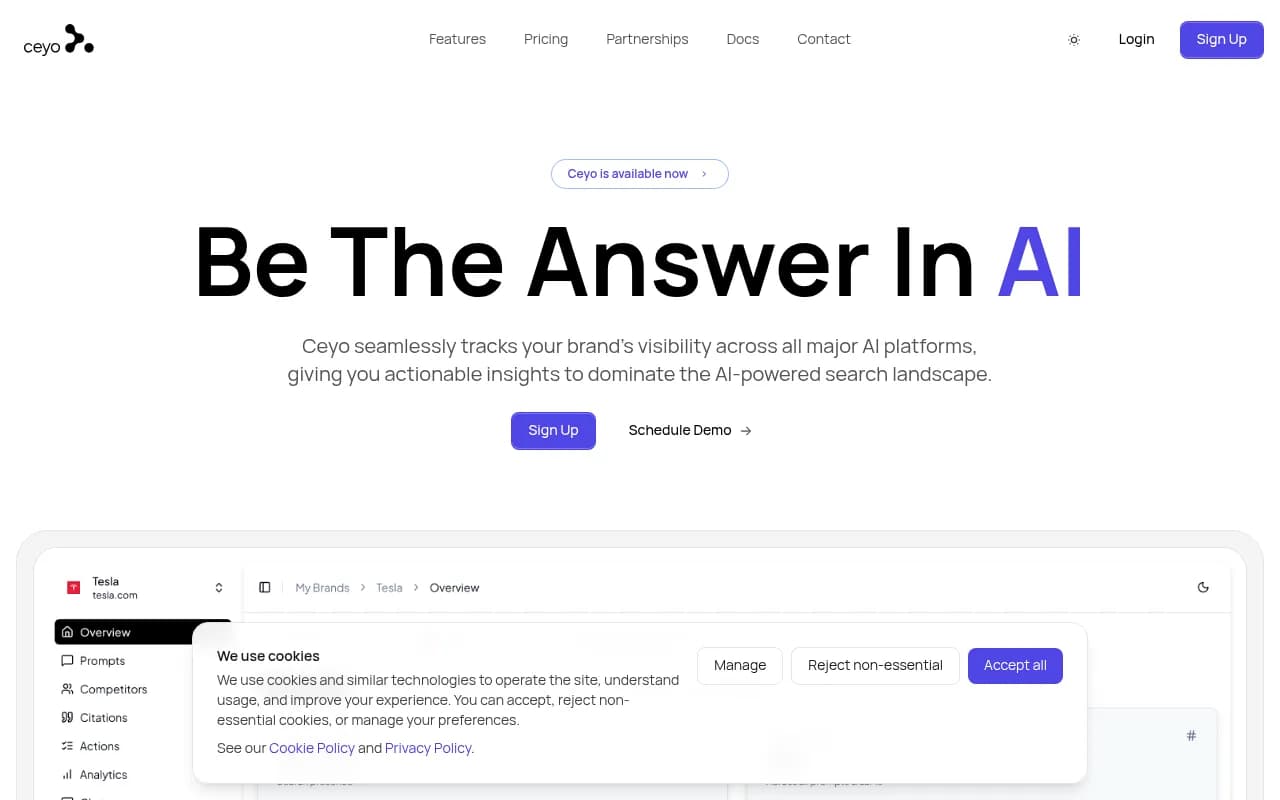
Ceyo positions itself as a real-time tracker across ChatGPT, Gemini, Claude, and Perplexity. "Real-time" is a strong claim in this space -- in practice it means queries are run on a near-continuous cycle rather than a strict 24-hour batch.
Ceyo
Otterly.AI is frequently recommended as an entry-level option with daily monitoring. It covers ChatGPT, Perplexity, and Google AI Overviews. The tradeoff is that it's monitoring-only: no content generation, no crawler logs, no gap analysis.
Otterly.AI

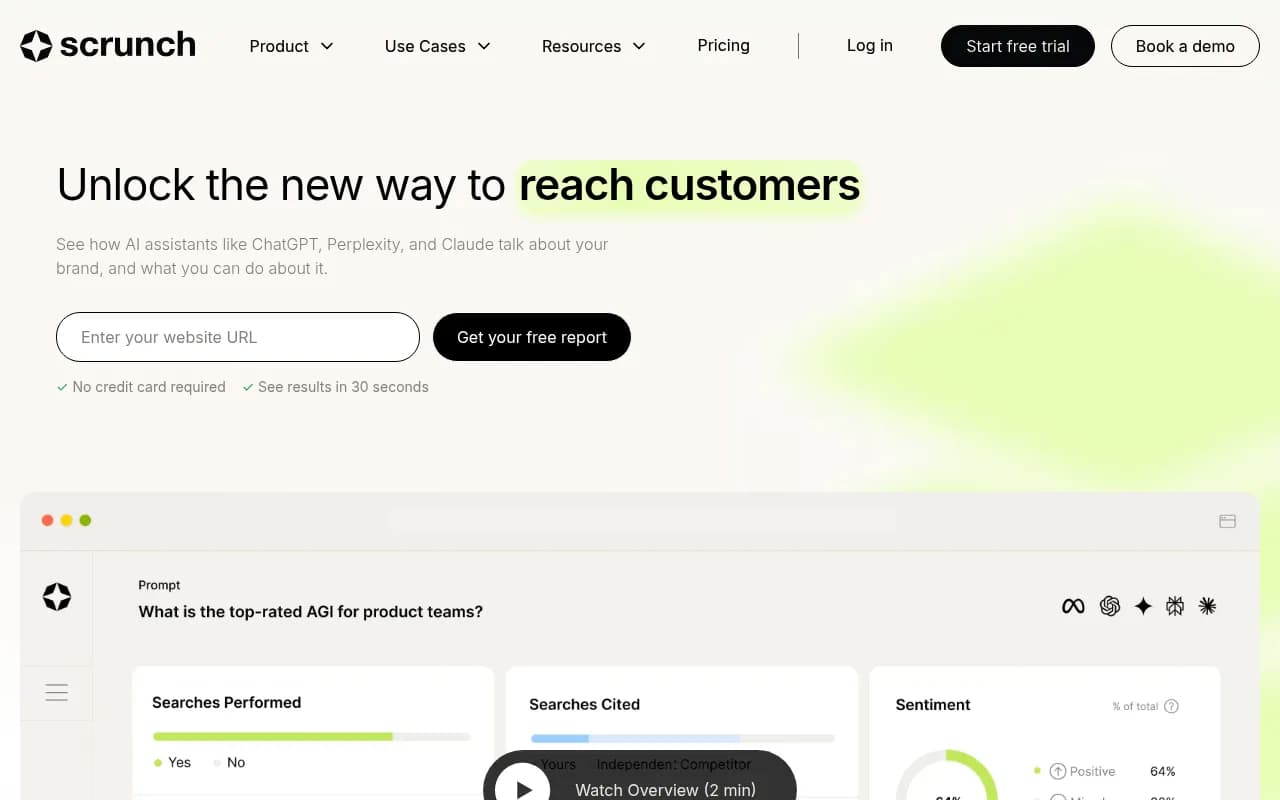
ScrunchAI offers daily tracking across multiple LLMs with a focus on brand mentions and sentiment. It's a reasonable monitoring tool but lacks the optimization layer that would let you act on what you find.
Profound is an enterprise-tier platform with frequent data refreshes across 9+ AI engines. It has strong feature depth, though pricing is at the higher end of the market and it lacks Reddit tracking and ChatGPT Shopping monitoring.
Profound

LLMClicks is worth a mention here because it's one of the few tools that specifically tracks hallucination accuracy alongside visibility. It runs daily checks and flags when AI responses contain wrong information about your brand. For SaaS companies especially, that's a genuinely different use case.
Weekly update platforms
AthenaHQ runs on a weekly refresh cycle for most of its monitoring features. It has a clean interface and decent prompt coverage, but the weekly cadence means you're always working with data that's at least a few days old. It's also monitoring-focused with limited content optimization.

Semrush added AI visibility tracking to its platform, but the AI-specific features update on a slower cycle than its traditional rank tracking. If you're already a Semrush customer, the AI add-on is convenient. If AI visibility is your primary concern, it's not purpose-built for this.
Ahrefs Brand Radar similarly sits in the weekly-to-monthly range for AI citation data. It uses fixed prompts rather than custom ones, which limits how precisely you can track your specific competitive landscape.
SE Ranking has added AI visibility features with weekly monitoring across major LLMs. It's a solid all-in-one SEO platform, and the AI tracking is a useful addition, but it's not the primary focus of the product.
Rankshift tracks brand visibility across ChatGPT, Perplexity, and AI search with weekly data refreshes. It's positioned as a straightforward monitoring tool without deep optimization features.

Conductor offers AI citation tracking with a focus on brand authority. Its update frequency sits in the weekly range for most plans, and it's better suited to enterprise teams already using it for traditional SEO.
Monthly or on-demand platforms
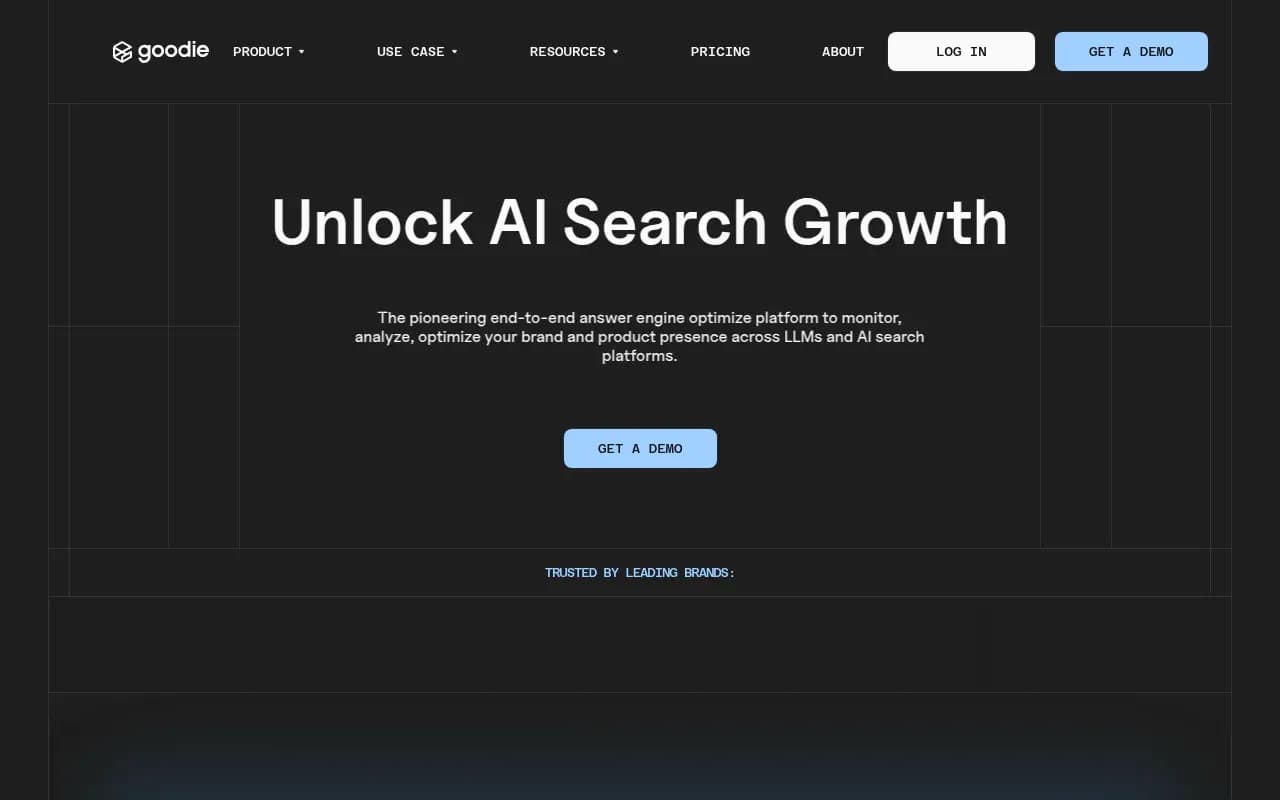
Goodie AI runs on a slower refresh cycle, closer to monthly for most features. It's a basic visibility tracker that works for initial benchmarking but isn't designed for active optimization.
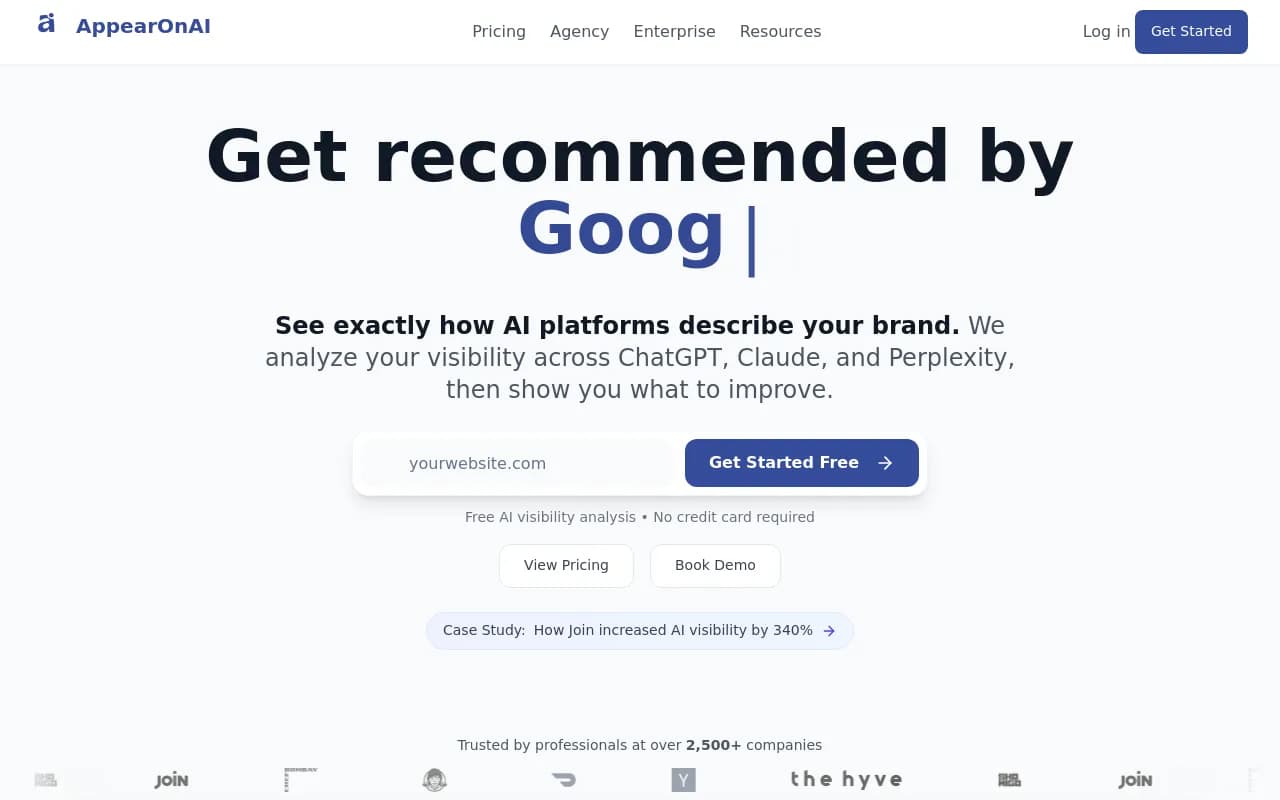
AppearOnAI is positioned as an executive assessment tool rather than an ongoing monitoring platform. It's useful for a one-time snapshot of your AI visibility but not for continuous tracking.
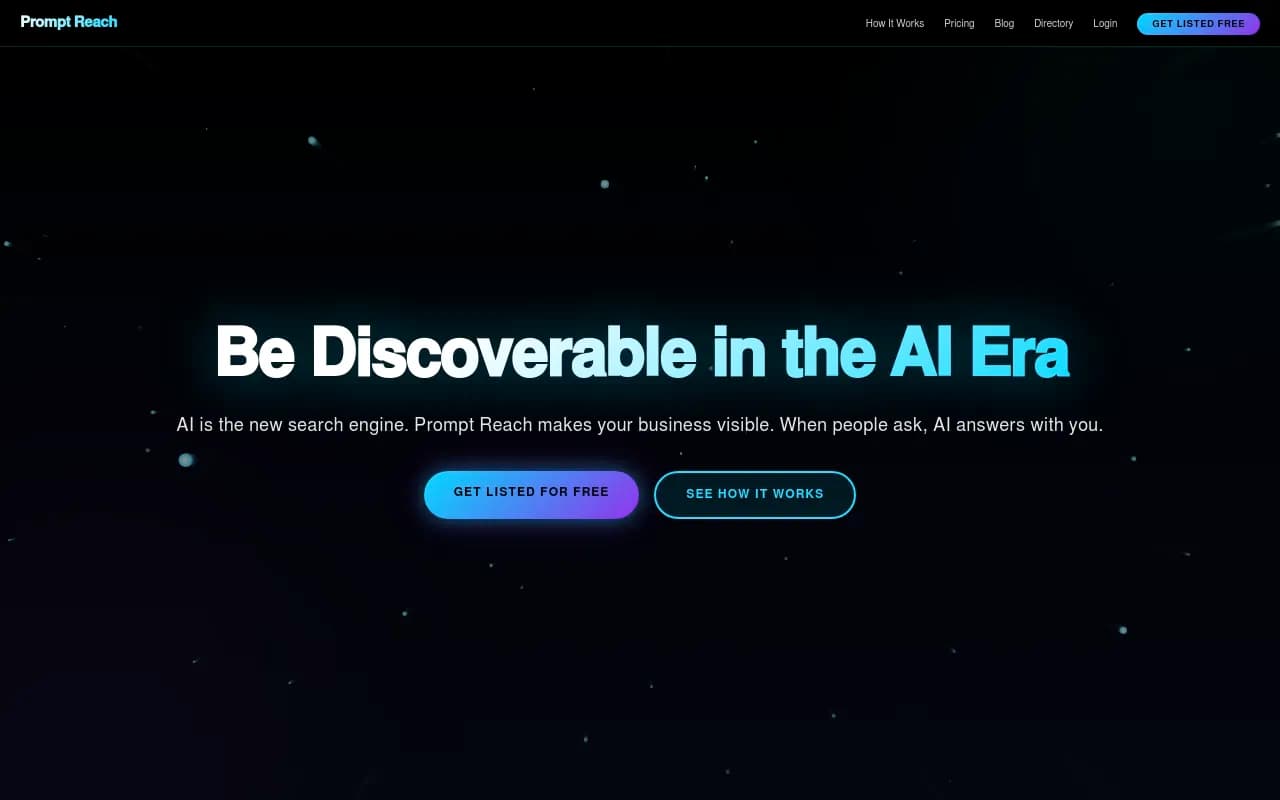
PromptReach is a free directory-based tool that claims to improve your visibility in ChatGPT. It doesn't offer real monitoring in any meaningful sense, and "on-demand" is generous as a description of its update model.
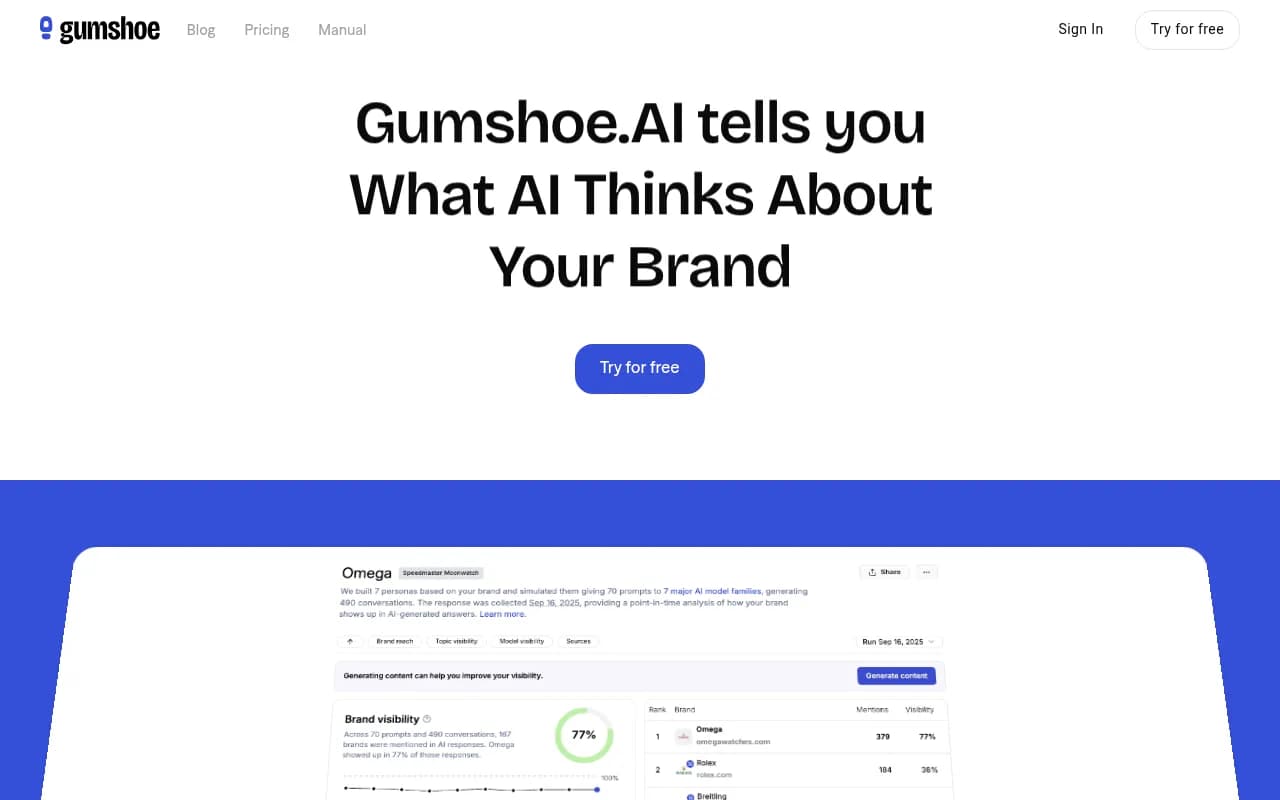
Gumshoe AI tracks brand mentions across ChatGPT, Gemini, and Perplexity. Its update frequency is closer to weekly-to-monthly depending on the plan, and it's a lighter-weight tool overall.
Comparison table: data freshness across platforms
| Platform | Update frequency | Models covered | Content generation | Crawler logs | Best for |
|---|---|---|---|---|---|
| Promptwatch | Daily | 10 models | Yes (AI writing agent) | Yes | Full optimization cycle |
| Ceyo | Near real-time | 4 models | No | No | Fast monitoring |
| AICarma | Daily | 14+ models | No | No | Multi-model breadth |
| Peec AI | Daily | 3 models | No | No | Simple monitoring |
| Otterly.AI | Daily | 3 models | No | No | Entry-level monitoring |
| LLMClicks | Daily | 2 models | No | No | Hallucination detection |
| ScrunchAI | Daily | Multiple | No | No | Brand mention tracking |
| Profound | Daily/frequent | 9+ models | No | No | Enterprise monitoring |
| AthenaHQ | Weekly | Multiple | No | No | Mid-market monitoring |
| Semrush | Weekly (AI features) | Limited | No | No | Existing Semrush users |
| Ahrefs Brand Radar | Weekly-monthly | Limited | No | No | Existing Ahrefs users |
| SE Ranking | Weekly | Multiple | No | No | All-in-one SEO teams |
| Conductor | Weekly | Multiple | No | No | Enterprise SEO |
| Goodie AI | Monthly | Limited | No | No | Basic benchmarking |
| AppearOnAI | On-demand | Limited | No | No | One-time audits |
What daily updates actually enable
Knowing your data is fresh isn't just a nice-to-have. It changes what you can do with the platform.
With daily data, you can run an optimization experiment: publish a new piece of content, then check within 24-48 hours whether AI models have started citing it. That feedback loop is what makes AI visibility work like a real channel rather than a black box. Without it, you're publishing content and waiting weeks to find out if it worked.
Daily crawler logs take this further. Promptwatch's crawler log feature shows when GPTBot, ClaudeBot, or PerplexityBot actually visited your pages. If you published something and the crawler hasn't visited yet, that tells you something different than "AI isn't citing you." It means the content hasn't been discovered yet, not that it's been evaluated and rejected.
This distinction matters a lot for diagnosing problems. Stale data collapses all these scenarios into one unhelpful signal: "you're not being cited."
The freshness-vs-depth tradeoff
One pattern worth noting: some platforms that claim daily updates are running a narrow set of queries very frequently, while platforms with slightly slower refresh cycles might be running a much broader set of prompts. A platform that checks 500 prompts weekly might give you more useful data than one that checks 50 prompts daily.
The right answer depends on your situation. If you're in a fast-moving space (consumer tech, finance, retail) where AI responses shift quickly, daily updates on your core prompts matter more. If you're in a slower-moving B2B category, broader prompt coverage at weekly frequency might be more valuable.
Prompt Intelligence features, like those in Promptwatch, help with this tradeoff. Volume estimates and difficulty scores let you prioritize which prompts are worth monitoring daily versus which ones you can check less frequently.
The monitoring-only trap
Data freshness is important, but it's only useful if you can act on what you find. Most platforms in this space, regardless of how often they update, stop at showing you the data.
That's the monitoring-only trap. You can see that a competitor is being cited for "best project management software for remote teams" and you're not. You can see it updating daily. But the platform doesn't tell you what content you're missing, doesn't help you create it, and doesn't track whether new content you publish actually moves the needle.
The platforms that escape this trap are the ones with a full action loop: find the gap, create content to fill it, track whether it worked. In 2026, that's still a short list.
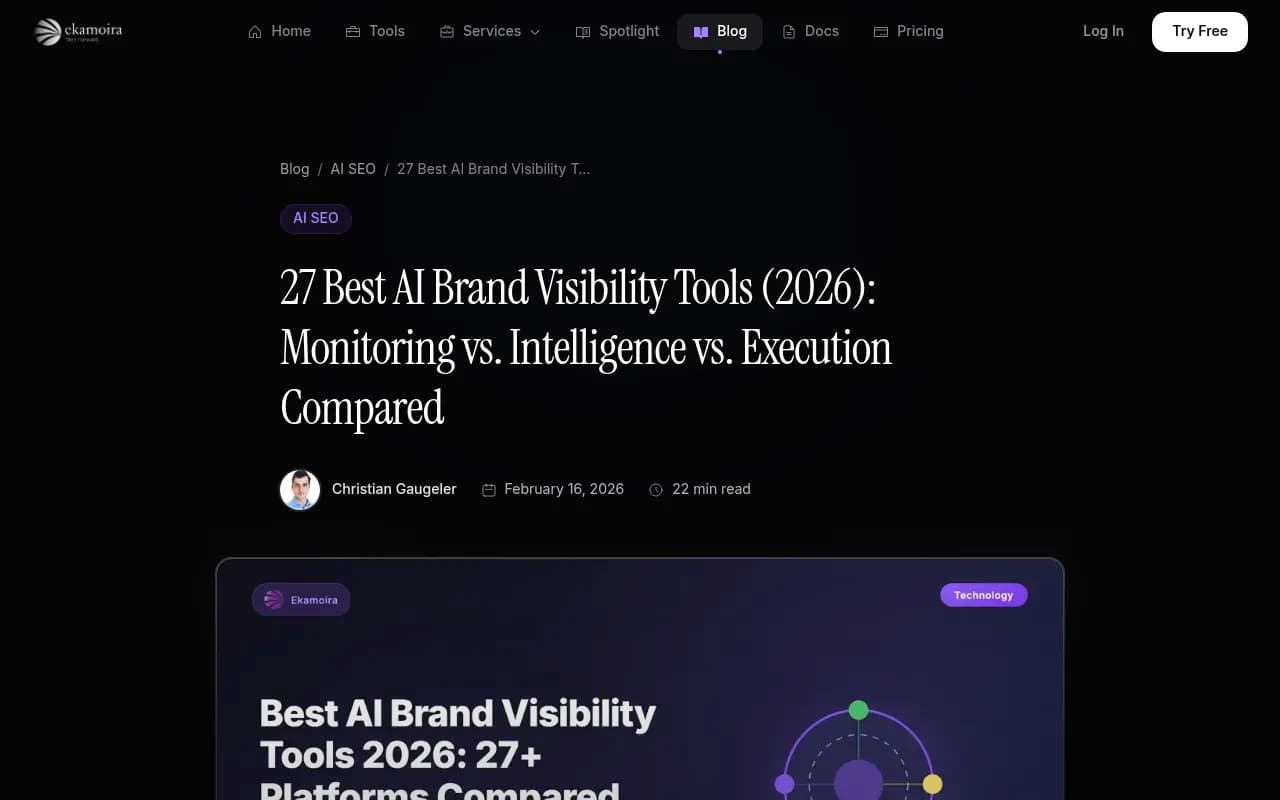
A comparison of 27 AI brand visibility tools organized by capability tier -- monitoring, intelligence, and execution.
How to choose based on your situation
If you're just starting out and want to understand your current AI visibility without a big budget, a daily-update monitoring tool like Otterly.AI or Peec AI gives you a reasonable starting point. You'll see where you're being cited and where you're not.
If you're actively trying to improve your AI visibility and want to measure whether your content efforts are working, you need daily updates plus content gap analysis plus page-level tracking. That combination is what separates an optimization platform from a monitoring dashboard.
If you're an agency managing multiple clients, you need all of the above plus multi-site support, white-label reporting, and ideally API access for custom workflows.
And if hallucination detection is a priority (it should be for any SaaS company with complex pricing or features), LLMClicks is worth testing specifically for that use case, alongside a broader platform for general visibility tracking.
The data freshness question is really a proxy for a deeper question: is this platform built for people who want to understand their AI visibility, or for people who want to improve it? Daily updates are table stakes for the latter.